[Column] Expanding trajectory of Minimal Music: Aesthetics of repetition and change as seen from Techno, House, and Rock
Column en House Minimal Rock Techno![[Column] Expanding trajectory of Minimal Music: Aesthetics of repetition and change as seen from Techno, House, and Rock](/../assets/images/column-minimal-music.webp)
序章:沈黙と繰り返しのあいだに
| Text: mmr | Theme: “Aesthetics of Repetition and Change” - A cross-sectional interpretation of minimal music, the richest expression of music achieved through “scarcity,” from classical to techno to contemporary Japan. |
A single sound rings out and then disappears silently. The next sound appears again, at a slightly different angle. By the time that series takes shape, we are listening not to the music’s “story” but to its “existence itself.” ——それが、ミニマル・ミュージックの始まりだった。
Minimal music was born in America in the 1960s. Abandoning the drama and emotional expression that traditional Western music has pursued, 代わりに「時間と構造」そのものを聴かせる芸術へと変化した。 Terry Riley”s “In C”, Steve Reich”s “Piano Phase”, And Philip Glass’s “Einstein on the Beach”—— 彼らは音の反復を、退屈ではなく瞑想的な体験へと昇華させた。
やがて、その理念は電子音楽の世界へ浸透していく。 TR-808や909が刻む一定のリズムの中に、 A slight change in the filter or misalignment of the hi-hat gives it life. それはライヒがピアノで行った“位相シフト”と同じ思想—— It is the minute differences within repetition that create the sense of musical time.
本稿では、この「反復の美学」がどのように拡張され、 Classical, techno, house, rock, and even Japanese electronic music. 多様なジャンルを貫くひとつの感覚的・哲学的潮流となったのかを辿る。
Minimalism is not just “striping down.” It is an act of looking at the ““eternity’’ that resides in the smallest unit of sound. An infinite fluctuation that is born between silence and rhythm. In this environment, people sense “presence” through hearing.
Chapter 1: The origins of minimal music - Terry Riley and Steve Reich
In 1964, Terry Riley’s In C premiered. This piece had an unprecedented structure, with the performers freely repeating 53 short note patterns. Each phrase overlaps with a slight shift, creating a sound that seems to continue indefinitely. この「自由な反復」は、後の電子音楽やDJ文化に通じる発想である。
Structural analysis
| Element | Content |
|---|---|
| Basic materials | 53 phrases (1-2 measure units) |
| テンポ | 任意(一般的には♩=120前後) |
| 反復方式 | 各奏者が自分のタイミングで次のフレーズに移る |
| Effect | Polyrhythm effect due to phase shift |
Steve Reich’s next work, Piano Phase (1967), strictly controlled the “discrepancies” in repetition.
By having two pianists playing the same phrase and one accelerating the tempo slightly,
音型が徐々にずれていく。この「位相シフト(Phase Shifting)」こそ、
It foresaw the aesthetics of loop structures in later techno.
Chapter 2: Philip Glass and the “beauty of construction” – between machines and humans
Philip Glass elevated repetition as ““structural order.’’
オペラ《Einstein on the Beach》(1976)は、5時間に及ぶ音響の建築物である。
While changing the same phrase step by step, the voice, organ, and violin are played.
幾何学的な音のパターンを描き続ける。
Characteristics of repetitive structure
- Addition/subtraction in module units (Additive Process)
- Advantage of “pulsation” over pitch
- Fluctuations of emotion based on numerical regularity
グラスの手法は、80年代以降のポスト・ロックやエレクトロニカにも影響を与えた。
たとえばTortoiseやSigur Rósの楽曲構成にも、グラス的な「持続する律動」の影響が見られる。
Chapter 3: Minimalism in Techno and House - From Detroit to Berlin
Detroit Geometric Minimalism
Minimal techno was created by Derrick May, Jeff Mills, Robert Hood and others.
リズムの抽象化による“精神の構築物”だった。
Robert Hood’s ““Minimal Nation’’ (1994) is played by the TR-909 drum machine.
Creating extreme tension from minimal patterns.
Track Composition Analysis (Robert Hood - “Rhythm of Vision”)
| 要素 | 内容 |
|---|---|
| 拍子 | 4/4 |
| BPM | 128 |
| サウンド構成 | Kick, Hi-hat, Snare, Sub bass |
| 変化 | フィルターの微細変化とリズムの脱落による心理的揺れ |
ベルリンの空気と反復の再構築
1990年代後半、ベルリンではBasic ChannelやMaurizio(Moritz von Oswald, Mark Ernestus)が
ダブ・エコーを伴う「Dub Techno」を確立。
Low frequency repetition and reverberation created an acoustic experience that expanded the sense of time.
Chapter 4: Rock and Post-Minimalism - From Brian Eno to Radiohead
ブライアン・イーノの《Music for Airports》(1978)は、
It is not only the father of ambient music, but also the origin of ““static minimalism.’’
ループテープによる偶発的な重なりが、聴覚の時間軸を拡張した。
Later, in Radiohead’s ““Everything in Its Right Place’’ (2000), Repeating synths and vocal loops bring a Reichian sense of phase to pop music.
Comparison table: Repetition structure in Eno and Radiohead
| Works | Technical features | Effects |
|---|---|---|
| Brian Eno - Music for Airports | Asynchronous playback of tape loops | Accidental overtone generation |
| Radiohead - Everything in Its Right Place | デジタルサンプラーの位相ずれ | 感情の分離・夢幻感 |
第5章:日本のミニマル ― 電子と環境の交差点
冨田勲:電子の中のシンフォニー
Isao Tomita used a synthesizer to reconstruct classical music in ““electronic repetition.’’
《月の光》(1974)では、微細なモジュレーションの揺らぎが音の空間を形づくる。
この“電子的持続”の感覚は後のテクノ・アンビエントにも通じる。
Ryoji Ikeda: Minimal data and frequency
池田亮司の作品は、純粋な周波数・数値・データを音楽化する。
《dataplex》(2005)では、人間の知覚限界を試す超高周波サウンドを反復・分割し、
音響空間を“デジタル的ミニマル”として提示した。
日本のミニマル系アーティスト一覧
| Artist | Main works | Features |
|---|---|---|
| 冨田勲 | 《月の光》《惑星》 | 電子クラシック/音響の緻密化 |
| 池田亮司 | 《dataplex》《test pattern》 | 数学的・周波数的ミニマル |
| Alva Noto + 坂本龍一 | 《Vrioon》《Summvs》 | エレクトロ音響とピアノの融合 |
| Rei Harakami | 《Red Curb》《lust》 | Lo-fi電子の温かい反復 |
| Asa-Chang & Pilgrimage | 《Flowers》 | Intersection of minimalism and human voice |
第6章:年表 ― ミニマル音楽の進化と分岐
結語:反復の中に生まれる“変化”
Minimalism is not just about “less”. それは、制限の中で最大の自由を発見する芸術である。 Terry Rileyの《In C》から、Ryoji Ikedaの《dataplex》まで続くこの系譜は、 アナログからデジタル、身体からデータへと形を変えながら、 今もなお「音と時間の実験」を続けている。
YouTube Podcast
※このPodcastは英語ですが、自動字幕・翻訳で視聴できます
Explore more like this
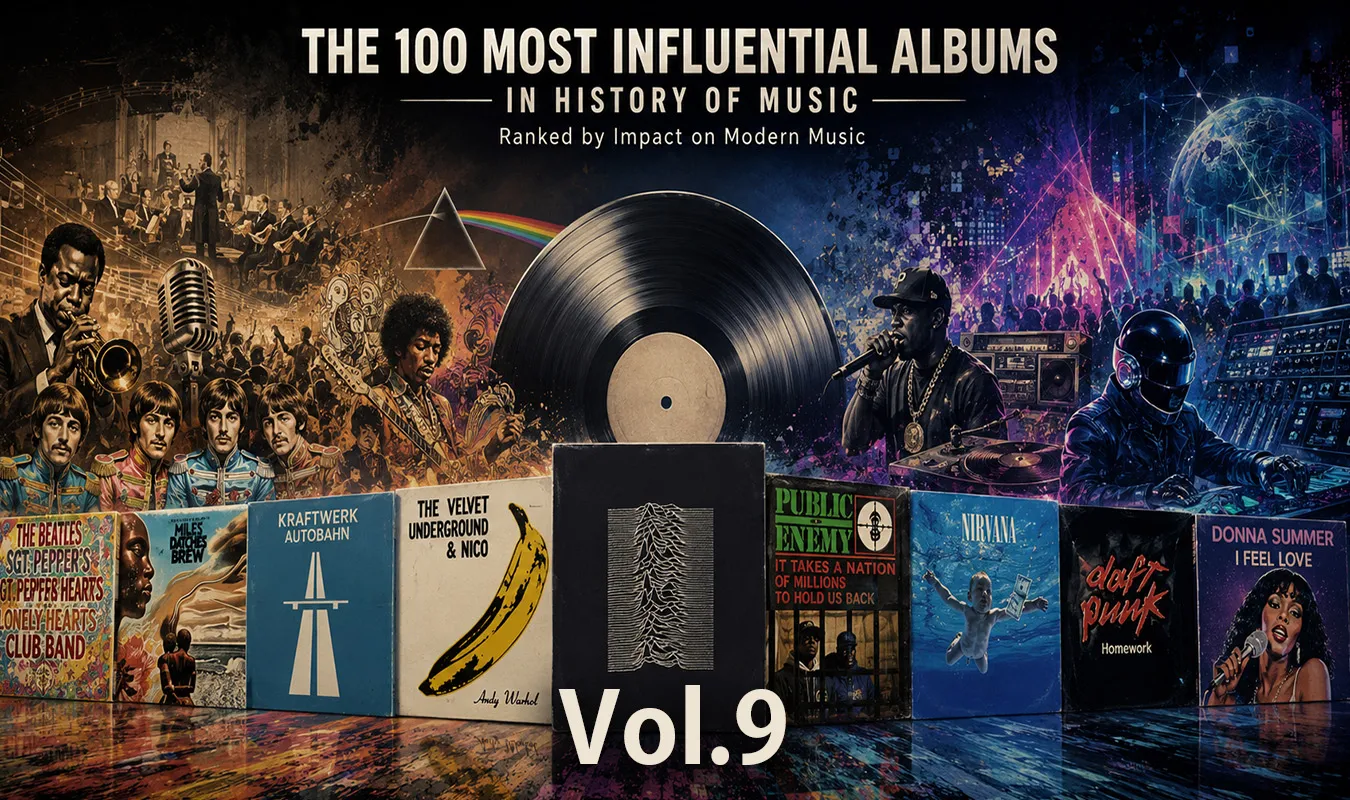
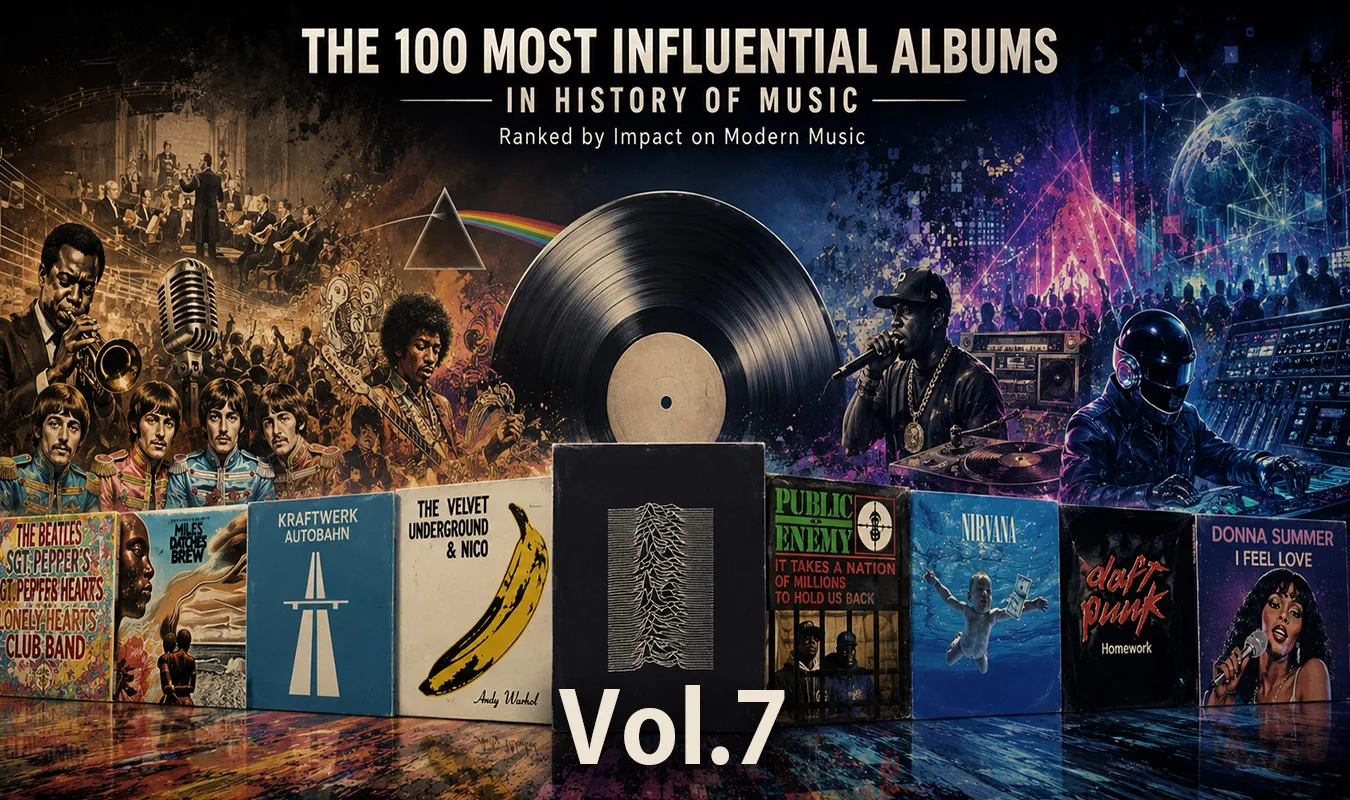
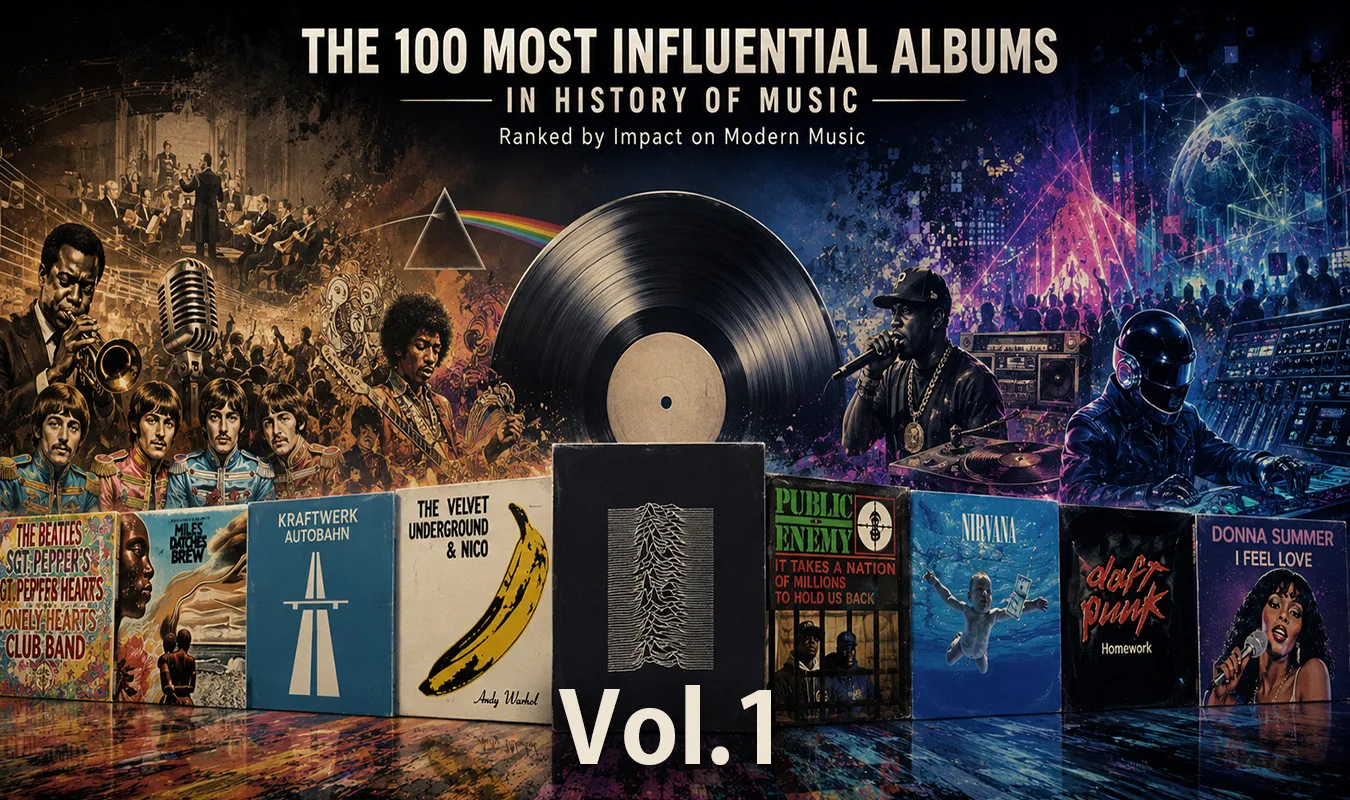
【コラム】 音楽史上最も影響力のあった100枚:現代音楽への影響度だけで再構築する新しい音楽史(第1回・1〜10:現代音楽を生んだ10枚の革命)
プロローグ:音楽史を「物語」ではなく「構造変化」として読む

【コラム】 LGBTQ+コミュニティとダンスミュージック
America before rock and roll
![[Column] TR-808: It was not machines that changed music, but the people who used them.](/../assets/images/column-roland-tr-808.webp)
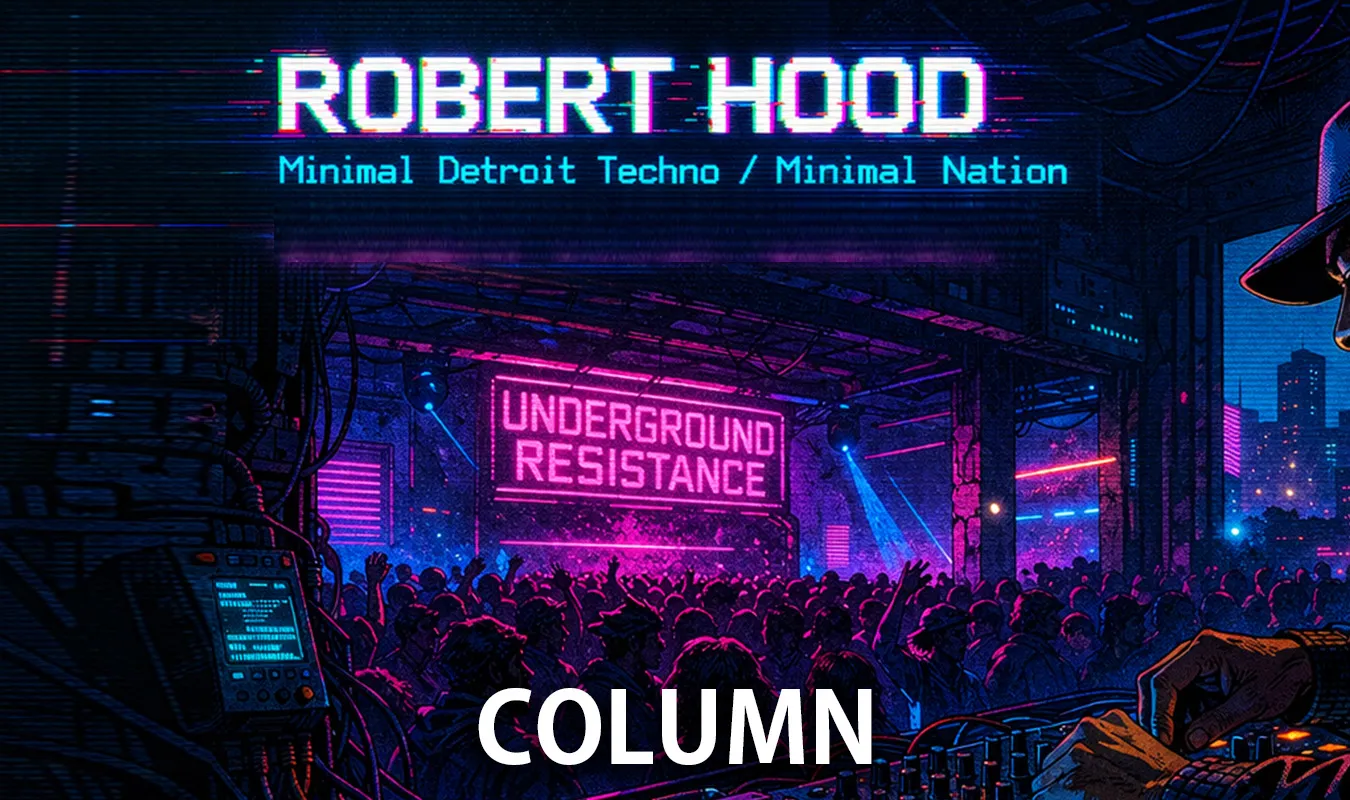
【コラム】 ミニマル・テクノの核心──Robert Hoodが切り開いた削ぎ落としの美学
削ることで現れる音楽の本質
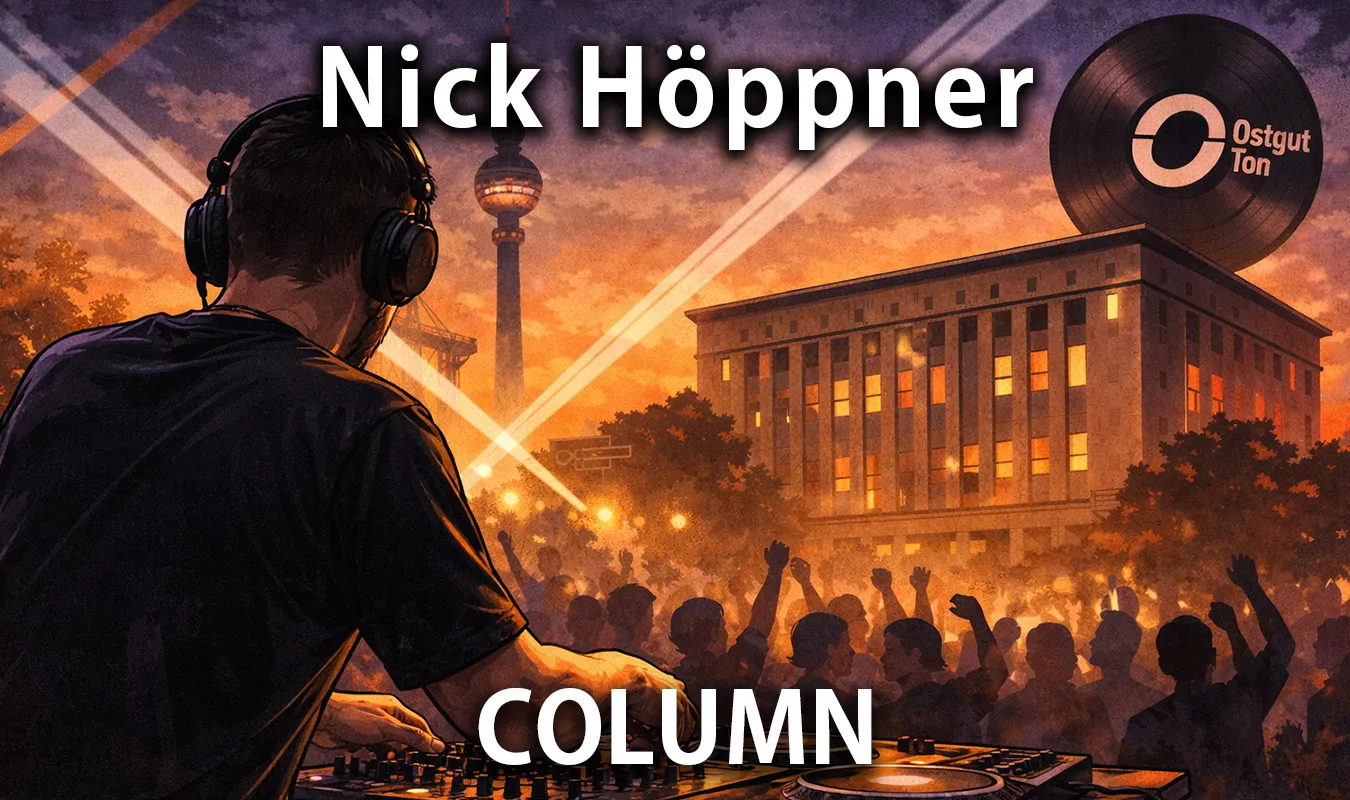
【コラム】 Nick Höppner:ベルリン制度史とフロア実践を横断した音響思想
序論:制度と現場を接続するDJ
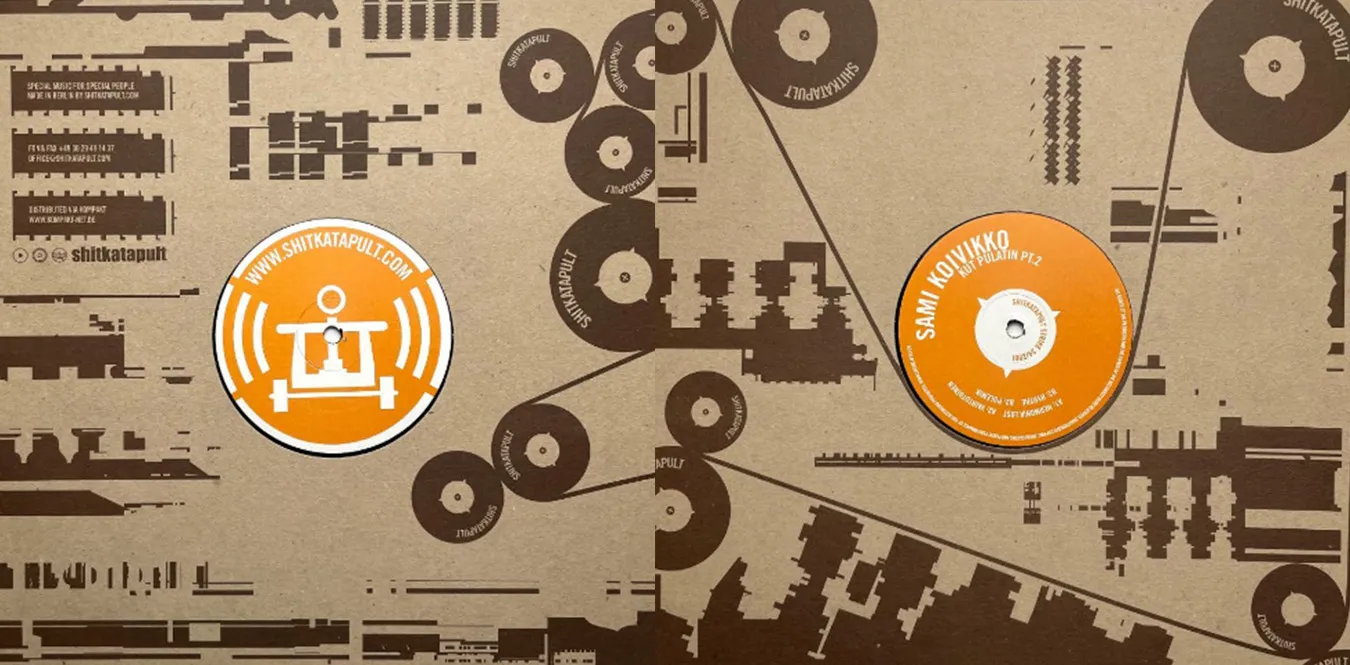
Sami Koivikko – Kut Pulatin Pt. 2
Sami Koivikko is a techno producer based in Finland. Known as a standard bearer of minimal techno and click techno, he has released works on various labels such as the...
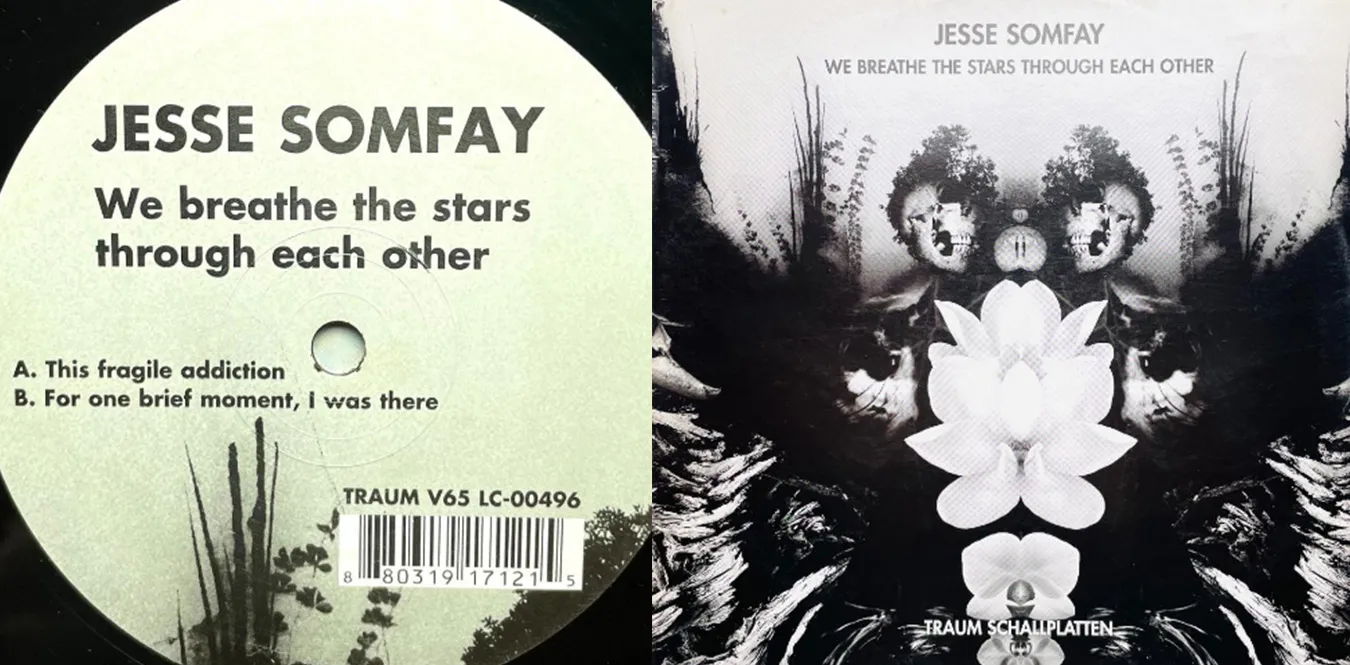
Jesse Somfay – We Breathe The Stars Through Each Other
Jesse Somfay(ジェシー・ソムフェイ)は、2000年代半ばから名門レーベルArchipelやTraum Schallplattenを中心に活動しているカナダ出身のプロデューサー。ミニマル・テクノ、アンビエント、シューゲイザーを融合させたスタイルが特徴。Borealis(ボレアリス)名義での活動でもよく知られている。
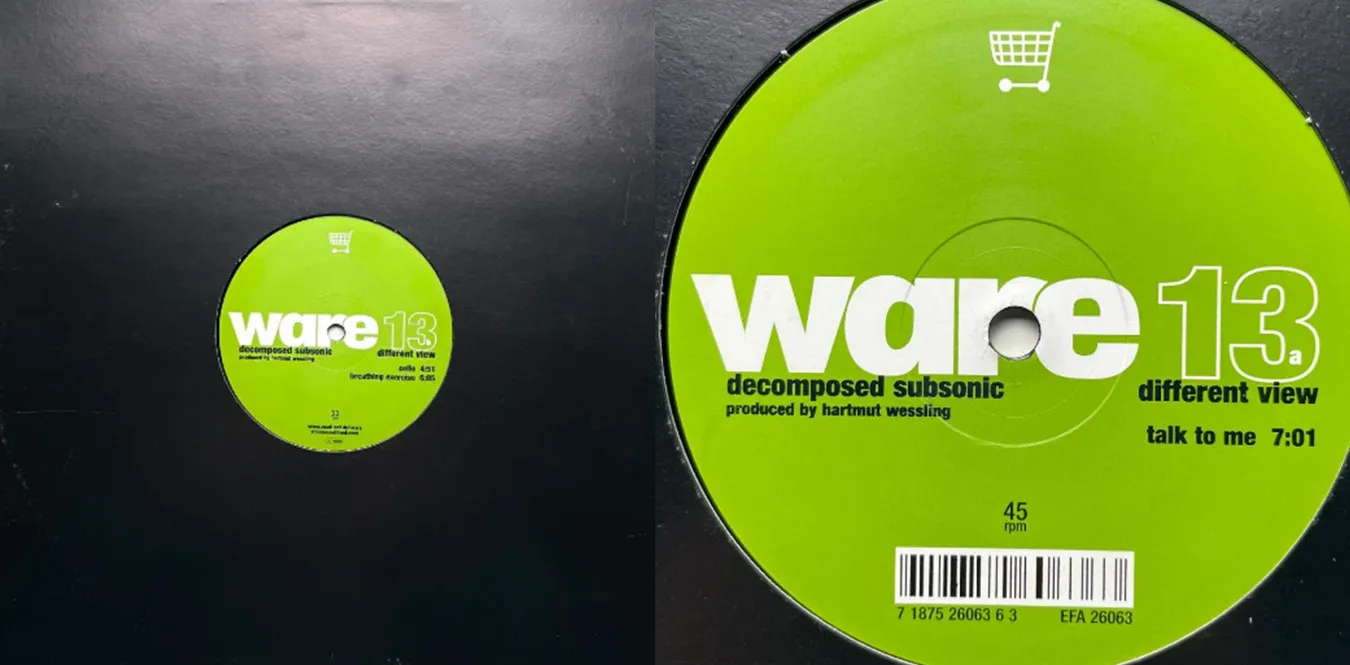
Decomposed Subsonic – Different View
Decomposed Subsonic – Different View