America before rock and roll
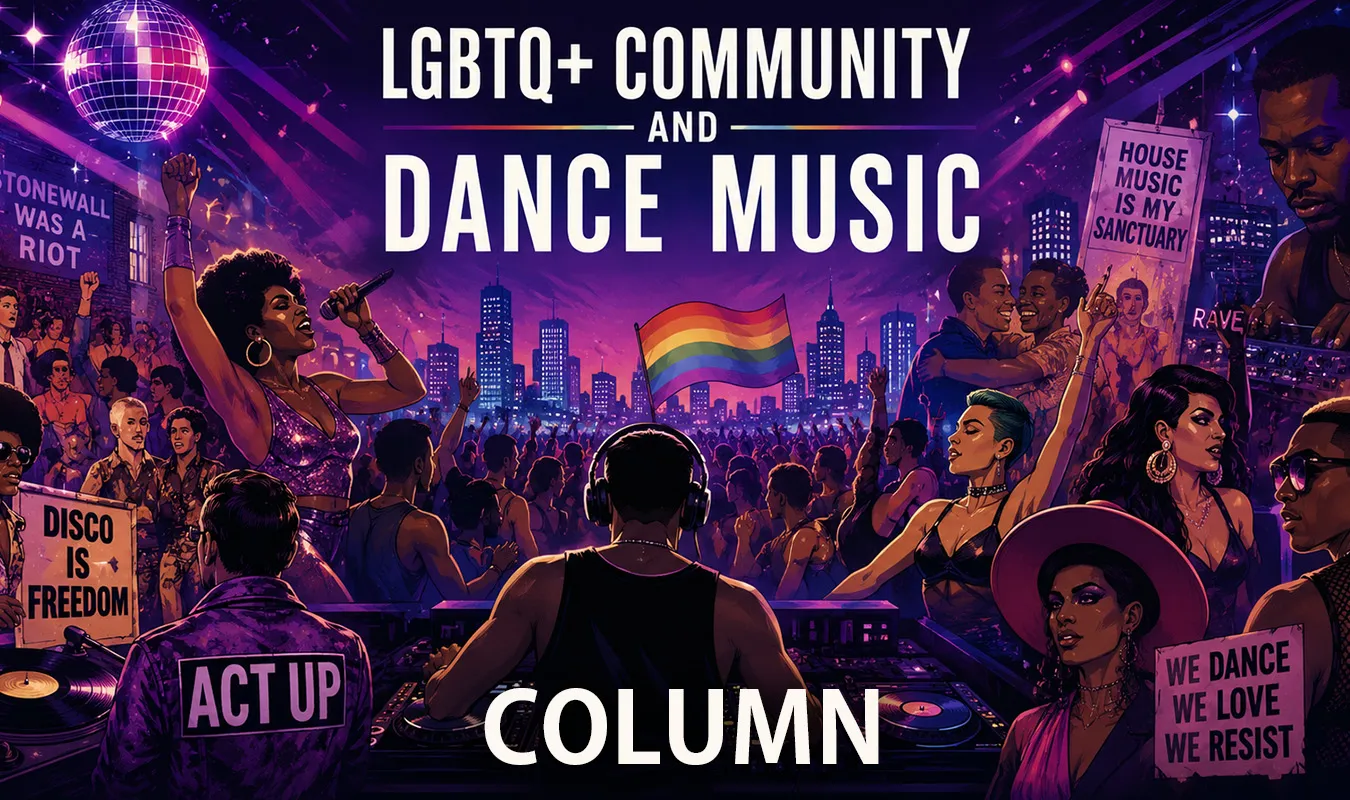
Text: mmr|Theme: Why has club culture become a “place to be”? Tracing the history of the LGBTQ+ community and dance music, from disco to house, techno, rave, and modern club culture.
ダンスミュージックの歴史を辿ると、そこには常に「逃げ場」を求める人々の姿がある。
社会の中で周縁へ追いやられてきた人々。差別、偏見、暴力、沈黙を強いられてきた人々。その中でもLGBTQ+コミュニティは、20世紀後半のクラブカルチャー形成に決定的な役割を果たした。
ディスコ、ハウス、テクノ、ボールルーム、レイヴ。これらは単なる音楽ジャンルではない。そこには「安全な場所を自分たちで作る」という強い意思が存在していた。
The kick drum playing on the dark club floor wasn”t just a beat. It was a place where people didn”t have to hide their names, a place where they didn’t have to be afraid of their bodies, and a space where people who had been pushed to the outside of society felt for the first time that it was okay to exist.
Dance music is also the history of the LGBTQ+ community.
The dance floor was not a refuge separated from society, but a place to experiment with a new society.
ディスコ以前の地下文化
Hidden Community
During the 1950s and 1960s, many states in the United States criminalized homosexual acts. Police raids on gay bars were commonplace, and LGBTQ+ people were forced to hide their identities.
しかし、その抑圧の中でも地下コミュニティは形成されていく。
ニューヨーク、サンフランシスコ、シカゴなどの都市では、小規模なゲイバーやクラブが誕生し始めた。そこではジャズ、ソウル、R&Bが流れ、人々はようやく自由に踊ることができた。
重要なのは、これらの場所が単なる娯楽施設ではなかった点だ。
The club was a place to exchange information, form a community, and see that there were other people like me.
ストーンウォールの反乱
In 1969, a confrontation with police at New York’s Stonewall Inn was a turning point in the LGBTQ+ liberation movement.
Patrons resisted frequent police raids. This event led to several days of protests, which led directly to the Pride movement that followed.
What is important is that the stage for this rebellion was a club.
The music, dance, and nightlife space was already a hub for the LGBTQ+ community.
Before clubs were music spaces, they were places for isolated people to discover each other.
The atmosphere of “liberation” created by disco
ディスコは誰の音楽だったのか
In the 1970s, disco music becomes a worldwide phenomenon.
しかし現在の一般的なイメージとは異なり、ディスコ文化の起源には黒人、ラテン系、LGBTQ+コミュニティの存在が深く関わっていた。
ニューヨークのロフト、パラダイス・ガラージ、サンクチュアリーなどのクラブでは、既存社会から疎外された人々が夜通し踊っていた。
そこでは人種、ジェンダー、セクシュアリティの境界が曖昧になった。
ディスコは「見せるダンス」ではなく、「自分自身を解放するダンス」だったのである。
Birth of DJ culture
ディスコ時代に大きく変化したものの一つが、DJの役割だった。
それまでのクラブでは生演奏が中心だったが、DJが空間全体をコントロールする文化が発展していく。
特にニューヨークのクラブ文化では、DJは単に曲を流す人ではなく、フロアの感情を読み取り、人々をトランス状態へ導く存在になった。
ロングミックス、ビートの接続、楽曲の延長、低音重視のサウンドシステム。現代クラブ文化の基礎はこの時代に形成された。
「Disco Sucks」の裏側
1979年、「Disco Demolition Night」という反ディスコ運動がシカゴで発生した。
大量のディスコレコードが爆破されるこのイベントは、単なる音楽ジャンルへの反発ではなかったとも指摘されている。
ディスコ文化の背後にあった黒人文化、ゲイカルチャー、ラテン文化への嫌悪感が混ざっていたという分析は現在も多い。
ディスコが広げた「自由な身体表現」は、保守的価値観との衝突を生み出していた。
ディスコは流行音楽だっただけでなく、既存社会の価値観を揺さぶる文化でもあった。
シカゴ・ハウスとクィア・ブラックカルチャー
ハウス誕生の背景
1980年代初頭、ディスコの商業的衰退後もクラブ文化そのものは消えなかった。
むしろ地下へ潜り、より実験的な方向へ進化していく。
シカゴのクラブ「Warehouse」では、DJフランキー・ナックルズがディスコ、ヨーロッパ電子音楽、ドラムマシンを融合させた新しいサウンドを作り始めた。
このクラブ名から「ハウス」という名称が定着したと言われている。
House music cannot be talked about separately from black gay culture.
Mechanical beats, long grooves, repetitive structures. It was music meant to unite the people on the floor.
「踊ること」が意味したもの
当時のLGBTQ+コミュニティは、HIV/AIDS危機という深刻な状況に直面していた。
1980年代、偏見と恐怖によって多くの人々が社会から排除されていた中、クラブは依然として重要な居場所だった。
踊ることは現実逃避ではなく、「まだ生きている」という感覚を共有する行為でもあった。
ハウスミュージックには、多幸感と同時に切実さが含まれている。
ゴスペルとの接続
ハウスミュージックにはゴスペル的高揚感が強く残っている。
「Your Love」「Can You Feel It」などの初期ハウスクラシックでは、宗教音楽のような反復と陶酔感が存在している。
クラブ空間はしばしば「教会」に喩えられた。
社会から拒絶された人々にとって、クラブは精神的共同体だったのである。
ハウスミュージックの高揚感は、快楽だけではなく生存の感覚と結びついていた。
テクノと未来都市の想像力
デトロイトの機械音楽
デトロイトテクノは、しばしば工業都市の未来音楽として語られる。
しかしその背景にも、クラブカルチャーとマイノリティコミュニティの存在があった。
1980年代のデトロイトでは、自動車産業衰退による経済不況が進行していた。
そんな中、若い黒人アーティストたちは電子音楽を使って「別の未来」を想像した。
Techno was not music for escaping reality, but for rewriting reality.
クィア空間としてのレイヴ
1990年代に入ると、レイヴカルチャーが世界へ広がる。
巨大倉庫、違法パーティ、オールナイトイベント。そこでは性別や社会階層を超えた匿名性が重要視された。
レイヴ空間は、多くのLGBTQ+参加者にとって安全地帯となった。
特にベルリンでは、壁崩壊後の空き施設を利用したクラブ文化が急速に発展し、クィアカルチャーと電子音楽が強く結びついていく。
ベルリンと再構築
ベルリンのクラブ文化は、政治的変化と密接に関わっていた。
After the wall collapses, a large amount of empty space will be created in the city. Young people brought sound systems into the space and created a new community.
そこではクィア性が特別視されるのではなく、自然に存在するものとして扱われた。
この感覚は、現代テクノカルチャーへ大きな影響を与えている。
テクノは未来的サウンドであると同時に、新しい社会を想像するための音楽だった。
ボールルームカルチャーと自己表現
「選ばれなかった人々」の文化
1980年代から1990年代にかけて、ニューヨークではボールルームカルチャーが発展する。
黒人・ラテン系LGBTQ+コミュニティを中心に形成されたこの文化では、「ハウス」と呼ばれる疑似家族的コミュニティが存在した。
家族から拒絶された若者たちが互いを支え合い、ボールイベントへ参加した。
ファッション、ダンス、パフォーマンス。そのすべてが自己表現だった。
Vogueとクラブカルチャー
ヴォーギングは、雑誌モデルのポーズから着想を得たダンススタイルとして発展した。
鋭い腕の動き、静止ポーズ、演劇的身体表現。そこには「自分を美しく見せる権利」を奪われてきた人々の強烈な意思がある。
後にこの文化はポップカルチャーへ取り込まれ、世界的認知を獲得していく。
映像作品による可視化
1990年公開のドキュメンタリー『Paris Is Burning』は、ボールルーム文化を広く知らしめた。
そこに映っていたのは単なるダンスではない。
貧困、人種差別、ジェンダー、セクシュアリティ、夢、演技、サバイバル。すべてが混ざり合ったリアルな都市文化だった。
ボールルームは「自分になれる場所」を自力で作ったコミュニティだった。
HIV/AIDS危機とクラブカルチャー
消えていった世代
1980年代から1990年代にかけて、HIV/AIDSはLGBTQ+コミュニティへ壊滅的影響を与えた。
多くのミュージシャン、DJ、ダンサー、クラブオーナー、アーティストが命を落とした。
However, club culture did not disappear.
むしろ音楽は悲しみを共有する装置として機能した。
音楽と追悼
ハウスやガラージミュージックには、喪失感と希望が同時に存在している。
繰り返されるビートの中で、人々は亡くなった友人を思い出し、同時に生き残った者同士で支え合った。
ダンスフロアは、祝祭空間であると同時に追悼空間でもあった。
ACT UPとカルチャー
HIV/AIDS危機では、政治運動とクラブカルチャーも強く結びついた。
ACT UPのような運動団体には、アーティストやクラブコミュニティの参加者も多く関わっていた。
Clubs were not just entertainment, but also places for political networking.
Dance music was not music to forget suffering, but music to continue living in the midst of suffering.
現代クラブカルチャーとクィア表現
Changes after the Internet
Since the 2000s, club culture has rapidly become global thanks to the Internet.
What used to be a closed community in each city has now spread around the world through social media and video sharing.
Queer DJs, non-binary artists, and trans producers will become more visible.
At the same time, commercialization created a sense of tension.
「安全な空間」をどう維持するか
In recent years, the concept of ““safe space’’ has become important in the club scene.
差別的行為を排除し、誰もが安心して踊れる環境を作る試みだ。
This is not just good manners.
It is also an understanding that club culture has historically been supported by ““people who have lost their place.’’
Dance Floor Inheritance
In modern times, a diverse queer music scene has emerged, including not only house and techno, but also hyperpop, club deconstructed, and experimental clubs.
共通しているのは、「既存の枠組みを疑う」という感覚だ。
ジャンル、ジェンダー、身体、アイデンティティ。その境界を曖昧にすることが、クラブカルチャーの核心には今も存在している。
現代クラブカルチャーは、過去のクィアコミュニティが築いた「自由の設計図」を受け継いでいる。
Dance music reflects “society”
ダンスミュージックは、しばしば「ただ踊るための音楽」と軽視されてきた。
しかし実際には、その歴史は社会構造そのものを映している。
Who was excluded, who needed a place to live, and who created a new community? That record remains in club culture.
LGBTQ+コミュニティは、ダンスミュージックを単なる娯楽としてではなく、「生き延びるための空間」として育ててきた。
That’s why the club has a unique sense of solidarity.
初対面同士でも、同じビートを共有するだけで分かり合える瞬間がある。それは長い歴史の積み重ねによって生まれた感覚なのだ。
ダンスフロアは、社会の外側に作られた場所ではない。
Rather, it was a place where future society was first tested.
The history of dance music is also the history of those who continued to create the ““right to exist freely’’ through sound.
Explore more like this
![[Column] TR-808: It was not machines that changed music, but the people who used them.](/../assets/images/column-roland-tr-808.webp)
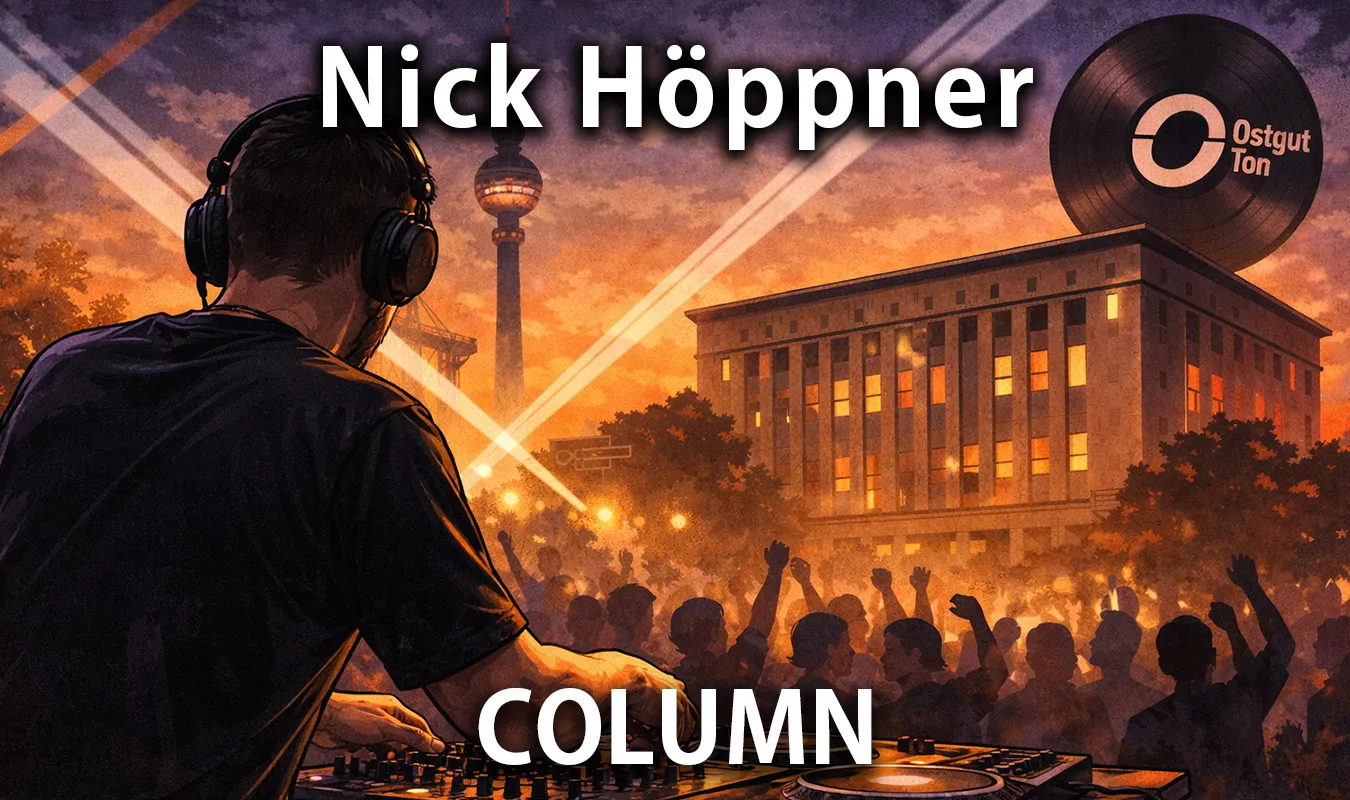
【コラム】 Nick Höppner:ベルリン制度史とフロア実践を横断した音響思想
序論:制度と現場を接続するDJ
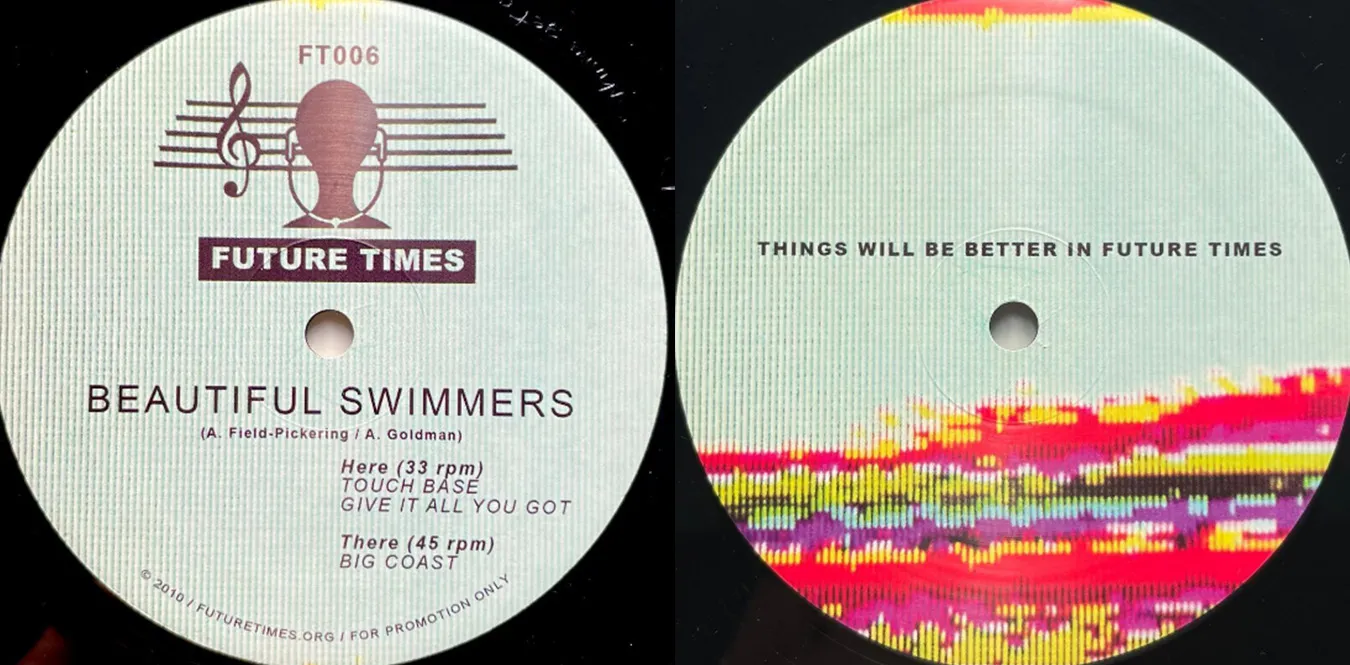
Beautiful Swimmers – Big Coast
Beautiful Swimmers は、Andrew Field-PickeringとAri Goldmanによるプロジェクト。
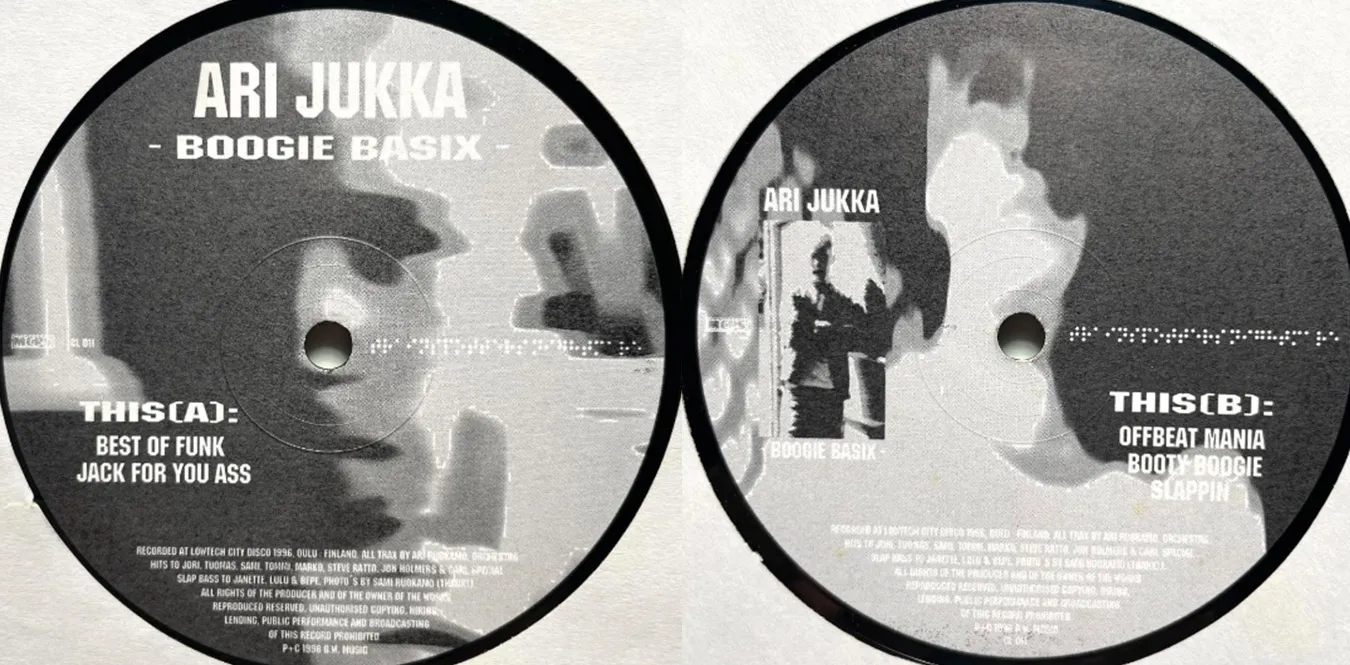
Ari Jukka – Boogie Basix
Ari Jukka ことAri J. Ruokamoは、1980年代後半から制作を始め、Garage/ Deep house系をメインに活動したアーティスト。フィンランドのDJ/プロデューサーTuomas Salmela とのDeep House プロジェクトLifestyle People としても活動した。 1993年にはJori Hulkkonen & Jukka Hautamäki と共にフィンランドのレーベルLumi Recordsを設立。
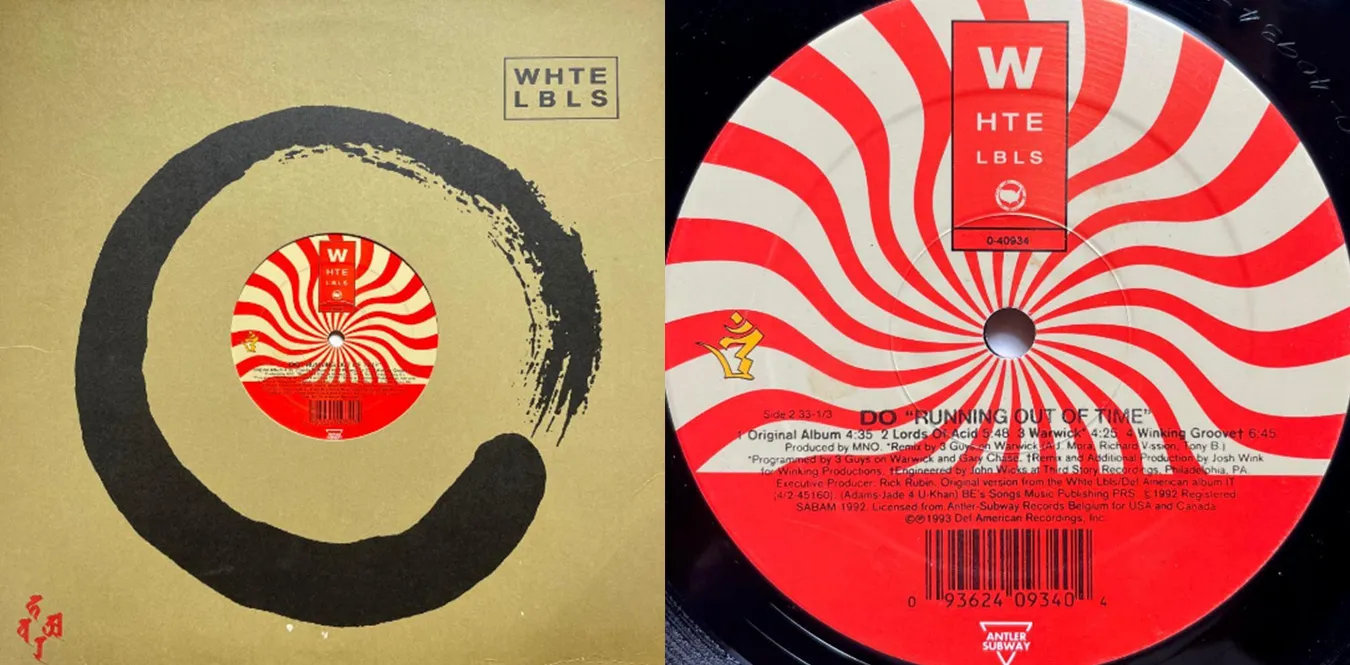
DO – Running Out Of Time
DO (Digital Orgasm /デジタルオーガズム )は、M.N.O. productionトリオ Maurice Engelen (Somora/Praga Khan)、Nikkie van Lierop (Jade 4 U, Miss Lie) 、Oliver AdamsによるベルギーのTechnoアクト。
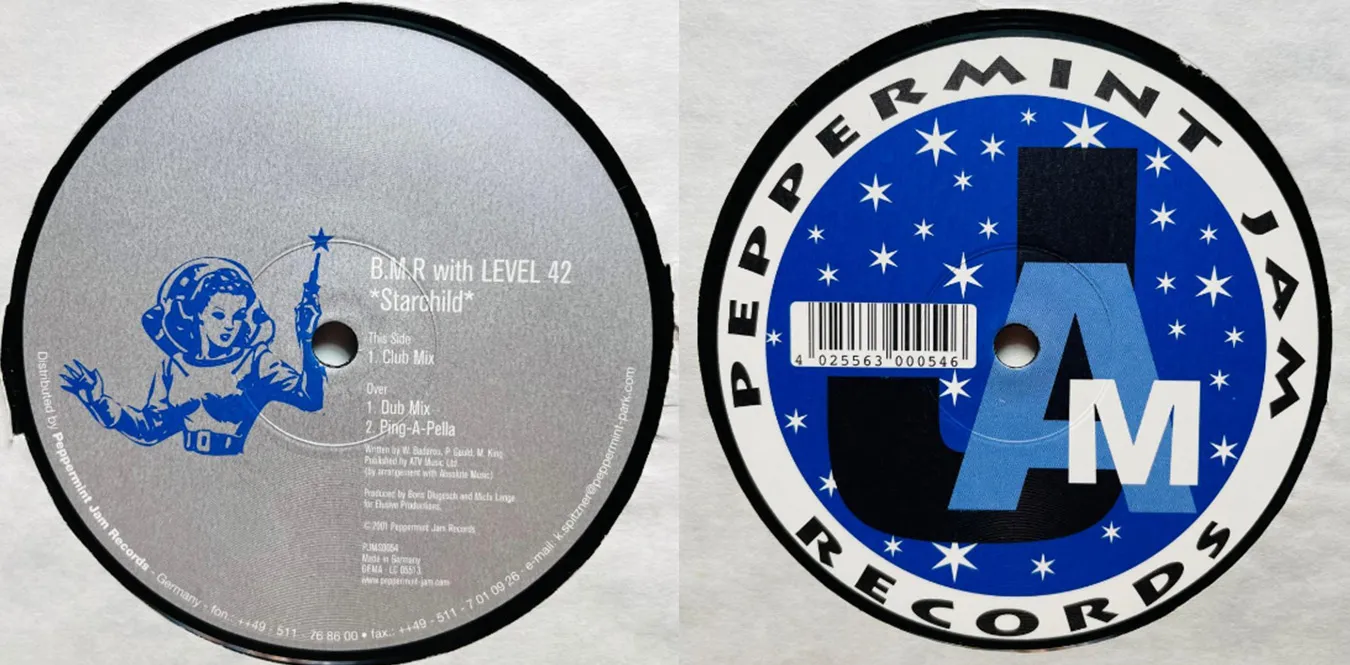
BMR With Level 42 – Starchild
BMRは、ジャーマンハウスのパイオニアとしても知られるDJ&プロデューサー Boris DlugoschとMichi Langeによるプロジェクト。
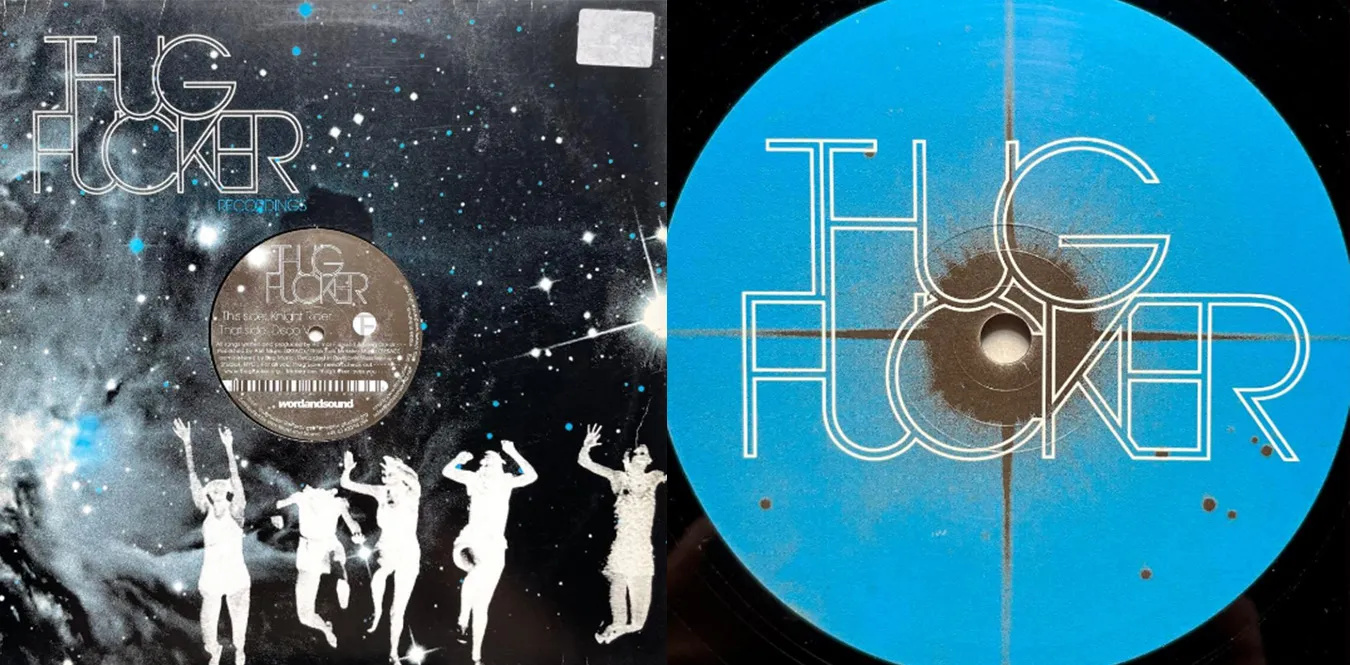
Thugfucker – Disco V / Knight Rider
Thugfuckerは、2004年にUSのDJ/プロデューサーGreg Oreckとアイルランド出身でNYを拠点に活動するDJ Holmar Filipssonのデュオとしてスタートしたが、のちにGreg Oreckのソロプロジェクトとなった。
![[Column] Expanding trajectory of Minimal Music: Aesthetics of repetition and change as seen from Techno, House, and Rock](/../assets/images/column-minimal-music.webp)