【コラム】 音楽史上最も影響力のあった100枚:現代音楽への影響度だけで再構築する新しい音楽史(第9回・81〜90:電子音楽の成熟と音響芸術の確立)
Column en Disco House Techno
第9回(81位)
Mezzanine
「ダウンテンポが“都市の心理”を描く音楽になった瞬間」
"”Mezzanine”, released in 1998, is a historic work in which Massive Attack further expanded the trip-hop genre, fusing electronic music with rock, dub, and post-punk, and depicting the ““psychology of humans living in the city” in acoustic form.
1990年代初頭の『Blue Lines』がトリップホップという新しい都市音楽を誕生させたとすれば、『Mezzanine』はその成熟形だった。
ここでは心地よいグルーヴよりも緊張感が優先される。
美しいメロディよりも、不安定な空気が支配する。
音楽は都市生活を彩るBGMではない。
都市そのものが抱える孤独や監視、匿名性を可視化するメディアとなる。
ブリストル・サウンドの進化
Since the late 1980s, Massive Attack has developed a unique sound that blends reggae, dub, soul, and hip-hop.
However, in addition to its roots, ““Mezzanine’’ incorporates new elements.
ポストパンク。
ノイズ。
インダストリアル。
ギターによる持続音。
これらがダブ由来の深い低音と重なり合い、従来のトリップホップよりもはるかに陰影の濃い音響空間を形成した。
特にギター・サウンドの導入は重要だった。
それはロックへの回帰ではなく、「音の質感」を拡張するための選択だったのである。
「静けさ」が最大の緊張を生む
『Mezzanine』には派手な展開は少ない。
むしろ、抑制が徹底されている。
静かなビート。
低く響くベース。
囁くようなボーカル。
広大な残響。
その静けさの中で、わずかなノイズや音色の変化が強烈な存在感を放つ。
これはダブ・ミュージックが培ってきた「余白」の美学を、1990年代後半のデジタル制作環境で再解釈したものでもあった。
映画とテレビが求めた音響
『Mezzanine』の影響は、クラブよりも映像文化において特に顕著だった。
アルバム収録曲は映画やテレビドラマ、ドキュメンタリー、CMで数多く使用され、その重厚で緊張感のある音響は「都市的サスペンス」の代名詞となった。
電子音楽が映像作品の心理描写を支える重要な要素となった背景には、本作の存在がある。
サウンドトラックではない。
しかし映像を強く想起させる。
その映画的な構築力こそ、『Mezzanine』最大の特徴だった。
21世紀オルタナティブ・サウンドへの影響
Radioheadが『Kid A』で電子音楽へ接近した時代。
Nine Inch Nailsが静寂とノイズを融合した時代。
This was the era when James Blake presented minimalist songs.
その背後には、『Mezzanine』が確立した「暗く、静かで、深い音響」の美学が存在している。
また、現代のダーク・ポップやアンビエントR&Bにも、本作の影響は色濃く残っている。
Why is it ranked 81st?
"”Mezzanine’’ is an important work that developed trip-hop from a genre of urban culture to a sound art that depicts the psychology of modern cities.
その影響はダーク・エレクトロニカ、映画音楽、オルタナティブ・ポップ、現代R&Bにまで及び、21世紀の「都市の音」の原型を提示した。
本ランキングでは、『Blue Lines』をトリップホップ創始の決定的作品として上位に位置付けているため第81位とした。しかし、『Mezzanine』はその美学を極限まで成熟させ、電子音楽が心理や空間を描くための強力な表現媒体であることを証明した作品である。
「『Mezzanine』はトリップホップを都市心理の音響芸術へと成熟させ、21世紀のダーク・エレクトロニカの原型を築いた。その歴史的意義により本ランキング第81位に位置付ける。」
第9回(82位)
Maxinquaye
「トリップホップが“個人の内面”を描く音楽へと進化した瞬間」
1995年に発表された『Maxinquaye』は、Trickyがトリップホップというジャンルを新たな段階へ押し上げた歴史的作品である。
Massive Attackの『Blue Lines』が都市のグルーヴを描き、『Mezzanine』が都市の心理を描いたとすれば、『Maxinquaye』はさらに深く、人間の内面そのものへ潜り込んだ。
ここには明快なメッセージはない。
善悪もない。
英雄もいない。
What exists is an extremely personal spiritual world where conflicting emotions such as anxiety, memory, dependence, love, violence, and loneliness coexist.
Trickyは、ヒップホップやダブの語法を用いながら、ポピュラー音楽における「内面のリアリズム」を新しい形で提示した。
The Third Way of Bristol Sound
1980年代末から1990年代初頭にかけて、ブリストルではMassive Attackを中心に独自のサウンドが形成されていく。
その中心人物の一人がTrickyだった。
しかしソロ・デビュー作となる『Maxinquaye』では、彼はMassive Attackとは異なる方向へ向かう。
クラブのためではない。
社会批評だけでもない。
Trickyが描こうとしたのは、人間の無意識だった。
アルバム・タイトルは、幼くして亡くなった母Maxine Quayeの名前に由来する。
作品全体には、喪失感や家族の記憶、自己形成への問いが静かに流れている。
その極めて私的な視点は、それまでのクラブ・ミュージックにはほとんど見られなかったものだった。
「ささやき」が持つ表現力
『Maxinquaye』を特徴づけるのは、Tricky自身のラップというよりも、囁くような語りである。
力強く主張するのではない。
感情を爆発させるのでもない。
言葉は低く、曖昧で、時には聞き取れないほど静かに発せられる。
その周囲を、Martina Topley-Birdの透明感ある歌声が漂う。
男性と女性。
光と闇。
reality and dreams.
The interplay of these two voices creates a multilayered mental space, rather than the psychology of one person.
「余白」が語る感情
『Maxinquaye』では、音数は決して多くない。
Dry beets.
A heavily sinking base.
途切れるサンプル。
A long silence.
その余白こそが、感情を表現する重要な要素となっている。
This was an application of the ““subtraction’’ aesthetic developed by dub music to psychological depiction.
音が鳴っていない時間さえも、物語の一部になる。
この発想は後のオルタナティブR&Bやミニマル・ポップに大きな影響を与えた。
Genealogy of 21st century dark pop
『Maxinquaye』の影響は、トリップホップの枠に収まらない。
2000年代以降のダークなエレクトロニカ。
James Blakeの静かなボーカル表現。
FKA twigsの実験的R&B。
The xxのミニマルな音響。
Billie Eilishが見せた親密で内向的なプロダクション。
こうした作品群にも、「静かな声で深い心理を描く」という本作の思想を見ることができる。
『Maxinquaye』は、クラブ・ミュージックを「踊る音楽」から、「心の内部を映す音楽」へと変えたのである。
Why is it ranked 82nd?
『Maxinquaye』は、トリップホップを都市文化のサウンドから、個人の精神世界を描く芸術へと深化させた歴史的作品である。
その影響はオルタナティブR&B、ダーク・ポップ、エレクトロニカ、インディー・ミュージックへ広く及び、21世紀の内省的なポップ・ミュージックの重要な源流となった。
本ランキングでは、『Blue Lines』(19位)がジャンルを創出し、『Mezzanine』(81位)がその音響美学を完成させた作品として位置付けられているため、第82位とした。しかし、『Maxinquaye』が切り開いた「音楽による心理描写」という新しい表現領域は、その後のポピュラー音楽全体に静かで深い影響を与え続けている。
「『Maxinquaye』はトリップホップを『都市の音』から『心の音』へと進化させた。内面を描く電子音楽の新たな可能性を切り開いた作品として、本ランキング第82位に位置付ける。」
9th (83rd place)
Consumed
「テクノが“沈黙”を表現する芸術になった瞬間」
1998年に発表された『Consumed』は、PlastikmanことRichie Hawtinが、ミニマル・テクノをダンス・ミュージックの機能から切り離し、「極限まで削ぎ落とされた音響芸術」へと到達させた歴史的作品である。
1980年代のテクノは未来を歌い、1990年代前半のミニマル・テクノは反復による空間を追求した。
However, in ““Consumed,’’ even that space is whittled down to its limits.
音数は極端に少ない。
Kicks are minimal.
ベースは深く沈み込み、ほとんど姿を現さない。
静寂と残響が、音そのものと同じ価値を持つ。
ここで音楽は「鳴っているもの」ではなく、鳴っていないものを知覚する芸術へと変化したのである。
クラブ・ミュージックからの決別
Richie Hawtinは、デトロイト・テクノの第二世代として頭角を現し、1990年代には世界中のクラブでDJとして活躍していた。
しかし、その成功の一方で彼は疑問を抱いていた。
「フロアを盛り上げることだけがテクノなのか。」
『Consumed』は、その問いへの答えだった。
DJツールとしての機能性よりも、アルバムという媒体だからこそ成立する緊張感を追求したのである。
Limit of “subtraction”
本作では、一つひとつの音が極端に吟味されている。
A low resounding kick.
わずかなハイハット。
短いシンセの断片。
深いリバーブ。
これだけで楽曲が成立している。
音を足して盛り上げるのではなく、音を削ることで集中力を高める。
その発想は、現代建築におけるミニマリズムや、日本的な「間」の美学とも共鳴する。
『Consumed』は、電子音楽における「余白」の価値を極限まで押し広げた作品だった。
「クラブ」から「美術館」へ
『Consumed』は、クラブよりもギャラリーや美術館で評価された作品でもある。
静かな展示空間。
巨大なコンクリート建築。
暗い映像作品。
そうした場所で本作は驚くほど自然に機能する。
これはテクノが「踊るための音楽」ではなく、「空間を知覚するための芸術」へ発展したことを意味している。
その後のサウンド・インスタレーションや現代美術における音響作品にも、本作の影響を見ることができる。
ミニマル・テクノの完成形
After ““Consumed,” the idea of ”“creating a rich space with less sound” spread all over the world.
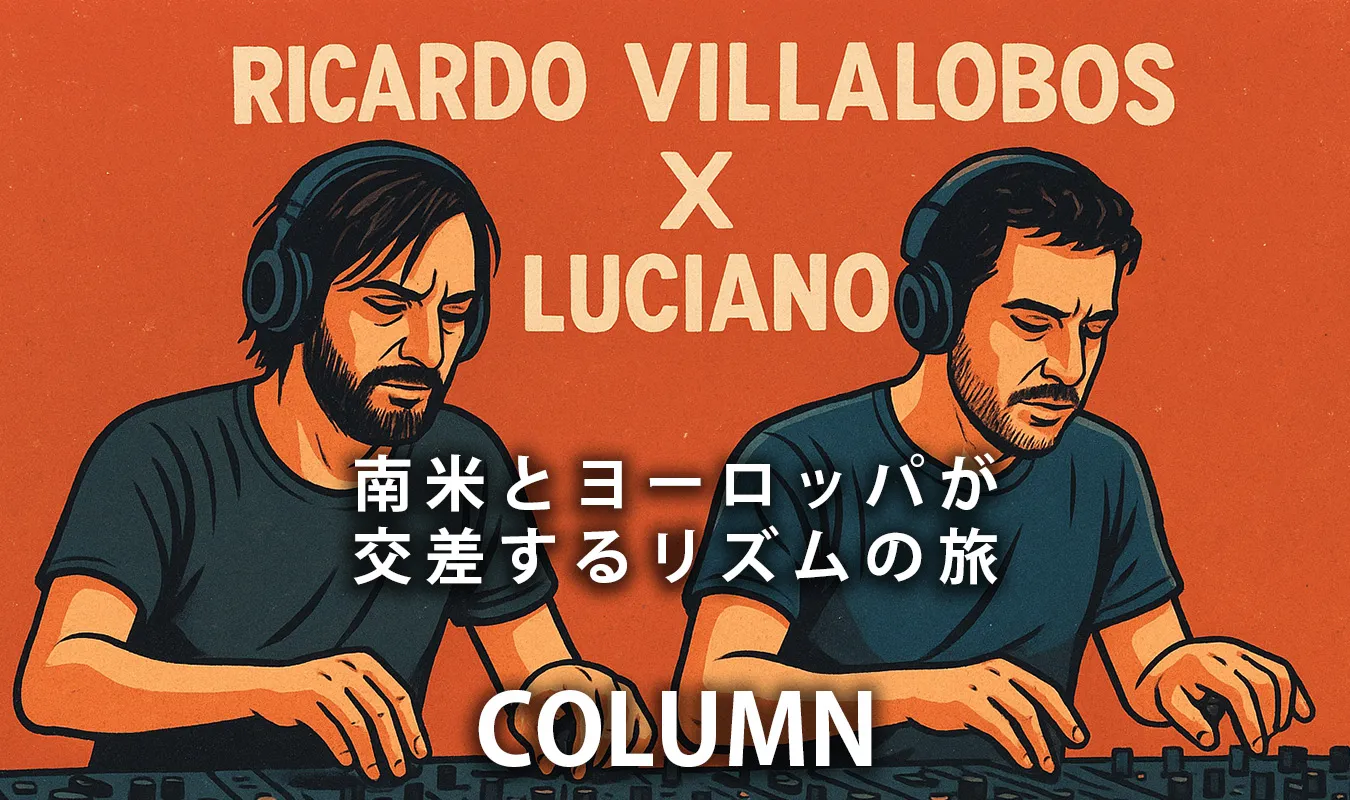
Ricardo Villalobos.
Röyksopp初期作品の空間設計。
Alva Noto。
Ryoji Ikeda。
さらにはアンビエント・テクノやマイクロハウス。
これらはすべて、「音を減らすことが創造性になる」という本作の美学と無関係ではない。
『Consumed』は、ミニマル・テクノを一つの完成された芸術形式へ押し上げたのである。
なぜ83位なのか
"”Consumed’’ is a historical work that evolved minimal techno from dance music to acoustic art that expresses silence and space.
その影響はマイクロハウス、サウンド・アート、現代アンビエント、インスタレーション作品など広範囲に及び、「引き算の美学」を電子音楽に定着させた。
本ランキングでは、『69: The Sound of Music』(76位)や『BCD』(79位)がテクノの構造的革新を担った作品として上位に位置付けられているため第83位とした。しかし、『Consumed』はその思想を極限まで純化し、「沈黙を聴かせるテクノ」という新たな表現領域を切り開いた重要作である。
「『Consumed』はテクノを極限まで削ぎ落とし、『沈黙そのものを聴く音楽』という新しい美学を確立した。その歴史的意義により本ランキング第83位に位置付ける。」
第9回(84位)
Music for the Jilted Generation
「レイヴが“反抗する文化”として歴史に刻まれた瞬間」
In 1994, The Prodigy released Music for the Jilted Generation, a historical work that symbolizes the maturation of rave culture as not just a trend, but a social movement.
1980年代末から英国で広がったアシッド・ハウスと違法レイヴは、巨大な若者文化へと発展した。
しかし1994年、その熱狂は国家との衝突を迎える。
英国政府はCriminal Justice and Public Order Act 1994を制定し、「反復するビート」を特徴とする無許可レイヴを取り締まる法整備を進めた。
"”Music for the Jilted Generation’’ is an album that truly captures the atmosphere of that era.
タイトルの「裏切られた世代」とは、国家によって自由を制限されたレイヴ世代そのものを指している。
レイヴは文化だった
The Prodigyは、単なるヒットメーカーではなかった。
彼らはアシッド・ハウス。
ブレイクビート。
パンク。
ヒップホップ。
インダストリアル。
これらを大胆に融合し、「英国の若者文化」そのものを音楽へ変換した。
『Music for the Jilted Generation』では、その姿勢がさらに先鋭化する。
ビートは攻撃的になり、
サウンドはより重く、
構成は大胆になる。
ここでクラブ・ミュージックは、快楽だけではなく抵抗の表現となった。
Fusion of dance music and rock
本作の革新性は、クラブ・ミュージックの語法をロックのスケールへ持ち込んだことにもある。
巨大なブレイクビート。
歪んだシンセサイザー。
サンプリング。
パンク的な攻撃性。
これらが組み合わさることで、レイヴ・カルチャーを知らないロック・リスナーにも強い衝撃を与えた。
その後のビッグ・ビートやエレクトロ・ロック、さらにはフェスティバル文化にも、本作の影響は色濃く残っている。
「フェスティバル・エレクトロニック」の原型
1990年代後半以降、電子音楽はクラブだけでなく、巨大な野外フェスティバルでも中心的な存在となる。
The Chemical Brothers.
Fatboy Slim.
The Crystal Method。
Justice.
Pendulum.
こうしたアーティストたちが築いた「ロックと電子音楽の融合」は、『Music for the Jilted Generation』なしには語れない。
The Prodigyは、DJではなくバンドとして電子音楽を演奏するという新しいライブの形も提示した。
これは今日のEDMフェスティバルにも通じる重要な転換点だった。
社会との対立を音楽へ刻む
本作は、政治的スローガンを直接叫ぶアルバムではない。
しかし、国家による規制、若者文化への圧力、クラブ・カルチャーの自由をめぐる緊張感が、アルバム全体を貫いている。
電子音楽はここで、「未来」や「機械」を歌うだけではなく、現実社会への応答という役割も担うようになった。
This attitude was inherited by later electro-punk and rave revivals.
なぜ84位なのか
『Music for the Jilted Generation』は、レイヴ・カルチャーを一過性の流行ではなく、社会と対峙する文化として歴史に刻んだ重要作品である。
その影響はビッグ・ビート、エレクトロ・ロック、フェスティバル文化、そしてライブ・エレクトロニックの発展にまで及んでいる。
本ランキングでは、ハウスやテクノの創成期を築いた作品群をより上位に位置付けているため第84位とした。しかし、本作が示した「電子音楽は社会的アイデンティティを持つ文化である」という視点は、その後のダンス・ミュージックの歴史に大きな足跡を残した。
「『Music for the Jilted Generation』はレイヴを『自由を求める文化』として確立し、電子音楽と社会の関係を新たな段階へ押し上げた。その歴史的意義により本ランキング第84位に位置付ける。」
第9回(85位)
Second Toughest in the Infants
「テクノが“長編小説”のようなアルバムになった瞬間」
Second Toughest in the Infants, released in 1996, is a historic work in which Underworld gave dance music a new value as a ““long-length album.’’
In the mid-1990s, club culture was developing around singles.
DJs connect 12-inch units, and on the floor, the functionality of each song is emphasized.
しかしUnderworldは、その文化の中であえてアルバムという形式に真正面から向き合った。
『Second Toughest in the Infants』は、一曲ごとのヒットを並べる作品ではない。
アルバム全体が、一つの旅として設計されている。
It was here that electronic music evolved from ““music for DJs” to ““works to be listened to until the end.”
レイヴ後の新しい物語
Underworld was a new wave band in the 1980s, but their musical style changed dramatically with the addition of Karl Hyde, Rick Smith, and Darren Emerson.
レイヴ・カルチャーのエネルギー。
デトロイト・テクノの反復。
ダブの空間性。
ロックのドラマ性。
これらを統合し、「クラブで機能しながら、家でも没入できるアルバム」を目指した。
その完成形が『Second Toughest in the Infants』だった。
長尺という表現
アルバム冒頭を飾る「Juanita : Kiteless : To Dream of Love」は16分を超える。
However, its length is by no means redundant.
リズムが少しずつ変化し、
Layers of synthesizers,
Karl Hyde’s fragmented words appear and disappear.
楽曲は「展開」ではなく、「成長」していく。
クラブ・ミュージックが持っていた反復の美学を保ちながら、アルバムならではの物語性を獲得したのである。
ライブ・エレクトロニックという革新
Underworldは、DJでもバンドでもない独自のライブ表現を築いた。
シーケンサーをリアルタイムで操作し、
Karl Hydeが即興的に歌い、
楽曲は毎回少しずつ姿を変える。
The world view built on the album will also be rebuilt in the live performance.
このスタイルは後のThe Chemical Brothers、Orbital、Moderat、Bicepなど、多くのライブ・エレクトロニック・アクトへ影響を与えた。
電子音楽はここで、「再生する音楽」ではなく、「演奏される音楽」へと再び近づいていく。
「アルバム」という芸術形式の再評価
1990年代後半以降、電子音楽はアルバム単位で語られることが増えていく。
コンセプト。
流れ。
空気感。
一曲ではなく、一時間という時間軸で世界を構築する。
その流れを決定づけた作品の一つが『Second Toughest in the Infants』である。
今日、多くの電子音楽家が「アルバム体験」を重視する背景には、本作が示した可能性がある。
なぜ85位なのか
"”Second Toughest in the Infants’’ is an important work that established the artistry of the full-length album in dance music.
その影響はプログレッシブ・エレクトロニカ、ライブ・エレクトロニック、そしてアルバム志向の電子音楽全体に及んでいる。
本ランキングでは、ジャンルそのものを創出した作品や、電子音楽の構造を根本から変革した作品をより上位に位置付けているため第85位とした。しかし、本作が証明した「電子音楽はアルバムという形式で深い物語を語れる」という価値観は、その後の多くのアーティストに受け継がれ、現代のエレクトロニック・ミュージックの重要な礎となった。
“‘Second Toughest in the Infants” elevated dance music to the art of full-length albums. We rank it at number 85 in this ranking as a work that shows that electronic music can be a “storytelling medium.’“
第9回(86位)
Permutation
「ベース・ミュージックが“音響彫刻”へと進化した瞬間」
1998年に発表された『Permutation』は、Amon Tobinがサンプリングを単なる引用技法から、音そのものを再構築する作曲法へと発展させた歴史的作品である。
1980年代のヒップホップはサンプリングによって過去の音楽を再利用した。
1990年代のジャングルは、それを高速ブレイクビーツへ発展させた。
しかしAmon Tobinは、さらに別の方向へ進む。
彼が切り刻むのは楽曲だけではない。
ジャズ。
movie music.
環境音。
生活音。
あらゆる音素材が分解され、新しい生命を与えられる。
『Permutation』は、「サンプルを聴かせる」のではなく、「サンプルという概念そのものを忘れさせる」アルバムだった。
Ninja Tuneという実験室
1990年代後半、ロンドンのNinja Tuneは、クラブ・ミュージックの実験場となっていた。
DJ Food。
Coldcut。
The Cinematic Orchestra。
Funki Porcini。
その中でもAmon Tobinは、とりわけ異質な存在だった。
彼はダンスフロアのためだけではなく、「音そのものの質感」を探究することに情熱を注いだ。
ジャズ・レコードを細かく切り刻み、原形が分からなくなるまで加工する。
その結果生まれたのは、引用ではなく、まったく新しい音響世界だった。
サンプリングから「音響設計」へ
『Permutation』では、サンプルは元の意味を失う。
ホーンはノイズになる。
ドラムは断片になる。
ベースは液体のように変形する。
音源を知っていることに意味はない。
重要なのは、それらがどのように再構成され、新しい空間を作り出しているかである。
この発想は、DJ文化の延長ではなく、音響デザインそのものだった。
映像とゲーム音楽への波及
Amon Tobinの影響はクラブよりも映像分野で顕著だった。
movie.
ドキュメンタリー。
CM。
そしてゲーム。
特に2000年代以降のゲーム音楽では、「現実と非現実の境界を曖昧にする音響設計」が重要なテーマとなる。
『Permutation』が提示した複雑な質感と立体的なサウンドは、後のインタラクティブ・オーディオやサウンドデザインにも大きな影響を与えた。
電子音楽はここで、「楽曲制作」と「音響設計」の境界を曖昧にしていく。
サンプラーという楽器の成熟
1980年代には、サンプラーは既存音源を再利用する機械だった。
しかしAmon Tobinにとって、それは新しい楽器だった。
録音された音は素材に過ぎない。
切断し、
加工し、
再配置し、
新たな意味を与える。
この考え方は、21世紀のデジタル音楽制作におけるスタンダードとなっていく。
今日の多くのプロデューサーが行う「音を素材として扱う」制作手法は、本作の延長線上にある。
なぜ86位なのか
"”Permutation’’ is an important work that developed sampling from a quoting technique to sound design itself.
その影響はグリッチ、エレクトロニカ、サウンドデザイン、ゲーム音楽、映画音響など、多様な分野に及んでいる。
本ランキングでは、『Endtroducing…..』(30位)や『3 Feet High and Rising』(17位)がサンプリング文化そのものを変革した作品として上位に位置付けられているため第86位とした。しかし、『Permutation』はその技法を極限まで洗練し、「サンプルを素材として新たな世界を創造する」という現代的なプロダクション思想を完成させた作品として、高い歴史的価値を持っている。
「『Permutation』はサンプリングを『引用』から『音響設計』へと進化させた。デジタル時代のサウンドデザインの礎を築いた作品として、本ランキング第86位に位置付ける。」
第9回(87位)
Decksandrumsandrockandroll
「ビッグ・ビートが“ロック以後のライブ文化”を確立した瞬間」
1998年に発表された『Decksandrumsandrockandroll』は、Propellerheadsがビッグ・ビートを単なるクラブ・ミュージックではなく、ロック、ヒップホップ、映画音楽、DJカルチャーを横断する総合エンターテインメントへと昇華した歴史的作品である。
1990年代後半、イギリスではThe Chemical Brothers、Fatboy Slim、The Prodigyらによってビッグ・ビートが世界的なブームを迎えていた。
しかしPropellerheadsは、その中でも異彩を放っていた。
彼らはクラブの機能性だけを追求しなかった。
sampling.
スクラッチ。
ホーン・セクション。
ブレイクビーツ。
スパイ映画を思わせるオーケストレーション。
By boldly fusing these elements, he created electronic music with a sense of cinematic scale.
DJ文化とロックの橋渡し
In the 1980s, DJs were often perceived as the people behind the scenes in clubs.
しかし1990年代に入ると、DJ自身がアーティストとなり、アルバムを制作し、大規模なライブを行うようになる。
『Decksandrumsandrockandroll』は、その流れを象徴する作品だった。
The turntable becomes a rhythm instrument,
The sampler becomes an orchestra,
ミキサーは楽器となる。
At this point, DJs changed from being ““someone who plays songs” to ““someone who plays music.”
Establishing a cinematic sound
本作の大きな特徴は、その圧倒的なシネマティックな構成にある。
Brass fanfare.
Strings create a sense of urgency.
Thrilling breakbeats.
ファンク由来のグルーヴ。
これらは単なる引用ではなく、一つのアクション映画のような物語を形作っている。
電子音楽が「映像を想像させるアルバム」として成立した点で、本作は後の映画予告編やCM音楽にも大きな影響を与えた。
「聴く」だけではなく「観る」電子音楽へ
Propellerheadsのライブや映像表現は、電子音楽を視覚体験と結びつける重要な役割も果たした。
illumination.
映像演出。
Huge sound system.
クラブからアリーナへ。
電子音楽はここで、ロック・コンサートと同等のライブ体験を提供できるジャンルへ成長する。
この流れは後のDaft Punk、Justice、The Chemical Brothersなどによる映像演出を伴うライブにもつながっていく。
Completion of the Big Beat era
1990年代後半のビッグ・ビートは、一過性の流行ではなかった。
クラブ。
テレビCM。
映画。
スポーツ中継。
ゲーム。
その力強いビートと派手なサウンドは、ポップカルチャー全体へ浸透していく。
"”Decksandrumsandrockandroll” is a record that symbolizes this cultural expansion and showed the possibility that ““electronic music could become the center of popular entertainment.”
なぜ87位なのか
『Decksandrumsandrockandroll』は、ビッグ・ビートをロック、映画音楽、DJカルチャーを融合した総合エンターテインメントへと発展させた重要作品である。
その影響はライブ・エレクトロニック、映像演出、広告音楽、フェスティバル文化にまで及び、電子音楽が大規模なポップカルチャーへ浸透する流れを加速させた。
本ランキングでは、『Music for the Jilted Generation』(84位)がレイヴ文化の社会的意義を、『Homework』(23位)がフレンチ・ハウスの構造的革新を担った作品として上位に位置付けられているため第87位とした。しかし、本作は電子音楽が「ライブで魅せる総合芸術」となり得ることを証明した重要なアルバムである。
「『Decksandrumsandrockandroll』はDJ文化、映画音楽、ロックを融合し、電子音楽をライブ・エンターテインメントへと押し上げた。その歴史的意義により本ランキング第87位に位置付ける。」
第9回(88位)
Richard D. James Album
「IDMが“人間性”を取り戻した瞬間」
1996年に発表された『Richard D. James Album』は、Aphex TwinことRichard D. Jamesが、複雑化する電子音楽の中へ再び「旋律」と「ユーモア」を持ち込んだ歴史的作品である。
1992年の『Selected Ambient Works 85–92』(20位)は、アンビエント・テクノという新たな音響空間を切り開いた。
その後、多くの電子音楽は複雑なリズムやアルゴリズムを追求し、より抽象的な方向へ進んでいく。
しかし『Richard D. James Album』は、その流れとは少し異なる。
超高速のブレイクビーツ。
Unpredictable rhythm.
実験的なサウンド。
その一方で、驚くほど親しみやすいメロディが作品全体を貫いている。
Aphex Twinはここで、「実験性」と「音楽的快楽」は両立できることを証明したのである。
技術だけでは終わらない電子音楽
1990年代半ば、IDMは急速に高度化していた。
リズムは複雑になり、
プログラミングは精密になり、
サウンドは抽象化していく。
しかし、その過程で「人間らしさ」が失われつつあるという批判もあった。
『Richard D. James Album』は、その空気に対する一つの回答だった。
複雑な構造を持ちながら、
どこか童謡のようでもあり、
牧歌的でもあり、
時にはユーモラスでもある。
電子音楽は、難解である必要はない。
高度な技術は、美しい旋律を支えるためにも使える。
そのことを本作は示している。
ドラム・プログラミングの新基準
アルバム最大の特徴は、圧倒的なリズム・プログラミングにある。
ブレイクビーツは細かく刻まれ、
複数の拍子感覚が重なり合い、
一見すると無秩序に聴こえる。
しかし、その上に乗るメロディは驚くほど自然で、耳に残る。
この対比こそがAphex Twinの独創性だった。
以後、多くのプロデューサーが「複雑なビートと親しみやすい旋律」の組み合わせを模索するようになる。
ポップ・ミュージックとの接続
『Richard D. James Album』は、IDMをクラブや実験音楽の閉じた世界から、より広い音楽文化へ接続した作品でもある。
Radiohead。
Squarepusher。
Four Tet。
Flying Lotus。
さらには現代のHyperpopに至るまで、「複雑さと親しみやすさの共存」という発想は、この作品から多くを受け継いでいる。
電子音楽はここで、「実験のための実験」を超え、ポップ・ミュージックの未来を提示する存在となった。
Aphex Twinという二つの革命
本ランキングでは、Aphex Twinは二度登場する。
20位の『Selected Ambient Works 85–92』が空間そのものを設計した作品なら、
『Richard D. James Album』は、人間的な旋律と極端なプログラミングを融合させた作品である。
同じアーティストでありながら、歴史に残した革新はまったく異なる。
だからこそ、本作にも独立した歴史的価値がある。
なぜ88位なのか
『Richard D. James Album』は、IDMの高度なプログラミングと豊かなメロディを融合させ、電子音楽に新たな親しみやすさをもたらした重要作品である。
その影響はグリッチ・ポップ、実験的ポップ、Hyperpop、現代エレクトロニカへと広がり、「複雑さ」と「ポップネス」を両立させる道を切り開いた。
本ランキングでは、『Selected Ambient Works 85–92』(20位)がアンビエント・テクノという歴史的転換点としてより大きな影響を持つため、本作は第88位とした。しかし、電子音楽が高度な実験性を保ちながら幅広いリスナーへ届く可能性を示した点で、その歴史的意義は極めて大きい。
「『Richard D. James Album』は実験性とメロディを両立させ、IDMをより開かれた音楽文化へ導いた。電子音楽の可能性を大きく広げた作品として、本ランキング第88位に位置付ける。」
第9回(89位)
Laughing Stock
「ロックが“静寂”という未知の領域へ踏み込んだ瞬間」
1991年に発表された『Laughing Stock』は、Talk Talkがロック・ミュージックの常識を覆し、後に「ポスト・ロック」と呼ばれる新たな音楽思想の礎を築いた歴史的作品である。
1980年代、Talk Talkは『It’s My Life』などのヒットで知られるシンセポップ・バンドだった。
しかし彼らは成功を捨てる。
ヒット曲を作ることも、
ラジオで流れることも、
商業的な期待に応えることも選ばなかった。
Mark Hollisが目指したのは、「音を鳴らすこと」ではなく、「音が生まれる瞬間」を記録することだった。
『Laughing Stock』は、ロックを演奏の芸術から「聴くこと」の芸術へと変えた作品である。
即興と編集の融合
本作の制作方法は極めて特異だった。
スタジオにミュージシャンを集め、
長時間の即興演奏を録音し、
その膨大な素材を何か月もかけて編集する。
つまり完成した楽曲は、
演奏された曲ではなく、
編集によって発見された曲だった。
この制作思想は後のポストロックだけでなく、エレクトロニカやアンビエントにも大きな影響を与えていく。
「静寂」が音楽になる
『Laughing Stock』には沈黙がある。
ほんの一音だけが響く時間。
誰も演奏していない数秒間。
息遣いだけが残る空間。
従来なら「空白」とされた時間が、ここでは作品の中心になる。
音数を増やして盛り上げるのではない。
静寂そのものが感情を語る。
この発想は、Brian Enoのアンビエントとも異なり、ロック・アンサンブルの中から自然に生まれた静寂だった。
「ポストロック」という思想
1990年代半ば以降、「ポストロック」という言葉が広まる。
ロックの楽器を使いながら、
Don’t play rock.
ギターは旋律ではなく質感を作り、
ドラムはビートより空間を支え、
A song is built not by the chorus but by the flow of time.
その思想の出発点として、『Laughing Stock』は最も重要な作品の一つである。
Bark Psychosis。
Tortoise。
Mogwai。
Sigur Rós。
Godspeed You! Black Emperor。
彼らの作品には、本作が切り開いた静かな革命が流れている。
「余白」を聴くという文化
『Laughing Stock』は、単に静かなアルバムではない。
音楽における「余白」を積極的な表現へ変えた作品だった。
That’s later ambient.
現代ジャズ。
現代音楽。
さらには映画音楽にまで影響を与えていく。
今日、多くの作品で「音を減らす勇気」が評価される背景には、このアルバムが果たした役割がある。
なぜ89位なのか
『Laughing Stock』は、ロック・ミュージックを静寂と即興、編集による時間芸術へと進化させ、「ポストロック」という新しい思想の礎を築いた歴史的作品である。
その影響はBark PsychosisやTortoiseをはじめとするポストロック勢だけでなく、アンビエント、エレクトロニカ、映画音楽にも広がっている。
本ランキングでは、『Spirit of Eden』(61位)をTalk Talkの決定的転換点としてより上位に位置付けているため、第89位とした。しかし、『Laughing Stock』はその思想をさらに純化し、「音楽は静寂によっても語れる」という価値観を決定づけた作品として、音楽史に確かな足跡を残している。
「『Laughing Stock』はロックを『静寂を聴く芸術』へと変え、ポストロックという思想を決定づけた。その歴史的意義により本ランキング第89位に位置付ける。」
第9回(90位)
Hex
「ポストロックという言葉が“音”になった瞬間」
1994年に発表された『Hex』は、Bark Psychosisがロック、ジャズ、アンビエント、ダブを融合し、「ポストロック」という概念を初めて具体的な音として提示した歴史的作品である。
「ポストロック」という言葉自体は、後に音楽評論家Simon Reynoldsによって広く知られるようになる。
しかし、その思想を最初に完成させたアルバムとして、多くの音楽家が挙げるのが『Hex』である。
ここではロックは終わっている。
だが、ギターは残る。
There’s bass and drums.
それでもロックには聴こえない。
"”Hex’’ marked the beginning of a new era of creating music that was not rock while using rock instrumentation.
演奏ではなく「空間」を作る
『Hex』では、演奏そのものが目的ではない。
ギターはコードを鳴らすよりも、空気を震わせる。
ドラムはビートを刻むよりも、呼吸のような間を生む。
ベースはリズムを支えるよりも、音場の重心を形作る。
それぞれの楽器は、主役ではない。
全体で一つの「空間」を構築するための素材となる。
この発想は、アンビエントやダブから影響を受けながらも、ロック・バンドという形式で実現された点に大きな意味があった。
スタジオが第五のメンバーになる
『Hex』の制作では、録音技術そのものが重要な役割を担っている。
残響。
マイクの距離。
微細な環境音。
音量差。
These are not decorations added after the performance.
楽曲の構造そのものとして設計されている。
スタジオは単なる録音場所ではなく、「楽器」として機能する。
この思想は、後のポストロックだけでなく、現代インディーやエレクトロニカにも深く浸透していく。
「感情」を説明しない音楽
ポップスは言葉で感情を伝える。
ロックは演奏で感情を爆発させる。
しかし『Hex』は違う。
感情を説明しない。
静かな反復。
消え入りそうなギター。
長い余韻。
Through this accumulation, the listener finds their own emotions.
この「解釈を委ねる音楽」は、その後のポストロックや映画音楽の大きな特徴となっていく。
21世紀インストゥルメンタルの源流
『Hex』が残した影響は、ポストロックというジャンルに留まらない。
Mogwai。
Explosions in the Sky。
Mono。
God Is an Astronaut。
さらには現代映画の劇伴や、ゲーム音楽における環境的なアプローチにも、その系譜を見ることができる。
The idea of ”“reducing the number of sounds and speaking in space’’ became an important foundation for 21st century instrumental music as a whole.
なぜ90位なのか
『Hex』は、ポストロックという概念を音として具体化し、ロック・バンドの可能性を根本から拡張した歴史的作品である。
その影響はMogwai、Explosions in the Sky、Monoをはじめとするポストロック勢だけでなく、映画音楽や現代インストゥルメンタルにも広く及んでいる。
本ランキングでは、『Spirit of Eden』(61位)と『Laughing Stock』(89位)がこの流れを切り開いた作品としてより上位に位置付けられているため、第90位とした。しかし、『Hex』はその思想を一つのジャンルとして定着させた決定的作品であり、「空間で語るロック」という新しい音楽言語を完成させた意義は極めて大きい。
「『Hex』はポストロックという思想を初めて完成された音として提示し、ロックを『空間を設計する芸術』へと進化させた。その歴史的意義により本ランキング第90位に位置付ける。」
Explore more like this
【コラム】 LGBTQ+コミュニティとダンスミュージック
America before rock and roll
![[Column] TR-808: It was not machines that changed music, but the people who used them.](/../assets/images/column-roland-tr-808.webp)
【コラム】 Nick Höppner:ベルリン制度史とフロア実践を横断した音響思想
序論:制度と現場を接続するDJ
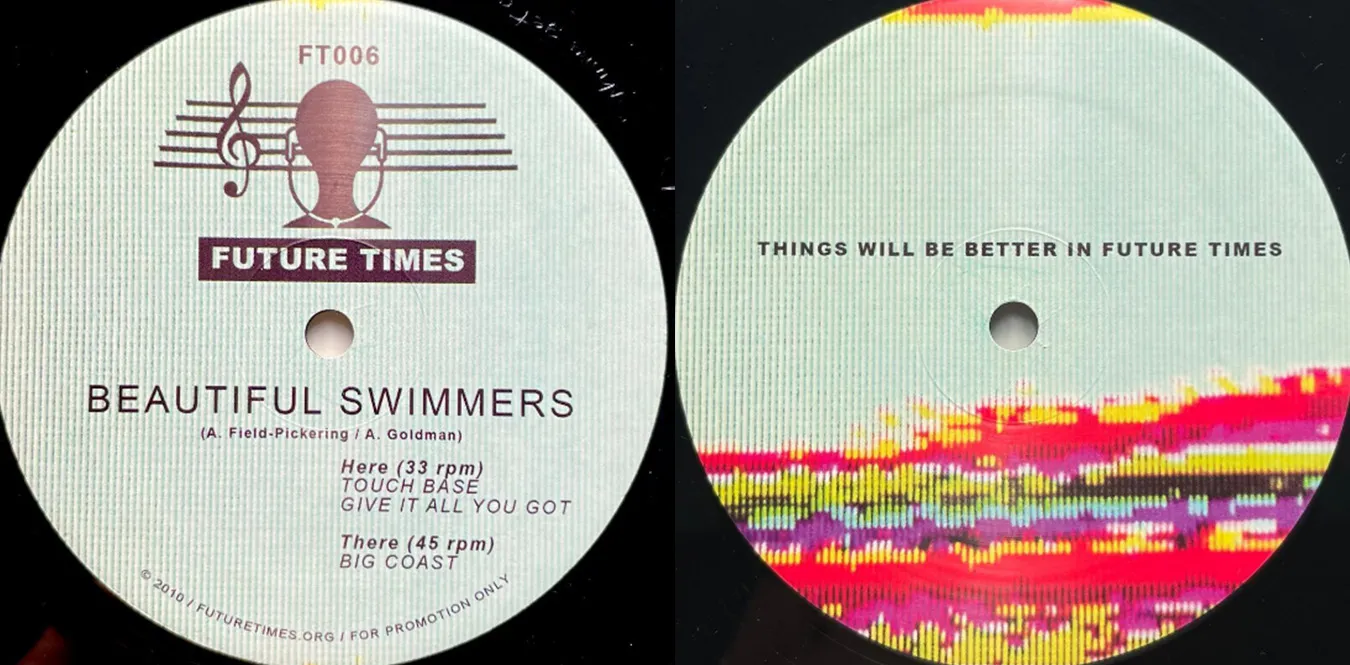
Beautiful Swimmers – Big Coast
Beautiful Swimmers は、Andrew Field-PickeringとAri Goldmanによるプロジェクト。

Ari Jukka – Boogie Basix
Ari Jukka ことAri J. Ruokamoは、1980年代後半から制作を始め、Garage/ Deep house系をメインに活動したアーティスト。フィンランドのDJ/プロデューサーTuomas Salmela とのDeep House プロジェクトLifestyle People としても活動した。 1993年にはJori Hulkkonen & Jukka Hautamäki と共にフィンランドのレーベルLumi Recordsを設立。

DO – Running Out Of Time
DO (Digital Orgasm /デジタルオーガズム )は、M.N.O. productionトリオ Maurice Engelen (Somora/Praga Khan)、Nikkie van Lierop (Jade 4 U, Miss Lie) 、Oliver AdamsによるベルギーのTechnoアクト。
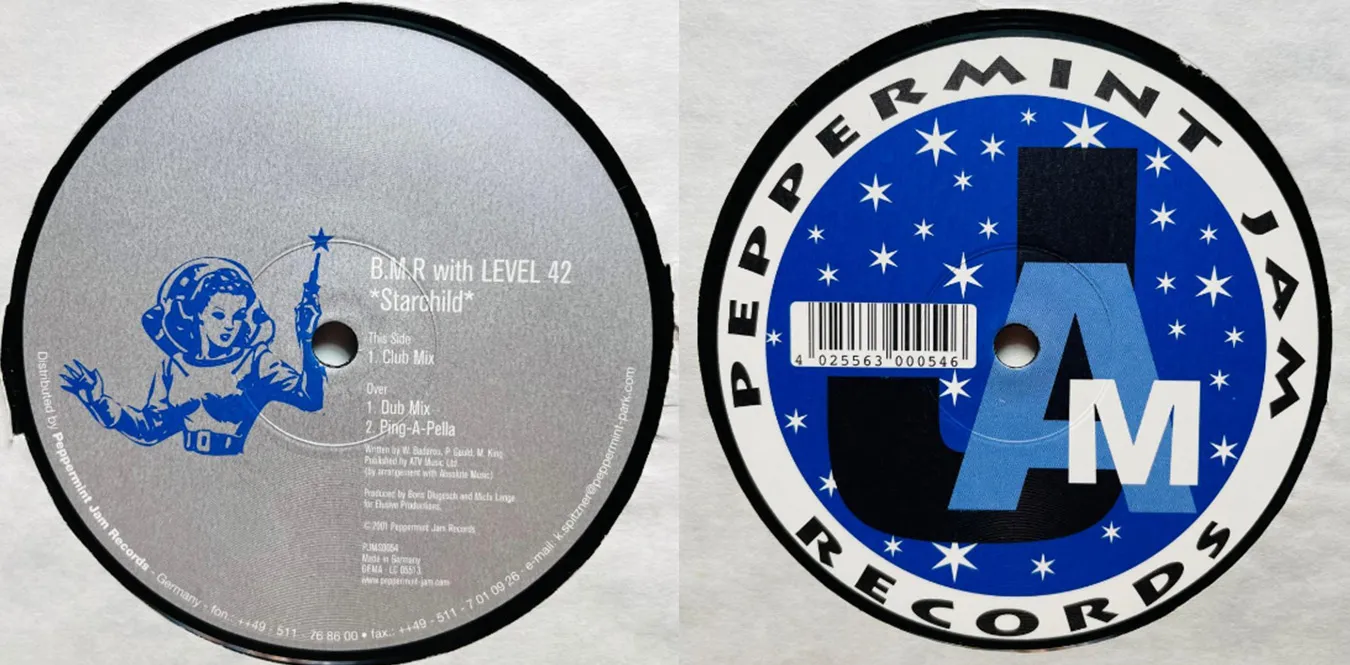
BMR With Level 42 – Starchild
BMRは、ジャーマンハウスのパイオニアとしても知られるDJ&プロデューサー Boris DlugoschとMichi Langeによるプロジェクト。
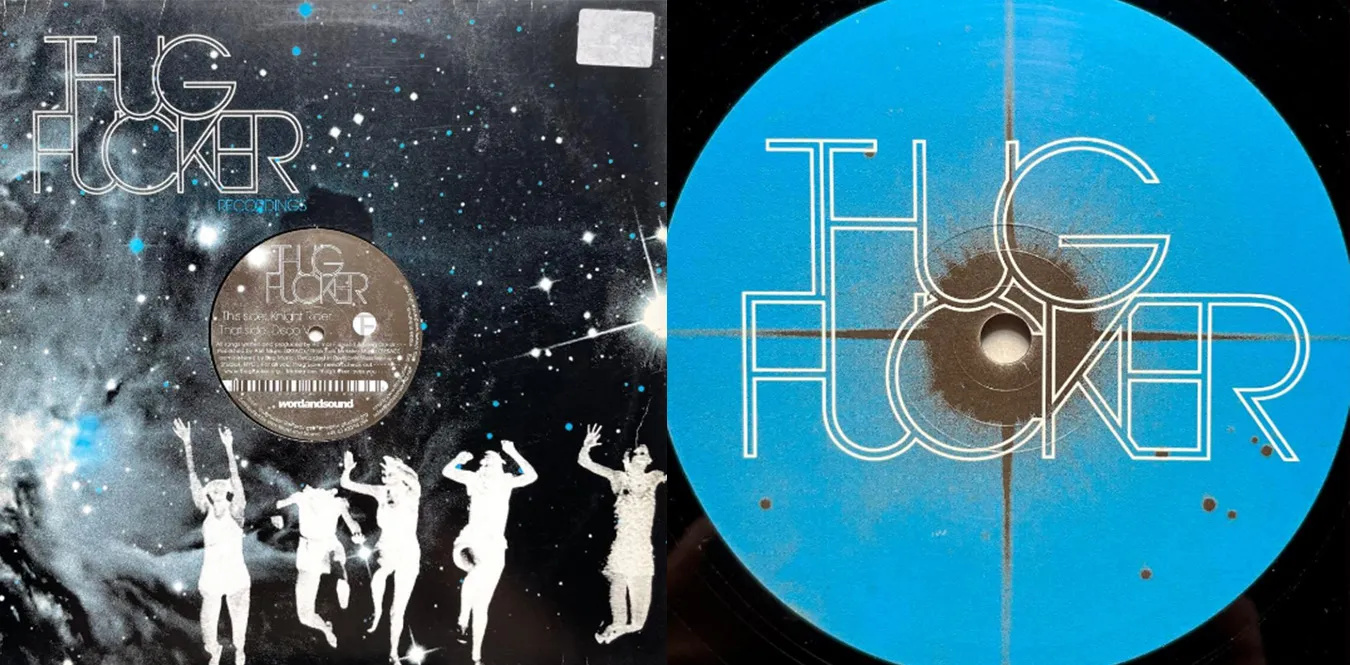
Thugfucker – Disco V / Knight Rider
Thugfuckerは、2004年にUSのDJ/プロデューサーGreg Oreckとアイルランド出身でNYを拠点に活動するDJ Holmar Filipssonのデュオとしてスタートしたが、のちにGreg Oreckのソロプロジェクトとなった。
![[Column] Expanding trajectory of Minimal Music: Aesthetics of repetition and change as seen from Techno, House, and Rock](/../assets/images/column-minimal-music.webp)