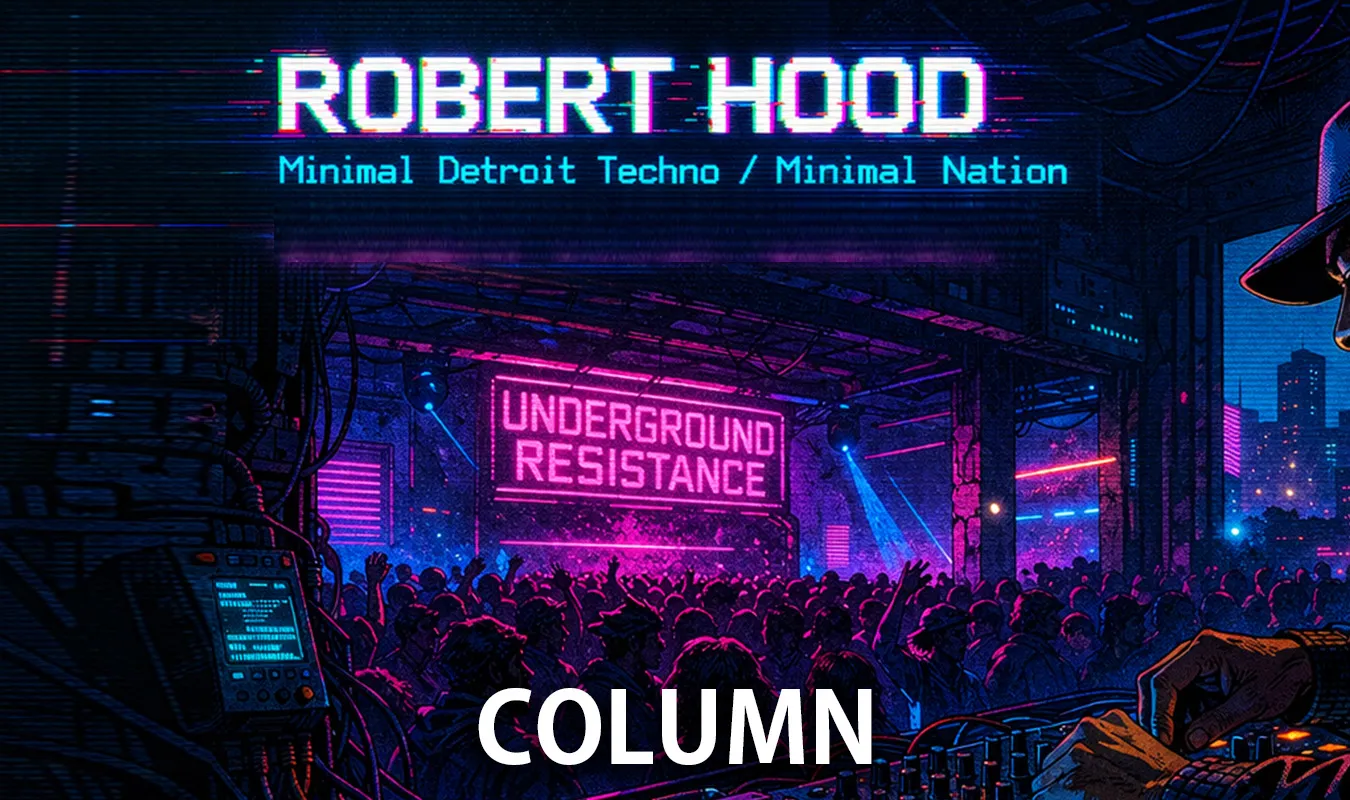
削ることで現れる音楽の本質
文:mmr|テーマ:音を削ぎ落とすことで浮かび上がる、テクノの本質と精神性
テクノはしばしば「未来の音楽」と語られる。しかし、その未来像は単なるテクノロジーの進化ではなく、都市、社会、そして人間の内面が交差する地点に存在している。
その中で、極限まで音を削ぎ落とし、音楽の本質だけを抽出した人物がいる。それがRobert Hoodである。
彼の音楽は一見シンプルだ。だが、その反復と構造の中には、強烈な緊張感と深い没入体験が潜んでいる。彼は音を足すのではなく、削ることでテクノを再定義した。
削ぎ落とされた音の中にこそ、テクノの本質が最も純粋な形で現れる。
デトロイト:崩壊と創造の都市が生んだ音
Detroitという都市は、Robert Hoodの音楽的基盤そのものである。
工業都市としての繁栄とその後の衰退。この極端なコントラストが、静寂と空白、そして機械的反復という音響的イメージを生み出した。
Juan Atkins、Derrick May、Kevin Saundersonが築いた基盤の上で、Hoodはさらに削ぎ落とされた音の世界を構築していく。
崩壊した都市の空白が、ミニマルな音響空間として再構築された。
Underground Resistance:思想からの出発点
Underground Resistanceでの活動は、彼の出発点だった。
Jeff MillsやMike Banksとともに、音楽を通じた抵抗と表現を実践する中で、Hoodは音の意味と役割を深く考えるようになる。
しかし彼はやがて、より純粋な音楽的探求へと向かう。その結果が、ミニマルという選択だった。
外へ向けられていたエネルギーは、音そのものへと収束していった。
Minimal Nation:音楽の再構築
1994年の『Minimal Nation』は、テクノの歴史を変えた作品である。
キック、ハイハット、最小限のシンセ。この極端な制限の中で、彼はグルーヴの核心だけを抽出した。
このアルバムは、後のミニマル・テクノの設計図とも言える存在であり、今なお参照され続けている。
音を削ることで、音楽の構造そのものが露わになった。
代表作:ミニマルの実践と進化
Robert Hoodの革新性は、いくつかの代表作を通してより明確に理解することができる。
まず挙げるべきはアルバム『Minimal Nation』である。この作品は、ミニマル・テクノの原点であり、彼の思想が最も純粋な形で結晶化したものだ。各トラックは極めてシンプルでありながら、緻密なリズム設計によって強烈なグルーヴを生み出している。
続いて重要なのが『Internal Empire』である。この作品では、ミニマルな構造を維持しつつも、より内省的で深みのある音響空間が展開される。音の配置や間の取り方がさらに洗練され、彼の美学が一段と成熟したことがうかがえる。
また、EP作品「Moveable Parts」シリーズも見逃せない。ここでは短いフォーマットの中で、ミニマルの可能性が徹底的に探求されている。反復と微細な変化によるダイナミクスのコントロールは、後続のアーティストに大きな影響を与えた。
さらに、Floorplan名義での「Never Grow Old」は、彼のキャリアにおけるもう一つの転換点である。ゴスペルの要素とテクノの反復構造が融合し、フロアにおける祝祭性とスピリチュアルな高揚感を同時に実現している。
これらの作品に共通しているのは、常に「削る」という原則が貫かれている点である。音を増やすのではなく、必要なものだけを残す。その徹底した姿勢が、彼の音楽を唯一無二のものにしている。
代表作のすべてが、削ぎ落とすという思想の異なる側面を示している。
ミニマリズムの思想:音を減らすという選択
Robert Hoodのミニマリズムは、単なる音楽スタイルではない。それは思考の方法である。
音を減らすという行為は、選択の連続である。何を残し、何を捨てるのか。その判断の精度こそが、音楽の質を決定する。
彼の作品は、その選択の結果として成立している。
ミニマルとは制約ではなく、自由を見出すための方法である。
フロア体験:反復と意識の変化
彼の音楽はクラブにおいて真価を発揮する。
長い反復は、聴き手の時間感覚を徐々に変化させ、やがてトランス状態へと導く。微細な変化が、全体の印象を大きく左右する。
この体験は、単なるダンスミュージックを超えたものである。
反復は、意識を変容させるための装置として機能する。
宗教性と内面性
Robert Hoodの音楽には、宗教的なニュアンスが存在する。
ミニマルな構造は、集中と内省を促し、聴き手を内面的な体験へと導く。これは彼自身の信念とも深く結びついている。
音を削ることは、内面に向かうための空間を作ることでもある。
Floorplan:祝祭への転換
Floorplan名義では、より明るく開かれたサウンドが展開される。
ゴスペル的な要素が加わることで、ミニマルな構造に新たな感情が流れ込む。
ミニマルの中に、祝祭と喜びが共存する。
影響と現在地
Robert Hoodの影響は、現代のテクノシーン全体に広がっている。
彼の方法論は、ジャンルを超えて参照され続けている。
ミニマルとは音の少なさではなく、選択の精度である。
年表:Robert Hoodの軌跡
構造図:ミニマル・テクノの原理
結論:削ぎ落とすという未来
Robert Hoodの音楽は、極端なシンプルさの中に、複雑な思想と歴史を内包している。
彼の「削る」という方法は、現代においてますます重要な意味を持っている。
情報過多の時代において、本質を見極める力。それこそが、彼の音楽が今なお響き続ける理由である。
削ぎ落とすことでしか見えない未来が、確かに存在する。
YouTube Podcast
※このPodcastは英語ですが、自動字幕・翻訳で視聴できます
Explore more like this

【コラム】 Sama' Abdulhadi ─ 境界線を越えて鳴り響くパレスチナ・テクノ
The bass that resounded from Palestine to the world
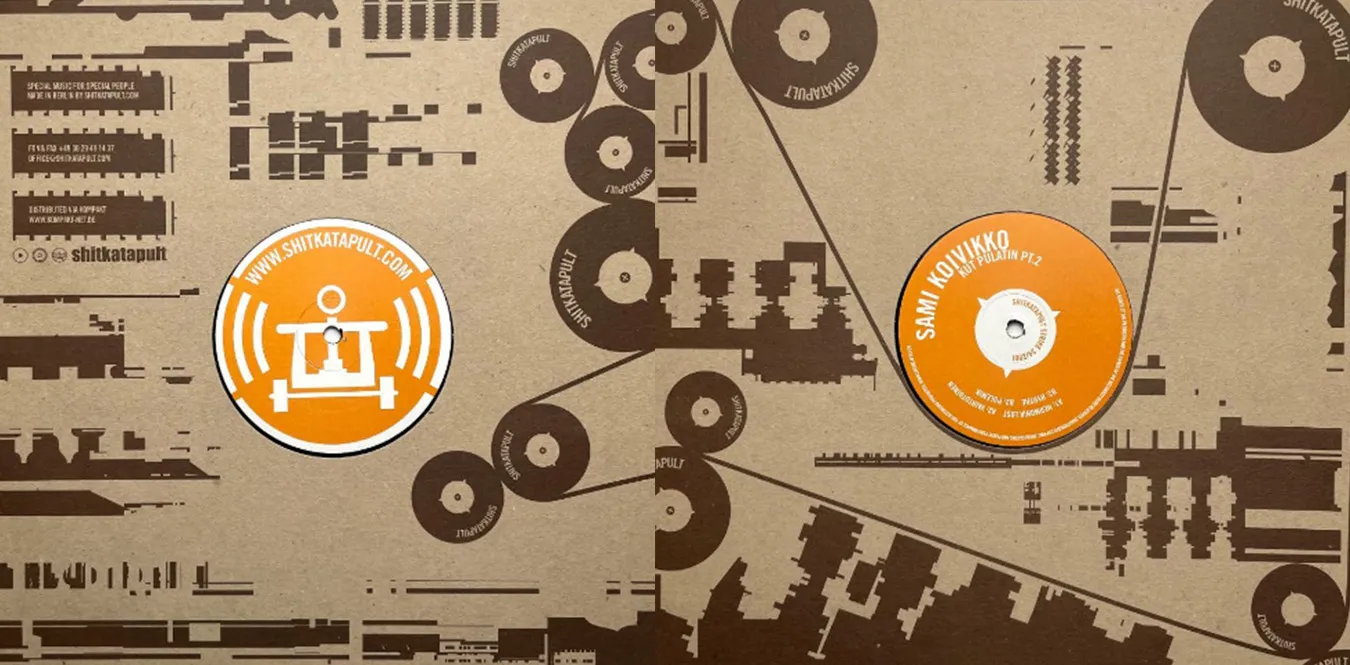
Sami Koivikko – Kut Pulatin Pt. 2
Sami Koivikko is a techno producer based in Finland. Known as a standard bearer of minimal techno and click techno, he has released works on various labels such as the...
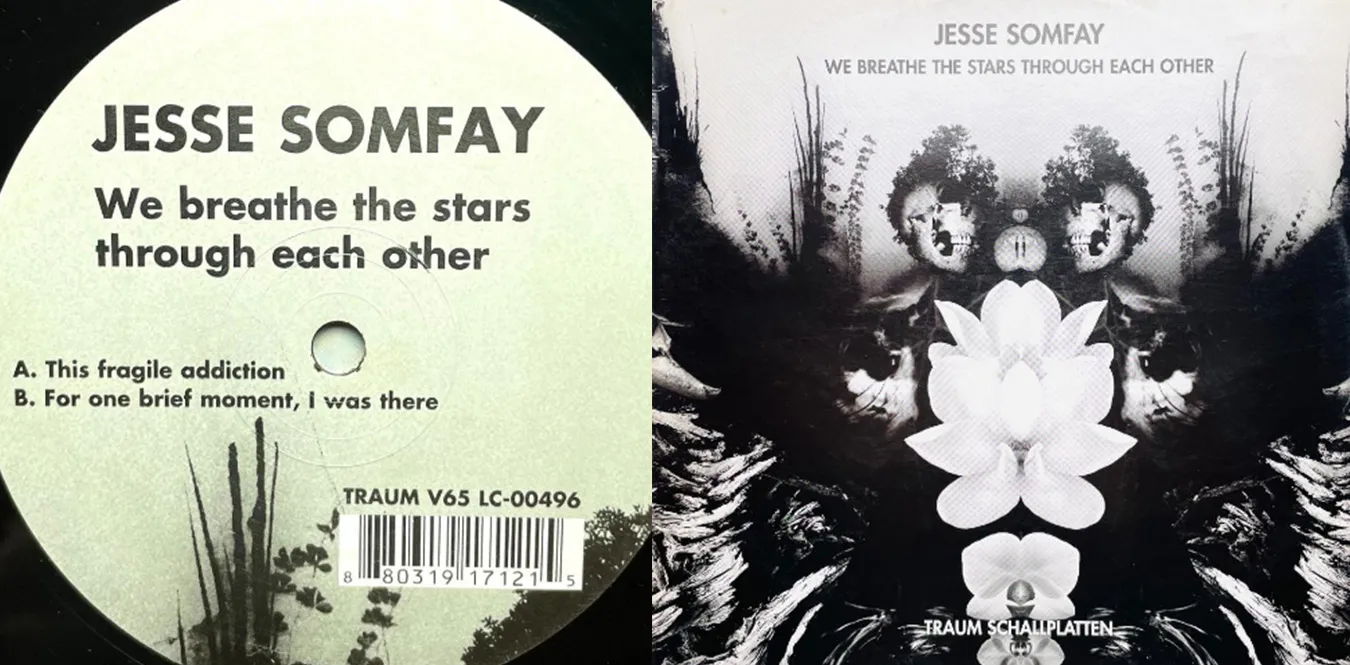
Jesse Somfay – We Breathe The Stars Through Each Other
Jesse Somfay(ジェシー・ソムフェイ)は、2000年代半ばから名門レーベルArchipelやTraum Schallplattenを中心に活動しているカナダ出身のプロデューサー。ミニマル・テクノ、アンビエント、シューゲイザーを融合させたスタイルが特徴。Borealis(ボレアリス)名義での活動でもよく知られている。
【コラム】 テクノ・ミニマル vs アシッド・テクノ:削ぎ落とす美学と暴走する回路
序章 テクノという共通言語
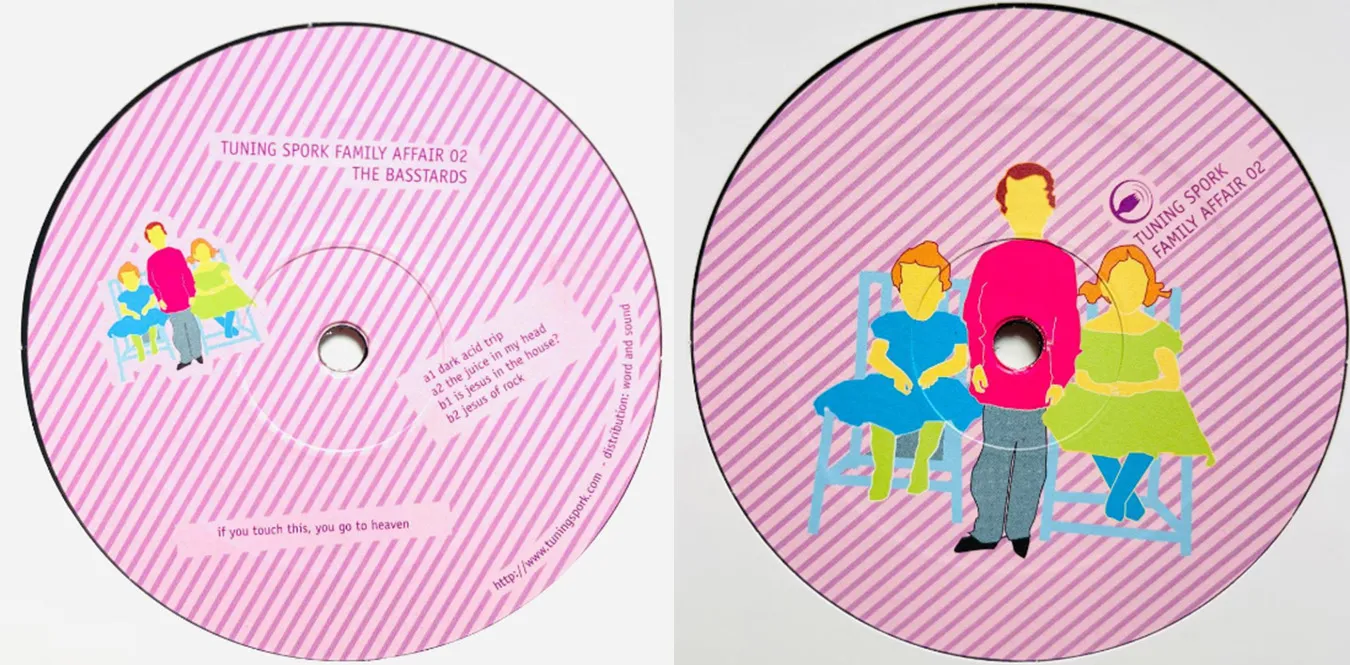
The Basstards – If You Touch This, You Go To Heaven
The Basstardsは、Señor Coconut And His Orchestra のメンバーとしても活動するDJ Argenis Brito, Cem OralことJammin’ Unit, レーベルTuning Spork Records の主宰Jay Hazeによるプロジェクト。
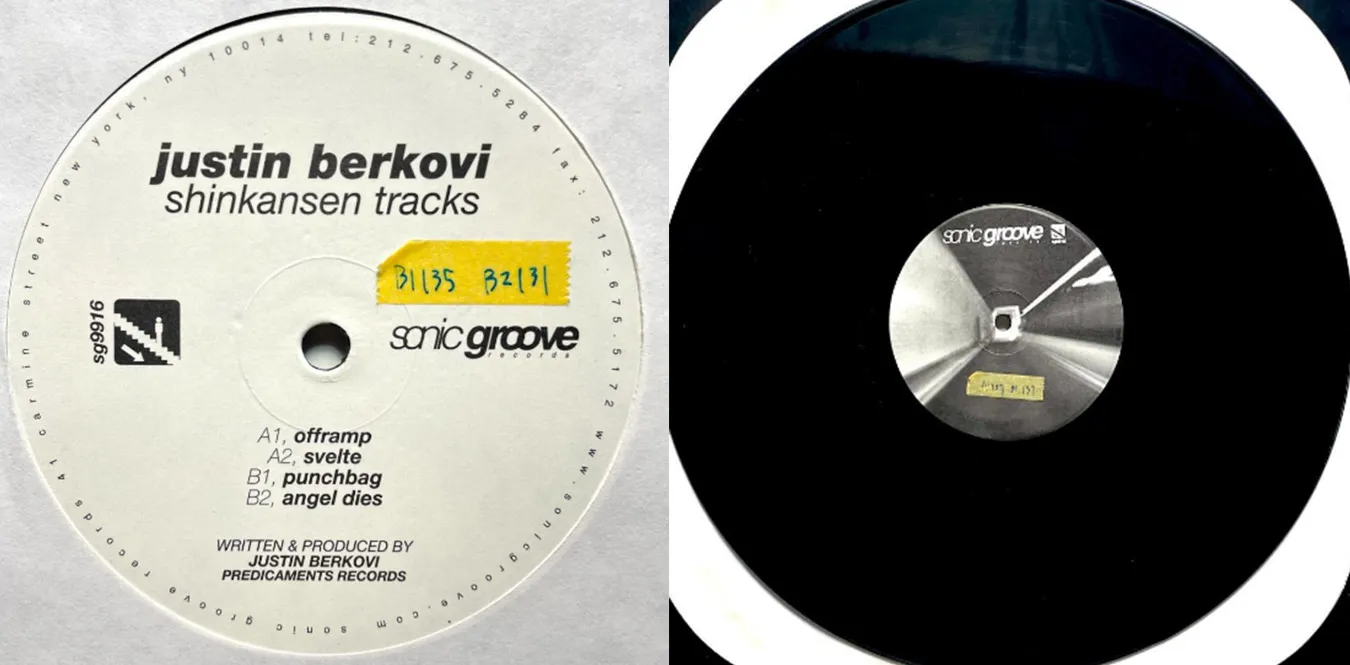
Justin Berkovi – Shinkansen Tracks
Justin Berkovi is a London-based techno DJ/producer and founder of the labels Predicamentst and Nightrax.
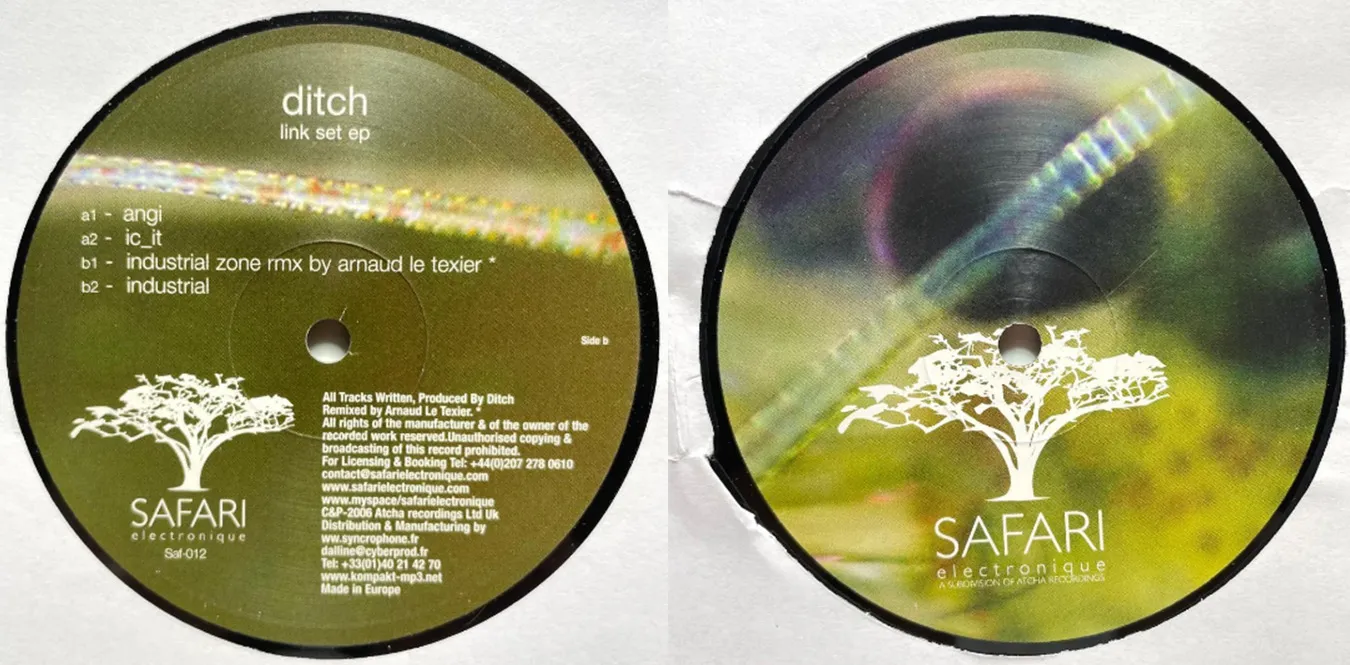
Ditch – Link Set EP
Ditch ことShinichiro Konoは、2001年からMinimal House&TechnoのDJとして活動している仙台を拠点とする日本のプロデューサー。Minibar 、Safari Electronique、Microcosm、Goosehound、Kalimari 、op.disc など多数のレーベルからリリースしている。
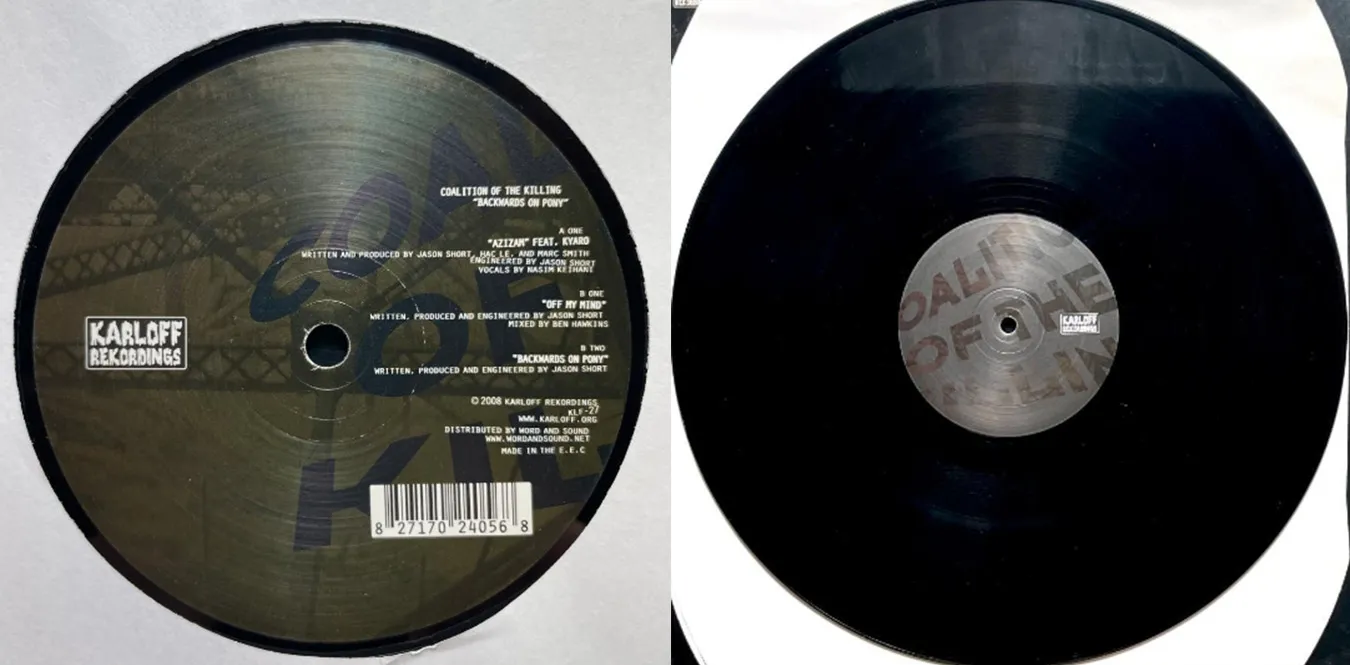
Coalition Of The Killing – Backwards On Pony EP
Coalition Of The Killing (COTK)は、サンフランシスコを拠点に活動するTechno DJ/プロデューサーJason Short と Marc Smithによるテクノデュオ。
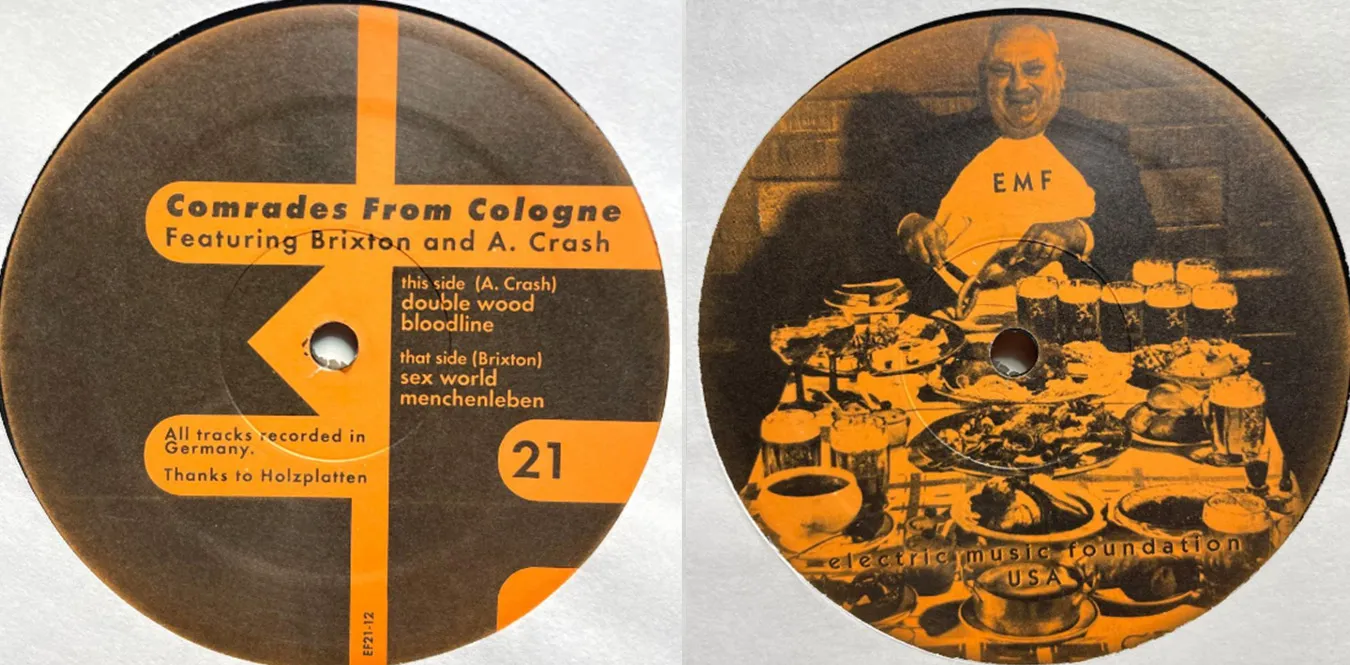
A. Crash and Brixton – Comrades From Cologne
ドイツ出身のA. Crash (Andreas Kremer)とBrixton(Norbert Georg Brixton Wieschollek)によるスプリット・シングル。
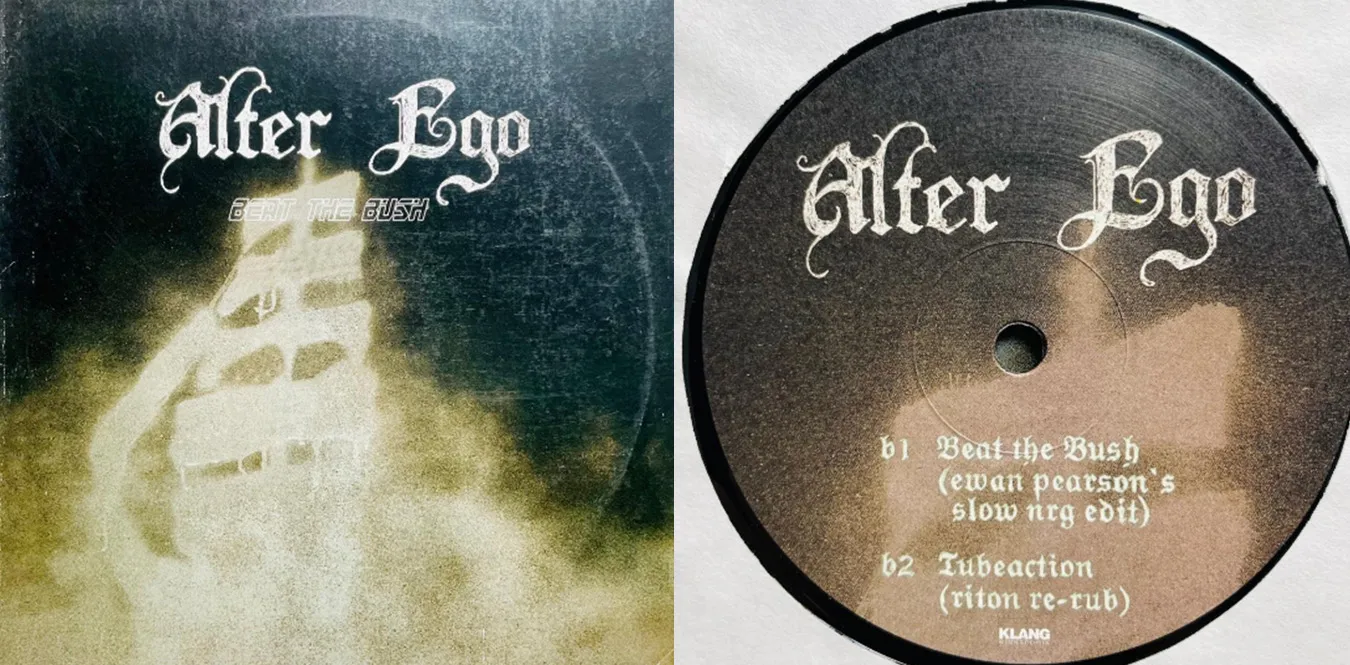
Alter Ego – Beat The Bush
Alter Egoは、1992年にRoman FlügelとJörn Elling Wuttkeが結成したドイツのエレクトロニックミュージックデュオ。2004年の代表作「Rocker」でよく知られている。