[Column] TR-808: It was not machines that changed music, but the people who used them.
Column en Hiphop House Roland Techno![[Column] TR-808: It was not machines that changed music, but the people who used them.](/../assets/images/column-roland-tr-808.webp)
TR-808とは何だったのか
Text: mmr|Theme: Is rhythm a human or a machine thing? The story of the TR-808 that broke the boundaries
1980年、ローランドが送り出した一台のリズムマシンが、後の音楽史を塗り替えることになる。TR-808 Rhythm Composer。現在では単に「808」と呼ばれるこの機械は、発売当初は決して成功した製品ではなかった。
当時の市場では、よりリアルなドラム音を再現することが重要視されていた。リンドラムのようなサンプルベースのドラムマシンが「本物らしさ」を追求する中で、TR-808はあえてアナログ回路による人工的な音を選んだ。その結果、生まれた音は「リアルではない」と評価され、市場からは距離を置かれた。
しかし、その「リアルでなさ」こそが、後に決定的な価値へと転化する。
キックは低く長く響き、スネアは乾いており、ハイハットは金属的で粒立っている。どれも現実のドラムとは似ていない。しかし、それゆえに他の何とも代替不可能な音だった。
この時点でTR-808はまだ「失敗作」だったが、その音はすでに未来を内包していた。
リアルではない音が、新しいリアリティを生み出す準備をしていた
アナログ回路が生んだ偶然の美学
The TR-808’s sound is generated by analog circuitry, not samples. Circuits constructed from combinations of transistors, resistors, and capacitors do not strictly reproduce the same sound.
これは設計上の「制約」であり、「不安定さ」でもあった。
特にキックドラムの音は、ブリッジT型発振回路によって生成される。この回路は、減衰するサイン波を生み出し、独特の「ボン」という低音を形成する。この減衰の長さを調整することで、サブベースのような響きが生まれる。
結果として、TR-808は単なるドラムマシンではなく、「低音楽器」として機能することになった。
Even more important are individual differences. Even with the same TR-808, the sound is slightly different. This is due to variations in the parts used in manufacturing, and is a characteristic that is difficult to reproduce with modern digital equipment.
The fact that the sound is not perfectly reproduced means that each performance will be slightly different. This creates a fluctuation similar to that of a human performance.
つまりTR-808は、機械でありながら「完全な機械ではない」存在だった。
不完全さが、逆説的に音楽に人間性を取り戻した
ストリートが拾い上げた音
The true value of the TR-808 was demonstrated not in the mainstream, but on the street. As prices fell, 808s became more readily available on the used market, and found their way into the underground circles of New York and Los Angeles.
特にヒップホップにおいて、その存在は決定的だった。
生ドラムを用意する余裕のない環境でも、808があればビートが作れる。しかも、その音は大音量のクラブやストリートで圧倒的な存在感を持つ。
1982年に発表された「Planet Rock」は、TR-808の可能性を世界に示した代表的な楽曲である。機械的でありながらグルーヴを持つそのビートは、それまでのファンクやディスコとは明確に異なる新しいリズム感を提示した。
さらに、マイアミベースやエレクトロ、そして後のトラップに至るまで、808のキックは「低音の主役」として機能し続ける。
重要なのは、808が単なる代替手段ではなかったという点だ。それは新しい音楽を生み出すための「道具」だった。
Environment, not technology, turned 808 into a revolution
テクノとハウスにおける再発明
一方で、デトロイトやシカゴでもTR-808は独自の進化を遂げる。
デトロイト・テクノにおいては、808の無機質なリズムが都市の風景と結びついた。工業都市の荒廃と未来志向が混ざり合う中で、その音は「機械の鼓動」として機能した。
シカゴ・ハウスでは、よりダンサブルな文脈で使われる。4つ打ちのキックに重ねられる808のパーカッションは、身体的なグルーヴを強化する役割を担った。
ここで興味深いのは、同じ機械が全く異なる文化の中で異なる意味を持ったことだ。
ヒップホップでは「ストリートの声」として、テクノでは「未来の音」として、ハウスでは「身体のリズム」として機能した。
TR-808は固定された意味を持たない。使う人間と環境によって、その意味は変化する。
同じ音が、文化によって異なる物語を語り始めた
Chronology: History of TR-808
一度消えた機械が、時間をかけて世界の中心へ戻ってきた
図解:808の音構造
単純な回路が、複雑な文化を生み出す起点になった
History of famous records and songs produced by 808
1. Afrika Bambaataa & The Soulsonic Force – Planet Rock (1982)
TR-808の低音が街角のビートを変えた瞬間
Known as “an early 808 classic,” this song showcases the fusion of hip-hop and electro. The deep bass of the kick, the dry sound of the snare, and the sequenced rhythm are all unique to the 808.
As an anecdote, at the time of production, Afrika Bambaataa said, ““I was looking for a sound that could not be struck by human hands.’’ The precision of the recording and the fluctuation of analog were exquisitely mixed, giving the music a futuristic, urban feel.
2. Marvin Gaye – Sexual Healing (1982)
808がR&Bの官能性を再定義
It may come as a surprise, but the 808 was used not only in hip-hop but also in R&B. The warmth of the kick and percussion on “Sexual Healing” created a softness that couldn’t be reproduced with analog drums at the time.
制作中、Marvin Gayeは自宅のスタジオで808を操作しながら曲のグルーヴを微調整。低音の余韻を重視することで、曲全体のセクシーさを増幅させています。
3. Beastie Boys – Licensed to Ill (1986)
Bringing “playfulness” and “destructive power” to hip-hop
808のパーカッションは、Beastie Boysのファーストアルバムでも多用されました。「No Sleep Till Brooklyn」の冒頭の重低音は808が生んだインパクトそのもの。
逸話として、メンバーたちは808を直接叩くのではなく、ステップシーケンサーでリズムを「遊ぶ」ように作ったそうです。その結果、機械的ながらも自由なグルーヴが生まれました。
4. Whitney Houston – Whitney (1987)
ポップスでも808が浸透
「I Wanna Dance with Somebody」のイントロにもTR-808が潜んでいます。特にハイハットとスネアの精度が、ダンスフロア向けのグルーヴを強化しました。
制作中、プロデューサーのNarada Michael Waldenは「808がなければこのリズムは作れなかった」と語っています。リアルなドラムでは出せない乾いた切れ味が、ポップスのダンス感を革新したのです。
5. Autechre – Incunabula (1993)
アンビエント・テクノへの落とし込み
90年代初頭、Autechreは808のパーカッションをエレクトロニック・アンビエントに応用しました。低音のキックやスネアの余韻をリズム以上のテクスチャとして使用。
逸話として、彼らは808の「不完全な揺らぎ」を積極的に取り入れ、意図的に音を崩して空間的な広がりを演出しました。これが後のIDM(Intelligent Dance Music)の特徴的サウンドに直結します。
6. OutKast – ATLiens (1996)
南部ヒップホップに新たな低音の波を
808はヒップホップにおいて地域差を超えて影響を与えました。「Elevators (Me & You)」の深いキックは、808が創り出す「身体で感じる低音」の代表例です。
制作中、OutKastは808のサブベース的特性を強調するためにEQで微調整。結果として、南部特有のスローテンポながらも重厚なグルーヴが生まれました。
7. Kanye West – 808s & Heartbreak (2008)
名前そのものに刻まれた808
このアルバムは、808を象徴として前面に押し出した作品です。キックはメロディを担い、ビートそのものが感情の表現手段に変化。
逸話として、Kanyeは808をピッチ変更し、ボーカルのメロディと絡ませることで、ビートと感情を一体化させました。808が楽器の枠を超え、感情表現の道具になった瞬間です。
8. Travis Scott – Astroworld (2018)
808 forms a trap
現代トラップで808のキックはメロディラインの一部としても扱われます。「SICKO MODE」の重低音は、808の特性を最大限に活かした例。
制作エピソードとして、808キックをシーケンサーで微調整し、曲のテンポやセクションごとに低音の揺らぎを変化させることで、曲全体のダイナミクスをコントロールしています。
これらの名盤を見ると、808は単なる「ドラムマシン」ではなく、ジャンルや時代を超えて音楽表現の中核を担ってきたことがわかります。ヒップホップ、テクノ、R&B、ポップス、そしてトラップ。すべてのリズムの中心に、808の影響は色濃く刻まれています。
The history of music continues to be carved with the beat of 808
Why is 808 still used?
Nowadays, the sound of the TR-808 is also reproduced in software. However, the word “808” does not simply refer to a piece of equipment, but functions as a kind of musical concept.
特にヒップホップにおいては、808のキックはベースラインそのものとして扱われる。ピッチを変えることでメロディを作り出し、リズムとハーモニーの境界を曖昧にする。
This is an idea that did not exist in conventional music theory.
また、現代のプロダクションでは、808の音は加工され、歪み、伸ばされ、レイヤーされる。それでもなお「808らしさ」は失われない。
それは単なる音色ではなく、「低音のあり方」に対する一つの基準になっているからだ。
808 has changed from a machine to a concept
The boundary between humans and machines
TR-808がもたらした最大の変化は、音そのものではない。リズムに対する考え方の変化である。
従来、リズムは人間が演奏するものだった。しかし808は、それを機械に委ねた。しかも、その機械は完璧ではない。微妙な揺らぎと不完全さを持っている。
結果として生まれたのは、「機械的でありながら人間的なリズム」だった。
This was an important turning point that would lead to the later DAW and sequencer culture.
Humans don’t play it, they design it. Place it, not hit it. The music production process itself has changed.
TR-808は単なる楽器ではない。音楽の作り方そのものを再定義した装置だった。
リズムは演奏から設計へと移行した
結論:808はなぜ「変えた」のか
TR-808は、発売当初は失敗作だった。しかし、その音はあまりにも独特で、あまりにも代替不可能だった。
その結果、特定の文化に取り込まれ、再解釈され、やがて世界中へと広がっていく。
重要なのは、808が「完成された製品」ではなかったことだ。不完全で、予測不能で、リアルではない。その性質が、新しい音楽を生み出す余地を作った。
If the 808 had aimed to recreate the perfect drum, this history might not have existed.
Rather than machines trying to get closer to humans, humans gave machines new meaning. TR-808 exists at that intersection.
音楽を変えたのは機械ではなく、それを使った人間だった
Explore more like this

【コラム】 Why Underground Culture Eventually Becomes Expensive — なぜ反体制から生まれた文化は、やがて高価な商品や巨大市場へ変わっていくのか
Why Underground Culture Eventually Becomes Expensive
【コラム】 LGBTQ+コミュニティとダンスミュージック
America before rock and roll
【コラム】 Nick Höppner:ベルリン制度史とフロア実践を横断した音響思想
序論:制度と現場を接続するDJ
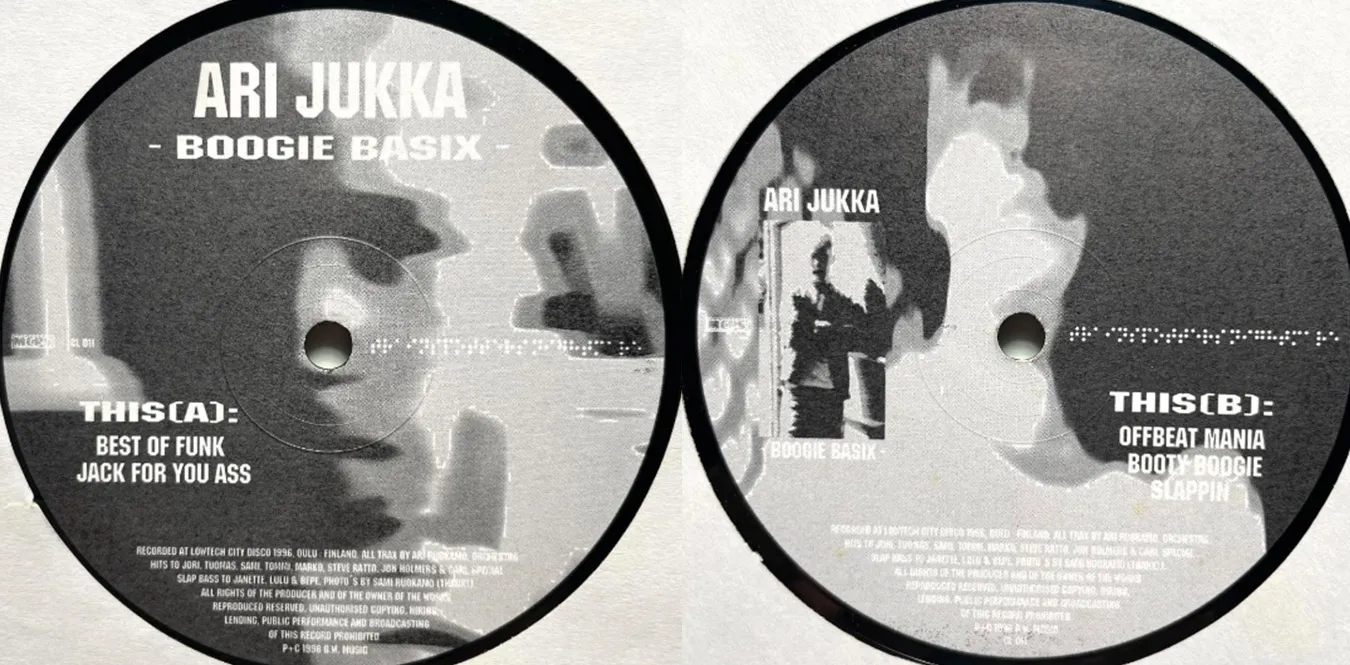
Ari Jukka – Boogie Basix
Ari Jukka ことAri J. Ruokamoは、1980年代後半から制作を始め、Garage/ Deep house系をメインに活動したアーティスト。フィンランドのDJ/プロデューサーTuomas Salmela とのDeep House プロジェクトLifestyle People としても活動した。 1993年にはJori Hulkkonen & Jukka Hautamäki と共にフィンランドのレーベルLumi Recordsを設立。
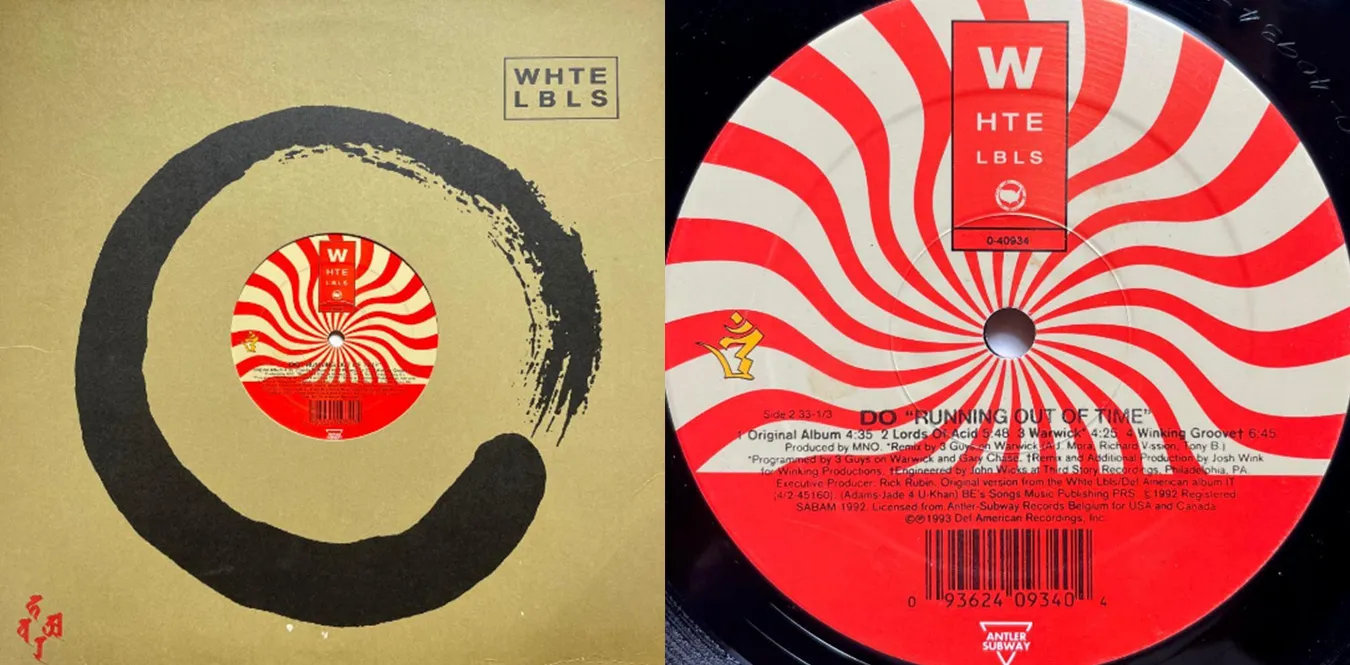
DO – Running Out Of Time
DO (Digital Orgasm /デジタルオーガズム )は、M.N.O. productionトリオ Maurice Engelen (Somora/Praga Khan)、Nikkie van Lierop (Jade 4 U, Miss Lie) 、Oliver AdamsによるベルギーのTechnoアクト。

Faith Evans Feat. Puff Daddy – All Night Long
Faith Evans, a US R&B singer and wife of Notorious B.I.G., collaborated with Puff Daddy and released R&B/House on the label Bad Boy Entertainment in 1999.
![[Column] Expanding trajectory of Minimal Music: Aesthetics of repetition and change as seen from Techno, House, and Rock](/../assets/images/column-minimal-music.webp)