【コラム】 音楽史上最も影響力のあった100枚:現代音楽への影響度だけで再構築する新しい音楽史(第7回・61〜70:電子音楽の多様化とジャンル革命)
Column en Disco House Techno
第7回(61位)
Burial – Untrue
「クラブが“終わった後の都市”として再生された瞬間」
2007年に発表された『Untrue』は、ダンスミュージックの延長線上には存在しない。
それはむしろ、クラブ文化が最も高度に発展した末に到達した“記憶としての音楽”である。
Burial”s sound doesn”t depict the excitement of the floor. What we find instead is London after dawn, rain-soaked asphalt, and the echoes of an empty city.
第7回 Part1(61位)
Spirit of Eden
「ロックが“演奏”ではなく“生成される現象”になった瞬間」
1988年9月16日に発表されたSpirit of Edenは、ロックというジャンルの歴史において最も静かな革命の一つである。
派手なヒット曲を生んだ作品ではない。
発売当初の評価も決して高くはなく、商業的にも成功とは言えなかった。
However, today, many musicians and critics consider this work to be the origin of the idea of post-rock.
Talk Talkはこの作品で、それまでロックが前提としてきた「曲を書く」「演奏する」「録音する」という工程そのものを問い直した。
音楽は完成された設計図ではなく、スタジオという空間の中で少しずつ姿を現す「現象」になったのである。
Transitioning from a pop band to an experimental group
1980年代前半、Talk Talkはシンセポップ・バンドとして活動していた。
『It’s My Life』や『Such a Shame』などのヒット曲は、ニューウェーブやシンセサイザー・ポップを代表する作品として世界的な成功を収める。
But the man at the center, Mark Hollis, wasn’t satisfied with the success.
What he sought was not a hit chart, but “the freedom of music itself.”
1986年の『The Colour of Spring』でアコースティック楽器や即興演奏を積極的に導入すると、その方向性は『Spirit of Eden』で決定的なものとなった。
EMIとの契約下でありながら、商業性をほぼ完全に放棄した本作は、レコード会社との深刻な対立を招くことになる。
But in return, one of the most original albums in rock history was born.
Recording that turned the studio into a “laboratory”
The production of ““Spirit of Eden’’ was a long session lasting about a year.
プロデューサーのTim Friese-GreeneとMark Hollisは、通常のロック作品とはまったく異なる制作方法を採用する。
録音スタジオは暗幕で覆われ、照明はほとんど消される。
The performers did not play according to the musical score, but instead improvised based on the atmosphere of the place and each other’s reactions.
数十時間にも及ぶ録音素材から、ごくわずかな瞬間だけを選び抜き、一曲へと編集していく。
In other words, in this work,
- Composition
- Performance
- 即興
- 編集
- Recording
という五つの工程が完全に一体化している。
Songs are not designed on paper, but are “discovered” little by little in the studio.
「余白」が音楽になる
従来のロックでは、演奏される音が作品の中心だった。
しかし『Spirit of Eden』では、その発想が逆転する。
静寂 呼吸 残響 微かなノイズ 楽器同士の距離
これらすべてが作品の構成要素となる。
とりわけ冒頭曲『The Rainbow』では、数分間にわたってほとんど何も起こらない。
だが、その「何も起こらない時間」があるからこそ、わずかなギターやオルガンの響きが圧倒的な存在感を持つ。
ここで音楽は、音を並べる芸術ではなく、「音が生まれる空間」を設計する芸術へと変化した。
Fusion of jazz, classical and ambient
本作にはロック以外の多様な要素が流れ込んでいる。
ジャズの自由な即興性。
20世紀クラシックの静謐な空間感覚。
And this is the idea of ”“music as environment’’ presented by ambient music after Brian Eno.
しかしTalk Talkは、それらを単に引用したわけではない。
すべてをロック・バンドという形式の中へ溶け込ませ、新しい有機的な音楽言語として再構築した。
この融合は、後のポストロックのみならず、ポストクラシカル、スロウコア、アンビエント・フォークなど、多くのジャンルへ受け継がれていく。
ありがとうございます。続きを、第1〜第6回と同じ密度で執筆します。
ポストロックという思想の出発点
The term “post-rock” became widely known after music critic Simon Reynolds proposed the concept in 1994.
しかし、その思想そのものは『Spirit of Eden』の時点ですでに完成していた。
Talk Talkはロックを否定したわけではない。
むしろロックという形式を極限まで拡張した結果、従来のロックという枠組みでは説明できない音楽へ到達したのである。
従来のロックでは、
- ギターが中心になる
- ドラムがリズムを支える
- ボーカルが物語を語る
- サビが感情を爆発させる
という構造が前提となっていた。
しかし『Spirit of Eden』では、それらの役割は完全に解体される。
ギターは空気のように漂い、
ドラムは時間を刻むのではなく、沈黙を際立たせる。
The vocals also don’t exist to explain the story, but blend into the space as a single tone.
ここで音楽は「歌」ではなく、「音響そのもの」を聴かせる芸術へと変貌した。
「完成形」を目指さない制作思想
本作が革新的だった理由は、完成された演奏を録音したことではない。
むしろ逆である。
Mark HollisとTim Friese-Greeneは、「完成された演奏」を最初から目標にしなかった。
数多くのミュージシャンをスタジオへ招き、
それぞれが自由に演奏する。
その断片を何か月にもわたって編集し、
偶然生まれた美しい瞬間だけを残す。
この方法論は、映画の編集にも近い。
撮影前にすべてを決めるのではなく、
素材の中から作品を発見するのである。
この発想は後に、
- Sigur Rós
- Bark Psychosis
- Mogwai
- Godspeed You! Black Emperor
など、多くのポストロック作品へ受け継がれていく。
Furthermore, in the 21st century,
It also became a common production method in electronica, ambient, and post-classical music.
「静けさ」は最大のダイナミズムになる
ロックは長らく「音量」を競ってきた。
より速く、
より激しく、
より大きく。
しかし『Spirit of Eden』は、その価値観を根本から覆した。
最も小さな音こそ、
最も大きな緊張を生み出す。
A piano that plays only one note.
遠くで響くトランペット。
かすかに聞こえるブラシドラム。
その一つひとつが、沈黙の中で圧倒的な存在感を放つ。
これは単なる静かな音楽ではない。
「音が鳴らない時間」までも作品の一部として設計するという、新しい作曲思想だった。
この考え方は、後のアンビエントやポストクラシカルだけでなく、現代映画音楽にも深く浸透している。
Rock from a “finished product” to a “living entity”
『Spirit of Eden』以前、多くのアルバムは完成品として存在していた。
作曲し、
演奏し、
録音し、
完成する。
しかし本作では、音楽は固定された完成品ではない。
録音された瞬間も、
編集された瞬間も、
聴かれる瞬間も、
常に変化し続ける「生命体」として存在する。
この発想は、インタラクティブ・アートやインスタレーション、さらにはAI時代の生成的音楽にも通じる。
つまり『Spirit of Eden』は1988年にして、
「作品は完成するものではなく、生成され続けるもの」という現代的な芸術観を先取りしていたのである。
なぜ61位なのか
『Spirit of Eden』は、ロックを解体するのではなく、その可能性を極限まで押し広げた作品である。
本作によって、ロックは「楽曲の集合体」から「空間・時間・沈黙を含む総合芸術」へと進化した。
その影響はポストロックだけに留まらず、アンビエント、ポストクラシカル、映画音楽、さらには現代のサウンド・アートにまで及んでいる。
本ランキングでは、ジャンルそのものを創出・制度化した作品群を上位に置いているため第61位としたが、本作が提示した「生成される音楽」という思想は、21世紀以降の音楽制作に極めて大きな足跡を残した。
「『Spirit of Eden』はロックを“演奏される作品”から“生成され続ける現象”へと変えた。ポストロックという思想の原点として、その歴史的意義により本ランキング第61位に位置付ける。」
ありがとうございます。それでは第7回 Part2として、第62位をこれまでと同じ完成版クオリティで執筆します。
7th Part 2 (62nd place)
Loveless
「ギターが“空間そのもの”へと変化した瞬間」
1991年11月4日に発表されたLovelessは、ロック史においてギターという楽器の概念を書き換えた作品である。
ロックにおけるギターは長らく、メロディを奏で、コードを支え、ときには技巧を誇示するための楽器だった。
However, My Bloody Valentine completely overturned that conventional wisdom.
The guitar is not the instrument being played here.
It becomes a device that generates the acoustic space itself.
『Loveless』以降、「ギター・サウンド」とはフレーズではなく、空間や質感そのものを意味するようになったのである。
シューゲイズ誕生の決定版
1980年代後半のイギリスでは、ポストパンク以降の新しいギター表現が模索されていた。
その中でMy Bloody Valentineは、ノイズとメロディを対立させるのではなく、一体化させるという発想へたどり着く。
バンド名とともに語られる「シューゲイズ」という言葉は、ライブ中に足元のエフェクターを見続ける姿から生まれた。
しかし本質はそこではない。
彼らが見つめていたのはエフェクターではなく、
ギターを「音」ではなく「空間」として扱う方法だった。
ロックはここで、新しい音響言語を獲得する。
Kevin Shieldsによる音響革命
本作の中心人物であるKevin Shieldsは、従来のギター録音を根本から否定した。
特徴的なのが、彼自身が「Glide Guitar」と呼んだ奏法である。
トレモロ・アームを絶えず細かく動かしながら演奏することで、
音程は常に揺れ続ける。
コードは固定されず、
響きは輪郭を失い、
空間全体がゆっくりと変形していく。
さらに、
- リバーブ
- Reverse reverb *Delay
- コーラス
- EQの精密な調整
を幾重にも重ねることで、ギターはもはや一本の楽器とは思えない巨大な音響の壁へと変貌した。
これは単なるエフェクトの多用ではない。
The guitar itself has been redesigned.
制作期間二年、スタジオそのものが楽器になる
『Loveless』の制作は約二年間に及び、19ものスタジオを渡り歩いた。
制作費は当時としては異例の規模となり、所属レーベルCreation Recordsの経営を揺るがしたとも語られる。
しかし、その膨大な時間は無駄ではなかった。
Kevin Shields doesn’t use the studio as a place to record.
一つの巨大な楽器
It was treated as such.
無数のテイクを録音し、
マイクの位置を数センチ単位で調整し、
アンプやエフェクトを細かく組み替えながら、
理想の音響を追求した。
ここでは演奏技術以上に、
録音そのものが創作行為となっている。
ノイズとメロディの融合
それまでノイズは、メロディを破壊する存在だった。
しかし『Loveless』では、その関係が逆転する。
From the intense distortion,
かすかな旋律が浮かび上がる。
轟音の中に、
繊細なボーカルが溶け込む。
暴力性と美しさが、
互いを打ち消すことなく共存しているのである。
この音響バランスは、
It had a major influence not only on later dream pop, post-rock, and indie rock, but also on electronica and ambient music.
「音色」が作曲になる
『Loveless』以前、作曲とはメロディやコードを書くことだった。
But Kevin Shields
音色そのものを作曲対象へ変えた。
メロディは単純でも、
If the tone changes, the overall impression of the piece changes dramatically.
この考え方は、
This has become commonplace in music production since the 21st century.
エレクトロニカ、
アンビエント、
ポストクラシカル、
さらには映画音楽においても、
「どんな音を鳴らすか」が「何を演奏するか」と同じくらい重要になった。
その発想をロックの世界へ本格的に持ち込んだ作品が、『Loveless』なのである。
世界中のギター・ミュージックへ与えた影響
本作は発売当初こそ商業的な成功には恵まれなかったが、その後の再評価は極めて大きい。
Radiohead、Sigur Rós、Slowdive、Mogwaiをはじめ、多くのアーティストがその音響思想を継承した。
さらにシューゲイズ・リバイバルを経て、現代のインディーシーンでも『Loveless』は基準点として参照され続けている。
ギターはもはやリフやソロを奏でるためだけの楽器ではない。
空間を描き、感情を包み込み、時間そのものを変形させるメディアとなったのである。
なぜ62位なのか
『Loveless』は、ギターという楽器の役割を根本から変えた歴史的作品である。
その影響はシューゲイズだけに留まらず、ポストロック、ドリームポップ、エレクトロニカ、さらには現代の音響設計全般へと広がっている。
本ランキングでは、よりジャンルそのものを創出・制度化した作品群を上位に置いているため第62位としたが、本作が提示した「音色そのものが作曲になる」という思想は、1990年代以降の音楽制作を大きく変えた。
「『Loveless』はギターを演奏する楽器から、空間そのものを生成する装置へと変えた。その音響革命により本ランキング第62位に位置付ける。」
ありがとうございます。それでは同じフォーマット・密度で続けます。
第7回 Part3(63位)
Tri Repetae
「電子音楽が“リズム”ではなく“構造”を聴かせるようになった瞬間」
1995年11月6日に発表されたTri Repetaeは、電子音楽がクラブ・ミュージックから独立した芸術として成立したことを示す記念碑的作品である。
1980年代から1990年代初頭にかけて、テクノやハウスはダンスフロアを中心に発展してきた。
Beats were meant to move the body, and repetition was a device to create euphoria.
しかしAutechreは、その前提そのものを覆した。
ここで重要なのは踊ることではない。
音そのものが、どのような論理で組み立てられているのか。
『Tri Repetae』は、電子音楽を身体の芸術から思考の芸術へと押し広げた作品なのである。
Artificial Intelligenceシリーズの到達点
1990年代初頭、Warp RecordsはArtificial Intelligenceシリーズを発表し、「家で聴くテクノ」という新しい概念を提唱した。
クラブで消費されるだけではない電子音楽。
Electronic music to help you concentrate and listen.
Autechreは、その思想を最も徹底して発展させた存在だった。
初期作品『Incunabula』ではまだデトロイト・テクノの影響が色濃く残っていたが、『Tri Repetae』ではその名残すら消えていく。
ビートはダンスのためではなく、
構造を知覚させるために存在する。
リズムは「反復」ではなく「変異」になる
『Tri Repetae』を特徴づける最大の要素は、
終わることのない微細な変化である。
一見すると同じフレーズが繰り返されているように聴こえる。
しかし実際には、
音色
タイミング
定位
texture
フィルター
All of that continues to change little by little.
Changes are extremely small.
しかし積み重なることで、
聴き手は無意識のうちに時間感覚そのものを書き換えられていく。
これはスティーブ・ライヒらミニマル・ミュージックの発想を電子音楽へ移植したとも言えるが、Autechreはさらにコンピュータ的な精密さを加えた。
反復とは停止ではない。
反復とは、終わりのない変異なのである。
ドラムマシンの「人間離れ」
The rhythm programming in this work is also extremely unique.
In general techno,
キックがグルーヴを支え、
The hi-hat creates propulsion,
スネアがアクセントを付ける。
しかし『Tri Repetae』では、
The division of roles itself becomes unclear.
キックは消え、
スネアは途中で変形し、
リズム全体が生き物のように姿を変える。
にもかかわらず、
作品全体は決して崩壊しない。
There is no human performance here,
コンピュータだけが実現できる新しい秩序が存在している。
音色そのものが建築になる
Autechreはメロディを中心に曲を書かない。
音色そのものを積み重ね、
巨大な立体構造を形成していく。
低音は土台となり、
ノイズは壁となり、
金属音は骨組みとなる。
楽曲は時間の中で進行するだけではない。
空間の中に建築されるのである。
この考え方は後のグリッチ、マイクロサウンド、エクスペリメンタル・エレクトロニカへ直接つながっていく。
IDMという概念を更新した作品
「IDM(Intelligent Dance Music)」という呼称はしばしば議論の対象となってきた。
しかし『Tri Repetae』が示したのは、「知的」であることではない。
それは、
電子音楽がダンスという機能だけに縛られなくても成立するという事実だった。
ここで電子音楽は、
クラブでも、
ラジオでも、
ポップチャートでもなく、
美術館や現代音楽と同じ地平へ到達する。
電子音は初めて「抽象芸術」として評価されるようになったのである。
なぜ63位なのか
『Tri Repetae』は、電子音楽をリズム主体のクラブ・ミュージックから、構造そのものを鑑賞する芸術へと発展させた歴史的作品である。
その影響はIDMのみならず、グリッチ、マイクロサウンド、実験音楽、さらには現代のアルゴリズム作曲にも及んでいる。
本ランキングでは、電子音楽というジャンルそのものを誕生・制度化した作品群を上位に置いているため第63位としたが、本作が提示した「構造を聴く」という発想は、その後の電子音楽の可能性を大きく拡張した。
「『Tri Repetae』は電子音楽を身体のためのリズムから、思考のための構造へと変えた。その革新的な音響設計により本ランキング第63位に位置付ける。」
第7回 Part4(64位)
Dubnobasswithmyheadman
「クラブ・ミュージックが“物語”を語り始めた瞬間」
1994年1月24日に発表されたDubnobasswithmyheadmanは、クラブ・ミュージックがダンスフロアだけの音楽ではなく、一枚のアルバムとして完結する芸術へと成熟したことを示す歴史的作品である。
1980年代から90年代初頭にかけて、ハウスやテクノは主として12インチ・シングルを中心に発展してきた。
DJが繋ぐための音楽。
フロアで機能するための音楽。
そこでは一曲ごとの役割が重視され、アルバム全体を通して一つの世界観を描くという発想は決して主流ではなかった。
しかしUnderworldは、その常識を覆す。
『Dubnobasswithmyheadman』では、一曲一曲が独立したダンス・トラックではなく、アルバム全体がひとつの長編映画のように設計されている。
ここでクラブ・ミュージックは、「踊るための音楽」から「没入するための音楽」へと進化したのである。
第二世代Underworldの誕生
Underworldは1980年代にはニューウェーブ・バンドとして活動していた。
しかし商業的成功には恵まれず、一度は行き詰まりを迎える。
転機となったのが、DJ Darren Emersonの加入だった。
Karl Hydeの断片的な言葉。
Rick Smithによる精密なプログラミング。
そしてEmersonが持ち込んだクラブ・カルチャー。
この三者が結び付くことで、Underworldは全く新しい音楽へと生まれ変わる。
『Dubnobasswithmyheadman』は、その新体制による最初のアルバムであり、以後のテクノとプログレッシブ・ハウスの方向性を決定づけた。
「歌詞」ではなく「言葉の断片」
Karl Hydeのボーカルは、従来のロックとは決定的に異なる。
物語を順序立てて語るのではない。
The sights I saw and heard in the city.
広告。
会話。
地下鉄。
記憶。
そうした断片が反復され、少しずつ意味を変えながら積み重なっていく。
聴き手は歌詞を理解するのではなく、都市そのものを体験する。
ここでボーカルはメロディを運ぶ存在ではなく、「都市の意識」を映し出す音響素材となる。
長尺構造という新しい時間感覚
本作を特徴づけるのは、クラブ・ミュージックには珍しい長尺構成である。
楽曲は急激に展開しない。
小さな変化を積み重ねながら、ゆっくりと景色を変えていく。
The beat disappears.
シンセが浮かび上がる。
再びグルーヴが戻る。
その流れは、クラブで踊る時間というより、一つの都市を歩き続ける時間に近い。
反復は退屈ではない。
反復そのものがドラマになるのである。
クラブを「聴く文化」へ
本作以前、クラブ・ミュージックは現場で機能することが第一だった。
しかし『Dubnobasswithmyheadman』は、自宅で最初から最後まで聴く価値を持つアルバムとして評価された。
この発想は、
Orbital
The Chemical Brothers
Leftfield
さらにはボーダーレス化していくエレクトロニック・ミュージック全体へ受け継がれていく。
アルバムという形式が、再び電子音楽の中心表現になったのである。
なぜ64位なのか
『Dubnobasswithmyheadman』は、クラブ・ミュージックを単なる機能音楽から、アルバム単位で語られる芸術作品へと押し上げた決定的作品である。
その影響はプログレッシブ・ハウス、テクノ、エレクトロニカのみならず、現代のダンス・ミュージック全体に及んでいる。
本ランキングでは、電子音楽の構造そのものを更新した作品群を上位に置いているため第64位としたが、本作が提示した「クラブ・アルバム」という概念は、その後30年以上にわたり電子音楽の重要な指標となった。
「『Dubnobasswithmyheadman』はクラブ・ミュージックを12インチ文化から解放し、アルバムという芸術形式へと発展させた。その歴史的転換により本ランキング第64位に位置付ける。」
第7回 Part5(65位)
Timeless
「ドラムンベースが“都市の時間”を音楽へ変えた瞬間」
1995年8月7日に発表されたTimelessは、ジャングルからドラムンベースへの進化を決定づけた歴史的作品である。
1990年代初頭のイギリスでは、レイブ・カルチャーの爆発的な広がりとともに、高速なブレイクビーツを用いたジャングルが急速に発展していた。
しかし当時の多くの作品は、DJによるプレイを前提としたシングル中心の文化であり、一枚のアルバムとして思想を提示する作品はまだ少なかった。
Goldieは、この状況を根本から変える。
『Timeless』は、ジャングルの持つ荒々しいエネルギーを保ちながら、ジャズ、アンビエント、クラシック的な構成感覚を取り込み、ドラムンベースをアルバム芸術へと押し上げた。
ここでリズムは、単なるダンスのためのビートではない。
都市で生きる人々の時間感覚そのものとなったのである。
ジャングルからドラムンベースへ
ジャングルは、ヒップホップ、レゲエ、ダブ、ブレイクビーツを融合したロンドンの都市文化から生まれた。
高速に刻まれるAmen Break。
重厚なサブベース。
断片化されたサンプル。
そこには多文化都市ロンドンの混沌がそのまま刻み込まれていた。
しかしGoldieは、それをクラブだけの音楽で終わらせなかった。
彼はジャングルに物語性と感情を与え、「聴くための音楽」へと昇華させたのである。
『Timeless』という長大な組曲
アルバム表題曲『Timeless』は、およそ21分にも及ぶ大作である。
静かなアンビエントから始まり、
ストリングスが広がり、
ブレイクビートが姿を現し、
やがて圧倒的なエネルギーへ到達する。
その構成は、従来のクラブ・トラックとはまったく異なる。
反復だけではない。
起承転結を持つ、一つの交響曲として設計されているのである。
ここでドラムンベースは、「瞬間的な興奮」を生む音楽から、「時間そのものを設計する音楽」へと変貌した。
ブレイクビートは“崩壊”ではなく“再構築”
『Timeless』を象徴するのが、複雑に分解されたブレイクビートである。
ドラムは高速で刻まれながらも、
単なる混乱には陥らない。
細かく切り刻まれたリズムが、
新たな秩序を生み出していく。
ここでは、
ビート=反復
ではなく、
ビート=変化し続ける時間
という新しい概念が成立している。
UK電子音楽の新たな地平
『Timeless』は、その後のUK電子音楽に決定的な影響を与えた。
Roni Size、
LTJ Bukem、
High Contrast、
Even the post-dubstep generation.
ドラムンベースは単なる高速ビートではなく、
アルバムとして世界観を構築する文化へと発展していく。
His grand sense of composition also spread to film music and game music, and became a model for ““music that depicts the city.’’
なぜ65位なのか
『Timeless』は、ジャングルをドラムンベースへと進化させ、クラブ・ミュージックをアルバム芸術として再定義した歴史的作品である。
その影響はUK電子音楽全体のみならず、現代のベース・ミュージック、映画音楽、サウンドデザインにも及んでいる。
本ランキングでは、電子音楽そのものを誕生・制度化した作品群を上位に置いているため第65位としたが、本作が示した「都市の時間を音楽化する」という発想は、その後の電子音楽史における重要な転換点となった。
「『Timeless』は高速なブレイクビートを都市の時間構造へと昇華し、ドラムンベースをアルバム芸術へと発展させた。その歴史的意義により本ランキング第65位に位置付ける。」
第7回 Part6(66位)
Interstellar Fugitives
「テクノが“匿名の政治装置”になった瞬間」
Interstellar Fugitives, released in 1996, is a historical work that shows that Detroit techno has matured from being just club music to an idea that critiques urban society.
1980年代に誕生したデトロイト・テクノは、Juan Atkins、Derrick May、Kevin Saundersonらによって未来都市の音楽として形づくられた。
しかし1990年代に入ると、その未来像は必ずしも明るいものではなくなる。
自動車産業の衰退。
失業。
Population outflow.
都市の荒廃。
Underground Resistanceは、そうした現実を真正面から受け止め、「テクノは都市への抵抗である」という思想を掲げた。
その理念を最も明確に結晶化した作品が『Interstellar Fugitives』である。
ここでテクノは娯楽ではない。
都市を読み解き、未来を構想するための政治的メディアとなったのである。
Underground Resistanceという思想集団
Underground Resistanceは、一般的なバンドやユニットとは異なる。
彼らは自らを「組織」と位置づけ、個人ではなく理念を前面に押し出した。
メンバーは軍服や覆面をまとい、顔や個人名よりも「UR」という共同体の存在を強調する。
その匿名性は単なる演出ではない。
スターシステムへの拒否。
商業主義への抵抗。
ブラック・ミュージックの自立。
こうした思想を貫くための戦略だった。
音楽は誰が作るかではなく、「何を伝えるか」が重要なのである。
サウンドは「都市の戦略地図」
『Interstellar Fugitives』の楽曲群は、デトロイト・テクノ特有の硬質なビートとSF的なシンセサイザーを基盤としている。
しかし、その響きは未来への楽観ではない。
緊張感に満ちたリズム。
無機質なシンセ。
断続的に現れるノイズ。
それらは工場跡地や高速道路、無人化した都市空間を思わせる。
ここでビートはダンスのためではなく、
都市そのものを設計し直すための言語として機能する。
匿名性が生み出した新しい共同体
ポップ・ミュージックは長らく、スターの個性を中心に発展してきた。
しかしUnderground Resistanceは、その発想を完全に逆転させる。
顔は見えない。
個人名も重要ではない。
作品だけが存在する。
その結果、聴き手は特定のアーティストを崇拝するのではなく、理念そのものへ共感する。
この匿名性は後のエレクトロニック・ミュージックにも大きな影響を与え、
匿名プロジェクトや覆面アーティスト、ネット時代のコレクティブへと受け継がれていく。
テクノは未来を描く音楽ではなくなる
Juan Atkinsが描いた未来都市は、テクノロジーへの希望を含んでいた。
しかしUnderground Resistanceは、その未来をさらに一歩進める。
彼らが描いたのは、
管理社会。
監視。
情報。
資本。
そして、それに抗う個人の意志である。
テクノは未来を祝福する音楽ではない。
未来を問い直すための音楽になったのである。
この思想は後のベルリン・テクノ、IDM、インダストリアル・テクノ、さらには現代の実験電子音楽にも深く影響を与えている。
なぜ66位なのか
『Interstellar Fugitives』は、デトロイト・テクノを単なるダンス・ミュージックから、都市と社会を批評する思想へと押し上げた決定的作品である。
その影響はテクノだけでなく、IDM、エレクトロ、インダストリアル、現代アートにまで広がっている。
本ランキングでは、テクノというジャンルそのものを創出・制度化した作品群を上位に置いているため第66位としたが、本作が示した「匿名性」「共同体」「都市批評」という思想は、その後の電子音楽文化を大きく方向付けた。
「『Interstellar Fugitives』はテクノをクラブの音楽から、都市を批評する匿名の政治装置へと変えた。その思想的革新性により本ランキング第66位に位置付ける。」
第7回 Part8(67位)
The Orb’s Adventures Beyond the Ultraworld
「クラブ・ミュージックが“環境そのもの”になった瞬間」
1991年に発表されたThe Orb’s Adventures Beyond the Ultraworldは、クラブ・カルチャーとアンビエントを本格的に融合させた最初の歴史的アルバムである。
1980年代末、イギリスではセカンド・サマー・オブ・ラブを経てレイブ文化が急速に拡大していた。
一晩中踊り続けるクラブ。
巨大なサウンドシステム。
高揚し続ける身体。
しかし、その熱狂にはもう一つの時間が存在していた。
クラブの片隅で休息する時間。
夜明け前、意識がゆっくりと現実へ戻っていく時間。
The Orbは、その「踊らない時間」に初めて音楽を与えたのである。
ここでアンビエントは、Brian Enoが提示した静かな環境音楽から一歩進み、クラブという都市空間そのものを包み込む環境音楽へと変化した。
アンビエントとレイブ文化の融合
Alex Patersonは、もともとロンドンのクラブDJとして活動していた。
彼はフロアの熱狂だけではなく、
その前後に流れる空気にも強く関心を抱いていた。
DJセットの合間に、
鳥の鳴き声、
ラジオ放送、
宇宙船の通信、
自然音、
テレビ音声を重ねる。
その実験は、従来のダンス・ミュージックには存在しなかった新しい時間感覚を生み出していく。
音楽は盛り上げるためだけではない。
空間を設計するためのメディアになったのである。
サンプリングによる「音響コラージュ」
『The Orb’s Adventures Beyond the Ultraworld』では、
数え切れないほどのサンプルが使用されている。
環境音。
映画のセリフ。
宇宙開発の音声。
ラジオ。
Dub。
Reggae。
電子音。
それらはヒップホップのようにリズムを強調するためではなく、
巨大な音響風景を構築するために編集されている。
ここでサンプリングは引用ではない。
世界そのものを編集する技術へと変わった。
「長時間聴く電子音楽」の完成
収録曲の多くは10分を超える。
しかし長さは目的ではない。
重要なのは、
時間が流れている感覚そのものを変えることである。
Small changes accumulate little by little,
気付けば全く違う景色へ到達している。
この発想は後のアンビエント・テクノ、
ダウンテンポ、
チルアウト、
さらには現代のローファイ・ヒップホップにも受け継がれていく。
「聴くクラブ・ミュージック」の誕生
Club music before The Orb was
踊るための機能が最優先だった。
しかし本作では、
クラブ・ミュージックが、
自宅でも、
ヘッドフォンでも、
It also works in museums.
In other words, electronic music
クラブという場所から解放され、
環境そのものへと広がっていったのである。
この思想はBoards of Canada、
Biosphere、
Gas、
The Fieldなど、
21世紀アンビエントへ直接受け継がれている。
なぜ67位なのか
『The Orb’s Adventures Beyond the Ultraworld』は、アンビエントとクラブ・ミュージックを融合させ、「空間を設計する電子音楽」という新たな概念を確立した作品である。
Its influences extend to ambient house, downtempo, chillout, electronica, and even contemporary sound installations.
本ランキングでは、アンビエントという思想そのものを提示した『Ambient 1: Music for Airports』(26位)や、電子音楽の環境化をさらに推し進めた『Selected Ambient Works 85–92』(20位)を上位に置いているため第67位としたが、本作が「クラブ空間を環境音楽へ変えた」功績は極めて大きい。
“‘The Orb”s Adventures Beyond the Ultraworld’ combines ambient music with club culture and develops electronic music into an “art of designing spaces’. Due to its historical significance, it is ranked 67th in this ranking.”
第7回 Part9(68位)
Orbital 2 (Brown Album)
「テクノが“人間的な感情”を獲得した瞬間」
1993年5月24日に発表されたOrbital 2(通称 Brown Album)は、テクノが無機質なダンス・ミュージックという固定観念を打ち破り、感情や物語を宿したアルバムとして完成した記念碑的作品である。
1980年代後半から1990年代初頭にかけて、UKのレイブ・シーンではハウスやテクノが急速に広まっていた。しかし、多くの楽曲はDJによるミックスを前提とした機能的なトラックであり、アルバム全体を通して一つの世界観を構築する作品はまだ少なかった。
Phil HartnollとPaul Hartnollの兄弟によるOrbitalは、その状況を大きく変える。
『Orbital 2』では、反復するビートの中に叙情的なメロディや緻密な展開を織り込み、テクノを「聴くための音楽」として深化させた。
ここでテクノは、身体だけでなく感情や記憶を動かす芸術へと進化したのである。
レイブ後の電子音楽
1988年のセカンド・サマー・オブ・ラブによって、UKではレイブ文化が社会現象となった。
しかし、その熱狂は次第に制度化され、電子音楽にも新しい方向性が求められるようになる。
Orbitalは、クラブのエネルギーを失うことなく、その内側に静けさや抒情性を持ち込んだ。
激しいビートの中にも、
美しいコード進行、
透明感のあるシンセサイザー、
繊細な音色の変化が息づいている。
テクノはここで、機能から表現へと歩み始めた。
ライブ・エレクトロニクスという新しい可能性
Orbitalが革新的だった理由の一つは、ライブ・パフォーマンスの考え方にもある。
当時の電子音楽は、DJプレイが中心であり、アーティスト自身が楽曲をリアルタイムで再構築する例はまだ限られていた。
Orbitalはシーケンサーやシンセサイザーを駆使し、ライブごとに楽曲を変化させるスタイルを確立する。
演奏は固定された再現ではない。
その場で生成されるプロセスとなる。
This idea is later
- The Chemical Brothers
- Underworld
- Richie Hawtin
- Four Tet
など、多くのライブ・エレクトロニクスへ受け継がれていく。
『Halcyon + On + On』という電子音楽の新しい抒情
アルバムを象徴する『Halcyon + On + On』は、Orbitalの美学を最もよく示している。
穏やかに反復するシンセサイザー。
柔らかく脈打つビート。
サンプル・ボイスが夢のように漂う音響空間。
ここでは劇的な展開はない。
しかし、小さな変化が積み重なることで、聴き手は時間の流れそのものを忘れていく。
テクノは感情を排除した音楽ではない。
感情を静かに持続させる音楽なのである。
「踊る音楽」と「聴く音楽」の架け橋
『Orbital 2』の歴史的意義は、クラブ・ミュージックとリスニング・ミュージックの境界を取り払ったことにある。
ダンスフロアで機能しながら、
自宅で聴いても成立する。
The entire album flows as a story,
各楽曲が独立したトラックでありながら、大きな構造の一部として響き合う。
この思想は、1990年代以降の電子音楽アルバムにおける一つの基準となった。
なぜ68位なのか
"”Orbital 2’’ is a historical work that developed techno into an emotionally rich album expression and opened up a new performance culture called live electronics.
その影響はプログレッシブ・ハウス、トランス、IDM、ライブ・テクノ、さらには現代のフェスティバル文化にまで及んでいる。
本ランキングでは、電子音楽そのものの構造を変革した作品群を上位に置いているため第68位としたが、本作が示した「テクノにも叙情性とアルバム芸術は成立する」という発想は、その後の電子音楽史における重要な転換点となった。
“‘Orbital 2’ evolved techno from functional club music to album art with emotion and narrative. Its historical significance ranks it at number 68 in this ranking.”
第7回 Part10(69位)
The White Room
「レイヴ文化が“大衆文化”へと到達した瞬間
1991年3月に発表されたThe White Roomは、アンダーグラウンドだったレイヴ・カルチャーが、イギリス社会全体へ浸透したことを象徴する歴史的作品である。
1988年の”Second Summer of Love”以降、レイヴは倉庫や野外で夜を徹して開催される非公式な文化として急速に拡大していった。
しかし、その多くはDJカルチャーを中心とした現場の体験であり、一般のリスナーが家庭で共有できる「アルバム」という形には十分落とし込まれていなかった。
The KLFは、この壁を打ち破る。
『The White Room』では、ハウス、アンビエント、ロック、ポップ、ヒップホップ的サンプリングを大胆に融合し、レイヴを一つのポップ・アルバムとして成立させた。
ここでクラブ・カルチャーは、一部のコミュニティだけのものではなく、世界的なポップ・カルチャーへと拡張されたのである。
The KLFという「反音楽産業」
Bill DrummondとJimmy CautyによるThe KLFは、単なる音楽ユニットではなかった。
彼らは音楽業界そのものを巨大なコンセプト・アートとして扱った。
匿名性。
大量のサンプリング。
Excessive self-mythology.
そして1994年には、100万ポンドを焼却するという衝撃的なパフォーマンスまで行っている。
For them, works are not just records.
流通、メディア、資本主義までも含めた「プロジェクト」だった。
その思想は、後のアート・コレクティブや匿名プロジェクトにも大きな影響を与えている。
サンプリングを「引用」から「世界構築」へ
『The White Room』では、多様な音源が違和感なく共存する。
ロック。
ハウス。
Ambient.
映画。
テレビ。
ラジオ。
これらは単なるコラージュではない。
異なる文化を編集し、新しい世界を創り上げるための素材である。
サンプリングはここで、音楽的な引用から文化そのものを編集する技法へと進化した。
『3 A.M. Eternal』が変えたもの
アルバムを代表する『3 A.M. Eternal』は、レイヴ・ミュージックが世界規模のヒットチャートへ到達した象徴的な作品である。
重厚なビート。
ゴスペル的なコーラス。
ロック的なダイナミズム。
クラブの熱狂を保ちながら、ポップ・ソングとしても成立する構造は、それまでにないものだった。
この成功により、電子音楽はアンダーグラウンドの文化から、メインストリームへ進出する道を切り開いた。
電子音楽は「現場」だけの文化ではなくなる
『The White Room』以前、レイヴはその場に居合わせることで成立する文化だった。
しかし本作は、その熱狂をアルバムという形に定着させた。
電子音楽はクラブを飛び出し、
家庭で、
ラジオで、
テレビで、
世界中で共有される文化となる。
この流れは後のThe Chemical Brothers、Fatboy Slim、The Prodigy、Daft Punkなどの世界的成功へとつながっていく。
なぜ69位なのか
『The White Room』は、レイヴ・カルチャーをアンダーグラウンドから大衆文化へ押し上げた歴史的作品である。
その影響はハウスやテクノだけでなく、ビッグビート、エレクトロニカ、サンプリング文化、さらには現代のライブ・カルチャーにも及んでいる。
本ランキングでは、レイヴや電子音楽そのものの構造を創出した作品群を上位に置いているため第69位としたが、本作が示した「クラブ・カルチャーをポップ・カルチャーへ接続する」という役割は、1990年代以降の音楽史における重要な転換点であった。
“‘The White Room’ took rave culture out of the clubs and propelled electronic music into global pop culture. Due to its historical significance, we rank it at number 69 in this ranking.”
70位
Leftism
“The moment club music became a comprehensive art”
1995年1月30日に発表されたLeftismは、クラブ・ミュージックが単一のジャンルではなく、多様な音楽文化を統合する表現へと成熟したことを示す歴史的作品である。
Leftfieldは、ハウスやテクノという枠組みにとどまらず、ダブ、レゲエ、ブレイクビーツ、アンビエント、さらにはロック的なダイナミクスまでを吸収し、それらを一枚のアルバムとして有機的に結び付けた。
ここでクラブ・ミュージックは、DJのための機能的なツールではなく、アルバムという単位で完結する総合芸術へと進化したのである。
ジャンルを横断するサウンドデザイン
Neil Barnes and Paul Daley’s Leftfield have been active on the club scene since the early 1990s.
But their goal wasn’t to follow popular genres.
『Leftism』では、
- ハウスの四つ打ち
- ダブの空間処理
- The driving force of breakbeats
- Ambient floating feeling
- レゲエの低音文化
が、一つの作品の中で自然に共存している。
それぞれの要素は引用ではなく、新しい文法として再構築されている。
低音が「空間」を設計する
The bass design is essential when talking about the innovation of this product.
ベースは単なるリズム隊ではない。
空間全体を支える建築物のように機能し、その上にビートやシンセサイザーが立体的に配置される。
クラブのサウンドシステムで体験したとき、その音響は身体だけでなく、空間そのものを震わせる。
この発想は後のUKベース・ミュージックやダブステップにも大きな影響を与えた。
アルバムとしてのクラブ・ミュージック
『Leftism』は、ダンスフロアで機能するだけでは終わらない。
各曲が緩やかにつながり、一つの音響世界を形成することで、リスナーはクラブにいなくてもその没入感を味わうことができる。
クラブ・ミュージックはここで、現場のための音楽から、家庭で鑑賞するアルバム芸術へと成熟した。
この構成思想は、後のエレクトロニカやポスト・クラブ作品にも受け継がれていく。
Why is it ranked 70th?
『Leftism』は、ハウス、テクノ、ダブ、ブレイクビーツを統合し、クラブ・ミュージックをアルバム芸術へと押し上げた重要作品である。
Its influence extends to 21st century electronic music, including The Chemical Brothers, Burial, Four Tet, and Jon Hopkins.
本ランキングでは、クラブ文化そのものを創出・制度化した作品群を上位に置いているため第70位としたが、本作が示した「ジャンルを越えて統合する電子音楽」という思想は、現代クラブ・ミュージックの重要な基盤となっている。
「『Leftism』はクラブ・ミュージックを複数ジャンルの融合体として再定義し、アルバムという総合芸術へと成熟させた。その歴史的意義により本ランキング第70位に位置付ける。」
Explore more like this
【コラム】 LGBTQ+コミュニティとダンスミュージック
America before rock and roll
![[Column] TR-808: It was not machines that changed music, but the people who used them.](/../assets/images/column-roland-tr-808.webp)
【コラム】 Nick Höppner:ベルリン制度史とフロア実践を横断した音響思想
序論:制度と現場を接続するDJ
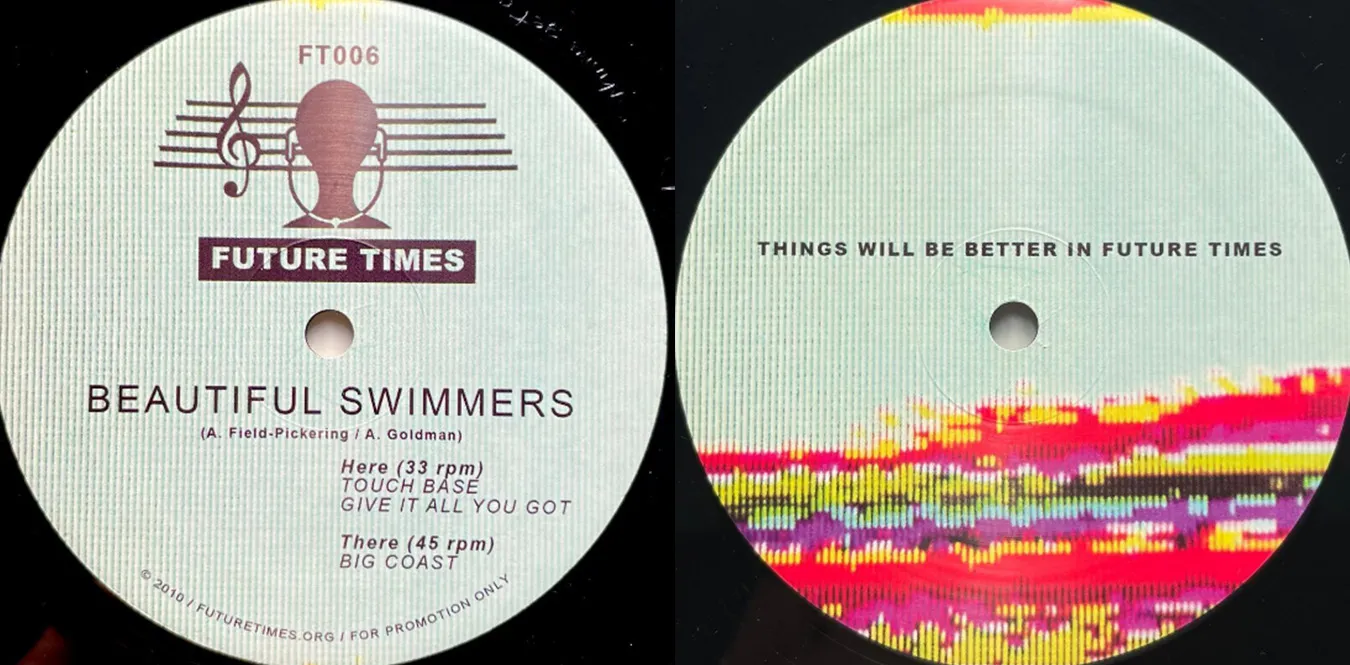
Beautiful Swimmers – Big Coast
Beautiful Swimmers は、Andrew Field-PickeringとAri Goldmanによるプロジェクト。

Ari Jukka – Boogie Basix
Ari Jukka ことAri J. Ruokamoは、1980年代後半から制作を始め、Garage/ Deep house系をメインに活動したアーティスト。フィンランドのDJ/プロデューサーTuomas Salmela とのDeep House プロジェクトLifestyle People としても活動した。 1993年にはJori Hulkkonen & Jukka Hautamäki と共にフィンランドのレーベルLumi Recordsを設立。
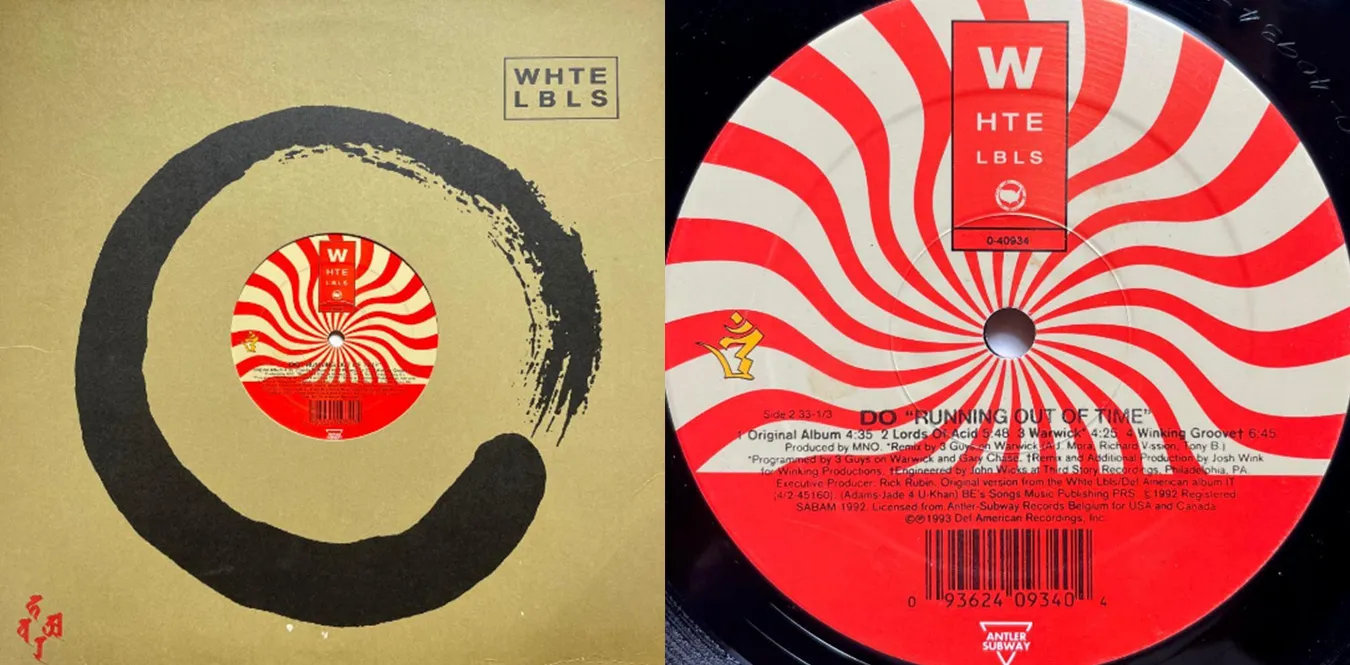
DO – Running Out Of Time
DO (Digital Orgasm /デジタルオーガズム )は、M.N.O. productionトリオ Maurice Engelen (Somora/Praga Khan)、Nikkie van Lierop (Jade 4 U, Miss Lie) 、Oliver AdamsによるベルギーのTechnoアクト。
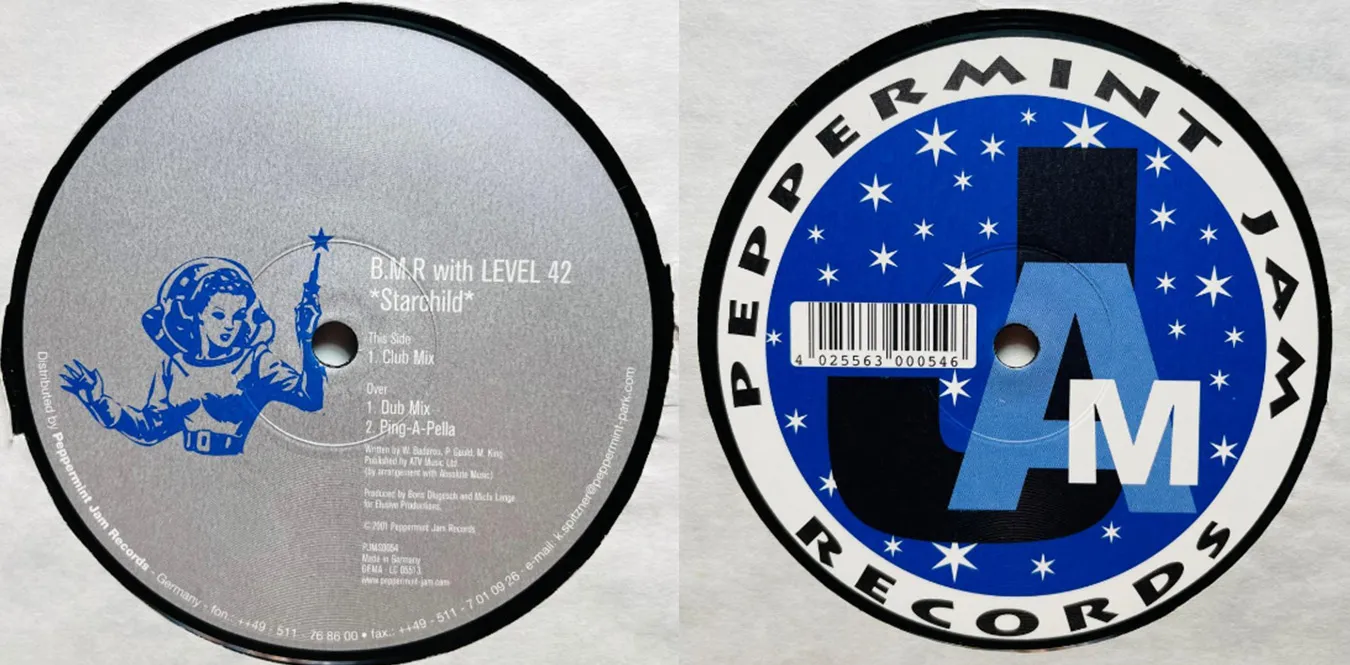
BMR With Level 42 – Starchild
BMRは、ジャーマンハウスのパイオニアとしても知られるDJ&プロデューサー Boris DlugoschとMichi Langeによるプロジェクト。
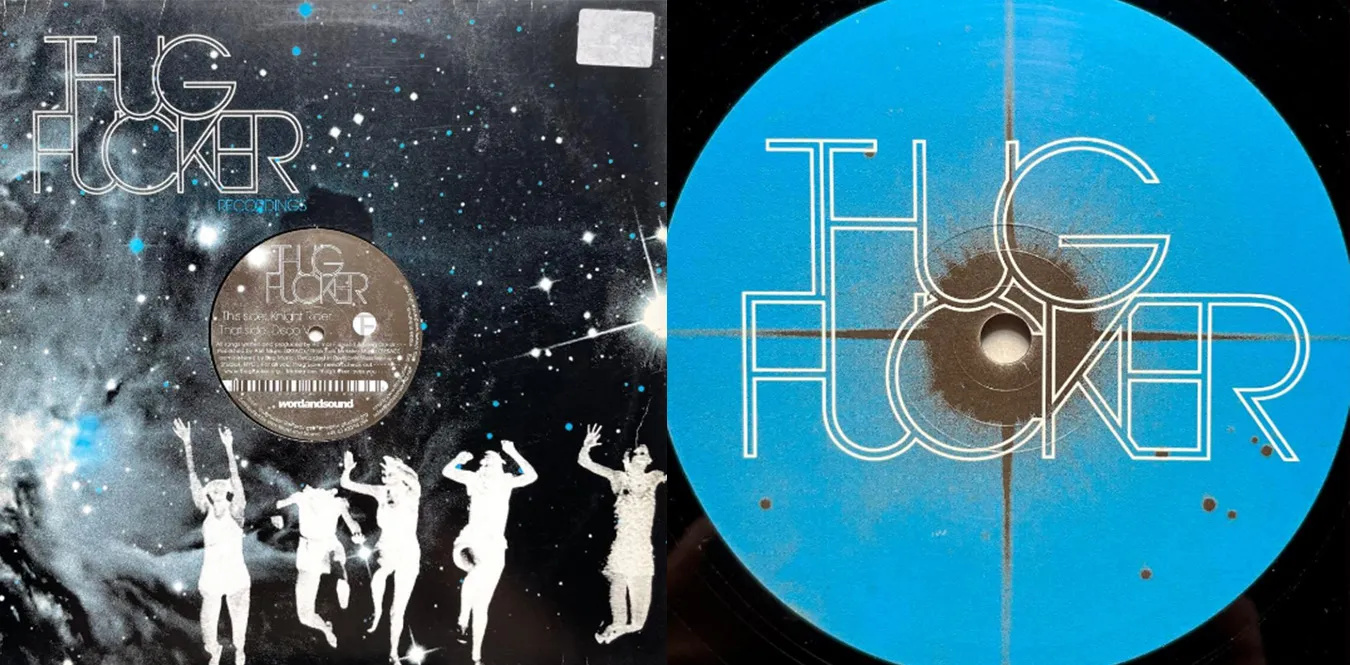
Thugfucker – Disco V / Knight Rider
Thugfuckerは、2004年にUSのDJ/プロデューサーGreg Oreckとアイルランド出身でNYを拠点に活動するDJ Holmar Filipssonのデュオとしてスタートしたが、のちにGreg Oreckのソロプロジェクトとなった。
![[Column] Expanding trajectory of Minimal Music: Aesthetics of repetition and change as seen from Techno, House, and Rock](/../assets/images/column-minimal-music.webp)