【コラム】 音楽史上最も影響力のあった100枚:現代音楽への影響度だけで再構築する新しい音楽史(第2回・11〜20:ロック、ヒップホップ、電子音楽──新しい音楽言語の誕生)
Column en Hiphop Sampling Techno
第2回 Part1(11位)
Bitches Brew
ジャズがロックを飲み込み、「ジャンル」を消した瞬間
1970年に発表されたBitches Brewは、ジャズの延長線上にある作品ではない。
それはむしろ、「ジャズという言語そのものが解体され、新しい音響システムへ移行した瞬間」である。
Miles Davisはこの作品で、ジャズの歴史を完成させるのではなく、ジャズという枠組みを意図的に破壊した。
その結果生まれたのは、ジャズでもロックでもない「第三の音楽領域」だった。
1960年代末:ジャズの限界
1960年代後半、ジャズはすでに二極化していた。
- ビバップ以降の伝統的発展
- フリー・ジャズの極端な自由化
しかしどちらも「ジャズという文法」を前提としていた。
Miles Davisはこの状況を早い段階で見切る。
彼が問題視したのは技術ではなく、「形式の閉塞」である。
ロックとの遭遇がすべてを変えた
1960年代末、ロックは急速に拡張していた。
- エレキギターの増幅
- 長尺の即興
- サイケデリック文化
- スタジオ実験
これらはジャズと本質的に重なり始めていた。
Miles Davisはこの流れを観察し、「ジャズがロックを吸収する」という逆転発想へ至る。
セッションという名の“カオス設計”
録音は複数スタジオ(Columbia 30th Street Studioなど)で行われ、通常のジャズ録音とは完全に異なる方法が採用された。
特徴は以下である:
- 事前リハーサルほぼなし
- 長時間の即興セッション
- 複数ドラマー・複数ベーシストの同時配置
- 編集による再構成
これは「演奏」ではなく「素材収集」に近い。
プロデューサー Teo Macero の編集革命
この作品の本質を決定づけたのは、Teo Maceroの存在である。
彼は録音されたテープを切り刻み、再構築することで、音楽を“編集作品”へ変えた。
- フレーズのループ化
- セクションの再配置
- 時間軸の破壊
- 偶然性の固定化
つまりここでは「演奏」よりも「編集」が作曲行為になっている。
ジャンルの消失
『Bitches Brew』の最大の特徴は「ジャンルの曖昧化」である。
- ジャズではない
- ロックでもない
- ファンクでもない
- しかしすべてが含まれている
この状態は後に「ジャズ・ロック」や「フュージョン」と呼ばれるが、本質的にはどのラベルにも収まらない。
音楽の主体が「個人」から「システム」へ
従来のジャズでは、ソリストの個性が中心だった。
しかし本作では構造が逆転する。
- 個人の演奏 → システムの出力
- 即興 → 素材化
- 完成度 → 流動性
音楽は「誰が演奏したか」ではなく「どう編集されたか」で決まるようになる。
後続音楽への影響
この作品の影響はジャンル横断的である。
- フュージョン(Weather Report)
- プログレッシブ・ロック(King Crimson)
- アンビエント/電子音楽(Brian Eno)
特に重要なのは、「編集=作曲」という概念の一般化である。
なぜ11位なのか
『Bitches Brew』はジャズの完成ではない。
むしろジャズという言語の「解体」である。
ただしこの段階では、まだ音楽は“ジャンルの再編成”の範囲に留まっている。
上位作品群では、ジャンルそのものが意味を失っていく。
「『Bitches Brew』はジャズを破壊することで、新しい音楽の編集思想を生み出した作品である。その歴史的転換点として本ランキング第11位に位置付ける。」
第2回 Part2(12位)
The Rise and Fall of Ziggy Stardust and the Spiders from Mars
「キャラクターがアーティストを乗っ取った瞬間」
1972年に発表されたThe Rise and Fall of Ziggy Stardust and the Spiders from Marsは、ロック史において「自己=作品」という関係を崩壊させた決定的アルバムである。
David Bowieはこの作品で、単なるシンガーではなく「架空の存在(キャラクター)」として音楽を演じるという新しい方法論を提示した。
それはロックが“現実の表現”から“虚構の演技空間”へ移行した瞬間でもある。
ロックの現実主義の崩壊
1960年代までのロックは基本的に「実在する自己」の表現だった。
- 実体験
- 社会批評
- 感情の吐露
しかし『Ziggy Stardust』では、この前提が意図的に破壊される。
主人公Ziggy Stardustは、地球に降り立つ架空のロックスターであり、メッセージと終末思想を背負った存在である。
つまりこのアルバムは、
「アーティストがキャラクターを演じる作品」ではなく 「キャラクターがアーティストを支配する作品」
である。
コンセプト・アルバムの新しい形
録音はTrident Studiosで行われ、プロデューサーKen Scottがサウンドを構築した。
特徴は以下の通り:
- ストーリー性を持つ曲順
- キャラクター視点で統一された歌詞
- 演劇的なボーカル表現
- ギター中心のグラムロック構造
グラムロックという「仮面文化」
本作はグラムロックの象徴とされるが、その本質は単なる派手さではない。
重要なのは「アイデンティティの流動化」である。
- 性別の曖昧化
- ステージと現実の境界崩壊
- 演者と役柄の混同
- 観客との距離消失
ロックはここで初めて「自己表現」から「自己の解体」へ進む。
「ロック=物語装置」への転換
『Ziggy Stardust』以前、アルバムは音楽の集合体だった。
However, in this work, the album itself becomes a “narrative structure.”
各曲は独立していながら、すべてZiggyの物語を補完する断片として機能する。
これは後のコンセプトアルバムの標準構造となる。
“Reality collapse” that occurred at a live performance
ツアー終盤、Bowieは突如としてZiggyを“殺す”ことを宣言する。
これは単なる演出ではなく、キャラクターと現実の境界を意図的に断ち切る行為だった。
観客は「誰を見ているのか」を失い、ロックにおける主体概念が揺らぐ。
後続文化への影響
この作品の影響は音楽に留まらない。
- パフォーマンスアート
- 演劇的ライブ構造
- ビジュアル系文化
- Conceptual pop
さらにRoxy Musicや後続のグラム/アートロック全体へと拡張される。
Why is it ranked 12th?
『Ziggy Stardust』はロックに「虚構」という概念を導入した作品である。
しかしそれでもなお、音楽そのものの構造よりも「物語・演出」の領域に重点がある。
In the top works, music further invades the social and technological structures themselves.
“‘Ziggy Stardust” transformed rock from a real record into a fictional stage, and introduced a “character’ subject to music. Due to its innovation, it is ranked 12th in this ranking.”
2nd Part 3 (13th place)
Exile on Main St.
「ロックが崩れ落ちながら成立した“最後の共同体”」
Exile on Main St., released in 1972, is not so much a completed album as a record of the process of collapse itself.
The Rolling Stonesはこの時期、税問題と拠点移動によりフランス南部のヴィラに半ば追放される形で制作を行った。
The result was not a sophisticated studio work, but a ““drifting rock’’ that absorbed miscellaneous echoes of American music history.
End of “studio work”
This album is characterized by a breakdown of clear production intentions.
- Gospel
- blues
- ロックンロール
- カントリー
- ソウル
These are not unified, but rather remain in conflict.
The recording conditions were also less than ideal, with sessions held in the basement of Villa Nellcôte, both acoustically and technically unstable.
しかしその不安定さこそが、この作品の本質である。
Editing is the “art of post-processing”
プロデューサーJimmy Millerは、断片的なテイクを再構成することでアルバムを完成させた。
There is no ““completed performance’’ here.
There are:
- 断片
- Noise
- 偶然のリフ
- A crumbling groove
Rock”s “community memory”
『Exile on Main St.』には明確なコンセプトは存在しない。
However, what exists in its place is the ““memory of the community known as the band.’’
- I don’t know who is the main character
- The boundaries between songs are vague
- 演奏の均質性がない
Even so, the reason why it is possible is that the band itself functions as a “social unit.”
Ghosts of American Music
この作品のもう一つの重要な要素は、アメリカ音楽史への強烈な参照である。
Although the Stones are a British band, they are completely dependent on the American musical context.
- デルタ・ブルース
- New Orleans R&B
- Southern Soul
それらは再現ではなく「引用の堆積」として現れる。
Rock”s “absence of center”
In this work, there is no longer a rock center.
- Collapse centered on frontman
- Obfuscation of song structure
- Melting genre boundaries
ロックはここで「体系」ではなく「状態」になる。
Why is it ranked 13th?
『Exile on Main St.』はロックの完成形ではなく、「崩壊しながら成立した最後の共同体」である。
しかしその後の作品群では、音楽はさらに個人化・電子化・政治化へと進んでいく。
In other words, this work is located at the ultimate end point of analog band culture.
「『Exile on Main St.』はロックバンドという共同体の崩壊過程をそのまま作品化したアルバムであり、その“未完成の完成形”として本ランキング第13位に位置付ける。」
2nd Part 4 (14th place)
London Calling
「ロックが“世界のニュース”を飲み込んだ瞬間」
1979年に発表されたLondon Callingは、パンクの枠を超えて「ロックが現実世界の複雑さそのものを扱い始めた」転換点である。
The Clashは、この作品でパンクの衝動性を保ちながら、政治・社会・ジャンル横断性を同時に導入した。
その結果生まれたのは、単なる反抗音楽ではなく「世界情勢を編集するロック」である。
The limits of punk and breaking through them
1970年代後半のパンクは、本来シンプルな構造を持っていた。
- 短い曲
- direct anger
- DIY spirit
- Anti-commercialism
But The Clash felt the format was saturated.
Therefore, they paradoxically move toward ““complexity’’.
Music as an “invasion” of genres
『London Calling』の最大の特徴はジャンルの多層性である。
*Punk
- レゲエ
- ロカビリー *Ska
- R&B
これらが「統合」ではなく「共存」する。
つまりこのアルバムは、ジャンル融合ではなくジャンル衝突の記録である。
世界がアルバムに流入する
The title track ““London Calling’’ is more than just a depiction of the city.
それは冷戦・核不安・都市崩壊・情報過多といった、当時の世界不安を圧縮したメディア装置である。
For the first time, music becomes a “substitute for news.”
スタジオという編集空間
Recording was done at Wessex Sound Studios and involved producer Guy Stevens.
His characteristic feature is not his technical perfection but his ““introduction of chaos.’’
- スタジオ内の即興演出
- Intentional noise tolerance
- テイクの非整合性
As a result, the album approaches a ““record of the scene” rather than a ““prepared work”.
From punk to post-punk
This album also marks the end of punk.
At the same time, it was also the beginning of post-punk.
- Simple anger → structural criticism
- 3 codes → multi-genre
- ローカル文化 → グローバル意識
The Clashはここで「パンクを超えるパンク」を成立させた。
Lock becomes a “world system”
The most important point of ““London Calling’’ is that rock began to deal with social structure itself.
音楽は個人の表現ではなく、
- Politics
- 経済
- Media
- war
これらを同時に包含する「情報圧縮メディア」へ変化する。
Why is it ranked 14th?
『London Calling』はロックの政治化・多文化化を決定的に推進した作品である。
However, at this stage, it is still an expansion within the container called “lock.”
上位作品群では、この“器そのもの”が消失していく。
「『London Calling』はパンクを多層的な世界認識へ拡張し、ロックを社会情報の統合メディアへ変換した。その歴史的意義により本ランキング第14位に位置付ける。」
2nd Part 5 (15th place)
In the Aeroplane Over the Sea
「ローファイが“神話”に変わった瞬間」
Released in 1998, In the Airplane Over the Sea is an unusual piece of work that, while deviating greatly from the grammar of commercial music, later rose to become a cult center in the Internet era.
Neutral Milk Hotelは、このアルバムで「技術的未完成さ」と「過剰な情動」を意図的に共存させた。
その結果、音楽は洗練ではなく“生々しい信仰”へと変化する。
Lo-fi is not a choice but a necessity
この作品のサウンドは明確にローファイである。
But it’s not just aesthetics.
- Recording roughness
- Sound image mixed with noise
- 歪んだボーカル
- 不安定なミックスバランス
これらは「未完成性の演出」ではなく、感情の過剰負荷による必然的崩壊である。
Jeff Mangum, the missing center
The central character, Jeff Mangum, is a leader in a narrative sense, but at the same time he is a symbol of “absence.”
The album has an extremely strong narrative, but the narrative defies clear explanation.
- Historical impact of Nazism *Anne Frank image
- Cycle of life and death
- Fragments of body and memory
これらは論理ではなく、イメージの連鎖として提示される。
録音=日記=儀式
The production was carried out under the environment of Merge Records, and was completed with extremely limited budget and equipment.
このアルバムの構造は「スタジオ作品」というよりも、
- Personal diary
- 儀式的記録
- Memory reconstruction
Close to.
インターネット時代の“後天的名盤”
この作品の特殊性は、その評価のされ方にもある。
リリース当初は広範な商業成功を得たわけではない。
しかし後年、インターネット文化の中で再発見され、「カルト的中心作品」として再評価された。
- フォーラム文化
- 音楽ブログ
- Recommendation algorithm
- SNS共有
これらが本作の神話性を増幅した。
音楽が“個人神話”になる
『In the Aeroplane Over the Sea』の本質は、音楽が「個人の内面」と「歴史的記憶」を融合させた点にある。
This is no longer a pop song,
Myth system constructed by an individual
である。
なぜ15位なのか
この作品は音楽の制度的中心から外れている。
However, it was this “externality” that had a decisive influence on later indie culture, lo-fi aesthetics, and internet music culture.
「『In the Aeroplane Over the Sea』は音楽の完成度ではなく、未完成性と神話性によって価値を獲得した作品であり、その文化的跳躍性から本ランキング第15位に位置付ける。」
第2回 Part6(16位)
My Life in the Bush of Ghosts
“The moment when the “voice” was released from music”
1981年に発表されたMy Life in the Bush of Ghostsは、従来の「歌=歌詞=メロディ」という構造を根底から破壊した作品である。
Brian EnoとDavid Byrneはここで、音楽から“歌う主体”を意図的に剥離し、音楽をサンプリングと編集のシステムへと変換した。
「歌声」ではなく「音声」
このアルバムの最大の特徴は、ボーカルの扱いにある。
- 既存の放送音声
- 宗教的スピーチ
- political speech
- ラジオの断片
これらが楽曲の中心として配置される。
つまりここでは「歌う人間」は存在しない。
代わりにあるのは、「すでに世界に存在していた声の再配置」である。
サンプリングの倫理と実験性
At the time of its creation, this method was highly experimental and controversial.
- 元音源の匿名化
- 文化的文脈の再編集
- 意味の再配置
- 断片化されたメディア利用
音楽はここで初めて「創作」ではなく「編集行為」として成立する。
スタジオ=コラージュ空間
録音は複数のスタジオ環境で行われ、特定の空間に依存しない制作方法が採用された。
This is not the traditional flow of “performance → recording → completion”,
素材収集→編集→構造生成
という逆転プロセスである。
“Post-human music”
この作品の本質は、人間中心性の解体にある。
従来の音楽:
- 人間が歌う
- 人間が演奏する
- 人間が意味を持つ
『My Life in the Bush of Ghosts』:
*Voice is the material
- 演奏は構築
- 意味は後付け
この時点で音楽は「人間の表現」ではなく、「情報編集システム」へと変化している。
後の音楽への影響
この作品の影響は非常に広範である。
- エレクトロニカ
- Hip hop sampling culture
- アンビエント・コラージュ
- メディアアート
特にBrian Enoの思想は、その後の環境音楽や生成音楽の基礎となる。
Why is it ranked 16th?
『My Life in the Bush of Ghosts』は音楽の構造を「演奏」から「編集」へ完全に転換した作品である。
しかしこの段階では、まだ音楽は“作品”として成立している。
In the top works, music further dissolves genre, system, and culture itself.
“‘My Life in the Bush of Ghosts’ is a work that separates the singing subject from the music and redefines audio as editing material. Due to its structural revolution, it ranks 16th in this ranking.”
第2回 Part7(17位)
3 Feet High and Rising
「ヒップホップが“コラージュ文化”として完成した瞬間」
1989年に発表された3 Feet High and Risingは、ヒップホップが攻撃性やリアリズムだけで定義されていた時代に、その枠組みを静かに崩壊させた作品である。
De La Soulはここで、サンプリング文化を暴力性ではなく「遊戯性」と「知的構築」に転換した。
その結果、ヒップホップは初めて“拡張可能なメディア構造”として成立する。
1980s Hip Hop Context
当時のヒップホップは、主に以下の特徴を持っていた。
- Block party culture
- 社会的リアリズム
- ファンク由来のループ
- MC center structure
However, at this stage, it was still just “on-site music.”
Edited by Prince Paul Aesthetics
本作のサウンド設計を担ったのはPrince Paulである。
彼はサンプリングを単なるビート構築ではなく、
- 音の引用
- 文化のコラージュ
- 断片的ナラティブ
- ラジオ的構造
redefined as.
“D.A.I.S.Y. Age”という別世界
アルバム全体は「D.A.I.S.Y. Age」という独自の世界観で構築されている。
これはヒップホップにおける初期の明確な“非暴力的ユートピア”の提示である。
- Absence of violence
- Humor
- ポップカルチャーの再引用
- Fragmented storytelling
ここでヒップホップは現実記録から離脱し始める。
サンプリング=文化編集
『3 Feet High and Rising』の本質はサンプリングの再定義にある。
それは単なる音の再利用ではなく、
Re-editing the culture itself
It is.
ヒップホップの“制度化前夜”
この作品は、後のヒップホップの制度化(ギャングスタ・ラップ化)の前段階に位置する。
- N.W.A的暴力性ではない
- 商業ポップ化でもない
- アート的実験性
It is an “open state” that exists in between.
なぜ17位なのか
『3 Feet High and Rising』はヒップホップを「戦闘的リアリズム」から「文化的コラージュ」へと拡張した作品である。
However, hip-hop subsequently evolved in a more structural, political, and industrial direction.
「『3 Feet High and Rising』はヒップホップを暴力性から解放し、サンプリングを文化編集の言語へと変換した作品であり、その革新性により本ランキング第17位に位置付ける。」
第2回 Part8(18位)
Straight Outta Compton
「ヒップホップが“都市そのもの”を告発した瞬間」
Straight Outta Compton, released in 1988, is an album that functioned as a “record” rather than an “expression” in music history.
Here, N.W.A separated hip-hop from entertainment and presented the reality of Los Angeles itself as music.
It”s not just a rap album, it”s a “city report.”
コンプトンという現実
このアルバムの中心にあるのは、カリフォルニア州コンプトンの現実である。
- Tense relationship with the police
- Poverty and violence
- Racist structure
- Distortion of urban planning
These are not abstract themes, but are depicted as everyday life itself.
“リアリズムの音楽化”
Dr. DreとIce Cubeを中心に構築されたサウンドは、従来のヒップホップよりも重く、攻撃的で、空間的である。
In particular, the beat produced by the drum machine directly captures the tension of the city.
- 無機質なリズム
- 低音の圧力
- 反復による圧迫感
- サンプリングの最小化
The moment when music becomes “testimony”
この作品の本質はメッセージ性ではない。
That is “testimony”.
ラップはここで初めて、個人の感情ではなく、
社会構造の実況中継
として機能する。
メディアとの衝突
The album caused strong controversy at the time of its release.
特に『F–k tha Police』は、音楽が「表現の自由」ではなく「制度批判」として機能することを明確に示した。
As a result, music becomes, for the first time, a cultural domain that directly confronts the state, police, and media.
ヒップホップの“政治化”
Before that, hip-hop was primarily about party culture and self-expression.
But N.W.A completely changes that.
- Individual → Group
- 遊び → 証言
- Entertainment → Accusation
この変化によってヒップホップは「都市政治の言語」となる。
なぜ18位なのか
『Straight Outta Compton』はヒップホップを社会的武器へと変えた作品である。
However, at this stage, music still functions as a ““translation device for reality.’’
In the top works, music not only reflects reality, but begins to reconstruct reality itself.
「『Straight Outta Compton』はヒップホップを都市の証言メディアへと転換し、音楽を社会構造への直接的応答として成立させた。その歴史的意義により本ランキング第18位に位置付ける。」
第2回 Part9(19位)
Blue Lines
「都市の“空気そのもの”を音楽化した瞬間」
1991年に発表されたBlue Linesは、ヒップホップ、ソウル、ダブ、電子音楽の境界を溶解させ、「都市の気配」そのものを音楽として定着させた作品である。
Massive Attackはここで、ビートやメロディではなく「空間と重力」を音楽の中心に据えた。
Bristol, the “city of humidity”
この作品の背景には、イギリス・ブリストルの都市環境がある。
- 曇天と港湾都市の静けさ
- 移民文化の混在
- The intersection of rave culture and hip hop
- ストリートと内省の同居
この環境が、サウンドの基盤となる「低体温的な質感」を形成した。
トリップホップという未定義ジャンル
後に「トリップホップ」と呼ばれることになるこの音楽は、当初は明確な定義を持たなかった。
The characteristics can be organized as follows:
- Slow tempo (hip hop slowdown)
- Dub-like bass processing
- ジャズ的コード感
- サンプリングによる断片構造
- Ghostly use of female vocals
TrickyやShara Nelsonの参加によって、アルバムは「声の身体性」を失い、逆に“都市の呼吸音”へと変化する。
音楽が“風景”になる
『Blue Lines』の革新性は、音楽がストーリーを語らなくなった点にある。
Instead there is:
- 空間の広がり
- Slowness of gravity
- 都市のノイズ
- 記憶の残響
つまり音楽は「出来事」ではなく「環境」になる。
“クラブ音楽の終わり”と“リスニング音楽の始まり”
それまでのクラブ音楽は身体的なダンスを前提としていた。
But ““Blue Lines’’ betrays that.
- 身体 → 環境
- Dance → Silence
- ビート → 空間
This shift established electronic music as an ““introverted genre’’ for the first time.
Post-hip-hop structure
このアルバムはヒップホップの延長線上にありながら、その機能を変質させている。
- ラップ → 断片的発話
- Beat → Background
- メッセージ → 曖昧化
結果としてヒップホップは「語る音楽」から「漂う音楽」へと変わる。
なぜ19位なのか
"”Blue Lines’’ is not a fusion of genres, but a work that presents the dissolution of genres themselves.
しかしこの時点では、まだ電子音楽は「都市の反映」に留まっている。
上位作品群では、音楽は都市を反映するのではなく、都市そのものを再設計し始める。
“‘Blue Lines’ established urban air, gravity, and humidity as music, transforming club music into environmental art. Due to this structural change, it is ranked 19th in this ranking.”
第2回 Part10(20位)
Selected Ambient Works 85–92
「音楽が“作曲”から“生成”へ移行した瞬間」
1992年に発表されたSelected Ambient Works 85–92は、電子音楽の歴史において「作曲者」という概念を静かに揺るがした作品である。
Aphex Twinことリチャード・D・ジェイムスは、ここで従来の音楽的主体性を最小限まで希薄化し、「システムが生む音楽」という領域へ踏み込んだ。
アンビエントの“第二世代”
Brian Enoが提示したアンビエントは、環境としての音楽だった。
しかし『Selected Ambient Works 85–92』はそれをさらに進める。
- 人間の感情を排除しない
- But don’t say it clearly
- There is a structure, but the intention is vague
- リズムは存在するが中心ではない
つまりこれは「人間と機械の中間状態」にある音楽である。
“ベッドルーム・プロダクション”の誕生
The album is said to have been produced in a private setting rather than in a large studio.
As a result, the center of gravity of music production changes completely.
- Studio → Personal space
- 共同制作 → 単独生成
- 楽器演奏 → 機材操作
- 作曲 → プログラム的生成
音楽の“作者性”の崩壊
この作品の重要性は「誰が作ったか」を曖昧にする点にある。
- Intent is not clear
- Structure exists but not explained
- 感情は存在するが言語化されない
As a result, listeners experience the music as ““drifting” rather than ““interpreting” it.
The intersection of techno and ambient
This work has a techno-like structure, but also has an ambient diffuseness.
- ダンスミュージックのリズム構造
- Spatiality of environmental music
- Emergence of IDM complexity
これらが未分化のまま共存している。
“感情の匿名化”
Aphex Twin’s music is often described as emotional, but that emotion is not attributed to a specific subject.
- 喜びでも悲しみでもない
- 人間的でも機械的でもない
- Exists as a state rather than a meaning
なぜ20位なのか
『Selected Ambient Works 85–92』は音楽を「作るもの」から「発生するもの」へと変えた作品である。
However, at this stage, the music has not yet been established as a “work.”
上位作品群では、音楽はさらにジャンル・社会・文化の境界を完全に超えていく。
“‘Selected Ambient Works 85–92” transformed music production from individual expression to an “environmental generative process’ and presented a new prototype of electronic music. Due to its historical significance, it is ranked 20th in this ranking.”
Part 2 (Closing)
ここまでの11位〜20位は、音楽史における「ジャンル崩壊の中核」を描いてきた。
- ジャズは編集へと解体され(Bitches Brew)
- Rock diverges into fiction and cities (The Rise and Fall of Ziggy Stardust and the Spiders from Mars / London Calling)
- ヒップホップはコラージュと制度へ拡張され(3 Feet High and Rising / Straight Outta Compton)
- 音楽は環境・空間・生成へと移行した(Blue Lines / Selected Ambient Works 85–92)
つまり第2回は、「ジャンルが意味を失い始める過程」そのものであった。
次回予告(第3回:21位〜30位)
第3回では、いよいよ電子音楽は“実験”の段階を超え、制度としての音楽構造へと固定化される局面へ入る。
そこではクラブミュージックは単なるダンス文化ではなく、
- 都市インフラとしての音楽
- アルゴリズム的反復構造
- ポスト・クラブという新しいリスニング空間
It transforms into
第3回(21位〜30位)のテーマ
「電子音楽の制度化とポストクラブの誕生」
このセクションでは以下のアルバム群を扱う:
- Music Has the Right to Children
- Discovery
- Homework
- Trans-Europe Express
- Computer World
- Ambient 1: Music for Airports
- Another Green World
- Homogenic
- Dummy
- Endtroducing…..
構造的焦点
この回で音楽はもはや「ジャンル」ではなくなる。
What appears instead is:
- システムとしてのリズム
- 都市と同期するビート構造
- 記憶としてのサウンドスケープ
- ポスト・クラブ的リスニング空間
次回開始
第3回 Part1(21位:Music Has the Right to Children)から We will dismantle the moment when electronic music changes from an “environment” to an “institution.”
Explore more like this

【コラム】 Why Underground Culture Eventually Becomes Expensive — なぜ反体制から生まれた文化は、やがて高価な商品や巨大市場へ変わっていくのか
Why Underground Culture Eventually Becomes Expensive
![[Column] The 100 most influential albums in music history: A new history of music reconstructed solely by the degree of influence on modern music (Part 4, 31-40: The golden age of hip-hop and the leap forward of modern black music)](/../assets/images/column-influential-album-04.webp)
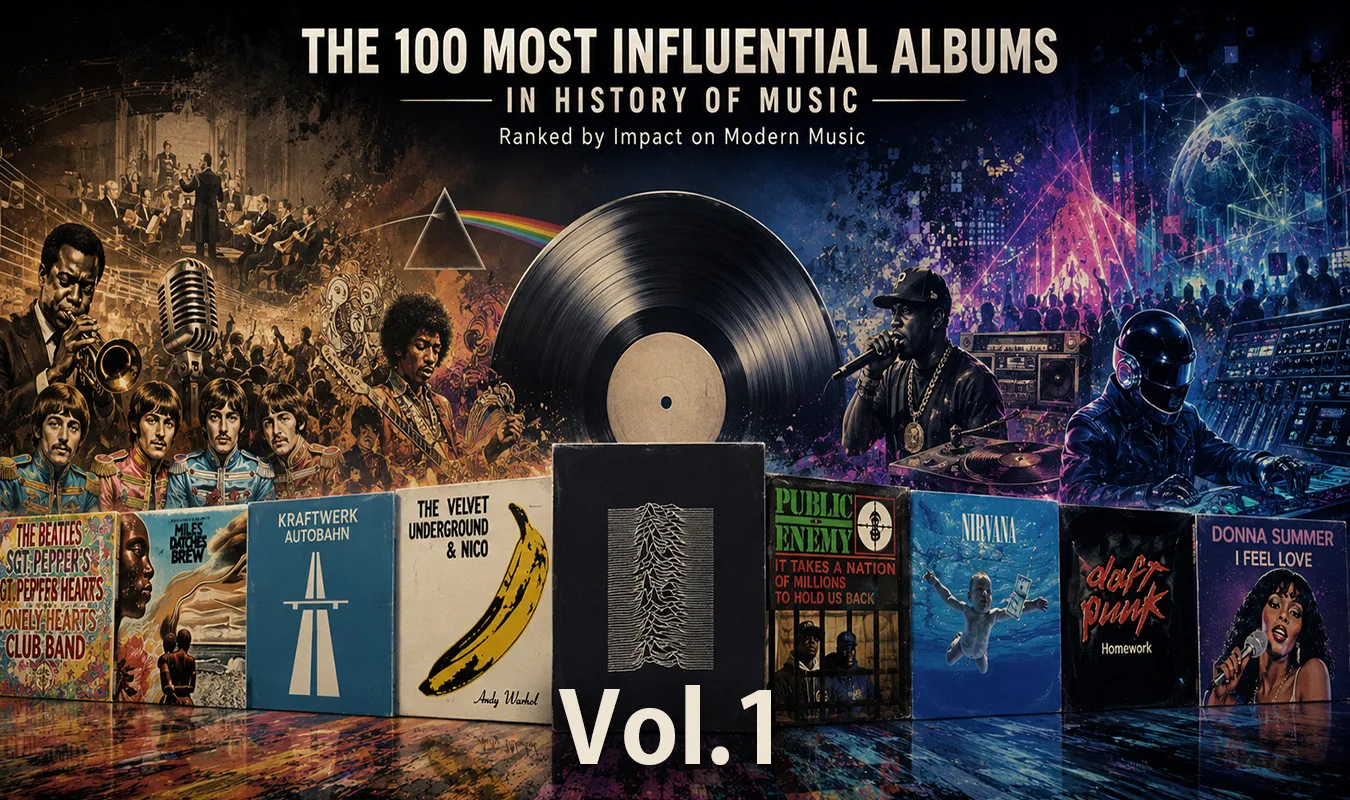
【コラム】 音楽史上最も影響力のあった100枚:現代音楽への影響度だけで再構築する新しい音楽史(第1回・1〜10:現代音楽を生んだ10枚の革命)
プロローグ:音楽史を「物語」ではなく「構造変化」として読む
![[Column] TR-808: It was not machines that changed music, but the people who used them.](/../assets/images/column-roland-tr-808.webp)
【コラム】 Madvillain 『Madvillainy』 ──断片と仮面が織りなす21世紀のヒップホップ神話
Prologue: Music behind the mask