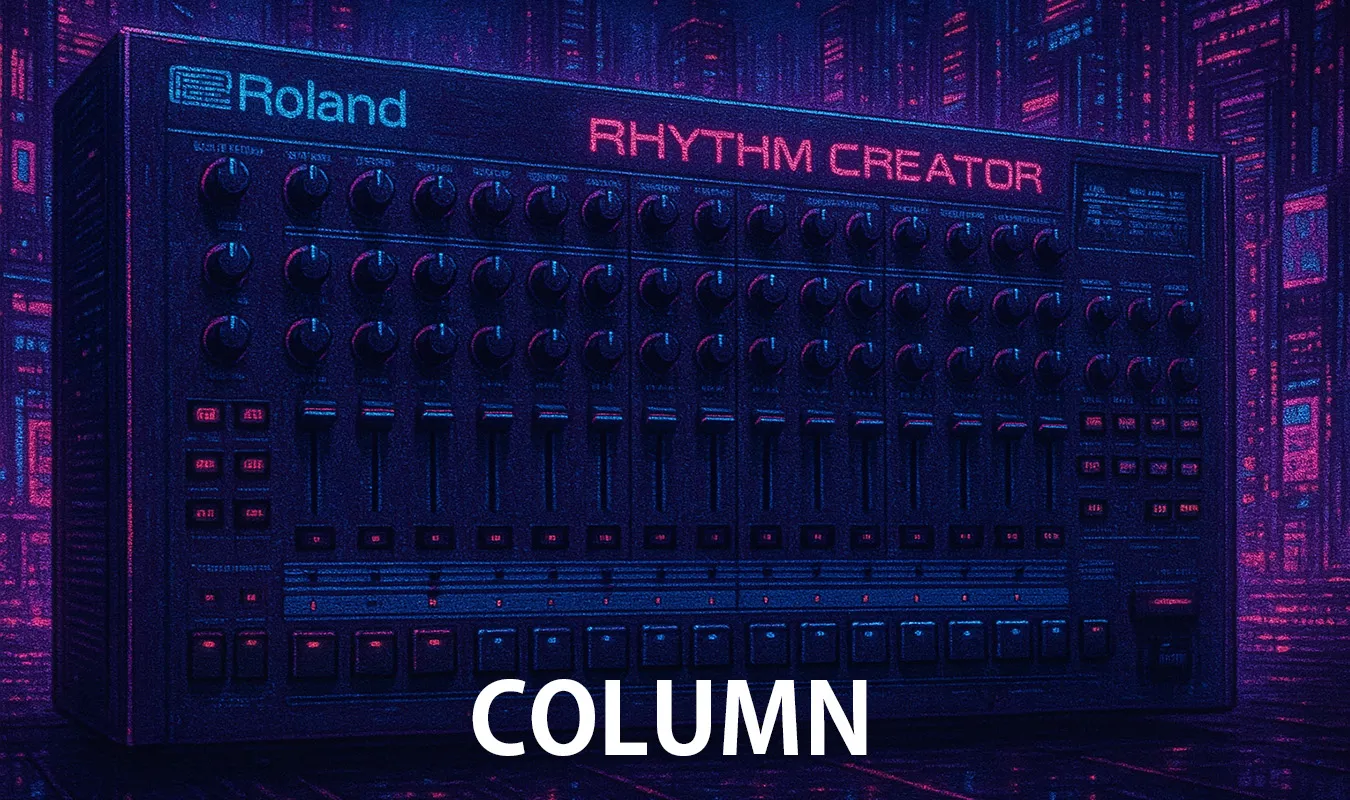
Rolandが再び「リズムマシンの定義」を書き換える時
文:mmr|テーマ:Rolandが送り出したTRシリーズ最新作TR-1000。そのアナログ回路設計、AI的挙動、文化的意味を技術・思想・文化史の三軸から徹底的に掘り下げる
ローランドの新たな鼓動、TR-1000は、アナログの温もり・デジタルの精緻さ・サンプリングの自由を融合した“Rhythm Creator”。本稿では、その技術的核心と思想的背景、そして音楽文化における位置付けを解き明かす。
第1章 「リズムマシンは終わっていない」
── TR-1000登場という事件
The TR-1000 released by Roland in 2025 is not just an extension of the series. 808、909、707……それらが時代のグルーヴを象徴してきた歴史の果てに現れたこのマシンは、「人間の拍感」を学習し、再解釈する“知的リズム・マシン”である。
In the 1980s, electronic rhythms were called “mechanical beats.” However, what the TR-1000 presents is the opposite – ““machines understand human heartbeats’‘**. デジタルとアナログ、AIと感情。その境界線上に、Rolandが半世紀をかけて育ててきた理念が息づいている。
“Rhythm is the act of making time sound. But what if time itself could be played?” — Roland開発インタビューより
第2章 設計思想:アナログ再構築と知的制御
── 「808と909の血を引きながら、それを超える」
The TR-1000 restructures the ACB (Analog Circuit Behavior) technology that Roland has cultivated and models the very “behavior” of analog circuits.
回路単位で個別制御されるモジュール構造により、音色や倍音、ドライブ感をリアルタイムで可変できる。
Furthermore, the AI learns thousands of patterns from past TR series and generates ““natural groove candidates’’ based on user interaction.
この仕組みは、単なるランダマイズではない。
プレイヤーの操作履歴やリズム傾向を逐次解析し、その人固有のタイムフィールを“共鳴”として再提示する。
The TR-1000 is, so to speak, a “mirror rhythm device.”
第3章 物理設計とインターフェース
── 機械を「演奏」する感触を取り戻す
TR-1000のパネルデザインは、808/909の伝統的配置を踏襲しながらも、金属質の質感と現代的レイアウトを両立させている。
Machined aluminum knob, step button with rounded edges.
この触感の設計は「音の表現以前に、手が音楽を覚えている」という信念の表れである。
The sequencer has 12 tracks and up to 128 steps, and the snapshot function instantly saves all settings. The “Morph” knob changes multiple parameters at once, including timbre, decay, and tuning, allowing the rhythm to evolve over time. まるでリズムが“呼吸”をしているかのような応答性。ここに、Rolandがハードウェアに固執する理由がある。
第4章 音響構造:低域の進化とリズムの質感
── 「808キックの亡霊」を超えるために
TR-1000の核心は、ローエンドの設計哲学にある。
A unique sub-oscillation and overtone control circuit has been added to the sine wave generation circuit, which continues the tradition since the 808.
結果として、物理的な圧力と空気の質感を両立する“立体的な低域”を実現した。
The snare is constructed using a discrete circuit + noise shaping method, and the hi-hat is constructed using an analog noise source that includes a minute micro-delay.
808/909の再現を超えた、「音響的リアリズムと抽象性の両立」が達成されている。
As a result, it does not get overshadowed even in club PAs, and maintains a rich sense of separation even on studio monitors.
第5章 思想的側面:リズムと知性の交差点
── “人間のための機械”から“機械と共に踊る人間”へ
Roland創業者・梯郁太郎はかつてこう語った。
“電子楽器は人間の表現を拡張するための道具であって、人間を置き換えるものではない。”
TR-1000は、この思想をAI時代の文脈で継承している。
The “Humanize” function analyzes the performance history and models the player’s habits, rather than just tempo fluctuations.
プレイヤーの指先のリズムを“学習”し、音として返す。
つまり、TR-1000は「人間の演奏を聴く機械」でもある。
This dialogue has evolved from the days when the 808 provided a “mechanical groove” to a “resonant rhythm.”
Chapter 6 Cultural Context: The Myth of the TR Series
── From hip-hop to AI beat
In the 1980s, the TR-808 gave birth to hip-hop, the 909 gave birth to techno, and the 707 gave birth to house. TRシリーズはいつも音楽史の分岐点に立っていた。
The TR-1000 is also carving out a new symbol in modern club culture, where AI and live performance coexist. Detroit’s DJ Bone describes the TR-1000 as a “breathing rhythm machine,” and Tokyo producer Seiho says, “Rhythm has started to have emotions.” In a cultural context, the TR-1000 does not mean an “extension of nostalgia” but an “expansion of rhythmic consciousness.”
Chapter 7 Philosophical Consequences of TR-1000
── What is “beat”?
The design philosophy of the TR-1000 ultimately converges on one question.
「拍とは、誰が作るのか?」
テンポを刻むのは機械だが、その中に“人間らしさ”を感じるのはなぜか。
TR-1000は、AIとアナログの融合によって、拍を“生成”ではなく“共有”する段階にまで引き上げた。
音楽とは、リズムの中に宿る知性の表現である。
このマシンはその根源を問う存在であり、単なるガジェットではない。
TR-1000とは、リズムという哲学の実験装置なのだ。
第8章 結論:リズムの未来へ
── AIが踊る時代に、人はどう鳴るのか
TR-1000は、808の再来でも909の再生でもない。
それは、「機械が人間のリズムを学習する」という新たな音楽思想の具現化である。
Rolandが50年をかけて培った理念が、AI技術と融合して再び人間の鼓動を鳴らす。
リズムの進化は終わらない。
そして、その中心にはいつも──人間がいる。
YouTube Podcast
※このPodcastは英語ですが、自動字幕・翻訳で視聴できます
▷ TRシリーズ主要年表
▷ 関連製品・参考リンク
| モデル | 発売年 | 特徴 | 代表アーティスト | リンク |
|---|---|---|---|---|
| TR-808 | 1980 | アナログ・ドラムの金字塔 | Afrika Bambaataa / YMO | Rakuten |
| TR-909 | 1983 | アナログ+デジタル融合 | Daft Punk / Jeff Mills | Rakuten |
| TR-8S | 2018 | モダンACB+サンプリング | ー | Rakuten |
| TR-1000 | 2025 | AI×アナログ・ハイブリッド・リズムマシン | 新世代アーティスト多数 | Rakuten |
“リズムは進化する。だが、その中心には、常に人間の鼓動がある。” — Roland TR-1000 開発ノートより
関連コラム
🔗 [[Column] History and evolution of DTM (DAW) — How the sound production environment has changed from home to professional] (https://monumental-movement.jp/Column-Daw)
Explore more like this

【コラム】 Why Underground Culture Eventually Becomes Expensive — なぜ反体制から生まれた文化は、やがて高価な商品や巨大市場へ変わっていくのか
Why Underground Culture Eventually Becomes Expensive




【コラム】 LGBTQ+コミュニティとダンスミュージック
America before rock and roll
![[Column] TR-808: It was not machines that changed music, but the people who used them.](/../assets/images/column-roland-tr-808.webp)
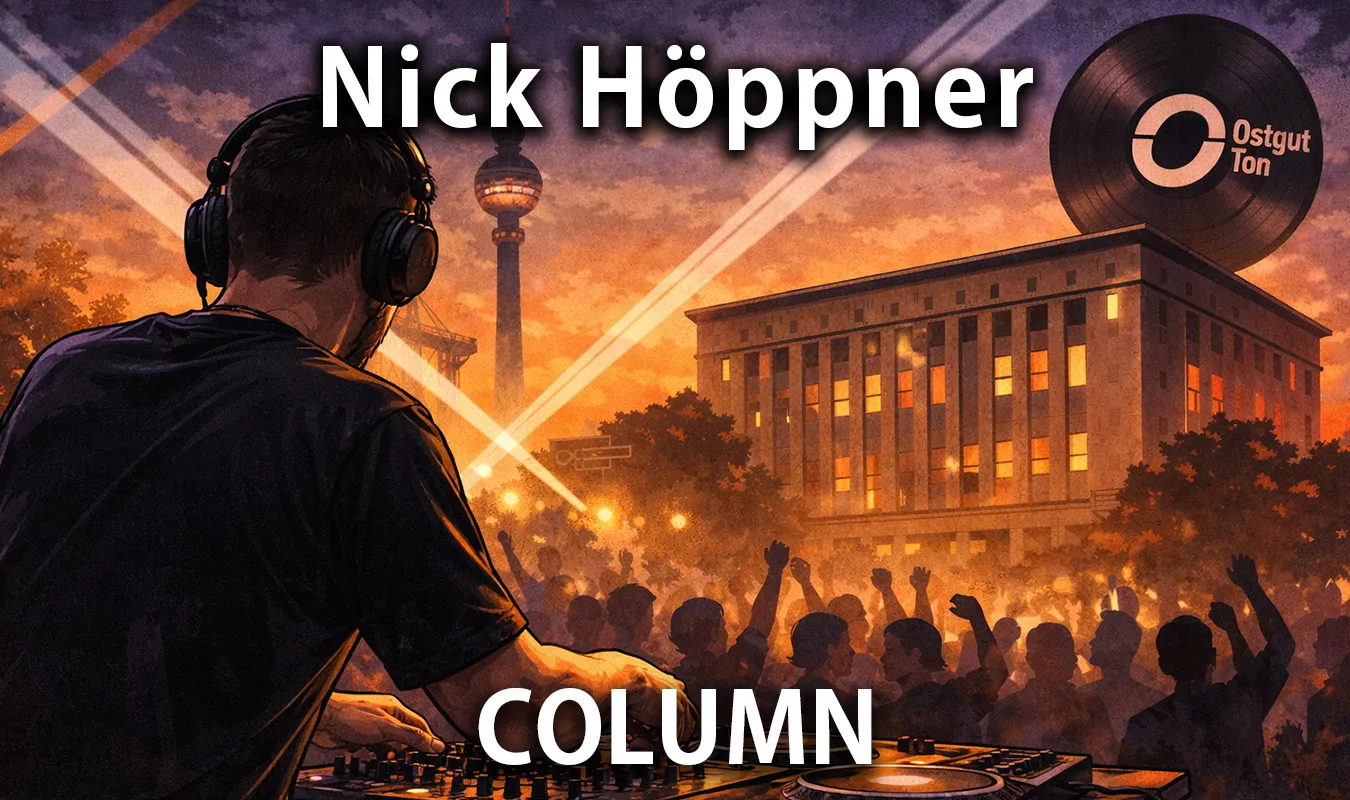
【コラム】 Nick Höppner:ベルリン制度史とフロア実践を横断した音響思想
序論:制度と現場を接続するDJ

Ari Jukka – Boogie Basix
Ari Jukka ことAri J. Ruokamoは、1980年代後半から制作を始め、Garage/ Deep house系をメインに活動したアーティスト。フィンランドのDJ/プロデューサーTuomas Salmela とのDeep House プロジェクトLifestyle People としても活動した。 1993年にはJori Hulkkonen & Jukka Hautamäki と共にフィンランドのレーベルLumi Recordsを設立。
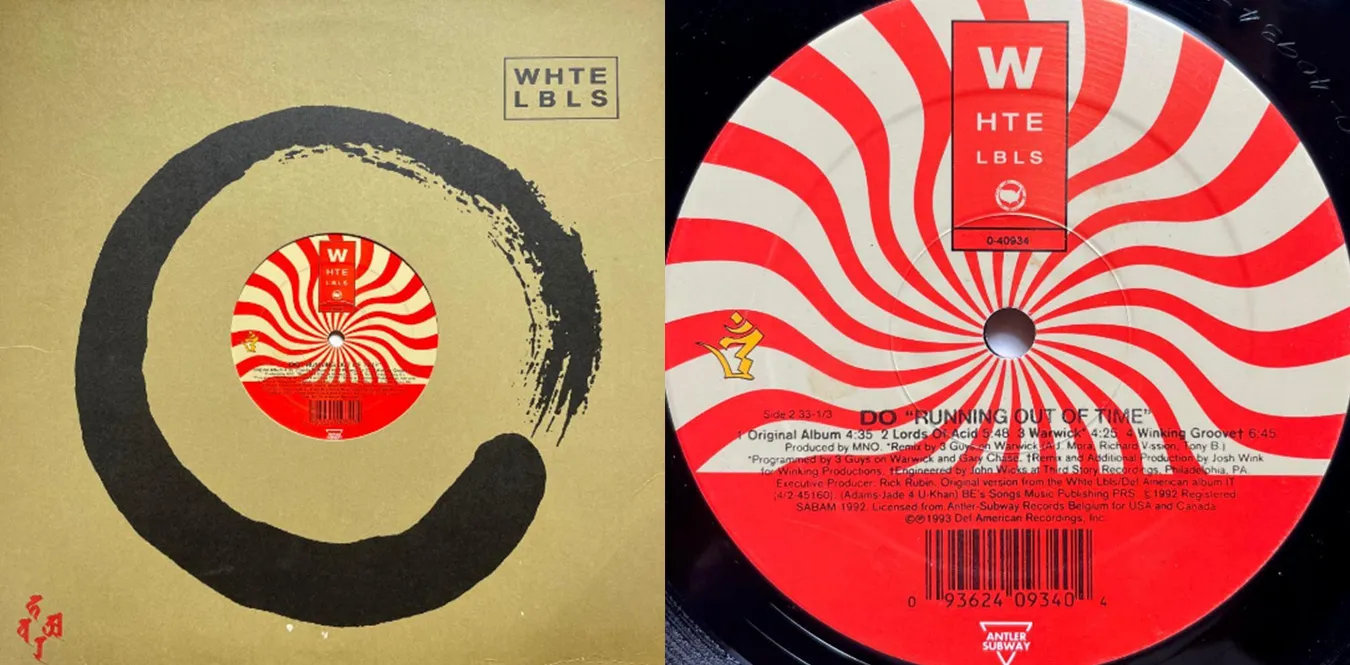
DO – Running Out Of Time
DO (Digital Orgasm /デジタルオーガズム )は、M.N.O. productionトリオ Maurice Engelen (Somora/Praga Khan)、Nikkie van Lierop (Jade 4 U, Miss Lie) 、Oliver AdamsによるベルギーのTechnoアクト。


Faith Evans Feat. Puff Daddy – All Night Long
Faith Evans, a US R&B singer and wife of Notorious B.I.G., collaborated with Puff Daddy and released R&B/House on the label Bad Boy Entertainment in 1999.