[Column] The 100 most influential albums in music history: A new history of music reconstructed solely by the degree of influence on modern music (Part 4, 31-40: The golden age of hip-hop and the leap forward of modern black music)
Column en Ambient Sampling Techno![[Column] The 100 most influential albums in music history: A new history of music reconstructed solely by the degree of influence on modern music (Part 4, 31-40: The golden age of hip-hop and the leap forward of modern black music)](/../assets/images/column-influential-album-04.webp)
第4回 Part1(31位)
31位 Chronic
「ヒップホップが“産業としての音楽設計”に変わった瞬間」
1992年に発表されたThe Chronicは、ヒップホップがストリートの表現から離れ、プロダクション主導の音楽産業モデルへ移行した決定的転換点である。
Here, Dr. Dre revolutionized the musical structure centered on rap, and defined an era in which ““the beat itself had commercial value.’’
Gファンクという“都市の減速装置”
本作のサウンドは後にGファンクと呼ばれるが、その本質は単なるスタイルではない。
- スロウダウンされたファンク
- シンセベースの持続
- Spatially wide mix
- 余白を活かしたビート設計
これらはロサンゼルスという都市の“時間感覚”をそのまま音響化したものでもある。
プロデューサーの台頭
Dr. Dre’s most important role is not as an MC but as a producer.
Before that:
- MC=主役
- ビート=背景
From then on:
- Beat = main character
- MC=構成要素
この逆転により、ヒップホップは完全に“制作物中心の音楽”へ変化する。
Studio = power structure
『The Chronic』ではスタジオは単なる録音場所ではない。
It’s rather:
- 音響編集の支配空間
- Sound hierarchy
- 都市的権力の再現装置
It becomes.
“西海岸サウンド”の制度化
This work is not just an album, but also standardization of regional sound.
- ロサンゼルスの気候
- Rhythm of car society
- Slow city time
- 余白の多い空間感覚
これらが音楽の設計原理として固定される。
“Commercial infrastructure” of hip-hop
『The Chronic』以降、ヒップホップは明確に産業構造へ組み込まれる。
- レーベル主導の制作
- Producer branding
- サウンドの規格化
- ストリートから市場への移行
ここで音楽は「表現」から「商品設計」へと変わる。
なぜ31位なのか
The Chronic is a work that redesigns hip-hop into a producer-centered industrial model.
しかしこの段階では、まだ音楽は「都市の延長」として機能している。
In the top works, hip-hop evolves from being an expression of the city to a language for redesigning the city itself.
“‘The Chronic’ transformed hip-hop into a producer-driven industrial structure and established a beat-centered music design model. Due to its historical significance, it is ranked 31st in this ranking.”
第4回 Part2(32位)
Illmatic
“The moment hip-hop reached “literature””
1994年4月19日に発表されたIllmaticは、ヒップホップ史のみならず、20世紀後半のポピュラー音楽全体において最も完成度の高いデビュー作の一つとして語られる作品である。
当時20歳だったNasは、自らが育ったニューヨーク・クイーンズブリッジ住宅団地の日常を題材にしながら、それを単なる自伝ではなく、都市文学の領域へと昇華した。
本作は「ラップとは韻を踏む技術である」という従来の理解を超え、「ラップとは都市を記述する文学である」という新たな基準を提示したアルバムだった。
ニューヨーク・ヒップホップの転換点
1990年代初頭のヒップホップは、西海岸ではThe Chronicに象徴されるGファンクが大きな成功を収める一方、東海岸では新たな方向性が模索されていた。
その中で『Illmatic』は、派手なサウンドや商業性ではなく、
- 緻密なライム構造
- Realistic depiction of the city
- ジャズ由来のサンプリング
- 高度な言語感覚
によって、ニューヨーク・ヒップホップの美学を再構築した。
「黄金世代」のプロデューサーが集結
本作が特別視される理由の一つは、当時のニューヨークを代表するプロデューサーたちが一枚の作品に集結したことである。
For production,
- DJ Premier
- Pete Rock
- Large Professor *Q-Tip
- L.E.S.
participated.
Although each song has its own distinct personality, the album as a whole has a surprisingly unified feel. That’s because the sounds are all designed to support Nas’ words.
ラップは「語る」のではなく「描写する」
『Illmatic』の革新性は、物語の作り方にある。
Nas does not exaggerate the incident and does not play either the hero or the victim.
彼は街を歩き、窓から見える景色を観察し、人々の会話を拾い、生活の細部を積み重ねていく。
都市は舞台装置ではなく、作品そのものになる。
ジャズ的思考の継承
In terms of sound, jazz and soul samples are used skillfully.
But it’s not just about creating an atmosphere.
jazz has
- 即興性
- 間(ま)
- 緊張感
- 会話的なグルーヴ
を、ラップという形式へ翻訳しているのである。
そのため『Illmatic』は、ヒップホップでありながら、ジャズ・アルバムにも通じる知的な緊張感を持っている。
MCという概念の再定義
この作品以降、優れたラッパーとは単に早口で韻を踏める人物ではなく、
- 優れた観察者
- 優れた文章家
- 優れたストーリーテラー
であることが求められるようになった。
この価値観は、その後のJay-Z、Kendrick Lamar、J. Coleなど、多くのMCへと受け継がれていく。
なぜ32位なのか
『Illmatic』は、ヒップホップを都市の記録から都市文学へと引き上げた作品である。
その影響は、ラップの技術だけではなく、「アルバムとは一冊の小説のように構成されるべきだ」という考え方にも及んだ。
しかし本ランキングでは、ヒップホップという文化全体の制度や産業構造を変えた作品をより上位に位置付けているため、『Illmatic』は第32位とした。
「『Illmatic』はヒップホップに文学的リアリズムと高度な叙述性をもたらし、MCという存在を都市の記録者から都市の作家へと変えた。その革新性により本ランキング第32位に位置付ける。」
第4回 Part3(33位)
Ready to Die
「ヒップホップが“映画”になった瞬間」
Ready to Die, released on September 13, 1994, was a historic piece that transformed a hip-hop album from a collection of songs into a full-length film depicting one person’s life.
デビュー作でありながら、The Notorious B.I.G.は、自身の幼少期から犯罪、成功、葛藤、そして死の予感までを一つの物語として構築した。後の「コンセプト・アルバム」と呼ばれる作品群に多大な影響を与えた点でも、本作の歴史的意義は極めて大きい。
東海岸ヒップホップ復興の象徴
1990年代前半、ヒップホップ市場では西海岸勢が大きな成功を収めていた。一方、ニューヨークでは新たな世代のスターが求められていた。
Ready to Die, released on Bad Boy Records led by Sean Combs (then known as Puff Daddy), became a symbol of East Coast hip-hop’s resurgence.
This work ushered in a new golden age of New York hip-hop, combining street realism and sophisticated production at a high level.
Story structure that runs through the entire album
The innovation of “Ready to Die” is not just in the perfection of each song.
アルバムは一人の青年の人生を描くように構成されている。
*Birth
- 貧困
- 犯罪への接近
- 成功
- 孤独
- 自己破壊
The songs are organically connected to each other, allowing the listener to relive the life of the main character as if watching a movie.
卓越したストーリーテリング
The Notorious B.I.G.’s greatest weapon is its outstanding storytelling.
彼のラップは、派手な比喩や技巧だけで成立しているわけではない。
- Psychology of characters
- During the conversation
- Scene change
- 緊張と緩和
これらを巧みに用い、小説や映画のような臨場感を生み出している。
その結果、リスナーは「曲を聴く」のではなく、「物語の中へ入り込む」体験を得る。
Balancing commerciality and artistry
While the album features hits like “Juicy” and “Big Poppa,” it maintains a consistent theme throughout the album.
これはヒップホップが、
- シングル中心の文化
- クラブ中心の文化
から、
- Art evaluated by album
It symbolizes the flow of maturation.
後世への影響
『Ready to Die』は、その後のヒップホップ作品に計り知れない影響を与えた。
特に、
- The Blueprint
- good kid, m.A.A.d city
- 2014 Forest Hills Drive
など、物語性を重視したアルバムには、本作の影響が色濃く見られる。
また、ラップにおける「一人称の物語」を芸術的表現として確立した点でも、その功績は非常に大きい。
なぜ33位なのか
"”Ready to Die’’ is a work that elevated the hip-hop album to a total art form, like a movie or a full-length novel.
ただし、本ランキングでは、ジャンル全体の構造や制度を根本から変えた作品をより上位に位置付けているため、第33位とした。
それでも本作は、ヒップホップに「物語をアルバム全体で語る」という新しい美学を確立した、歴史的なマイルストーンであることに疑いはない。
「『Ready to Die』はヒップホップ・アルバムを映画的・文学的な物語作品へと発展させ、ストーリーテリングをジャンルの中核へ押し上げた。その歴史的意義により本ランキング第33位に位置付ける。」
4th Part 4 (34th place)
Enter the Wu-Tang (36 Chambers)
「ヒップホップが“共同体”を発明した瞬間」
1993年11月9日に発表されたEnter the Wu-Tang (36 Chambers)は、ヒップホップ史において最も革命的なグループ・デビュー作の一つである。
Until then, rap groups generally consisted of several MCs sharing the roles. However, the Wu-Tang Clan completely overturned that idea.
9人のMCがそれぞれ独立した個性を持ちながら、一つの巨大な世界観を形成する——この「集合体としてのヒップホップ」は、それまで存在しなかった新しい表現であった。
ニューヨーク、スタテンアイランドからの革命
1990年代初頭のニューヨークでは、西海岸のGファンクが商業的成功を収める一方で、東海岸は新しいアイデンティティを模索していた。
その中でスタテンアイランドから現れたWu-Tang Clanは、洗練されたサウンドとは対照的な、粗削りで荒々しい美学を打ち出した。
At the center of this was producer and MC RZA.
彼は音楽だけでなく、グループの思想、ビジュアル、ビジネス戦略まで設計し、Wu-Tang Clanを単なるラップ・グループではなく、一つの文化圏として構築した。
ローファイという美学
『Enter the Wu-Tang (36 Chambers)』のサウンドは、当時のメジャー作品と比べても極めて粗い。
- Roughness of sample
- Deliberately left noise
- 不安定なドラムループ
- 緊張感のあるミックス
これは予算不足の結果ではなく、美学として選択されたサウンドだった。
完璧に磨き上げるのではなく、ストリートの空気や緊張感をそのまま封じ込めることが重視されたのである。
Sound revolution by RZA
RZA’s production was a departure from previous hip-hop music.
He’s not only into soul and funk;
- Kung Fu movie audio
- ホラー映画的な不協和音
- ダークなジャズ
- ゴスペル
A bold combination of various materials.
This unique worldview had a great influence not only on underground hip-hop, but also on film music and game music.
個人と集団の共存
The Wu-Tang Clan’s greatest innovation is that they did not lose their individuality even though they were a group.
Method Man、Ghostface Killah、Raekwon、GZA、Ol’ Dirty Bastardらは、それぞれ全く異なるラップ・スタイルを持ちながら、一枚のアルバムの中で見事に共存している。
さらにWu-Tang Clanは、グループとして活動しながら各メンバーがソロ契約を結ぶという前例のないビジネスモデルを築き、後のヒップホップ・クルーやコレクティブに多大な影響を与えた。
ヒップホップは「ブランド」になる
Wu-Tang Clanは音楽だけでは終わらなかった。
- ロゴデザイン
- アパレル
- マーチャンダイズ
- Collaboration with movies and games
Through these efforts, he expanded hip-hop into a cultural brand.
現在では当たり前となったアーティスト・ブランド戦略も、その源流の一つはWu-Tang Clanにあると言える。
Why is it ranked 34th?
『Enter the Wu-Tang (36 Chambers)』は、ヒップホップに「共同体」という概念を持ち込み、グループ、ブランド、ビジネス、世界観を一体化させた画期的な作品である。
本ランキングでは、より広範な社会・政治構造を変革した作品を上位に置いているため第34位としたが、本作がヒップホップ文化を「音楽ジャンル」から「総合文化」へと発展させた功績は計り知れない。
「『Enter the Wu-Tang (36 Chambers)』はヒップホップに共同体としての世界観とブランド戦略を確立し、一つのグループが文化圏そのものとなり得ることを証明した。その歴史的意義により本ランキング第34位に位置付ける。」
第4回 Part5(35位)
Fear of a Black Planet
“The moment hip-hop became a political ideology”
1990年4月10日に発表されたFear of a Black Planetは、ヒップホップを単なる音楽ジャンルから、社会や権力構造を問い直すための政治的メディアへと押し上げた歴史的作品である。
The central group, Public Enemy, went beyond the self-expression and street depictions that had traditionally been associated with rap, and directly addressed huge themes such as racism, media, education, and state power that are rooted in American society.
This work proved that hip-hop can not only be a mirror reflecting society, but also a language that critiques society itself.
America in the late 1980s
本作が生まれた1980年代末のアメリカでは、
- 人種間の緊張
- Urban poverty
- 「麻薬との戦争」に象徴される強硬な治安政策
- メディアによるステレオタイプの再生産
Many social problems were brought to the fore.
Under these circumstances, Public Enemy positioned hip-hop not as ““entertainment” but as ““a forum for discussion in public space.”
The Bomb Squad’s sonic revolution
The presence of the production team, The Bomb Squad, is indispensable when talking about the innovation of this work.
Their sound was completely different from hip-hop.
- Multilayering of dozens of samples
- Pieces of funk including works by James Brown
- ノイズやスクラッチの大胆な導入
- サイレンやニュース音声のコラージュ
By carefully combining these elements, we expressed the hustle and bustle of the city and the tension of society in the form of acoustics.
Rap becomes a “speech”
Frontman Chuck D’s rap style is very different from traditional MCs.
彼の声は歌うためではなく、伝えるためにある。
その力強く重厚なフロウは、政治家や活動家の演説を思わせる説得力を持ち、楽曲は個人的な感情ではなく、共同体全体へ向けた声明として響く。
一方で、Flavor Flavはユーモアや混沌を持ち込み、アルバム全体の緊張感に独特のダイナミズムを与えた。この対照的な二人の存在も、Public Enemyならではの表現を支えている。
サンプリングを「情報編集」へ
『Fear of a Black Planet』では、サンプリングは音楽的引用ではなく、情報編集の手法となる。
News, speeches, movies, television, funk, soul - he creates new meanings by rearranging sound sources with different contexts.
This was an idea that would later lead to the remix culture and mashup culture of the Internet era.
Influence on hip-hop around the world
本作はアメリカ国内にとどまらず、世界各地のヒップホップに影響を与えた。
政治や社会問題を積極的に扱うアーティストたちはもちろん、ロックや電子音楽の分野でも、その過激なサンプリング手法や音響設計は高く評価された。
また、「アーティストは社会に対して何を語るべきか」という問いを、ヒップホップ文化に深く刻み込んだ点でも、本作の意義は極めて大きい。
なぜ35位なのか
『Fear of a Black Planet』は、ヒップホップを政治的・社会的批評のプラットフォームへと発展させた作品である。
その影響は音楽にとどまらず、文化研究やメディア論、人種問題をめぐる議論にも及んでいる。
本ランキングでは、より広範な音楽構造や制作手法を変革した作品を上位に置いているため第35位としたが、本作が「ヒップホップは社会を変える言語である」という認識を決定づけたことに疑いはない。
“‘Fear of a Black Planet’ elevated hip-hop to political media and developed sampling as a technique for editing information. Due to its historical significance, it is ranked 35th in this ranking.”
4th Part6 (36th place)
The Miseducation of Lauryn Hill
「ヒップホップとソウルが“ひとつの人格”になった瞬間」
1998年8月25日に発表されたThe Miseducation of Lauryn Hillは、ヒップホップとR&B、ソウル、ゴスペルを単純に融合した作品ではない。
Through this work, Lauryn Hill has completely integrated these aspects into a single artist, presenting ““singing” and ““rapping” not as opposing techniques, but as expressions that naturally arise from the same personality.
This work symbolizes the maturation of hip-hop beyond its male- and street-centric stereotypes into an art that speaks to a more universal human experience.
ソロ・デビューに至る背景
After achieving international success as a member of the Fugees, Lauryn Hill turned to solo albums to pursue her own musical vision.
当時のヒップホップでは、ラップと歌唱をここまで自在に行き来できるアーティストはほとんど存在せず、本作はその可能性を一気に押し広げた。
The theme of “Education”
アルバムタイトルにある「Miseducation(誤った教育)」は、学校教育だけを指しているわけではない。
The question here is
- 愛とは何か
- 家族とは何か
- Living as a woman
- 名声と成功
- 信仰と自己認識
These are the very values that humans acquire in society.
The songs are not sermons, but are told as an accumulation of experiences, and pose questions to the listeners themselves.
オーガニックなサウンド
1990年代後半は、打ち込み主体のR&Bやヒップホップが急速に発展した時代だった。
However, this album focuses on a warm sound that actively incorporates live music.
- ソウル
- Gospel
- レゲエ
- ジャズ
- ヒップホップ
それぞれの要素が無理なく溶け合い、一つの有機的な音楽世界を形成している。
「歌」と「ラップ」の境界を消す
本作以前にも、歌うラッパーは存在した。
しかしLauryn Hillは、ラップから歌へ、歌からラップへと、ごく自然に移行する。
その切り替えは技術の誇示ではなく、感情の流れに従って行われる。
This approach was later
- Drake
- Kanye West *Nicki Minaj
- Doja Cat
など、多くのアーティストへ受け継がれていく。
A new standard for female artists
本作は、女性ラッパーやR&Bシンガーの可能性を大きく広げた作品でもある。
それまで業界では、「ラッパー」「シンガー」という役割分担が色濃く存在していた。
しかし『The Miseducation of Lauryn Hill』は、その境界を取り払い、一人のアーティストが複数の表現を自在に担えることを示した。
さらに、恋愛だけでなく、母性、信仰、社会、自立といったテーマを等価に扱ったことも、多くの後続アーティストへ影響を与えている。
Why is it ranked 36th?
『The Miseducation of Lauryn Hill』は、ヒップホップとソウルを一人の人格の中で統合し、ジャンルの境界そのものを曖昧にした作品である。
また、個人的な体験を普遍的な物語へ昇華する表現は、21世紀以降のR&Bやヒップホップにおける重要な指標となった。
In this ranking, works that have changed the structure of the entire genre are ranked higher, so we placed it in 36th place, but this work represents a major turning point in the history of music as it showed a new sense of values: ““An artist is not an entity that fits into one genre.’’
「『The Miseducation of Lauryn Hill』は、ヒップホップ、ソウル、R&Bを一人の表現者の中で統合し、歌とラップの境界を消滅させた。その革新性により本ランキング第36位に位置付ける。」
第4回 Part7(37位)
To Pimp a Butterfly
「ヒップホップが“現代アメリカ史”を語る芸術になった瞬間」
2015年3月15日に発表されたTo Pimp a Butterflyは、21世紀のヒップホップを代表する作品であるだけではない。ジャズ、ファンク、スポークンワード、ソウル、そして政治的メッセージを統合し、アメリカという国家そのものを問い直した現代音楽の金字塔である。
Kendrick Lamarは本作において、自身の成功と葛藤、人種問題、歴史、宗教、資本主義、アイデンティティを複雑に絡み合わせ、一枚のアルバムを「現代アメリカを読み解くドキュメント」として完成させた。
If ““Illmatic” depicted cities as literature, and ““Fear of a Black Planet” brought politics into rap, ““To Pimp a Butterfly’’ integrates the two, making hip-hop a comprehensive art that speaks of history and philosophy.
Social situation and production background
本作が制作された2010年代前半のアメリカでは、人種差別や警察による暴力をめぐる議論が再び大きな社会問題となっていた。
特に2014年以降、各地で発生した警察による黒人市民の死亡事件を契機に、後に大きな社会運動へ発展する「Black Lives Matter」の声が急速に広がっていく。
こうした社会状況の中で、Kendrick Lamarは個人的な成功体験だけではなく、「成功した黒人アーティストが社会の中で何を背負うのか」という問いを作品全体に据えた。
アルバムタイトルそのものも、才能や文化が社会や産業によって搾取される構造を暗示する比喩として機能している。
ジャズの復権
One of the most distinctive elements of this work is the bold introduction of jazz, funk, and soul through live performance.
制作には、
*Thundercat
- Terrace Martin
- Robert Glasper *Flying Lotus
など、ジャズや現代ブラック・ミュージックを代表するミュージシャンが参加した。
Rather than simply playing accompaniment, they actively incorporated improvisation and complex harmonies, organically linking 1970s funk and jazz with modern hip-hop.
アルバム全体が一つの物語
"”To Pimp a Butterfly’’ is not just about the perfection of each song, but the album as a whole forms a story.
主人公は成功を手にする一方で、
- 自己否定
- 名声への恐怖
- 社会との断絶
- Dialogue with history
While experiencing this, he continues to search for the meaning of his existence.
The poems that are read little by little throughout the work come to a complete form in the final part, and the entire album comes to fruition as a magnificent epic poem.
プロデューサーという概念の拡張
本作は一人のプロデューサーによる作品ではない。
複数の音楽家が共同でサウンドを構築しながらも、全体としては極めて強い統一感を持っている。
ヒップホップにおける「ビートメーカー」という概念はここでさらに拡張され、
- 作曲家
- 編曲家
- ジャズ演奏家
- サウンドデザイナー
が対等に関わる総合的な制作体制へと進化した。
後世への影響
『To Pimp a Butterfly』は、ヒップホップが社会問題を語るだけではなく、歴史、哲学、文学、美術、ジャズといった多様な文化を横断できる芸術形式であることを示した。
In addition, his attitude of developing his ideas on an album-by-album basis influenced many contemporary artists.
Furthermore, full-fledged collaboration with jazz musicians subsequently greatly shortened the distance between hip-hop and jazz, accelerating the trend of cross-genre production.
なぜ37位なのか
『To Pimp a Butterfly』は、ヒップホップを現代アメリカ社会と歴史を語る総合芸術へと押し上げた作品である。
政治、文学、ジャズ、ファンク、スポークンワードを一つのアルバムへ統合した完成度は、21世紀の音楽史において屈指の到達点と言える。
本ランキングでは、後続の音楽文化全体を制度的に変革した作品をより上位に位置付けているため第37位としたが、本作が「ヒップホップは現代文化を記述する最も高度な芸術形式の一つである」という認識を世界へ広めた功績は極めて大きい。
「『To Pimp a Butterfly』は、ヒップホップを政治・歴史・文学・ジャズを統合する総合芸術へと発展させ、21世紀のブラック・ミュージックに新たな到達点を示した。その歴史的意義により本ランキング第37位に位置付ける。」
第4回 Part8(38位)
Yeezus
「ヒップホップが“破壊する美学”を獲得した瞬間」
Released on June 18, 2013, Yeezus is one of the most radical works in popular music of the 2010s.
Until then, major hip-hop had expanded its scale with heavy beats, beautiful melodies, massive strings, and lush sampling. In fact, Kanye West himself was a leader in this trend with his songs ““The College Dropout,” ““Late Registration,” and ““My Beautiful Dark Twisted Fantasy.’’
しかし『Yeezus』では、その成功体験を自ら否定するかのように、装飾を極限まで削ぎ落とし、ノイズ、不協和音、歪んだシンセサイザー、無機質なリズムを前面へ押し出した。
本作は、ヒップホップが「美しくあること」を放棄し、破壊そのものを美学へ転換した歴史的作品である。
「引き算」による革命
The biggest feature of “Yeezus” is its extreme minimalism.
従来のヒップホップでは、
- 厚いサンプリング
- 複数の楽器レイヤー
- 豪華なアレンジ
によって音像が作られていた。
しかし本作では、
- 一本のシンセ
- 無機質なドラム
- 意図的な空白
- 突発的なノイズ
だけで巨大な緊張感を生み出している。
「足す」ことで迫力を作るのではなく、「削る」ことで暴力性を生み出したのである。
電子音楽との本格的融合
Producers representing the electronic music scene at the time were deeply involved in the production.
代表的な参加者には、
- Daft Punk
- Gesaffelstein
- Arca *Hudson Mohawke
- Mike Dean
The names are listed.
They dramatically expanded hip-hop’s sonic palette, bringing in elements of techno, industrial, electro, and experimental music.
その結果、『Yeezus』はラップ・アルバムであると同時に、実験的な電子音楽作品としても評価されるようになった。
「完成」より「衝撃」
『Yeezus』には、意図的に粗さを残したように聴こえる楽曲が多い。
これは制作不足ではなく、設計思想である。
- Noise suddenly enters
- 音量差が極端
- リズムが急激に変化する
- Dissonance not resolved
こうした要素は、リスナーに快適な鑑賞体験ではなく、緊張や違和感を与えるために配置されている。
つまり本作は、「美しくまとめる」のではなく、「秩序を揺さぶる」ことを目的としている。
ポップ・ミュージックへの波及
『Yeezus』の影響はヒップホップにとどまらなかった。
In the late 2010s,
- ミニマルなビート
- Distorted synth sounds
- Industrial texture
- 過剰なオートチューン
- ノイズを積極的に用いるアレンジ
がポップスやR&Bにも広く浸透していく。
Furthermore, the production method that equally fused rap and electronic music became an opportunity to change the way many producers and artists thought.
なぜ38位なのか
"”Yeezus” is a work that fundamentally revamps the sound design of hip-hop, presenting ““shaving down” itself as an innovation.
On the other hand, its influence is mainly concentrated on music production and sound design from the 2010s onward, and in terms of works that changed the system of the entire genre, it cedes a step to higher-ranking albums.
それでも本作は、ヒップホップが電子音楽や現代アートの領域と本格的に接続し、ポップ・ミュージックの美学を更新した決定的な転換点であった。
「『Yeezus』はヒップホップにミニマリズム、インダストリアル、電子音楽の美学を導入し、『完成された音』ではなく『破壊的な音』を新たな価値へと転換した。その歴史的意義により本ランキング第38位に位置付ける。」
第4回 Part9(39位)
808s & Heartbreak
“The moment hip-hop was allowed to talk about weakness”
2008年11月24日に発表された808s & Heartbreakは、ヒップホップの感情表現を根本から書き換えた作品である。
本作以前、ラップ・ミュージックでは、自信、成功、闘争心、ストリートでの強さが重要な価値観として共有されていた。もちろん例外は存在したが、「弱さ」や「喪失」をアルバム全体の中心テーマとして真正面から扱う作品は決して多くなかった。
However, in this album, Kanye West drew on his experiences of deep loss, such as the breakup with his lover and the death of his mother, Donda West, to sing of sadness rather than anger, and of loneliness rather than flaunting.
『808s & Heartbreak』は、ヒップホップが「強さの音楽」から「感情の音楽」へと大きく舵を切った歴史的転換点である。
A work born from personal tragedy
The background to the production of this work was greatly influenced by two events that occurred in 2007.
一つは、母ドンダ・ウェストの急逝。
Another is the breakup with my fiancé.
この二重の喪失は、従来の自己肯定的なラップでは表現しきれず、新たな音楽的アプローチを必要とした。
その結果、完成したのが『808s & Heartbreak』だった。
Roland TR-808の再解釈
The “808” in the title refers to the Roland TR-808 Rhythm Composer.
Widely used in hip-hop and electro music since the 1980s, the rhythm machine is normally seen as an instrument that produces powerful beats.
However, in this work,
- Deep kick
- 最小限のリズム
- 広い余白
- 冷たいシンセサイザー
When combined with this, it transformed into a device that expressed a sense of loneliness and loss.
Changed the value of autotune
本作以前にもオートチューンは使われていたが、多くは音程補正や特殊効果として利用されていた。
In ““808s & Heartbreak,” it functions as a ““voice that conveys emotion.”
Far from losing its human touch, the processed voice now emphasizes the contours of emotion.
この発想は、その後のヒップホップやR&Bを一変させる。
新世代アーティストへの圧倒的影響
『808s & Heartbreak』の影響は、2000年代後半から現在まで続いている。
especially,
- Drake
- Kid Cudi
- Future *The Weeknd
- Travis Scott
- Post Malone
- Juice WRLD
など、現代のヒップホップやメロディック・ラップを代表するアーティストたちは、本作から直接的な影響を受けていると語っている。
今日では「歌うラッパー」は珍しくない。しかし、そのスタイルが主流となる大きな契機を作った作品の一つが『808s & Heartbreak』である。
感情表現の民主化
The greatest legacy left behind by this work is not in its technology but in its values.
ヒップホップは長く、自信や成功、支配力を示す文化として発展してきた。
しかし『808s & Heartbreak』は、
- 悲しみ
- 不安
- 孤独
- Self-denial
- 喪失
を語ることもまた、ヒップホップの重要な表現であることを示した。
その影響は音楽だけでなく、男性性や感情表現に対する文化的な認識にも及んでいる。
Why is it ranked 39th?
『808s & Heartbreak』は、ヒップホップに「弱さを語る自由」をもたらし、オートチューンを感情表現のための楽器へと変えた作品である。
現代のヒップホップ、R&B、ポップスにおけるメロディックな歌唱や内省的なリリックの広がりを考えれば、その影響力は計り知れない。
本ランキングでは、ジャンル全体の制度や社会的構造を変革した作品をより上位に位置付けているため第39位としたが、21世紀以降のポピュラー音楽の感情表現を更新したという点で、本作は歴史的な分岐点である。
「『808s & Heartbreak』は、ヒップホップに喪失、孤独、脆さという新たな感情表現を定着させ、オートチューンを感情を伝える楽器へと変貌させた。その歴史的意義により本ランキング第39位に位置付ける。」
4th Part 10 (40th place)
Aquemini
「ヒップホップが“地域文化”から“普遍芸術”へ飛躍した瞬間」
Aquemini, released on September 29, 1998, is a definitive work that elevated hip-hop from the American South to national and international artistic expression.
当時のヒップホップは、ニューヨークを中心とする東海岸と、ロサンゼルスを中心とする西海岸という二極構造で語られることが一般的だった。しかし、Outkastはその地図を書き換えた。
アトランタという、それまで周縁と見なされていた都市から生まれた本作は、「ヒップホップの中心は一つではない」という事実を世界へ示したのである。
サウスが「第三極」になる
Until the mid-1990s, hip-hop in the American South was often looked down upon by the Eastern and Western scenes.
But rather than hiding locality, André 3000 and Big Boi promoted it as a source of creativity.
『Aquemini』では、
- サザン・ソウル
- ファンク
- blues
- ゴスペル
- サイケデリック・ロック
- ジャズ
といった南部の音楽文化が自然に融合され、単なる地域色ではなく、独自の芸術言語として成立している。
「OutKast」という二つの人格
タイトル『Aquemini』は、メンバー二人の星座であるAquarius(水瓶座)とGemini(双子座)を組み合わせた造語である。
In this work, the difference in the personalities of the two people becomes the driving force of the entire album.
- André 3000:実験性、哲学性、詩的想像力
- Big Boi:現実感覚、グルーヴ、ストリートの視点
相反する個性が競い合うのではなく、補完し合うことで、それまでのヒップホップにはない立体的な表現を生み出した。
生演奏による豊かな音響
制作を担ったOrganized Noizeは、サンプリング中心だった当時のヒップホップに対し、生演奏を積極的に取り入れた。
Bass, guitar, keyboard, horn, and percussion intertwine organically, giving the album a rich depth.
その結果、『Aquemini』はヒップホップでありながら、アメリカ音楽全体の歴史を継承する作品となった。
地域性は「制約」ではなく「創造力」
Aquemini’s greatest achievement is that it turned regional characteristics into a strength rather than a weakness.
この成功以降、
*Atlanta
- ヒューストン *New Orleans
- メンフィス
Cities in the southern United States began to produce world-class artists one after another.
Eventually, the South would become the greatest creative center for hip-hop in the 21st century.
現代ヒップホップへの影響
Outkastの自由な発想は、その後のヒップホップに計り知れない影響を与えた。
特に、
- ジャンルを横断する制作
- Pride in local culture
- 実験性とポップ性の共存
- Fusion with fashion and art
These values are strongly inherited in the creative attitude of contemporary artists.
Kendrick LamarやTyler, the Creator、Childish Gambinoらの作品にも、その精神を見いだすことができる。
Why is it ranked 40th?
"”Aquemini” not only pushed Southern hip-hop to the center of American music, but also presented the value that ““regionality creates universality.”
東海岸・西海岸という二項対立を超え、ヒップホップが多様な文化や歴史を受け入れる器へ成長したことを象徴するアルバムでもある。
In this ranking, works that have revolutionized a broader range of social systems and production methods are ranked 40th, so their cultural significance is greater than their ranking.
「『Aquemini』はサザン・ヒップホップを世界的な芸術表現へ押し上げ、地域文化が普遍的な創造力となり得ることを証明した。その歴史的意義により本ランキング第40位に位置付ける。」
第4回 完結(クロージング)
In Part 4 (31st to 40th), we traced the evolution of hip-hop from a music genre to a system that designs society, literature, politics, industry, and culture itself.
- The Chronicは、プロデューサー中心の制作モデルを確立した。
- Illmatic elevated rap to urban literature.
- Ready to Die develops the album into a cinematic story.
- Enter the Wu-Tang (36 Chambers)は、共同体とブランドという新たな文化モデルを提示した。
- Fear of a Black Planet elevated hip-hop into a political language.
- The Miseducation of Lauryn Hill erased the boundaries between singing and rap, hip-hop and soul.
- To Pimp a Butterflyは、歴史・哲学・ジャズを統合する総合芸術へ到達した。
- Yeezus transformed destruction itself into a new aesthetic.
- 808s & Heartbreak put vulnerability and loss at the heart of hip-hop.
- Aquemini has elevated local culture to global art.
Hip hop didn”t end here. Rather, from this point on, it would further deepen its fusion with other genres and become a driving force behind 21st century popular music as a whole. Next time, we will explore another major trend in music history by tracing the works that opened up new areas of expression through rock”s continued self-transformation.
次回予告|第5回(41位〜50位)
Why has rock been reincarnated so many times? 10 albums that continue to innovate
第4回では、ヒップホップが文学、政治、社会、そして文化そのものを設計する芸術へと進化していく軌跡をたどった。
しかし、音楽史を俯瞰すると、もう一つの巨大な潮流が存在する。
それがロックの「自己改革」の歴史である。
1960年代に誕生したロックは、一度成功すると停滞するどころか、次々と自らの常識を破壊し、新しい表現を生み出し続けてきた。
スタジオを楽器へと変えた革命。
フォークとロックの融合。
ヘヴィネスの誕生。
Destruction of values due to punk.
Adapting to the digital age.
And an experimental spirit that dismantled and rebuilt rock itself.
In Part 5, we will take a look at 10 photos that marked milestones in this change.
- 41位:Revolver — レコーディング・スタジオを「楽器」へ変えた革命。
- 42nd place: Abbey Road — Achievement that completed the album format into a work of art.
- 43位:Blonde on Blonde — ロックに詩と文学の新たな地平をもたらした名作。
- 44th place: Highway 61 Revisited — A turning point that fused folk and rock and ushered in an era of singer-songwriters.
- 45th place: Led Zeppelin IV — A monumental work that laid the foundation for hard rock and heavy metal.
- 46th place: Never Mind the Bollocks, Here”s the Sex Pistols — Punk rock”s challenge to the established music industry.
- 47位:OK Computer — デジタル社会の不安をロックで描き切った1990年代最大の問題作。
- 48th place: Kid A — A turning point into the 21st century, born from rock’s self-denial.
- 49th place: Remain in Light — An experimental piece that fuses African music, funk, and minimalism to renew the rhythmic concept of rock.
- 50位:Marquee Moon — パンク以後のロックに知性と空間性をもたらし、ポストパンクやオルタナティブ・ロックの源流となった傑作。
The theme of the 5th edition is ““How did rock destroy itself and continue to evolve?’’ **
Rock was never a complete form.
その歴史とは、常に前作を乗り越え、既成概念を覆し、新しい音楽の可能性を切り開いてきた連続的な革命の歴史だったのである。
Explore more like this
【コラム】 音楽史上最も影響力のあった100枚:現代音楽への影響度だけで再構築する新しい音楽史(第1回・1〜10:現代音楽を生んだ10枚の革命)
プロローグ:音楽史を「物語」ではなく「構造変化」として読む
【コラム】 ダブ(DUB)音楽の誕生と拡張宇宙 ― 音響の再構築から始まった革命
序章:音の「残響」から生まれた革命

【コラム】 Reconditeと森林浴 ― テクノが森に帰るとき
序章:森に沈むビート
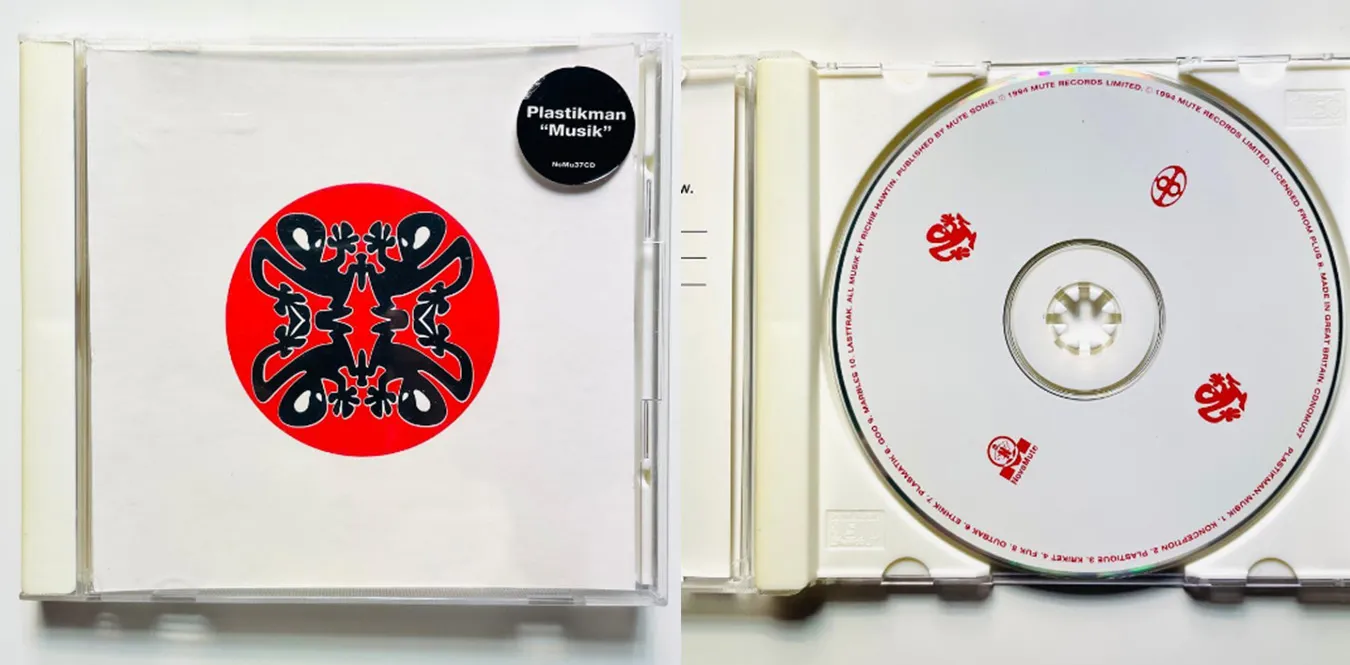
Plastikman – Musik
Richie Hawtin (リッチー・ホゥティン)の別名義Plastikman(プラスティックマン)として1994年にレーベルNovaMuteからリリースしたアルバム。Richie Hawtinとしては3枚目、Plastikman名義では2枚目のスタジオアルバムとなる。

【コラム】 ススム・ヨコタ — 静寂の中の宇宙:電子音が描く魂の風景
第1章:電子音楽と日本 — 横田進の位置づけ
【コラム】 Autechre:構造の彼方へ — テクノ以後の音響建築
序章:無機の中の有機