【コラム】 音楽史上最も影響力のあった100枚:現代音楽への影響度だけで再構築する新しい音楽史(第3回・21〜30:電子音楽の夜明けとアンビエント革命)
Column en Ambient Sampling Techno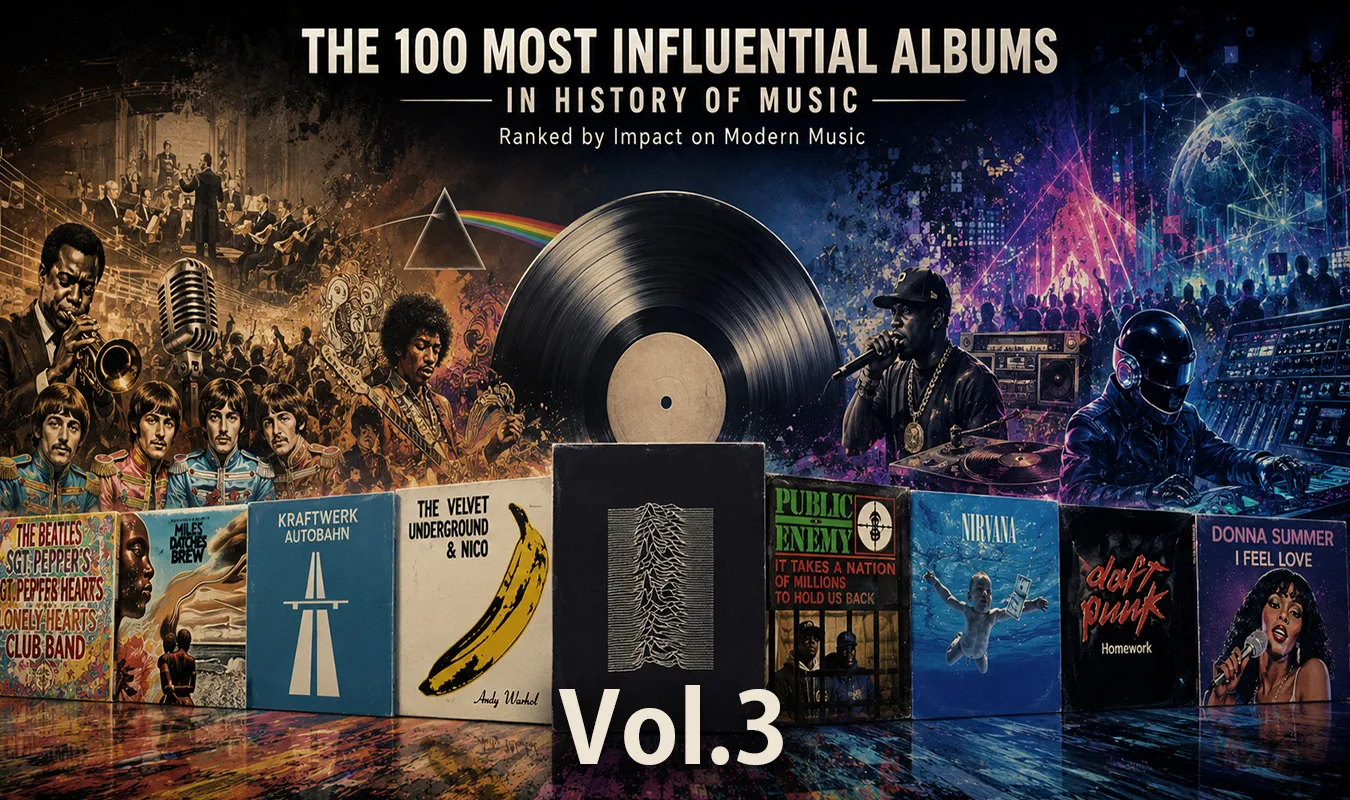
第3回 Part1(21位)
21st place Music Has the Right to Children
「記憶が“音楽として再設計された瞬間”」
1998年に発表されたMusic Has the Right to Childrenは、電子音楽の中でも特異な位置を占める作品である。
Boards of Canadaはここで、クラブのための音楽でも、リスニングのための音楽でもない第三の領域——“記憶の再現装置としての音楽”を提示した。
1990年代末の電子音楽の変質
1990年代後半、電子音楽はすでに二つの方向へ分岐していた。
- ダンスフロア志向(テクノ/ハウス)
- Listening-oriented (Ambient/IDM)
しかし本作はそのどちらにも属さない。
むしろ「記憶のノイズ」を主題化することで、音楽を時間軸から切り離している。
“ノスタルジア”の人工生成
The sound of this work is often said to evoke a feeling of “nostalgia,” but this is not just a retro hobby.
- 劣化したテープ質感
- 教育番組的なシンセ音
- 断片化されたメロディ
- 曖昧なサンプル処理
これらはすべて「実在しない過去」を構築するための設計である。
記憶=音響フィルターとしての音楽
この作品の核心は、音楽が「出来事」ではなく「記憶の歪み」として機能する点にある。
音は直接的に提示されるのではなく、常にフィルターを通過している。
クラブ音楽からの静かな離脱
Music Has the Right to Childrenは明確にダンスミュージックではない。
- BPMは機能的ではない *Beat does not move the body
- 展開は目的を持たない
それでも構造は確かに存在する。
この矛盾こそが本作の重要性である。
“子供時代”という神話装置
アルバムタイトルが示すように、本作の中心には「子供時代」という概念がある。
However, it is not a personal memory;
- Mediated education
- テレビ的風景
- 集団的ノスタルジア
といった“共有されるはずだった記憶”の再構築である。
音楽が空間化する瞬間
本作では、メロディよりも「空間の質感」が支配的になる。
- 音の距離
- Depth of reverberation
- 断続的な沈黙
- 曖昧な定位
音楽はもはや進行ではなく「空間配置」として存在する。
なぜ21位なのか
『Music Has the Right to Children』は電子音楽をクラブ文化から切り離し、「記憶と空間の設計装置」へと転換した作品である。
しかしこの段階では、まだ音楽は“内面的構造”として機能している。
上位作品群では、音楽はさらに社会・都市・システムへと直接接続されていく。
「『Music Has the Right to Children』は電子音楽をダンスのための機能から解放し、“記憶の生成装置”へと転換した作品であり、その構造的意義により本ランキング第21位に位置付ける。」
第3回 Part2(22位)
Discovery
「電子音楽が“人間を模倣する装置”になった瞬間」
2001年に発表されたDiscoveryは、電子音楽がクラブ文化の枠を超え、「ポップスの記憶装置」へと変貌した決定的な作品である。
Daft Punkはここで、人間的な感情表現を電子音で再現するのではなく、「人間そのものの構造を音響化する」という逆転を行った。
ハウスからポップスへの転位
1990年代のハウス/テクノは基本的にクラブ中心の音楽だった。
しかし『Discovery』はその前提を崩す。
- ダンスフロア → 家庭的リスニング
- 反復ビート → メロディ重視
- 機能音楽 → ストーリー音楽
電子音楽はここで初めて「ポップアルバム」として成立する。
“ロボット=人間”という逆転構造
Daft Punkは、ロボット的な外見と匿名性を徹底することで、「人間性の不在」を演出した。
しかし実際には逆である。
- Robotic expression = extreme abstraction of human emotions
- Mechanical vocals = overemphasis of emotion
- 仮面=自己消失ではなく自己拡張
つまりここでは「人間が機械を使う」のではなく、「機械が人間を演じる」。
サンプリング=記憶の再生装置
本作のもう一つの核心はサンプリング構造にある。
特にソウル/ディスコの引用は単なるオマージュではない。
- 1970年代ソウルの再構築
- 断片化された記憶の再編集
- ポップ史の再生産
音楽はここで「新しいもの」ではなく「記憶の編集物」となる。
ストーリーボードとしてのアルバム
『Discovery』は楽曲の集合体ではなく、緩やかな物語構造を持つ。
- 喪失
- 回想
- 再生
- 循環
これによりアルバムは「映画的時間構造」を獲得する。
“電子音楽の商業化”ではない理由
本作はしばしば商業ポップ化と誤解されるが、本質は逆である。
- 商業化 → 単純化
- 『Discovery』 → 構造の複雑化
- ポップ化 → 記憶の層化
つまりこれは電子音楽がポップに“侵略された”のではなく、ポップそのものを再設計した瞬間である。
Why is it ranked 22nd?
『Discovery』は電子音楽をクラブ空間から解放し、ポップスの歴史そのものへ接続した作品である。
しかしこの段階では、まだ「音楽=物語」という枠組みが維持されている。
上位作品群では、音楽は物語すら必要としない構造へと移行していく。
「『Discovery』は電子音楽をポップスの記憶構造へ統合し、機械的表現を人間性の再構築へと転換した作品であり、その歴史的意義により本ランキング第22位に位置付ける。」
第3回 Part3(23位)
Homework
「クラブ音楽が“労働”として設計された瞬間」
Homework, released in 1997, chronicles the critical moment in electronic music’s transition from club culture to industrialization.
Daft Punkはここで、音楽を感情表現としてではなく、「反復可能な作業プロセス」として設計した。
Meaning of the title: “Homework = Repetition device”
『Homework』というタイトルは象徴的である。
- Not improvised
- 感情の吐露でもない
- ライブ前提でもない
それはむしろ、個人のスタジオ環境で延々と繰り返される「作業的構築」の記録である。
フレンチ・ハウスの原型
本作は後に「フレンチ・ハウス」と呼ばれるスタイルの基盤となる。
特徴は以下の通り:
- ローファイなフィルター処理
- ディスコの断片的引用
- 強いグルーヴの反復
- 機械的なミニマリズム
しかし重要なのはスタイルではなく、「クラブの外でクラブ音楽が成立している」点である。
サンプリング=再構築ではなく再労働化
Daft Punkはここでサンプリングを単なる引用ではなく、「再労働プロセス」として扱っている。
- Disco Fragments
- Funk groove
- ハウスの構造
Re-edit these and convert them into beats as new units of labor.
From “DJ culture” to “production culture”
Until then, electronic music was mainly supported by DJ culture.
- Floor center
- 即時反応
- 空間共有
しかし『Homework』はそこから離脱する。
- スタジオ中心
- Main editor
- 個人完結型
ここで電子音楽は「現場」から「制作環境」へと移行する。
グルーヴの抽象化
本作の特徴は「踊れるのに踊りのために作られていない」という矛盾にある。
- ビートは強い
- But the function is ambiguous
- フロア依存ではない
- But physicality remains
この曖昧さが、後の電子音楽の標準構造になる。
なぜ23位なのか
『Homework』は電子音楽をクラブ文化から切り離し、「スタジオ内で完結する労働プロセス」へと変換した作品である。
しかしこの段階では、まだ音楽は“グルーヴの論理”に依存している。
上位作品群では、グルーヴそのものが解体され、都市・構造・システムへと直接接続されていく。
「『Homework』はクラブ音楽を作業化し、電子音楽をプロダクション中心の構造へ転換した作品であり、その歴史的意義により本ランキング第23位に位置付ける。」
第3回 Part4(24位)
Trans-Europe Express
“The moment when railways redesigned the “time axis” of music”
Trans-Europe Express, released in 1977, marked a decisive turning point in the history of electronic music from “human performance” to “mechanical rhythmic structure.”
Kraftwerkはここで、音楽を表現ではなく「輸送システム」「都市インフラ」「機械的時間」のモデルとして再構築した。
音楽が“移動”を模倣するのではなく“移動そのもの”になる
The core of this album is the motif of trains.
しかしそれは単なる描写ではない。
- リズム=車輪の反復
- テンポ=速度制御
- フレーズ=車両の連結
- 構造=路線網
In other words, the music is not a ““reproduction of a train,” but an ““acousticization of the train system.”
人間の排除と機械の完成
Kraftwerkはこの時点で、音楽から「人間的揺らぎ」を意図的に削除している。
- Drum = mechanized repetition
- メロディ=最小単位へ還元
- 表現=抑制と均質化
- 感情=設計外要素
As a result, the music is not “played” but “active”.
デュッセルドルフ学派と“都市の抽象化”
Kraftwerkの重要性は、単なる電子音楽の先駆者という点にとどまらない。
彼らは都市を直接描写するのではなく、都市を抽象モデルとして再設計した。
- 鉄道
- Communication network
- 工業プロセス *European mobile system
これらが音楽構造にそのまま変換される。
ヒップホップへの直接的影響
この作品は後の音楽史にも大きな影響を与える。
特にAfrika Bambaataaを経由し、ヒップホップのサウンド構造へと流入する。
- ロボット的ビート感
- 機械的反復
- 無機質なグルーヴ
Here electronic music is poised to merge with club culture.
Completion of “European mechanical aesthetics”
『Trans-Europe Express』はアメリカ的ファンクやジャズとは異なる時間感覚を持つ。
- 感情ではなく構造
- 即興ではなく設計
- 表現ではなく運用
このヨーロッパ的機械美学は、後のテクノ全体の設計思想になる。
なぜ24位なのか
『Trans-Europe Express』は電子音楽を「機械的時間」として確立した作品である。
しかしこの段階では、まだ音楽は“人間が設計した機械の表現”に留まっている。
上位作品群では、その機械すらも自律的システムへと変化していく。
「『Trans-Europe Express』は音楽を鉄道システムの抽象化として設計し、電子音楽に機械的時間という概念を導入した。その歴史的意義により本ランキング第24位に位置付ける。」
第3回 Part5(25位)
Computer World
「社会そのものが“データ化”され始めた瞬間」
1981年に発表されたComputer Worldは、電子音楽が「都市」から一歩進み、「情報社会そのもの」を主題化した最初期の作品である。
Kraftwerkはここで、鉄道や移動といった物理的インフラから離れ、コンピュータ・ネットワーク・データベースといった非物質的システムへと音楽の対象を拡張した。
コンピュータ=社会の新しい骨格
本作が描いているのは、機械ではなく「情報で構成される社会」である。
- 銀行システム
- 電話ネットワーク
- データ管理
- 自動化されたオフィス
これらは単なるテーマではなく、すでに音楽構造そのものへと転写されている。
リズム=データ処理のメタファー
『Computer World』のビートは、人間的なグルーヴではない。
それはむしろ:
- Information transfer speed
- データの更新周期
- System processing interval
として設計されている。
人間の“UI化”
このアルバムの重要な転換は、人間の位置づけにある。
- Human = Subject → Human = Interface
- Emotion = center → Data = center
- Expression = purpose → Processing = purpose
In other words, in music, humans become ““the ones being manipulated.’’
Completed European vision of the future
Kraftwerkは一貫して「未来」をテーマにしてきたが、『Computer World』ではその未来がすでに到来している。
- 未来の描写ではなく現在の記述
- SFではなく社会分析
- 予測ではなく構造化
ここで音楽は「未来を語るもの」から「未来そのもの」へ変化する。
デジタル音楽の原型
後の電子音楽、特にテクノやIDMの構造はこの作品に強く依存している。
- ミニマル反復
- Informational beat
- 感情の排除
- 機能的構造
Kraftwerkはここで、電子音楽の“OS”をほぼ完成させたと言える。
なぜ25位なのか
『Computer World』は音楽を社会システムのモデルとして再定義した作品である。
However, at this stage, music is still designed as a system that humans can understand.
上位作品群では、そのシステム自体が人間の理解を超えていく。
“‘Computer World” transformed music into a structural model of the information society and introduced the concept of “rhythm as data’ to electronic music. Due to its historical significance, it is ranked 25th in this ranking.”
3rd Part 6 (26th place)
Ambient 1: Music for Airports
「音楽が“空間の設計図”になった瞬間」
1978年に発表されたAmbient 1: Music for Airportsは、音楽の役割を「聴く対象」から「環境を構成する要素」へと転換した決定的作品である。
Brian Enoはここで、音楽を時間芸術ではなく、空間設計のための素材として再定義した。
“退屈”の戦略化
本作は意図的に劇的展開を排除している。
- 明確なメロディの不在
- 最小限の変化
- 長い持続音
- ゆるやかなループ
しかしそれは「何も起きない音楽」ではない。
むしろ「環境が変化する速度そのものを制御する音楽」である。
空港という非場所(Non-place)
The ““airport’’ in the title is symbolic.
- 人が通過するだけの空間
- A place that is not a destination
- Highly anonymous environment
- A space with little emotion
Brian Enoはこの“非場所”を音楽化した。
Music = Environmental control system
In Ambient 1, music functions as an environmental condition rather than a subject.
- 照明のように空間を変える
- 空気のように存在する
- 意識されないまま影響する
“聴かれる音楽”から“存在する音楽”へ
Traditional music required attention.
But ambient is the opposite.
- 注意されないことが前提
- Acts as a background
- 意識の外側で作用する
これは音楽の受動化ではなく、環境化である。
テクノロジーと哲学の中間点
Brian Enoの思想は技術的でありながら哲学的でもある。
- 作曲ではなく設計
- 演奏ではなく生成
- 表現ではなく環境
ここで音楽は「芸術」から「デザイン領域」へ移行する。
後続ジャンルへの決定的影響
この作品は以下の領域に直接的影響を与える。
- アンビエント・テクノ
- IDM
- サウンドデザイン
- 映像音楽
- ゲーム音楽環境設計
特に電子音楽における“空間概念”の基礎となる。
なぜ26位なのか
“Ambient 1: Music for Airports” is a work that transforms music into “the environment itself.”
しかしこの段階では、まだ音楽は人間の感覚のために設計されている。
上位作品群では、音楽はもはや“人間のため”ですらなくなっていく。
「『Ambient 1: Music for Airports』は音楽を聴取対象から環境設計へと転換し、アンビエントという概念を確立した。その歴史的意義により本ランキング第26位に位置付ける。」
第3回 Part7(27位)
Another Green World
「音楽が“風景そのもの”へ溶解した瞬間」
1975年に発表されたAnother Green Worldは、アンビエントの直接的な原型でありながら、同時にロックと電子音楽の境界を曖昧にした過渡的作品である。
Brian Enoはここで、楽曲を「構築された表現」から「自然に発生する風景」へと移行させた。
歌曲と環境音楽の“同居”
本作の特徴は明確である。
- 歌もの楽曲(短く構造的)
- アンビエント・トラック(非リズム的)
この二つが同一アルバム内で分断されず共存している。
つまり『Another Green World』は、ジャンルの混合ではなく状態の共存実験である。
“作曲”から“配置”へ
従来の音楽は時間軸に沿った構造だった。
しかし本作では、音楽は「進行」ではなく「配置」になる。
- メロディ → 色彩
- リズム → 質感
- 曲 → 空間断片
“自然ではない自然”
タイトルにある「Green World」は自然を意味するが、この作品に自然そのものは存在しない。
存在するのは:
- 人工的に生成された風景
- 記憶化された自然音
- 抽象化された環境イメージ
つまりこれは「自然の模倣」ではなく、「自然の設計」である。
ギター音楽の脱中心化
Robert Frippなどとの共同作業を経て、ギターはもはや主役ではなくなる。
- ギター=音色の一部
- ボーカル=断片
- 構造=非線形
ロックの中心にあった“ギターヒーロー構造”はここで溶解する。
アンビエントの前史としての重要性
『Ambient 1』以前において、本作はすでにアンビエント的思考を含んでいる。
- 静寂の導入
- 空間の重視
- 非機能的楽曲
- 断片性
Brian Enoはこの作品で、後の理論的アンビエントの“実験段階”を完成させている。
なぜ27位なのか
『Another Green World』はロックとアンビエントの境界を溶かした過渡的作品である。
しかしこの段階では、まだ音楽は「楽曲単位の構造」を保持している。
上位作品群では、楽曲という単位そのものが消失していく。
「『Another Green World』は音楽を楽曲単位から環境的配置へと移行させ、ジャンルの境界を溶解させた過渡的作品であり、その構造的意義により本ランキング第27位に位置付ける。」
第3回 Part8(28位)
Homogenic
「電子音楽が“感情の地形”として再設計された瞬間」
1997年に発表されたHomogenicは、電子音楽とオーケストレーションを衝突させることで、「感情そのものを音響的にマッピングする」という極めて異質な試みを実現した作品である。
Björkはここで、声を単なる歌唱手段としてではなく、自然現象のような“地形的存在”として扱った。
アイスランド的スケールと都市的ビート
本作の構造は二重性に支えられている。
- 弦楽=氷河・火山・自然の圧力
- ビート=都市・テクノロジー・人工構造
この対立は融合されるのではなく、むしろ緊張状態のまま維持される。
声=自然現象としての再定義
Björkのボーカルは、従来のポップス的歌唱とは異なる。
- 言語よりも音響が優先される
- 感情が構造として表出する
- メロディが地形のように変化する
つまり声は「表現」ではなく「環境変数」である。
スタジオ=地形設計装置
制作にはMark Bellらが関与し、電子音とアナログ弦楽が精密に設計された。
結果として生まれたのは、単なるアルバムではなく「感情の地図」である。
“個人的感情”から“構造的感情”へ
本作が重要なのは、感情を主観的なものとして扱わない点にある。
- 悲しみ=低音の圧力
- 緊張=リズムの不安定性
- 解放=弦楽の広がり
感情はここで「表現」ではなく「物理構造」として扱われる。
電子音楽と人間性の再接続
1990年代の電子音楽はしばしば非人間的と見なされたが、『Homogenic』はその逆を行う。
- 機械=冷たさではない
- デジタル=感情の否定ではない
- システム=人間性の拡張
この作品は電子音楽に再び“肉体”を与えている。
なぜ28位なのか
『Homogenic』は電子音楽と人間的感情を再統合した作品である。
しかしこの段階では、まだ「個人の感情」という枠組みが維持されている。
上位作品群では、感情そのものが消え、構造だけが残る領域へと移行していく。
「『Homogenic』は電子音楽を感情の構造化システムへと転換し、声とビートと自然を統合した新しい音響地形を提示した。その歴史的意義により本ランキング第28位に位置付ける。」
第3回 Part9(29位)
Dummy
「ノスタルジアが“制作技法”として固定化された瞬間」
1994年に発表されたDummyは、90年代イギリスにおいて「記憶」と「音響」を同一化させた決定的な作品である。
Portisheadはここで、過去を引用するのではなく、“過去そのものの質感”を人工的に再構築するという逆転的発想を完成させた。
“トリップホップ”という状態の確立
本作は後にトリップホップと呼ばれる潮流の中核を形成するが、その本質はジャンルではない。
- 遅いテンポ
- ダブ的残響
- ジャズ的コード
- 断片化されたビート
These are not styles, but devices for reproducing the ““fluctuations of memory.’’
サンプル=記憶の“劣化モデル”
Portisheadはサンプリングを単なる引用としてではなく、「劣化した記憶の再現」として使用している。
- レコードのノイズ
- テープヒス
- 古い映画音楽の断片
- 不明瞭なジャズサンプル
それらは過去を“そのまま再生する”のではなく、時間によって損傷した過去の再現として機能する。
声=感情ではなく残響
ベス・ギボンズのボーカルは、この作品の中で特異な位置を占める。
- 明瞭な発語の回避
- 声の粒子化
- 感情の希薄化
- 音響的な幽霊性
声はここで「語るもの」ではなく「残ってしまったもの」になる。
Creation of visual music
『Dummy』の構造は映画的である。
- 低照度の情景
- Slow camera work development
- 明確な物語の欠如
- 断片的なシーン構成
音楽はここで「ストーリー」ではなく「映像の質感」を担当する。
“未来のノスタルジア”という矛盾
『Dummy』の最も重要な特徴は、過去を再現していない点にある。
それはむしろ:
- 存在しない過去
- 記憶される前の記憶
- 架空のヴィンテージ
つまり「未来的なノスタルジア」である。
なぜ29位なのか
『Dummy』はノスタルジアを音楽的技法として確立した作品である。
しかしこの段階では、まだ「記憶」はテーマとして扱われている。
上位作品群では、記憶そのものが消え、音楽は純粋な構造・空間・情報へと移行していく。
「『Dummy』はノスタルジアを音響技法として制度化し、トリップホップという新たな知覚空間を確立した。その歴史的意義により本ランキング第29位に位置付ける。」
第3回 Part10(30位)
Endtroducing…..
「音楽が“完全にサンプリングだけで自立した瞬間”」
1996年に発表されたEndtroducing…..は、「オリジナル音源を一切使わずに構築されたアルバム」という極端な前提によって、音楽の創造概念そのものを再定義した作品である。
DJ Shadowはここで、音楽を演奏でも作曲でもなく、「既存音の編集による建築物」として成立させた。
“ゼロから作らない音楽”
この作品の根本思想は明確である。
- 新規録音を行わない
- 既存レコードのみを使用
- 音の引用のみで構築
- Complete editorialism
つまりこれは「創造」ではなく「編集の極限化」である。
サンプリングの“終着点”
ヒップホップ以降、サンプリングは拡張され続けてきたが、『Endtroducing…..』はその到達点である。
- 断片 → 素材
- 素材 → 構造
- 構造 → 作品
- 作品 → 空間
ここでサンプリングは単なる技法ではなく、「音楽そのものの存在形式」となる。
スタジオ=アーカイブ=建築
制作環境は録音スタジオというよりも、巨大な音響アーカイブとして機能している。
- レコード棚=素材データベース
- サンプラー=編集装置
- DAW的構造=時間編集空間
“作者性”の完全な後退
DJ Shadowの役割は、従来の意味での作曲者ではない。
- 演奏者ではない
- 旋律の発明者でもない
- 音の生成者でもない
彼は「選択と配置の設計者」である。
Here the music completely transitions into an architectural model.
インストゥルメンタル・ヒップホップの完成形
本作はヒップホップの延長線上にありながら、ラップを排除している。
その結果:
- 言語の消失
- ビートの抽象化
- 物語性の希薄化
- 音響構造の純化
ヒップホップはここで「語る音楽」から「構造そのもの」へと変質する。
“Starting point” instead of “ending”
タイトルの『Endtroducing』は「終わり」と「導入」を同時に含んでいる。
This is a declaration, not a contradiction.
- 終わり=伝統的音楽制作の終焉
- 導入=編集ベース音楽の始まり
なぜ30位なのか
『Endtroducing…..』はサンプリング音楽を完全に自立した構造へと昇華させた作品である。
However, at this stage, the act of ““editing’’ is still central.
上位作品群では、編集すら消え、音楽はアルゴリズム・環境・社会システムへと直接溶けていく。
「『Endtroducing…..』はサンプリングを創造手段から構造原理へと転換し、音楽制作における“作者性”を完全に再定義した。その歴史的意義により本ランキング第30位に位置付ける。」
第3回 完結(クロージング)
The 21st to 30th places so far have been the very process of electronic music transitioning from “experiment” to “system.”
- 記憶は音響として設計され(Music Has the Right to Children)
- ポップスは機械的感情へ変換され(Discovery)
- クラブ音楽は労働プロセスへと再定義され(Homework)
- 機械は時間のモデルとなり(Trans-Europe Express)
- 情報社会は音響構造へ変換され(Computer World)
- 音楽は環境へと拡張され(Ambient 1: Music for Airports)
- 風景は抽象化され(Another Green World)
- 感情は地形として設計され(Homogenic)
- ノスタルジアは技法となり(Dummy)
- 編集は創造そのものへ変わった(Endtroducing…..)
つまり第3回とは、音楽が「表現」から完全に離脱し、構造・環境・記憶・システムへ分解されていく過程だったと言える。
次回予告(第4回:31位〜40位)
第4回では、いよいよ電子音楽と並行して進化したもう一つの巨大構造——ヒップホップの制度化と構造化に入る。
そこでは音楽はもはや「個人の表現」ではなく、
- 都市の記録装置
- 政治的言語
- 産業システム
- 美学的プロトコル
として機能し始める。
第4回(31位〜40位)のテーマ
「ヒップホップの制度化と構造化」
このセクションでは以下のアルバム群を扱う:
- The Chronic
- Illmatic
- Ready to Die
- Enter the Wu-Tang (36 Chambers)
- Fear of a Black Planet
- The Miseducation of Lauryn Hill
- To Pimp a Butterfly
- Yeezus
- 808s & Heartbreak
- Aquemini
構造的焦点
この回でヒップホップは「音楽ジャンル」から完全に脱却し、社会的インフラへと変質する。
- Beat = language of the city
- Rap = political document
- プロデュース=経済的設計
- Album = social model
次回開始
第4回 Part1(31位:The Chronic)から ヒップホップが「音楽」ではなく「制度」へ変わる瞬間を解体していきます。
Explore more like this
![[Column] The 100 most influential albums in music history: A new history of music reconstructed solely by the degree of influence on modern music (Part 4, 31-40: The golden age of hip-hop and the leap forward of modern black music)](/../assets/images/column-influential-album-04.webp)
【コラム】 音楽史上最も影響力のあった100枚:現代音楽への影響度だけで再構築する新しい音楽史(第1回・1〜10:現代音楽を生んだ10枚の革命)
プロローグ:音楽史を「物語」ではなく「構造変化」として読む
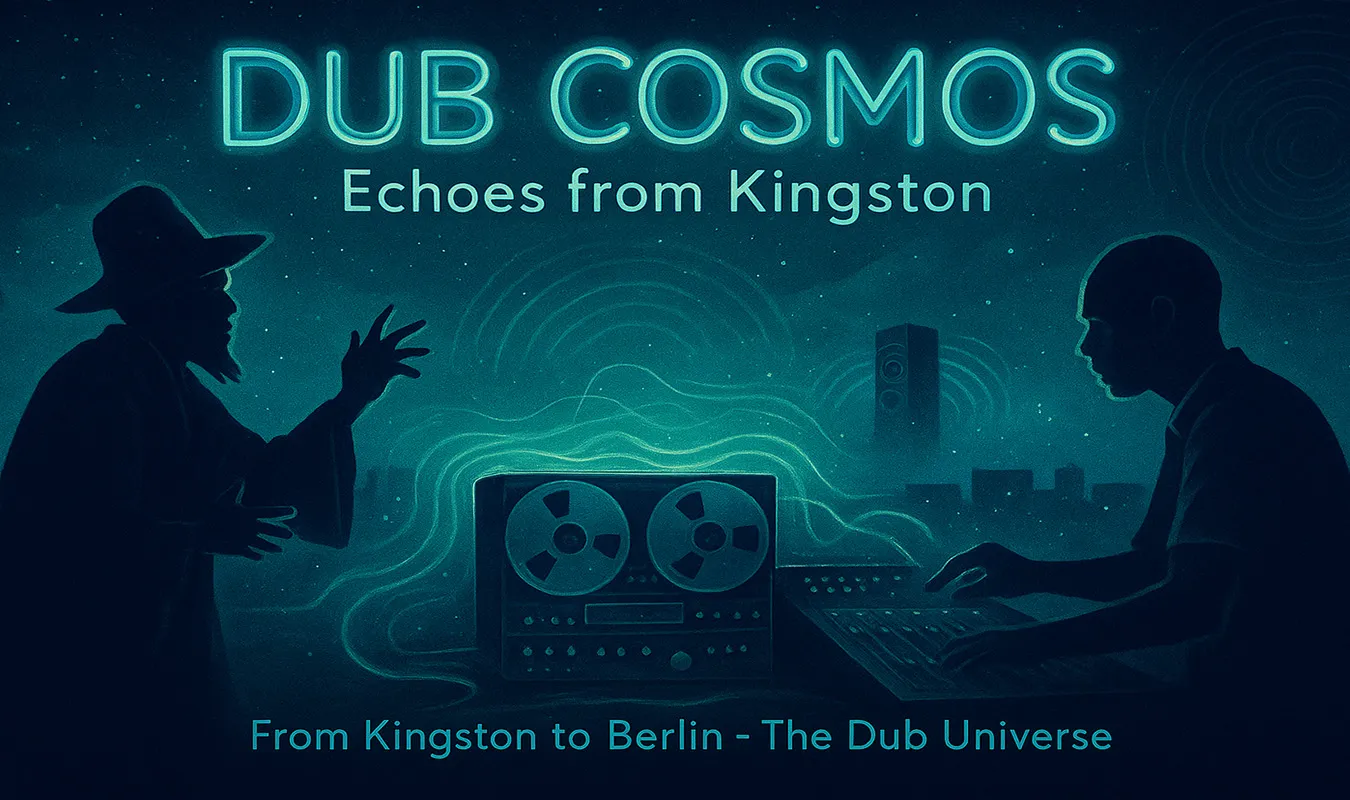
【コラム】 ダブ(DUB)音楽の誕生と拡張宇宙 ― 音響の再構築から始まった革命
序章:音の「残響」から生まれた革命
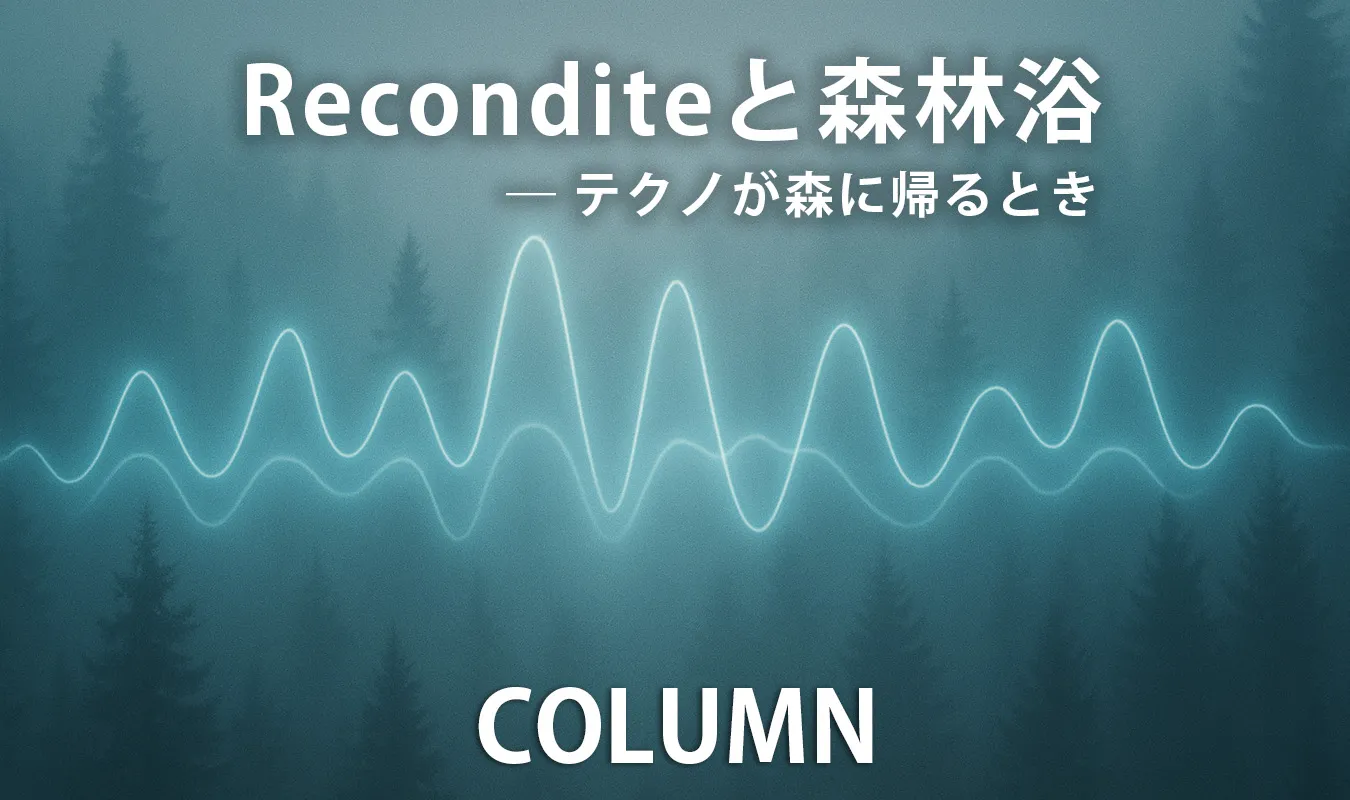
【コラム】 Reconditeと森林浴 ― テクノが森に帰るとき
序章:森に沈むビート
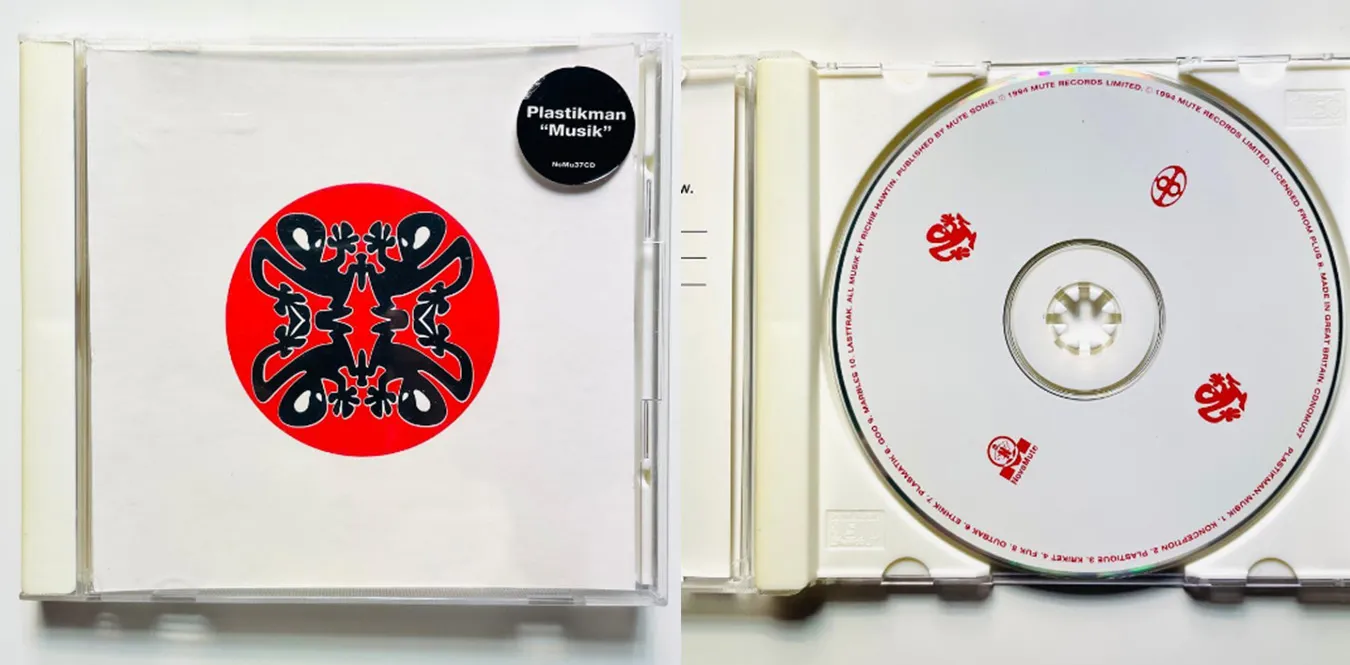
Plastikman – Musik
Richie Hawtin (リッチー・ホゥティン)の別名義Plastikman(プラスティックマン)として1994年にレーベルNovaMuteからリリースしたアルバム。Richie Hawtinとしては3枚目、Plastikman名義では2枚目のスタジオアルバムとなる。

【コラム】 ススム・ヨコタ — 静寂の中の宇宙:電子音が描く魂の風景
第1章:電子音楽と日本 — 横田進の位置づけ
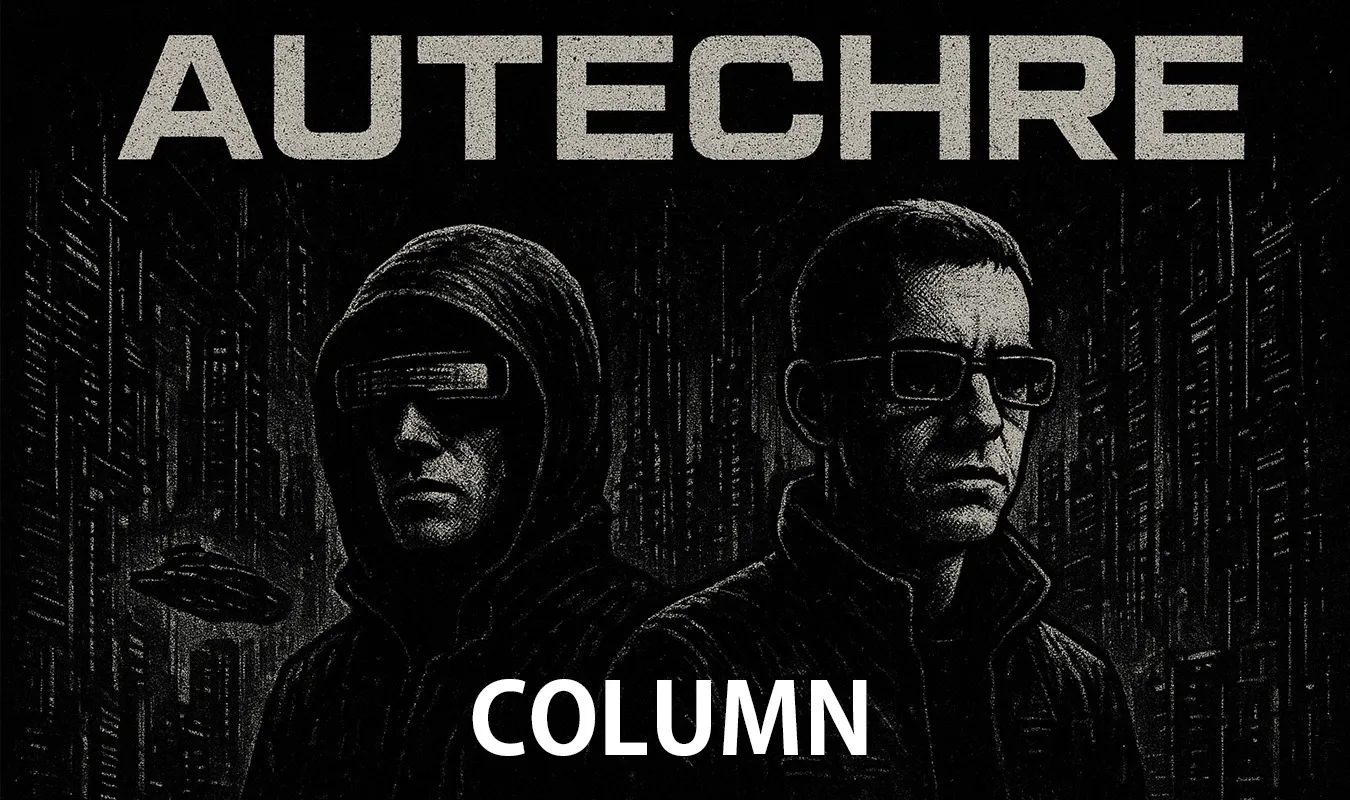
【コラム】 Autechre:構造の彼方へ — テクノ以後の音響建築
序章:無機の中の有機