Prologue: Music behind the mask
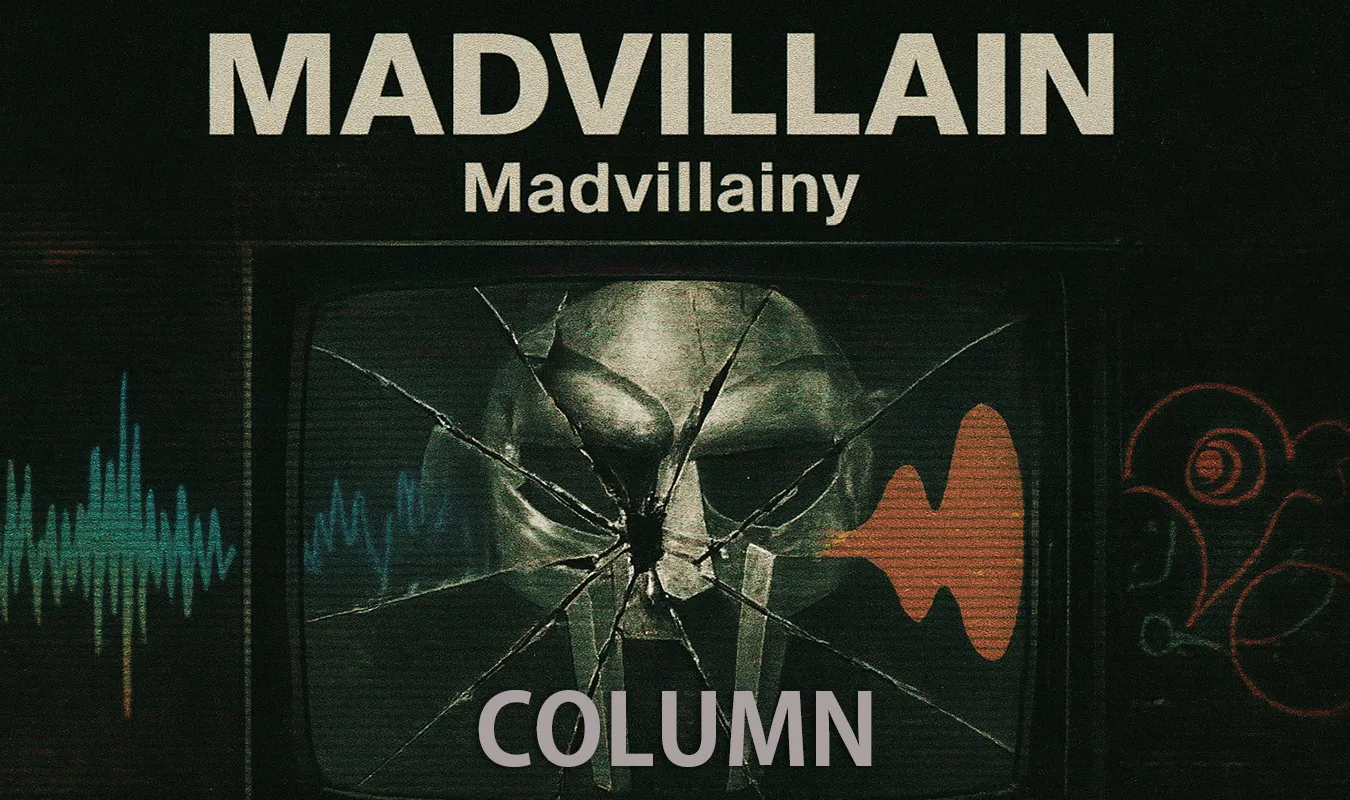
Text: mmr|Theme: A study of “Madvillainy” (https://amzn.to/3JhySfH), a “labyrinth of sound” that reconstructs the hip-hop form itself after deconstructing it.
2004年春、ロサンゼルスの小さなレーベルStones Throw Recordsから放たれた一枚のアルバムが、ヒップホップの常識を静かに覆した。
Madvillain 『Madvillainy』――それは、ラップアルバムでありながら、詩集でもあり、電波を通じたサウンド・コラージュでもある。
At the beginning of the 21st century, American hip-hop was moving toward the extravagant “brand culture” symbolized by Jay-Z and 50 Cent. On the flip side, this album embraces the poetics of anonymity and fragmentation, and has deep roots in the world’s underground. 聴く者を魅了するのは、完成度ではなく、むしろ「未完成の美」である。
Chapter 1: Two extraordinary talents──Madlib and MF DOOM
Madlib: Alchemist of Sound
Madlib (real name Otis Jackson Jr.) is a “sampler poet” who alchemizes musical chaos. 彼のビートは整然としたリズムの上に成り立たず、「偶然の美学」に支配されている。古いレコード、図書館のサウンドアーカイブ、アニメの効果音──そのどれもが素材になる。
特に本作では、SP-303 Dr. Sampleが鍵を握る。一般的なMPCよりも安価でローファイな機材だが、Madlibはそのざらついた質感を積極的に残す。サンプリングのピッチをずらし、ループを微妙に揺らがせることで、“生演奏では再現不能な不安定さ”を獲得した。
MF DOOM: The Masked Poet
MF DOOM(本名Daniel Dumile)は、悲劇の中から生まれた。
KMDとしてデビューした1990年代初頭、弟Subrocを事故で失い、レーベルとの契約も白紙となる。
彼は数年間沈黙し、金属のマスクをかぶって帰ってきた。
DOOMは、仮面を「逃避」ではなく「創造」の象徴とした。
彼のリリックは、複雑な韻律・内部韻・隠喩に満ちており、文学的構造とストリート性が交錯する。
たとえば「Figaro」では、母音の連鎖と子音のリズムがまるで楽器のように鳴る。彼は言葉を“意味”でなく“音”として操るラッパーだった。
Chapter 2: Production background: Myths born from home recordings
『Madvillainy』は、ハリウッドのスタジオではなく、ロサンゼルス郊外のアパートの一室で作られた。
Madlib samples the jazz and soundtracks he recorded while in Brazil and sends them to DOOM as a kind of cassette journal. DOOM listened to it at home and rapped it almost improvised.
この“往復制作”の速度が、作品の密度を決めた。
ビートもラップも、修正を拒む生々しさを保ち、完成よりも“感触”を優先する。
Peanut Butter Wolf, head of Stones Throw at the time, said, ““Recording was more like a ritual than an experiment.’’
第三章:音響分析──断片構造の詩学
『Madvillainy』の22曲は、ひとつの長い“モンタージュ映画”のように構成されている。
音響的特徴は以下の3点に集約できる。
- 時間の切断:曲が短く、急に終わる。トランジションは意図的に乱暴。
- 空間の圧縮:リバーブや空間処理を最小限にし、サンプル同士の距離をゼロに近づける。
- Frequency distortion: Creates a VHS-like sound with removed high frequencies by using SP-303 effects extensively.
This is also a “record reconstruction” by Madlib. Viewing the noise and crackling sounds of old recordings as “component elements” rather than “materials,” he transformed hip-hop into an archeology of sound.
Chapter 4: Analysis by track (selection)
Accordion
最初に聴こえるのは、アコーディオンのリフが不穏に鳴り響くループ。
ビートは単調に見えて、微妙にズレている。DOOMの声がその“歪み”を補完するように入り、ビートとラップが補色関係にあることを示す。
「リズムを支配するのではなく、漂う」──この姿勢がアルバム全体を貫く。
Meat Grinder
ベースラインが金属のように軋み、マイクに近づく呼吸音が録音されている。
Madlibのサンプリングは、ピッチ補正をあえて外すことで、聴く者に「不快と快楽の境界」を意識させる。
Figaro
この曲におけるDOOMの韻律は、詩的構造として分析できる。
たとえば以下の一節:
“The rest is empty with no brain but the clever nerd”
“empty”“brain”“clever”の内部韻が連鎖し、文脈を飛び越えて韻そのものが意味を生む。
His rapping functions as a sound device rather than poetry.
All Caps
「ALL CAPS when you spell the man name」──
Here DOOM defines its own symbolism.
“名前を大文字で書け”という命令文は、仮面の下の自己を守る呪文のようだ。
This song, including the music video (cartoon style), pioneered the fusion of hip-hop = superhero culture.
Chapter 5: Artwork and the Politics of Masks
The jacket photo (taken by Eric Coleman) is a close-up of DOOM’s metal mask.
顔の半分が影に沈む構図は、匿名と露出、神話と現実のあいだを象徴している。
この仮面は、黒人アーティストとしての自己表現と、商業メディアへの抵抗を兼ねるものだった。
DOOMのマスクは、ポップカルチャー的にはMarvelのDr. Doomからの引用だが、より深くは“権力とアイデンティティ”の逆転を意味する。
「ヴィラン=語る自由を持つ者」という逆説が、ここにある。
Chapter 6: Critical Evaluation: Innovation brought about by “Fragment Album”
2004年のリリース時、商業的成功とは無縁だった『Madvillainy』は、批評家の間でカルト的評価を受けた。
Pitchforkは「ヒップホップにおける非線形編集の極致」と評し、The Wire誌は「21世紀版『The Velvet Underground & Nico』」とまで称えた。
Importantly, this album functions as ““proto-internet music.’’ Before YouTube or SoundCloud, there was already a methodology for re-editing pieces of information to create new meaning. つまり、“Madvillainy”とはポスト・ネット時代の原典なのだ。
第七章:文化的文脈──Stones Throwと独立の精神
Stones Throw Records was a symbol of indie hip-hop culture at the time. While major music companies compete for glamor, Peanut Butter Wolf’s philosophy is to record the truth even on a low budget. Madlib、J Dilla、Aloe Blaccらが同レーベルから登場し、宅録と実験を結ぶ橋を築いた。
『Madvillainy』はその象徴的成果であり、「録音技術の制約を表現の武器にする」という逆説的美学を確立した。
第八章:影響と遺産
- Flying Lotus: A fusion of jazz and beat science.
- Earl Sweatshirt: Fragmented introspective rap borrowed from DOOM.
- Tyler, the Creator:キャラクター構築とアイロニーの継承。
- lo-fi hiphop culture: Inheriting SP sound and even creating “study BGM” on YouTube.
さらに、DOOMのマスク文化は、インターネット以降のアーティスト像にも影響を与えた。
Anonymous accounts, VTubers, AI-generated music, etc. – the value axis has shifted from “who made it” to “how it resonates”**.
第九章:DOOM以後のヒップホップ(補章)
MF DOOMの死(2020年10月31日、享年49)は、ヒップホップ史の静かな終章だった。
However, his absence also encouraged the “inheritance of masks.”
Now DOOM exists not as a person but as a “method”. Connecting fragments, hiding names, and speaking through sounds.
『Madvillainy』を再生するたびに、リスナーは“誰でもない誰か”になる。
それこそが、21世紀的匿名性の快楽である。
年表:Madvillainとその時代
音響構造図:断片的編集のプロセス
Conclusion: Eternity in Fragments
『Madvillainy』は、ヒップホップという形式そのものを解体した後に、再構築する“音の迷宮”である。 そこには「完成」も「終わり」もない。 サンプリングされた音は、出自を失いながらも再び意味を獲得する。 DOOMが残した仮面は、いまも世界中の地下スタジオで光っている。
“It ain’t nuttin’ like the villain.” ― MF DOOM
YouTube Podcast
*This podcast is in English, but you can watch it with automatic subtitles and translation.
Explore more like this
【コラム】 Lo-Fiヒップホップが勉強と作業の定番になった理由
Lo-Fiヒップホップとは