村八分(Murahachibu)とは何だったのか
文:mmr|テーマ:高度経済成長の裏側で生まれた逸脱の音楽と、その社会的背景を徹底的に読み解く
名前が示す拒絶の思想
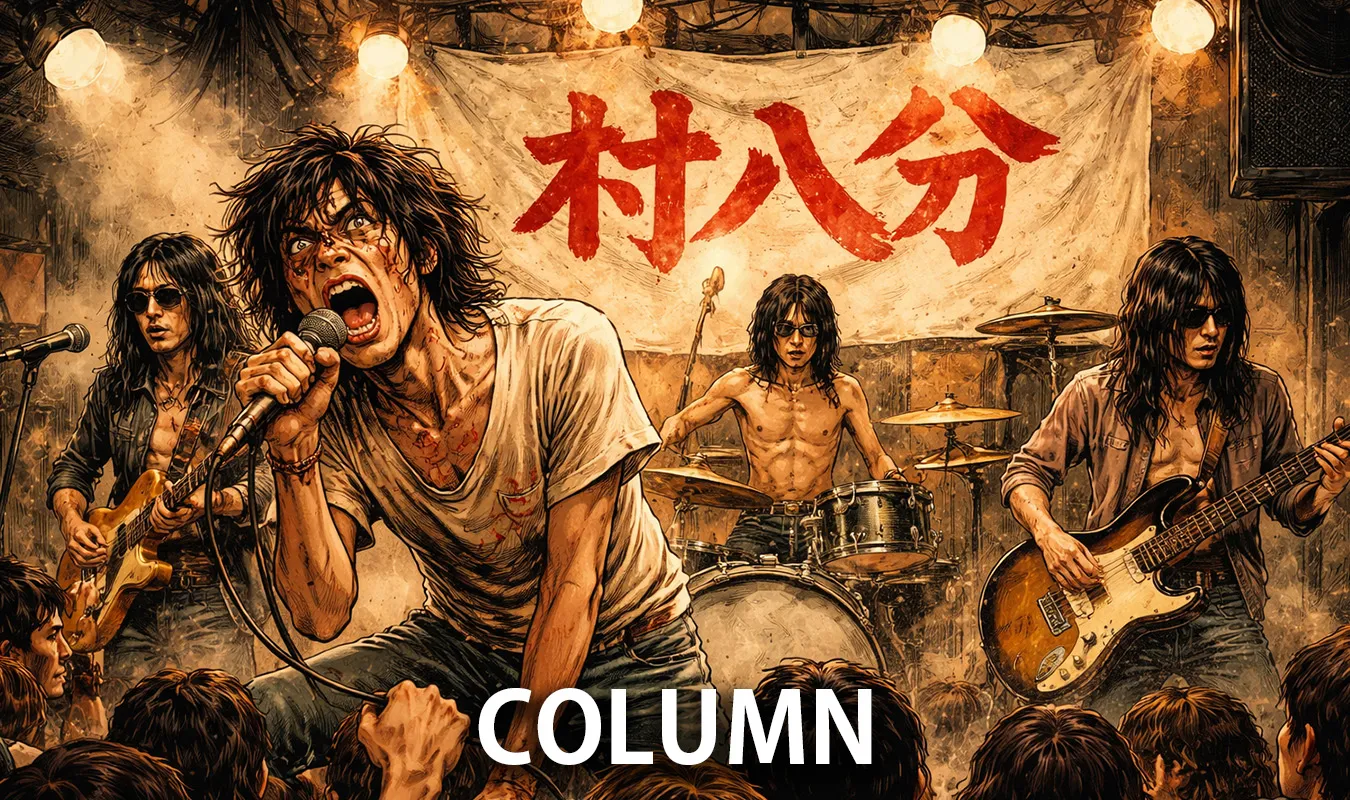
1970年代初頭、日本のロック史において極めて特異な存在として現れたのが、村八分である。その名称は、日本の伝統的な共同体における制裁を意味する言葉から取られており、「共同体からの排除」を自ら名乗るという、極めて挑発的な意思表示だった。
このバンドの中心にいたのが、ボーカリストの柴田和志、通称チャー坊である。彼は単なる歌い手ではなく、当時の社会に対する異議申し立てそのもののような存在だった。整った歌唱や技巧ではなく、むしろ荒削りで不安定な声が、時代の歪みをそのまま反映していた。
村八分の音楽は、ブルースやロックンロールの影響を受けながらも、それらを日本的に消化したものではなかった。むしろ、そのフォーマットを壊し、再構築する過程そのものが音になっていた。音楽としての完成度よりも、「その場で何が起こるか」という不確定性に価値が置かれていたのである。
Mura Hachibun was not a group of people playing music, but an embodiment of deviance from society.
Historical background of 1970s Japan
高度経済成長の終盤と社会の変質
In the 1970s, Japan was nearing the end of its period of high economic growth that had continued since the postwar period. Cities were developing rapidly, living standards were improving, and many people were beginning to feel affluence. However, on the other hand, society as a whole is becoming more homogenized, and individual values and freedoms are gradually being suppressed.
1960年代末に頂点を迎えた学生運動は、1970年代に入ると急速に沈静化していく。安保闘争や大学紛争によって一時的に高まった政治的熱気は、挫折とともに失速し、多くの若者が行き場を失った。
さらに、1970年の大阪万博は、日本が国際社会において経済大国としての地位を確立した象徴的な出来事だったが、それは同時に「未来」や「進歩」が国家主導で語られる時代の到来でもあった。
In such a society, young people who don’t feel like they belong go underground. Music and the live space were the sources of that energy.
Behind the surface of their prosperity, the feeling of having lost their place was amplified underground.
アンダーグラウンド文化の形成
ライブハウスと即興性
In the early 1970s, Japan’s music scene was not yet developed, and the live house culture was still in its infancy. Rather than large-scale concerts, the focus was on performances in small spaces, and the experience there determined the essence of the music.
村八分は、そうした場所で圧倒的な存在感を放った。彼らの演奏は予定調和を拒否し、毎回異なる展開を見せた。曲の構成が崩れることすら、表現の一部として受け入れられていた。
The distance between them and the audience was extremely close, and sometimes collisions occurred. Music was not something to be listened to, but something to be involved in.
同時期に活動していたはっぴいえんどが、日本語ロックの洗練された形を提示していたのに対し、村八分はその対極にあった。彼らは言葉やメロディの美しさではなく、衝動そのものを前面に押し出していた。
アンダーグラウンドとは場所ではなく、態度の問題だった。
村八分のライブと身体性
パフォーマンスの極限
チャー坊のステージングは、観客に強烈な印象を残した。彼は歌詞を「歌う」のではなく、身体全体を使って吐き出すように表現した。その姿は、従来の歌謡曲やフォークの枠組みを完全に逸脱していた。
また、バンド全体の演奏も極めて不安定でありながら、独特の緊張感を生み出していた。テンポの揺らぎ、音程の不安定さ、突然の停止——それらすべてがライブの一部だった。
このような表現は、当時の主流音楽から見れば未熟とされることもあったが、同時に強烈なリアリティを持っていた。完成された音楽ではなく、「今この瞬間」にしか存在しない音だったのである。
村八分のライブは、音楽と現実の境界を曖昧にする体験だった。
メディアとの断絶
可視化されない存在
村八分はテレビやラジオといったマスメディアにほとんど登場しなかった。これは単に機会がなかったのではなく、彼らの表現がメディアの枠組みに適合しなかったためである。
The music industry at the time consisted mainly of folk and popular songs, with an emphasis on message quality and friendliness. The music of ostracism did not fit into either of these categories.
As a result, there are very few opportunities for their work to be recorded, and their lives are only passed down through live experiences. This “lack of records” would greatly contribute to the mythization of the story in later years.
Precisely because they are invisible, their existence is amplified by imagination.
解散とその後
短命の意味
Mura Hachibun ceased its activities around 1973. It is said that there was not just one reason for this, but multiple factors intertwined, such as problems between members and changes in the environment.
しかし、その短命さこそが、彼らの強度を保つ要因となった。長期的な活動による変質や商業化を経験することなく、最も過激な状態のまま歴史に刻まれたのである。
Later, in the 1980s, as Japan’s indie and punk scenes developed, ostracism began to be reevaluated. Their attitude became a reference point for new generations.
The moment they disappeared, they became not the past but a myth.
Chronology: Ostracism and 1970s Japan
Structural diagram: interaction between society and music
1970年代日本ロックの中での位置
Distance from the mainstream
1970年代の日本ロックは、多様な方向性を模索していた。フォーク、歌謡曲、ロックが交錯する中で、それぞれが独自の進化を遂げていた。
Among them, the ostracized people did not completely belong to either trend. They refused to fit within the existing context and positioned themselves ““outside.’’
この姿勢は、後のパンクやノイズといったジャンルにおいて重要な意味を持つことになる。
村八分はジャンルの中ではなく、境界そのものに存在していた。
現代への連続性
見えない影響
現代の日本におけるアンダーグラウンド音楽やDIYカルチャーにおいて、村八分の影響は直接的に語られることは少ない。しかし、その精神は確実に受け継がれている。
A production method that does not rely on existing frameworks, an attitude that emphasizes the live space, and a way of thinking that prioritizes freedom of expression - these are still shared by many artists today.
再発音源やアーカイブの整備によって、彼らの音楽は新たな文脈で再評価され続けている。
村八分は過去の存在ではなく、現在進行形の影響力を持っている。
Conclusion: What the sound of rejection leaves behind
村八分は、1970年代という時代の中で、社会の外側から強烈な存在感を放った。彼らの音楽は決して大衆的ではなかったが、その姿勢は時代の歪みを鋭く映し出していた。
The sense of alienation that arose on the backside of high economic growth, the opposition to homogenization, and the search for individual expression. All of these are condensed into the existence of ostracism.
They were not at the center of history. However, the sound that was echoing in a place far from the center spoke of another reality of the times.
村八分の音は、社会に適応しなかった者たちの記録であり、その不適合こそが価値だった。
YouTube Podcast
*This podcast is in English, but you can watch it with automatic subtitles and translation.
Explore more like this
【コラム】 チャールズ・マンソンと1960年代――理想と崩壊の交差点
はじめに:理想の時代に潜んでいた影

【コラム】 アンダーグラウンド・ミュージックの未来
Birth of the concept of underground music

【コラム】 地下から生まれた音楽は、なぜ何度でも復活するのか
Underground Musicとは何か

【コラム】 Parliament / Funkadelic:P-Funk革命の全貌 ― 宇宙神話・グルーヴ技法・文化的遺産を読み解く
Prologue:P-Funkとは何か ― “ファンク”を越えた宇宙的文化革命
![[Column] The multi-layered structure of Tokyo sound - the sound culture of Shinjuku, Shibuya, Shimokitazawa, and Akihabara](/../assets/images/column-tokyo-sound-layers.webp)
[Column] The multi-layered structure of Tokyo sound - the sound culture of Shinjuku, Shibuya, Shimokitazawa, and Akihabara
Prologue: Strata of sounds made by cities
![[Column] From Joy Division to New Order: The evolution of Manchester sound](/../assets/images/column-joy-division-new-order.webp)
[Column] From Joy Division to New Order: The evolution of Manchester sound
Prologue: From Silence to a Sea of Electronics — Manchester Dawn
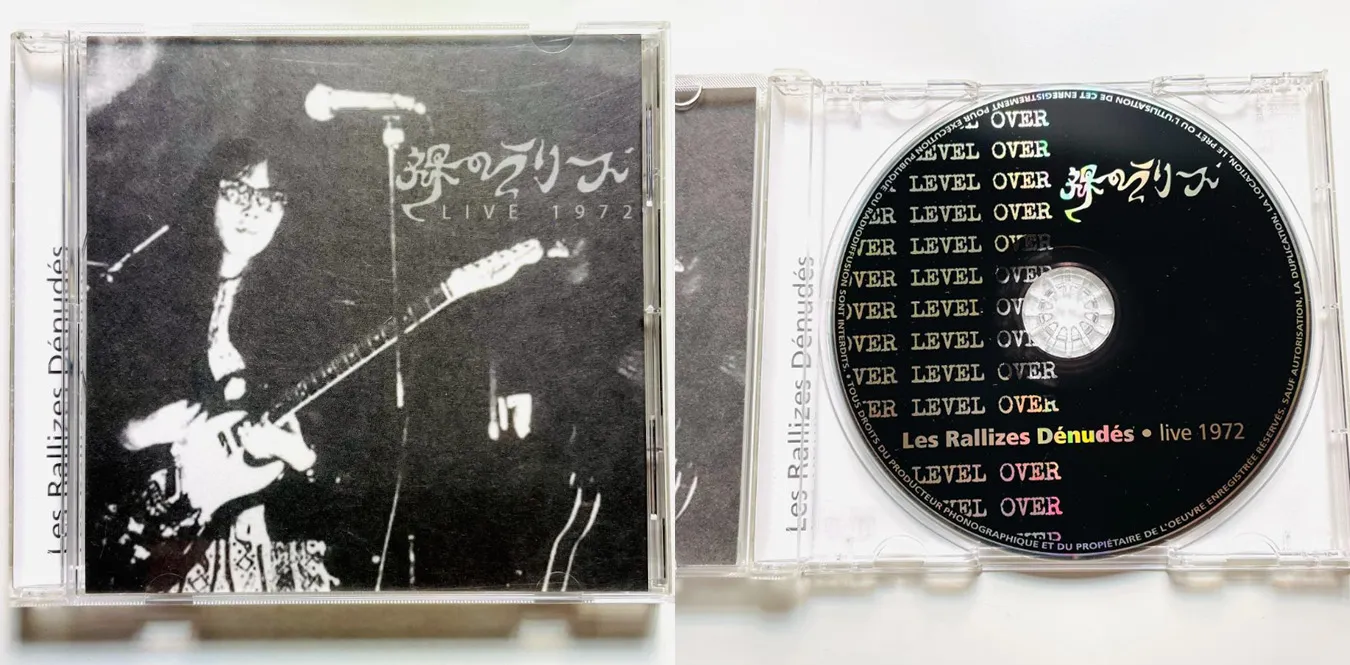
裸のラリーズ Les Rallizes Dénudés – Live 1972
裸のラリーズ (Les Rallizes Dénudés/Hadaka no rariizu)は、1967年に水谷孝を中心に京都で結成されたエクスペリメンタルノイズロック・サイケデリックロックバンド。1960年代から1990年代に活動した裸のラリーズは、国内外のノイズロックシーンに多大なる影響を与え、現在もカルト的人気を誇る。結成当時のメンバーは水谷孝、中村武志、若林盛亮。その他、山口冨士夫(元村八分、後にティアドロップス)、久保田麻琴などが一時在籍するなどメンバーは流動的。1996年を最後に活動を休止している。
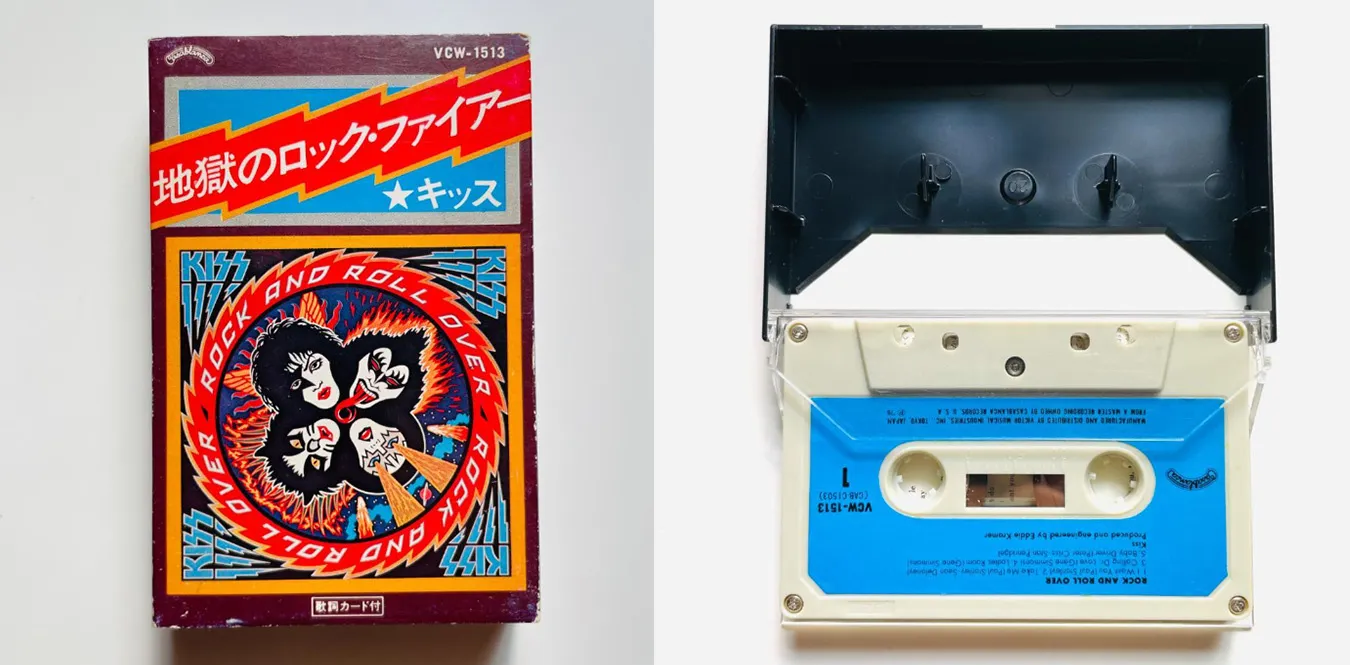
Kiss – Rock And Roll Over
A cassette tape of Kiss”s fifth studio album, ““Hell”s Rock Fire,’’ released by Casablanca in 1976. Domestic version (Japanese version).
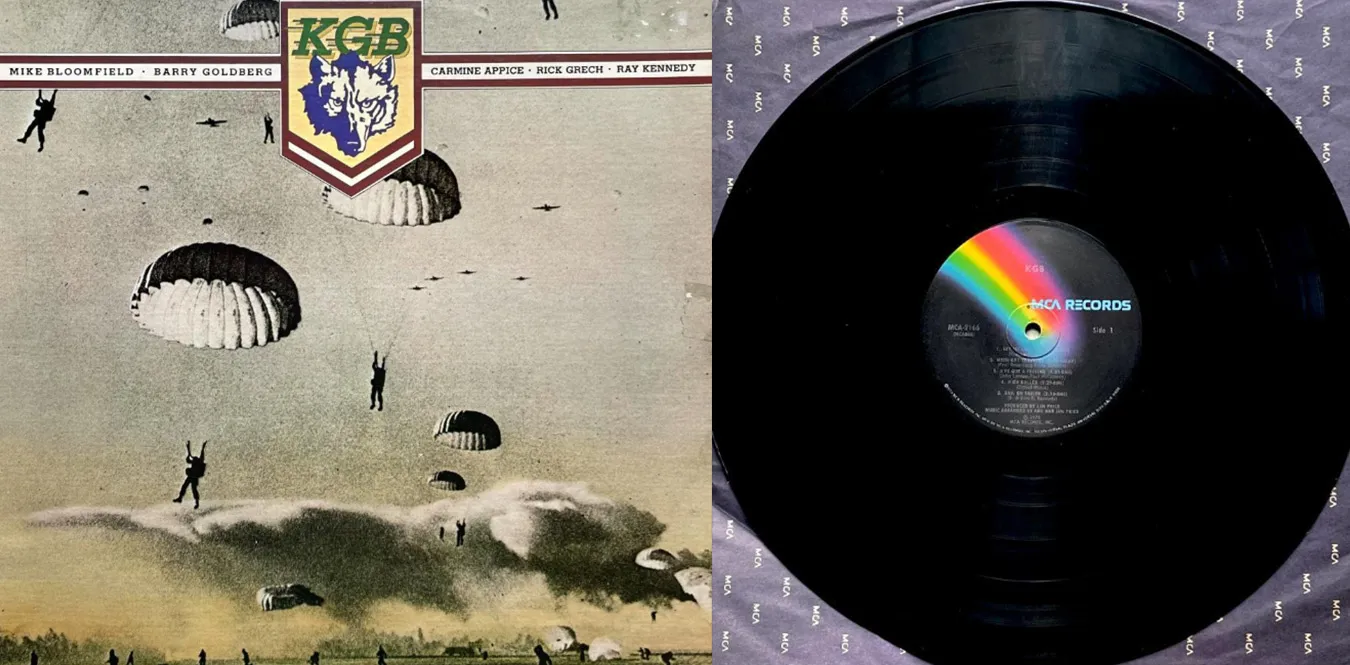
KGB – KGB
KGBは、アメリカとイギリスのミュージシャン、Ray Kennedy(レイ ケネディ)、Rick Grech(リック グレッチ)、Mike Bloomfield(マイク ブルームフィールド)、Carmine Appice (カーマイン アピス)、 Barry Goldberg(バリー ゴールドバーグ)が参加した、1970年代のブルースロックグループ。
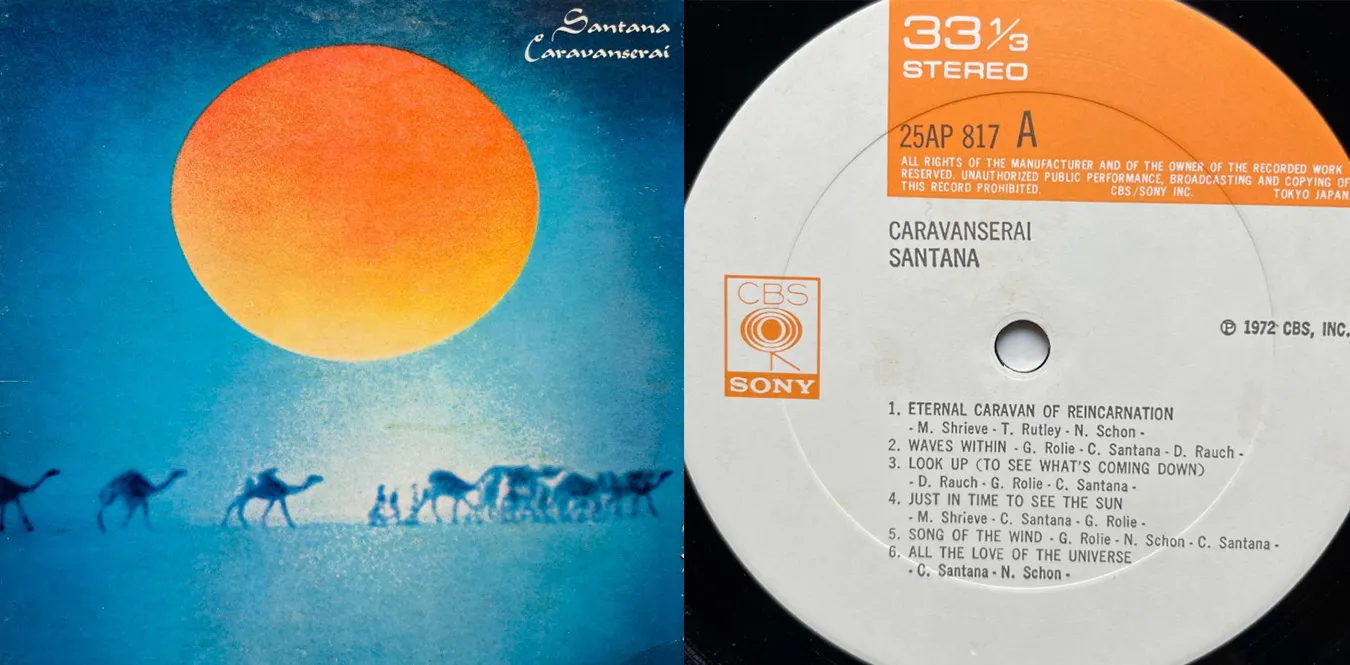
Santana – Caravanserai
サンタナは、ギタリストのカルロス・サンタナが率いる1960年代後半に結成されたアメリカのラテンロックグループ。
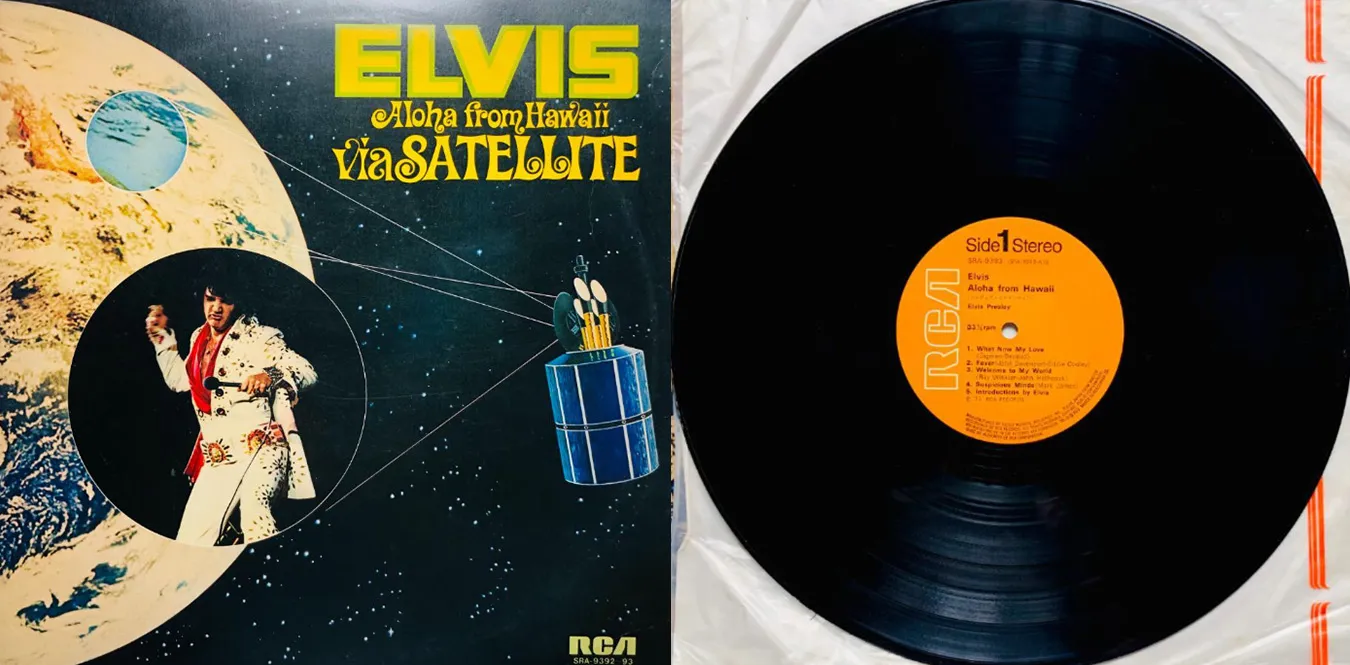
Elvis – Aloha From Hawaii Via Satellite
Elvis Presley(エルヴィス・プレスリー)の1973年ハワイ公演ライブアルバム - 日本独自編集盤です。