Prologue:P-Funkとは何か ― “ファンク”を越えた宇宙的文化革命
文:mmr|テーマ:現在のヒップホップ・R&B・エレクトロ・アート・ファッションの基層として今も息づくP-Funkの世界観について
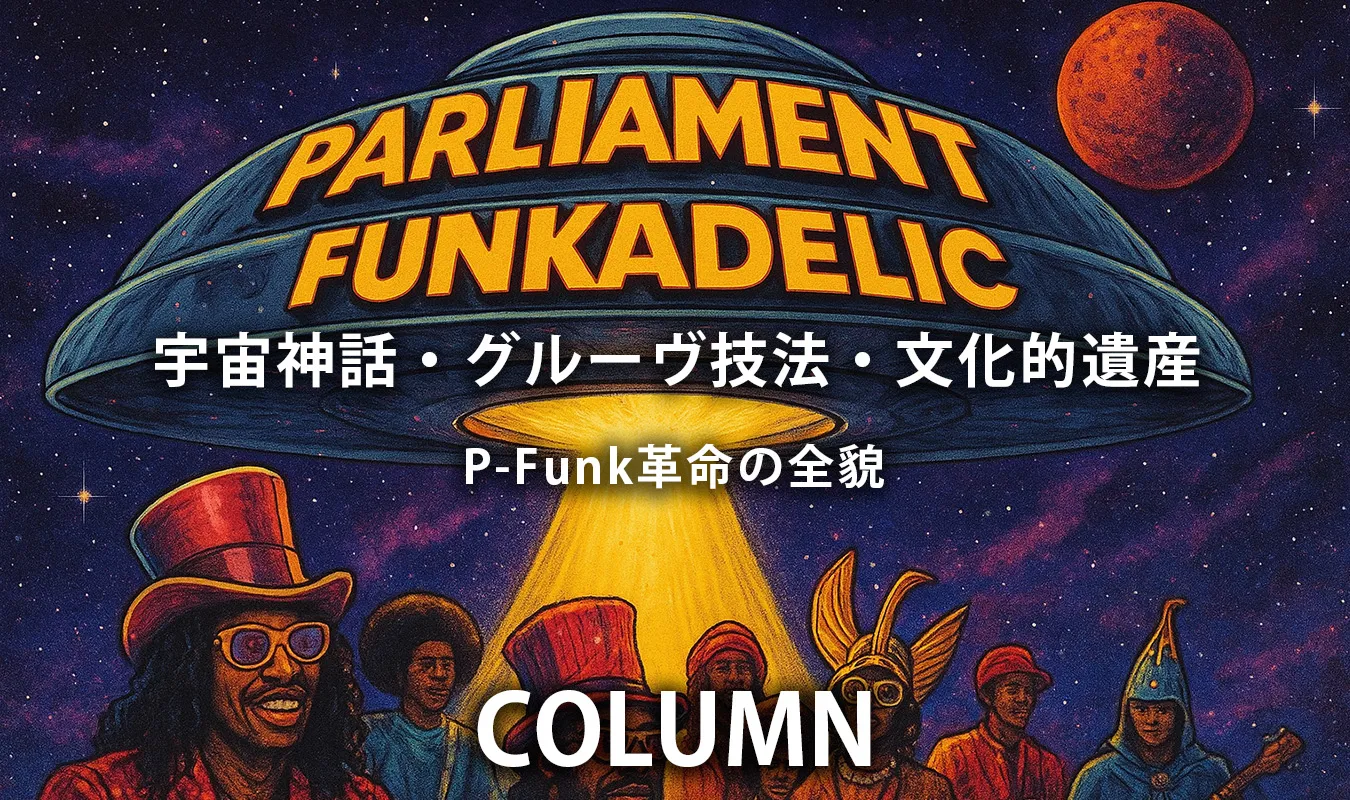
20世紀後半のアメリカ黒人音楽史の中で、もっとも壮大な神話性とサウンド革新を併せ持つ存在が Parliament / Funkadelic(通称 P-Funk) である。
ジョージ・クリントン率いるこの集合体は、単なるバンドを超え、多元宇宙的ストーリー、未来志向のテクノロジー感覚、そして 徹底的に肉体へ訴えるファンクの律動 を融合させた巨大プロジェクトであった。
P-Funkは次の3軸で理解すると明確になる。
- Parliament:ファンク・オペラ型の壮大なサウンド
- Funkadelic:サイケデリック・ロックとソウルの融合
- P-Funk集合体:ミュージシャン、衣裳、宇宙神話、ライブ演出などの総合芸術
本稿では、P-Funkの音楽的技法、文化的インパクト、年表、楽曲解析、そして後世への影響を大規模に整理する。
第1章:Parliament / Funkadelic の誕生 ― 1950〜70年代前半
■ ニュージャージーの床屋から始まった “ドゥーワップの夢”
P-Funkの起源は、1950年代後半、ジョージ・クリントンが働いていたニューアークの理髪店 “Plainfield Barber Shop”。
彼は顧客を待つ時間に仲間とハーモニーを合わせ、The Parliaments というドゥーワップ・グループを結成した。
当時の黒人青年の夢は「モータウン・サウンド」。
ジョージ・クリントンはスモーキー・ロビンソンのソングライティング技法を研究し、美しいコーラス+キャッチーなメロディ を基盤とした。
ミニ図解:The Parliaments → P-Funk の進化
(Doowop 1950s)"] --> B["Funkadelic
(Psychedelic Funk)"] A --> C["Parliament
(Funk Opera)"] B --> D["P-Funk Collective
総合プロジェクト"] C --> D
第2章:Funkadelic の登場 ― 黒人音楽のサイケデリック化(1968〜)
1968年、ジョージ・クリントンは “黒人のジミ・ヘンドリックス” を構想し、Funkadelic を始動。 ラリー・グラハムのスラップ以降、ファンクは急速にリズム主導へ向かったが、Funkadelic はさらに以下を融合させた。
● Funkadelic の音楽的特徴
- サイケロック的ギターの導入(エディ・ヘイゼル)
- ガレージ・ファンクの荒削りなビート
- 黒人教会のゴスペル的コール&レスポンス
- 政治批評性の強い歌詞
特に1971年の『Maggot Brain』は、エディ・ヘイゼルの10分超のギターソロが語り継がれ、 “黒人の悲しみと怒りの音楽的具現化” と称される。
第3章:Parliament の宇宙神話 ― P-Funk神話体系の構築(1974〜)
1970年代半ば、ジョージ・クリントンは Parliament 名義でブラック・サイエンス・フィクション を展開し始める。
■ Mothership Connection(1975)
- コンセプト:アフロフューチャリズム×ファンク
- テーマ:”宇宙から来た黒人のファンク救世主”
- ライブでは巨大宇宙船“Mothership”が降臨し、観客を熱狂させた。
ここに至り、P-Funkは以下の要素を全方位に強めた。
● P-Funk宇宙神話のキーワード
- Sir Nose D’Voidoffunk(ファンクを恐れる敵)
- Starchild(光の戦士)
- The Mothership(救済の象徴)
- Bop Gun(ファンクの武器)
これらのキャラクターは音楽・衣装・舞台演出・ライナー・アートワークに一体化し、 P-Funk=総合芸術としてのファンク神話 を完成させた。
第4章:音楽的技法の深層 ― P-Funkのサウンドはなぜ“宇宙的”なのか?
P-Funkの特徴は単なるグルーヴの強さではなく、その“構造的制御”にある。
■ 1. ブーツィー・コリンズによる「ゴムのようなベース」
- オクターブ跳ね
- レイドバックした裏ノリ
- シンコペーション多用
- DistortionとAuto-Wahの使用
■ 2. ドラムの「重力低めのグルーヴ」
ジェローム“ビッグフット”ブレイリーらのドラミングは以下の特徴を持つ。
- バスドラは最小限
- スネアは深めで後ろ寄り
- ハイハットはシャッフル気味
結果、ビートが「浮遊しながら前に進む」感覚になる。
■ 3. コーラス・アンサンブルのオペラ的分厚さ
- 5〜9名が常時重なる
- 声質の異なる複数シンガーを配置
- ゴスペル風応答
■ 4. ホーンのファンキーな“指示音”
- ジェームズ・ブラウン式の鋭いアクセント
- だがJBより遊びがあり、ユニゾンよりハーモニーが多い
■ 5. シンセサイザーの未来音
バーニー・ウォーレルのミニモーグは、黒人音楽に初めて“宇宙的電子音”を持ち込み、 ヒップホップ、G-funk、エレクトロの源流 となる。
第5章:名盤ガイド(詳細解説)
■ Funkadelic『Maggot Brain』(1971)
- 黒人ロックの最高峰
- タイトル曲は「泣くギター」と称される名演
- 社会的暗喩が強く、アートロック化したファンクの先駆
■ Parliament『Mothership Connection』(1975)
- P-Funk神話の中心作
- “Give Up the Funk”“Mothership Connection”など世界的ヒット
- ライブ演劇性が最大化
■ Funkadelic『One Nation Under a Groove』(1978)
- よりダンス性が高い
- 民族的融和と自由へのメッセージを掲げる
第6章:P-Funk集合体のメンバー構造(図解)
Producer / Concept] --> P1[Parliament] G --> P2[Funkadelic] G --> P3[Bootsy's Rubber Band] G --> P4[Parlet] G --> P5[Brides of Funkenstein] G --> P6[The Horny Horns] P2 --> E[Edie Hazel] P2 --> B1[Michael Hampton] P1 --> W[Bootsy Collins] P1 --> BW[ Bernie Worrell ]
第7章:社会・文化的影響 ― アフロフューチャリズムの中心へ
P-Funkは黒人文化に3つの大きなインパクトを残した。
■ (1) 黒人SF表現の拡大(アフロフューチャリズム)
Sun Ra と並び、P-Funkは黒人が未来を語る文化基盤を作った。
■ (2) ヒップホップを通じた再評価
特に以下のアーティストが大規模にサンプリング。
- Dr. Dre(G-Funk)
- Ice Cube
- Digital Underground
- Public Enemy
- De La Soul
■ (3) ファッション・アート・政治思想へ波及
- 多色髪、宇宙服、巨大ブーツ
- 宇宙神話を通じた反差別メッセージ
- ジョージ・クリントンは「解放のファンク哲学」を提示した
第8章:P-Funkの年表(詳細)
第9章:後世のアーティストとの接続
■ Dr. Dre(G-Funk)
- P-Funkのシンセとスネア配置を継承
- “Mothership Connection”をIce Cubeらがサンプリング
■ Prince
- 多重人格的キャラクター構築
- ライブ演劇・性表現・ジャンル横断性
■ Thundercat & Flying Lotus
- ベースの跳ね感、宇宙感の継承
- ThundercatはBootsyを直系の祖として語る
結語:P-Funkとは “黒人未来の巨大アーカイブ” である
ジョージ・クリントンは、単なるファンクのリーダーではない。 彼は、音楽・身体・宇宙・神話・社会批評 をまとめ上げる“文化設計者”だった。
P-Funkの世界観は、現在のヒップホップ・R&B・エレクトロ・アート・ファッションの基層として今も息づいている。 未来を語る黒人音楽の中心にP-Funkがいる限り、彼らの宇宙船“Mothership”は決して着陸しない。
付録:おすすめディスコグラフィ(入門から深掘りまで)
- Funkadelic 『Maggot Brain』
- Funkadelic 『Cosmic Slop』
- Parliament 『Mothership Connection』
- Parliament 『Funkentelechy vs. the Placebo Syndrome』
- Bootsy’s Rubber Band 『Stretchin’ Out in Bootsy’s Rubber Band』
付録:ライブ構成(1976 Mothership Tour 再現図)
(Horny Horns)"] Stage --> Vocals["Vocal Ensemble"] Stage --> Bootsy["Bootsy Collins
(Bass)"] Stage --> Bernie["Bernie Worrell
(Keyboards)"] Stage --> Guitar["Guitar Zone"] Stage --> Ship["Mothership
降臨ギミック"]
YouTube Podcast
※このPodcastは英語ですが、自動字幕・翻訳で視聴できます
Explore more like this
【コラム】 村八分(Murahachibu)と1970年代日本:逸脱する音、拒絶する社会
村八分(Murahachibu)とは何だったのか
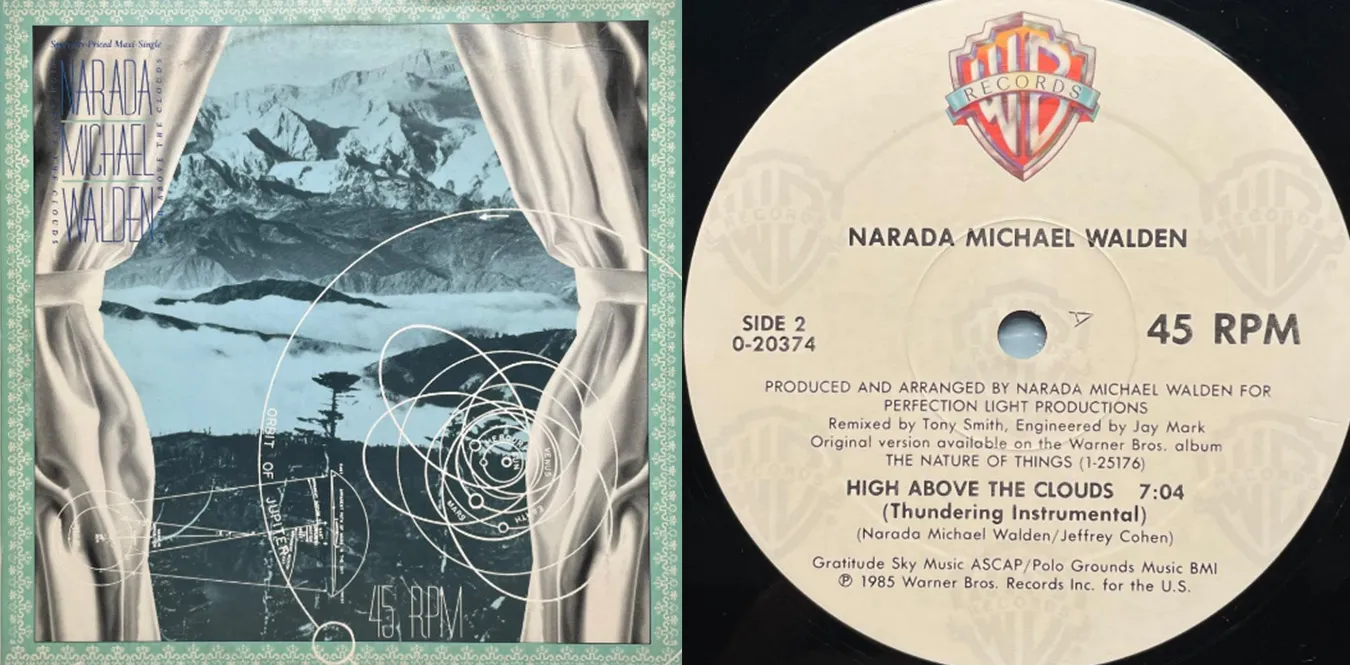
Narada Michael Walden – High Above The Clouds
Narada Michael Walden は、ドラマーとしてキャリアをスタートさせ、ジャズ・フュージョン・シーンで活躍し、ジョン・マクラフリン&マハヴィシュヌ・オーケストラ、チック・コリア、ジャコ・パストリアス、ジェフ・ベック、ウェイン・ショーター&ウェザー・リポートなどと共演した。
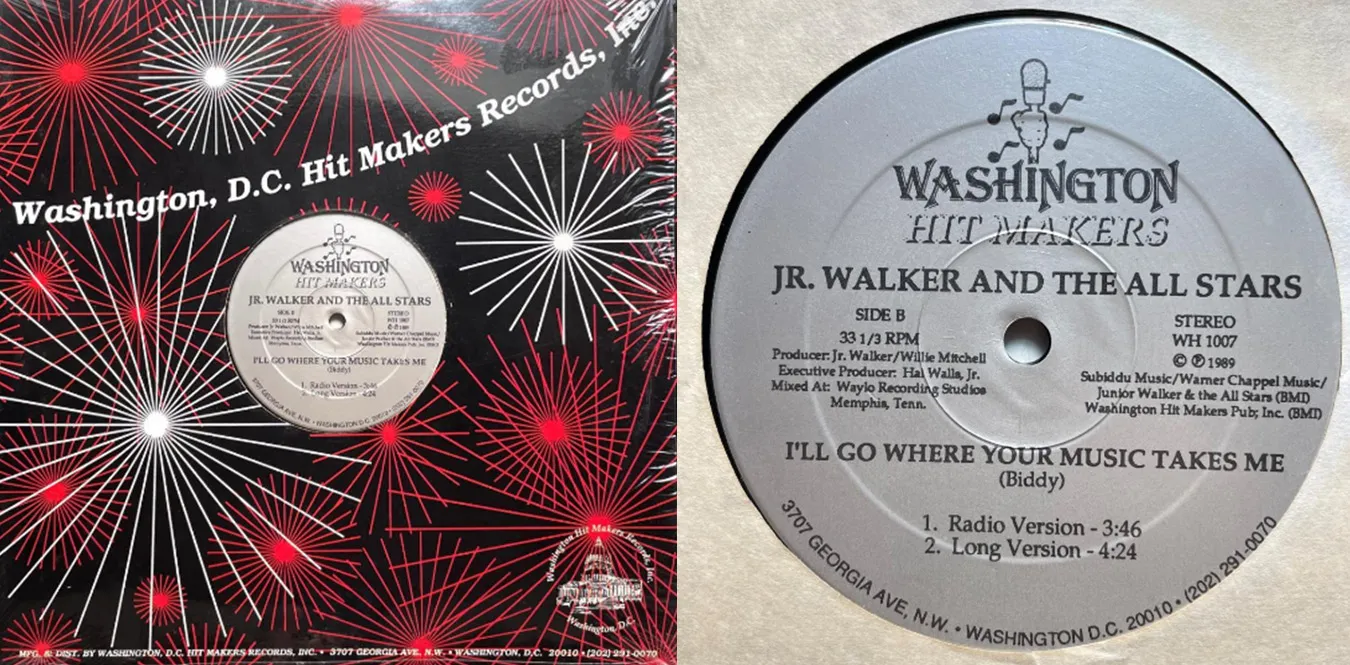
Jr. Walker And The All Stars – I'll Go Where Your Music Takes Me
Jr. Walker And The All Starsは、1960年代のモータウンのを代表するアメリカのR&B/ソウルのバンド。Junior Walker は、1980年代にはバンドForeforierでサックス奏者として演奏した。
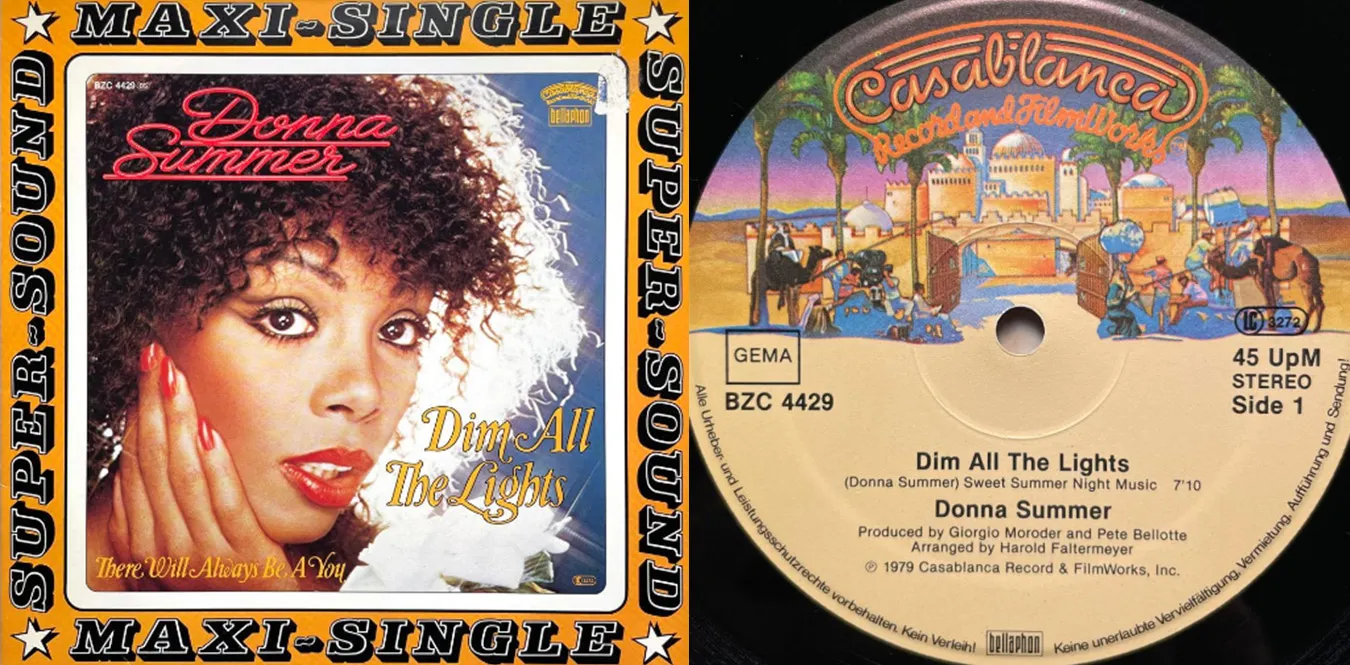
Donna Summer – Dim All The Lights
「Dim All The Lights 」は、1979 年にレーベルCasablancaからリリースされたDiscoトラック。
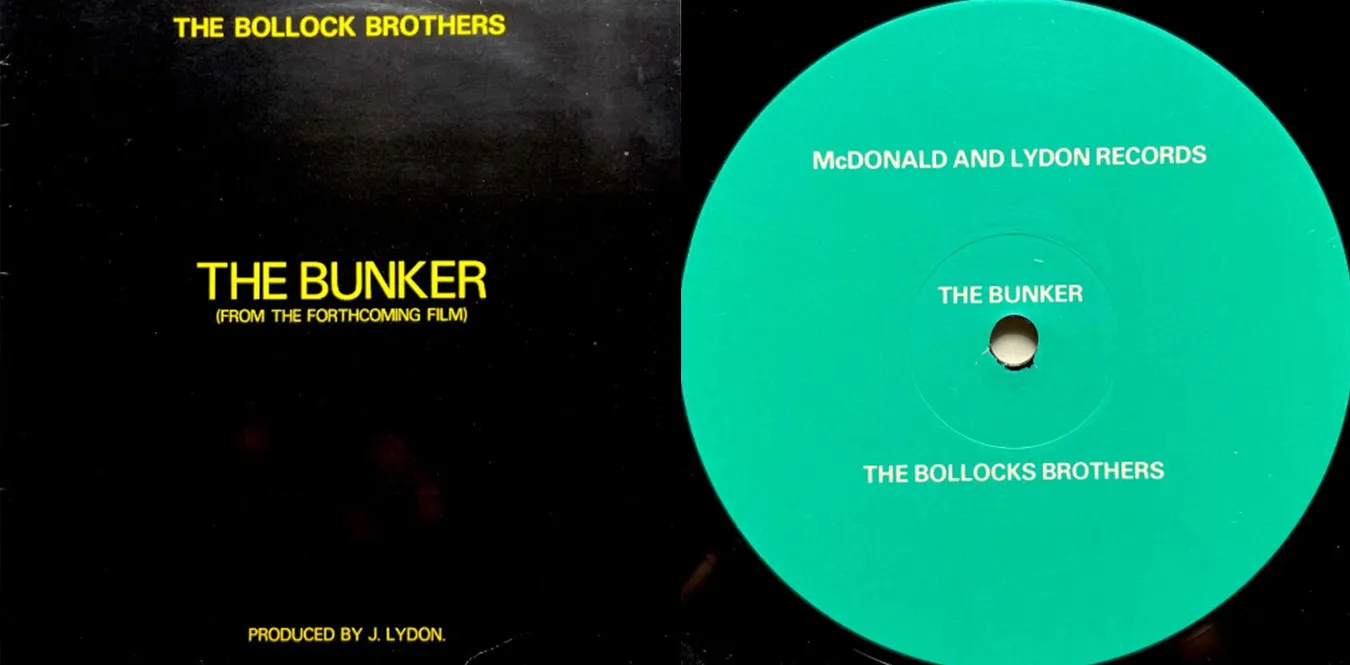
The Bollock Brothers – The Bunker (From The Forthcoming Film)
The Bollock Brothers(ボロック・ブラザーズ)は、ロンドンのプロモーター/ DJ /マネージャーであり、 4” Be 2”のメンバーだったJock McDonald(ジョック・マクドナルド)によって1979年に結成されたイギリスのPunk /New Waveバンド。
【コラム】 山下達郎:アナログの美学とデジタル移行後の音の変化
制作環境・機材・録音手法・スタジオ文化・媒体仕様
![[Column] Kronos Quartet: The trajectory of a string quartet that continues to innovate and take on challenges](/../assets/images/column-kronos-quartet.webp)
【コラム】 Penguin Cafe Orchestra ― アンビエントとフォークロアのあいだで響く架空の楽園
序章:世界のどこにもない“架空のカフェ”の残響
【コラム】 New Age Steppers:ポストパンクとダブの地層を繋ぎ直したアクション・レーベルの革命
Prologue: Destruction and Reconstruction of London in 1979–80
【コラム】 Toots and the Maytals — ライブが刻んだレゲエの魂
はじめに:レゲエ誕生とライブ文化の原点
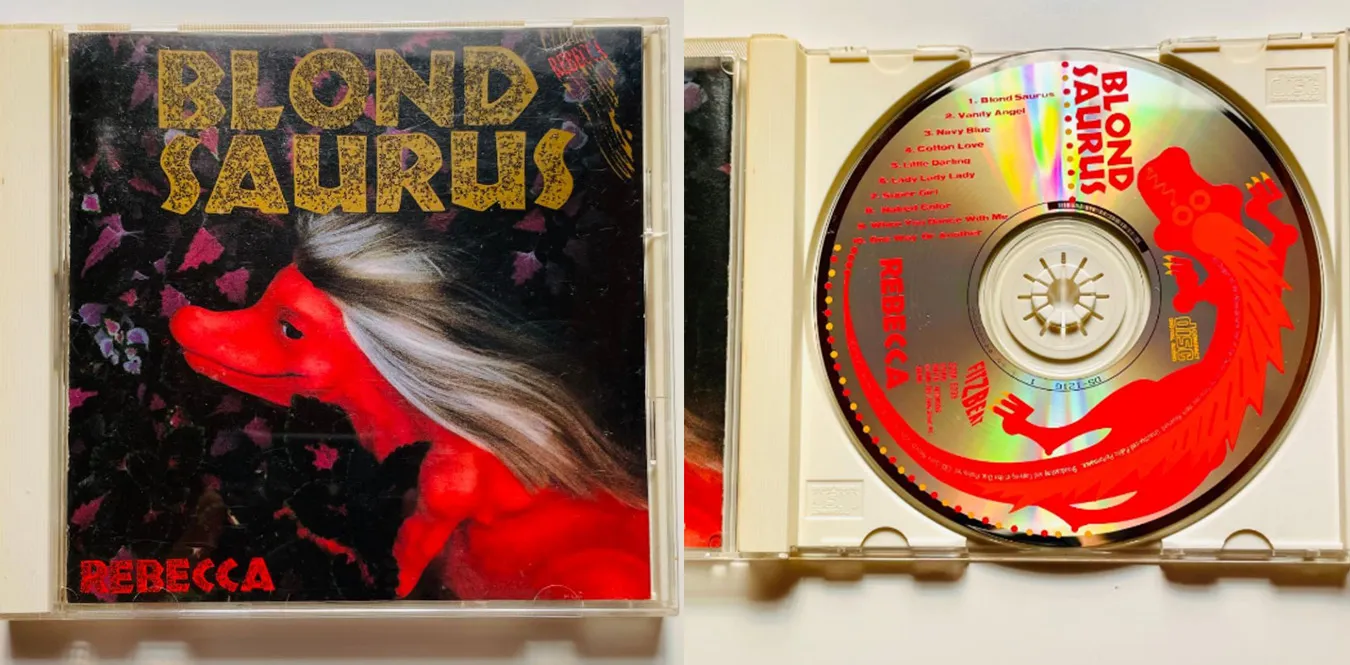
Rebecca – Blond Saurus
1989年にリリースされた「Blond Saurus」は、プロデューサーにフランソワ・カーボキャン(フランソワK)を迎えた、Rebecca(レベッカ)7枚目のアルバムであり、レベッカ最後のオリジナルアルバム。