[Column] The multi-layered structure of Tokyo sound - the sound culture of Shinjuku, Shibuya, Shimokitazawa, and Akihabara
Column en Culture Indies Jazz Rock Tokyo![[Column] The multi-layered structure of Tokyo sound - the sound culture of Shinjuku, Shibuya, Shimokitazawa, and Akihabara](/../assets/images/column-tokyo-sound-layers.webp)
Prologue: Strata of sounds made by cities
Text: mmr|Theme: Jazz in Shinjuku, club culture in Shibuya, indie music in Shimokitazawa, electronic music in Akihabara. Tracing the history and present of the multi-layered sounds produced in Tokyo.
東京という都市は、音によってその輪郭を変え続けてきた。
The sounds of trains, crowds, the hum of neon signs, street guitars, and underground beats.
それぞれの音が、異なる時代・異なる層を構成しながら共存している。
In this column, we will focus on four areas in Tokyo where musical cultures have intersected in particular: Shinjuku, Shibuya, Shimokitazawa, and Akihabara, and trace the changes in sound from the postwar period to the present day. It is not just a piece of local history, but a record of the city’s ““soundscape,’’ a mirror image of society mediated by music.
第1章:新宿 ― 混沌と自由のジャズ都市
1. 新宿ピットインと戦後ジャズの夜
1960年代後半、戦後の混乱から立ち上がった若者たちが集ったのは新宿の路地裏だった。
Many jazz cafes such as Pit Inn, DUG, and J were born, and sound became a symbol of freedom.
サックスが鳴り響く夜は、同時に政治の季節でもあり、ジャズは都市の怒りと解放を同時に鳴らしていた。
2. Intersection of rock and underground
Around the time when Shuji Terayama and Juro Kara were opening up the underground of Shinjuku through theater, Brain Police and RC Succession responded with rock. ライブハウス「LOFT」が1976年に誕生し、音楽の自由区としての新宿が確立する。
Chapter 2: Shibuya - Between the club and the street
1. 渋谷系という幻想
1990年代、渋谷は「世界とつながる音楽都市」として脚光を浴びた。
A network of sounds spreading from the 7th floor of Tower Records. Pizzicato Five, Cornelius, Kenji Ozawa.
The pop sensibilities imported from overseas were simultaneously redefined as Japanese cool.
2. The rise of club culture
Lined with clubs such as WOMB, Contact, and Vision, late at night Shibuya is filled with electronic pulses. A city where house, techno, and hip-hop intersect, melting the boundaries between information and body, digital and analog.
第3章:下北沢 ― インディペンデントの聖地
1. スタジオから始まる音楽の民主化
1980年代後半、小さなスタジオとライブハウスが点在する下北沢に、若者たちはギターを抱えて集まった。
“シモキタ”はインディーズの象徴となり、ナンバーガール、ASIAN KUNG-FU GENERATION、くるりなどが育った。
2. “Create your own music culture”
レコード会社を介さない自主制作、ZINE、SNS。
下北沢は音楽のDIY精神を受け継ぎながら、ライブハウス「BASEMENT BAR」や「SHELTER」を中心にいまも脈動している。
Chapter 4: Akihabara - Fusion of electronic sounds and otaku culture
1. From techno pop to anime song remix
1980年代のYMOが築いた電子音の系譜は、2000年代の秋葉原で再び進化する。
ゲーム音楽、ボーカロイド、チップチューン、アニソンリミックス――。
Although it is a melting pot of subculture, it has formed a new context that connects to the world’s electronic scene.
2. 秋葉原の音は「拡張現実」
「音楽」と「テクノロジー」が融合した街。ライブ配信、VTuber、AI音楽。
Akihabara is a ““futuristic pop testing ground,’’ and is evolving on a different timeline than other areas of Tokyo.
第5章:交差する東京のリズム
新宿の夜の即興、渋谷のビート、下北沢のバンドサウンド、秋葉原の電子音。
これらは独立した文脈を持ちながらも、いまや互いに交錯している。
A Shibuya-raised truck maker incorporates Akihabara aesthetics, while a Shimokitazawa singer quotes Shinjuku jazz rhythms.
**Tokyo’s sound exists as a “multilayered remix.” **
Chapter 6: Soundscape as urban memory
The sounds of the city disappear.
だが、それは同時に蓄積でもある。
The reverberations of rhythms left on the walls of old buildings, the floorboards of demolished live music venues, and broken speakers.
All of them make up the huge sound archive that is Tokyo.
Conclusion: Towards the future of music city Tokyo
Where will the next Tokyo sound come from?
AIが生成する音楽、仮想空間のクラブ、ストリートでの生演奏。
形は変わっても、「音で語る都市」という構造は変わらない。
The nights of Shinjuku, the clubs of Shibuya, and the cyberspace of Akihabara will continue to reverberate into the future as one “Tokyo beat.”
YouTube Podcast
*This podcast is in English, but you can watch it with automatic subtitles and translation.
Chronology: Changes in Tokyo Sound (1950–2025)
図解:東京音楽文化の多層構造
References/Discography
Explore more like this
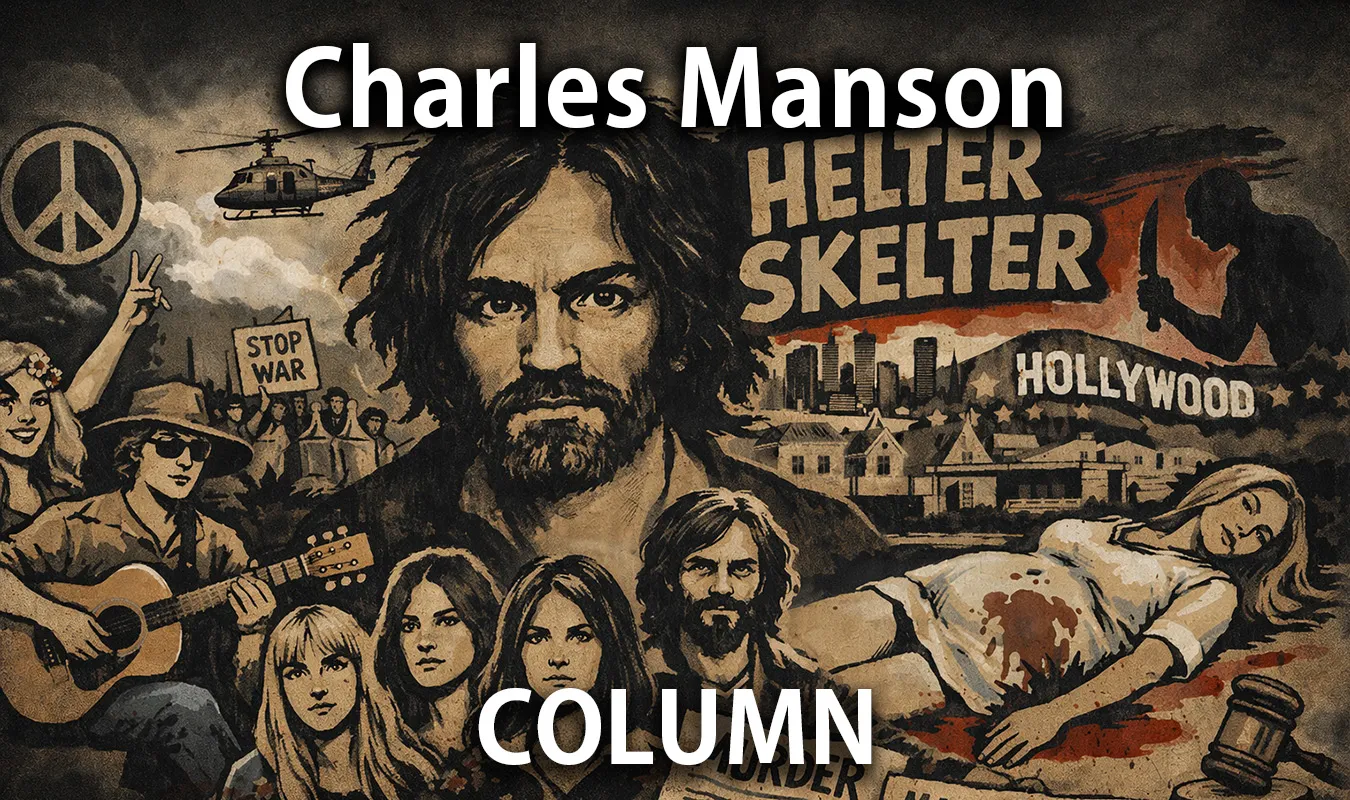
【コラム】 チャールズ・マンソンと1960年代――理想と崩壊の交差点
はじめに:理想の時代に潜んでいた影
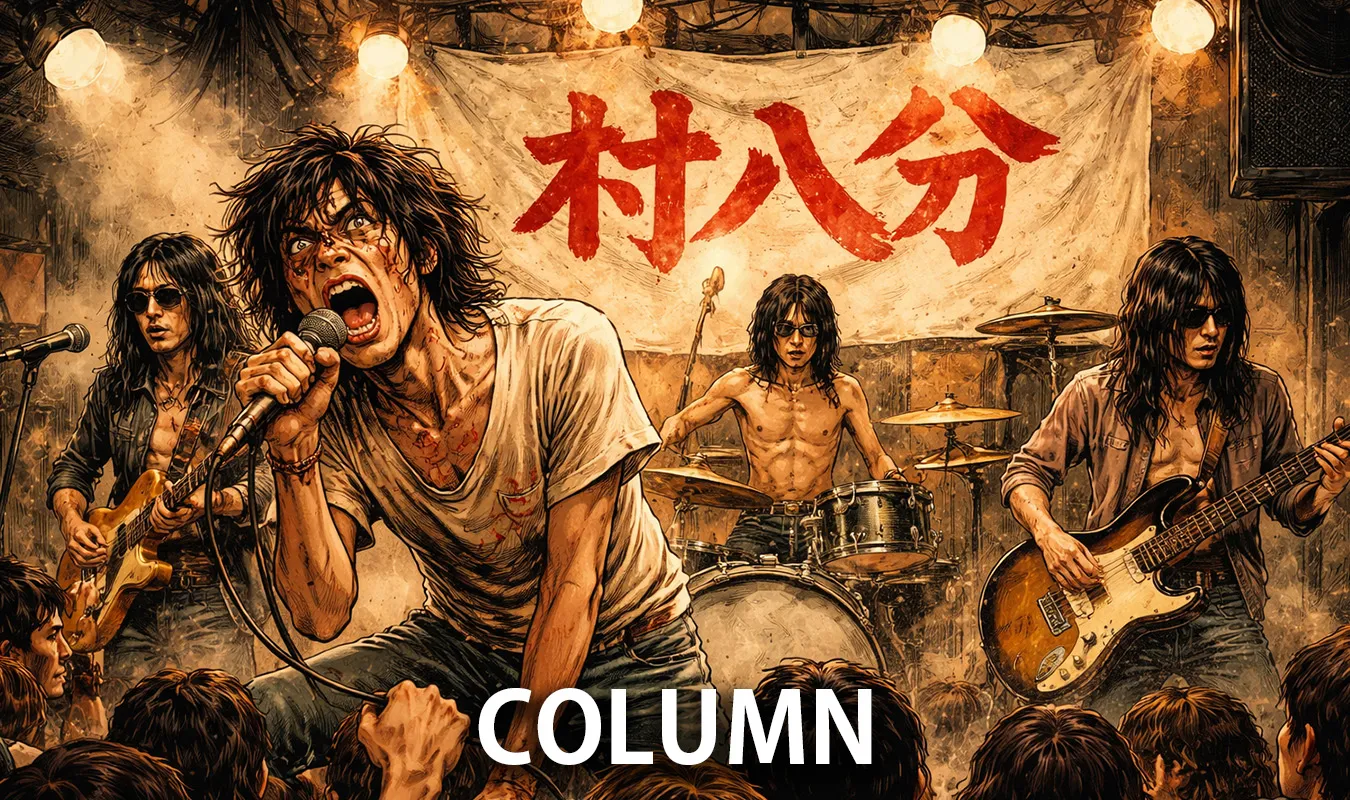
【コラム】 村八分(Murahachibu)と1970年代日本:逸脱する音、拒絶する社会
村八分(Murahachibu)とは何だったのか
【コラム】 感情や思想を直接伝える弦 — 世界と日本のギタリストたち
序章:ギターという“身体の記録装置”
【コラム】 リズムの革命児たち:世界と日本をつなぐドラマーのリズム最前線
世界と日本の鼓動:地上と地下をつなぐリズムたち — 沈黙と衝動、伝統と実験のあいだ —
【コラム】 低音の惑星:世界と日本のベーシスト文化史──地表の下で鳴る音
“音楽の魂は低音にある。”
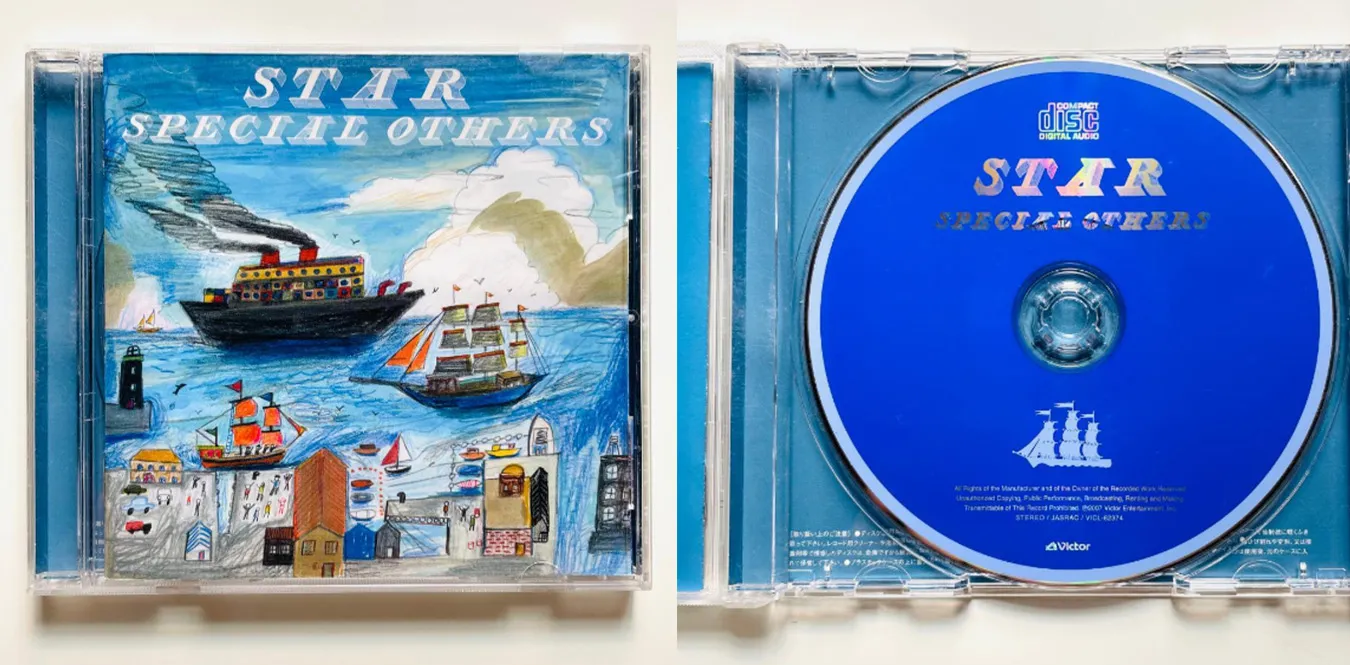
Special Others – Star
Special Others (スペシャルアザーズ)は、即興jazzとポストロックをミックスさせたスタイルが特徴の日本のジャムバンド。各メンバーには、アフロビートの創始者にして伝説のドラマーTony Allen(トニー・アレン)が付けたというミドルネームがある。
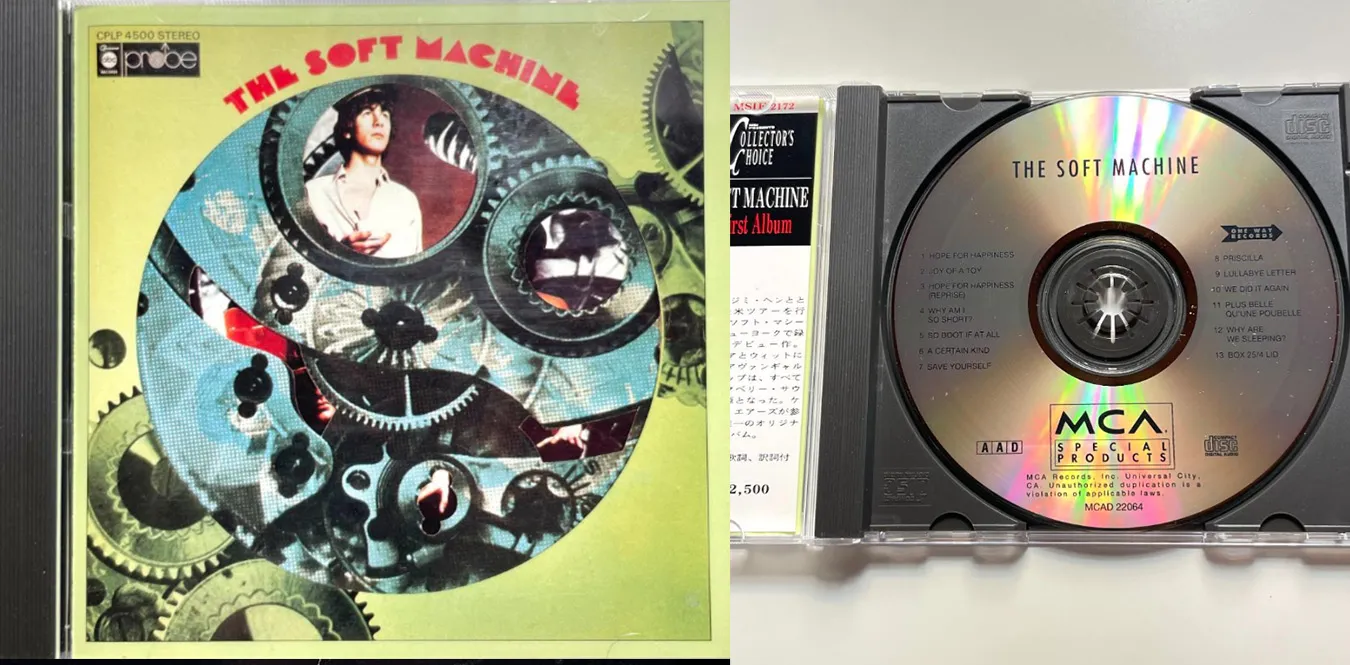
The Soft Machine – The Soft Machine
The Soft Machine(ソフト・マシーン)は、1966年半ばにマイク・ラトレッジ、ロバート・ワイアット、ケビン・エアーズ、デイヴィッド・アレン、ラリー・ナウリンによって結成されたカンタベリー出身のUKプログレッシヴジャズロックバンド。バンド名は、ウィリアム S. バロウズの小説「ソフトマシーン」にちなんで名付けられた。
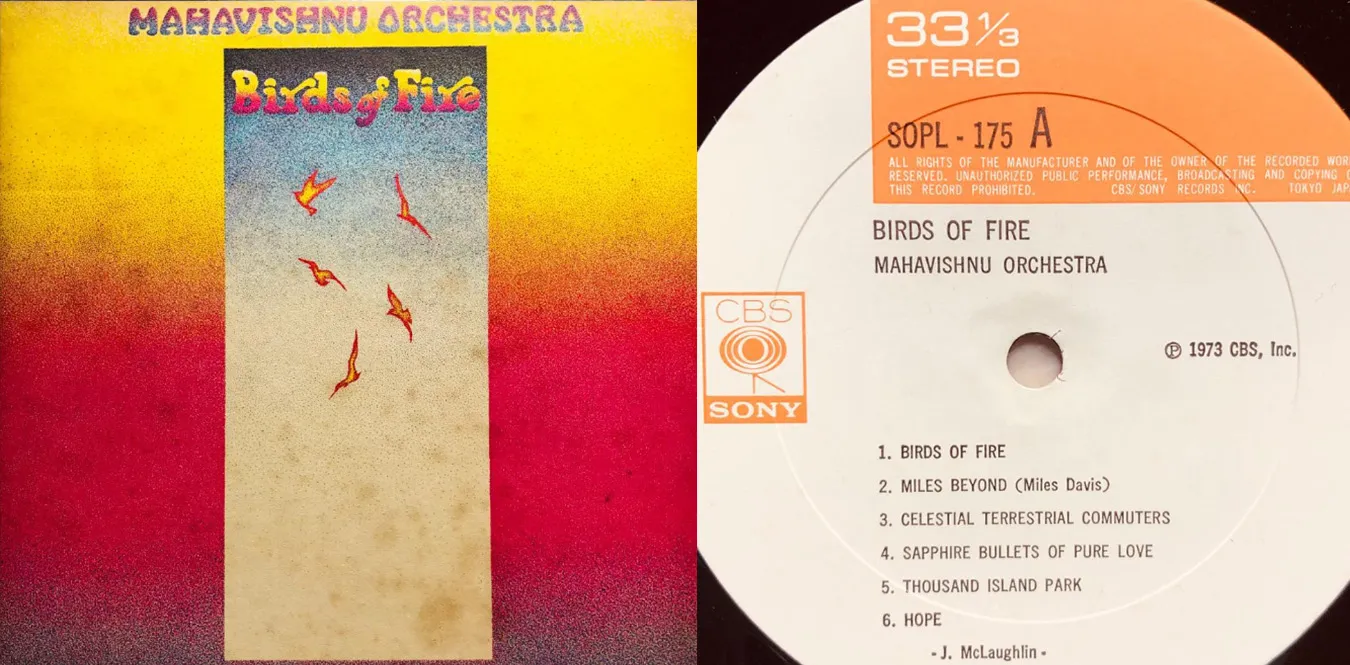
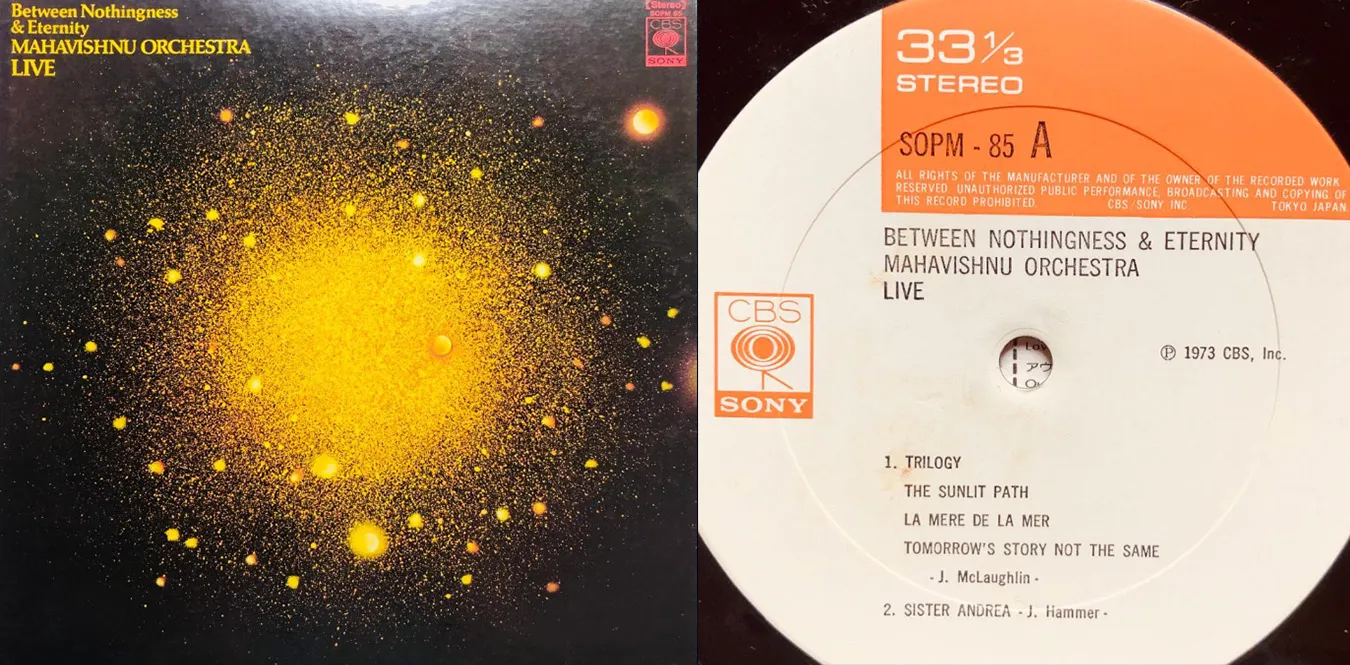
Mahavishnu Orchestra – Birds Of Fire
Mahavishnu Orchestra(マハヴィシュヌ・オーケストラ)は、1970年にイギリス人ギタリストJohn McLaughlin(ジョン・マクラフリン)によって結成されたフュージョン・ジャズ・ロックの草分け的バンド。