Birth of the concept of underground music
文:mmr|テーマ:インターネット、AI、コミュニティの変化の中で、地下音楽はどこへ向かうのか。その未来を歴史と現在の事実から読み解く。
地下音楽という言葉は、単なるジャンル名ではない。 それは流通、権力、メディア、コミュニティの外側にある音楽を指す文化的概念である。
1960年代のアメリカでは、主流メディアに載らないロック、ジャズ、フォークの動きを指して「underground」という言葉が使われ始めた。 とくにサンフランシスコやニューヨークでは、オルタナティブ新聞やアートシーンと結びつきながら、独自の文化圏が形成されていく。
地下音楽の特徴は三つある。
- 小さなコミュニティ
- 独立した流通
- 実験性
1970年代にはパンクがその象徴となった。 ロンドンやニューヨークのクラブでは、メジャーレーベルの外側でDIY精神による音楽制作が広がる。
1980年代になると、この地下文化はさらに電子音楽へと広がっていく。
シカゴではハウスが生まれ、デトロイトではテクノが誕生した。 これらの音楽は最初、商業音楽ではなく、クラブとコミュニティによって支えられていた。
地下音楽とは常に、小さな場所から始まる文化なのである。
地下音楽はジャンルではなく、主流の外側にある文化的な位置を示す言葉として生まれた。
クラブ文化が作った地下ネットワーク
地下音楽の最大のインフラは、クラブである。
In New York in the 1970s, disco clubs became testing grounds for new music. DJはレコードを繋ぎながら、新しい音楽の形を作り始める。
In the 1980s, Chicago’s Warehouse and Detroit clubs became centers of electronic music culture.
クラブは単なる音楽の場所ではない。
そこは
- 音楽が誕生する場所
- Where communities are formed
- 新しいサウンドがテストされる場所
It was.
1988年の英国ではアシッドハウス・ムーブメントが広がる。 このムーブメントは違法レイヴとともに拡大し、巨大な地下ネットワークを形成した。
Later, in the 1990s, genres such as jungle, drum and bass, and UK garage were born out of this club culture.
地下音楽の進化は、常にクラブという物理空間によって支えられてきた。
The Internet has changed underground music
In the 2000s, the structure of underground music changed significantly.
その理由はインターネットである。
MySpace、ブログ、フォーラムなどの登場によって、音楽の発見方法が変わった。
Once upon a time
- レコードショップ
- クラブ
- DJ
が音楽を広めていた。
しかしインターネットは、これを完全に変える。
2000年代後半にはブログハウスという現象が生まれる。 音楽ブログが新しいアーティストを発見し、瞬時に世界へ拡散する時代が始まった。
SoundCloudの登場も重要である。
このプラットフォームは、レーベルを通さずに音楽を公開できる仕組みを作った。
As a result, underground music is freed from geographical location.
ベルリン、ロンドン、東京のシーンは、インターネットによって互いに接続されていく。
The Internet has transformed underground music from a local culture to a global network.
ストリーミング時代の地下音楽
2010年代になると、音楽流通の中心はストリーミングへと移る。
Spotify、Apple Music、YouTubeなどのプラットフォームが音楽市場の中心となった。
この変化は地下音楽にも影響を与える。
ストリーミングは巨大なアクセスを生む一方で、アルゴリズムが音楽の可視性を決める構造を持つ。
つまり
アルゴリズムに載らない音楽は見つけられない。
この問題は地下音楽にとって大きな課題となった。
しかし同時に、Bandcampのようなプラットフォームが独立音楽の新しい拠点となる。
Bandcampでは
- アーティストが直接販売できる
- コミュニティが形成される
- 小規模レーベルが活動できる
という構造が生まれた。
これはレコード文化のデジタル版とも言える。
Even in the streaming era, underground music continues to create its own economic zone.
地下音楽の現在
The underground music of the 2020s exists in multiple places.
- Club
- Online
- Community
- アートシーン
これらが複雑に重なり合っている。
たとえば
- Bandcampコミュニティ
- SoundCloud Scene
- Discordコミュニティ
- local club
は同時に存在している。
パンデミックの時期にはクラブが閉鎖され、多くの音楽イベントがオンラインへ移行した。
この経験は、音楽コミュニティの形をさらに変化させた。
地下音楽は物理空間だけでなく、デジタル空間にも存在する文化になったのである。
現代の地下音楽は物理空間とインターネットの両方に存在する。
地下音楽の未来
地下音楽の未来は、いくつかの方向に向かっている。
第一に、コミュニティの小型化である。
巨大なシーンよりも、小さなコミュニティが多数存在する構造が広がっている。
第二に、ローカル文化の再評価である。
インターネットによって音楽が均質化する一方、地域文化への関心が高まっている。
第三に、新しいテクノロジーである。
AI、VR、リアルタイム配信などは、音楽体験の形を変える可能性がある。
ただし地下音楽の本質は変わらない。
それは主流の外側で生まれ、コミュニティによって支えられる文化である。
歴史を見れば、地下音楽は常に消えそうになりながらも再び現れてきた。
その理由は単純だ。
新しい音楽は、常に小さな場所から生まれるからである。
年表:地下音楽の歴史
| 年代 | 出来事 |
|---|---|
| 1960年代 | カウンターカルチャーと地下メディア |
| 1970年代 | パンクとDIY文化 |
| 1980年代 | ハウス、テクノ誕生 |
| 1990s | Rave culture and electronic music expansion |
| 2000年代 | MySpaceとブログ文化 |
| 2010s | Streaming and SoundCloud |
| 2020年代 | オンラインコミュニティとハイブリッド文化 |
地下音楽は技術や社会の変化とともに形を変えながら存続してきた文化である。
Explore more like this
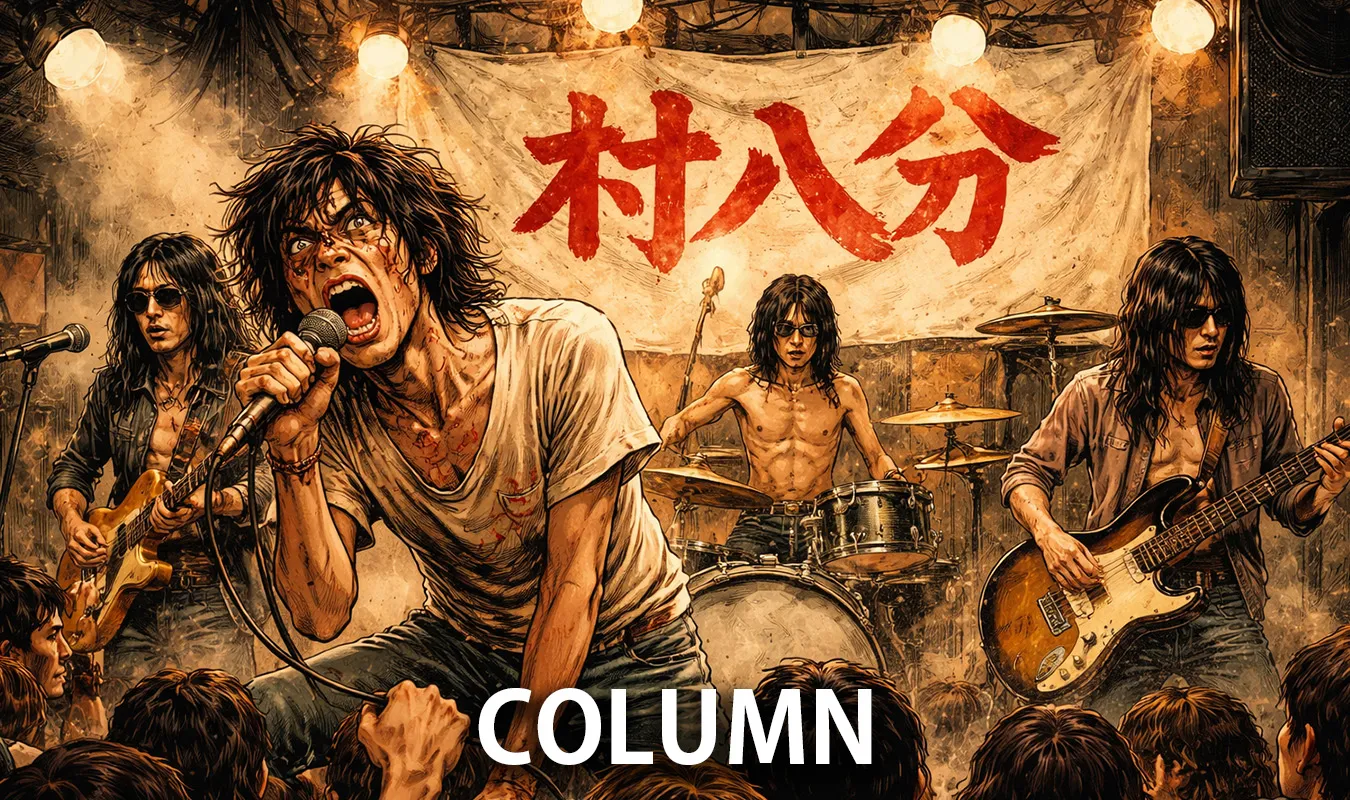
【コラム】 村八分(Murahachibu)と1970年代日本:逸脱する音、拒絶する社会
村八分(Murahachibu)とは何だったのか