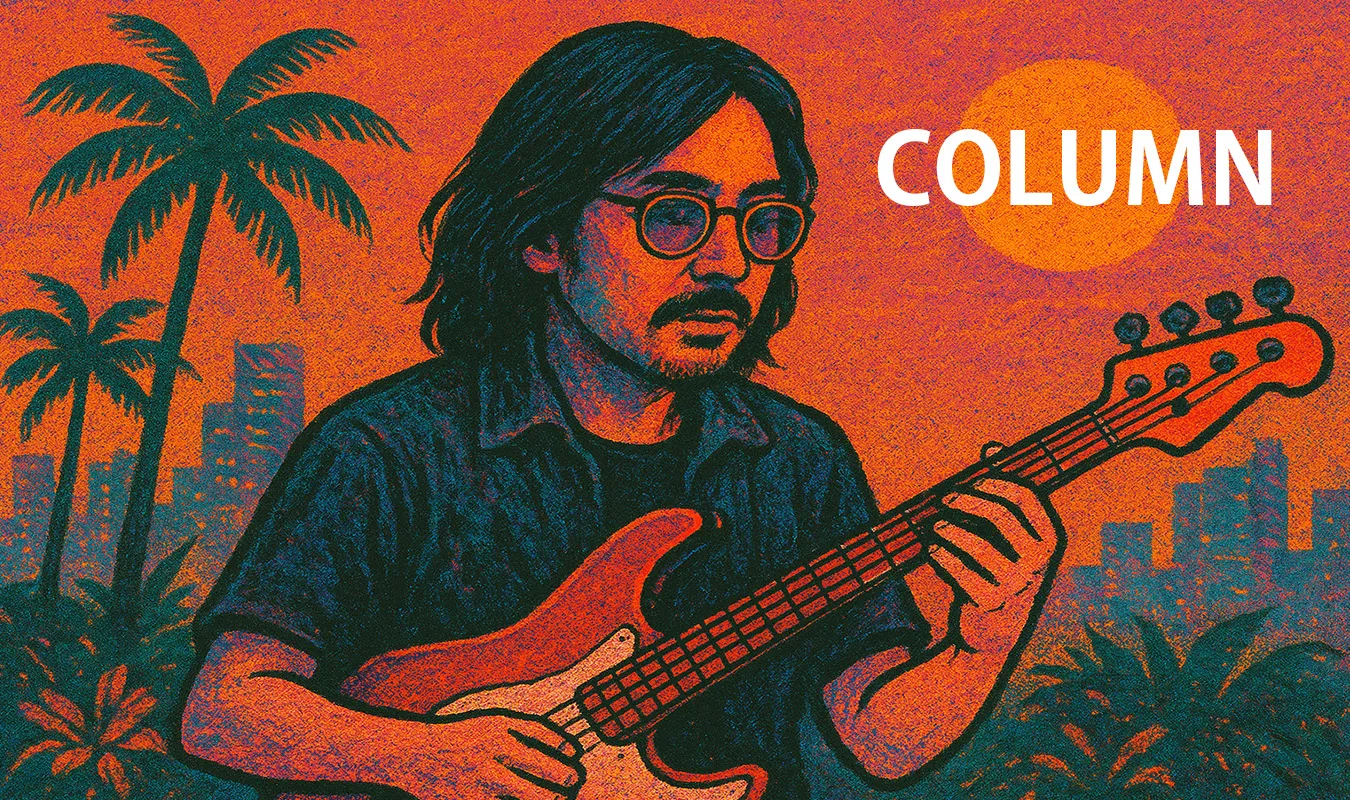
Quiet Revolutionary - Haruomi Hosono
文:mmr|テーマ:はっぴいえんどからYMO、そしてアンビエントまで——細野晴臣が描いてきた“音の風景”と文化的背景を時代ごとにたどる
日本のポップスを半世紀にわたり変革し続けた音楽家、細野晴臣。
From the late 1960s to the present, his music has carved out a unique horizon by ““shifting the era” rather than ““defining the era.”
多様な文化、ユーモア、郷愁、テクノロジー——そのすべてが細野の音の中に溶け込んでいる。
序章:エイプリルフール ― 前史的活動(1969)
代表作:『April Fool』 (1970, ソロ・プロジェクト)
A fusion of folk, psychedelic, and Beatles-style pop, expressing an urban sensibility with lyrics in Japanese and English. 細野の作曲・アレンジ・演奏が主体で、はっぴいえんどへの橋渡し的作品。
時代背景
Before the formation of Happy End, 1969–1970. A period of exploration of urban pop.
Production environment
Analog recording at home or in a small studio. Uses organ, guitar, and simple microphone.
Anecdote
A friend added sound effects and laughter to the tape recordings, and his sense of humor quickly developed.
Chapter 1: Happy End - Dawn of Japanese Rock (1969–1972)
代表作:『風街ろまん』(1971)
A monumental work that depicts the poetic atmosphere of the city of Tokyo in the context of rock for the first time.
細野はこの時期、ベースを担当しながら作曲面でも重要な役割を果たした。
Songs such as ““It’s Summer” and ““Gather the Wind” have an urban yet nostalgic sound.
Historical background
戦後の高度経済成長のただ中。
フォークやGSが隆盛するなか、“日本語ロック”という新しい表現の模索が始まる。
はっぴいえんどは「英語のまねではない日本語のリズム」を模索した最初のバンドだった。
制作環境
当時の録音は四谷・音響ハウスの前身的なスタジオ。アナログ・テープ録音、ヴィンテージ機材による温かい音。
Although influenced by American bands such as The Band and Buffalo Springfield, they put literary Japanese lyrics to the fore.
逸話
録音中、機材トラブルの多さに業を煮やした細野は「もう少し音が綺麗に録れる場所がほしい」と語っていたという。
その後、彼が自らの音響的理想を追う土台となった。
第2章:キャラメル・ママ ― 日本語ロックの夜明け(1973)
代表作
-
『Caramel Mama』 (1975)
フォーク・サイケデリック・ロックの要素を融合し、後のはっぴいえんどに直結する音楽性を示す。
Hosono participated on bass and keyboard, demonstrating his improvisational and arranging skills.
Historical background
国内でフォークやサイケデリックが注目され始め、都市型のロック文化が形成される過渡期。
Production environment
学内スタジオや友人宅での宅録。アコースティックとエレクトリックの融合を試みた。
逸話
ライブでは観客がステージに上がり即興演奏に参加するなど自由な空気があった。
その経験が後のトロピカル三部作やYMOのユーモア感覚につながる。
Chapter 3: Tin Pan Alley - Dawn of Japanese Rock (1974)
Masterpiece
-
『Tin Pan Alley』 (1977)
東京の学園祭やライブハウスで演奏された音源を中心に、ブルース、R&B、ビートルズ風ポップを日本語で消化。
細野はベースと作曲を担当し、初期の都会的センスを発揮。
Historical background
ビートルズやローリング・ストーンズの影響を受け、日本における都市型ポップ・ロックの萌芽期。
制作環境
Recording at on-campus studios and small live music venues. He also made simple recordings at home, which became the forerunner of the later home recording culture.
逸話
メンバー間で曲作りの試行錯誤が多く、即興演奏やリズム変化の実験も盛んだった。
第4章:トロピカル三部作 ― エキゾチシズムの探求(1973–1978)
Representative works:
- 『トロピカル・ダンディ』(1975)
- 『泰安洋行』(1976)
- 『はらいそ』(1978)
アジア、南洋、ラテン、ハワイ、そして日本。
During this period, Hosono did not try to imitate ““foreign countries,’’ but rather expressed the exoticism that Japanese people dreamed of.
It is characterized by a structure that resembles a fictional travelogue and a witty arrangement.
時代背景
オイルショック後の日本。海外旅行やエキゾチックな文化への憧れが膨らむ。
テレビや映画では“南国=癒し”という図式が広がり、音楽でも“架空のリゾート”がテーマ化されていった。
Production environment
Recorded at home/studio “HOSONO HOUSE” (Saitama, Sayama).
木造家屋の居間をそのままスタジオに改装し、アナログ・テープと簡易ミキサーで録音。
この宅録スタイルは、のちのシティポップや宅録文化の原点となる。
逸話
「HOSONO HOUSE」録音中、電源のブレーカーが何度も落ちたという。
Hosono is said to have laughed and continued recording, saying, ““The sound of electricity falling is part of the music.’’
This relaxed atmosphere is reflected in the warm, organic sound.
第5章:テクノポップ革命 ― YMOと電子の未来(1978–1983)
Representative works:
- Yellow Magic Orchestra “Solid State Survivor” (1979)
- 『BGM』(1981)
- 『Technodelic』(1981)
YMO (Yellow Magic Orchestra) is a revolutionary unit that spread the word techno pop around the world. As a leader, Hosono used rhythm machines and sequencers to fuse Asian humor and futuristic sounds.
時代背景
In the early 1980s, Japan reached the peak of its technological and economic growth. A time when the development of computers, video games, and electronic musical instruments were fused with music. YMO’s sound was a symbol of Japan as an electronic nation.
Production environment
Recording bases are “Alpha Studio” and “Shibaura Studio”. He used state-of-the-art equipment at the time, including the Roland MC-8, Prophet-5, and Fairlight CMI. A workflow that was ahead of its time, in which each member’s home studio is networked for production.
Anecdote
YMOの初期ライブでは、コンピューターの誤作動で曲が途中で止まることもしばしば。
The audience laughed, and so did the members. Hosono is said to have said, ““Machines are just like humans, and it’s interesting that they make mistakes.’’
Chapter 6: Pop in Silence - Ambient and Solo Work (1984–1990)
Representative works:
- 『Philharmony』(1982)
- “Omni Sight Seeing” (1989)
“Philharmony” is a masterpiece recorded at home, making full use of sampling and synthesizers. On the other hand, ““Omni Sight Seeing” combines elements of ethnic music and environmental sounds, depicting the culmination of a ““sonic journey”.
Historical background
Japan during the bubble economy. In the midst of a culture of excessive consumption, Hosono’s music, on the contrary, is oriented toward ““silence” and ““space.” Around the world, Brian Eno, Jon Hassell, and others were advocating ambient music, and Hosono was in line with that trend.
Production environment
Home studio in Nishiazabu, Tokyo. Focusing on digital equipment from Roland and Yamaha,
“テープの断片”や“環境音”を織り交ぜる実験的プロセス。
リビングルームを録音ブースとして使い、家具の反響までも音の一部にした。
Anecdote
In the recording of ““Philharmony,” it is said that he used the sound of a cat’s cry, which he happened to hear, as a ““sound material.” 細野は「音楽は偶然と暮らすもの」と冗談めかして述べた。
第7章:風景の音楽 ― サウンドトラックと環境音(1990–2000)
代表作:
- “Night on the Galactic Railway” (1985)
- “Minima Moralia” (1986)
- “N.D.E.” (1995)
It was a time when he worked on music for a wide variety of media, including animation, movies, and commercials. 『銀河鉄道の夜』では、宮沢賢治の幻想文学を音で翻訳するような繊細な作曲が光る。
Historical background
After the bursting of the bubble economy, Japan’s values have been shaken.
「癒し」「環境」「ノスタルジー」というキーワードが文化の中心に現れ始めた。
Hosono’s music is quiet and full of deep reverberations, as if anticipating that atmosphere.
制作環境
He simplified the equipment he built during his time at YMO and created a minimalist production environment at home. DAT録音や早期デジタルミキシングを試行。ミュージシャンというより“音響作家”の域へ。
Anecdote
During the production of ““Night on the Galaxy Express’’, environmental sounds were recorded next to the railroad tracks at night in order to reproduce the acoustics. その音が最終トラックにも微かに残っている。
Chapter 8: Country and Folk Songs - Sounds of Land and Memory (2000–2015)
Representative works:
- “HoSoNoVa” (2011)
- “Heavenly Music” (2013)
Reconstructing postwar Japanese radio culture and early Showa era swing. They delivered the sound of a “nostalgic future” to the ears of the digital generation.
Historical background
After the earthquake and economic stagnation, Japanese society began to seek a “local” and “return to the spirit.” 細野はその流れを音で体現し、「郷愁は未来を照らす」と語っている。
制作環境
中目黒に設けたプライベート・スタジオ「Daisyworld Studio」。
Uses vintage microphone, tape echo, and upright piano.
録音中、空調を切って“音の呼吸”を大切にしたという。
Anecdote
When the engineer stopped mixing during the recording of “HoSoNoVa”, Hosono reportedly said, ““I like how the sound is resting.’’ You can get a glimpse of his unusual attention to the “space” of sound.
Chapter 9: “Hosono-ism” in the digital age – From Quiet Logic to the present day (2015–)
Representative works:
- “Quiet Logic” (2024)
- 『Vu Jà Dé』(2018)
AIやストリーミングの時代にあって、細野は“静けさ”を再びテーマに掲げる。
電子音と自然音の境界が溶けるような作品群は、若い世代のアーティストにも強い影響を与えている。
Historical background
パンデミック以降の孤独とデジタル化の加速。
Hosono’s sound is being reevaluated as an act that restores ““listening,” ““tranquility,” and ““humanity.’’
Production environment
ほぼ全編を宅録で制作。DAWとハード機材を柔軟に使い分け、
A modern workflow that allows data sharing with overseas musicians via online.
Anecdote
When recording, he often records without adding a “click” sound. ““Fluctuations in tempo are proof that humans are breathing,’’ he is quoted as saying.
終章:音の余白に宿るユーモアと孤独
細野晴臣の音楽は、常に“間”と“軽やかさ”に満ちている。
It”s a sense of distance, as if you”re at the center of culture, yet looking at it from somewhere far away.
音楽の形が変わり続ける時代に、彼はなお“音の静けさ”を信じている。
YouTube Podcast
※このPodcastは英語ですが、自動字幕・翻訳で視聴できます
参考文献・リンク
- Haruomi Hosono Official Site
- YMO Official
- 書籍:『HOSONO百景』
- Interview collection: [“Haruomi Hosono and his era” (Bungei Shunju)] (https://amzn.to/4pUbLbv)
- 映像:『NO SMOKING』(2019, 佐渡岳利監督)
Explore more like this
![[Column] The 100 most influential albums in music history: A new history of music reconstructed solely by the degree of influence on modern music (Part 4, 31-40: The golden age of hip-hop and the leap forward of modern black music)](/../assets/images/column-influential-album-04.webp)

【コラム】 ダブ(DUB)音楽の誕生と拡張宇宙 ― 音響の再構築から始まった革命
序章:音の「残響」から生まれた革命
【コラム】 DEVOとエナジードーム ─ テクノロジー時代のユートピアと退化論
序章:赤いドームの意味とは

【コラム】 Reconditeと森林浴 ― テクノが森に帰るとき
序章:森に沈むビート
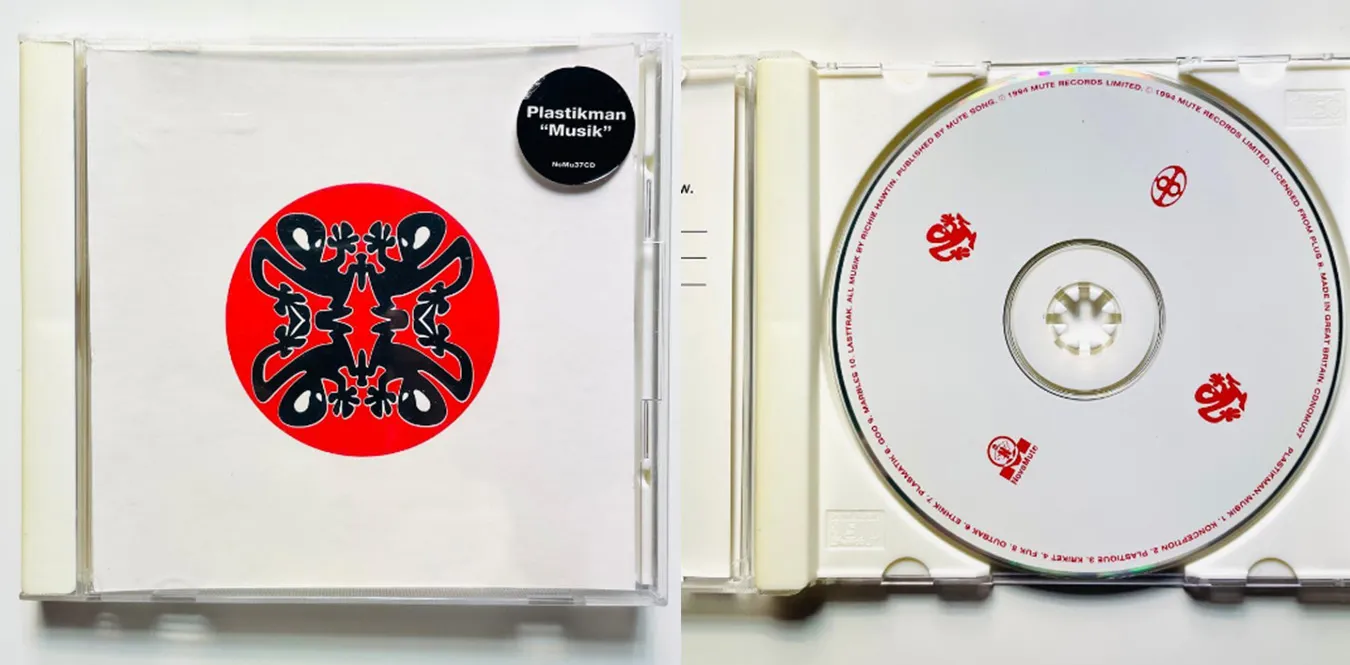
Plastikman – Musik
Richie Hawtin (リッチー・ホゥティン)の別名義Plastikman(プラスティックマン)として1994年にレーベルNovaMuteからリリースしたアルバム。Richie Hawtinとしては3枚目、Plastikman名義では2枚目のスタジオアルバムとなる。

【コラム】 ススム・ヨコタ — 静寂の中の宇宙:電子音が描く魂の風景
第1章:電子音楽と日本 — 横田進の位置づけ
【コラム】 Wrong Way Up と『The Beach』——ユートピアの残響と文明の裏面
序章:南へ向かう者たち — 現代の“楽園”幻想