【コラム】 音楽史上最も影響力のあった100枚:現代音楽への影響度だけで再構築する新しい音楽史(第10回・91〜100:電子音楽の社会的定着とポストクラブ時代)
Column en Ambient Dub Techno
第10回(91位)
Rhythm & Stealth
“The moment breakbeat evolved into a sophisticated urban groove”
Released in 1999, Rhythm & Stealth is a historical work in which Leftfield advancedly fused breakbeat, dub, house, and techno, and matured electronic music into a sophisticated sound that coexists with ““physicality” and ““intellect.”
1995年の『Leftism』(70位)は、クラブ・ミュージックをアルバム芸術へ押し上げた記念碑だった。
そして4年後の『Rhythm & Stealth』では、その思想がさらに洗練される。
ここにはデビュー作の荒々しさはない。
代わりにあるのは、
精密に構築されたリズム。
巨大な低音。
極限まで整理された音場。
電子音楽はここで、「力強さ」と「美しさ」を同時に成立させる段階へ到達した。
ブレイクビートの成熟
1990年代後半、英国ではブレイクビートは爆発的な人気を獲得していた。
しかし、その多くは派手さや勢いを競う方向へ進んでいた。
Leftfieldは違った。
彼らは音数を増やすのではなく、
一つひとつの音を磨き上げる。
kick.
ベース。
percussion.
reverberation.
すべてが精密に配置され、一つの立体空間を形成する。
ブレイクビートはここで、クラブの熱狂だけでなく、リスニング作品としての完成度も獲得した。
ダブという思想の深化
Leftfieldは一貫してダブ・ミュージックから多くを学んできた。
『Rhythm & Stealth』では、その影響がさらに洗練される。
重く沈むベース。
Reverberation with depth.
静かな余白。
音を増やすことで迫力を作るのではない。
空間を設計することで圧倒的な存在感を生み出す。
この発想は後のミニマル・ハウスやテクノ、UKベース・ミュージックにも大きな影響を与えた。
Bridge to 2000s club sound
『Rhythm & Stealth』は、2000年代の英国クラブ・ミュージックへ直接つながる作品でもある。
洗練された低音設計。
明瞭なミックス。
複雑でありながら踊れるリズム。
このバランス感覚は、
James Holden、
Sasha & Digweed周辺、
Progressive Breaks、
さらにはUK Bassシーンにも継承されていく。
派手さではなく完成度。
それが本作の最大の功績だった。
Leftfieldという完成形
『Leftism』が可能性を提示した作品なら、
『Rhythm & Stealth』はその完成形である。
Electronic music doesn’t necessarily have to be avant-garde.
クラブと家庭。
ダンスと鑑賞。
肉体と知性。
そのすべてを高い次元で統合したアルバムは、現在でも決して多くない。
『Rhythm & Stealth』は、その数少ない成功例の一つである。
なぜ91位なのか
『Rhythm & Stealth』は、ブレイクビートとダブを極めて洗練されたプロダクションへ昇華し、1990年代英国クラブ・ミュージックの成熟を象徴する重要作品である。
その影響はプログレッシブ・ブレイクス、UKベース、現代クラブ・プロダクションにまで及び、「音響としてのクラブ・ミュージック」という価値観を定着させた。
In this ranking, ““Leftism’’ (70th place) is ranked 91st because it ranks high in terms of historical innovation. However, this work should be highly praised as a work that further refines that idea and shows the level of perfection that electronic music production can reach.
「『Rhythm & Stealth』はブレイクビートを洗練された音響芸術へ成熟させ、1990年代英国クラブ・ミュージックの完成形を提示した。その歴史的意義により本ランキング第91位に位置付ける。」
第10回(92位)
The Campfire Headphase
「エレクトロニカが“自然”と共存する音楽になった瞬間」
2005年に発表された『The Campfire Headphase』は、Boards of Canadaが電子音楽とアコースティック・サウンドを融合し、「自然と機械は対立しない」という新しい美学を提示した歴史的作品である。
1998年の『Music Has the Right to Children』(21位)は、記憶や郷愁を電子音楽へ持ち込んだ歴史的傑作だった。
しかし『The Campfire Headphase』では、その世界観はさらに広がる。
森。
wind.
trees.
acoustic guitar.
柔らかなシンセサイザー。
Electronic music moves away from cities and begins to depict natural landscapes.
ここで機械は人工物ではなく、自然の一部として響くようになった。
エレクトロニカの成熟
2000年代初頭になると、電子音楽はクラブだけの文化ではなくなる。
家庭。
映画。
美術館。
カフェ。
インターネット。
音楽が流れる場所そのものが多様化していく。
Boards of Canadaは、その変化を象徴する存在だった。
ビートは控えめ。
旋律は穏やか。
空気感が何より重要になる。
電子音楽はここで、「生活空間の音楽」という新しい役割を獲得したのである。
Fusion with acoustic
The guitar plays a very important role in this work.
しかし、それはロックへの回帰ではない。
guitars and synthesizers,
同じ音響素材として扱われる。
Live instruments and electronic sounds.
analog and digital.
The boundaries become completely blurred.
This had a great influence on later folktronica and ambient folk.
「郷愁」のアップデート
Boards of Canada has always been about nostalgia.
しかし『The Campfire Headphase』では、それは単なる過去への憧れではない。
自然との距離。
失われつつある風景。
デジタル社会の中で忘れられていく感覚。
そうした現代人の心象風景が、静かなサウンドとして描かれる。
この「静かな郷愁」は、21世紀のアンビエントやインディー・エレクトロニカに大きな影響を与えた。
デジタル時代のオーガニック・サウンド
2000年代以降、多くの電子音楽家が「温かさ」を求めるようになる。
Tycho。
Bibio。
Helios.
Ulrich Schnauss.
Bonobo.
彼らの作品には、『The Campfire Headphase』が示した「自然と電子音の融合」という思想が色濃く受け継がれている。
電子音楽は未来だけを描くものではない。
自然や記憶、人間らしさを描くこともできる。
本作は、そのことを静かに証明した。
Why is it ranked 92nd?
"”The Campfire Headphase’’ is an important work that naturally fuses electronic music and acoustic sounds, showing the direction of folktronica and contemporary ambient.
その影響はインディー・エレクトロニカ、映画音楽、環境音楽にまで及び、「オーガニックな電子音楽」という新しい価値観を広く浸透させた。
本ランキングでは、『Music Has the Right to Children』(21位)がBoards of Canadaの決定的な革新としてより上位に位置付けられているため、第92位とした。しかし、『The Campfire Headphase』はその世界観をさらに成熟させ、デジタル時代における「自然を描く電子音楽」の完成形として高く評価されるべき作品である。
「『The Campfire Headphase』は電子音楽と自然を調和させ、『オーガニック・エレクトロニカ』という新たな美学を成熟させた。その歴史的意義により本ランキング第92位に位置付ける。」
10th (93rd place)
Geogaddi
「電子音楽が“不安”という感情を音響化した瞬間」
2002年に発表された『Geogaddi』は、Boards of Canadaが電子音楽に潜在意識や記憶の歪み、不安という心理的テーマを持ち込み、「美しいだけではないアンビエント」の可能性を切り開いた歴史的作品である。
If ““Music Has the Right to Children” (No. 21) was about childhood memories and nostalgia, ““Geogaddi” delves into the ambiguity and fear behind it.
ここにあるのは、美しい風景ではない。
記憶の断片。
古びた教育映像。
distorted tape.
意味深な数字。
逆再生。
音楽は心を癒やすだけでなく、無意識そのものを映し出す鏡となったのである。
ノスタルジアの裏側
Boards of Canadaは、これまでも古いアナログ機材やテープを積極的に使用してきた。
But with Geogaddi, the approach becomes even more extreme.
The pitch fluctuates slightly,
The tape deteriorates
The synthesizer is cloudy,
環境音が静かに忍び込む。
それらは単なるヴィンテージ志向ではない。
It was an acoustic expression of the idea that ““memory is always vague and cannot be completely reproduced.’’
「不安」を構築するプロダクション
『Geogaddi』には劇的な恐怖演出は存在しない。
There is also less flashy noise.
Still, there’s an inexplicable tension throughout the album.
微妙に不安定なコード。
規則的なのに落ち着かないリズム。
A voice that seemed audible but not.
As these things pile up, the listener feels a sense of discomfort for no apparent reason.
電子音楽はここで、「恐怖を演出する」のではなく、「心理状態そのものを設計する」表現へと進化した。
Aesthetics called Huntology
2000年代半ば以降、音楽評論では「Hauntology(ハントロジー)」という概念が注目されるようになる。
失われた未来。
曖昧な記憶。
消えた文化の残響。
"”Geogaddi’’ has become one of the representative works of this aesthetic.
The Caretaker.
Burial。
Broadcast。
The Focus Group.
彼らが描いた「記憶に取り憑かれた音楽」は、本作の系譜に位置付けられる。
Psychoacoustics in the 21st century
映画。
ホラーゲーム。
documentary.
現代アート。
『Geogaddi』以降、「音響によって心理を揺さぶる」という考え方は、多くのメディアへ広がっていく。
派手な効果音ではない。
Slight discomfort.
小さなノイズ。
Silent repetition.
それだけで、人間の感情は大きく変化する。
この発想は、今日のサウンドデザインにも深く根付いている。
Why is it ranked 93rd?
『Geogaddi』は、電子音楽を郷愁や癒やしだけでなく、「記憶の歪み」や「心理的不安」を描く芸術へと発展させた重要作品である。
その影響はハントロジー、ダーク・アンビエント、映画・ゲームのサウンドデザイン、現代エレクトロニカへと広く及んでいる。
本ランキングでは、『Music Has the Right to Children』(21位)がBoards of Canadaの歴史的転換点、『The Campfire Headphase』(92位)が自然と電子音の融合を示した作品として位置付けられているため、本作は第93位とした。しかし、『Geogaddi』が切り開いた「心理そのものを設計する電子音楽」という視点は、21世紀の実験音楽に極めて大きな影響を残している。
「『Geogaddi』は電子音楽を『記憶と不安の心理空間』へと進化させ、ハントロジー以降の音響表現に決定的な影響を与えた。その歴史的意義により本ランキング第93位に位置付ける。」
10th (94th place)
Untrue
「電子音楽が“都市の孤独”を記録する文学になった瞬間」
2007年に発表された『Untrue』は、BurialがUKガラージ、2ステップ、ダブステップの語法を用いながら、電子音楽を都市生活者の孤独や記憶を描く芸術へと昇華した歴史的作品である。
1990年代、UKベース・ミュージックはクラブカルチャーの中で発展してきた。
その目的は踊ることだった。
しかし『Untrue』は違う。
There is no enthusiasm here.
The station after the last train.
A rain-soaked sidewalk.
街灯だけが照らす住宅街。
誰もいない夜のロンドン。
Burial transformed the city’s “quiet time” into music.
電子音楽はここで、都市そのものではなく、都市に生きる人間の感情を描くメディアとなったのである。
Redefining dubstep
At the time, dubstep was rapidly developing as club music.
Heavy bass.
aggressive rhythm.
サウンドシステム。
しかしBurialは、その方向へは進まなかった。
ビートは崩れ、
リズムは揺れ、
ベースは静かに沈み込む。
ダンスフロアではなく、ヘッドフォンで聴かれることを前提とした音楽だった。
この作品は、ダブステップをリスニング・ミュージックへと拡張したのである。
「傷」を残すサウンドデザイン
The biggest feature of “Untrue” is its acoustic design.
レコードノイズ。
The sound of rain.
distant voices.
地下鉄の反響。
ピッチの揺れるボーカル。
None of them have high quality sound.
むしろ、壊れかけた録音のように聞こえる。
しかし、その「欠陥」があるからこそ、音楽は現実の記憶に近づいていく。
Burialは、デジタル時代において「あえて不完全な音」を選んだ。
Night city theme
『Untrue』は、夜を描いたアルバムでもある。
昼間の都市ではない。
Late night.
人気のない道路。
A fading neon sign.
遠くを走る救急車。
都市は巨大でありながら、そこに生きる個人は圧倒的に孤独である。
このテーマは、21世紀以降の電子音楽や映画音楽、ゲーム音楽にも大きな影響を与えた。
The city is not the background.
It becomes the emotion itself.
Literaryization of bass music
After “Untrue”, UK bass music expanded greatly.
Future Garage.
Post-Dubstep.
Lo-fi electronica.
James Blake。
Mount Kimbie。
Jamie xx。
They developed club music in a more introspective direction.
As the source of this, “Untrue” is indispensable.
電子音楽はここで、「都市生活を記録する文学」と呼べる段階へ到達したのである。
Why is it ranked 94th?
"”Untrue’’ is a historical work that evolved UK bass music from music for clubs to an art that depicts the loneliness and memories of city dwellers.
His influence extends to Future Garage, Post-Dubstep, Lo-fi Electronica, and even sound design for movies and games.
本ランキングでは、『Blue Lines』(19位)、『Mezzanine』(81位)、『Maxinquaye』(82位)がブリストル・サウンドやトリップホップの歴史的転換点としてより大きな影響を持つため第94位とした。しかし、『Untrue』は21世紀の電子音楽に「都市の孤独」という新たなテーマを与えた作品として、その文化的意義は極めて大きい。
“‘Untrue” evolved electronic music into “literature that records urban solitude’ and determined the direction of UK bass music in the 21st century. Due to its historical significance, it is ranked 94th in this ranking.”
第10回(95位)
The Downward Spiral
「インダストリアル・ロックが“デジタル時代の精神”を描いた瞬間」
Released in 1994, The Downward Spiral is a historical work by Trent Reznor of Nine Inch Nails that depicts ““human psychology in the digital age’’ by fusing rock, industrial, electronics, and noise.
Industrial music in the 1980s was characterized by criticism of machine civilization and provocative expressions.
But The Downward Spiral takes it a step further in that direction.
I’m not drawing a machine.
It depicts the human spirit living in a mechanized society.
anger.
Self-loathing.
dependence.
Loneliness.
Collapse.
それらは轟音のギターだけでなく、ノイズ、サンプル、電子音、静寂によって表現される。
電子音楽はここで、人間の内面を描くロックと完全に融合した。
Rock as sound design
『The Downward Spiral』では、楽器は従来の役割を超えている。
The guitar creates texture rather than melody.
ドラムは演奏というよりプログラムされた衝撃となる。
Noise becomes an emotion itself, not a decoration.
Trent Reznor treats his studio as a gigantic sound laboratory, sculpting each sound individually.
This production had a great influence not only on later rock music, but also on film music and game music.
「壊れた音」が持つ表現力
This work features a lot of intentional distortion, clipping, and noise.
一般的な録音なら「失敗」とされる音である。
しかしReznorは、それを積極的に取り入れた。
壊れた音は、壊れた精神を映す。
Recording technology has become not just a means of reproduction, but an expression technique for psychological depiction.
その思想は後のオルタナティブ・ロック、エレクトロニカ、さらにはデジタル・プロダクション全体へ受け継がれていく。
ロックと電子音楽の境界を消す
Before The Downward Spiral, rock and electronic music were often talked about as separate cultures.
However, in this work, those boundaries completely blend together.
プログラミングされたビート。
sampling.
シンセサイザー。
noise.
guitar.
They are integrated as one representation system.
This idea had a strong influence not only on industrial rock acts such as Marilyn Manson, Filter, and Stabbing Westward, but also on later electro rock and film music.
現代サウンドデザインへの遺産
Trent Reznorは後年、映画音楽作曲家としても高く評価されるようになる。
Its origin is already in ““The Downward Spiral.’’
Create space.
Creates a sense of tension.
Express emotions through sound.
This is also a philosophy that has been passed down to modern sound design as a whole.
Why is it ranked 95th?
『The Downward Spiral』は、インダストリアル・ロックと電子音楽を融合し、「デジタル時代の心理」を音響として描いた歴史的作品である。
その影響はインダストリアル・ロック、エレクトロ・ロック、映画音楽、ゲーム音楽、現代サウンドデザインにまで及んでいる。
本ランキングでは、電子音楽そのものの歴史を直接変えた作品群をより上位に位置付けているため第95位とした。しかし、本作はロックと電子音楽の境界を取り払い、「音響そのものが感情を語る」という現代的なプロダクション思想を決定づけた重要作である。
「『The Downward Spiral』はロックと電子音楽を融合し、デジタル時代の精神を音響で描いた。現代サウンドデザインにも大きな影響を与えた作品として、本ランキング第95位に位置付ける。」
第10回(96位)
The Pavilion of Dreams
「ニューエイジが“芸術音楽”として成立した瞬間」
1978年に発表された『The Pavilion of Dreams』は、Harold Buddがアンビエント、現代音楽、ミニマリズムを融合し、「静けさそのものを聴く音楽」という新しい美学を提示した歴史的作品である。
In the late 1970s, electronic music was moving in two directions.
One is the mechanical future represented by Kraftwerk.
もう一つはBrian Enoが切り開いたアンビエント。
Harold Buddは、そのどちらとも異なる第三の道を歩いた。
What he was aiming for was neither the future nor technology.
It was about turning silence itself into melody.
『The Pavilion of Dreams』は、ニューエイジやアンビエント・クラシカルと呼ばれる流れの原点の一つとなる作品である。
“Sound” instead of “play”
Harold Budd’s piano playing is extremely unique.
技巧を誇示しない。
劇的な展開もない。
A sound rang out,
The aftertaste melts into space.
その響きを聴き終えてから、次の音が現れる。
ここでは旋律よりも余韻が重要になる。
音楽は「音の連続」ではなく、「響きの連続」なのである。
Brian Enoとの共鳴
This work was created in collaboration with Brian Eno.
However, its musicality is different from Eno’s works.
While Eno designed the space,
Buddは時間の流れそのものを柔らかく変えていく。
ピアノ。
ハープ。
voice.
saxophone.
電子音。
These do not compete with each other and exist as one breath.
後のアンビエント・クラシカル作品の多くは、この美学を受け継いでいる。
アンビエント・クラシカルの源流
Since the 1990s, many works have been created that fuse classical and ambient music.
Stars of the Lid.
Jóhann Jóhannsson。
Max Richter.
Nils Frahm.
Ólafur Arnalds。
彼らに共通するのは、「技巧より空気感」「旋律より余韻」を重視する姿勢である。
その思想は、『The Pavilion of Dreams』ですでに完成されていた。
「静かな音楽」は弱くない
Harold Budd expressed emotion through density rather than volume.
静かな音は弱い音ではない。
むしろ、聴く人の集中力を必要とする。
That’s why this work is still regarded as new music even now, nearly half a century later.
It was the moment when electronic music and contemporary music met, and ““silence’’ became art.
Why is it ranked 96th?
"”The Pavilion of Dreams’’ is a historical work that fuses ambient and contemporary music, anticipating later ambient classical and post-classical aesthetics.
その影響はStars of the Lid、Max Richter、Nils Frahm、Ólafur Arnaldsをはじめとする21世紀の作曲家たちに広く及び、「余韻を聴く音楽」という価値観を定着させた。
In this ranking, ““Ambient 1: Music for Airports” (26th place) and ““Another Green World” (27th place) are ranked higher as works that were responsible for the establishment of ambient music itself, so we placed it at 96th place. However, this is an important work that connects ambient music with contemporary music and opens up a new artistic realm of ““listening to silence as melody.’’
“‘The Pavilion of Dreams’ has completed music that focuses on silence and lingering sound, and has become the source of a new aesthetic called ambient classical. Due to its historical significance, it is ranked 96th in this ranking.”
第10回 Part7(97位)
Dead Cities
“The moment when electronica became visual music depicting a “collapsed city”“
"”Dead Cities”, released in 1996, is a historical work in which ““The Future Sound of London (FSOL)” fused ambient, breakbeat, industrial, and sound collage to complete a new electronic music expression that ““depicts the city itself with sound.’’
1994年の『Lifeforms』(78位)が生命や自然をテーマにした有機的な電子音楽だったとすれば、『Dead Cities』はその対極に位置する。
What we have here is
ruins.
highway.
industrial area.
smoke.
concrete.
The silence that remains after civilization reaches maturity.
FSOL is not a futuristic city, but the reverberations of civilization converted into music.
A movie called Album
Dead Cities doesn’t have any “hit songs” in the general sense of the word.
The entire album flows like a movie.
The scenes change one after another.
ノイズ。
環境音。
Heavy bass.
Silence.
Fragmented melody.
Each depicts a different landscape of the city.
電子音楽はここで、「曲」ではなく「世界」を作るメディアとなった。
サウンド・コラージュの深化
FSOL does not use sampling simply as a citation.
environmental sounds.
ラジオ。
ノイズ。
Folk music.
Movie fragment.
By overlapping them, we will construct one huge urban space.
これは音楽というより、「音響建築」と呼ぶべき手法だった。
This idea has had a great influence on subsequent film music, game sounds, and installation works.
都市を「音」で記録する
『Dead Cities』では、都市は背景ではない。
The city itself is the protagonist.
A road where people can’t see.
崩れた建物。
Factory ruins.
Underground space.
Electronic music can depict society without depicting humans.
この思想は後のダーク・アンビエントやシネマティック・エレクトロニカに大きな影響を与えた。
Impact on visual culture
Since the 2000s, an increasing number of movies, TV dramas, games, and documentaries have used sounds to express the ““city atmosphere.’’
Sound that blurs the line between reality and fantasy.
Music that creates a world view before the story itself.
One of the origins of this design philosophy is ““Dead Cities.’’
At this point, electronic music evolved from ““music that supports images” to ““music that makes images imagine.”
Why is it ranked 97th?
『Dead Cities』は、電子音楽を都市文明そのものを描くシネマティックな芸術へと発展させた歴史的作品である。
His influence extends widely to film music, game sound, dark ambient, sound collage, and contemporary electronica.
本ランキングでは、『Lifeforms』(78位)がFSOLの革新性を最も象徴する作品としてより上位に位置付けられているため、第97位とした。しかし、『Dead Cities』はその世界観をさらに深化させ、「都市を音で記録する」という独自の音楽言語を完成させた重要作である。
“‘Dead Cities’ transforms the city itself into an acoustic space, elevating electronic music to the art of cinematic world-building. Due to its historical significance, it is ranked 97th in this ranking.”
10th Part8 (98th place)
Voices from the Lake
“The moment when techno became a “natural phenomenon” itself”
Voices from the Lake, released in 2012, is a historical work in which Voices from the Lake (Donato Dozzy & Neel) reached a new level by fusing minimal techno, ambient, and dub techno to the extreme, allowing electronic music to be experienced as a ““natural phenomenon itself.’’
The minimal techno of the 1990s created space by cutting down on the rhythm.
Dub techno in the 2000s drew depth through reverberation.
But ““Voices from the Lake’’ is different from either of those.
There is no “performance” here.
There is no “development” either.
あるのは、水面に広がる波紋のような、ごくわずかな変化だけである。
音楽はここで、人間が作った構造物ではなく、一つの自然現象として存在し始める。
ミニマル・テクノのその先へ
Donato Dozzy has been a key figure in minimal techno since the 1990s.
However, the aim of this work is not the club.
ビートを主役にすることでもない。
音そのものが呼吸し、
It was a space where time itself passed slowly.
キックドラムですら風景の一部となり、
シンセサイザーは旋律ではなく気流となる。
Electronic music was liberated from ““rhythm” and transformed into ““environment.”
微細な変化を聴く音楽
『Voices from the Lake』では、大きな展開はほとんど存在しない。
一見すると何も起きていないようにも聴こえる。
しかし耳を澄ませると、
低音がわずかに動き、
残響がゆっくり変化し、
高音域が呼吸するように揺れている。
その変化は数秒ではなく、数分という単位で進行する。
This extreme sense of time has had a great influence on contemporary ambient music and sound installations.
「没入」という新しい価値
このアルバムは、何かを主張する作品ではない。
踊らせることも目的ではない。
聴き手を、ゆっくりと音の中へ沈めていく。
近年よく使われる「イマーシブ(没入型)」という言葉が一般化する以前から、本作はその感覚を音だけで実現していた。
音楽は前景ではなく、空間そのものになる。
その発想は、立体音響やインスタレーション作品、没入型展示にもつながっていく。
The “environment” of techno
『Voices from the Lake』は、テクノを環境音楽へ変えた作品ではない。
テクノそのものを「生態系」として再定義した作品だった。
音は互いに競わない。
支配もしない。
すべてが一つの循環として存在する。
This idea has deeply permeated deep techno and experimental ambient music since the 21st century.
なぜ98位なのか
"”Voices from the Lake’’ is a historical work that purifies minimal techno and dub techno to the utmost, developing electronic music into an immersive experience that resembles a natural phenomenon.
その影響はディープ・テクノ、現代アンビエント、サウンド・インスタレーション、イマーシブ・オーディオへ広く及び、「変化を聴く音楽」という新たな価値観を提示した。
本ランキングでは、『Consumed』(83位)がミニマル・テクノの思想的転換点としてより大きな歴史的意義を持つため、第98位とした。しかし、『Voices from the Lake』はその美学を21世紀的に深化させ、電子音楽を「空間そのもの」として体験する新たな地平を切り開いた作品である。
「『Voices from the Lake』はテクノを自然現象のような没入型音響へと進化させ、『変化そのものを聴く音楽』という新たな美学を提示した。その歴史的意義により本ランキング第98位に位置付ける。」
10th Part9 (99th place)
ISDN
“The moment when “real-time music” was realized for the first time in the Internet era”
1996年に発表された『ISDN』は、The Future Sound of London(FSOL)が、ネットワーク技術とライブ・エレクトロニクスを融合し、「音楽はスタジオで完成するもの」という常識を覆した歴史的作品である。
アルバム名の「ISDN」は、当時普及し始めた高速デジタル通信規格に由来する。
現在では当たり前となったネット配信やリモート・ライブだが、1990年代半ばにはまだ夢物語だった。
FSOLは、その未来を誰よりも早く音楽へ取り込んだ。
スタジオという概念の解体
それまでアルバムは、
録音し、
編集し、
完成品として発売されるものだった。
しかし『ISDN』の多くは、世界各地のラジオ番組へリアルタイム送信されたライブ・セッションを基に構成されている。
つまり作品は、
ライブでもあり、
放送でもあり、
アルバムでもある。
三つの境界が完全に消えている。
音楽はここで、「固定された作品」から「ネットワーク上を流れる出来事」へと変化した。
即興と電子音楽
FSOLは以前から即興性を重視していた。
しかし『ISDN』では、その考え方がさらに進化する。
シーケンサー。
サンプラー。
シンセサイザー。
エフェクト。
それらをリアルタイムで操作しながら、世界中へ音を送る。
電子音楽は「後から編集する音楽」ではなく、「その瞬間に生成される音楽」になった。
これは今日のライブ・エレクトロニクスの基本思想でもある。
配信時代を20年先取りした作品
現在では、
Live streaming.
オンライン・フェス。
遠隔セッション。
クラウド共同制作。
これらは日常になっている。
しかし1996年当時、『ISDN』はそれらをすでに実践していた。
技術そのものを誇示するのではない。
通信技術が音楽表現そのものを変えることを示したのである。
その意味で、本作は「インターネット音楽」の最初期の到達点と言える。
現代ライブ文化への影響
2020年代以降、リモート演奏やライブストリーミングは世界中へ広がった。
その文化を振り返ると、『ISDN』の試みは驚くほど先進的だったことが分かる。
音楽は場所に縛られない。
演奏者も観客も同じ空間にいる必要はない。
その思想は、今日のネットワーク時代の音楽文化を先取りしていた。
なぜ99位なのか
『ISDN』は、通信技術と電子音楽を融合し、「ネットワーク上で生成される音楽」という概念を世界に提示した歴史的作品である。
その影響はライブ・ストリーミング、リモート・コラボレーション、ネットワーク・パフォーマンスなど、21世紀の音楽文化へとつながっている。
本ランキングでは、『Lifeforms』(78位)と『Dead Cities』(97位)がFSOLの音楽的革新をより代表する作品として上位に位置付けられているため、第99位とした。しかし、『ISDN』は「通信そのものを音楽表現へ取り込む」という、時代を先取りした実験として極めて重要な意味を持っている。
「『ISDN』はネットワーク時代のライブ・エレクトロニクスを先取りし、音楽を『通信される出来事』へと変えた。その歴史的意義により本ランキング第99位に位置付ける。」
第10回 Part10(100位)
Immunity
「テクノが“日常の時間”を描く芸術になった瞬間」
2013年に発表された『Immunity』は、Jon Hopkinsがミニマル・テクノ、アンビエント、現代クラシック、フィールド・レコーディングを融合し、21世紀の電子音楽に新しい叙情性をもたらした歴史的作品である。
1990年代のテクノは未来を描いた。
Electronica in the 2000s depicted space.
しかし『Immunity』が描いたのは、人間の日常だった。
朝。
街を歩く時間。
列車。
夜。
眠り。
It was here that electronic music matured into an art that depicts ““the feeling of living in the present day” rather than ““the sounds of the future.”
クラシックとテクノの完全な融合
Jon Hopkinsはクラシック・ピアノを学び、後にBrian EnoやColdplayなどとも仕事を重ねてきた。
その経験は『Immunity』に結実している。
アコースティック・ピアノ。
繊細なアンビエント。
Repetition of minimal techno.
重厚なベース。
すべてが対立することなく、一つの流れとして統合されている。
ここではクラシックも電子音楽も区別されない。
すべてが「時間」を描くための素材である。
ダンスと瞑想の共存
『Immunity』はクラブでも機能する。
But that’s not all.
It works even if you listen to it quietly by yourself.
集中してもいい。
歩きながらでもいい。
電子音楽は、踊るためだけのものではなくなった。
身体性と精神性が同じ作品の中で自然に共存する。
この感覚は、2010年代以降の電子音楽を象徴する特徴となっていく。
The idea of ”experiencing music”
『Immunity』はストーリーを説明しない。
Don’t force a message.
However, when you listen to the entire album, you are left with the feeling of experiencing the flow of time in a single day.
この没入感は、映画でも小説でもない。
電子音楽だからこそ実現できた時間芸術である。
21世紀以降、「アルバム全体を一つの体験として設計する」という考え方は、多くのアーティストへ受け継がれていく。
現代電子音楽の集大成
『Immunity』には、このランキングで扱ってきた多くの系譜が集約されている。
Brian Enoが築いたアンビエント。
Kraftwerkが設計した反復。
Aphex Twinの音響美学。
Underworldのアルバム志向。
Boards of Canadaの叙情性。
ミニマル・テクノの時間感覚。
それらは引用ではない。
It has been reconstructed into a new work in line with the 21st century.
『Immunity』は、「電子音楽の歴史を受け継ぎながら、新しい世代へ橋を架けた作品」と言えるだろう。
なぜ100位なのか
『Immunity』は、ミニマル・テクノ、アンビエント、現代クラシックを高度に融合し、21世紀の電子音楽を「日常の時間を描く芸術」へと成熟させた歴史的作品である。
その影響は現代エレクトロニカ、ネオ・クラシカル、アンビエント・テクノ、映画音楽にまで及び、2010年代以降の電子音楽を代表する作品の一つとなった。
本ランキングでは、音楽史そのものを転換させた作品群を上位に位置付けているため第100位とした。しかし、『Immunity』は20世紀に築かれた電子音楽の遺産を統合し、新しい時代へと接続した「現代電子音楽の到達点」の一つとして、本ランキングを締めくくるにふさわしい作品である。
「『Immunity』は電子音楽の歴史を統合し、『日常の時間を体験する芸術』として21世紀のエレクトロニカを完成させた。その歴史的意義により本ランキング第100位に位置付ける。」
おわりに
100枚を振り返って分かることがある。
Music history is not simply a history of outstanding works.
一枚のアルバムが新しい録音技術を生み、一つのジャンルを生み、新しい価値観を社会へ広げ、その影響を受けた次の世代がさらに新しい音楽を作る。
その連鎖こそが、音楽史そのものだった。
今回のランキングでは、「売れた作品」でも「好きな作品」でもなく、「現代音楽をどれだけ変えたのか」という一点だけを基準に100枚を並べた。
その結果、ロック、ジャズ、ソウル、ヒップホップ、電子音楽は、それぞれ独立した文化ではなく、互いに影響を与えながら一つの巨大な系譜を築いてきたことが見えてくる。
そして、この100枚は決して過去の遺産ではない。
私たちが今日聴いている音楽の中には、そのすべての痕跡が息づいている。
Spotifyのプレイリストにも。
TikTokで流れる15秒の楽曲にも。
Also for movie and game soundtracks.
Also on the club floor.
If we trace its origins, we will arrive at these 100 pieces.
The history of music is not over yet.
新しい一枚が現れれば、このランキングもいつか書き換えられるだろう。
だからこそ、音楽史は面白い。
次の100年を変える一枚は、まだどこかで生まれようとしている。
Explore more like this
![[Column] The 100 most influential albums in music history: A new music history reconstructed solely based on the degree of influence on modern music (Part 8, 71-80: The Golden Age of Breakbeats and Ambient)](/../assets/images/column-influential-album-08.webp)
![[Column] The 100 most influential albums in music history: A new history of music reconstructed solely by the degree of influence on modern music (Part 4, 31-40: The golden age of hip-hop and the leap forward of modern black music)](/../assets/images/column-influential-album-04.webp)
【コラム】 ダブ(DUB)音楽の誕生と拡張宇宙 ― 音響の再構築から始まった革命
序章:音の「残響」から生まれた革命
![[Column] Basic Channel──The origin of Berlin dub techno](/../assets/images/column-basic-channel.webp)
[Column] Basic Channel──The origin of Berlin dub techno
序章:無名のノイズから、静寂の革命へ
【コラム】 Reconditeと森林浴 ― テクノが森に帰るとき
序章:森に沈むビート
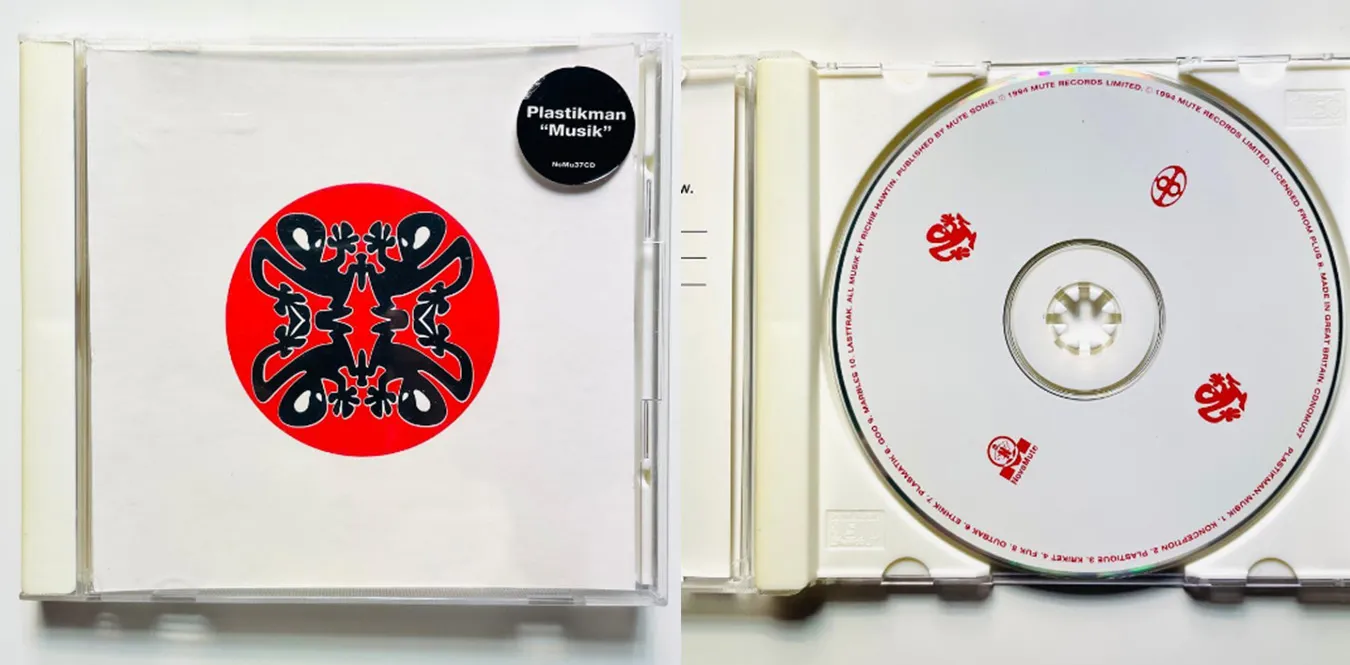
Plastikman – Musik
Richie Hawtin (リッチー・ホゥティン)の別名義Plastikman(プラスティックマン)として1994年にレーベルNovaMuteからリリースしたアルバム。Richie Hawtinとしては3枚目、Plastikman名義では2枚目のスタジオアルバムとなる。
【コラム】 ススム・ヨコタ — 静寂の中の宇宙:電子音が描く魂の風景
第1章:電子音楽と日本 — 横田進の位置づけ
【コラム】 Autechre:構造の彼方へ — テクノ以後の音響建築
序章:無機の中の有機