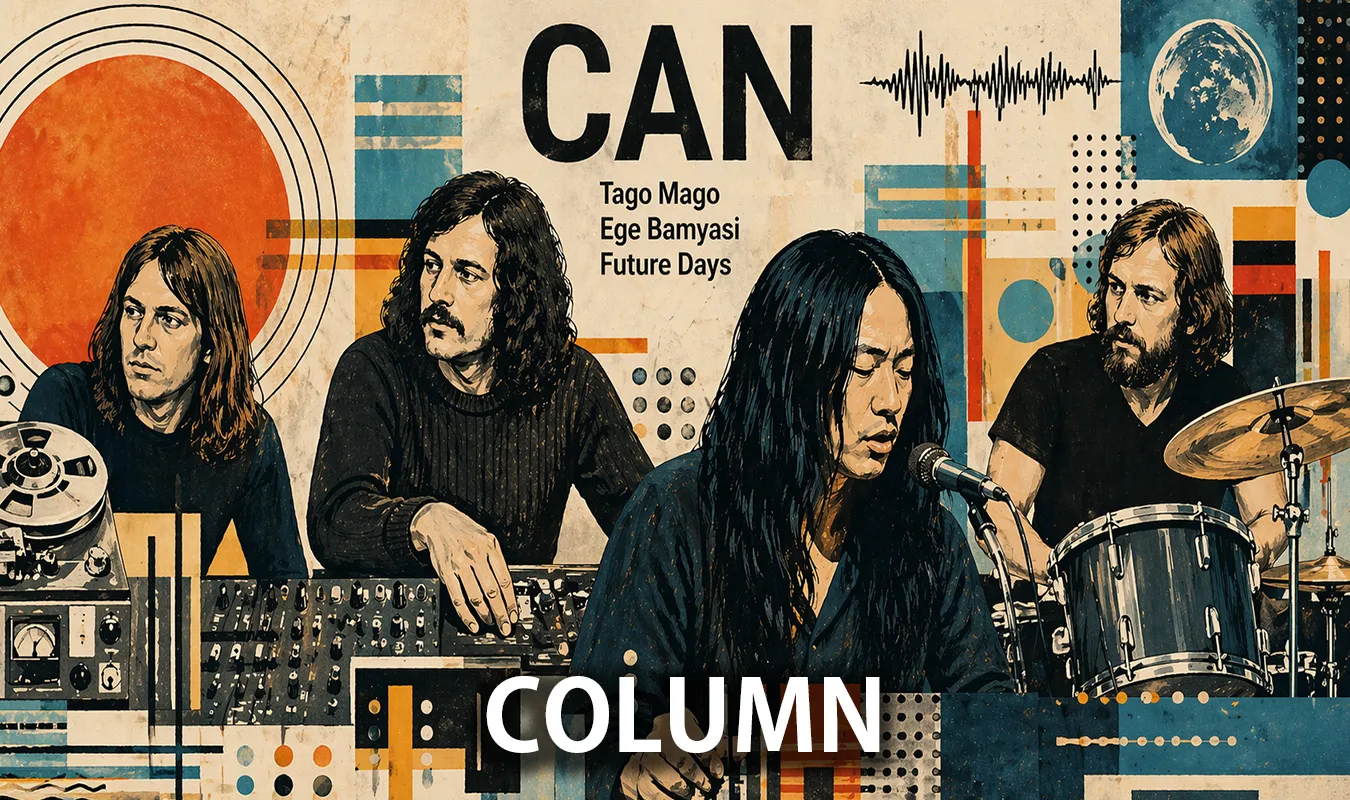
CANとは何者だったのか
Text: mmr|Theme: The trajectory of a collective improvisational band born in post-war Germany that rewrote the very structure of rock.
既存のロック文法を解体するための共同体
CANは1968年、西ドイツで結成された音楽集団である。中心メンバーであるIrmin SchmidtとHolger Czukayは、現代音楽の作曲家Karlheinz Stockhausenのもとで学んでおり、音楽を「構造」や「時間」の問題として捉える視点を持っていた。
この背景は、CANの音楽を単なるロックの延長ではなく、音響実験として成立させる重要な基盤となった。ギタリストのMichael Karoliはロック的な感覚を持ち込み、ドラマーのJaki Liebezeitはジャズから発展した極度に均質なリズムを導入した。
彼らは当初から「曲を書く」ことよりも「音を生成する状況を作る」ことに関心があった。そのため、バンドというよりはスタジオを中心とした実験ユニットに近い存在だった。
また、戦後ドイツという文化的空白の中で、英米ロックの模倣から脱却しようとする意識が強く働いていた。これが後にKrautrockと呼ばれる潮流の核心となる。
CANは「ロックを演奏する集団」ではなく、「音楽の作り方を再設計するための実験装置」だった。
即興と編集という方法論
録音テープの中で完成する音楽
CANの制作手法は徹底していた。彼らは数時間に及ぶ即興演奏を録音し、その中から断片を抽出し編集することで楽曲を完成させた。このプロセスでは、録音後の編集が作曲と同等、あるいはそれ以上の意味を持つ。
Holger Czukayは短波ラジオや外部音源を取り込み、テープ上でコラージュする技術を用いた。これは後のサンプリングやループ文化の先駆けとされる。
Jaki Liebezeitのドラミングは特に重要である。彼は「感情的に叩かない」ことを信条とし、ほぼ機械のような正確さでリズムを維持した。このスタイルは「モータリック」と呼ばれ、時間の流れを一定に保つことで、他の楽器が自由に変化できる土台を作った。
逸話として、Liebezeitは「一つのビートを何時間でも叩き続けることができた」と語られている。実際の録音でも、ほとんど揺れのないリズムが長時間持続しており、その精度は当時のロックドラマーの中でも際立っていた。
また、彼らのスタジオ「インナー・スペース」は元映画館を改装したもので、音の反響や空間性そのものが音楽の一部となっていた。この場所での録音は、単なる記録ではなく、空間を含めた音響設計だった。
CANにとってスタジオは記録装置ではなく、音楽を生成するための「楽器」だった。
ボーカリストの変遷と音響的役割
言語を解体する声
初期ボーカリストのMalcolm Mooneyは、断片的で反復的なフレーズを繰り返すスタイルを持っていた。彼の歌は意味よりもリズムや緊張感を生み出す装置として機能する。
Mooneyは精神的な負担からバンドを離れるが、その後に加入したDamo Suzukiによって、CANの音楽は新たな段階へ進む。
Suzukiは正式な歌詞をほとんど持たず、即興で声を発するスタイルを取った。彼は街中で偶然出会い、そのままステージに上げられたという逸話が残っている。この出来事自体が、CANの即興性と偶然性を象徴している。
彼のボーカルは多言語的であり、時には意味を持たない音節の連なりとなる。これは声を純粋な音響要素として扱うCANの思想を体現している。
さらにSuzukiは、ライブ中に観客の間を歩き回りながら歌うこともあり、パフォーマンスと音楽の境界を曖昧にした。
CANにおいて声は「歌詞を伝える手段」ではなく、「音の流れを変化させる要素」として存在した。
代表作とその背景
アルバムに刻まれた実験の軌跡
1971年の『Tago Mago』は、二枚組という形式で発表され、即興と編集の極限を示した作品である。特に後半のトラックはノイズや反復が交錯し、ロックの枠組みを大きく逸脱している。
制作時には膨大な録音素材が存在し、その中から選ばれた断片が再構成された。このプロセス自体が作品の本質となっている。
1972年の『Ege Bamyasi』では、より凝縮された楽曲構造が見られる。「Spoon」はドイツのテレビドラマに使用され、バンドにとって商業的成功をもたらした。
1973年の『Future Days』は、環境音や持続音を取り入れた作品であり、後のアンビエント音楽に通じる要素を持つ。
逸話として、『Future Days』の録音時にはメンバー間のコミュニケーションが極端に少なく、ほとんどアイコンタクトだけで演奏が進行したとされる。これは音楽が言語を超えたレベルで共有されていたことを示している。
CANのアルバムは作品であると同時に、音楽の可能性を検証する実験記録でもあった。
年表
形成から終焉まで
- 1968: Formed
- 1969年:『Monster Movie』発表
- 1970年:Damo Suzuki加入
- 1971年:『Tago Mago』発表
- 1972年:『Ege Bamyasi』発表
- 1973年:『Future Days』発表
- 1979年:活動停止
短い活動期間の中で、CANは音楽史における決定的な転換点を刻んだ。
音楽構造の模式図
反復と逸脱の同時進行
CANの音楽は、固定されたリズムの上に変化し続ける音の層が重なることで成立する。
安定した時間の中で変化が生まれるという構造が、CANの音楽の核心である。
Anecdotes and legends
偶然と必然が交差する現場
CANには多くの逸話が残されている。例えば、Damo Suzukiがミュンヘンの路上で歌っていたところをバンドメンバーにスカウトされ、その夜に即興的にステージに上げられ、そのまま正式メンバーとなった。
また、Holger Czukayは録音中に偶然拾った短波ラジオのノイズをそのまま作品に取り入れることがあり、「偶然に現れた音も音楽の一部」と考えていた。
Jaki Liebezeitは一度決めたリズムをほとんど変えず、他のメンバーがその上で迷子になることさえあったと語られている。これはリズムを「固定された軸」として扱う彼の哲学を示している。
Furthermore, they had a unique style in which they performed and produced music simultaneously, making editorial decisions on the spot while recording their live performances.
At the CAN site, even chance was controlled and incorporated as part of the music.
Impact and reassessment
Methodology that extends over time
CAN’s influence extends to post-punk, new wave, electronic music, and even modern beat music. In particular, the ideas of repetitive structure and studio editing are fundamental to contemporary music production.
彼らの手法はジャンルに依存しないため、テクノやヒップホップなど異なる文脈でも再解釈され続けている。
また、アーカイブ音源の再発見によって、近年さらに評価が高まっている。未発表テープやライブ音源は、彼らの即興性の高さを裏付ける資料として重要視されている。
CAN’s influence extends not only to the style of sound, but also to the way music is made.
結論
A group that anticipates the future of music
CANはロックの歴史の中で特異な位置を占める存在である。彼らは楽曲の形式を拡張し、録音と編集を作曲の中心に据えた。
その結果として生まれた音楽は、単なるジャンルを超えた普遍的な方法論となり、現在の音楽制作にも深く根付いている。
彼らの試みは、音楽がどのように作られ、どのように経験されるかという問いに対する持続的な答えである。
CANは未来の音楽を先取りしたのではなく、音楽そのものの定義を書き換えた。
YouTube Podcast
※このPodcastは英語ですが、自動字幕・翻訳で視聴できます
Explore more like this

【コラム】 Der Plan──ドイツ・アヴァンポップが描いた電子音楽のもう一つの未来
1979年の誕生とデュッセルドルフの空気
【コラム】 Faustとは何だったのか —— ノイズと実験でロックを解体したジャーマン・アヴァンギャルド
ロックを「破壊」するために現れたバンド
【コラム】 Holger Czukay:録音という楽器を発明した音楽家
録音機材を“楽器”に変えた男
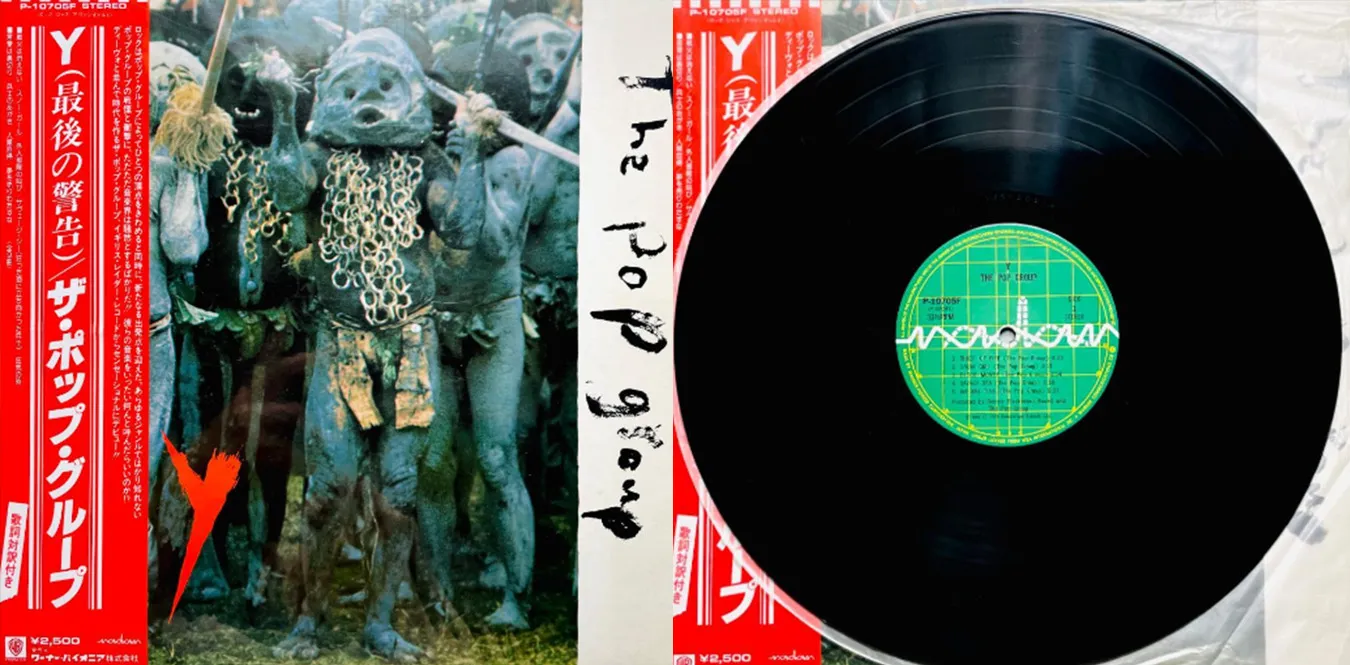
The Pop Group = ザ•ポップ•グループ – Y = Y (最後の警告)
The Pop Group は、1977年に結成されたイギリス・ブリストル出身のPost-punk (ポストパンク)バンド。
![[Column] Shoji Yamashiro (Tsutomu Ohashi) and the entertainment Yamashiro group - Exploration of sound, group, and environment as a comprehensive art](/../assets/images/column-yamashiro-shoji.webp)
[Column] Shoji Yamashiro (Tsutomu Ohashi) and the entertainment Yamashiro group - Exploration of sound, group, and environment as a comprehensive art
Prologue: Where cyber and primitive intersect - A person named Shoji Yamashiro

【コラム】 タージ・マハル旅行団と小杉武久 ― 音を解き放つ旅の軌跡
I. 1960年代の出発点:音楽の制度を超えて
![[Column] Salsoul Orchestra and MFSB - Evolution from Philadelphia to Disco](/../assets/images/column-salsoul.webp)