[Column] Salsoul Orchestra and MFSB - Evolution from Philadelphia to Disco
Column en 70s Experimental Tribal![[Column] Salsoul Orchestra and MFSB - Evolution from Philadelphia to Disco](/../assets/images/column-salsoul.webp)
The moment Philadelphia strings made the world dance
Text: mmr|Theme: About the musical revolution that formed the basis of “disco”
In the early 1970s, a musical revolution that would become the prototype for ““disco’’ occurred in Philadelphia, a city on the east coast of the United States. At the center of this were MFSB (Mother Father Sister Brother) and Salsoul Orchestra.
彼らは、ストリングスとホーンをふんだんに取り入れたゴージャスなアレンジ、緻密なリズム・セクション、そしてソウルフルなスピリットを融合させ、「オーケストラ・ソウル」という新たなサウンドを確立した。
この系譜がのちに世界中のディスコ・カルチャーへと波及し、ハウス、ラテン、さらにはヒップホップのサンプリング文化へと受け継がれていく。
The birth of the Philadelphia Sound: Gamble & Huff and Sigma Sound
At the end of the 1960s, Philadelphia International Records (PIR), by Kenneth Gamble and Leon Huff, supported the Philadelphia music scene. They started their activities based at Sigma Sound Studios, aiming to replace Motown as a new center for black music.
The recording was supported by an exclusive session group – MFSB. The members of MFSB included the following:
- Earl Young (drums)
- Norman Harris (guitar)
- Ronnie Baker (bass)
- Bobby Eli (guitar)
- Vincent Montana Jr. (vibraphone/arranger)
これらのプレイヤーが織りなす滑らかなグルーヴは、「TSOP(The Sound of Philadelphia)」として世界的なブランドになった。
MFSB ― ストリングスがグルーヴを支配する瞬間
In 1973, the album ““Love Is The Message’’ was released under the name MFSB. The song of the same name became an anthem representing the history of Seoul, and was loved as a ““standard bridge song’’ by DJs in the early days of disco.
Earl Youngが叩き出す“四つ打ち”のリズム――これこそ後にディスコ、そしてハウスの基本ビートとなるものだった。
さらにVincent Montana Jr.のヴァイブとストリングス・アレンジが、黒人音楽のリズムにクラシック的な優雅さを与えた。
MFSB was not just a band, but the embodiment of a new concept: a ““studio orchestra’’.
The Birth of the Salsoul Orchestra: A Declaration of Independence for the Philly Sound
In 1975, Vincent Montana Jr. left MFSB and formed Salsoul Orchestra to pursue his ideals. Backed by Salsoul Records (founders: Cayre brothers), they aimed for a disco sound with strong Latin elements.
モンタナはPIRで培ったオーケストレーション技術を武器に、ラテン・パーカッションとストリングスを融合。
As a result, a unique equation was created: Disco+Orchestra+Salsa=Salsoul.
The representative song “Salsoul Hustle” is a perfect symbol of this. Congas, timbales, strings, horns, and muted guitars intertwine exquisitely, creating a feel of Latin cheerfulness and Philly sophistication at the same time.
Vincent Montana Jr. - Craftsman aesthetics and disco utopia
Montana’s arranging philosophy was clear.
“The orchestra is your weapon to dominate the club. Make the vibes, harps, and strings dance in the groove.”
His ideal is “music that dances gracefully.” They gave classical architectural beauty to the dance culture that originated on the streets, and elevated the music to an “elegant festival.”
On the other hand, his extreme perfectionism made the studio musicians nervous, and it is said that each recording took dozens of takes.
Key track analysis
| Song title | Year | Features | Notes |
|---|---|---|---|
| Love Break (Ooh I Love It) | 1980 | A treasure trove of sampling. Percussion and horn breaks were overused in later hip-hop. | Cited by Public Enemy, Eric B. & Rakim, etc. |
| Salsoul Hustle | 1975 | The origins of early disco. A fusion of 4/4 beat and Latin groove. | Symbolizes a leap forward from the Philly sound. |
| Nice “n Naasty | 1976 | String-led dance track. | Features a sophisticated arrangement. |
| Runaway (feat. Loleatta Holloway) | 1977 | 女性ヴォーカルと弦楽が織り成す劇的展開。 | 後年ハウス界で再評価。 |
Sampling culture and reassessment
In the late 1980s, hip-hop unearthed Salsoul’s legacy. The horn riff of “Love Break” and the percussion of “Ooh I Love It” were reimagined on Public Enemy”s “It Takes a Nation of Millions to Hold Us Back” and Eric B. & Rakim”s “Paid in Full.”
また1990年代には、Masters at Work(Louie Vega & Kenny Dope)がSalsoulのカタログを再編集し、ハウス文脈でリミックス。
Salsoulのアナログ盤は、クラブDJの“聖典”となった。
Chronology: Genealogy from Philadelphia to Salsoul
ディスコグラフィー(主要作品)
| Year | Artist | Album | Link |
|---|---|---|---|
| 1973 | MFSB | Love Is The Message | Amazon |
| 1975 | The Salsoul Orchestra | The Salsoul Orchestra | Amazon |
| 1976 | The Salsoul Orchestra | Nice “n Naasty | Amazon |
| 1977 | The Salsoul Orchestra | Magic Journey | Amazon |
| 1980 | The Salsoul Orchestra | Street Sense | Amazon |
Conclusion: Genes of orchestral soul
MFSB and the Salsoul Orchestra are “bridges” in the history of black music. They made the transition from soul to disco with brilliant and intelligent sound design.
The blood of Philadelphia certainly flows through the current club culture - house and new disco. It is the paradoxical beauty of strings playing the rhythm. The architectural beauty created by Montana’s hands continues to shine deep within the dance floor.
“The Sound of Philadelphia never dies—it just keeps dancing.” ― Vincent Montana Jr.
Explore more like this
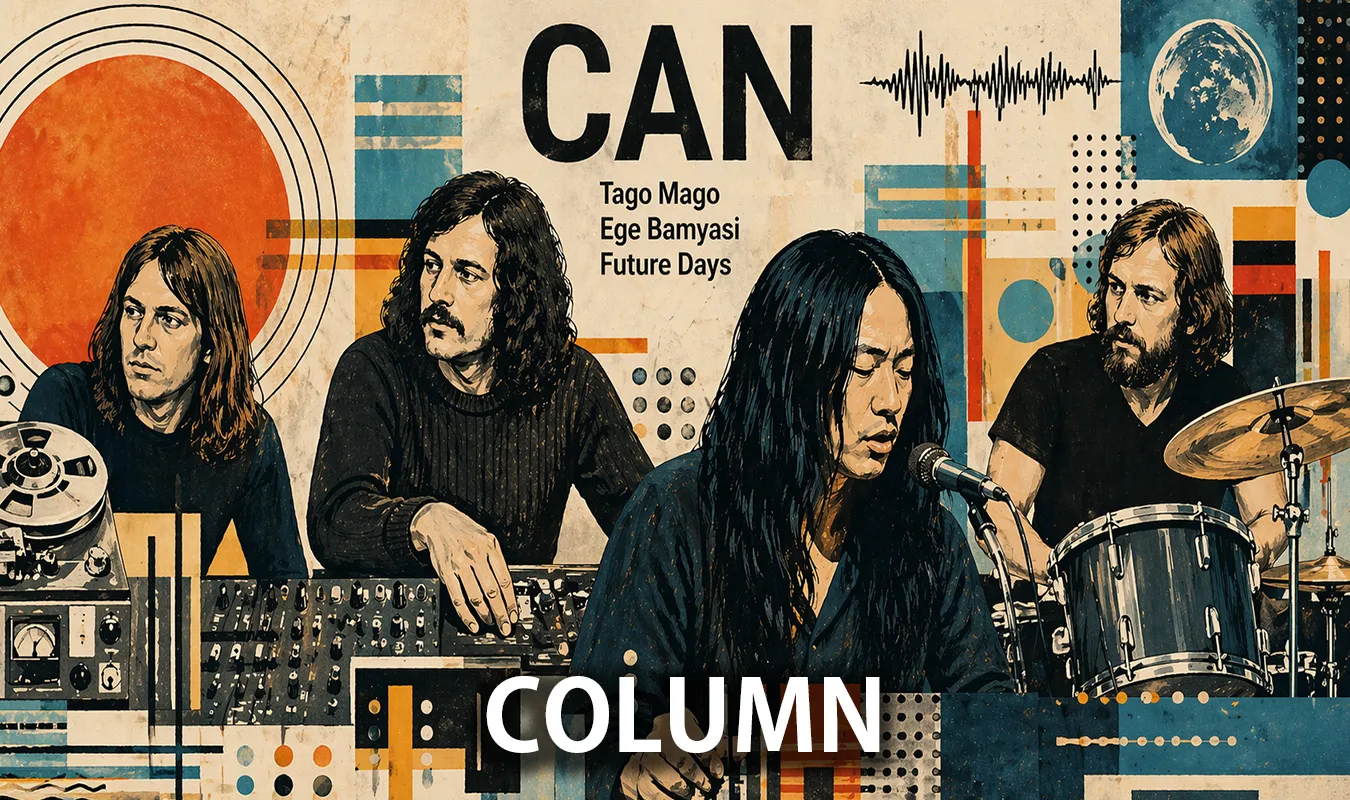
【コラム】 反復と即興が切り拓いた音の地平――CANが再定義したポップの骨格
CANとは何者だったのか
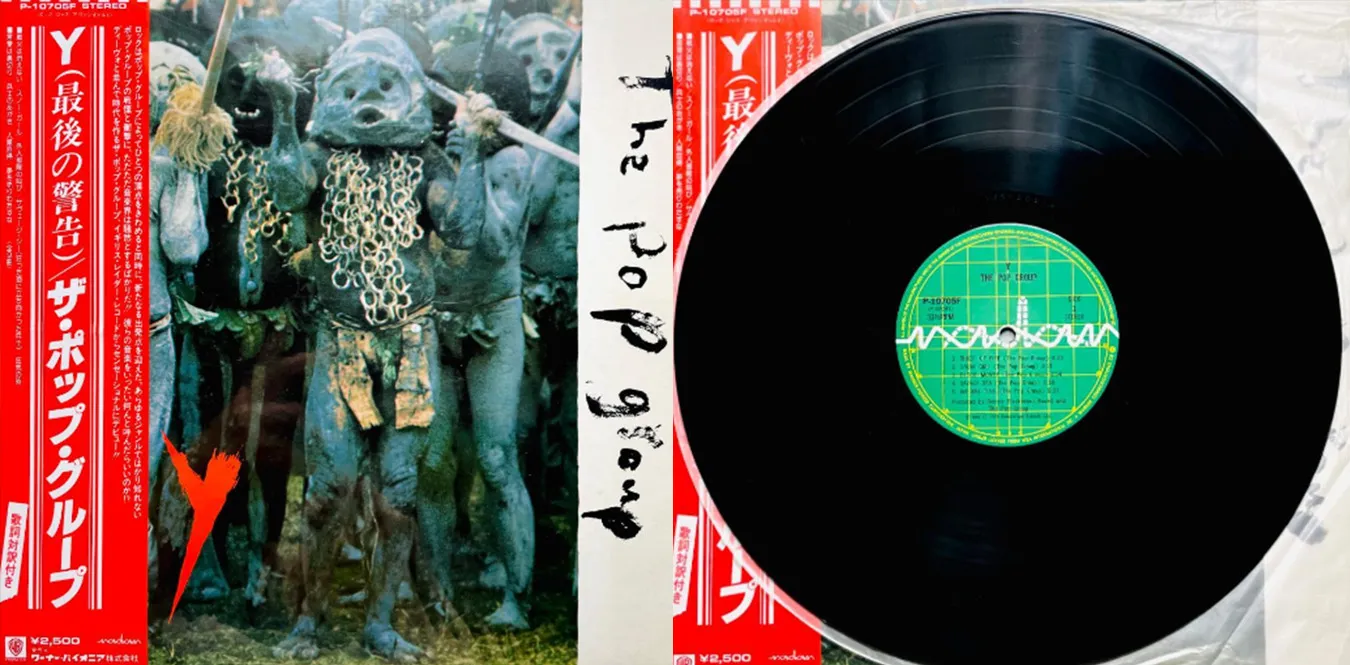
The Pop Group = ザ•ポップ•グループ – Y = Y (最後の警告)
The Pop Group は、1977年に結成されたイギリス・ブリストル出身のPost-punk (ポストパンク)バンド。
![[Column] Shoji Yamashiro (Tsutomu Ohashi) and the entertainment Yamashiro group - Exploration of sound, group, and environment as a comprehensive art](/../assets/images/column-yamashiro-shoji.webp)
[Column] Shoji Yamashiro (Tsutomu Ohashi) and the entertainment Yamashiro group - Exploration of sound, group, and environment as a comprehensive art
Prologue: Where cyber and primitive intersect - A person named Shoji Yamashiro
【コラム】 タージ・マハル旅行団と小杉武久 ― 音を解き放つ旅の軌跡
I. 1960年代の出発点:音楽の制度を超えて