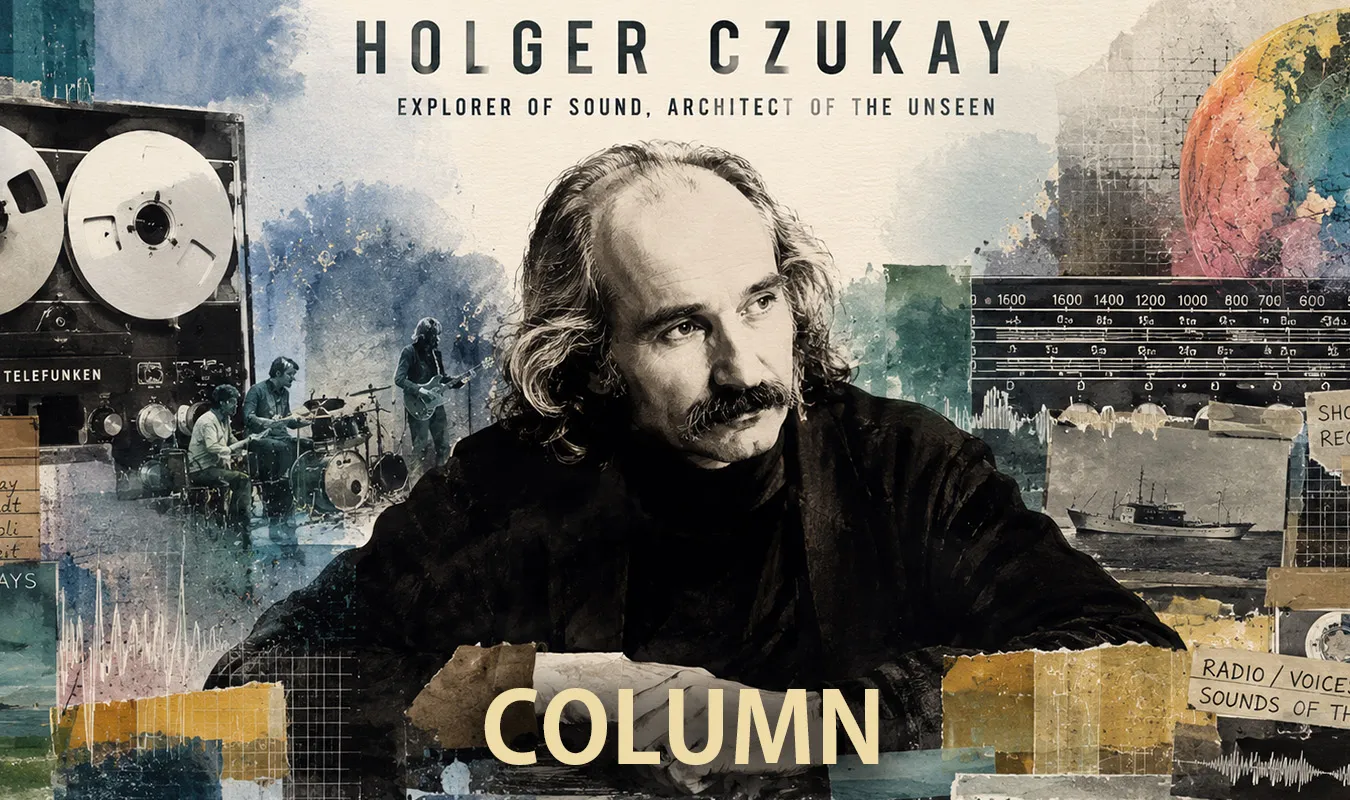
録音機材を“楽器”に変えた男
文:mmr|テーマ:「録音」を単なる記録ではなく“演奏”へ変えたホルガー・シューカイ。その革新的な発想が、クラウトロックからサンプリング文化、アンビエント、現代電子音楽へどう接続されたのかを辿る
1970年代以降の音楽史を振り返ると、「録音」という行為そのものを創作へ変えた人物は決して多くない。
ホルガー・シューカイは、その数少ない一人だった。
彼は一般的な意味での“ベーシスト”ではない。もちろんCANにおける演奏は重要だったが、本質的には「音の編集者」であり、「空間の構築者」であり、「偶然の発見者」だった。
Noise from the radio. 短波放送の断片。 会話。 環境音。 テープの逆回転。 Editing mistake. 偶然録音された音。
彼はそれらを「不要なノイズ」として捨てなかった。
むしろ、そこに新しい音楽の可能性を見出した。
これは後年のサンプリング文化、ヒップホップ、アンビエント、IDM、実験電子音楽、さらにはインターネット以降の情報断片的感覚にまで接続していく。
だが興味深いのは、彼自身が未来志向のテクノロジストというより、「耳」を極限まで信じた音楽家だったことだ。
彼の作品には理論性と直感が共存している。
だからこそ、半世紀以上経った現在でも古びない。
ホルガー・シューカイは、“録音された世界そのもの”を音楽へ変えた人物だった。
戦争の記憶と音への感覚
幼少期と戦争体験
ホルガー・シューカイは1938年3月24日、当時ドイツ領だったダンツィヒ自由市で生まれた。
現在のポーランド・グダニスクにあたる地域である。
彼の幼少期は、第二次世界大戦の混乱と深く結びついていた。
At the end of the war, like many German residents, he was evacuated.
この「移動」「喪失」「断片化」の感覚は、後年の彼の音響感覚に強く影響したと考えられている。
シューカイの音楽には、“定住感”が希薄だ。
どこか漂流的で、短波ラジオのように国境を越え、周波数を横断していく。
それは戦後ヨーロッパ世代特有の感覚でもあった。
音楽教育とクラシックへの接近
若い頃の彼はジャズに強い関心を持っていた。
特にマイルス・デイヴィスやチャールズ・ミンガスなど、形式を更新していく音楽家たちに惹かれていたという。
やがて彼はケルン音楽大学へ進学する。
ここで彼は、後の人生を決定づける人物と出会う。
カールハインツ・シュトックハウゼンである。
シュトックハウゼンの教室
前衛音楽との遭遇
1960年代初頭、西ドイツの前衛音楽シーンは極めて実験的だった。
electronic music. 偶然性。 空間音響。 テープ編集。 ミニマリズム。 ノイズ。
戦後ドイツは「過去の文化」から断絶し、新しい表現を模索していた。
その中心にいた一人がシュトックハウゼンだった。
シューカイは彼の元で音楽理論と実験精神を学ぶ。
“楽器演奏”より重要だった発想
シュトックハウゼンの教室では、「正しく演奏する」こと以上に、「音をどう考えるか」が重視された。
これはシューカイに決定的な影響を与えた。
彼は後年、「ラジオを聴くこと」そのものを作曲に取り入れていく。
既存音楽を壊すのではない。
世界そのものを素材に変えたのだ。
後のCANへ繋がる人脈
シュトックハウゼン門下には、後のクラウトロックへ繋がる人材が数多く存在した。
イルミン・シュミットもその一人である。
やがて彼らはロック、即興演奏、現代音楽、民族音楽を融合する構想を抱き始める。
その実験場として誕生したのがCANだった。
シューカイはクラシック教育を受けながら、“世界の雑音”へ耳を開いていった。
CAN結成とクラウトロック革命
1968年という時代
1968年は世界的に社会変動が激化した年だった。
学生運動。 反体制文化。 ベトナム戦争。 カウンターカルチャー。
音楽もまた大きく変化していた。
だがドイツの若い音楽家たちは、英米ロックの模倣に強い違和感を抱いていた。
彼らは「ドイツ独自の新しい音楽」を求めた。
CANの誕生
1968年、ケルン近郊でCANが結成される。
メンバーは以下の通りである。
ジャキ・リーベツァイトの機械的グルーヴ。 ミヒャエル・カローリの浮遊するギター。 イルミン・シュミットの前衛感覚。
そこへシューカイの編集的発想が加わった。
編集としてのベース
シューカイのベースは、一般的なロックベースとは異なる。
派手な技巧ではない。
むしろ反復と空間感覚が重要だった。
特にCANの代表作『Tago Mago』『Ege Bamyasi』『Future Days』では、その独特の循環感覚が際立つ。
彼のプレイは「前へ進む」というより、「空間を漂わせる」感覚に近い。
テープ編集の導入
CANの録音で重要だったのが、膨大な即興演奏を後から編集する手法である。
これは当時としてはかなり革新的だった。
数時間のジャムを録音し、その後テープを切り貼りして楽曲化する。
後のサンプリング文化やDAW編集に近い感覚が、すでに存在していた。
世界音楽への接近
CANは早い段階から非西洋音楽へ関心を示していた。
アフリカ音楽。 中東音楽。 民族的リズム。
だが彼らは“引用”より、“吸収”に近い方法を取った。
特定ジャンルのコピーではなく、構造そのものを再構築したのである。
CANはロックバンドでありながら、“編集芸術集団”のような存在でもあった。
『Future Days』と環境音楽の先駆性
水面のような音響空間
1973年の『Future Days』は、CANの中でも特異な作品である。
激しい実験性よりも、流動的な音響空間が中心にある。
後年「アンビエント」と呼ばれる感覚へ極めて近い。
ブライアン・イーノ以前に、環境としての音楽を成立させていた作品とも言える。
音楽と環境の境界消失
シューカイは環境音と演奏の区別を曖昧にした。
波のようなノイズ。 浮遊するベース。 遠景化されたボーカル。
聴き手は「曲を聴く」というより、空間へ入っていく感覚になる。
後続世代への巨大な影響
この作品は後年、多くの音楽家に影響を与えた。
ポストロック。 ダブ。 アンビエント。 電子音楽。
特に1990年代以降の実験音楽シーンでは再評価が進む。
『Future Days』は、“空気のように存在する音楽”を先取りしていた。
ソロ活動とラジオ・コラージュ
CAN脱退後の方向性
1977年頃から、シューカイは徐々にCANから距離を置き始める。
以後はソロ作品へ重点を移した。
ここで彼はさらに自由になる。
『Movies』の衝撃
1979年の『Movies』は、彼の代表的ソロ作品として知られる。
特に「Persian Love」は象徴的だ。
短波ラジオから拾った音声断片。 中東系メロディ。 反復するビート。
既存ジャンルへ分類しづらい構造だった。
サンプリング以前のサンプリング
重要なのは、これがデジタル以前の作品だという点である。
彼は手作業で編集していた。
テープを切り、 貼り、 逆回転し、 偶然を待った。
後年のサンプリング技術を考えると、彼の手法は驚くほど先進的だった。
“世界を盗聴する”感覚
彼の音楽には、どこか盗聴的感覚がある。
遠くの放送。 不明瞭な会話。 ノイズ。 電波。
それはインターネット時代の情報断片感覚にも通じる。
完成された情報ではなく、途切れた信号の魅力である。
シューカイは、“世界に漂う音の断片”を音楽へ変換した。
デヴィッド・シルヴィアンとの交流
1980年代の接続
1980年代、シューカイは新世代ミュージシャンとの交流を深める。
特に重要だったのがデヴィッド・シルヴィアンとの協働である。
元Japanのシルヴィアンは、ポップミュージックを越えた空間音響へ関心を持っていた。
両者の感覚は極めて近かった。
『Plight & Premonition』
1988年発表の共作『Plight & Premonition』は、環境音楽史において重要作の一つである。
静寂。 持続音。 断片。 空気感。
従来のロック構造はほぼ存在しない。
アンビエント以後の世界
この時期のシューカイ作品は、“音楽”というより“空間設計”に近い。
彼はメロディ中心主義から離れ、聴覚体験そのものを組み立てていた。
これは後のドローン、音響派、エレクトロアコースティック作品にも通じる。
シューカイは、音を「演奏」するより、「存在」させる方向へ進んでいった。
テクノロジーとの距離感
デジタルへの適応
1980年代後半以降、音楽制作は急速にデジタル化していく。
サンプラー。 MIDI。 DAW。
だがシューカイは、完全なデジタル志向ではなかった。
彼はアナログ的偶然性を重視していた。
偶然を残す編集
彼の編集は完璧主義とは逆方向にある。
ノイズ。 歪み。 通信不良。 録音ミス。
そうした“不完全さ”を排除しなかった。
これは現在のローファイ文化にも繋がる感覚である。
現代電子音楽との接続
今日、多くの電子音楽家が彼を参照している。
特に以下の要素は現代的だ。
- 反復構造
- 情報断片性
- サンプリング感覚
- 音響空間設計
- 非線形編集
- 環境音利用
つまり彼は、“デジタル以前にデジタル的感覚へ到達した人物”だった。
シューカイは、完璧な音ではなく、“生きている音”を求めていた。
晩年と再評価
CAN再評価の流れ
1990年代以降、CANは急速に再評価される。
ポストロック世代。 電子音楽世代。 クラブカルチャー。
多くの音楽家がCANを参照し始めた。
若い世代への影響
特に影響が大きかったのは以下の領域である。
彼の発想は、ジャンルを超えて継承された。
2017年の死去
ホルガー・シューカイは2017年9月5日に死去した。
79歳だった。
死後も彼の作品は発掘・再評価が続いている。
その理由は明確だ。
彼の音楽が、単なる“過去の実験”ではないからである。
むしろ現在の情報社会と異様なほど接続している。
シューカイの音楽は、“未来の耳”で作られていた。
Holger Czukay 年表
| 年 | 出来事 |
|---|---|
| 1938 | ダンツィヒ自由市で誕生 |
| 1960年代初頭 | ケルン音楽大学で学ぶ |
| 1960年代 | シュトックハウゼンに師事 |
| 1968 | CAN結成 |
| 1969 | 『Monster Movie』発表 |
| 1971 | 『Tago Mago』発表 |
| 1972 | 『Ege Bamyasi』発表 |
| 1973 | 『Future Days』発表 |
| 1979 | ソロ作『Movies』発表 |
| 1988 | デヴィッド・シルヴィアンと共作 |
| 1990年代 | CAN再評価が進行 |
| 2017 | 死去 |
CAN主要作品と特徴
| 作品 | 発表年 | 特徴 |
|---|---|---|
| Monster Movie | 1969 | 即興性と実験ロック |
| Tago Mago | 1971 | 編集構造と混沌 |
| Ege Bamyasi | 1972 | グルーヴ強化 |
| Future Days | 1973 | 浮遊感と環境音響 |
ソロ作品の重要性
| 作品 | 発表年 | 特徴 |
|---|---|---|
| Movies | 1979 | ラジオコラージュ |
| On the Way to the Peak of Normal | 1981 | 実験電子音響 |
| Plight & Premonition | 1988 | 空間音楽・アンビエント |
なぜHolger Czukayは今も重要なのか
ホルガー・シューカイは、“ジャンルの開拓者”という言葉だけでは説明できない。
彼は「録音された現実」を音楽へ変えた。
そして現代社会は、まさに彼が扱っていた世界そのものになっている。
断片化された情報。 ノイズ。 通信。 サンプリング。 編集。 再配置。
インターネット時代の感覚は、彼の音楽に驚くほど近い。
だから現在聴いても古くならない。
むしろ今の方が理解しやすい部分すらある。
彼は未来を予言したわけではない。
ただ、人間が“音をどう聴くか”を根本から変えた。
それがホルガー・シューカイという存在の本質である。
ホルガー・シューカイは、「音楽とは何か」という問いを、生涯を通して更新し続けた音楽家だった。
YouTube Podcast
※このPodcastは英語ですが、自動字幕・翻訳で視聴できます
Explore more like this

【コラム】 Der Plan──ドイツ・アヴァンポップが描いた電子音楽のもう一つの未来
1979年の誕生とデュッセルドルフの空気
【コラム】 Faustとは何だったのか —— ノイズと実験でロックを解体したジャーマン・アヴァンギャルド
ロックを「破壊」するために現れたバンド
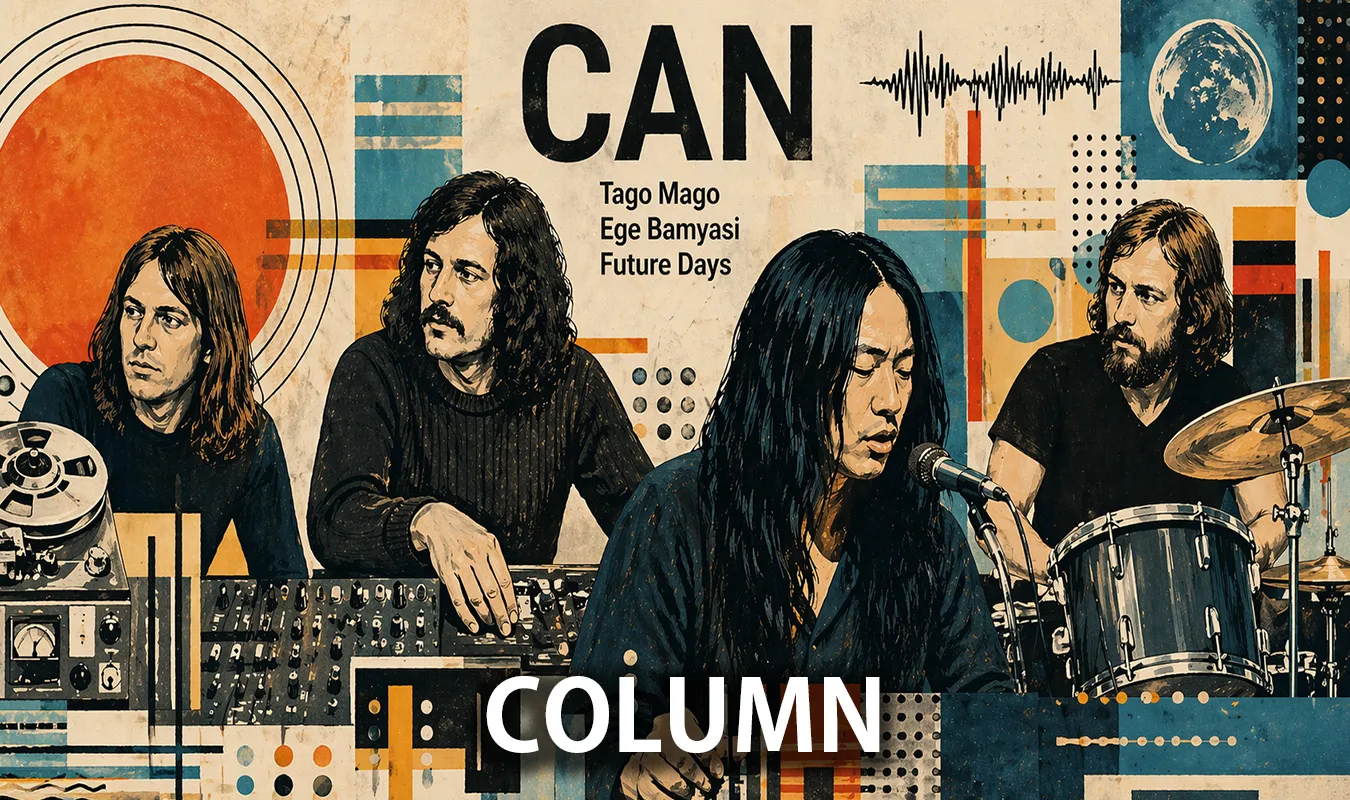
【コラム】 反復と即興が切り拓いた音の地平――CANが再定義したポップの骨格
CANとは何者だったのか
【コラム】 MERZBOW ── ノイズという解放の音響学
序章:静寂の反転としてのノイズ
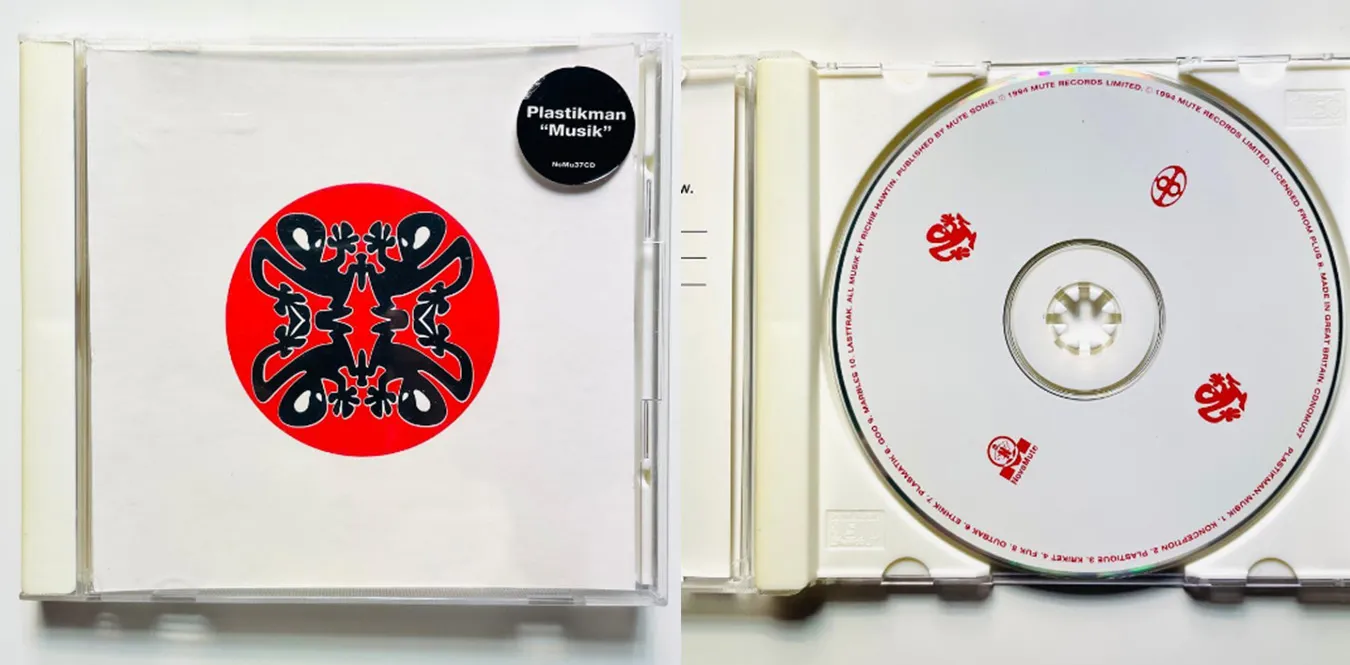
Plastikman – Musik
Richie Hawtin (リッチー・ホゥティン)の別名義Plastikman(プラスティックマン)として1994年にレーベルNovaMuteからリリースしたアルバム。Richie Hawtinとしては3枚目、Plastikman名義では2枚目のスタジオアルバムとなる。
![[Column] Ben Frost and acoustic architecture: Between noise and structure](/../assets/images/column-ben-frost.webp)
[Column] Ben Frost and acoustic architecture: Between noise and structure
Ben Frost and Acoustic Architecture - Frequency Violence

The Gentle People – Journey Remixes
The Gentle People is a band formed in the US in 1995. Their sound is characterized by the lounge and easy listening taste of the 1950s, which was defined as...
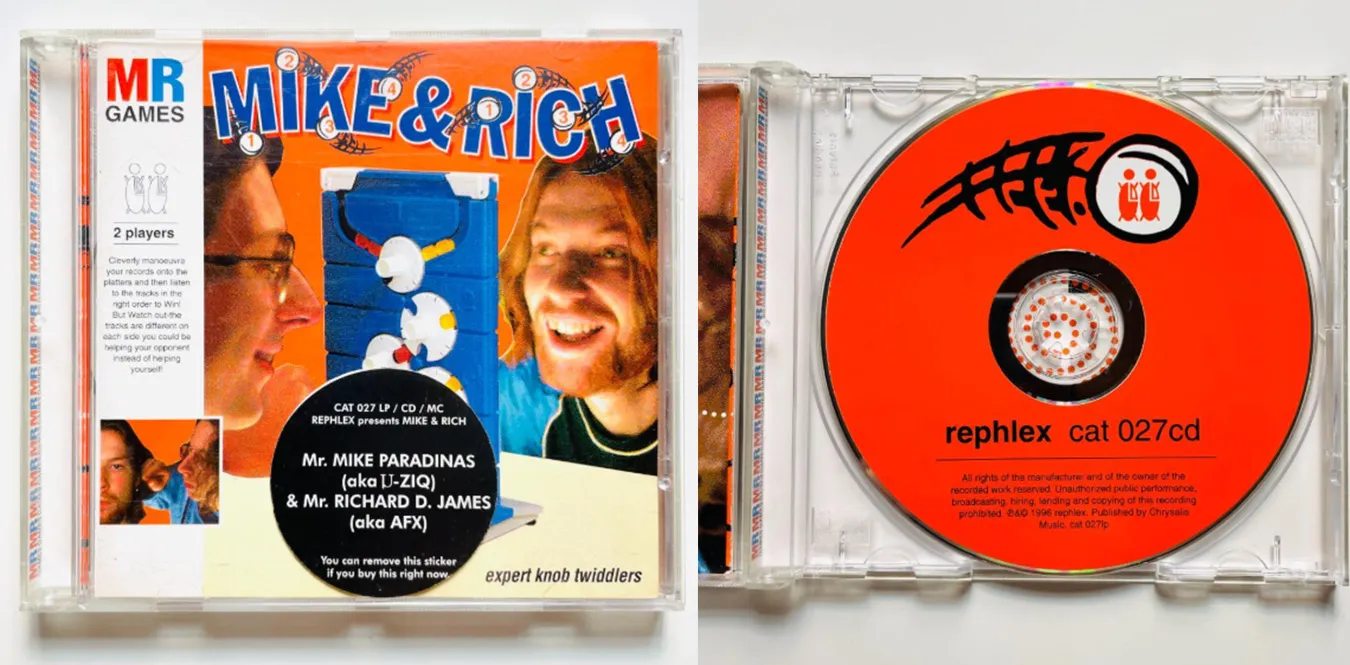
Mike & Rich – Expert Knob Twiddlers
Mike & Rich’s “Expert Knob Twiddlers” (1996) is a collaborative album by Richard D. James, aka Aphex Twin, and Mike Paradinas, aka µ-Ziq, two geniuses who led the electronic music...