【コラム】 Angine de Poitrine VS The Residents: Anonymity ― 匿名という芸術が音楽を変えた貌
Column en Art Avant-Garde Experimental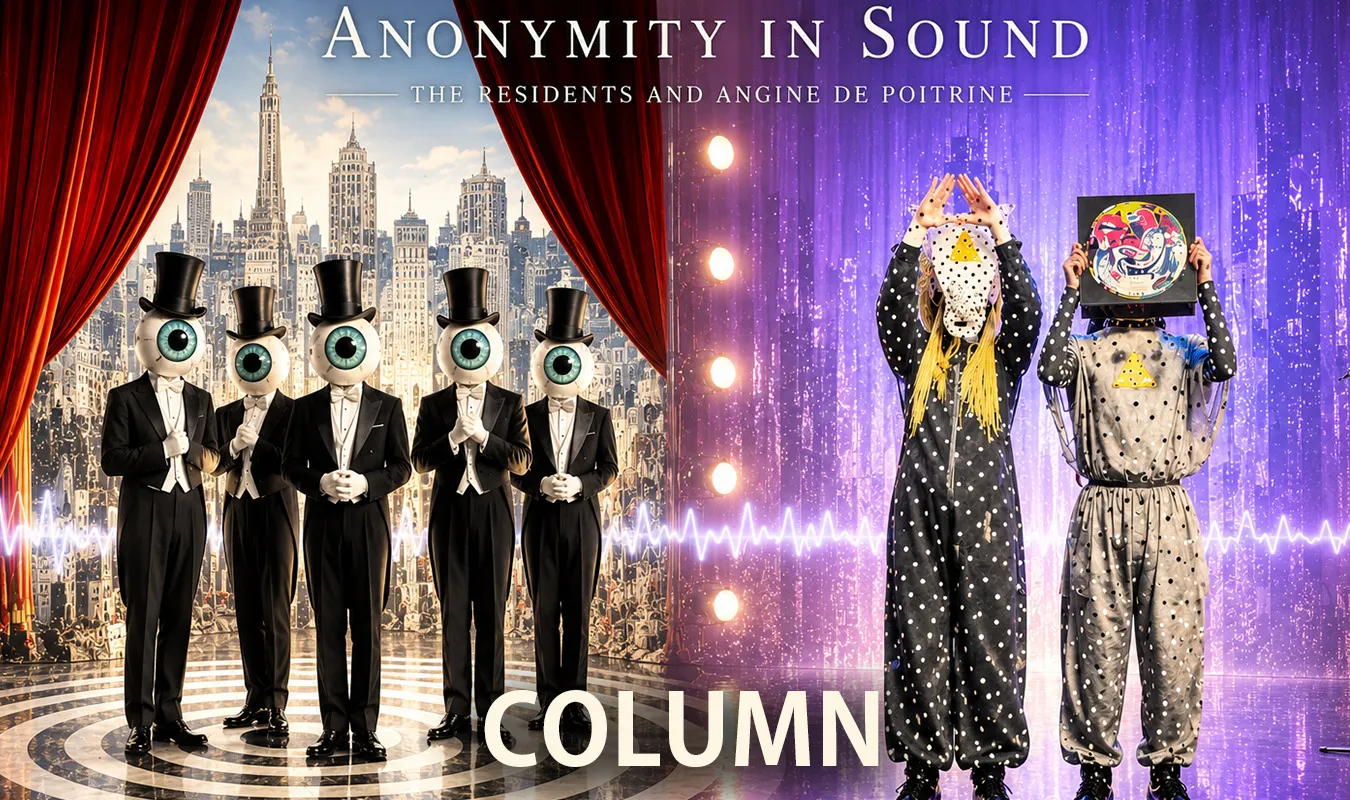
はじめに
文:mmr|テーマ:匿名とは単なる素性の秘匿ではない。The ResidentsとAngine de Poitrineを軸に、音楽表現としての匿名性がどのように誕生し、進化し、現代へ受け継がれてきたのかを読み解く
音楽を聴くとき、私たちは無意識のうちに「誰が歌っているのか」を知ろうとする。
レコードジャケットにはアーティスト写真が載り、ライブではステージに立つ本人を見ることができる。インターネットの時代になると、その傾向はさらに強くなった。SNSには日常が投稿され、作品だけでなく人格そのものが商品価値として扱われるようになった。
However, there are some musicians who have gone head-on against this trend.
彼らは顔を見せない。
本名を語らない。
プロフィールを明かさない。
時にはメンバー構成すら秘密のまま活動を続ける。
一般的なマーケティングの常識から見れば、これは極めて不利な戦略に思える。人は共感できる「人物」に惹かれるからだ。ところが、音楽史を振り返ると、匿名であることそのものを芸術へ昇華した例は決して少なくない。
その代表格が1970年代から活動を続けるThe Residentsである。
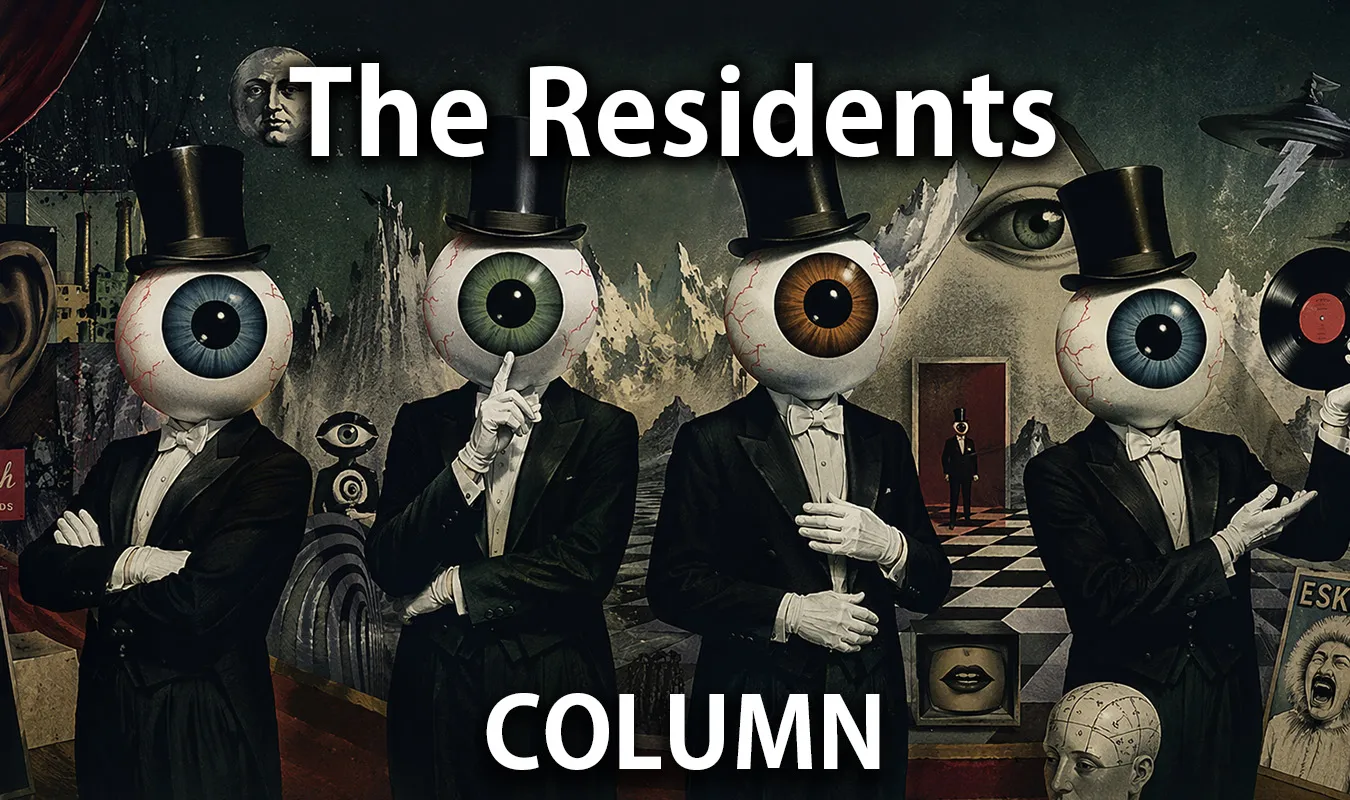
巨大な目玉のマスクを被り、素顔を一切見せず、半世紀以上にわたって正体を公表していない彼らは、「匿名」という概念をロックや実験音楽の世界へ持ち込んだ存在として知られている。
そして現代には、その思想をまったく異なる方法で更新している存在がいる。
Angine de Poitrineである。
活動スタイルも音楽性もThe Residentsとは大きく異なる。しかし、作品そのものを前面へ押し出し、作者という存在を意図的に後景へ退かせる姿勢には、共通する思想を見ることができる。
もちろん両者は直接的な系譜を名乗っているわけではない。
それでも、「匿名」を作品の一部として機能させているという点では、同じ芸術的課題へ向き合っていると言えるだろう。
本稿では、この二組を比較しながら、「匿名」とは何なのかを音楽史・芸術史・メディア史という三つの視点から考えていく。
匿名とは隠れることなのか。
それとも、新しい自己表現なのか。
The answer is hidden in about 50 years of music history.
匿名は「情報を減らす行為」ではなく、「作品を見る角度を変える装置」として発展してきた。
匿名は音楽の中でどのように生まれたのか
音楽家が顔を隠すという行為は、一見すると奇抜なアイデアのように映る。
しかし、その背景には20世紀後半の芸術思想が深く関わっている。
1960年代後半から1970年代にかけて、欧米の現代美術では「作者とは誰か」という問いが盛んに議論されるようになった。
作品とは作家の人格を映す鏡なのか。
あるいは、一度世に出た作品は作者から独立した存在なのか。
こうした議論は文学や映画、美術だけでなく、音楽にも少しずつ影響を与えていく。
当時のロックシーンでは、スターシステムが急速に成熟していた。
ミュージシャンは演奏するだけでなく、ファッションリーダーとなり、若者文化の象徴となり、メディアの中心人物となっていく。
作品と人格は密接に結び付けられ、「誰が作ったか」が作品価値の一部となっていった。
だからこそ、その逆を行く発想は強烈だった。
「作者を消してしまおう。」
これは単なる反抗ではない。
作品だけを純粋に見てもらうための方法論だったのである。
例えば現代美術では、匿名制作や共同制作が増え始める。
コンセプチュアル・アートでは、作者よりもアイデアそのものが重要視されるようになった。
音楽でも似たような変化が起きる。
演奏技術を競うのではなく、概念そのものを提示する作品が現れ始める。
録音技術の発展も、この流れを後押しした。
スタジオ録音では、誰がどの音を演奏したのか分からなくなる。
テープ編集によって現実には存在しない演奏も制作できる。
作品はライブの記録ではなく、一つの人工的な芸術作品へ変わっていった。
そのとき、「演奏者の顔」は以前ほど重要ではなくなる。
重要なのは完成した作品そのものだった。
この価値観の変化が、後にThe Residentsのような存在を受け入れる土壌となっていく。
匿名は秘密主義ではない。
芸術の重心を「人物」から「作品」へ移動させるための手段として少しずつ形成されていったのである。
そして1970年代、その思想を極限まで押し進めた集団がアメリカ西海岸に現れる。
その名がThe Residentsだった。
匿名という発想は突然生まれたのではなく、1960〜70年代の芸術思想の変化が積み重なった結果だった。
The Residents以前――音楽は「スター」を中心に回っていた
ロックスターという新しい神話
To understand The Residents, you first need to know the era in which they appeared.
1970年代初頭のロックシーンは、いわば「スターの時代」の絶頂期だった。
1960年代に誕生したロックは、単なる若者文化ではなく、一大産業へと成長していた。アルバムは何百万枚も売れ、巨大なアリーナツアーが組まれ、ミュージシャンは映画俳優やスポーツ選手に匹敵する知名度を持つようになる。
レコード会社も、その流れを積極的に後押しした。
ジャケットには大きくアーティストの写真が掲載され、音楽雑誌では私生活や恋愛、ファッションまで特集される。
The value of a product was not just ““what kind of music he made,” but ““what kind of person he was.”
This trend was by no means a bad thing.
実際、多くの優れた作品は、強烈な個性を持つミュージシャンたちによって生み出された。
しかし一方で、作品そのものよりも、知名度やブランドイメージが先行して評価される場面も少しずつ増えていった。
新人アーティストが作品だけで勝負することは難しくなり、「誰が作ったのか」が作品の価値を左右する時代へと変化していく。
For this reason, a movement began to emerge among some avant-garde artists to fundamentally overturn these values.
「見えない作者」という発想
From the late 1960s to the 1970s, ““erasing the existence of the author’’ itself began to be treated as expression in art, theater, and film.
芸術作品は、作者の人生を語るためのものではない。
作品そのものが、自立した存在として鑑賞されるべきではないか。
こうした考え方は、音楽にも少しずつ浸透していく。
もちろん匿名で活動する音楽家がまったく存在しなかったわけではない。
覆面バンドや変名プロジェクトは以前から存在していた。
しかし、それらの多くは演出や話題作りの一環であり、「匿名そのもの」を芸術理念として掲げるものではなかった。
The Residentsが画期的だったのは、匿名を宣伝手法ではなく、創作哲学の中心に据えた点である。
彼らにとって匿名とは、「正体を隠す遊び」ではない。
作品だけを作品として成立させるための仕組みだった。
匿名は自由を生み出す
作者が有名になればなるほど、観客は作品よりも先に作者を見るようになる。
「あの人らしい作品だ。」
「昔の代表作と比べるとどうか。」
「今回は売れそうか。」
These preconceptions are quite natural.
However, these preconceptions can sometimes limit the way a work is received.
匿名になることで、そのフィルターは取り払われる。
目の前に残るのは、音だけ。
映像だけ。
アイデアだけ。
もちろん完全に先入観を消すことはできない。
それでも、少なくとも「有名だから評価される」「誰々だから好き」という判断から距離を置くことができる。
The Residentsは、この状況を意図的につくり出そうとした。
だから彼らは名前を出さない。
顔も見せない。
He doesn’t even talk about his background.
インタビューですら作品世界を壊さないよう慎重に管理されていた。
匿名とは、作品の純度を守るためのフレームだったのである。
この発想は当時としては極めて異例だった。
ところが、その異例さこそがThe Residentsを唯一無二の存在へ押し上げていく。
彼らは単に「顔を隠すバンド」では終わらなかった。
音楽、映像、美術、デザイン、パフォーマンスを横断しながら、「匿名であること」そのものを芸術作品へ変えていったのである。
The Residentsの革新性は、匿名を秘密ではなく「作品の構造」として設計したことにあった。
サンフランシスコという実験都市
なぜ西海岸だったのか
The Residentsが活動を始めた1970年代初頭のアメリカ西海岸、とりわけサンフランシスコ周辺は、実験芸術が最も活発な地域の一つだった。
1967年の「サマー・オブ・ラブ」を経て、この街にはロックだけではなく、現代美術、実験映画、電子音楽、パフォーマンスアート、アンダーグラウンド演劇など、多様な表現が混在していた。
ジャンルを横断することは珍しいことではなく、一人の表現者が音楽家であり、美術家であり、映像作家でもあるという例も少なくなかった。
The Residentsが後に見せる独特の総合芸術的アプローチは、こうした文化的土壌の中で育まれたと考えられる。
彼らの作品には、ロックの形式だけでは説明できない要素が数多く含まれている。
音楽アルバムでありながら美術作品でもあり、ライブでありながら演劇でもあり、映像作品でもある。
その境界を曖昧にする姿勢は、当時の西海岸前衛芸術の空気と深く共鳴していた。
商業主義への距離感
1970年代の音楽業界は巨大化を続ける一方で、インディペンデントな表現者たちも独自のネットワークを築き始めていた。
大手レコード会社に依存せず、自ら作品を制作し、自ら流通させるという考え方が少しずつ広がっていく。
The Residentsもまた、この流れの中で独自の活動基盤を築いていくことになる。
その中心となったのが、後に重要な役割を果たす自主レーベルの存在だった。
匿名という理念は、音楽だけでは成立しない。
作品をどのように発表し、どのように届けるかという仕組み全体が、その理念を支える必要があったのである。
匿名という表現は、作品だけではなく、活動そのものを設計する思想でもあった。
The Birth of The Residents: Anonymity was not a coincidence, but a designed art.
名前より先に作品が存在した
The Residentsの初期を語るうえで興味深いのは、「The Residents」という名前が最初から用意されていたわけではないことである。
活動初期、彼らはレコード会社へデモテープを送っていた。しかし契約には至らず、その返送された荷物には、送り主の名前ではなく「Residents(居住者)」という表記が記されていたとされる。
やがて、その呼称を自らのグループ名として採用したことが、The Residentsという名前の由来として広く知られている。
この逸話の真偽を完全に検証することは難しい。しかし重要なのは、彼ら自身がこの物語を積極的に否定せず、むしろ作品世界の一部として機能させてきた点にある。
事実だけではなく、「どのように語られるか」も作品の構成要素になっていたのである。
This attitude remained consistent until later years.
Despite repeated discussions about the identity of the members, they did not provide a clear answer.
真実を隠すことではなく、「答えを固定しないこと」が重要だったのである。
作者ではなく作品が主人公
The Residentsのジャケットを見ると、一般的なロックバンドとは明らかに印象が異なる。
メンバー写真はほとんど存在せず、代わりに奇妙なイラストやコラージュ、実験的なデザインが前面に配置される。
アルバムを手に取っても、「どんな人物が演奏しているのか」は分からない。
代わりに目に飛び込んでくるのは、作品世界そのものだ。
この視覚的な設計は、音楽にも共通している。
ポップスのような親しみやすさを意図するのではなく、不安や違和感、ユーモア、風刺、夢のような感覚を音として構築していく。
つまり、リスナーは「人物」と出会うのではなく、「作品世界」と出会うのである。
匿名とは、情報を減らすことではない。
人物に向いていた視線を、作品そのものへ向け直す編集作業だった。
巨大な目玉が意味するもの
The Residentsを象徴するビジュアルとして最も有名なのが、巨大な目玉のマスクである。
タキシード姿に目玉だけが浮かぶその姿は、一度見たら忘れられない。
興味深いのは、このマスクが「正体を隠すため」の道具であると同時に、「新しい人格」を作り出す装置でもあったことである。
顔を隠した結果、彼らは「誰でもない存在」になった。
しかし同時に、「The Residents」という一つの架空の人格が誕生した。
これは俳優が役を演じることとも少し異なる。
役者には本名が存在するが、The Residentsでは本名そのものが作品の外側へ追いやられている。
Until the end, the only thing the audience is exposed to is the existence of ““The Residents.’’
匿名は、個人を消すためだけのものではない。
作品の中だけに存在する、新しい主体を生み出す方法でもあった。
The Residentsは「誰なのか」を消すことで、「何を表現する存在なのか」を強く印象づけた。
Ralph Records──匿名思想を支えた自主レーベル
表現を守るための器
1970年代、多くのミュージシャンは大手レコード会社を通じて作品を発表していた。
しかし商業的な成功が求められる環境では、実験的な作品を継続的に発表することは容易ではなかった。
The Residentsが長年にわたり独自の表現を維持できた背景には、自主レーベルであるRalph Recordsの存在がある。
このレーベルは単なる発売元ではなかった。
作品のデザイン、世界観、流通方法まで含めて、自分たちの思想を反映できる場所だったのである。
匿名という考え方も、音楽だけでは成立しない。
アルバムジャケット、宣伝方法、ライブ演出、映像作品まで、一貫した世界観が保たれて初めて機能する。
Ralph Records became an important foundation supporting that worldview.
商業性と実験性の両立
自主制作という言葉には、小規模で閉じた活動という印象を抱く人もいる。
However, The Residents continued to release works while maintaining their independence, and continued to receive acclaim all over the world.
これは、商業性を完全に否定したのではなく、自分たちの表現を優先するための仕組みを整えた結果だった。
Works do not exist solely to sell.
同時に、誰にも届かなければ文化にもならない。
このバランス感覚こそが、The Residentsが半世紀近く活動を続けられた理由の一つと言える。
彼らは匿名でありながら、決して社会から姿を消したわけではない。
むしろ匿名という形式を維持したまま、独自のブランドを築き上げたのである。
The Residentsの匿名性は、作品だけでなく、制作・流通・発表の仕組み全体によって支えられていた。
The Residentsの誕生──匿名は偶然ではなく設計された芸術だった
名前より先に作品が存在した
The Residentsの初期を語るうえで興味深いのは、「The Residents」という名前が最初から用意されていたわけではないことである。
活動初期、彼らはレコード会社へデモテープを送っていた。しかし契約には至らず、その返送された荷物には、送り主の名前ではなく「Residents(居住者)」という表記が記されていたとされる。
やがて、その呼称を自らのグループ名として採用したことが、The Residentsという名前の由来として広く知られている。
この逸話の真偽を完全に検証することは難しい。しかし重要なのは、彼ら自身がこの物語を積極的に否定せず、むしろ作品世界の一部として機能させてきた点にある。
In addition to the facts, ““how they are told’’ was also a component of the work.
この姿勢は後年まで一貫している。
メンバーの正体を推測する議論が繰り返されても、彼らは明確な答えを提示しなかった。
真実を隠すことではなく、「答えを固定しないこと」が重要だったのである。
作者ではなく作品が主人公
The Residentsのジャケットを見ると、一般的なロックバンドとは明らかに印象が異なる。
メンバー写真はほとんど存在せず、代わりに奇妙なイラストやコラージュ、実験的なデザインが前面に配置される。
アルバムを手に取っても、「どんな人物が演奏しているのか」は分からない。
代わりに目に飛び込んでくるのは、作品世界そのものだ。
この視覚的な設計は、音楽にも共通している。
ポップスのような親しみやすさを意図するのではなく、不安や違和感、ユーモア、風刺、夢のような感覚を音として構築していく。
つまり、リスナーは「人物」と出会うのではなく、「作品世界」と出会うのである。
匿名とは、情報を減らすことではない。
人物に向いていた視線を、作品そのものへ向け直す編集作業だった。
巨大な目玉が意味するもの
The Residentsを象徴するビジュアルとして最も有名なのが、巨大な目玉のマスクである。
タキシード姿に目玉だけが浮かぶその姿は、一度見たら忘れられない。
興味深いのは、このマスクが「正体を隠すため」の道具であると同時に、「新しい人格」を作り出す装置でもあったことである。
顔を隠した結果、彼らは「誰でもない存在」になった。
しかし同時に、「The Residents」という一つの架空の人格が誕生した。
これは俳優が役を演じることとも少し異なる。
役者には本名が存在するが、The Residentsでは本名そのものが作品の外側へ追いやられている。
観客が接するのは、最後まで「The Residents」という存在だけなのである。
匿名は、個人を消すためだけのものではない。
作品の中だけに存在する、新しい主体を生み出す方法でもあった。
The Residentsは「誰なのか」を消すことで、「何を表現する存在なのか」を強く印象づけた。
Ralph Records──匿名思想を支えた自主レーベル
表現を守るための器
1970年代、多くのミュージシャンは大手レコード会社を通じて作品を発表していた。
しかし商業的な成功が求められる環境では、実験的な作品を継続的に発表することは容易ではなかった。
The Residentsが長年にわたり独自の表現を維持できた背景には、自主レーベルであるRalph Recordsの存在がある。
このレーベルは単なる発売元ではなかった。
作品のデザイン、世界観、流通方法まで含めて、自分たちの思想を反映できる場所だったのである。
匿名という考え方も、音楽だけでは成立しない。
アルバムジャケット、宣伝方法、ライブ演出、映像作品まで、一貫した世界観が保たれて初めて機能する。
Ralph Recordsは、その世界観を支える重要な基盤となった。
商業性と実験性の両立
自主制作という言葉には、小規模で閉じた活動という印象を抱く人もいる。
しかしThe Residentsは、自主性を保ちながらも作品を継続的に発表し、世界各地で評価を受け続けた。
これは、商業性を完全に否定したのではなく、自分たちの表現を優先するための仕組みを整えた結果だった。
作品は売るためだけに存在するのではない。
同時に、誰にも届かなければ文化にもならない。
このバランス感覚こそが、The Residentsが半世紀近く活動を続けられた理由の一つと言える。
彼らは匿名でありながら、決して社会から姿を消したわけではない。
むしろ匿名という形式を維持したまま、独自のブランドを築き上げたのである。
The Residentsの匿名性は、作品だけでなく、制作・流通・発表の仕組み全体によって支えられていた。
Angine de Poitrineへと続く匿名性の変質
匿名は「隠す技術」から「設計する美学」へ
The Residentsが1970年代に確立した匿名性は、その後の音楽文化において少しずつ意味を変えていく。
もともと匿名は、商業音楽のスターシステムに対する反動として生まれた側面が強い。顔、名前、経歴といった情報を削ぎ落とすことで、作品そのものを見せるという発想だった。
しかし21世紀に入ると状況は変わる。
インターネットとSNSの普及によって、音楽家は「常に見られる存在」になった。日常の発信、制作過程の共有、人格の可視化。これらが作品と同じ速度で消費されるようになる。
この環境では、匿名は単なる反抗では機能しない。
むしろ「意図された不在」として設計される必要が出てくる。
ここで重要になるのが、Angine de Poitrineのような現代的匿名表現である。
Angine de Poitrineという「輪郭のある不在」
Angine de Poitrineの特徴は、The Residentsのような過剰なキャラクター化とは異なる点にある。
そこにあるのは、強いキャラクターではなく、むしろ“情報の最小化”だ。
顔を見せないことは珍しくない。
しかし重要なのは、その不在が「空白」として機能していることにある。
つまり、何かを隠すための匿名ではなく、最初から「説明しないことを前提にした構造」である。
この点で、The Residentsとの距離が生まれる。
The Residentsは「過剰な匿名性」を作り上げた。
巨大な目玉、徹底した設定、作品世界の神話化。
一方でAngine de Poitrineは、その逆方向へ向かう。
極端に情報を削り、解釈の余白だけを残す。
匿名はここで、装飾ではなく“静けさ”になる。
SNS時代における匿名の意味変化
現代において匿名であることは、かつてほど単純ではない。
Complete anonymity is almost impossible, and listeners are always trying to find out some information.
そのため現代の匿名表現は、「完全に隠す」のではなく、「見せ方を制御する」方向へ移行している。
Angine de Poitrineのような存在は、その典型例といえる。
必要以上の情報を出さない。
だが完全にゼロにはしない。
This balance creates a structure that strongly influences the listener’s imagination.
これはThe Residentsとは異なる戦略である。
Where The Residents created ““anonymity as a character,” Angine de Poitrine creates ““anonymity as a blank space.”
匿名はここで二つの方向に分岐する。
一つは「物語を作る匿名」。
The other is “Anonymous, which erases stories.”
両者は似ているようで、まったく異なる設計思想を持っている。
現代の匿名は「隠すこと」ではなく、「どこまで見せないかを設計すること」へと変化した。
匿名性の二つの系譜──過剰と静寂
The Residentsが作った「見える匿名」
The Residentsの匿名性は、一見すると矛盾を抱えている。
彼らは顔を隠しているにもかかわらず、むしろ強烈に“見える存在”として記憶されているからだ。
巨大な目玉のマスク、タキシード、奇妙なアルバムジャケット、物語性の強いコンセプト作品。
これらはすべて「匿名であること」を強調するための記号として機能している。
つまりThe Residentsの匿名性は、消去ではない。
むしろ「匿名であることを見せる」ための構築物である。
観客は彼らの正体を知らないまま、それでも強烈なイメージを受け取る。
匿名でありながら、極めて視覚的に記憶される存在。
Herein lies the peculiarity of The Residents.
Angine de Poitrine’s “Disappearing Anonymous”
一方でAngine de Poitrineは、まったく異なる方向へ進む。
彼らの匿名性は、記号化されない。
象徴的なマスクもなければ、キャラクター化されたビジュアルもない。
あるのは「説明のなさ」そのものだ。
情報が少ないことが、そのまま表現の構造になる。
The Residentsが“過剰な匿名”だとすれば、Angine de Poitrineは“希薄な匿名”に近い。
前者は視覚的に強く残り、後者は認識の中で薄く広がる。
この違いは単なるスタイルの差ではない。
匿名という概念の使い方そのものが異なっている。
匿名はスペクトラムになる
ここで重要なのは、匿名性が「ある/ない」の二択ではなくなっている点である。
むしろ匿名性は、スペクトラム(連続的な幅)として存在する。
The Residentsはその一方の極に位置し、視覚的・象徴的な匿名を極限まで押し進めた存在である。
Angine de Poitrineはもう一方の極に近く、情報の欠落そのものを作品化している。
このスペクトラムの中で、匿名は単なる状態ではなく、設計可能なパラメータとして扱われている。
どこまで見せるのか。
どこから隠すのか。
その選択自体が作品の一部になる。
匿名が生む「解釈の自由度」
The essence of anonymity is not a lack of information.
むしろ解釈の余白を生むことにある。
If a person”s name is known, listeners listen to the music while referring to that person”s image.
しかし匿名であれば、その参照先が消える。
その結果、音楽そのものが“直接的な経験”として立ち上がる。
The Residentsの場合、この余白は物語性へと変換された。
奇妙なキャラクターやコンセプトによって、解釈の方向性が誘導される。
一方Angine de Poitrineでは、その誘導すら極力排除される。
解釈は完全にリスナー側へ委ねられる。
同じ匿名でも、ここには決定的な違いがある。
匿名は情報を隠す技術ではなく、解釈の自由度を設計するための構造である。
Anonymity and technology: the meaning of “absence” changed by the digital age
インターネットは匿名を壊したのか、それとも増幅したのか
かつて匿名であることは、物理的に“見えない”こととほぼ同義だった。
レコードの裏に顔写真がなければ、それ以上の情報を得る手段は限られていた。噂やインタビュー記事の断片がすべてであり、匿名性はある種の静かな状態として成立していた。
しかしインターネットの登場は、この構造を根本から変える。
匿名であっても、痕跡は残る。
音源の波形解析、流通経路、ライブ映像の断片、SNSの引用、ファンコミュニティの推測。
むしろ情報が多すぎることで、「匿名」は以前よりも可視化されやすくなった。
ここで起きたのは、匿名の消失ではない。
匿名の再設計である。
The Residentsと“情報過多の匿名”
The Residents established anonymity before the internet, but that structure has paradoxically been strengthened in the digital age.
なぜなら彼らは、最初から「正体の不確定性」を作品の中核に据えていたからだ。
情報が増えれば増えるほど、それは“答え”ではなく“素材”として扱われる。
ファンは正体を特定しようとするのではなく、むしろその不確定性を楽しむようになる。
匿名が「謎」ではなく「継続する構造」へ変わる瞬間である。
Angine de Poitrineと“沈黙としての匿名”
一方、Angine de Poitrineの匿名性はインターネット環境において別の意味を持つ。
彼らの場合、情報が少ないことは単なる欠如ではない。
むしろ意図的に設計された“沈黙”として機能する。
検索しても出てこない。
出てきても断片的。
確定情報が少ない状態が維持されることで、作品そのものの密度が上がる。
ここで重要なのは、沈黙が空白ではなく“圧力”として働く点である。
情報がないことが、逆にリスナーの注意を集中させる。
デジタル時代の匿名は「ゼロ」ではない
現代の匿名性は、単純な不在では成立しない。
完全なゼロ情報はほぼ存在せず、常に何らかのノイズが混ざる。
そのため匿名性は、「情報量のコントロール」という形に変化した。
The Residentsは情報を“神話化”する方向へ。
Angine de Poitrineは情報を“最小化”する方向へ。
どちらも同じ目的に向かっている。
それは、作品の重心を人物から引き剥がすことだ。
匿名とは、情報が少ない状態ではない。
情報をどう配置するかという設計問題である。
デジタル時代における匿名性は「消えること」ではなく、「見え方を制御すること」へと変質した。
匿名性が作品にもたらすもの──聴取体験の再構築
「誰が作ったか」を失ったときに残るもの
音楽を聴くとき、作り手の情報は思っている以上に影響している。
どんな背景を持つ人物なのか。
どのジャンルから来たのか。
過去にどんな作品を出してきたのか。
これらの情報は、音楽そのものの意味づけを静かに方向づけている。
しかし匿名性が徹底されると、この参照軸は消える。
残るのは、音そのものの質感だけになる。
その結果、リスナーの認識は変化する。
「誰が作ったか」ではなく、「何が起きているか」に集中するようになる。
The Residentsにおける“意味の増幅”
The Residents’ work is the type of music whose meaning is rather amplified by its anonymity.
Their music is not just experimental music, but is closely tied to concepts and visuals.
正体が不明であることが、そのまま作品の不気味さやユーモアを強調する。
たとえば奇妙なストーリー性、歪んだポップソング、過剰な演劇性。
これらは「誰がやっているのか分からない」という状態によって、さらに強い説得力を持つ。
匿名性が作品の意味を拡張しているのである。
Angine de Poitrineにおける“意味の消去”
On the other hand, Angine de Poitrine’s anonymity does not amplify meaning, but rather reduces it.
Since there is almost no explanation for the work, listeners are left facing the sounds without a framework for interpretation.
そこにあるのはストーリーではなく、構造でもなく、ただの音の配置そのものだ。
意味づけを拒否することで、逆に聴覚体験は純度を増す。
聴く側が勝手に意味を作ることはできるが、その意味は固定されない。
流動的で、個人的で、再現不可能な体験になる。
匿名性の二つの作用
ここで重要なのは、匿名性が一つの効果ではないという点である。
むしろ二つの方向に分岐する。
一つは意味を「増幅する匿名」。
もう一つは意味を「消去する匿名」。
The Residentsは前者に近く、Angine de Poitrineは後者に近い。
どちらも匿名であるにもかかわらず、その結果は正反対に見える。
しかし根底にある目的は共通している。
それは、音楽を「人物の延長」から切り離すことだ。
リスニングの主体が移動する瞬間
匿名性が極限まで高まると、聴取体験の主語が変わる。
通常であれば「アーティストが作った音楽を聴く」という構造だが、匿名の場合は「音楽がそこに存在する」という構造へと近づく。
作り手は背景へ退き、音そのものが前景に出てくる。
このときリスナーは、音楽を“読む”のではなく、“遭遇する”ようになる。
The Residentsはこの状態を演出によって作り出し、
Angine de Poitrineは情報の欠如によって作り出している。
方法は違うが、到達点は近い。
匿名性の本質は作り手を消すことではなく、音楽を直接的な経験へと変換することにある。
匿名性の年表──消えた顔と残された構造
匿名という概念の変遷を俯瞰する
匿名性は一つのスタイルではなく、時代ごとに役割を変えてきた。
1960年代から現代にかけて、その意味は「隠蔽」から「設計」へと移行している。
ここでは音楽史とアート史の交差点として、その流れを簡略化した年表として整理する。
匿名性年表
1960〜70年代:作者性の崩壊とThe Residents
この時代、芸術の中心テーマは「作者とは誰か」だった。
Should the work be an individual expression or an independent entity?
この問いの中から、The Residentsのような極端な匿名表現が登場する。
They did not simply hide their names, but separated their authorship from the structure of their works.
1980s-90s: Anonymous Extension
With the expansion of independent labels, anonymous and pseudonymous projects will increase.
However, at this point, anonymity was still the main focus as a ““strategy,’’ and its thoroughness as an artistic philosophy was limited.
2000年代:インターネットと匿名の再定義
インターネットの普及により、匿名は逆説的に可視化されるようになる。
Anonymity is not a special condition, but rather a standard part of online culture.
ここで匿名は「秘密」から「流通する情報」へと変化する。
2010s: Overvisualization of personality
SNSの時代において、音楽家の人格は作品と切り離せなくなる。
音楽は音だけではなく、投稿・発言・日常の総体として消費される。
この時代、完全な匿名はむしろ異質な存在となる。
2020年代:Angine de Poitrine的匿名
Anonymity in this day and age is no longer an act of concealment as it was in the past.
Rather, it has changed to ““the act of designing how much information should not be released.’’
The Residentsのような象徴的匿名とは異なり、Angine de Poitrineは情報量そのものを調整する。
その結果、匿名は再び作品構造の一部として機能し始める。
匿名性の歴史は、隠す技術から設計する美学への変化の記録でもある。
Current status of anonymity: Why does the “absence of a face” still have meaning?
可視化されすぎた世界で起きていること
現代の音楽環境では、作品そのものよりも先に「人物」が流通する。
SNSの投稿、制作風景、ライブ映像、インタビュー、日常の断片。
これらが作品と同じ速度で消費されることで、音楽は常に“人間付き”で理解されるようになった。
この状態では、匿名であることは単なる珍しさではない。
むしろ、意識的な構造として再評価される。
見えることが標準になった世界では、見えないこと自体が意味を持つからだ。
The Residents” legacy of “excessive anonymity”
The Residentsの匿名性は、今見ると極端にも見える。
巨大な目玉、演劇的な世界観、神話化された設定。
しかしこの過剰さこそが重要だった。
匿名を“存在しないこと”としてではなく、“存在の形式”として提示した点に意味がある。
They did not erase “who they are.”
The work depicts the state of not knowing who someone is.
As a result, anonymity became not just a strategy, but a genre of art.
Angine de Poitrineが示す「静かな匿名」
Angine de Poitrine, on the other hand, is renewing anonymity in a completely different way.
そこにあるのは象徴でもキャラクターでもない。
情報の密度そのものを抑えるという選択だ。
I don’t talk.
説明しない。
過剰に意味を付与しない。
その結果として、作品は静かに立ち上がる。
The Residentsが“強く見せる匿名”だとすれば、Angine de Poitrineは“見せないことで成立する匿名”である。
二つの匿名は対立ではなく補完である
These two are often talked about in contrast, but they are not essentially contradictory.
Rather, it shows both ends of the concept of anonymity.
一方は記号を増やし、もう一方は記号を減らす。
一方は物語を作り、もう一方は物語を消す。
However, what they both have in common is a departure from a person-centered understanding of music.
匿名は「距離」を作る技術ではない
匿名というと、多くの場合「距離を置く行為」として理解される。
But actually the opposite is true.
距離を作るのではなく、関係性の種類を変えている。
人物との関係から、音そのものとの関係へ。
ストーリーとの関係から、構造との関係へ。
匿名は遮断ではなく、再配置である。
匿名性の現在的な役割は、音楽とリスナーの関係を“人物ベース”から“体験ベース”へと組み替えることにある。
Transformation of listening created by anonymity: From “understanding” to “encounter”
音楽を“読む”時代から“遭遇する”時代へ
Conventional music experiences have been predicated on a certain kind of “understanding.”
Understanding the meaning of a work by knowing its genre, background, and context.
ロックであれば歴史を辿り、電子音楽であれば技術的進化を追う。
つまり音楽は、情報として理解される対象でもあった。
However, in works with strong anonymity, this structure collapses.
前提となる情報が少ないため、リスナーは「理解」よりも先に「体験」へ引き込まれる。
その瞬間、音楽は“読むもの”ではなく、“遭遇するもの”へ変化する。
The Residentsにおける「構築された遭遇」
The Residentsの音楽は、単なる音の集合ではない。
そこには常に意図された違和感や物語性が埋め込まれている。
奇妙に歪んだポップソング、断片化されたナラティブ、視覚的なコンセプトとの連動。
これらはリスナーに対して「これは何なのか」という問いを強制する。
つまり彼らの匿名性は、単なる不明瞭さではなく、認識を揺さぶるための装置として機能している。
遭遇は偶然ではなく設計されている。
“Undefined Encounters” in Angine de Poitrine
Angine de Poitrineの匿名性は、The Residentsとは対照的である。
There is no narrative guidance, nor is there an overabundance of symbolic visuals.
ただ音だけが提示される。
As a result, listeners face the work without any sense of meaning.
この状態は「空白」ではない。
むしろ、意味が生成される直前の状態に近い。
つまり、まだ固定されていない経験そのものだ。
The Residentsが“意味を揺らす遭遇”であるなら、Angine de Poitrineは“意味が生まれる前の遭遇”である。
リスナーの役割が変わる瞬間
匿名性が強い音楽では、リスナーの役割も変化する。
通常、リスナーは解釈者として作品に参加する。
しかし匿名性が高まると、解釈以前の段階に引き戻される。
そこでは、意味を探すのではなく、意味が生まれるプロセスに立ち会うことになる。
この違いは小さく見えて大きい。
This is because music is perceived as something that continues to be created, rather than something that is finished.
Two encounter models
The ResidentsとAngine de Poitrineは、それぞれ異なる遭遇モデルを提示している。
両者は異なる方法で「理解を遅延させる」。
That delay is at the heart of anonymity.
匿名性は“意味の前段階”を作る技術である
匿名性が重要なのは、意味を隠すからではない。
This is because the state before meaning is established is maintained for a long time.
その間にリスナーは、音と直接向き合うことになる。
There are no explanations or labels.
There is just sound and time passing.
そしてその状態こそが、最も純粋なリスニング体験を生み出す。
匿名性の本質は意味を隠すことではなく、意味が立ち上がる瞬間を遅らせることにある。
匿名性の臨界点──どこまで「消える」ことは可能なのか
完全な匿名は成立するのか
When we push anonymity to its limits, what remains in the end?
This question is not just a theoretical one, but also a practical problem in musical expression.
Erase your name.
Erase your face.
履歴を消す。
それでもなお、音そのものには「誰かが作った」という痕跡が必ず残る。
音の癖、構造の選択、録音の質感、ミックスの傾向。
完全な匿名とは、実は“技術的に達成できない理想”でもある。
それでもなお匿名性が追求され続けるのは、それが「不可能だからこそ成立する表現」だからだ。
The critical point of The Residents - the limit area of turning anonymity into a work
The Residentsは匿名性を極限まで押し進めた最初期の存在の一つだが、彼らはそこで止まらなかった。
He not only maintained his anonymity, but permeated his visuals, music, and story.
その結果生まれたのは「匿名であることが前提の世界」だった。
In other words, anonymity became an environment rather than a state.
この段階に到達すると、もはや「誰かが隠れている」という発想自体が意味を失う。
What we find here is a body of work that was designed from the beginning to be anonymous.
Angine de Poitrine’s critical point: Design approaching zero information
Angine de Poitrineが向かう方向は、The Residentsとは対照的である。
彼らは匿名性を“強化する”のではなく、“希薄化する”。
Don’t create symbols.
It has no character.
Do not introduce excessive settings.
What remains as a result is a very simple structure.
But this simplicity is not empty.
むしろ、意味が入り込む余地そのものを最大化する設計である。
情報が少ないほど、リスナーは自ら意味を補完する。
その補完こそが体験になる。
The paradox of anonymity - the more you disappear, the stronger your presence becomes
There is a paradox to anonymity.
存在を薄くすればするほど、その存在は強く印象に残る。
The Residentsは「見えなさ」を視覚化することで記憶に残る存在となった。
Angine de Poitrineは「語らなさ」を徹底することで、逆に想像力を刺激する存在となる。
どちらも共通しているのは、「消失」をそのまま終わりにしていない点である。
消えることを設計に変えている。
匿名性の臨界構造
匿名性の臨界点とは、「消えること」ではなく「存在の形が変わること」である。
匿名は“欠如”ではなく“構造”になる
匿名性を単なる欠如として捉えると、その本質は見えなくなる。
What is important is not what is not there, but what is there.
The Residentsは、匿名を「神話構造」として成立させた。
Angine de Poitrineは、匿名を「空白構造」として成立させた。
どちらも異なる方法で、音楽の中心から“人物”を取り除いている。
The critical point of anonymity is the ““moment’’ when the structure itself becomes the work that remains after the person has disappeared.
匿名性の比較軸──The ResidentsとAngine de Poitrineの設計思想
Even though it’s the same “anonymous”, the design is completely different
ここまで見てきたように、The ResidentsとAngine de Poitrineは、どちらも匿名性を軸にした音楽表現である。
しかし、その設計思想は驚くほど異なっている。
On the one hand, there is an “overconstructed anonymity.”
もう一方は“極限まで削ぎ落とされた匿名”。
同じ言葉で語られながら、その中身は対照的だ。
The Residents──Design to “show” anonymity
The anonymity of The Residents is thoroughly visual.
巨大な目玉のマスク。
統一された衣装。
物語性の強いアルバムコンセプト。
All of these functions as symbols to convey ““anonymity’’ to the outside world.
In other words, they offer anonymity rather than hiding it.
Anonymity has become a brand in itself.
In this structure, anonymity becomes an “expression” rather than a “blank space.”
Angine de Poitrine──匿名を「消す」設計
Angine de Poitrine’s anonymity is at the other end of the spectrum.
Symbolic visuals are minimal.
There is no characterization either.
Explanations are also extremely limited.
The important point here is not to “hide” but to “not talk about it from the beginning.”
Anonymity is built in as a prerequisite, not as an intention.
As a result, the work remains separate from the person.
Comparison of two anonymous designs
この構造を見ると、両者の違いは単なるスタイルではないことがわかる。
匿名性の「扱い方」そのものが異なっている。
The purpose of anonymity is the same, but the means are different
両者に共通している目的は一つである。
それは「人物中心の音楽理解からの脱却」だ。
しかし、そのための手段は正反対だ。
The Residentsは、人物を消す代わりに“別の人格”を作り出した。
Angine de Poitrineは、人物を消したまま“何も作らない”。
この差は小さいようで大きい。
前者は構築であり、後者は非構築である。
匿名性の方向性マップ
匿名性は単一の概念ではなく、方向性のベクトルとして整理できる。
- 可視性を増やす匿名(The Residents)
- 可視性を減らす匿名(Angine de Poitrine)
この二軸の間に、無数の中間形態が存在する。
匿名性はもはや「ある/ない」ではない。
どこまで設計するかの問題である。
匿名性の比較とは、隠す量の違いではなく、世界観をどこまで作り込むかの違いである。
匿名性が残したもの──音楽史における影響と残響
匿名は一時的な手法では終わらなかった
匿名であることは、本来は極めて特殊な選択だったはずである。
音楽産業の中心は常に「誰が作ったのか」を明示する方向へ進んできたからだ。
しかしThe Residentsのような存在は、その流れに対して別の可能性を提示した。
匿名は一時的な演出ではなく、持続可能な表現形式になり得る。
その事実は、後の音楽文化に静かに影響を与えていくことになる。
インディペンデント文化への影響
1980年代以降、インディペンデント・レーベルの拡大とともに、匿名的プロジェクトは増加していく。
ただしその多くは、完全な匿名というよりも「変名」や「プロジェクト名」としての匿名性だった。
それでも重要なのは、音楽が必ずしも“個人の名前”に依存しなくても成立するという認識が広がった点にある。
作品が主体であり、作者はその背後に退いてもよいという考え方は、徐々に一般化していく。
電子音楽と匿名性の親和性
電子音楽の発展もまた、匿名性と強く結びついている。
機械的に生成される音は、誰が演奏したかという情報を希薄にする。
シンセサイザーやサンプラーは、演奏者の身体性を部分的に解体する。
その結果、音楽はより抽象的な存在となり、「人物の痕跡」が前面に出にくくなる。
この構造は、The Residents的な匿名性と強い親和性を持っている。
デジタル時代の匿名プロジェクト
インターネット以降、匿名的な音楽プロジェクトはさらに多様化する。
ただしその多くは、完全な匿名というよりも「半匿名的な状態」で運用されている。
It presents only the necessary information and leaves the rest intentionally vague.
この中間的な匿名性は、Angine de Poitrine的な設計と近い側面を持つ。
つまり現代の匿名性は、両極のあいだに広がるグラデーションとして存在している。
匿名性の影響構造
この流れを見ると、匿名性は単なる周縁的な現象ではないことがわかる。
むしろ音楽の構造そのものに影響を与えてきた要素である。
Anonymous is not a “disappeared name” but a “remaining structure”
匿名性を語るとき、しばしば「誰がやっているのか分からない」という側面が強調される。
しかし本質はそこではない。
What matters is what remains of anonymity.
The Residents left behind a “mythical structure.”
Angine de Poitrineは「空白としての構造」を残した。
どちらも異なる形で、音楽の中に“人物以外の中心”を作り出している。
匿名性が残した最大のものは、アーティストではなく“構造としての音楽”である。
最終章への導線──匿名性はどこへ向かうのか
Is anonymity over or has it begun?
ここまで見てきたように、匿名性は単純に「消える技術」ではない。
The Residentsはそれを神話化し、Angine de Poitrineはそれを最小化した。
Both of them, in different ways, are trying to remove the focus of ““person’’ from music.
では、この流れはどこへ向かうのか。
匿名はすでに役割を終えた概念なのか、それともこれからさらに変形していくのか。
可視化の極限と匿名の再浮上
現代は、音楽家の可視化が極限まで進んだ時代である。
The production process is made public, everyday life is turned into content, and the work and personality are treated as almost the same thing.
この環境では、匿名は単なる逆張りでは成立しない。
むしろ「情報の設計思想」として再定義される必要がある。
見せないことではなく、どこまで見せないか。
It”s not about what you don”t talk about, but how much you don’t talk about it.
この調整こそが現代的な匿名性の本質になっている。
The Residents以降の“過剰モデル”
The Residentsが提示した匿名性は、今でも一つの極点として機能している。
それは「匿名を完全に作品化する」という方向性だ。
キャラクター化、視覚化、神話化。
匿名はここで一つの“物語装置”になる。
This model continues to be influential, but it is also an area that is difficult to replicate.
なぜなら、情報過多の時代において“完全な神話”を維持することは極めて難しいからだ。
Angine de Poitrine以降の“減算モデル”
Angine de Poitrine anonymity, by contrast, has a more modern structure.
それは「何かを作る」のではなく、「何も追加しないことで成立させる」設計だ。
This subtractive model is well suited to the social media era.
情報が溢れているからこそ、情報を減らすことが意味を持つ。
Silence doesn’t become a style, it becomes a structure.
匿名性の未来構造
匿名性は今後、さらに二極化する可能性がある。
一方は、より物語化された匿名。
もう一方は、より希薄化された匿名。
この両極は、どちらも同じ問いに対する異なる答えである。
「音楽から人物をどこまで引き離せるのか」
匿名性が残す最後の問い
匿名は最終的に「誰が作ったか」を消すことではない。
むしろ「それを知る必要はあるのか」という問いを残す。
The Residents visually expands on that question.
Angine de Poitrineはその問いを沈黙の中に置いた。
そしてその間に、無数の中間形態が存在する。
匿名とは状態ではなく、問いそのものなのである。
The ultimate role of anonymity is not to erase the person from the music, but to present an experience that can exist even without the person.
Summary: Anonymous “center that doesn”t exist”
音楽の中心はどこにあったのか
The ResidentsとAngine de Poitrineを並べて見たとき、ひとつの奇妙な構図が浮かび上がる。
The point is that although both are ““music for erasing the center,’’ they end up creating a different center.
The Residentsは“神話としての中心”を作った。
Angine de Poitrine created “the center as silence”.
どちらも、人物ではない何かを中心に据えている。
匿名は空白ではなく重心だった
匿名という言葉は、本来「何もない状態」を想起させる。
But actually the opposite is true.
匿名は空白ではなく、重心の移動である。
人物から作品へ。
作者から構造へ。
From explanation to experience.
その移動の結果として、音楽は別の形で成立し直す。
What The Residents Leave Behind
The Residents’ greatest legacy in music history is not proof that expression can be achieved even if anonymous.
むしろその逆である。
The discovery is that by being anonymous, expressions can have a stronger structure.
視覚的な象徴、物語性、キャラクター化。
それらはすべて、匿名を成立させるための補助線として機能していた。
匿名は消去ではなく、設計だった。
What Angine de Poitrine showed
Angine de Poitrineは、その設計をさらに別の方向へ押し進めた。
彼らは象徴を作らない。
説明を増やさない。
物語を固定しない。
その結果として残るのは、極端に開かれた解釈空間である。
匿名はここで“静けさそのもの”になる。
The point where two anonymities intersect
一見すると対極にあるこの二者には、ひとつの共通点がある。
それは「作品の前に人物を置かない」という原則である。
この原則がある限り、匿名の形は違っていても、向かう先は同じになる。
それは、音楽を人物から解放するという方向だ。
“Absent presence” as the final form of anonymity
匿名性を極限まで押し進めると、最終的に残るのは「不在そのものの存在」である。
そこには名前も顔もない。
しかし音楽は確かに存在している。
そしてその存在は、むしろ強く知覚される。
なぜなら、それは何かの“代わり”ではないからだ。
終わりに──匿名は消えることではない
匿名とは、消えることではない。
見えなくなることでもない。
それは、見られ方を変えることだ。
The Residentsは匿名を“見るための装置”に変えた。
Angine de Poitrineは匿名を“感じるための余白”に変えた。
そしてそのどちらも、音楽を人物から解放するという一点で交わっている。
匿名性とは、音楽から作り手を消すことではなく、作り手のいない音楽を成立させるための構造である。
すでにこのコラムは「総括」まで到達しており、構造上は本編は完結しています。 ここから先は“続き”というより、Jekyll用としての補助パート(付録)になります。
ただし、要望どおり読後の余韻を拡張する最終付録として追加します。
Appendix: Why the concept of anonymity persists
匿名は「消える思想」ではなく「残る構造」
The concept of anonymity seems to become more tenuous as time progresses, but in fact the opposite is true.
可視化が進めば進むほど、その反動として「見えないこと」への関心は強くなる。
つまり匿名は、消えていく概念ではなく、環境に応じて形を変えながら残り続ける構造である。
The Residentsのように神話化される場合もあれば、Angine de Poitrineのように沈黙として成立する場合もある。
形は違っても、匿名は常に再発明されている。
匿名性の再帰性
匿名の興味深い点は、それが一度成立すると終わらないことにある。
匿名であることが注目されると、その匿名性自体が新しい意味を持つようになる。
そしてその意味が再び語られることで、匿名は「語られる存在」へと変化する。
この再帰構造こそが、匿名性を特別なものにしている。
消えているのに、消えていない。
見えないのに、強く存在する。
音楽における匿名の位置
In music, anonymity is not a genre or a style.
それは構造的な選択であり、リスニング体験そのものを変える装置である。
誰が作ったかではなく、どのように存在しているか。
その問いを成立させるために、匿名は繰り返し現れる。
最後に残るもの
The Residentsは「見る匿名」を残した。
Angine de Poitrineは「感じる匿名」を残した。
そしてその間にある無数の試みが、現代の音楽環境を形作っている。
Anonymity never disappears.
It just keeps changing shape.
匿名とは、音楽の外側にある概念ではなく、音楽そのものの見え方を更新し続ける“視点の装置”である。
YouTube Podcast
※このPodcastは英語ですが、自動字幕・翻訳で視聴できます
Explore more like this
【コラム】 This Heat: 断絶の時代を録音したポストパンク最深部
This Heatとは何だったのか
【コラム】 無作為性と静寂が絵画を変えた瞬間:リヒターと音楽の深層
無音と偶然が画面に入り込むとき
【コラム】 Rubber O Cementとサンフランシスコ実験音楽の地下構造
Rubber O Cementとは何か
【コラム】 匿名性と異形のポップ—The Residentsが切り拓いた反音楽の地平
Prologue: The concept of unknown identity

【コラム】 Experimental Electronic Pop / Art Pop
1. ジャンル概念の再整理
![[Column] Avant-Garde Instrumental / Sound Art](/../assets/images/column-avant-garde-instrumental-sound-art.webp)
[Column] Avant-Garde Instrumental / Sound Art
Introduction: How sound becomes a work of art