[Column] The 100 most influential albums in music history: A new music history reconstructed solely based on the degree of influence on modern music (Part 8, 71-80: The Golden Age of Breakbeats and Ambient)
Column en Dub Techno![[Column] The 100 most influential albums in music history: A new music history reconstructed solely based on the degree of influence on modern music (Part 8, 71-80: The Golden Age of Breakbeats and Ambient)](/../assets/images/column-influential-album-08.webp)
8th Part 1 (71st place)
Super Ape
“The moment when dub became a technique for composing ‘space itself’“
"”Super Ape’’, released in 1976, is a historic work that elevated dub from a mere derivative of reggae to an independent musical expression that uses the recording studio itself as a place of creation.
Producer Lee “Scratch” Perry treated the studio, which had previously been considered a place to record performances, as an “instrument.”
By moving faders, layering echoes, and transforming the space with reverb, the post-recording editing process itself becomes an act of composition.
この発想は、後のヒップホップ、アンビエント、テクノ、トリップホップ、ダブステップにまで連なる、現代音楽制作の重要な起点となった。
A revolution born of Jamaican recording culture
In Jamaica in the 1970s, in order to make the most of expensive studio equipment, there was a culture of editing a single recorded material multiple times to create a new work.
その中心人物がLee “Scratch” Perryである。
At Black Ark Studio, which he set up on the outskirts of Kingston, he creatively used limited equipment to create a sound space that was completely different from traditional reggae.
Vary the speed of the tape machine.
Add too much spring reverb.
Operate tape delay like a musical instrument.
Perform fader operations as an improvisational performance.
これらは当時としては異例の制作手法であり、「録音された演奏」を素材として再構築する現在のプロダクション文化を先取りしていた。
ミキシングが作曲になる
The biggest innovation in ““Super Ape’’ is that it transforms mixing into a creative act that produces the work itself, rather than just a finishing process.
ベースラインは深く沈み込み、ドラムは残響の中で浮遊する。
ギターやホーンは一瞬だけ姿を現し、エコーの彼方へ消えていく。
Sound acquires its presence through subtraction, not addition.
This idea of ”“letting a blank space be heard’’ was something that had almost never been seen in pop music up until then.
The idea of playing “space”
『Super Ape』を聴くと、演奏そのものよりも「空間」が強く印象に残る。
Snare extended by echo.
Deep undulating base.
Vocals suddenly disappear.
Reverberation rising from the gaps in the sound.
Lee “Scratch” Perry wasn’t playing an instrument, he was playing “space.”
This idea would later be inherited by Brian Eno”s ambient work, Massive Attack”s trip-hop, Basic Channel’s minimal dub techno, and even post-Burial UK bass music.
世界中の音楽制作へ与えた影響
『Super Ape』の影響は、レゲエという枠を大きく超えている。
1980年代のヒップホップでは、ダブの空間処理がサンプリング文化と結び付き、1990年代にはトリップホップやダブ・テクノがその思想を継承した。
さらに2000年代以降、ダブステップや実験的エレクトロニカでは、低音を中心に空間を設計する手法が重要な表現となる。
今日、DAW上で行われるオートメーションや空間系エフェクトを駆使したミックスにも、その思想は色濃く残されている。
Why is it ranked 71st?
"”Super Ape’’ is a historic work that not only perfected dub, but also turned the recording studio into a musical instrument.
Its innovations have had a long-lasting impact on fields as diverse as recording technology, production, club culture, electronic music, and hip-hop.
This ranking ranks 71st because works that fundamentally changed recording technology are ranked higher, but the idea of ”“composing space’’ that this work shows continues to be one of the foundations of contemporary music production.
「『Super Ape』は録音スタジオを演奏の場へ変え、ダブを空間芸術として確立した。その革新性により本ランキング第71位に位置付ける。」
8th Part 2 (72nd place)
Black Secret Technology
“The moment when the jungle transformed the multilayered nature of the city into music”
"”Black Secret Technology’’, released in 1995, is a work that symbolizes the evolution from jungle to drum and bass, and is a historic album in which electronic music transforms the complexity of urban society into sound.
制作したのは、UKエレクトロニック・ミュージックの先駆者であるA Guy Called Gerald。アシッド・ハウス黎明期から活動してきた彼は、本作でレイブ・カルチャーとサウンドシステム文化、ブラック・ミュージックの伝統、そして急速に変化する都市のリズムを一つの音楽言語へと統合した。
Jungle here is more than just fast dance music.
それは、多民族都市ロンドンの時間感覚を映し出す「音響都市論」となったのである。
レイブ以後の新しいリズム
In the early 1990s, the acid house and rave movements were exploding in Britain.
However, at the same time, new music was beginning to emerge in urban areas, a complex mix of Jamaican immigrant culture, hip-hop, soul, and breakbeat.
Gerald saw this change not as a simple fusion of genres, but as a structural change in the city itself.
As a result, in “Black Secret Technology”,
- Breakbeat subdivision
- Sound system culture centered on heavy bass *Floating pad
- Spatial processing derived from dub
are highly integrated.
Invention of “chopped time”
本作の最大の特徴は、ブレイクビートの扱いにある。
In traditional dance music, rhythm was a device for synchronizing the bodies.
しかしGeraldは、そのビートを細かく分解し、再配置することで、時間そのものを編集対象へと変えた。
The drum sways even as it accelerates,
ベースは重力のように空間を支え、
Synthesizers drift like urban fog.
Here, the music expresses not the linear flow of time, but the multi-layered time structure of the city.
Fusion of technology and black music
The album title “Black Secret Technology” is symbolic.
ここでいう「Technology」は単なる機材ではない。
It refers to the idea of renewing the rhythmic culture that black music has accumulated in a new digital production environment.
Jazz, funk, reggae, hip hop.
それらの遺伝子は、サンプラーやシーケンサーを通じて新しい姿へ変換される。
This perspective was carried over into later drum”n”bass, UK garage, and grime.
The cornerstone of UK bass music
"”Black Secret Technology’’ had a profound influence on subsequent UK electronic music as a whole.
Roni Sizeはドラムンベースをより洗練された方向へ発展させ、
Burialは都市の孤独を音響として描き、
Kode9やDigital Mystikzは重低音文化をダブステップへと継承した。
現在のUKベース・ミュージックは、本作が切り開いた時間感覚と低音設計の延長線上にあると言っても過言ではない。
なぜ72位なのか
"”Black Secret Technology’’ is an important work that matured jungle from the fragmented sounds of urban culture to artistic electronic music.
ブレイクビートを時間編集の技法へ発展させた功績は大きく、その後のドラムンベース、UKガラージ、グライム、ダブステップに至る系譜の重要な起点となった。
In this ranking, works that place emphasis on subsequent cultural repercussions are placed higher than works that institutionalize the jungle itself, so we placed it at 72nd place, but the idea of ”“depicting the multilayered nature of the city through sound’’ that this work shows is the basis of contemporary UK electronic music.
“‘Black Secret Technology’ evolved breakbeat into a time-editing technique and sublimated jungle into the sonic language of the city. Due to its historical significance, it is ranked 72nd in this ranking.”
8th Part 3 (73rd place)
New Forms
「ドラムンベースが“クラブ”から“芸術”へ成熟した瞬間」
"”New Forms’’, released in 1997, is a historical work that shows that drum and bass has made a leap from underground club culture and has been established as a comprehensive musical expression.
Roni Size & Reprazent gave drum”n”bass a new range of expression, fusing jazz, soul, hip-hop, and live performance without losing the wild energy of jungle.
This work won the Mercury Prize in 1997 and is widely known as a work that showed that club music could receive the same artistic recognition as rock and jazz.
It was here that drum”n”bass matured from being a one-night-stand dance music to a music that was talked about over a long period of time called an ““album’’.
ブリストルが生んだ新しい都市音楽
Bristol, where Roni Size was active, is known as one of the most multicultural cities in England.
Reggae sound system culture.
jazz.
hip hop.
Soul.
breakbeats.
"”New Forms’’ was born in an environment where these things naturally intersect.
Bristol was an important testing ground for British music in the 1990s, with the likes of Massive Attack, Portishead and Tricky emerging from the same city.
However, rather than the introspectiveness of trip-hop, Roni Size carved out a path of his own, combining jazz-like playability and composition while maintaining the vibrancy of club culture.
プログラミングと生演奏の融合
The innovation of ““New Forms’’ lies in the fact that it was designed so that typing and live performance complement each other, rather than being opposed to each other.
高速で刻まれるブレイクビート。
A deep bass line.
サックスやキーボードの即興。
A rich melody with female vocals.
These do not exist separately, but are integrated into one organic sound.
Jungle”s mechanical editing techniques and jazz”s human improvisation.
The coexistence of the two was extremely revolutionary at the time.
Establishment of “listening to club music”
Until the mid-1990s, many drum”n”bass works were created with DJ use in mind.
However, New Forms is structured so that a single story flows throughout the album.
激しいビートだけではない。
There are also quiet songs.
There is also a jazz-like development.
There are also works that focus on singing.
As a result, this work has become an electronic music piece that is listened to repeatedly not only in clubs but also at home.
This trend has had a major influence on later LTJ Bukem and High Contrast, as well as modern crossover jazz and broken beat.
A work that changed the social evaluation of drum & bass
The success of New Forms changed the social evaluation of the drum and bass genre itself.
高速なブレイクビートは暴力的な音楽ではなく、高度な構築性を持つ芸術である。
Club culture is not a passing fad, but an important expression of contemporary urban culture.
The historical significance of this work is that it spread this awareness widely.
電子音楽が音楽賞や批評の対象として本格的に評価される流れを後押しした点でも、その影響は大きい。
Why is it ranked 73rd?
"”New Forms’’ is a definitive work that evolved drum and bass from underground club culture to artistic album expression.
While retaining the energy of jungle, they incorporated jazz and soul, greatly expanding the expressive realm of electronic music.
In this ranking, works that pioneered the genres of jungle and drum”n”bass were ranked 73rd, as they were ranked somewhat higher, but the idea that ““club music can also be realized as a full-length work’’ that this work showed had an immeasurable influence on subsequent electronic music production.
「『New Forms』はドラムンベースをクラブ・カルチャーから総合的なアルバム芸術へと成熟させた。その歴史的意義により本ランキング第73位に位置付ける。」
8th Part 4 (74th place)
Screamadelica
“The moment when rock and rave became “the same culture”
1991年に発表された『Screamadelica』は、ロックとクラブ・ミュージックの間に存在していた境界線を完全に取り払い、1990年代以降の音楽文化を決定づけた歴史的作品である。
Until then, there was a clear distinction between rock and dance music, which was ““music played by a band,” and dance music, which was ““music played by a DJ.”
しかしPrimal Screamは、このアルバムによってその前提を覆す。
They boldly incorporated acid house, dub, psychedelia, gospel, sampling, and club mixes into the rock lineup of guitar, bass, and drums, and presented a new sense of values called ““dancing to rock.’’
Screamadelica is more than just a fusion of genres.
This work records the moment when rock culture and club culture intersected as a single community.
Beyond the Manchester Movement
1980年代末のイギリスでは、アシッド・ハウスの流行とともに、セカンド・サマー・オブ・ラブと呼ばれるレイブ・カルチャーが急速に広がっていた。
Around the same time, rock bands and club culture began to come together, centering around Manchester’s The Haçienda.
Happy Mondays
The Stone Roses
808 State
これらのアーティストは、バンド演奏とダンス・ミュージックの融合を試みていたが、『Screamadelica』はその流れをさらに一歩進めた。
Rather than ““quoting’’ club culture, Primal Scream dived fully into it.
Andrew Weatherall changed the sound of rock
An indispensable presence when talking about this work is producer and DJ Andrew Weatherall.
Weatherall reimagined Primal Scream’s songs as tracks that worked in clubs rather than as rock pieces.
Emphasize the beat.
Uses a lot of dub effects.
Make the song longer.
Actively introduce sampling.
As a result, songs like “Loaded” and “Come Together” are rock songs that work naturally in a DJ set.
This went beyond the traditional idea that ““a remix is a different version’’ and was also a new production philosophy in which the remix itself becomes the complete form of the original work.
A celebratory space called “album”
"”Screamadelica’’ is not a work that aims to be a hit with each song.
The entire album is structured as if you were reliving a night at the club.
高揚。
Euphoria.
Silence.
release.
dawn.
This emotional flow is designed by the song order itself.
This was an important idea that would later be inherited by the Chemical Brothers, Underworld, and even Festival Culture’s album production.
Cultural turning point before Britpop
British music in the 1990s is often talked about in terms of Britpop, represented by Oasis and Blur.
しかし、その文化的土台を築いたのは『Screamadelica』だった。
Rock fans who go to clubs.
ギター・バンドを聴くレイバー。
A culture where DJs and bands perform at the same festival.
After this work, these techniques rapidly became commonplace.
音楽ジャンルだけではなく、音楽を楽しむライフスタイルそのものを書き換えたのである。
なぜ74位なのか
Screamadelica is a historic work that perfectly fused rock and club culture and determined the direction of British music in the 1990s.
その影響はビッグ・ビート、エレクトロニック・ロック、ブリットポップ、さらには現代フェスティバル文化にも及んでいる。
In this ranking, works that created club music itself and works that fundamentally changed the structure of electronic music were ranked 74th, so the idea that ““rock and dance music are not in conflict’’, which this work showed, became an important premise for popular music for over 30 years afterward.
“‘Screamadelica’ integrated rock and club culture into one culture, redefining British music from the 1990s onwards. Due to its historical significance, we rank it at number 74 in this ranking.”
第8回 Part5(75位)
Since I Left You
“The moment when sampling became a technique for composing ‘memory itself’“
2000年に発表された『Since I Left You』は、サンプリングという技法を単なる引用やビートメイキングから解放し、「記憶」や「物語」を構築するための音楽言語へと昇華した歴史的作品である。
Hailing from Melbourne, Australia, The Avalanches collaged together thousands of fragments of existing sound sources, creating an entire album into a dream-like world.
ここで重要なのは、「どの曲をサンプリングしたか」ではない。
The important thing is that they are creating new times and emotions.
"”Since I Left You” is a work that evolved sampling from ““quotation” to ““creation.’’
Turn hip-hop techniques into album art
During the 1980s and 1990s, sampling developed as a central technique in hip-hop culture.
Public Enemy is used as a political collage,
De La Soulは遊び心ある引用へ展開し、
With ““Endtroducing….’’, DJ Shadow completed the production of an album using only sampling.
And The Avalanches pushes that lineage even further.
Rather than creating hip-hop beats, he arranged samples to create a cinematic album.
Thousands of fragments become one world
制作には数年が費やされ、膨大な数のレコードが素材として用いられた。
jazz.
Soul.
Disco.
Easy listening.
movie music.
CM音源。
children’s records.
latin music.
Music from all over the world is cut into pieces and rearranged into new contexts.
Each quotation may be short, but when they accumulate, they create ““nostalgic music that no one has ever heard before.’’
This feeling was the result of a re-editing of 20th century recording culture itself.
“The whole album” becomes a journey
『Since I Left You』には、一般的な意味での「曲間」がほとんど存在しない。
Music connects with nature,
モチーフは姿を変えながら再登場し、
Fragments of sound acquire new meanings in different situations.
Its structure is like a novel or a movie.
この「アルバムを連続した体験として設計する」という思想は、後のコンセプト性の高い電子音楽作品や、ミックスカルチャー、さらにはストリーミング時代のプレイリスト設計にも少なからぬ影響を与えた。
Collage aesthetics in the digital age
Since the 2000s, music production has rapidly shifted to an environment centered on computers.
copy.
edit.
貼り合わせ。
再構築。
These tasks have become commonplace in digital production.
However, ““Since I Left You’’ presents this idea not as mere efficiency, but as a form of artistic expression.
この美学は、後のプランダーフォニクス、マッシュアップ文化、YouTube世代のリミックス、さらにはインターネット・カルチャー全体にも通じる感覚を先取りしていた。
The idea that ““by combining existing materials, you can create completely new works’’ becomes even more important after this work.
Why is it ranked 75th?
"”Since I Left You” is a historic work that evolved sampling from a beat-making technique to an ““art of building memories and stories.”
Its influence extends to electronica, hip-hop, indie pop, and even the remix culture of the internet age.
本ランキングでは、サンプリングという技法そのものを歴史的に確立した作品をより上位に置いているため第75位としたが、本作が示した「過去の録音文化を再編集して未来の音楽を作る」という発想は、21世紀の音楽制作を象徴する重要な転換点となった。
”“‘Since I Left You’ evolved sampling into a ““technique for composing memories” rather than quoting it.Due to its innovation, it ranks 75th in this ranking.”
8th Part 6 (76th place)
69: The Sound of Music
「デトロイト・テクノが“抽象芸術”へ到達した瞬間」
1993年に発表された『69: The Sound of Music』は、デトロイト・テクノ第二世代を代表するCarl Craigが、テクノを機能的なクラブ・ミュージックから、純粋な音響芸術へと押し広げた歴史的作品である。
Juan Atkinsが未来都市を描き、Derrick Mayが機械へ感情を与え、Kevin Saundersonがクラブ・カルチャーへ接続したとすれば、Carl Craigが行ったのはそのさらに先にある試みだった。
それは、テクノを「踊るための音楽」ではなく、「聴き、思考するための音楽」へ拡張することである。
"”The Sound of Music’’ signaled the coming of age of Detroit techno, and was a major turning point for the subsequent minimal techno, IDM, and electronica.
第二世代が見た未来
1990年代初頭、デトロイト・テクノはすでにヨーロッパで熱狂的に受け入れられていた。
しかしその一方で、ジャンルは急速に定型化しつつあった。
Strike four.
mechanical beat.
club function.
Carl Craigは、その枠組みに満足しなかった。
Influenced by jazz, classical music, film music, and contemporary music, he wanted to redesign techno as ““music that explores structure itself.’’
"”The Sound of Music’’ is the first work that truly brings this idea to fruition.
ミニマリズムではなく「音響建築」
What characterizes this work is the method of constructing vast spaces from minimal materials.
短いフレーズ。
Repeating synthesizer.
静かに変化するコード。
Subdued beat.
At first glance, there are not many changes.
しかし耳を澄ませると、音色、定位、残響、リズムの揺らぎが絶えず変化している。
Carl Craig was designing “space” rather than piling up notes.
A bridge connecting Detroit and Europe
"”The Sound of Music’’ inherited the tradition of Detroit techno, but actively engaged in dialogue with the electronic music that was beginning to develop in Europe.
Detroit’s soulful chord progression.
Repetition of German minimalism.
Ambient space design.
ジャズの自由な発想。
それらは一つのジャンルへ回収されるのではなく、互いに緊張関係を保ちながら共存している。
This aesthetic would be inherited by later Basic Channel, Ricardo Villalobos, Plastikman, and even modern electronica.
Techno living “outside the club”
Carl Craig’s greatest accomplishment was proving that techno was not just a music that existed in clubs.
Concentrate on listening at home.
It will be displayed as an exhibition piece in the museum.
Depicting a city in a movie.
Coexist with contemporary art.
This new way of accepting electronic music rapidly spread after this work.
It was here that techno transcended the category of dance music and began to be recognized as a form of ““modern music.’’
Why is it ranked 76th?
69: The Sound of Music is an important work that matured Detroit techno from functional club music to abstract sound art.
Its influence extends to minimal techno, IDM, electronica, and even sound installations in contemporary art.
本ランキングでは、テクノというジャンルそのものを創出した作品群をより上位に置いているため第76位としたが、本作が示した「電子音楽は思考する芸術になり得る」という理念は、その後の30年間にわたる電子音楽の発展を方向づけた。
「『69: The Sound of Music』はテクノをクラブから解放し、抽象的な音響芸術へと昇華した。その歴史的意義により本ランキング第76位に位置付ける。」
第8回 Part7(77位)
The KLF – Chill Out
「アンビエントが“旅そのもの”を作曲する芸術になった瞬間」
"”Chill Out”, released in 1990, is an epoch-making work in the history of ambient music that takes the concept of environmental music one step further and transforms ““moving landscape” itself into music.
The KLF, which produced it, was known as a dance unit that had produced stadium-sized hits up until then. However, this album, released in the midst of that success, was an experiment in the opposite direction of a commercial hit.
Here, even the unit of music becomes ambiguous.
The sound of a train running.
羊の鳴き声。
ラジオ放送。
A bell echoes in the distance.
夜明けの静寂。
それらは単なる効果音ではなく、一つの「旅」を構成する要素として配置されている。
"”Chill Out’’ expanded music from an art of time to an art of space and movement.
クラブの「夜明け」に生まれた音楽
Between 1989 and 1990, acid house culture was at its peak in Britain.
しかし、その一方でクラブの終わり、夜明け、静寂を彩る音楽も求められるようになる。
A culture called ““chill out’’ was born out of this trend.
"”Chill Out’’ is a representative piece of that culture.
However, this work is not just BGM.
The entire album tells the story of leaving the city at the end of the night and continuing your journey towards the morning sun.
Landscape depiction by sampling
In this work, sampling is used not to create beats, but to describe “places.”
The sound of a train running.
The voice of a radio DJ.
country music.
environmental sounds.
animal sounds.
これらがシームレスにつながることで、リスナーは一つのロードムービーを体験するような感覚を味わう。
This was also an attempt to develop the idea of collage presented in ““My Life in the Bush of Ghosts’’ into a more cinematic composition.
「アルバム全体」が一つの風景になる
Chill Out has very few singles in the typical sense.
What’s important is not just one song, but the overall flow.
都市から郊外へ。
From night to morning.
人工から自然へ。
This transition is depicted throughout the nearly hour-long piece.
This idea would later be inherited by many artists such as ambient house, film-like electronica, and even Boards of Canada and Biosphere.
空間インスタレーションとしての音楽
『Chill Out』の影響はクラブだけに留まらない。
Art museum.
Gallery.
サウンド・インスタレーション。
environmental design.
game music.
「音楽は空間体験を設計できる」という考え方は、その後のサウンド・アート全体にも大きな影響を与えた。
ブライアン・イーノが提示した「環境としての音楽」を、The KLFは「旅としての音楽」へ発展させたのである。
Why is it ranked 77th?
Chill Out is a historical work that evolved ambient music from static environmental music to a constantly moving narrative space.
His influences range from ambient house, sound art, field recording, and cinematic electronica.
In this ranking, works that created the very concept of ambient and works that fundamentally changed sampling culture are placed higher, so we placed it at 77th place. However, the idea of ”“designing the album itself as a landscape’’ that this work showed has certainly been inherited by immersive sound works of the 21st century.
“‘Chill Out” evolved ambient music from a “place” to a “journey’, turning the album into a scenic experience itself. Due to its historical significance, it is ranked 77th in this ranking.”
第8回 Part9(78位)
Lifeforms
“The moment electronic music became an art for designing an ecosystem”
"”Lifeforms”, released by The Future Sound of London in 1994, is a historical work that showed that electronic music had completely become independent from the framework of club and pop music, and had reached ““the art of creating a living environment through sound.”
それまでのアンビエントは、空間を彩るための音楽として語られることが多かった。
しかし『Lifeforms』は、その概念をさらに押し広げる。
Music is not the background here.
**It is an ecosystem in itself, and the listener becomes a walking being within it. **
The album is not designed as a series of songs, but as an ever-changing biosphere.
Create an “environment” instead of a “song”
The Future Sound of London completely eliminated conventional pop ideas in the production of this album.
A melody.
B melody.
Rust.
climax.
Such structures almost never exist.
代わりに配置されるのは、
A synthesizer that grows like a plant.
Ambient pad that gives you a sense of humidity.
Fragmented folk music.
field recording.
微細な電子ノイズ。
They coexist as one huge environment without competing with each other.
What is important in ““Lifeforms” is not the individual melodies, but the feeling of ““existing in that world” itself.
The studio becomes a place where “life” is generated
Garry Cobain and Brian Dougans used samplers, synthesizers, and sequencers to create this album, going beyond traditional recording.
The studio is not a place to record performances.
It will become a laboratory for designing life.
一つの音色は細胞であり、
リズムは呼吸であり、
Reverberation is climate.
These ideas would have a strong influence on later sound installations and generative music.
「生きている音響」という思想
In Lifeforms, sound is not a fixed object.
時間とともに姿を変え、
interact with the surroundings,
Always changing.
This idea was an important turning point in connecting music from the 20th century concept of “work” to the 21st century “process.”
Its influence is not limited to ambient music.
Electronica.
game music.
Video music.
VR空間のサウンドデザイン。
現代では「環境を設計する音楽」の多くが、この作品の思想を受け継いでいる。
ポスト・レイブ世代への影響
Since the late 1990s, electronic music has expanded beyond clubs to museums, films, and installations.
The background to this is the idea that ““Music can design the environment itself” as shown by ““Lifeforms”.
Boards of Canada。
Biosphere。
Autechre.
Furthermore, the influence of this work has quietly permeated the environmental sound design of the 21st century and beyond.
It was here that electronic music evolved from ““music for dancing” to ““a space for existing.”
Why is it ranked 78th?
『Lifeforms』は、アンビエントを単なる静かな音楽ではなく、「生命環境を設計する芸術」へと発展させた記念碑的作品である。
Its influence has spread to the entire sonic culture since the 1990s, including IDM, electronica, game music, and sound installations.
In this ranking, works that established the concept of ambient itself and works that created the basic structure of electronic music are placed higher, so we placed it at 78th place. However, the idea of ”“designing music as an ecosystem’’ presented by this work is an important turning point that forms the basis of modern sound design.
「『Lifeforms』は電子音楽を楽曲から『生態系』へと進化させ、音響空間そのものを創造する芸術へと拡張した。その歴史的意義により本ランキング第78位に位置付ける。」
第8回 Part10(79位)
BCD
“The moment Berlin turned techno into architecture”
In 1995, Basic Channel (Moritz von Oswald / Mark Ernestus) released BCD, proving that ““reducing the sound’’ could be the greatest innovation in the history of techno.
1980年代のデトロイト・テクノは未来都市を描き、1990年代初頭のレイブは巨大なエネルギーを生み出した。
しかしBasic Channelは、そのどちらとも異なる方向へ進んだ。
What they aimed for was
音を足すことではなく、空間を作ること。
"”BCD’’ is a monumental work that led club music to a mindset close to architecture and minimal art.
Music from the city of Berlin
After the fall of the Berlin Wall in 1989, the city was left with many vacant factories and warehouses.
The huge space will become a testing ground for a new club culture.
What was needed was
It’s not a flashy melody.
A sound that will not make you tired even if you keep playing it for a long time.
建物全体に染み込む低音。
Reverberations that dominate the space.
Basic Channel has transformed this urban space itself into music.
ダブとテクノの融合
The biggest innovation of this work is the complete fusion of Jamaican dub into techno.
In the dub,
echo.
Reverb.
残響。
Blank.
They become as important as the performance.
Basic Channelは、この思想をテクノへ移植した。
Beats are minimal.
The chord is only a few notes.
However, the reverberations spread infinitely.
ここでは「演奏された音」よりも、「消えていく音」のほうが重要になる。
Music that makes you listen to “time”
『BCD』では、大きな展開はほとんど起こらない。
同じフレーズ。
Same beat.
同じコード。
However, within a few minutes, over ten minutes,
微細なフィルター変化。
Expansion and contraction of reverberation.
Changes in localization.
音色のわずかな揺らぎ。
As these elements accumulate, the listener perceives “time itself” rather than “change.”
This feeling became the basic idea of later minimal techno and ambient techno.
Design philosophy of Berlin Techno
Basic Channelの影響は、単なる音楽ジャンルを超えている。
後のChain Reactionレーベル。
Rhythm & Sound。
Monolake.
Around Basic Channel Records.
And Berlin techno, symbolized by Berghain.
There is a common thought there.
Sustainability over flashiness.
Space rather than development.
More texture than melody.
It was here that techno evolved from “music” to “architecture.”
現代電子音楽への影響
Current minimal techno.
dub techno.
installation.
現代美術館のサウンド作品。
Ambient sound for movies.
Many of these are extensions of the idea of ”“designing spaces” presented in ““BCD”.
Sound is not information.
It is a medium that allows us to perceive space.
This idea has become an extremely important foundation for electronic music production in the 21st century.
Why is it ranked 79th?
『BCD』は、デトロイト・テクノを継承しながら、ベルリン独自の空間美学を確立した歴史的作品である。
His influence extends to dub techno, minimal techno, sound art, and even the acoustic design of architectural spaces.
In this ranking, works that created the techno genre itself and works that changed the fundamental structure of electronic music are placed higher, so we placed it at 79th place. However, the idea that ““sound can become architecture’’ that this work showed was an important turning point that determined electronic music after Berlin.
”“‘BCD’ elevated techno to an architectural space and established a new aesthetic of ““music that listens to time and reverberation.” Due to its historical significance, it is ranked 79th in this ranking.”
第8回 Part11(80位)
76:14
“The moment ambient music became an art that designs “time itself”“
"”76:14”, released by Global Communication (Tom Middleton/Mark Pritchard) in 1994, was the culmination of 1990s ambient music, and is the work that most beautifully presents the idea that ““music can design time itself, not events.”
There are no song titles in the album title.
Each track is referred to only by its playing time.
“14:31”
“5:59”
“9:25”
音楽はここで、タイトルや物語性から解放される。
What matters is not what is being played, but how time passes.
76:14 was a monumental work that matured ambient music from background music to time art.
Quiet revolution of the post-rave generation
In 1994, rave culture was coming of age in the UK.
The club has become huge,
テクノは細分化し、
Jungle and drum and bass were also rapidly developing.
However, at the same time, electronic musicians began to ask new questions.
“Where will electronic music without dancing go?”
The answer provided by Global Communication was quite clear.
**Design for time, not space. **
That is “76:14”.
Listen to “change” instead of development
General pop music is
Intro.
A melody.
Rust.
bridge.
ending.
It has a dramatic structure.
However, in “76:14”, there is no such clear break.
One cord breathes slowly,
微細なシンセサイザーが空間を漂い、
The reverberations change shape little by little.
Sounds that didn’t exist a few minutes ago suddenly changed the scenery.
There are no “incidents” happening here.
しかし、聴き終えた時には確実に時間が変化している。
Global Communicationは、変化そのものを作品の中心へ据えたのである。
ミニマリズムのその先へ
"”76:14’’ is often described as minimalist.
However, the essence of this is not “less sound.”
音同士が互いに干渉し、
空気の密度を変え、
Shift the auditory focus.
つまり、この作品は音符ではなく、知覚そのものを設計している。
This was an attempt to further develop the ambient philosophy advocated by Brian Eno and complete it as music that transforms the listener’s own sense of time.
Archetype of modern ambient
The influence of ““76:14’’ has continued from the late 1990s to the present.
Stars of the Lid was able to build an extremely quiet drone.
Loscilが都市の風景を音響として描けたこと。
Taylor Deupree and the 12k label have made “minor changes” an aesthetic.
Furthermore, this idea has been widely inherited in everything from environmental music, game music, meditation music, and sound design for architectural spaces.
This work established a new sense of value: not ““music that makes you listen to something,” but ““music that lets you experience the passage of time.”
Why is it ranked 80th?
『76:14』は、アンビエント・ミュージックを空間芸術から時間芸術へと発展させた決定的作品である。
The idea of transforming perception through an accumulation of minute changes, rather than dramatic developments or techniques, had a deep influence on subsequent contemporary ambient music, sound installations, and environmental sound design.
本ランキングでは、アンビエントという概念を創出した『Ambient 1: Music for Airports』(26位)や、電子音楽を生態系として拡張した『Lifeforms』(78位)をより上位に位置付けているため第80位とした。しかし、『76:14』はその二つを結ぶ重要な架け橋として、「時間をデザインする音楽」という21世紀的なアンビエントの方向性を決定づけた作品である。
“‘76:14” evolved ambient music from “music of space” to “music of time’. It is ranked 80th in this ranking as a historical work that shows that electronic music can design perception itself.”
Explore more like this
【コラム】 ダブ(DUB)音楽の誕生と拡張宇宙 ― 音響の再構築から始まった革命
序章:音の「残響」から生まれた革命
![[Column] Basic Channel──The origin of Berlin dub techno](/../assets/images/column-basic-channel.webp)
[Column] Basic Channel──The origin of Berlin dub techno
序章:無名のノイズから、静寂の革命へ
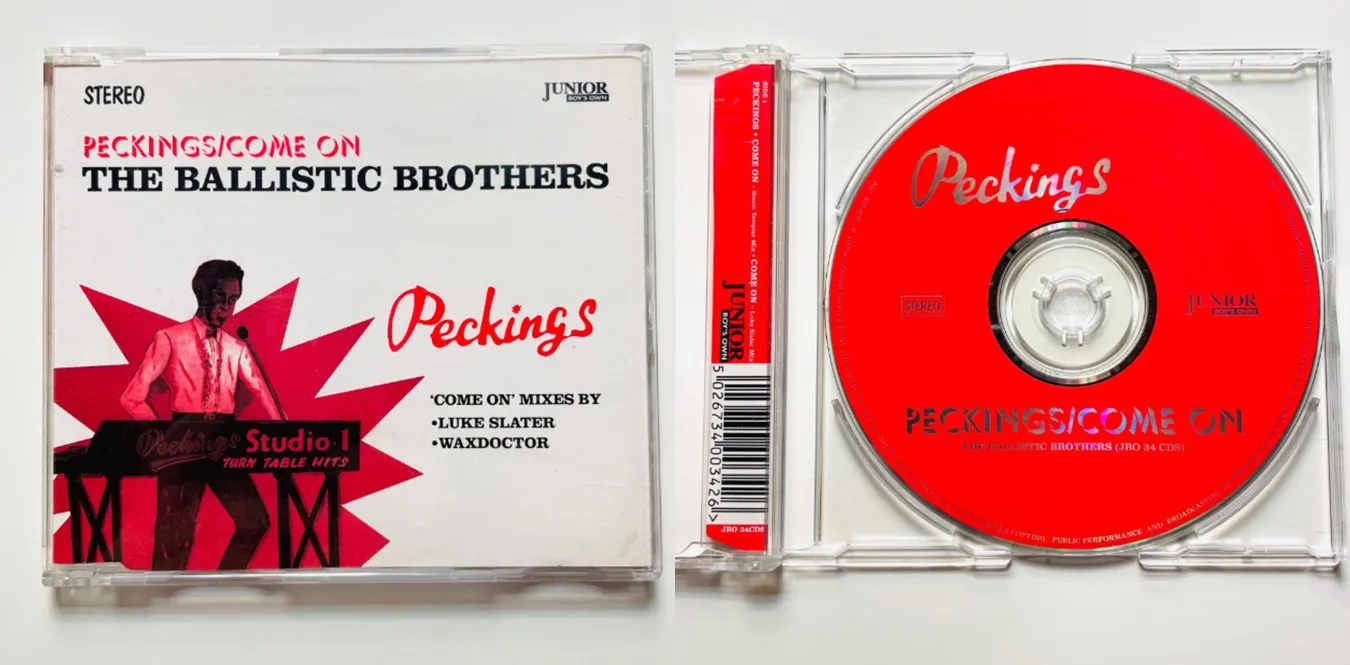
Ballistic Brothers – Peckings Come On
Ballistic Brothersは、X-Press 2のAshley Beedle、Rocky & Diesel、David Hill(Nuphonic Records) が結成し、90年代イギリスを拠点に活躍したダウンビートバンド。ジャズの影響を受けたファンキーなエレクトロニカスタイルが特徴。
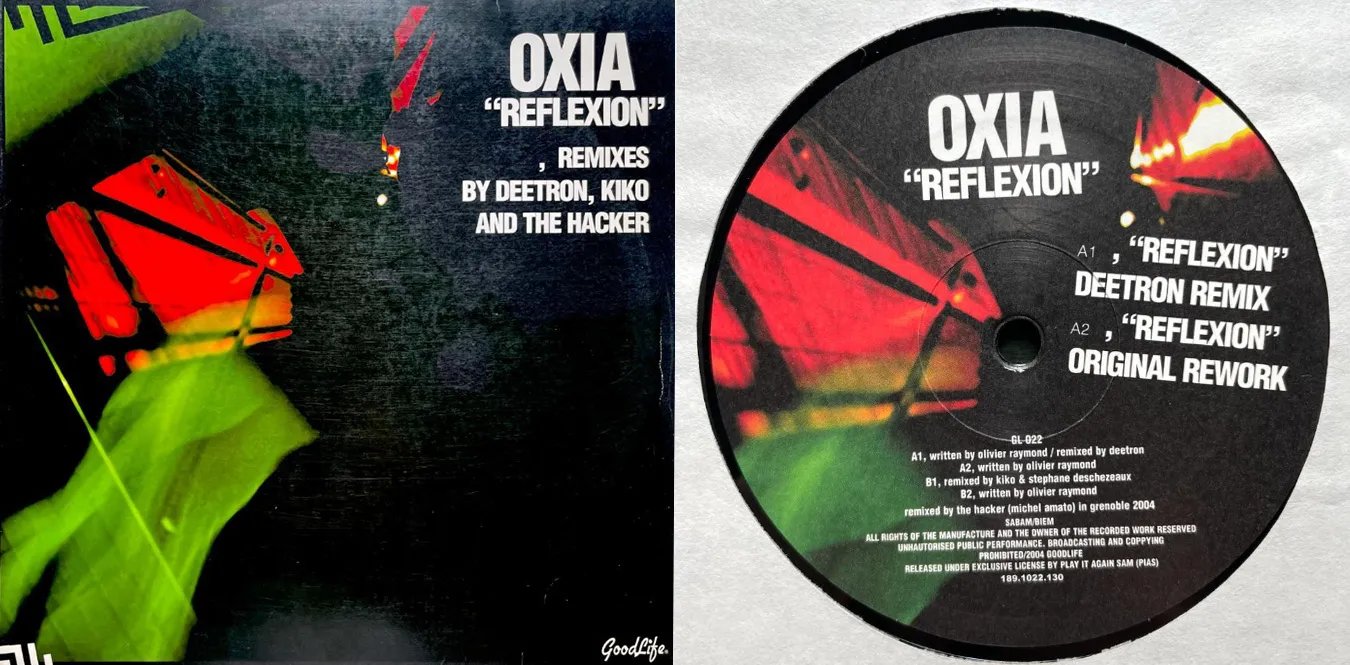
Oxia – Reflexion
GoodLifeの創設者のひとり、フランス人DJ・プロデューサーOxia(オクシア)ことOlivier Raymond(オリヴィエ・レイモンド)によるテクノトラック。