消えていくはずだった音楽
文:mmr|ジャンル:文化記録・メディア考察|テーマ:消えゆく音楽の痕跡を追う
Rave was an ad-hoc festival of sound and light, and was basically a culture that did not assume that it would be recorded. Rave, whether in a club or outdoors, is a here-and-now experience, destined to be forgotten and never archived.
However, in the 21st century, with the advent of YouTube, SNS, and archive sites, ““cultures that were supposed to be unrecorded’’ are beginning to be recorded and reevaluated. This change is extremely interesting from both media and music culture perspectives.
レイヴというメディア不在の空間
● The essence of rave is “anti-media”
1990年代のレイヴカルチャー(とくにUK、ドイツ、オランダ、日本の地下レイヴ)は、メディアによる露出や記録を避けていた。
法的リスク(違法パーティーやドラッグ問題)
商業主義への反発(「売られる音楽」ではない)
その瞬間の「身体体験」が全て(記録より実感)
In other words, the rave was “live” in every sense of the word. It was aesthetics and politics to distance yourself from the media.
記録されなかった音楽文化
● Examples of what was lost:
DJ set (recording was prohibited at the time)
現場のVJ映像、照明演出
会場の空気、スモーク、匂い、温度
Nonverbal interaction between spectators
レイヴは音源や楽譜ではなく、現象そのものが作品だった。したがって、その記録は通常の音楽アーカイブとは根本的に異なる課題を持っている。
誰がアーカイブするのか?メディアの変質
● アンダーグラウンドからの自発的アーカイブ
Since the 2000s, the following attempts have begun around the world.
MixesDB、Discogs:セットリストやマイナー音源の情報集積
YouTube/SoundCloud: Upload old mixtapes and pirated recordings
Reddit、Forum、ブログ:当時の体験談の言語化
Zine/Podcast/ドキュメンタリー:DIY精神による保存運動
これらは、従来の音楽メディア(雑誌、レーベル、放送局)ではカバーされなかった領域を埋める草の根的アーカイブである。
クラブカルチャーの断絶と復元
● 日本でも記録が少ない理由
According to the Entertainment Business Law, clubs were classified as “entertainment businesses.”
It was easy to avoid taking photos and videos (especially in Shibuya and Roppongi)
雑誌メディア(『LOUD』『ele-king』など)も限られた範囲しか追えなかった
そのため、90年代の東京レイヴはほとんど“記憶の中”にしか存在していない。
● 近年の動き
Citizen movement to preserve club culture (review of entertainment business law)
“Japan Rave Archive” and Zine projects are starting up
渋谷WOMBやageHaの過去映像のアーカイブ化
Aggressive archiving is underway overseas
2007年設立の「Rave Archive」は、90年代レイヴ文化の記憶を保存・共有するアーカイブ。レイヴァーでありアーキビストの視点から、消えやすい文化を後世へ伝える。
Don’t miss the Archive of Old Rave Flyers from 1989-2000 from across the U.S. and Canada.
デジタル時代の“非正規アーカイブ”の価値
今、私たちが頼りにしているアーカイブの多くは、「非正規」である。
・Mixtape with no label
・ VHSから取り込んだ低画質映像
・ 匿名ユーザーの記憶ベースのセットリスト
だが、それこそがレイヴの「場のリアル」を保存する最も生々しい手段でもある。制度化された文化遺産ではなく、地下で脈打つ“記憶の断片”の寄せ集めが、いま、ひとつの“文化遺産”になりつつある。
Conclusion: How to preserve unrecorded culture
レイヴは「体験の芸術」だった。それを記録し、後世に伝えることは、通常の音楽アーカイブの手法だけでは不可能である。
However, the accumulation of memories, fragments, reinterpretations, and “passion” is making this possible. The time has come for those of us who have grown up with media to go beyond media and reconsider how we archive culture.
YouTube Podcast
※このPodcastは英語ですが、自動字幕・翻訳で視聴できます
関連コラム
🔗 [Column] Acid House: Chemical reactions of sound and cultural transformation
🔗 [Column] History of Psy-Trance (psychedelic trance), masterpieces, and 10 recommended tracks
🔗 【コラム】 ユーロビートと日本:なぜパラパラと結びついたのか?
🔗 [Column] Cultural relationship between Initial D and Eurobeat
🔗 [Column] What was 90s Euro music? ──A feast of dance floors and melodies
Explore more like this
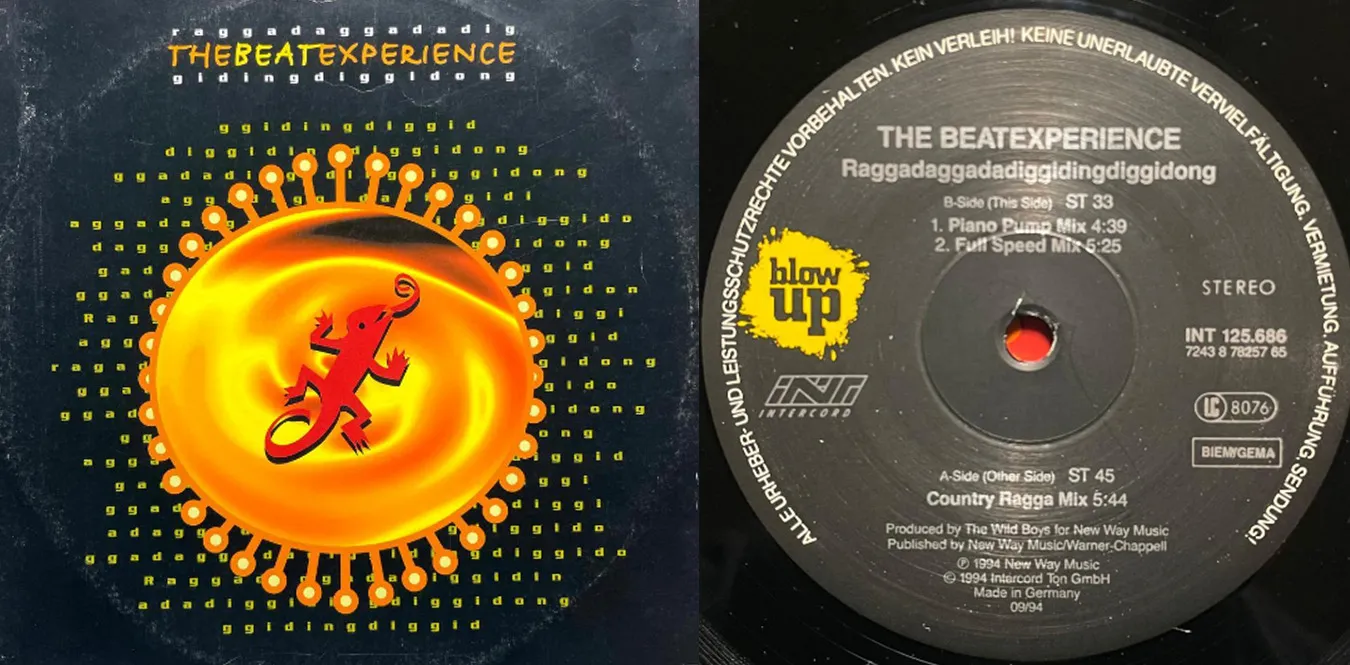
The Beat Experience – Raggadaggadadiggidingdiggidong
The Beat Experience is one of Stefan Heinemann’s many aliases. Stefan Heinemann was also active in Hypertrophy, a project with German house/electro/trance producer and DJ Thorsten Kaiser (DJ Thoka).
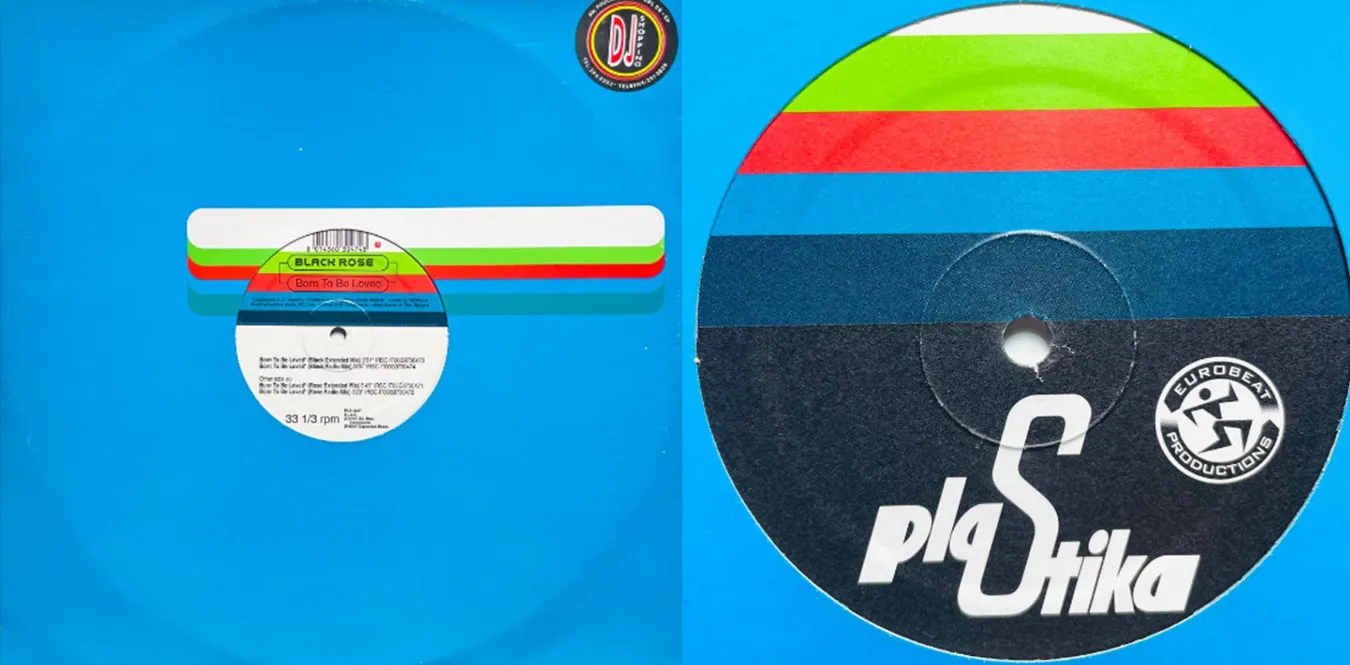
Black Rose – Born To Be Loved
Black Rose は、プロデューサーDavide Marsilio, ヴォーカルSamantha Boni, Giorgio Spagna, Samantaによるイタリアのプロジェクト。
【コラム】 シンセポップ──電子の夢が鳴り響いた時代
電子音は、いつから「人間の声」になったのだろうか

【コラム】 不完全さの美学 ─ 不完全の時代を生きるポップの新しい美学
Indie Sleazeが呼び戻した、汚れた快楽の時代
【コラム】 Beyond Drift:ユーロビート/EDMと“速度の記憶”の未来形
イントロダクション:峠の向こう側へ
![[Column] RE/Search: Magazines that record subcultures and their cultural influence](/../assets/images/column-research.webp)
[Column] RE/Search: Magazines that record subcultures and their cultural influence
V. Vale and RE/Search: Subculture Explorer
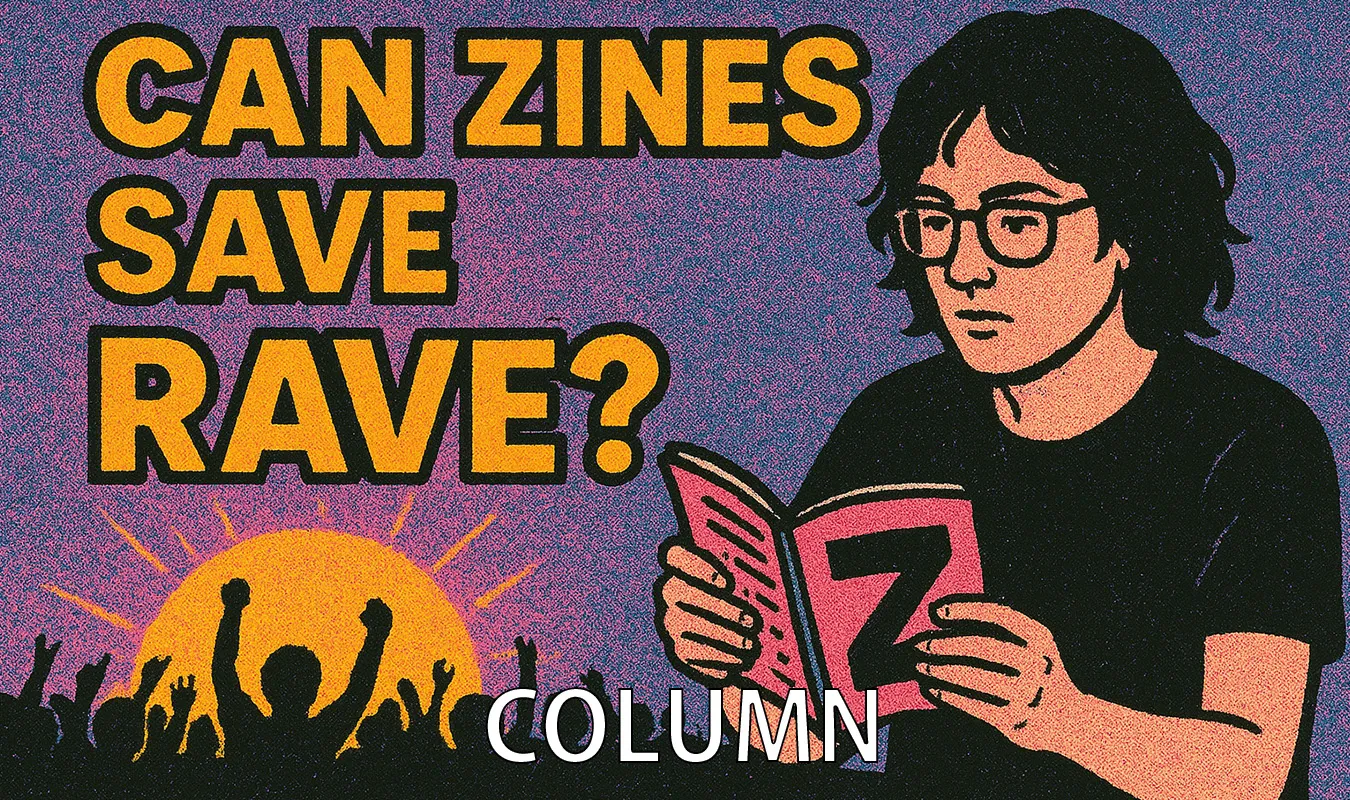
【コラム】 Zineはレイヴを救えるか?:DIYメディアの記憶装置としての可能性
Zineは記録、Zineは表現、Zineはレイヴの延長
【コラム】 砂漠の都市──Burning Man(バーニングマン)の歴史・逸話・現代的意義
砂漠に刻まれるアートとテーマの記憶
【コラム】 ユーロミュージックとクラブカルチャー:ラジオとレイヴの交差点
ユーロはポップか?アンダーグラウンドか?
![[Column] Memories of speed where Initial D and music intersect](/../assets/images/column-initiald-eurobeat2.webp)
[Column] Memories of speed where Initial D and music intersect
『頭文字D』がユーロビートを加速させ、インターネットとストリート文化へと広がった文化的軌跡を探る