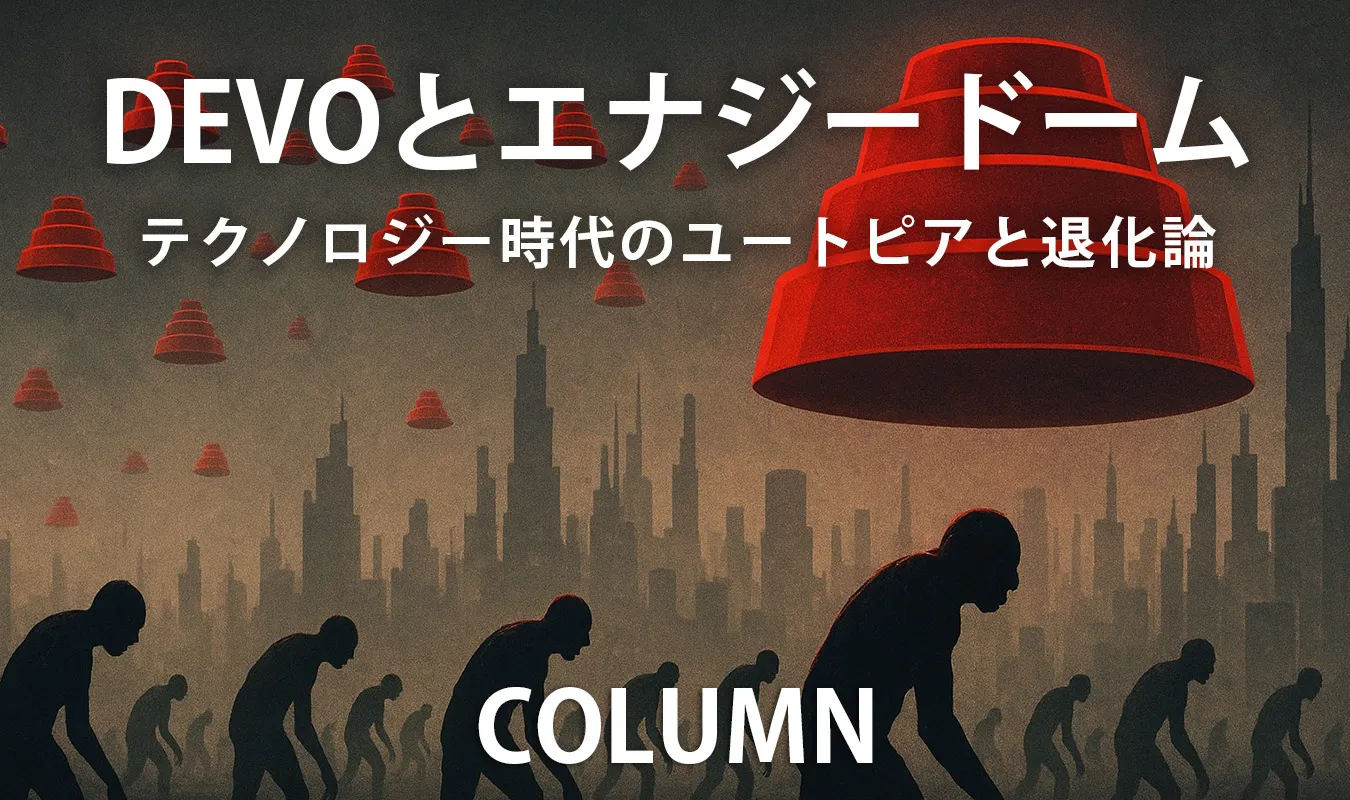
序章:赤いドームの意味とは
文:mmr|テーマ:DEVOの象徴「エナジードーム」を手がかりに、退化論、テクノロジー、DIY思想、そしてポップカルチャーの変容を読み解く
1970年代後半、アメリカのニューウェーヴ・バンド DEVO は、音楽だけでなく視覚的アイコンをもって新時代のポップアートを体現した。
その象徴が、彼らがステージやPVで着用した赤いプラスチック製の帽子──エナジードーム(Energy Dome)である。
This strange, futuristic design was more than just a costume.
DEVOによればそれは「人間が無駄に放出するエネルギーを再利用するためのデバイス」であり、
退化(De-Evolution)という彼らの哲学を、ユーモアと皮肉で具現化した装置でもあった。
第1章:退化論(De-Evolution)という思想
DEVOというバンド名は “De-Evolution”──「人類は進化していない、むしろ退化している」という逆説的な概念に由来する。
This idea was born in response to the turmoil in America from the late 1960s to the 1970s: the Vietnam War, environmental pollution, and the runaway consumer society.
Mark Mothersbaugh and Gerald Casale from Akron, Ohio, developed ““doubts about the myth of evolution’’ while studying art and politics. 彼らは、宗教的進歩主義もテクノロジー信仰も、結局は同じ幻想の変種だと気づき、それを皮肉るために「退化するポップ」を構想した。
“We’re all DEVO.”(僕らはみんな退化しているんだ)
— Mark Mothersbaugh
このフレーズは、彼らにとっての反体制スローガンであり、同時に社会風刺の呪文だった。
Chapter 2: Departing from art school
DEVO has been a “music unit” and a “multimedia project” from the beginning.
彼らはライブでスライド映像を投影し、手作りのビデオやパフォーマンス・アートを展開する。
His early film ““The Truth About De-Evolution’’ from 1976 is known as an experimental film documenting American decadence.
The film won an award at the Ann Arbor Film Festival in 1977 and caught the attention of David Bowie and Iggy Pop. After that, DEVO signed a contract with Warner Brothers and released their debut album ““Q: Are We Not Men? A: We Are DEVO!’’ (1978) with Brian Eno as producer.
第3章:エナジードームの登場と意味構造
エナジードームが初めて登場したのは、1980年のアルバム『Freedom of Choice』期である。
その形状は、古代建築やインカの段状ピラミッドを思わせる。
Mark Mothersbaughは後年こう語っている:
“It was designed according to ancient energy principles — it recycles the energy that escapes from the top of your head.” (それは古代のエネルギー原理に基づいて設計された。頭頂から逃げるエネルギーをリサイクルするんだ)
この「リサイクル」という言葉が重要だ。
DEVOにとって、テクノロジーは支配の象徴ではなく、再利用・再定義の手段である。
つまり、「システムの中でシステムを笑う」ためのユーモアの装置がエナジードームなのだ。
第4章:DIY文化とテクノ・アナーキズム
DEVO used home-made electronics and synthesizers to create their sound, albeit with a bit of irony towards commercial rock. Using Roland and ARP synths, they modified their own and reproduced proto-techno loop structures live. その実践は、のちのインディペンデント/Lo-Fiムーブメントの原型ともいえる。
彼らは、企業社会を風刺しながら企業的手法(ロゴ・スローガン・製品化)を逆手に取った。
In the sense that DEVO itself became a “brand” and presented the contradictions of an anti-capitalist brand, they were also the forerunners of post-modern art groups.
Chapter 5: Function as pop ─ “Whip It” and its misconceptions
1980年の大ヒット曲 “Whip It” は、表面的には単なるコミカルなシンセ・ポップに聞こえる。
しかしその歌詞は、「自分で世界を修正せよ」という反・英雄主義のパロディだ。
DEVOのユーモアは、単なるナンセンスではなく、メディア操作社会への批評として機能していた。
音楽ビデオで彼らは、白い実験室、合成音、マシン的動作──すべてをポップな冷笑のフォーマットに収める。
これはWarhol的な反復美学とも通じ、アイロニーを美学化した最初の音楽グループと評される所以である。
Chapter 6: Costume culture as social satire
エナジードームは、同時代のパンクが安全ピンやレザーで反抗を示したのに対し、未来的制服による従順のパロディを演じた。
““Performing obedience is the most radical form of resistance.’’ That was DEVO’s paradoxical message.
図でその構造を簡略に可視化すると、次のようになる:
This “performance of obedience” is the gene that later led to Daft Punk and Kraftwerk, as well as today’s anonymous artist culture.
Chapter 7: DEVO’s visual culture and anime structure
DEVOのMV群は、テレビ世代の情報過多を反映したポスト・アニメ的編集で構成されている。 Fast-forwarding, replaying in reverse, and emphasizing artificial movements make it seem as if humans themselves have become robot-like beings. この映像スタイルは、のちに日本の『デトロイト・メタル・シティ』やPerfumeの演出美学にも影響を与えている。
Chapter 8: Reassessment and Reboot since the 90s
In the late 1980s, DEVO went into decline as MTV culture changed. 1990年代に入るとインターネット時代の先駆者として再評価される。 彼らの自己風刺的ブランド戦略は、ポストWeb 2.0の自己商品化を予見していたのだ。
2000年代には再結成し、“Something for Everybody” (2010) で「アルゴリズム時代の民主主義」を風刺。 2020年代にはNFTやAI文化をも対象に、退化論をアップデートし続けている。
第9章:年表で見るDEVOの軌跡
Chapter 10: Today’s Significance of Energy Dome
エナジードームは、今なおDEVOファンの間で「思考のヘルメット」として愛されている。 コロナ禍では、フェイスシールド付きエナジードームが販売され、 It has once again attracted attention as a warning about environmental issues.
つまり、エナジードームは時代ごとに「変身」する社会装置なのだ。 そのたびに、私たちの「進化」幻想をからかいながら、 「退化の肯定」という異端の知恵を示してくれる。
Conclusion: Freedom to degenerate
DEVO’s message is not just irony, but a philosophy for self-transformation. 「進化しなければならない」という圧力の中で、彼らはあえて退化を選んだ。 その選択が、むしろ人間的自由を回復する手段となる。
“Freedom of Choice is what you got. Freedom from choice is what you want.” ─ DEVO, Freedom of Choice (1980)
エナジードームとは、未来を閉ざすヘルメットではなく、 私たちが再び「選ばない自由」を手にするためのアイコンなのかもしれない。 —
Related materials/references
Devo – New Traditionalists
「New Traditionalists」は1981年にリリースされたUSのニューウェイヴバンド、Devo(ディーヴォ)の4作目のアルバムであり、バンド初の完全セルフプロデュース・アルバム。
「Whip It」が収録された前作のアルバムFreedom Of Choice(欲望心理学)のヒットを受けて、このアルバムでは「脱進化」をコンセプトにシンセサイザーのリフとリズム&電子パーカッションに重点を置いたミニマルな雰囲気になっている。
Tracklist
A1. Through Being Cool
A2. Jerkin' Back 'N' Forth
A3. Pity You
A4. Soft Things
A5. Going Under

B1. Race Of Doom
B2. Love Without Anger
B3. The Super Thing
B4. Beautiful World
B5. Enough Said
B6. Working In The Coal Mine
Youtube
YouTube Podcast
※このPodcastは英語ですが、自動字幕・翻訳で視聴できます
Explore more like this
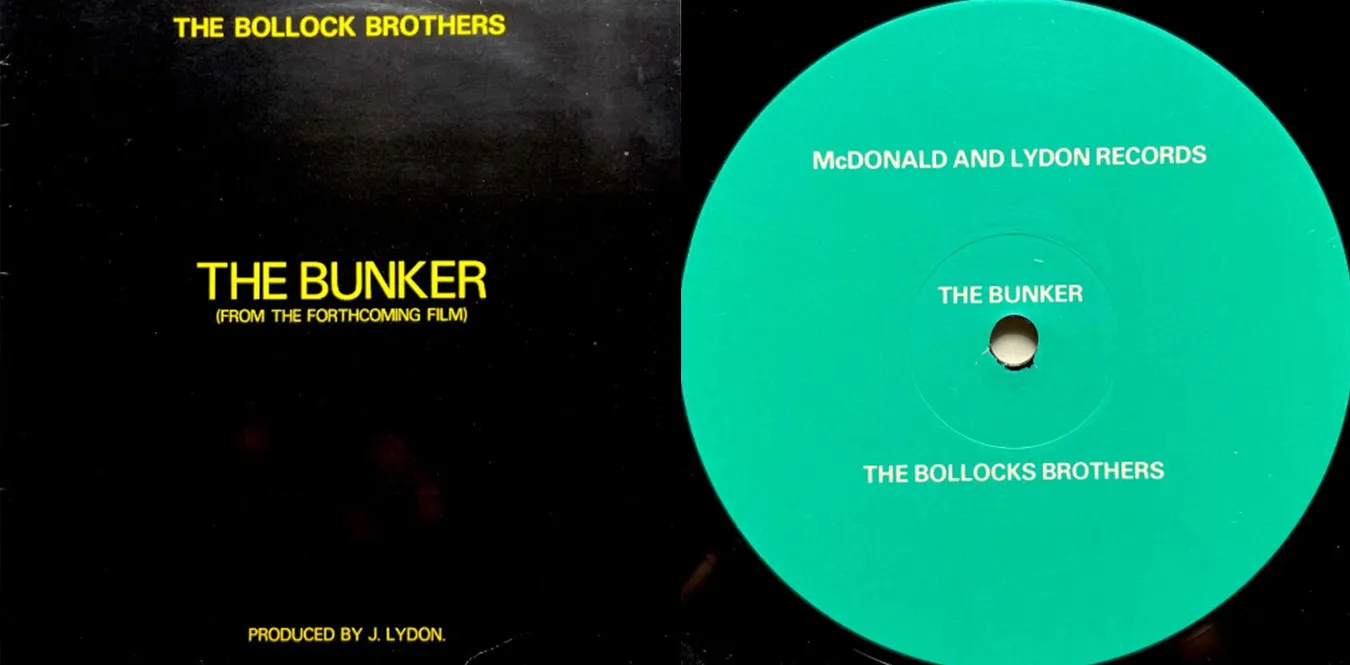
The Bollock Brothers – The Bunker (From The Forthcoming Film)
The Bollock Brothers(ボロック・ブラザーズ)は、ロンドンのプロモーター/ DJ /マネージャーであり、 4” Be 2”のメンバーだったJock McDonald(ジョック・マクドナルド)によって1979年に結成されたイギリスのPunk /New Waveバンド。

【コラム】 一人での創造:ベッドルームプロデューサーの時代
Prologue: From an empty room to the world
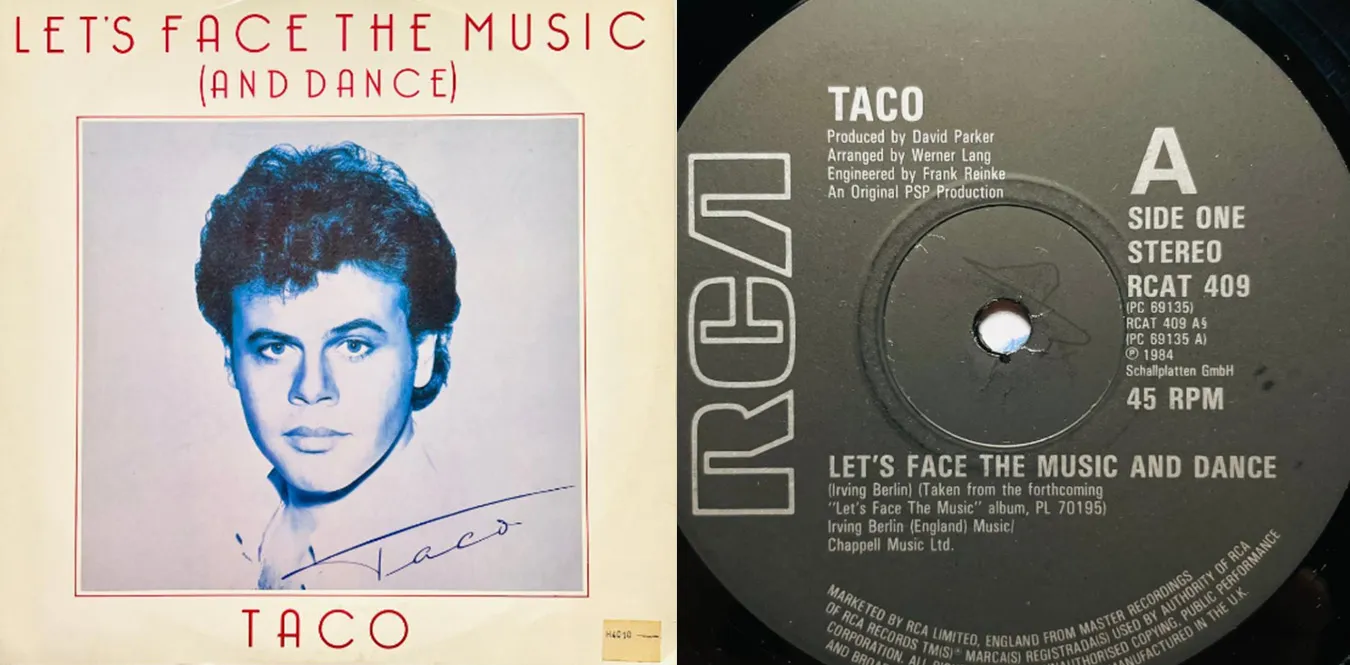
Taco – Let's Face The Music (And Dance) Sayonara ('Til We Meet Again)
Taco(タコ)は、「Puttin’ on the Ritz(踊るリッツの夜)」のヒットで知られるインドネシア系オランダ人シンガー。
【コラム】 シンセポップ──電子の夢が鳴り響いた時代
電子音は、いつから「人間の声」になったのだろうか
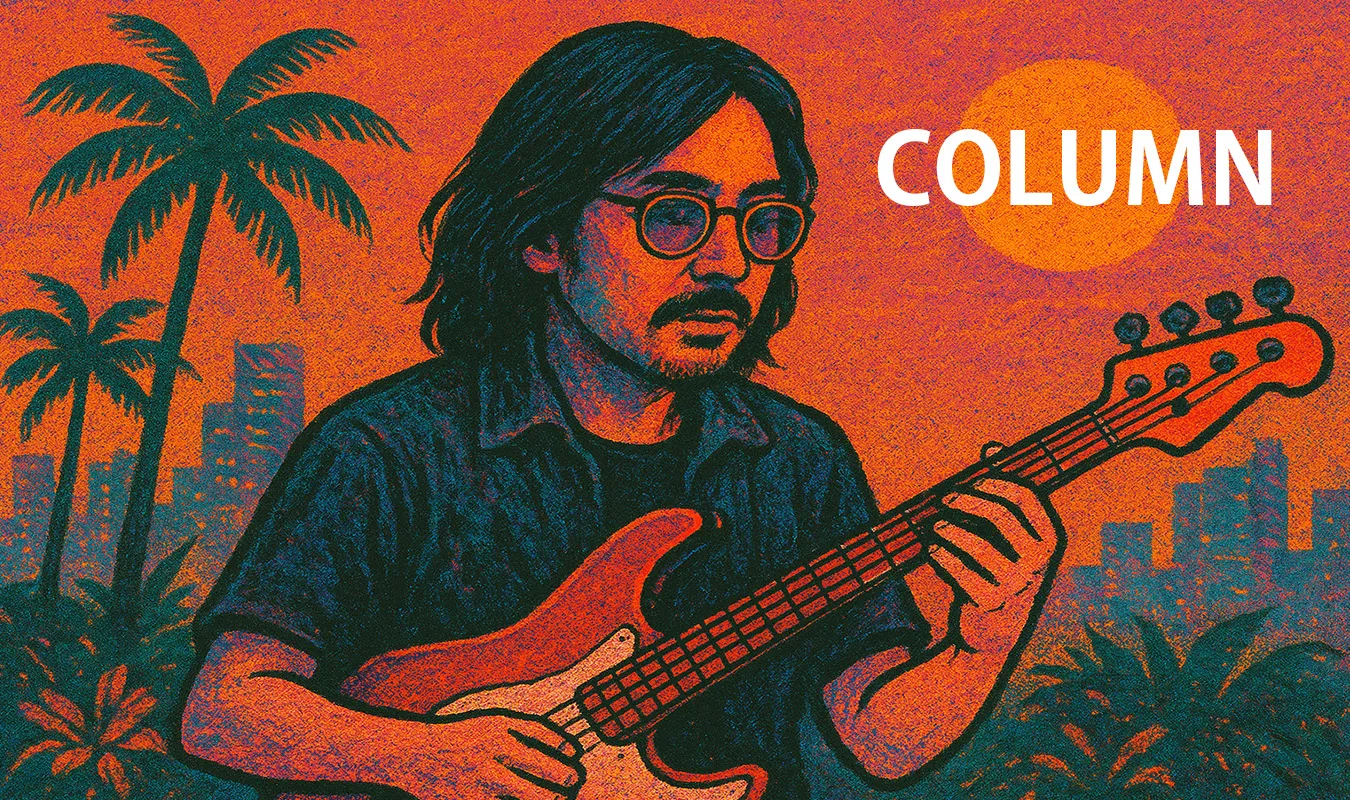
【コラム】 細野晴臣 ― 音の旅人、時代を超える静かな革新
Quiet Revolutionary - Haruomi Hosono
ニューウェーブ(New Wave)作品をピックアップ
「独特なシンセサイザーの響きと前衛的なリズムが印象的な、注目すべきニューウェーブ(New-Wave)作品群」
![[Column] New Wave: The intersection of post-punk music innovation and 1980s urban culture](/../assets/images/column-new-wave.webp)
[Column] New Wave: The intersection of post-punk music innovation and 1980s urban culture
ニューウェーブは単なるジャンルではなく、パンク後の実験精神を受け継ぎ、多様な音楽と文化を融合させた「時代の感性」
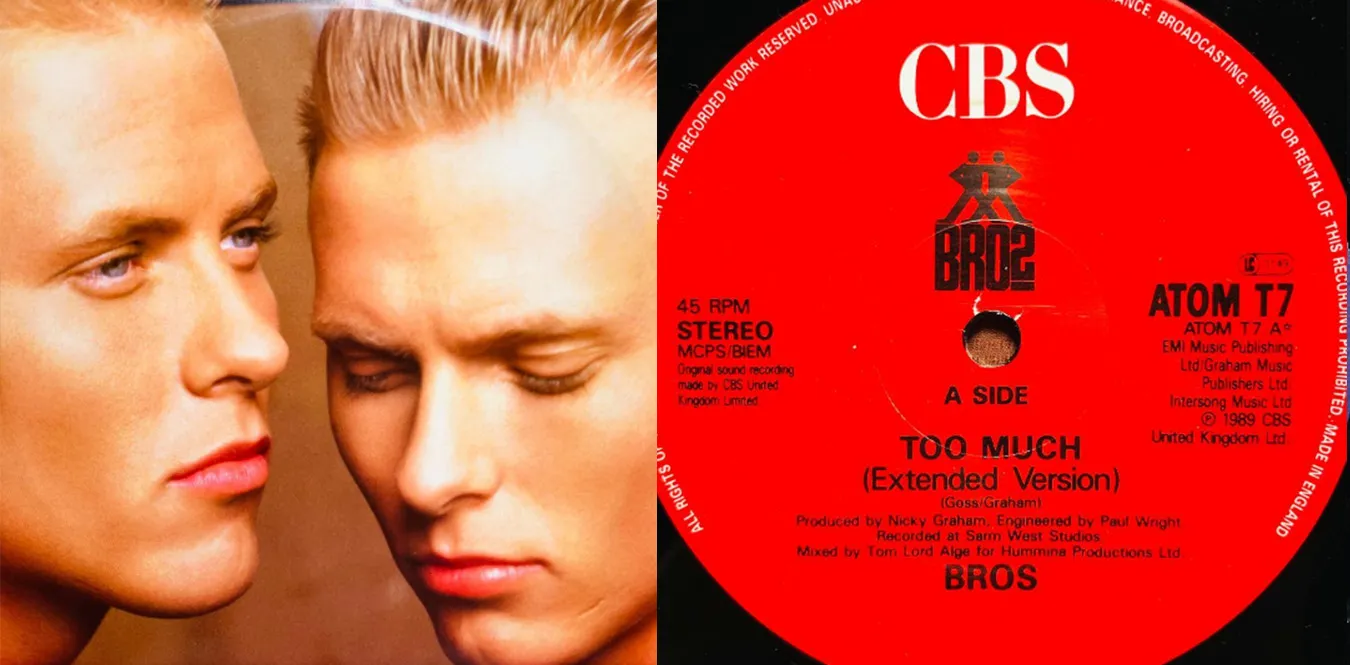
Bros – Too Much
Brosは、1987年〜1992年まで活動したイギリスのポップバンド。結成時は、双子の兄弟 Matt &Luke Goss(マット・ゴス&ルーク・ゴス) 、Craig Logan(クレイグ・ローガン)のトリオだったが、1989年初頭にCraig Loganが脱退し、デュオとして活動した。マネージャーは元Pet Shop Boys(ペットショップボーイズ)のマネージャーTom Watkins(トム・ワトキンス)。
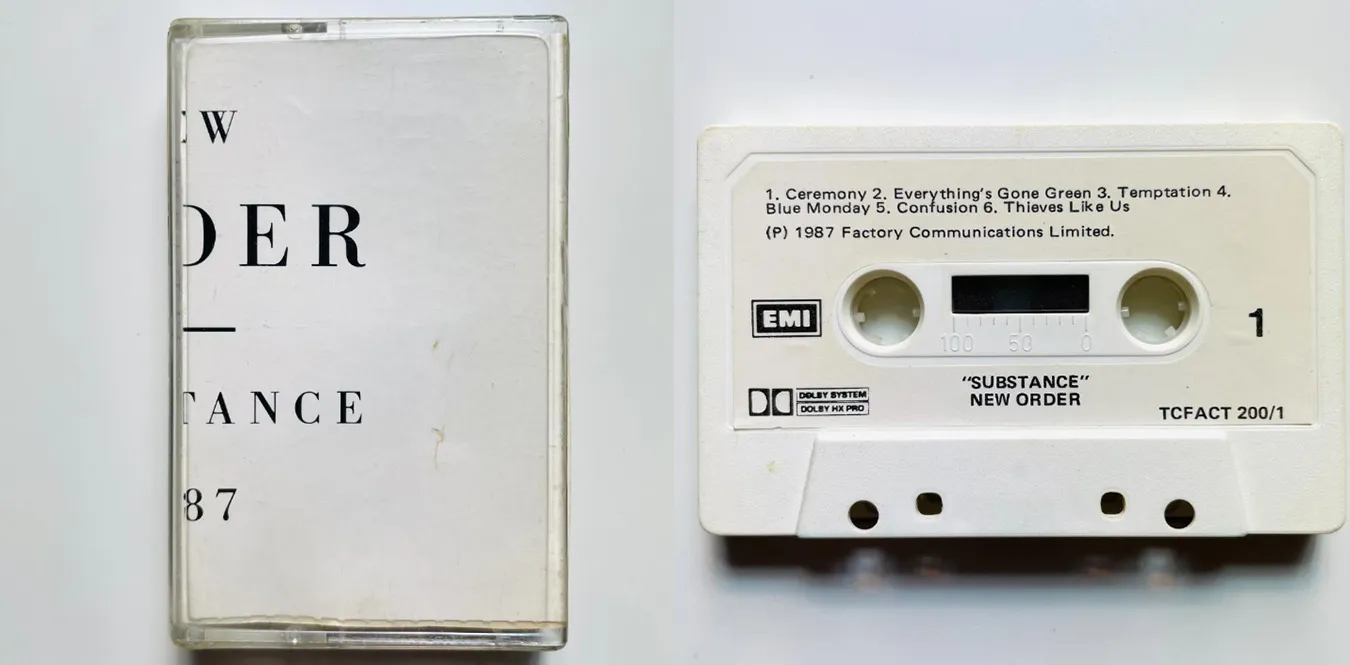
New Order – Substance
New Order(ニュー・オーダー)は、ポストパンクの代表的なバンドの一つJoy Division(ジョイ・ディヴィジョン)を前身とするUKロックバンド。
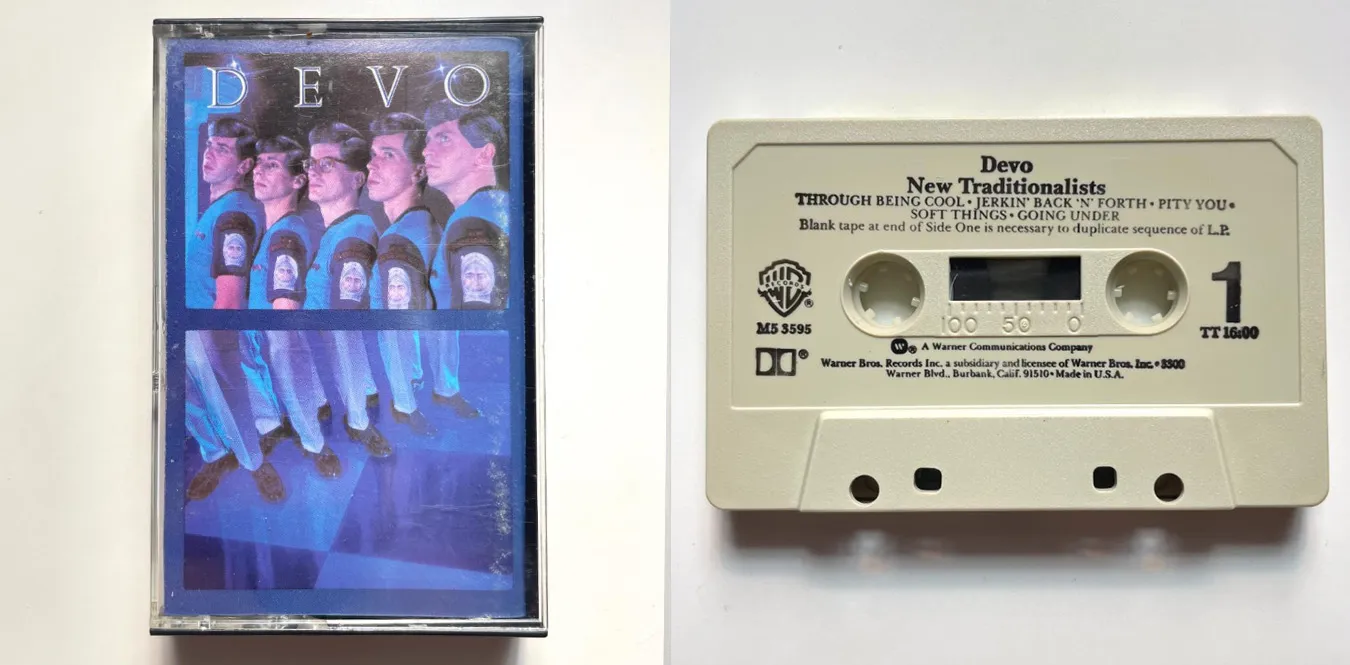
Devo – New Traditionalists
「New Traditionalists」は1981年にリリースされたUSのニューウェイヴバンド、Devo(ディーヴォ)の4作目のアルバムであり、バンド初の完全セルフプロデュース・アルバム。
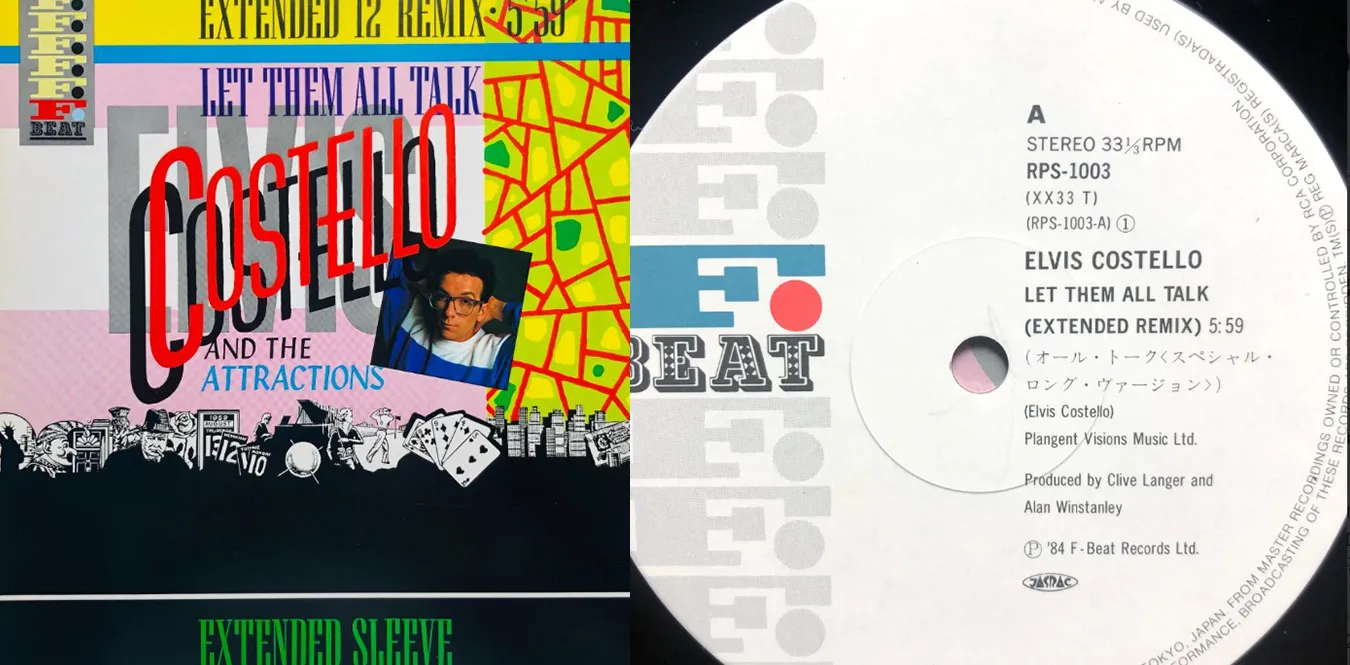
Elvis Costello And The Attractions – Let Them All Talk
エルヴィス・コステロは、ローリング・ストーンの選ぶ歴史上最も偉大な100組のアーティストにも選ばれ、2003年にはエルヴィス・コステロ&ジ・アトラクションズとしてロックの殿堂入りを果たしている。