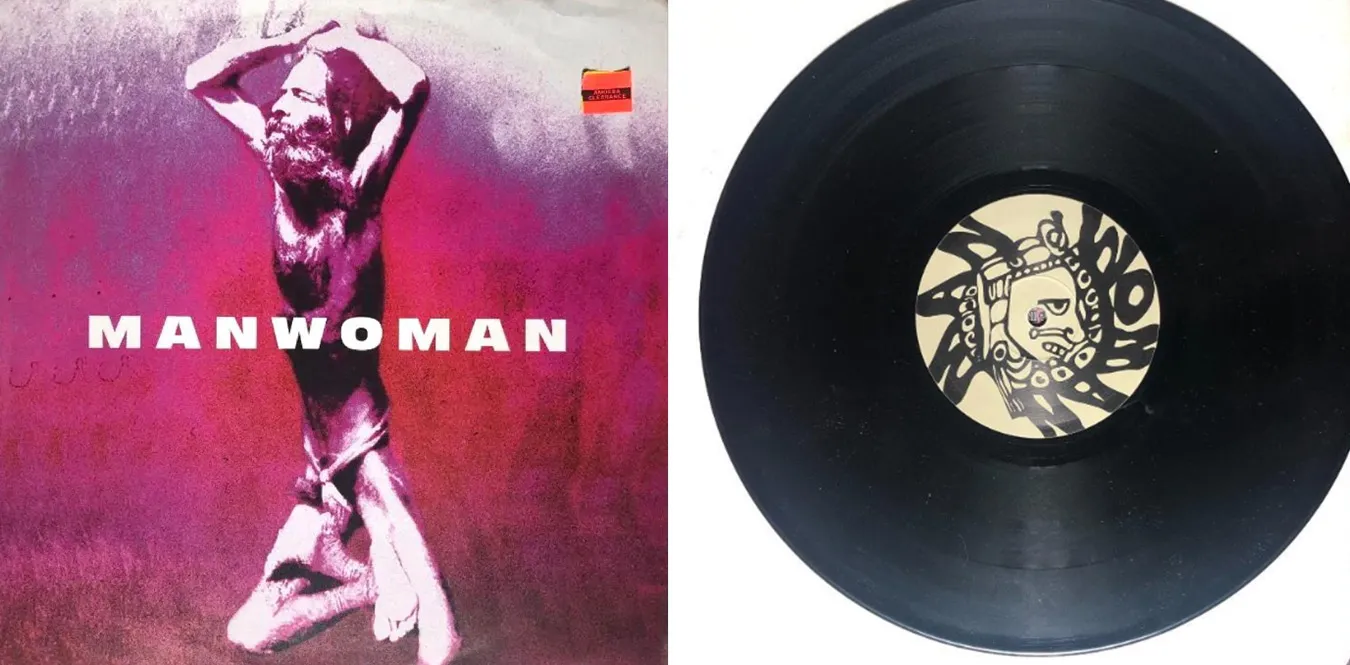

10インチという「中間のフォーマット」
文:mmr|テーマ:7インチでも12インチでもない。10インチという中間フォーマットが語る、音の美学と時代の記憶
10 inch record. その言葉には、ある種の曖昧さが宿っている。7インチシングルの即効性とも、12インチLPの充足感とも異なる、中途半端でありながらも独特の存在感。レコードの歴史をひもとくと、この“中間のフォーマット”がいかに時代の転換点を彩ってきたかが見えてくる。
10 inches is not just a matter of size. It was also another philosophy that redefined ““length of time” and ““density of sound.” The restriction of around 10 minutes per side forced artists and engineers to choose ““condensation,’’ and the result was a surprisingly well-defined sound and a listening experience that required concentration.
“聴き終わるまでにちょうど一服できる長さ”。
The aesthetics of 10-inch products resides in this sense of time.
技術史としての10インチ:回転数・溝幅・音質のバランス
The appeal of the 10-inch cannot be explained simply by being “in between the sizes.” It is built on an exquisite balance both physically and acoustically.
Born in the early 1950s between 33⅓ rpm LP and 78 rpm SP, the 10-inch record had a recording time of about 10 to 12 minutes per side. This length corresponded to the most natural “performance unit” in jazz and classical sessions at the time. A time that can easily accommodate a full set performance. This is one of the reasons why many labels adopted 10-inch before moving to 12-inch.
Furthermore, the small surface of the disc reduces internal distortion, making the rise of the sound clearer. Among cutting engineers, it is often said that the 10-inch sound has a core. This characteristic was especially effective for music that emphasizes the freshness of the midrange rather than the extension of the low range.
The 1950s Golden Age of 10-Inch: The Experimental Ground for Jazz and Classical Music
10インチが最も輝いたのは、1950年代前半のジャズ黎明期である。
Blue Note、Prestige、Clefといったレーベルは、アーティストたちの試行錯誤を10インチというフォーマットに閉じ込めた。
マイルス・デイヴィス『Young Man with a Horn』(1952)、セロニアス・モンク『Thelonious Monk Trio』(1954)、チャーリー・パーカー『Now’s the Time』(1953)。これらはいずれも、10インチという制約の中で最高の構成を求めた“短編映画”のような作品だった。
Before the advent of the 12-inch LP, the 10-inch was the testing ground for the new concept of “LP.” At a time when the format for long works had not been determined, the 10-inch format gave the artist a sense of ““cohesion,” while at the same time preserving the density of a ““cut out moment.”
そして見逃せないのが、ジャケットデザインの進化である。Reid Miles登場以前のBlue Noteは、タイポグラフィと写真の余白を活かした簡潔な構成で知られるが、その黄金比が最も美しく現れたのも10インチ時代だった。
The return of the forgotten size: in the context of punk, alternative and indie
Eventually, 12-inch LPs dominated the market, and 10-inches were relegated to the margins of history. だが1980年代、パンクとインディの流れが再びこのフォーマットを呼び戻す。
理由は単純だった。
“More than a 7-inch and lighter than an LP.”
制作費が抑えられ、流通も容易。さらに、奇妙なサイズ感が“DIY感”や“限定感”を演出した。Sonic Youthの『Death Valley ’69』や、Pavementの『Watery, Domestic』。どれも10インチという形で登場し、アートワークを含めた“モノとしての美学”を提示した。
When Radiohead released Com Lag (2plus2isfive) on a 10-inch, they had a clear intention. It”s not a full album, it”s not a single. The 10-inch has regained meaning as the perfect medium for bands to share their experimental side with listeners.
10-inch culture in Japan: minimalism and craftsmanship
日本では、10インチ盤は“珍盤”として扱われることが多い。
だが、その少なさゆえに、特別な愛着を生む。
The precision technology of Toyo Kasei and other domestic press plants shows its true value in delicate formats like 10 inches. The silence of the board, the smoothness of the hands, and the color of the print. Each one is the result of a craftsman’s sensitivity.
In recent years, an increasing number of artists have chosen 10-inch discs, such as Haruomi Hosono”s [10-inch reissue] (https://amzn.to/4nMnl7a), Tabito Nanao ["”Little Melody”] (https://amzn.to/46SV7QE), and Shintaro Sakamoto ["”God of Disco”] (https://amzn.to/4oaCpen). It”s not just nostalgia, but an act of redesigning “listening time.”
「短いけれど、濃い」。
The Japanese aesthetic of “ma” naturally blends into the 10-inch format.
Redefining physical media: 10-inch future format philosophy
In these days of streaming, the differences in format should have nothing to do with the sound. However, the existence of a 10-inch camera shakes that assumption.
Short playback time encourages concentration. Small size creates intimacy. Physical constraints conversely accentuate the contours of the act of “listening.”
10インチを手に取るとき、私たちは“時間”をも手に取っているのだ。
It is a music experience that is conscious of the end, unlike a playlist that flows endlessly due to an algorithm. Drop the needle and turn the board over. This series of actions is the ““aesthetics of inefficiency’’ that the 10-inch speaks to today.
Final chapter: Time in the palm of your hand, 10-inch speaks about the “density of sound”
10 inches is incomplete yet complete. It’s not a long story or a short story, but a “short story” format. Music in the palm of your hand. However, its density is not inferior to 12 inches.
フォーマットとは、単なる容器ではなく、思想である。
Reevaluating the 10-inch is an act of reconsidering the way music is listened to.
いつの時代も、技術の境目には「中間」が存在する。
その曖昧さの中にこそ、表現の自由と実験精神が宿る。
10インチというサイズは、そのことを私たちに静かに語りかけている。
年表:10インチレコードの主要トピック
Related columns
Explore more like this

【コラム】 スキャット唱法の文化史——声が楽器になる瞬間
Prologue Freedom born at the moment of abandoning meaning

【コラム】 ガールズバンド・シーンの世界史
序章:ガールズバンドという表現形式

【コラム】 不完全さの美学 ─ 不完全の時代を生きるポップの新しい美学
Indie Sleazeが呼び戻した、汚れた快楽の時代

【コラム】 10インチレコード技術補足編:溝幅・回転数・マスタリングの真実
10インチという設計思想:フォーマットの中庸に宿る精度

【コラム】 オープンリール復活論:磁気が再び未来を記録する
オープンリール復活の予兆 — 物質としての音が再接続される
[Column] 10-inch temptation: The aesthetics of sound told by the format
“Intermediate format” of 10 inches
[Column] 10-inch record technology supplement: The truth about groove width, rotation speed, and mastering
10-inch design concept: precision in the medium of format
【コラム】 「針の音からストリーミングまで、音は時代を超えて生き続ける」 巻き戻しの時代から無限スキップの時代へ
Changes and comparisons of music media: Sales of records, cassettes, CDs, and MDs, frequency characteristics, future trends, and the emergence of Dolby Atmos
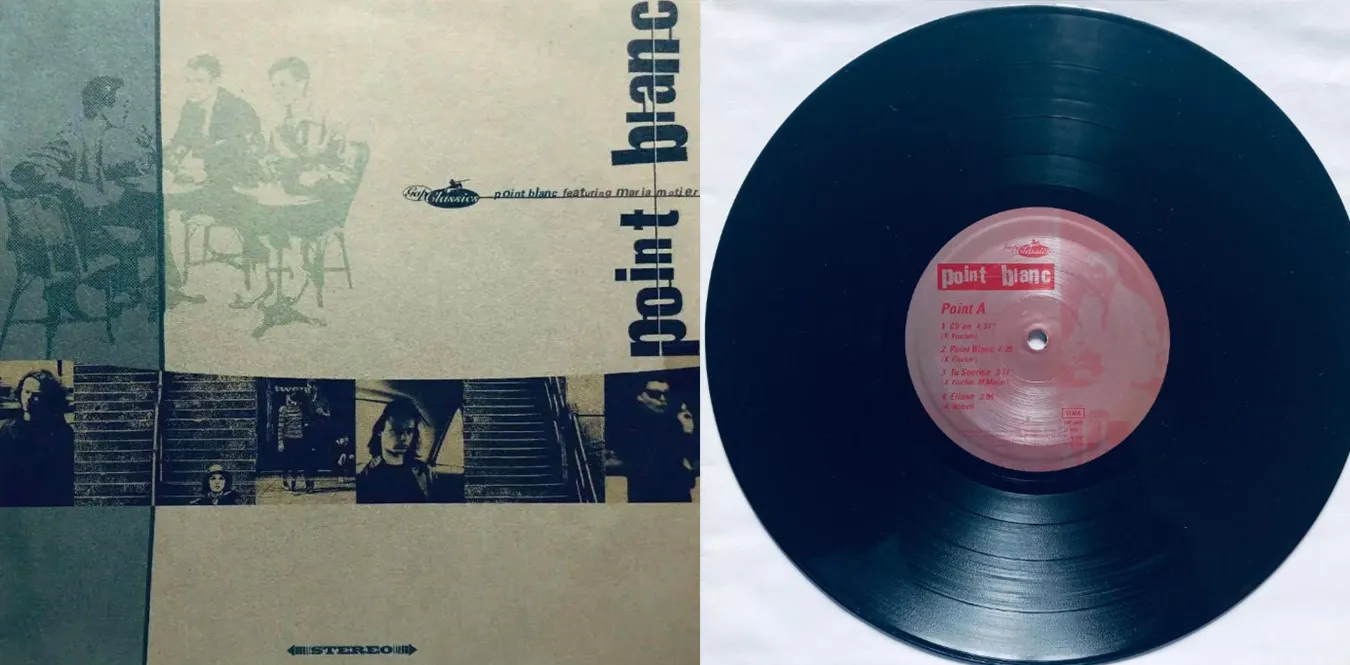
Point Blanc Featuring Maria Motjér – Point Blanc
1996年にドイツはケルンのGroove Attack Productions (GAP) からリリースされた10インチレコードです。