
10インチという設計思想:フォーマットの中庸に宿る精度
文:mmr|テーマ:10インチレコードの構造・回転数・マスタリングなどの技術的背景を掘り下げ、フォーマットが生む音の個性を再考する
レコードの物理的構造は、音楽フォーマットの哲学を最も純粋な形で体現している。
10インチ盤はその中でも特に「設計的中庸」に位置するフォーマットだ。
直径25cmという盤面は、溝の線速度・溝幅・回転数のすべてにおいて、7インチと12インチの中間特性を示す。
これが意味するのは、再生時間と音質のトレードオフの最適解がここにあるということ。
The 10-inch size exists at a “beautiful balance point” with few design constraints.
回転数と線速度:音の「勢い」を決める物理法則
レコードの音質を決める要素のひとつが、回転数(RPM)と線速度(linear velocity)である。
-
7インチシングル:45RPM
外周では音の勢いがあり、高域の再現に優れる。だが内周では歪みが増える。 -
12 inch LP: 33⅓RPM 長時間再生に適し、安定した音質を確保するが、高域はやや落ち着く。
-
10 inch LP: 33⅓RPM or 45RPM 33⅓では片面約12分、45RPMでは約8〜9分が限界。
つまり、時間よりも音質を優先した設計が可能なのが10インチの強みである。
線速度の平均値は、12インチに比べて約15%高く、内周歪みが少ない。
特にジャズやインディ・ロックのようにアタックの強い音楽では、この速度特性が明瞭なリズム感と空間の分離を生む。
Groove width and cutting level: Tug of war between sound pressure and playback time
The groove width on an analog record is proportional to the amplitude (dynamics) of the sound. つまり、ラウドな音を刻むほど、再生時間は短くなる。
12インチ盤では1インチあたり約250〜300本の溝が刻まれるが、10インチ盤では音圧を優先する場合、溝本数を200本程度に抑えることが多い。
As a result, the sound groove is thicker and the “edge” of the sound is emphasized.
Due to this structural feature, 10-inch discs exhibit the following acoustic trends:
- 音圧感があり、低域のアタックが明確
- 中域の定位がタイト
- High range is slightly rough, but has momentum
This characteristic makes it suitable for live albums and rough mixes, and this is why artists who choose 10-inch discs emphasize experimentation.
マスタリング工程:ラッカーからスタンパーへ
The key point in the 10-inch record production process is the lacquer cutting stage. Due to the smaller diameter of the 10-inch disc, there is less cutting head tracking error. これにより、音溝の精度が上がり、ステレオ定位がより安定する。
Main process overview
-
Premastering
デジタルまたはアナログソースを、ラッカー用に最適化。
Adjust sound pressure, stereo width, and phase. -
Lacquer Cutting
Carve grooves on a 10-inch lacquer board. Groove width and pitch control are important. “33⅓RPMで12分以内”が一つの設計基準。 -
Electroforming Copy with nickel in the order of master → mother → stamper. 10インチは12インチよりも変形率が低く、プレスの歩留まりが良い。
-
Pressing Domestic presses such as Toyo Kasei control plate surface temperature and pressure in millimeter units. 成型の安定性が音質に直結するため、特に10インチではこの工程が要。
プレス素材と重量:180g神話の裏側
10インチ盤では、盤厚が1.8〜2.0mm前後、重量は約120〜150gが一般的。
12インチの180g重量盤ブームの影響を受けて「重いほど高音質」と思われがちだが、実際には素材の密度とフラットネス(平面精度)の方が重要である。
10インチ盤の小ささは、盤全体の剛性を自然に高め、反りにくく、共振が少ない。
つまり、薄くても“響きが締まる”。このため、軽量10インチ盤でも音質面での不利はほとんどない。
音響測定の観点から見た10インチの「密度」
From an acoustic measurement perspective, the playback frequency characteristics of 10-inch discs show the following trends.
| 帯域 | 平均S/N比 | 備考 |
|---|---|---|
| 40Hz〜100Hz | +2dB | 低域のピーク強め、タイト |
| 1kHz to 4kHz | ±0dB | Flat, clear |
| 8kHz以上 | −1〜2dB | 高域の減衰やや早い(物理的制約) |
この特性は、結果としてミッドレンジ中心の「近接感」ある音像を生む。
The reason why 10-inch discs are said to have a ““live sound’’ is because of the high density of the midrange.
33⅓か45か:フォーマット選択の哲学
10インチ盤では、制作段階で33⅓RPMと45RPMのどちらを採用するかが大きな分岐となる。
選択基準は以下の通り:
- 33⅓RPM: Focus on recording time. Ideal for EPs and small albums.
- 45RPM:音質・ダイナミクス重視。マキシシングル、オーディオファイル向け。
興味深いのは、45RPMの10インチ盤は12インチ45RPMよりも“音像が凝縮する”ことだ。
This is due to the physical phenomenon that the winding speed of the groove is fast, so the low range comes to the front.
結果として、クラブ系やノイズ・アーティストが10インチ45RPMを選ぶケースが多い。
マスタリング哲学:限られた時間に“作品を刻む”技術
10-inch cutting is not just a technique, but also an ““editing aesthetic.’’
時間が限られているからこそ、どの音を残し、どの音を削るかが問われる。
この感覚は、映画の編集や写真のトリミングに近い。
There is also a movement among modern mastering engineers to seek a “10-inch optimized sound image.” それはもはや過去のフォーマットではなく、新しい時間設計の装置としての10インチである。
Conclusion: Musical philosophy in the physics of a disk
10インチ盤の魅力を技術的に語ると、その背後に浮かび上がるのは「制約が生む自由」だ。
設計上の限界、時間の短さ、サイズの狭間。
そのすべてが、音楽を“凝縮”させ、“手触り”を取り戻させる。
The format is philosophy, engineering, and poetry.
10インチは、その三者がもっとも緻密に交差する点に位置している。
針先が溝をなぞるその一瞬、私たちは物理の中に音楽の精神を見るのだ。
付録:図解 — レコード技術進化小史
図A — 溝断面(Groove cross-section, stylus motion)
図B — 外周→内周に沿った音圧/周波数特性(概念図)
Related columns
Explore more like this

【コラム】 スキャット唱法の文化史——声が楽器になる瞬間
Prologue Freedom born at the moment of abandoning meaning

【コラム】 ガールズバンド・シーンの世界史
序章:ガールズバンドという表現形式

【コラム】 不完全さの美学 ─ 不完全の時代を生きるポップの新しい美学
Indie Sleazeが呼び戻した、汚れた快楽の時代

【コラム】 10インチの誘惑——フォーマットが語る音の美学
10インチという「中間のフォーマット」

【コラム】 オープンリール復活論:磁気が再び未来を記録する
オープンリール復活の予兆 — 物質としての音が再接続される
[Column] 10-inch temptation: The aesthetics of sound told by the format
“Intermediate format” of 10 inches
[Column] 10-inch record technology supplement: The truth about groove width, rotation speed, and mastering
10-inch design concept: precision in the medium of format

【コラム】 「針の音からストリーミングまで、音は時代を超えて生き続ける」 巻き戻しの時代から無限スキップの時代へ
Changes and comparisons of music media: Sales of records, cassettes, CDs, and MDs, frequency characteristics, future trends, and the emergence of Dolby Atmos
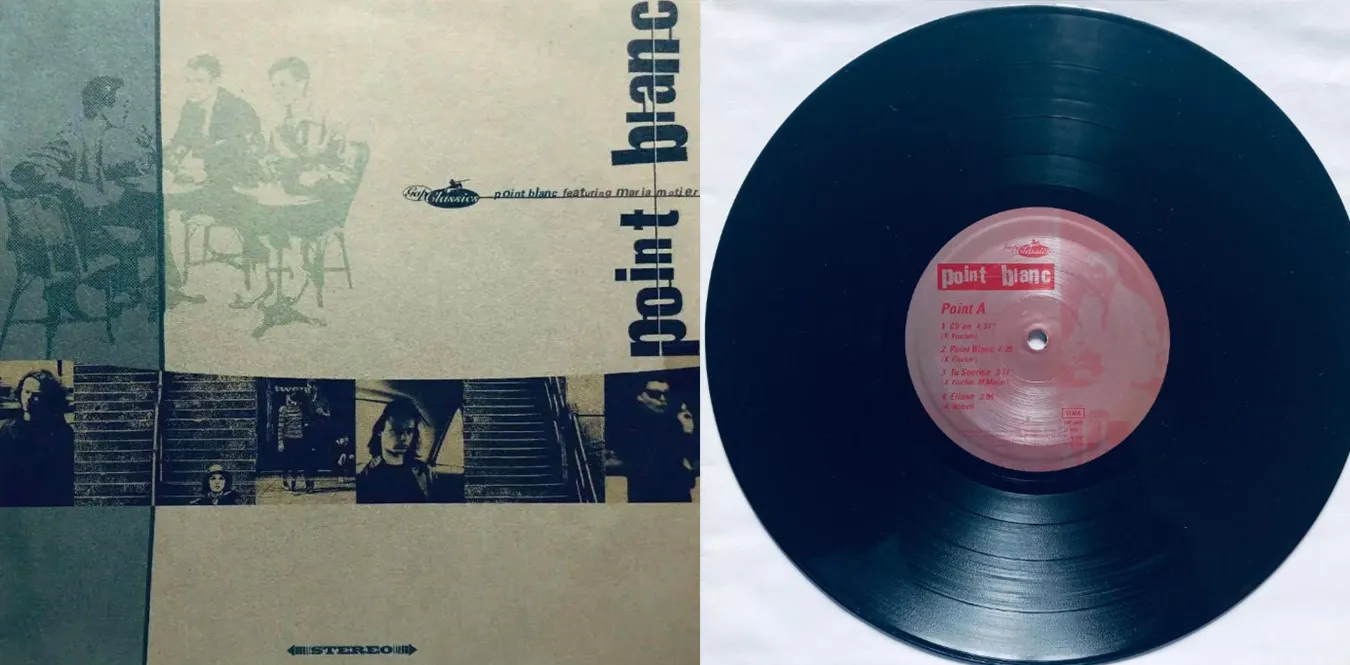
Point Blanc Featuring Maria Motjér – Point Blanc
1996年にドイツはケルンのGroove Attack Productions (GAP) からリリースされた10インチレコードです。