“音楽の魂は低音にある。”
文:mmr|テーマ:世界と日本のベーシスト文化を貫く“低音の思想”
We are often captivated by melodies.
だが、音楽を「感じる」瞬間は、いつも身体の奥で鳴っている低音にある。
クラブのサブウーファーが空気を揺らす時も、ライブハウスで胸を打つ一打も、
その中心にあるのは「ベース」という名の見えざる重力だ。
I. 耳ではなく身体で聴く音楽
Bass is a sound that your body reacts to before you hear it.
リズムとハーモニーの狭間に立ち、音楽の重心を決定づける存在。
It is not just an accompaniment, but controls the very breath of the music.
Since the 20th century, changes in music have always accompanied innovations in bass.
ジャズが即興の自由を手に入れ、ロックが反逆のエネルギーを放ち、
テクノやヒップホップが都市の空気を刻むたび、ベースは“新しい身体性”を提示してきた。
II. 世界の地殻変動:低音が動かした20世紀音楽史
1. Starting with the rebellion of jazz
Listening to Charles Mingus play
それは単なるベース・ラインではなく、社会への声明に聞こえる。
怒りと知性、即興と構築。その低音には詩が宿る。
レイ・ブラウンやロン・カーターのようなプレイヤーたちは、
He brought philosophy to “Walking Baseline.”
音の“間”で語るリズム──それがジャズを芸術に押し上げた。
日本でも戦後のジャズ喫茶を支えた鈴木良雄や稲葉国光が、
Enjoying this “freedom of bass sounds” with the sensibilities of our own country,
Before long, they were creating their own unique groove at night in Tokyo.
2. Rock revolution: singing bass and screaming bass
In the 1960s, bass appeared at the center of rock. Paul McCartney started a revolution as a melodious bassist, John Entwistle (The Who) sought architectural beauty amidst the roar.
ジャック・ブルース(Cream)やジョン・ポール・ジョーンズ(Led Zeppelin)は、
Although he has blues roots, he constructed the ensemble architecturally.
その後のロックは、低音の“歌心”を欠かさなくなった。
パンクの登場は、ベースの荒々しさを解放した。
Sid Vicious (Sex Pistols) rejected artifice and sounded rebellion with his very existence.
そしてJoy Divisionのピーター・フックが奏でた悲しみの旋律は、
ベースが“感情の主語”となり得ることを証明した。
3. Funk and experimentation: an era where bass came to the fore
ラリー・グラハムのスラップ奏法が誕生した瞬間、
The bass became the rhythm itself.
ブーツィー・コリンズが放つ宇宙的ファンク、
A fretless poem by Jaco Pastorius.
The bass is no longer an “accompaniment” but has evolved into a “narrator”. Mick Carn and Tony Levin treat the sound itself as if it were a sculpture, He pushed bass into the realm of abstract art.
III. 日本の低音地図:地上と地下を行き来するベーシストたち
1. 細野晴臣と日本語リズムの翻訳者たち
Before YMO, Haruomi Hosono had already changed the ““center of gravity’’ of Japanese pop music.
英語のノリではなく、言葉のリズムに寄り添う低音。
彼が打ち立てたのは“日本語でグルーヴする”という美学だった。
Hironori Ito of Tatsuro Yamashita Band, Tsugutoshi Goto, Akira Okazawa──
彼らは歌謡曲とAORの狭間で、世界に通じるサウンドを築いた。
The bass guitar no longer played a role behind the scenes, but became an element that supported the “dignity” of music.
2. Underground movement: noise, post-rock, club culture
After the 1990s, the Japanese underground began to connect with bass sounds.
NUMBER GIRLの中尾憲太郎は、歪みと怒りのグルーヴを叩きつけ、
ZAZEN BOYS’ Ichiro Yoshida has elevated odd time signatures into “building intelligence.”
The bassists of ROVO and Shibusa Shirazu, Freely moving between jazz and rock, improvisation and construction, クラブカルチャーと生演奏の境界を曖昧にした。
downyやtoeの繊細な低音は、都市の夜を描く詩のようだ。
そこには、叫びではなく“呼吸する静けさ”がある。
3. Bass philosophy after club culture
2000年代、ベースは再び姿を変える。
Shinichi Osawa brings “human bass” to club tracks,
STUTSやyahyelが打ち込みと生演奏を融合させた。
Current bands like King Gnu and millennium parade,
The bass controls the ““narrative’’ of the song.
ハマ・オカモトは伝統と現代性の結節点として、
It offers “musical civility” beyond playability.
IV. 世界の地下:低音で繋がるカウンターカルチャー
Joy Division”s Peter Hook, PIL”s Jah Wobble, and Tina Weymouth from Talking Heads. 彼らが示したのは、ベースが「知的反逆」の象徴であるということだった。
In Bristol, Massive Attack and Portishead established trip-hop,
In London, Burial and Kode9 redefined the bass as an “unconscious urban sound.”
ベルリンではMoritz von OswaldやElectric Indigoが、
テクノの低音を「建築的芸術」にまで高めた。
ベースはもはや楽器を超え、
It has become a “common language of culture.”
V. 機材と美学:楽器が語るもうひとつの歴史
フェンダー・プレシジョン、ジャズベース、リッケンバッカー。
Each shape indicates a difference in musical thought itself.
シンセベースの進化もまた、低音の民主化を進めた。
Moog, Roland, Novation—machines have emotions,
The baseline changed from “program” to “personality.”
ジャコ以降、フレットレスは沈黙の詩人のような存在になり、
It has been passed down as a “sound sculpture” that makes the space itself resonate.
VI. Conclusion: Bass is “society”s subconscious”
ベースは音楽の中心ではない。
だが、すべての音が立つための“地盤”であり続ける。
The bass translates feelings that cannot be put into words, 社会の無意識をゆっくりと揺さぶる。
世界と日本、地上と地下を貫くその線の上に、
We are still standing today.
Listen with your heart, not your ears. The planet of bass has not stopped ringing yet.
Reference discography: Japan and the world around bass sounds
| Artist | Work | Year | Notes | Link |
|---|---|---|---|---|
| Charles Mingus | Mingus Ah Um | 1959 | Rebellion and lyricism in jazz | Amazon |
| Jaco Pastorius | Jaco Pastorius | 1976 | フレットレスの詩 | Amazon |
| Haruomi Hosono | Philharmony | 1982 | Translation of Japanese rhythm | Amazon |
| Mick Karn | Dreams of Reason Produce Monsters | 1987 | ベースが語る夢 | Amazon |
| 中尾憲太郎(NUMBER GIRL) | SAPPUKEI | 2000 | 歪んだ都市の低音 | Amazon |
| Thundercat | Drunk | 2017 | ベースが歌う現代 | Amazon |
年表と図解:低音の進化(1950–2025)
Base structure/role illustration
Explore more like this

【コラム】 IDM × Jazz / Electronic Jazz Fusion
序論:IDMとジャズが交差する地点

【コラム】 Progressive Jazz / Fusion(プログレッシブジャズ/フュージョン)
序論:プログレッシブジャズ/フュージョンという概念
【コラム】 テオ・マセロとマイルス・デイビス —— 編集が創造を超える瞬間
Prologue: “Another instrument” called the recording room
![[Column] The multi-layered structure of Tokyo sound - the sound culture of Shinjuku, Shibuya, Shimokitazawa, and Akihabara](/../assets/images/column-tokyo-sound-layers.webp)
[Column] The multi-layered structure of Tokyo sound - the sound culture of Shinjuku, Shibuya, Shimokitazawa, and Akihabara
Prologue: Strata of sounds made by cities
【コラム】 感情や思想を直接伝える弦 — 世界と日本のギタリストたち
序章:ギターという“身体の記録装置”
【コラム】 リズムの革命児たち:世界と日本をつなぐドラマーのリズム最前線
世界と日本の鼓動:地上と地下をつなぐリズムたち — 沈黙と衝動、伝統と実験のあいだ —
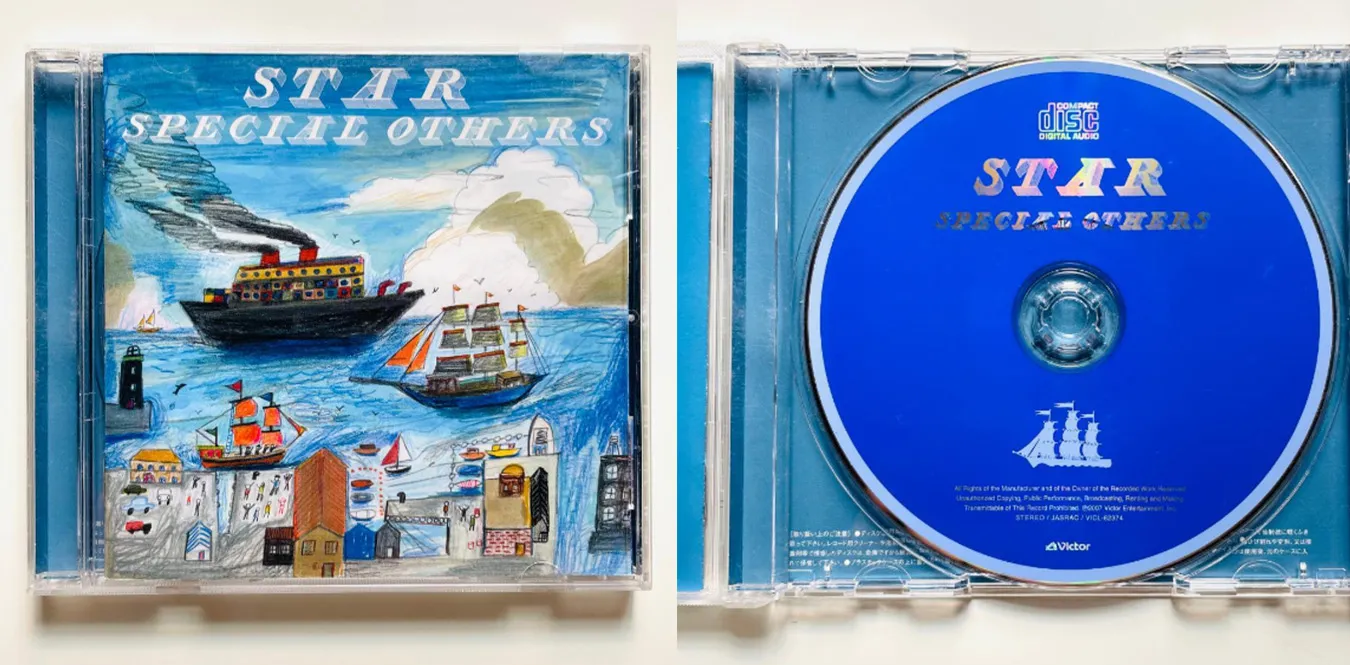
Special Others – Star
Special Others (スペシャルアザーズ)は、即興jazzとポストロックをミックスさせたスタイルが特徴の日本のジャムバンド。各メンバーには、アフロビートの創始者にして伝説のドラマーTony Allen(トニー・アレン)が付けたというミドルネームがある。
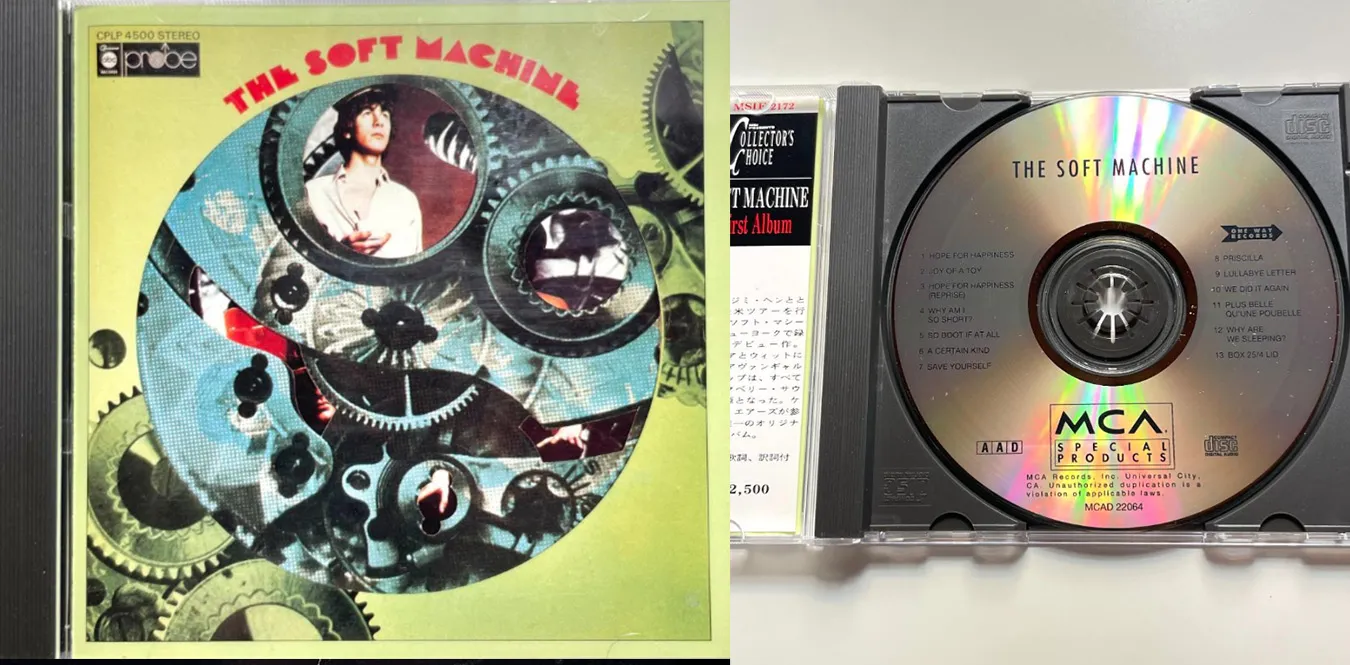
The Soft Machine – The Soft Machine
The Soft Machine(ソフト・マシーン)は、1966年半ばにマイク・ラトレッジ、ロバート・ワイアット、ケビン・エアーズ、デイヴィッド・アレン、ラリー・ナウリンによって結成されたカンタベリー出身のUKプログレッシヴジャズロックバンド。バンド名は、ウィリアム S. バロウズの小説「ソフトマシーン」にちなんで名付けられた。
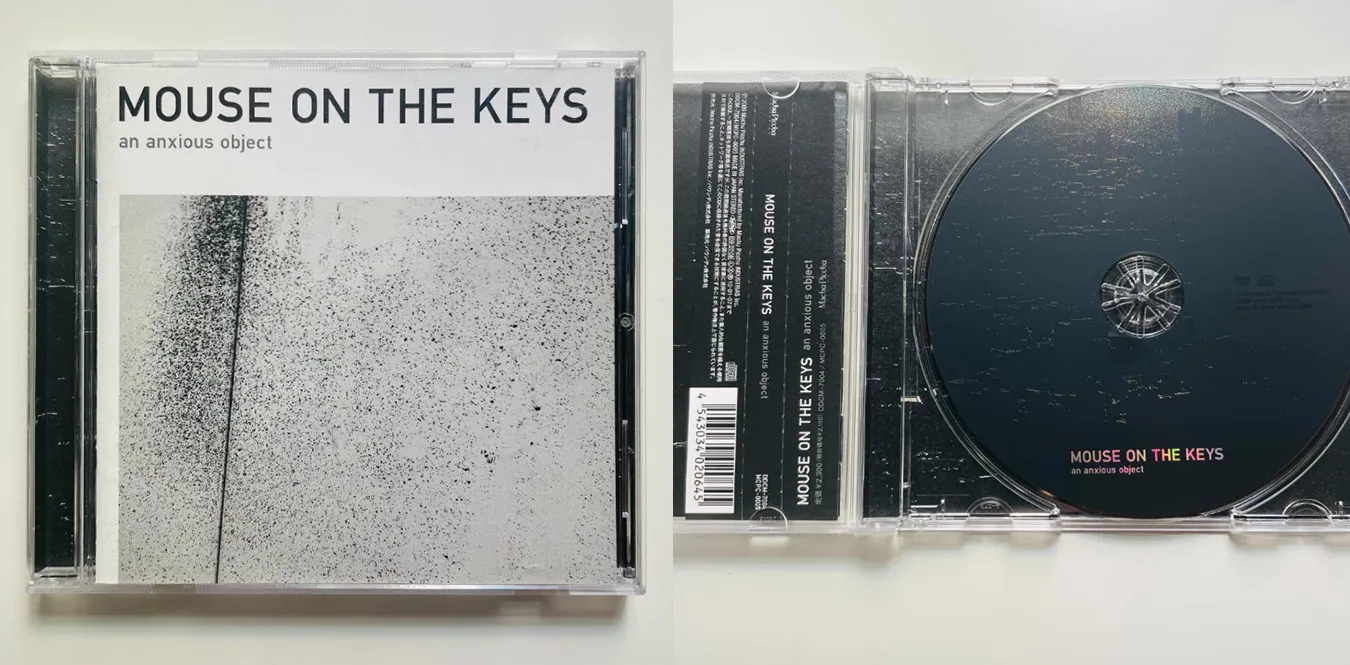
Mouse On The Keys – An Anxious Object
2006年ポストハードコア/ポストロックバンドnine days wonderの元メンバー川﨑昭(ドラム、ピアノ)と清田敦(ピアノ、キーボード)により結成され、2007年に新留大介(ピアノ、キーボード)が加入してトリオ編成となったMouse On The Keysは、ジャズ、ファンク、ポストロック、エレクトロニックミュージックが融合した独自のスタイルが特徴。
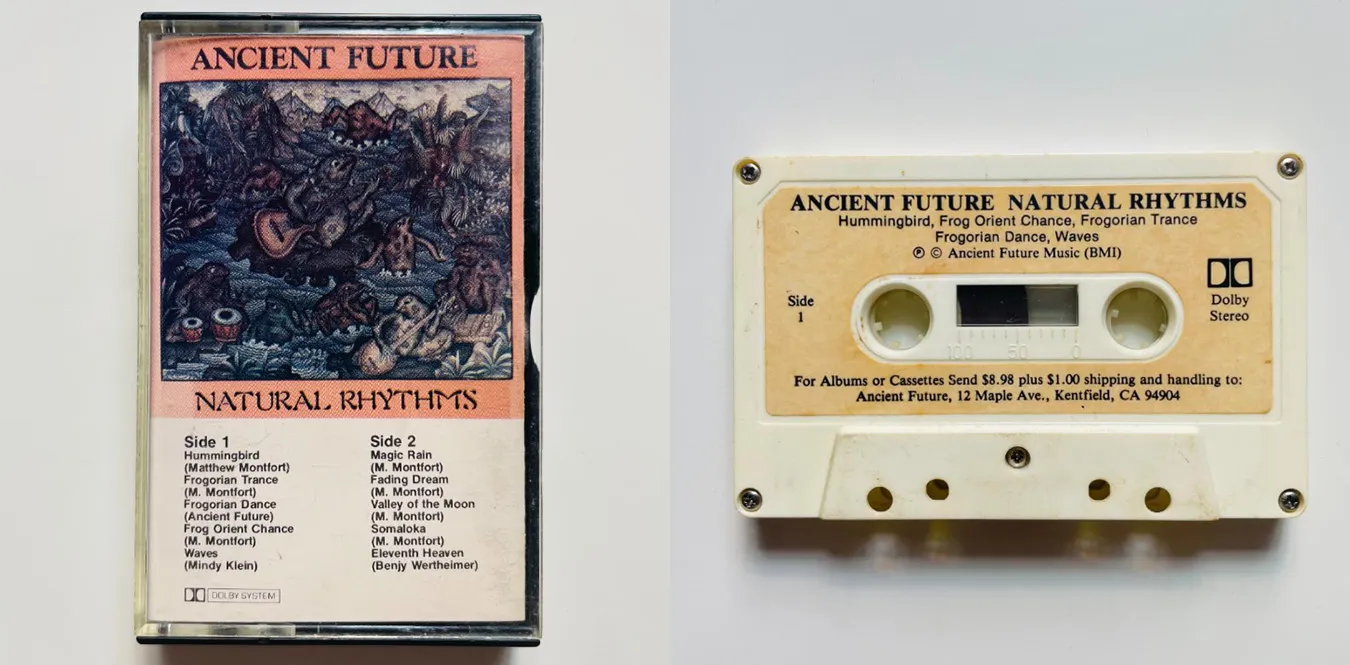
Ancient Future – Natural Rhythms
Ancient Future is a world fusion music group formed in 1978 by Matthew Montfort, who is considered one of the 100 greatest acoustic guitarists in the world.
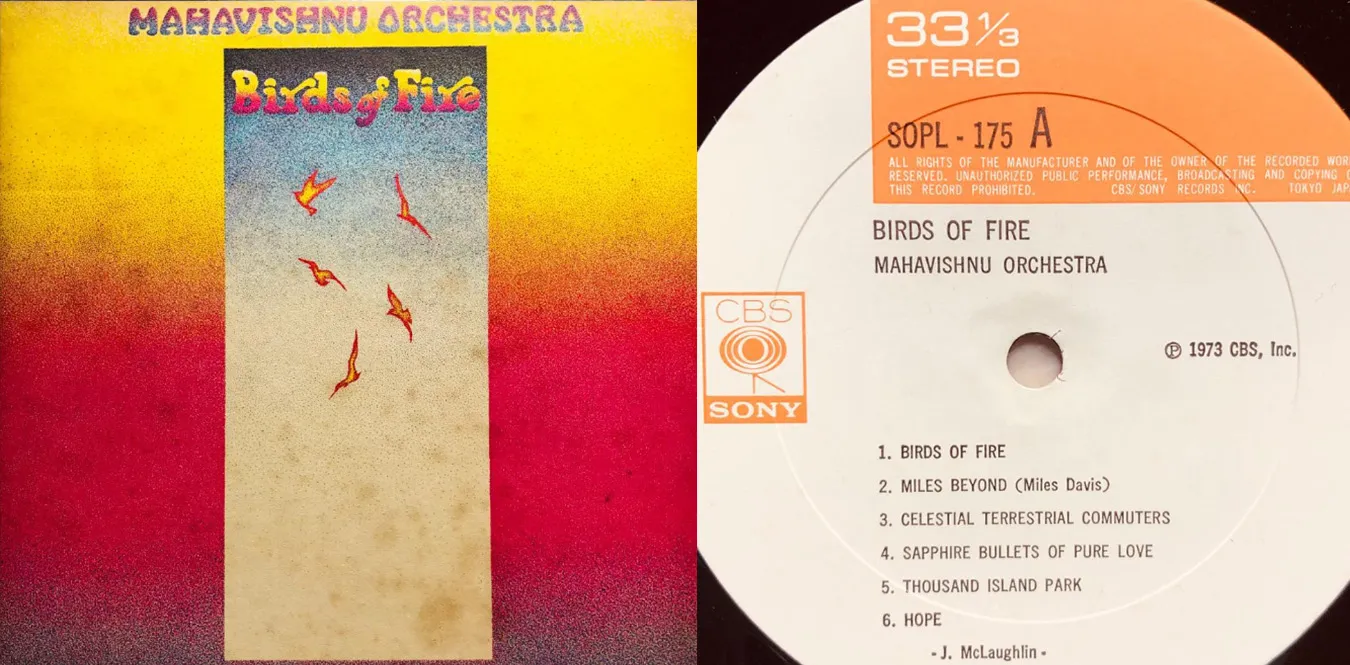
Mahavishnu Orchestra – Birds Of Fire
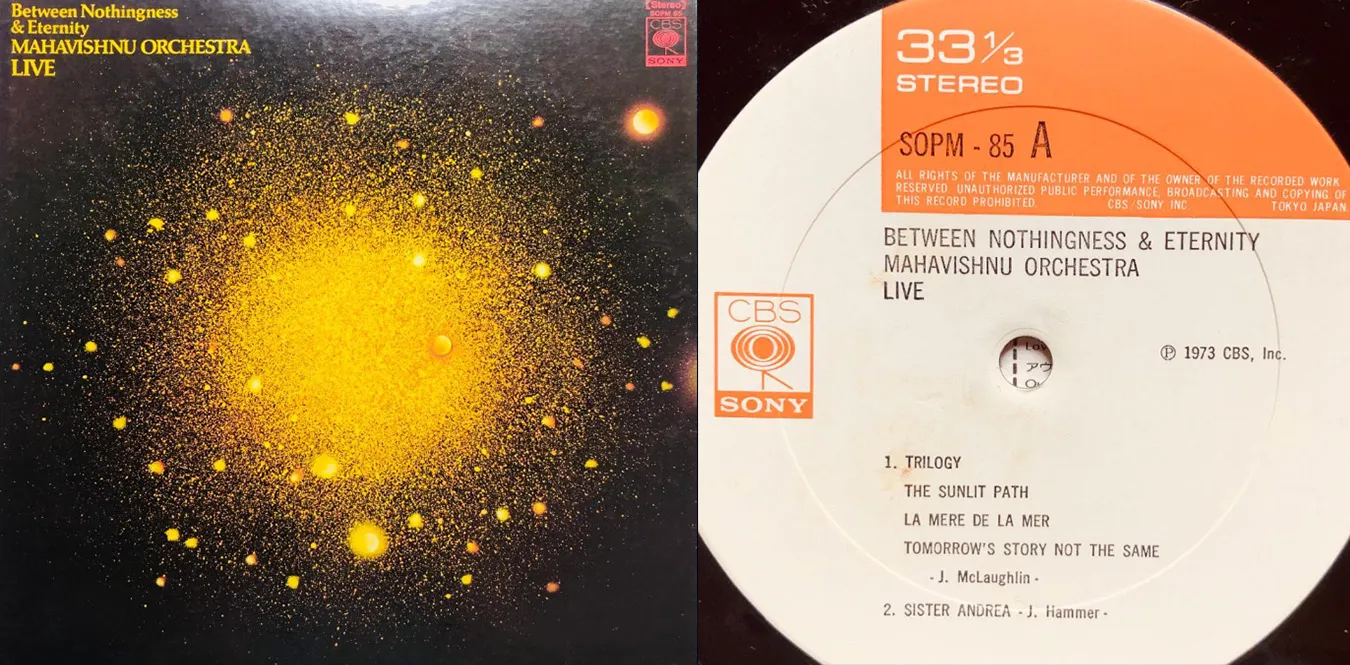
Mahavishnu Orchestra(マハヴィシュヌ・オーケストラ)は、1970年にイギリス人ギタリストJohn McLaughlin(ジョン・マクラフリン)によって結成されたフュージョン・ジャズ・ロックの草分け的バンド。