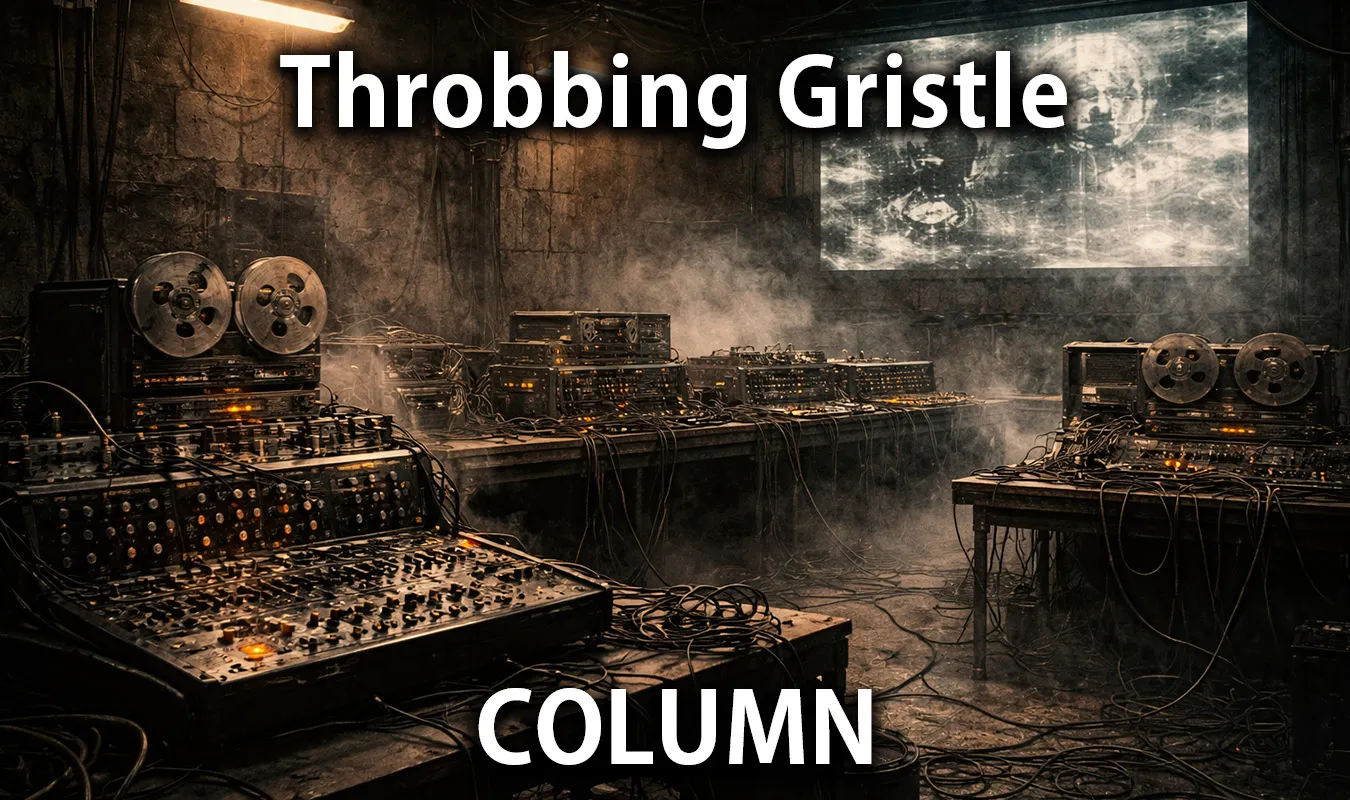
はじめに:音楽はどこから壊れるのか
文:mmr|テーマ:ノイズと挑発によって音楽の定義を解体し、産業社会の音を芸術へ転化した革新の記録
1970年代半ば、ロックは既に成熟し、ポップミュージックは産業として完成されつつあった。その一方で、「音楽とは何か」という根本的な問いは、ほとんど誰にも疑われることなく固定されていた。
その前提を真正面から破壊したのが、Throbbing Gristleである。
彼らの音は、旋律を拒否し、リズムを歪め、構造を崩壊させる。それは単に実験的だったのではない。むしろ「既存の音楽形式そのものが、いかに限定的であるか」を露呈させる試みだった。
彼らは音楽を作ったのではない。音楽の外側を露出させたのである。
当時の聴衆にとって、それは衝撃というより、拒絶に近い体験だった。しかし、その拒絶の中にこそ、新しい音楽の可能性が潜んでいた。
音楽が壊れることでしか見えない領域がある。
前史:身体・社会・タブーを扱う芸術
Throbbing Gristleの本質を理解するには、その前身であるCOUM Transmissionsの活動を避けて通ることはできない。
1960年代後半、Genesis P-OrridgeとCosey Fanni Tuttiは、既存の芸術が扱わない領域——性、暴力、身体、逸脱——をテーマにパフォーマンスを行っていた。
彼らの作品はしばしば不快であり、社会的に受け入れがたいものだった。しかし、それは単なる挑発ではなく、「社会が見ないようにしているもの」を露出させる行為だった。
1976年、ロンドンのInstitute of Contemporary Artsで開催された「Prostitution」は、その象徴的な出来事である。この展示は、英国議会で議論されるほどの騒動となり、彼らは「文明の破壊者」として非難された。
だが重要なのは、ここで既に彼らが「表現の限界」に挑戦していたという点である。音楽は後から選ばれたメディアに過ぎない。
COUMは音ではなく身体を使って社会に衝突していた。Throbbing Gristleは、それを音へと変換した存在だった。
彼らの出発点は音楽ではなく、社会そのものだった。
結成:バンドではなくシステムとしての存在
1975年、Throbbing Gristleが結成される。メンバーはGenesis P-Orridge、Cosey Fanni Tutti、Chris Carter、Peter Christopherson。
この4人の構成は極めて重要である。なぜなら、彼らは単なるミュージシャンではなく、それぞれ異なる領域を持ち寄った集合体だったからだ。
Carterは電子機器の設計と音響処理を担い、Christophersonは映像とデザインを担当し、P-OrridgeとTuttiはコンセプトとパフォーマンスを担った。
つまり彼らは「バンド」ではなく、「メディア横断的なシステム」だった。
彼らが掲げた「Industrial Music for Industrial People」というフレーズは、単なるジャンル名ではない。それは社会構造への批評であり、同時に自らの音楽の機能を示す宣言だった。
工業化された社会の中で、人間はどのように管理され、消費され、規格化されていくのか。そのプロセスを音として再現する。それが彼らの目的だった。
彼らは音楽を演奏するのではなく、社会構造を再生した。
Industrial Records:DIYと流通の革命
Throbbing Gristleは1976年にIndustrial Recordsを設立する。
この決断は極めて重要だった。当時のメジャーレーベルでは、彼らの作品は商業的にも倫理的にも受け入れられなかったからである。
彼らは録音、制作、流通、販売のすべてを自分たちで管理した。この完全な自律性は、後のインディペンデント・シーンにおける基本モデルとなる。
Industrial Recordsは単なるレーベルではなく、思想の拡張装置だった。音楽だけでなく、ビジュアル、文章、ロゴ、パッケージに至るまで、すべてが統一されたコンセプトのもとで設計されていた。
また、このレーベルを通じて、他のアーティストにも影響が広がっていく。インダストリアルという概念は、ここから具体的な運動として拡張していった。
独立とは、自由ではなく責任を引き受けることだった。
サウンドの構造:音楽の外側を素材にする
Throbbing Gristleのサウンドは、従来の音楽理論では捉えきれない。
彼らは楽器の演奏を中心に据えなかった。代わりに、シンセサイザー、自作回路、テープ操作、フィードバック、ラジオノイズなどを用いた。
重要なのは、これらが単なるエフェクトではなく、「音そのもの」として扱われた点である。
『The Second Annual Report』は、その象徴的な作品である。このアルバムはライブ録音や断片的な音の集合で構成され、従来の「楽曲」という概念を解体している。
さらに『20 Jazz Funk Greats』では、意図的にポップな構造を取り入れながら、その内部に不穏さを埋め込むという手法が取られた。
これは極めて戦略的な転換だった。完全なノイズではなく、「理解できそうで理解できない音楽」を提示することで、より広い層に不安を浸透させたのである。
音楽は理解されるためではなく、揺さぶるために存在した。
ライブ:感覚の限界を試す空間
Throbbing Gristleのライブは、従来のコンサートとは根本的に異なる体験だった。
音は大音量で反復され、映像は不安を煽り、言葉は挑発的に発せられる。観客は「楽しむ」ことを許されず、むしろ耐えることを強いられる。
これは偶然ではない。彼らは意図的に、観客の感覚と心理の限界を試していた。
また、ライブは毎回異なる構成を持ち、即興性が強く、再現性が低かった。つまり、作品として固定されることを拒否していたのである。
このアプローチは、後のノイズやインダストリアル、さらにはクラブカルチャーにおけるライブ体験にも影響を与える。
ライブは再現ではなく、出来事そのものだった。
社会との衝突:検閲と誤解
Throbbing Gristleは、その過激な表現ゆえに、常に批判と検閲の対象となった。
彼らの作品は、暴力やタブーを扱うことでしばしば誤解され、「危険な存在」として扱われた。しかし、彼らの意図はそれらを肯定することではなく、社会の暗部を可視化することにあった。
この点において、彼らはメディア批評の先駆者でもあった。情報がどのように操作され、消費されるのかを、音と映像で提示していたのである。
彼らは社会の鏡であり、同時に歪みを増幅するレンズだった。
影響:ジャンルではなく条件を作る
Throbbing Gristleの影響は、特定のジャンルに限定されない。
Cabaret VoltaireやSPKといった同時代のアーティストに加え、後のNine Inch Nails、Ministryなどに直接的な影響を与えた。
さらに、テクノ、ノイズ、アンビエント、現代アート、さらにはクラブカルチャーに至るまで、その影響は広がっていく。
彼らが残したのはスタイルではなく、「どのように音楽を作るか」という条件そのものだった。
彼らはジャンルではなく、思考の枠組みを残した。
解散と分岐:終わりが生む拡張
1981年、Throbbing Gristleは解散する。
しかしその後、Psychic TV、Coilなど、メンバーはそれぞれ新たなプロジェクトへと移行する。
これらの活動は、Throbbing Gristleで確立された手法をさらに深化させるものだった。
2004年には再結成も行われ、過去の作品が再評価されると同時に、新しい世代への影響が再び拡大した。
解散は終わりではなく、分散による拡張だった。
年表:Throbbing Gristleの歴史
結論:音楽を壊した者だけが見たもの
Throbbing Gristleは、音楽を拡張したのではない。音楽を一度完全に壊した。
その結果として現れたのが、インダストリアルというジャンルであり、さらには現代の電子音楽全体に通じる思考だった。
彼らの作品は今もなお聴きやすいものではない。しかし、その違和感こそが、私たちが音楽に何を求めているのかを問い返してくる。
音楽は快適である必要はない。美しい必要もない。
ただ、現実とどのように関わるのか。その問いだけが残る。
彼らは音楽の終わりを提示し、その先を切り開いた。
Explore more like this
【コラム】 Why Humans Love Broken Things — なぜ人間は壊れたもの、不完全なものに美を感じるのか
Why Humans Love Broken Things

【コラム】 Wolf Eyes──デトロイトから世界へ広がったノイズ・ミュージックの再定義
デトロイトという都市が育てた異端の音楽
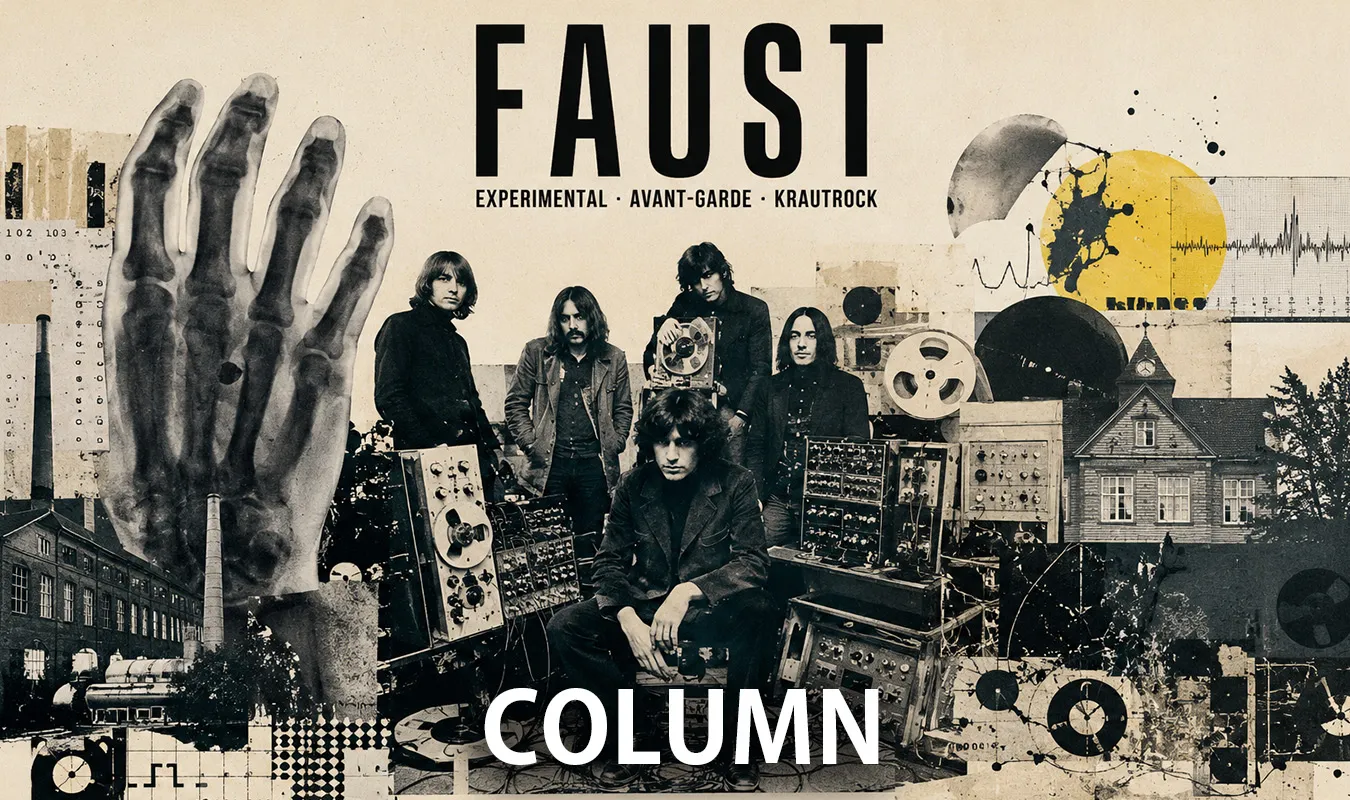
【コラム】 Faustとは何だったのか —— ノイズと実験でロックを解体したジャーマン・アヴァンギャルド
ロックを「破壊」するために現れたバンド
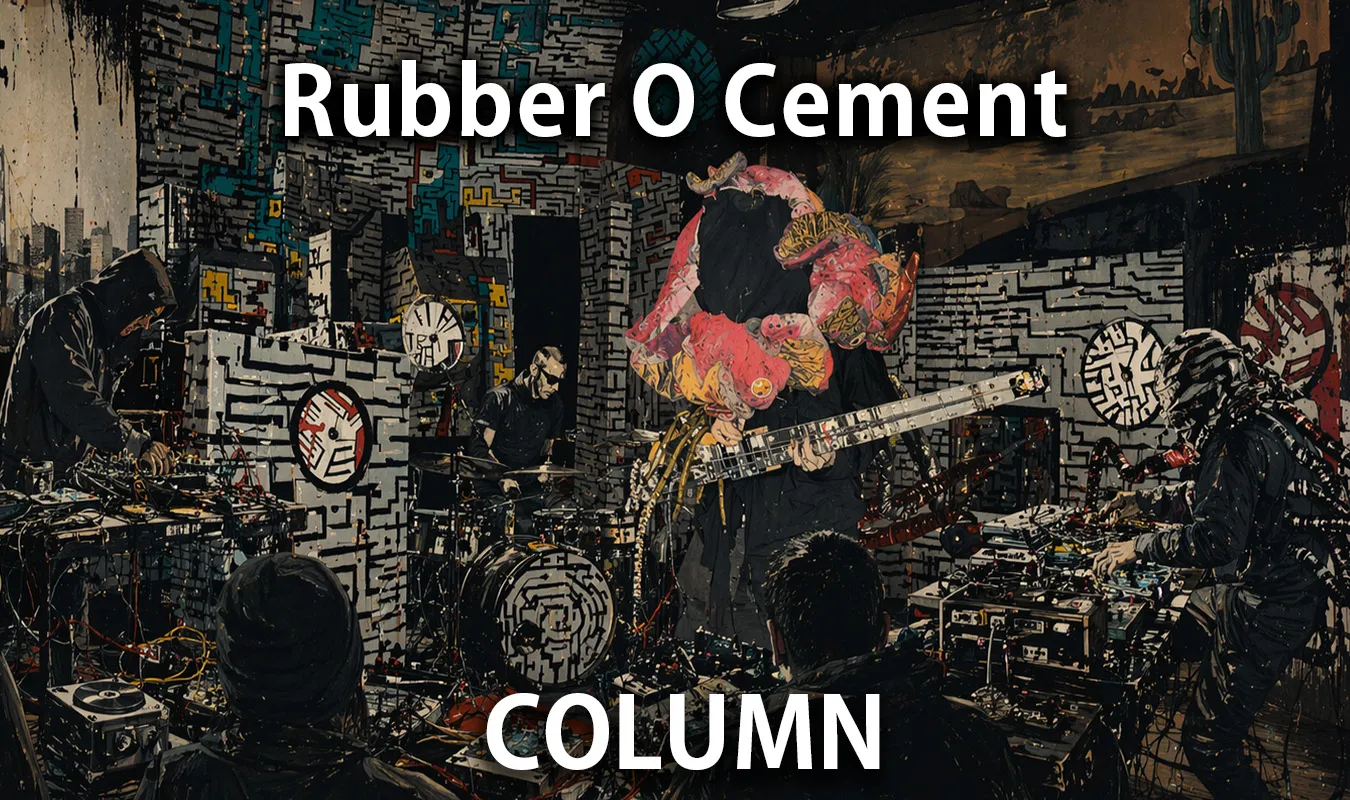
【コラム】 Rubber O Cementとサンフランシスコ実験音楽の地下構造
Rubber O Cementとは何か
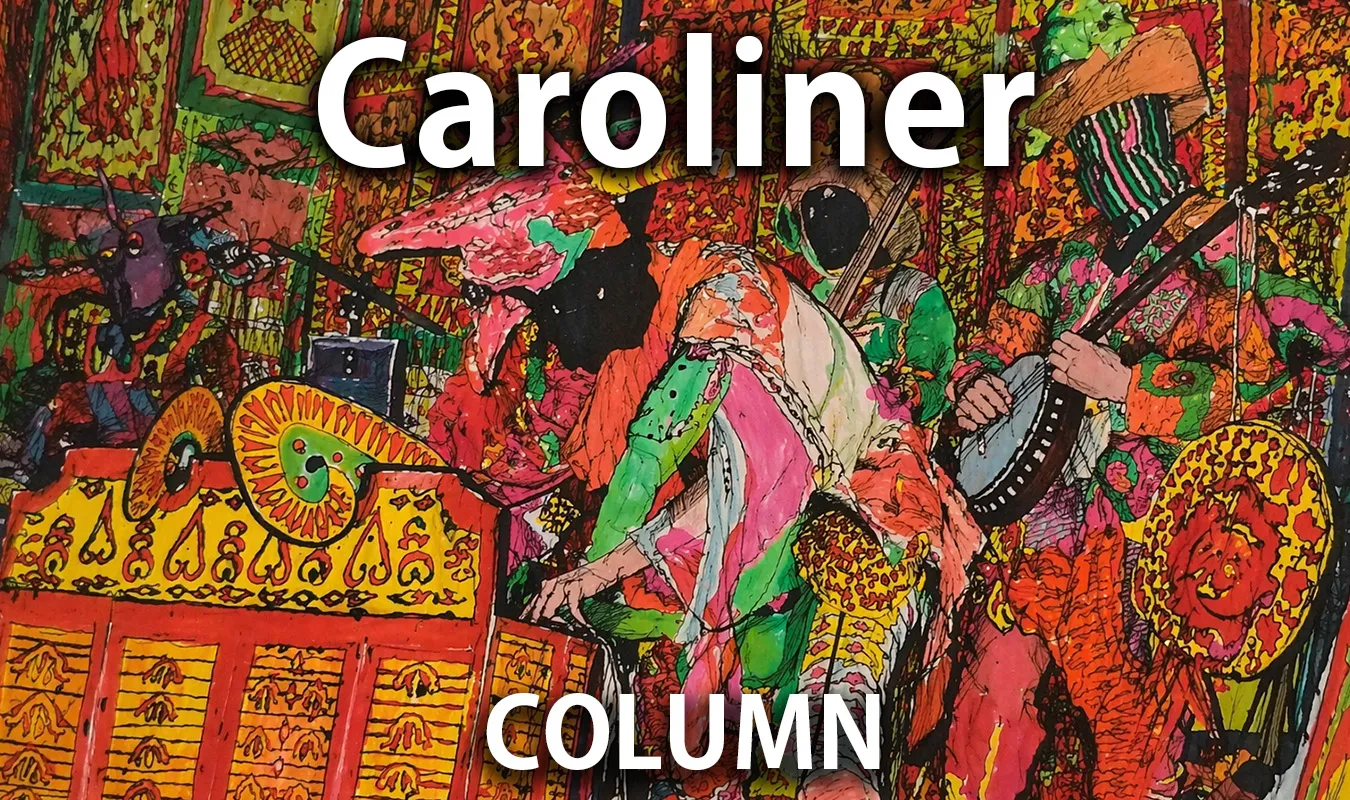
【コラム】 キャロライナー:サンフランシスコ地下音楽に潜む仮面の共同体
What is Carolliner?

【コラム】 山本精一とディレイが描くサイケデリック・ギターの深層構造
山本精一とは何者か

【コラム】 Grind Orchestra — 境界を越える音の集団とその構造
はじめに — 名前が示すもの

【コラム】 Industrial Techno / Hard Experimental Techno
序論:構造化された暴力としてのテクノ
【コラム】 Pan Sonic ― 極限音響のミニマリズム:電子音楽を再定義したフィンランドの黒い電流
序章:北方の沈黙から放たれた「黒い電子」
【コラム】 Zeni Geva ─ 日本実験ノイズロックの極点としての30年史
イントロダクション