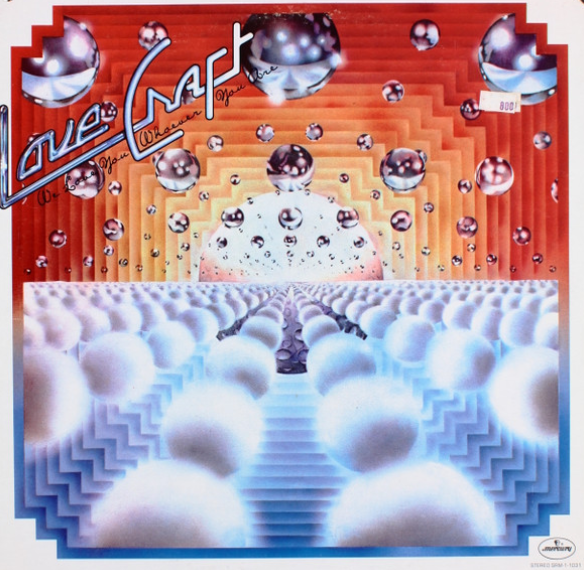

山本精一とは何者か
文:mmr|テーマ:ディレイが時間を歪め、ギターが空間を描く——山本精一の音響思想とサイケデリックの核心に迫る
日本の実験音楽史において、山本精一は特異な存在である。ギタリストでありながら、音の発生と持続、そして消失のプロセスそのものを扱う音響作家として活動してきた。
その表現はバンド、即興、映画音楽、ソロ作品と多岐にわたるが、根底にあるのは「音の時間性」への探究である。特にディレイを軸としたサウンドは、彼の音楽を決定づける要素となっている。
山本精一の音楽は「音の後ろ側」によって成立している。
Boredoms:ノイズの極限と転換
Boredomsにおける山本精一の活動(1986–2001)は、日本のアンダーグラウンド音楽を世界へ接続した重要な時代である。
代表アルバム
- 『Soul Discharge』
- 『Pop Tatari』
- 『Super æ』
- 『Vision Creation Newsun』
初期は破壊的なノイズロックとして知られるが、次第に反復と持続を基盤とした構造へ移行する。『Vision Creation Newsun』ではトランス的な持続音楽としての完成度が高まる。
伝説的ライブと逸話
音量と身体性
極端な音量と振動により、音は聴覚だけでなく身体感覚として作用する。
反復によるトランス
長時間の反復によって時間感覚が希薄化し、観客はトランス状態へと導かれる。
制御と崩壊の境界
フィードバックやノイズが制御限界に達する瞬間すら、演奏の核として成立する。
Boredomsのライブは、音が臨界点に達するプロセスそのものである。
海外での評価と影響
Boredomsおよび山本精一の活動は、欧米の実験音楽/オルタナティブシーンで高く評価された。
特徴的評価
- ノイズの構造化
- 反復によるトランス性
- 即興と構築の融合
『Vision Creation Newsun』は、サイケデリックやドローン文脈でも重要作として認識されている。
音響的影響
山本精一のディレイによる持続音は、ドローンやアンビエントの領域においても参照される手法となった。
山本精一の音は、ジャンルではなく音響現象として評価されている。
想い出波止場と都市的サイケデリア
想い出波止場では、ジャンル横断的な音楽が展開される。
代表アルバム
- 『水中JOE』
- 『Sukiyaki Western』
音楽は状況の中で生成される。
羅針盤と音の余白
羅針盤では、音数を抑え、残響を重視。
代表アルバム
- 『福音』
- 『永遠のうた』
音の少なさが、時間の深度を生む。
ROVOとトランス構造
ROVOでは、長時間の反復構造が中心。
反復は意識を変容させる構造である。
ソロ・ディスコグラフィー
- NOA(1998)
- NOA2(2001)
- Crown of Fuzzy Groove(2002)
- Nu Frequency(2003)
- なぞなぞ(2003)
- Baptism(2004)
- EVE(2005)
- TOKYO LOOP オリジナル・サウンドトラック(2006)
- PLAYGROUND(2010)
- PLAYGROUND Acoustic+(2011)
- ラプソディア(2011)
- カバー・アルバム第一集(2013)
- LIGHTS(2013)
- ファルセット(2014)
- 童謡(わざうた)(2015)
- cafe brain(2020)
- selfy(2020)
『Crown of Fuzzy Groove』の核心
2002年作『Crown of Fuzzy Groove』は、山本精一の音響思想が結晶化した作品である。
ディレイによる時間の多層化
- フィードバックによる持続
- ノイズと倍音の融合
音はフレーズではなく、重なり続ける現象として存在する。
「Mantral」における起源と到達
アルバムのラスト「Mantral」は、単独のスタジオ作品として完結しているだけでなく、その起源を辿ることでより立体的に理解できる。
This song originally derives from a motif played during the Boredoms’ active period, but it has never been released by Boredoms.
すなわち「Mantral」は、Boredomsの現場で生まれた反復的フレーズとトランス構造が、ソロ作品の中で再構築されたものといえる。
さらにこのメロディは、OOIOOのアルバム『Mountain Book』においても確認できる。ここでは山本精一が生み出した同種の旋律的断片が、別の編成と文脈の中で展開されている。
この事実は重要である。
同一のメロディや構造が、
- ノイズ的集団即興(Boredoms)
- 女性主体のリズム実験(OOIOO)
- 個人の音響探求(ソロ)
という異なる環境で変形しながら現れる。
つまり「Mantral」は単なる楽曲ではなく、山本精一の中で持続し続ける音の核そのものと考えられる。
壮大さの正体
『Crown of Fuzzy Groove』に収録された「Mantral」は、その最終形に近い姿として提示される。
ここでは、反復される旋律がディレイによって無数に増幅され、音の層は次第に肥大化していく。音は個別の存在を失い、巨大な音響の流れへと変化する。
まず中心にあるのは、反復されるシンプルな旋律である。この旋律はディレイによって多重化され、音は次第に厚みを増していく。個々の音は輪郭を失い、連続した音響体へと変化する。
- メロディは保持されながら溶解する
- リズムは明示されず持続する
- 空間は拡張し続ける
そして、ドラムはリズムを刻むというより、「持続を支える軸」として機能している。
- 一定の周期で繰り返されるパターン
- 過剰な装飾を排したミニマルな打撃
- 音の層に埋もれながらも消えない芯
このドラムによって、音の増殖が無秩序に拡散するのではなく、緩やかな重力のようなものが生まれる。
ギターのディレイが時間を横方向に引き延ばすのに対し、ドラムは時間を垂直に固定する。
その結果、音は単に広がるのではなく、「積み上がる」。
さらに、ドラムの微細な揺らぎは完全な機械的ループを回避し、反復に有機的な変化を与える。これにより、聴き手は同じパターンの中にいながら、わずかな変化を知覚し続ける。
音は増幅され、層をなし、時間は引き延ばされる。
その中心に、崩れない軸としてドラムが存在する。
この構造によって「Mantral」は、単なるドローンでも反復音楽でもない、巨大な音響の流れとして成立している。
壮大さとは音の大きさではなく、持続と構造が生む時間の深さであり、このスケール感こそが、この楽曲の「壮大さ」の本質である。
それは編成の大きさではなく、時間の広がりによって生まれている。
音は終わることなく循環し、聴き手はその内部に取り込まれる。
「Mantral」は一つの曲ではなく、異なる時代と場を横断して持続する音の構造である。
難波ベアーズと音楽の土壌
山本精一の活動を語るうえで欠かせないのが、難波ベアーズである。
この場所は単なるライブハウスではなく、日本のアンダーグラウンド音楽の重要な生成地点として機能してきた。
運営と思想
山本精一は運営に関わることで、演奏者としてだけでなく「環境を作る側」としても音楽に関与している。
ここではジャンルや技術に縛られない自由な表現が許容され、若い音楽家や実験的な試みが自然に生まれていく。
後進の育成と影響
難波ベアーズの特徴は、明確な教育システムではなく、「場そのもの」による育成である。
- 無名の演奏者でも出演できる開放性
- 即興や実験を許容する空気
- 国内外の音楽家との直接的な接触
こうした環境の中で、多くの若手が経験を積み、自らの表現を形成していく。
その過程で重要なのは、「完成された音」ではなく、「生成中の音」に触れることだ。
山本精一自身の音楽が、未完成性や持続の中に価値を見出すものであるように、この場所もまたプロセスを重視する。
音へのフィードバック
このような環境での経験は、山本精一自身の音にも影響を与えていると考えられる。
多様な演奏や未整理な音に日常的に触れることで、音に対する感覚はより柔軟で開かれたものになる。結果として、彼のサウンドは固定化されず、常に変化し続ける。
後進の育成という行為が、単に他者へ影響を与えるだけでなく、自身の音の深度をも更新し続ける循環を生んでいる。
音楽は個人の表現であると同時に、場によって育まれる現象でもある。
結論:本当の意味でのサイケデリック
山本精一の音楽は、単独の才能だけで完結しているわけではない。
多種多様な参加バンドでの極限的音響、海外での評価、そして難波ベアーズという場の運営——それらは相互に作用し合いながら、音の深度を更新し続けている。
後進の育成という営みは、一方向の影響ではない。新しい音や未成熟な表現に触れることが、逆に自身の音を揺さぶり、更新する。
音は固定されない。場と人によって変わり続ける。
その循環の中にこそ、山本精一のサイケデリックな音響の本質がある。
音は個人のものではなく、場の中で深くなっていく。
YouTube Podcast
※このPodcastは英語ですが、自動字幕・翻訳で視聴できます
Explore more like this

【コラム】 Wolf Eyes──デトロイトから世界へ広がったノイズ・ミュージックの再定義
デトロイトという都市が育てた異端の音楽

【コラム】 Faustとは何だったのか —— ノイズと実験でロックを解体したジャーマン・アヴァンギャルド
ロックを「破壊」するために現れたバンド
【コラム】 Rubber O Cementとサンフランシスコ実験音楽の地下構造
Rubber O Cementとは何か
【コラム】 キャロライナー:サンフランシスコ地下音楽に潜む仮面の共同体
What is Carolliner?
【コラム】 Grind Orchestra — 境界を越える音の集団とその構造
はじめに — 名前が示すもの
【コラム】 Throbbing Gristleとインダストリアルの誕生——音楽が崩壊し再構築される瞬間
はじめに:音楽はどこから壊れるのか
![[Column] What is Experimental Folk / Psych Folk?: The intersection of acoustic and experimental music](/../assets/images/column-experimental-folk.webp)
[Column] What is Experimental Folk / Psych Folk?: The intersection of acoustic and experimental music
What is Experimental Folk / Psych Folk?
【コラム】 Zeni Geva ─ 日本実験ノイズロックの極点としての30年史
イントロダクション

【コラム】 MERZBOW ── ノイズという解放の音響学
序章:静寂の反転としてのノイズ

【コラム】 Glitch:ノイズが美に変わるとき
エラーという快楽
![[Column] Ben Frost and acoustic architecture: Between noise and structure](/../assets/images/column-ben-frost.webp)