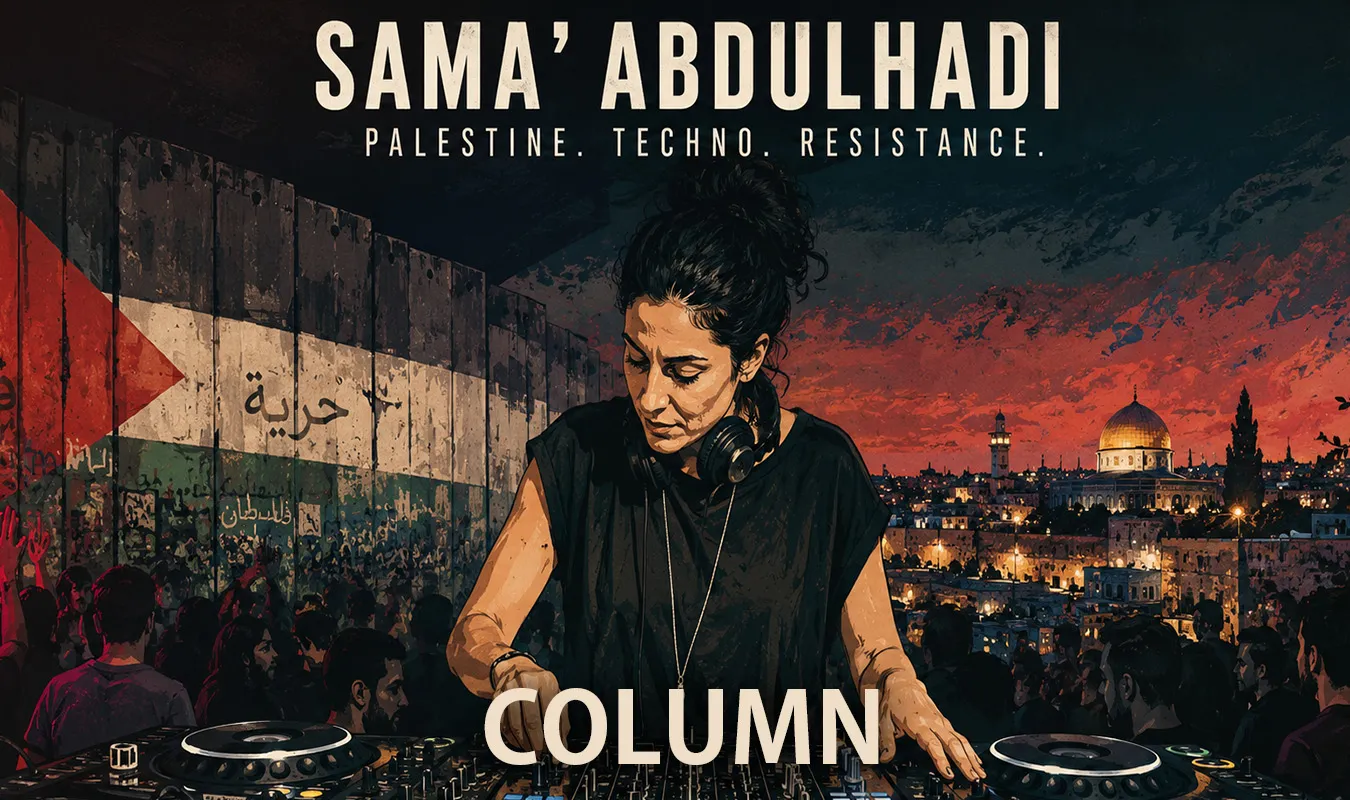
The bass that resounded from Palestine to the world
文:mmr|テーマ:パレスチナ出身DJ・Sama’ Abdulhadiの活動を通じて、現代テクノが政治・文化・アイデンティティとどのように交差しているのかを読み解く
Techno music is often referred to as ““urban music.’’
- Machine sounds in the factory area.
- Vibrations from cars driving at high speed late at night.
- Echoes of inorganic concrete.
- クラブの暗闇に浮かぶストロボ。
その起源を辿れば、アメリカ・デトロイトに行き着く。しかし21世紀に入ると、テクノはヨーロッパを超え、中東やアフリカ、南米、アジアへと広がり、各地の現実を吸収しながら新しい形へ変化していった。
その流れの中で、世界中のダンスミュージック・ファンに強烈な印象を残した人物がいる。
Sama’ Abdulhadi.
パレスチナ出身のDJ/プロデューサーであり、中東テクノシーンを世界へ可視化した象徴的存在だ。
彼女の名前が国際的に広く知られるようになったきっかけの一つは、2018年に公開されたBoiler Room出演だった。荒々しく重厚なベルリン・スタイルのテクノを軸にしながらも、そのプレイにはどこか切迫感があり、単なるクラブ・ミュージックを超えた熱量があった。
But Sama” Abdulhadi”s importance cannot be explained simply as a ““famous female DJ.’’
Her activities exist at the intersection of multiple themes such as music, politics, gender, borders, culture, and free expression.
Many club cultures around the world are talked about as symbols of “freedom.” However, in an environment where freedom itself is restricted, club spaces are more than just entertainment.
Sama’ Abdulhadiが鳴らすキックドラムには、その現実が刻まれている。
テクノは逃避ではなく、時代や土地の空気を増幅するメディアでもある。
幼少期とパレスチナの現実
A girl who grew up in Ramallah
Sama’ Abdulhadi was born in Jordan in the late 1980s and grew up in Palestine. He spent his childhood mainly in Jordan and around the Palestinian autonomous region of Ramallah.
When she was growing up, Palestine was under constant tension.
- Military occupation.
- Inspection.
- Movement restrictions.
- 政治的不安定。
- Social oppression.
In an environment where it was difficult for youth culture to spontaneously emerge, music was an important escape.
90年代後半から2000年代初頭にかけて、中東では衛星放送やインターネットの普及により、西洋のクラブミュージックへアクセスする若者が急増する。特にヒップホップ、ロック、電子音楽は、既存の価値観から距離を置く手段として機能した。
Sama’ Abdulhadiもまた、その波の中で電子音楽に出会う。
He was particularly influenced by European techno and electronic music.
repeating rhythm. minimalistic structure. 言語を必要としないコミュニケーション。
It was a feeling that could be shared across borders, religions, and ethnic groups.
Encounter with club culture
As a young girl, she absorbed a wide variety of music, including rock and hip-hop. But in the end, it was techno that captivated her.
理由の一つは、「自由度」だったという。
It works even without lyrics. 国籍を問わない。 政治的背景が違っても同じフロアで踊れる。
Techno was a music that created synchronization rather than conflict.
At the time, the electronic music scene itself was still small in the Middle East. Particularly in Palestine, the foundation of club culture is very weak, and it is not easy to hold events.
However, that’s why the DIY spirit was so strong.
look for a place, Bring your equipment, Create a small community.
That experience greatly influenced Sama” Abdulhadi”s later working style.
制限が多い環境ほど、カルチャーは地下で強く育つ。
Formation of the Middle East underground scene
2000s Electronic Music Community
2000年代、中東では徐々に電子音楽コミュニティが形成され始める。
Beirut, Lebanon. ヨルダン・アンマン。 イスラエル・テルアビブ。 パレスチナ・ラマッラー。
DJ events and rave culture were born in these cities, albeit on a small scale.
しかし欧米のクラブシーンとは状況が大きく異なる。
音響設備不足。 会場確保の難しさ。 social prejudice. Administrative issues. conservative values.
In particular, there were very few female DJs.
Sama’ Abdulhadi will gain experience as a player in this environment.
女性DJとしての壁
中東社会において、女性が深夜のクラブカルチャーに関わること自体、偏見の対象になるケースも少なくなかった。
さらにテクノは「男性中心」の文化として扱われがちだった。
DJ機材。 深夜イベント。 ツアー移動。 音楽制作。
All had a strong male-dominated atmosphere.
だがSama’ Abdulhadiは、自らを「女性DJ」という限定的カテゴリーで消費されることを嫌った。
彼女が重視していたのは、あくまでプレイそのものだった。
重く硬いキック。 ダークなグルーヴ。 長時間持続するテンション。
His style resonated with the Berlin-style hard groove trend.
Also, rather than portraying her Middle Eastern origins as a ““speciality,’’ she placed more emphasis on being evaluated purely as a DJ in the international techno scene.
その姿勢は、多くのクラバーやDJから支持を集めた。
彼女は“パレスチナ人DJ”である前に、極めて強力なテクノDJだった。
Boiler Roomが変えた世界的認知
2018年の衝撃
Sama’ Abdulhadiの名を世界規模で広めた出来事の一つが、2018年のBoiler Room出演である。
Boiler Roomは、2000年代以降のクラブカルチャーにおいて極めて重要な配信プラットフォームだった。
従来、クラブ体験は現場に行かなければ共有できなかった。しかしBoiler Roomは、その熱狂をオンライン化した。
世界中の視聴者が、 ベルリンの地下クラブも、 ロンドンの倉庫レイヴも、 東京の小箱も、 自宅から体験できるようになった。
その中でSama’ Abdulhadiのセットは異彩を放った。
ハードでストイック。 エネルギッシュで妥協がない。 観客との一体感も強い。
単なる「珍しい地域のDJ」ではなく、本格的なテクノDJとして高く評価された。
「パレスチナ初のBoiler Room」
彼女はしばしば「初のパレスチナ人Boiler Room出演DJ」と紹介された。
これは単なる肩書きではない。
長年、中東の電子音楽シーンは西洋メディアから十分に可視化されてこなかった。
特にパレスチナは、政治ニュースとして消費されることが多く、カルチャー面が世界へ伝わる機会は限られていた。
Sama’ Abdulhadiの存在は、その固定イメージを大きく揺さぶった。
「パレスチナにもクラブカルチャーがある」 「若者がテクノを鳴らしている」 「地下シーンが存在する」
Clubbers around the world witnessed this fact.
彼女の成功は、一人のDJのブレイク以上の意味を持っていた。
音楽スタイルとプレイ哲学
ハードグルーヴと没入感
Sama’ Abdulhadiのプレイは、いわゆる“ハードグルーヴ”系テクノに分類されることが多い。
特徴は以下の通りである。
特に重要なのは、「踊らせること」に徹している点だ。
In recent years, techno has tended to focus more on social media and visual production. However, her play is extremely physical and emphasizes physicality.
低音で圧迫し、 反復でトランス状態へ導き、 長時間フロアを支配する。
これは90年代以降の本格的クラブテクノの伝統に近い。
“政治的DJ”として見られること
一方で、彼女はメディアから政治的存在として扱われることも多い。
However, he was wary of being perceived as a simple political activist.
彼女が繰り返し語っているのは、「まず音楽が中心である」という点である。
もちろんパレスチナ出身である以上、政治的文脈から完全に切り離されることは難しい。
だが彼女は、被害者性だけで語られることを望んでいない。
「自分たちには文化がある」 「創造性がある」 “There is a music scene.”
その事実を示すこと自体が重要だった。
彼女は“政治を語るDJ”ではなく、“存在そのものが政治化されるDJ”だった。
Nabi Musa事件と世界的議論
Incidents of 2020
2020年、Sama’ Abdulhadiはパレスチナ自治区のNabi Musaで開催された音楽イベントに出演した。
Nabi Musaは歴史的・宗教的意味を持つ場所として知られている。
After the event, some people criticized her for ““desecrating a religious space,’’ and she was detained.
この事件は世界中で大きな議論を呼んだ。
クラブカルチャー支持者たちは、彼女を擁護した。
On the other hand, there was also criticism from conservatives.
問題は単純ではない。
宗教空間。 若者文化。 政治。 ジェンダー。 Intergenerational values.
さまざまなテーマが衝突していた。
クラブカルチャーと公共空間
This incident highlighted the position of club culture in the Middle East.
In many parts of Europe and America, club culture has already been institutionalized. However, in the Middle East, club spaces themselves are often socially unstable.
Where will the music be played? 誰が許可を出すのか。 To what extent can youth culture be recognized?
Sama’ Abdulhadi事件は、単なるDJ逮捕ニュースではなく、カルチャーと社会制度の衝突として広く議論された。
この件以降、彼女はより象徴的存在として扱われるようになる。
テクノは時に、社会の境界線を露わにする。
Influence on the Middle East techno scene
Door to a new generation
The emergence of Sama’ Abdulhadi was a huge inspiration to young DJs and producers in the Middle East.
The influence on female artists is particularly large.
「中東出身でも世界へ行ける」 「アンダーグラウンドでも評価される」 「ローカルシーンから国際舞台へ繋がれる」
そうした可能性が可視化された。
実際、2010年代後半以降、中東や北アフリカから国際的に注目されるDJが増加している。
地域シーンの再評価
また、欧米中心だった電子音楽メディアも、中東シーンを積極的に扱うようになった。
レバノン。 egypt. チュニジア。 Palestine. ヨルダン。
各地域のアンダーグラウンド文化が紹介される機会が増えていく。
これは「エキゾチックな地域紹介」という単純な話ではない。
In today’s globalized techno world, it showed that new energy is being born from the periphery.
Sama’ Abdulhadi was a symbol of this trend.
テクノの中心は、もはやベルリンだけではない。
World tours and international festivals
グローバルDJとしての確立
Since Boiler Room, Sama’ Abdulhadi has been performing at clubs and festivals all over the world.
Major clubs in Europe. 大型フェス。 underground rave.
The scope of its activities expanded rapidly.
Her strength lies in the fact that she can perform at both huge festivals and underground clubs.
Groove rather than flashy. 演出よりも流れ。 短期的バズよりも長時間の没入感。
そのスタイルは、コアなテクノファンから強い支持を集めた。
“ストーリー消費”への抵抗
一方で、国際メディアはしばしば彼女を「パレスチナの女性DJ」という物語で消費しようとした。
But Sama’ Abdulhadi himself continues to resist that simplification.
もちろん出自は重要だ。
だが彼女は、自分が“特殊な存在”として扱われるより、テクノシーンの一員として評価されることを望んでいる。
これは現代クラブカルチャーにおける重要な論点でもある。
多様性を可視化すること。 同時に、過度なラベリングを避けること。
そのバランスは非常に難しい。
Although she is a symbol, she has also resisted being overly symbolized.
テクノ、境界、アイデンティティ
国境を超えるクラブカルチャー
テクノは元来、国境を越えやすい音楽だった。
Less dependent on lyrics, It has a strong repetitive structure, 身体感覚中心であるため、 異なる言語圏でも共有しやすい。
Sama’ Abdulhadiの成功は、その特性を改めて証明した。
パレスチナという政治的に複雑な地域から現れたDJが、世界中のフロアを熱狂させる。
これは単なるエンターテインメントではなく、カルチャーの接続そのものだった。
現代テクノの象徴的存在
21世紀以降のテクノは、大きく変化した。
かつては欧米中心だったシーンが、より多極化している。
アフリカ。 中東。 アジア。 South America.
それぞれの現実がテクノへ流れ込み、新しいスタイルや価値観を生み出している。
Sama’ Abdulhadiは、その変化を象徴するアーティストの一人である。
彼女は単に「中東のDJ」なのではない。
現代グローバル・テクノそのものを体現する存在なのだ。
彼女の音は、境界線の存在を知りながら、それでも越えていこうとするリズムでできている。
主要作品・活動年表
| 年 | 出来事 |
|---|---|
| 1980年代後半 | ヨルダン生まれ、パレスチナ育ち |
| 2000年代初頭 | DJ活動開始 |
| 2010s | Expanding activities in the Middle East underground scene |
| 2018 | Boiler Room出演で世界的注目 |
| 2019 | 国際フェスティバル出演増加 |
| 2020 | Nabi Musa事件が世界的議論に |
| 2021以降 | 中東テクノシーン象徴的存在として活動継続 |
終わりに
Sama’ Abdulhadiのキャリアは、単なる成功物語ではない。
There are 音楽と政治、 自由と制限、 ローカルとグローバル、 individual and symbolism, underground culture and international markets,
そうした現代的テーマが複雑に絡み合っている。
しかし最終的に重要なのは、彼女がフロアで鳴らしている音そのものだ。
激しく、 重く、 執拗に反復するキック。
そこには説明より先に身体へ届く力がある。
テクノはしばしば「未来の音楽」と呼ばれてきた。
Sama’ Abdulhadiの存在は、その未来が既に多様で、多地域的で、境界を越え始めていることを示している。
彼女が鳴らす低音は、クラブだけでなく、世界地図そのものを揺らしている。
Explore more like this
【コラム】 808 State ― マンチェスターから世界へ拡張したテクノの未来
808 Stateとは何だったのか
【コラム】 ミニマル・テクノの核心──Robert Hoodが切り開いた削ぎ落としの美学
削ることで現れる音楽の本質
【コラム】 ガバ/ハードコア・テクノ ― 極限速度が生んだ反逆のダンスミュージック史
1. ハードコア以前――高速化するテクノの胎動
【コラム】 Border Community — 境界を越える音の共同体
I. 序章:境界線から始まる物語
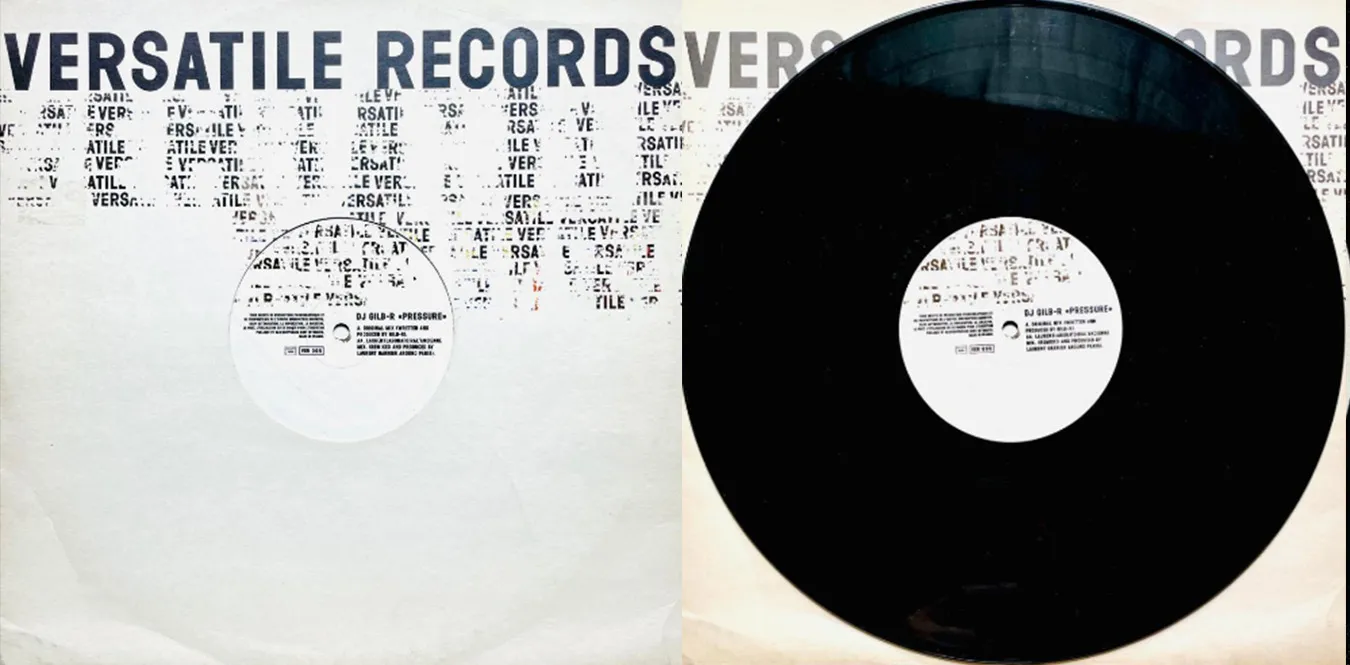
DJ Gilb-R – Pressure
DJ Gilb-Rは、フランスのエレクトロニックミュージックプロデューサー、Gilbert Cohen(ギルバート・コーエン)の別名。
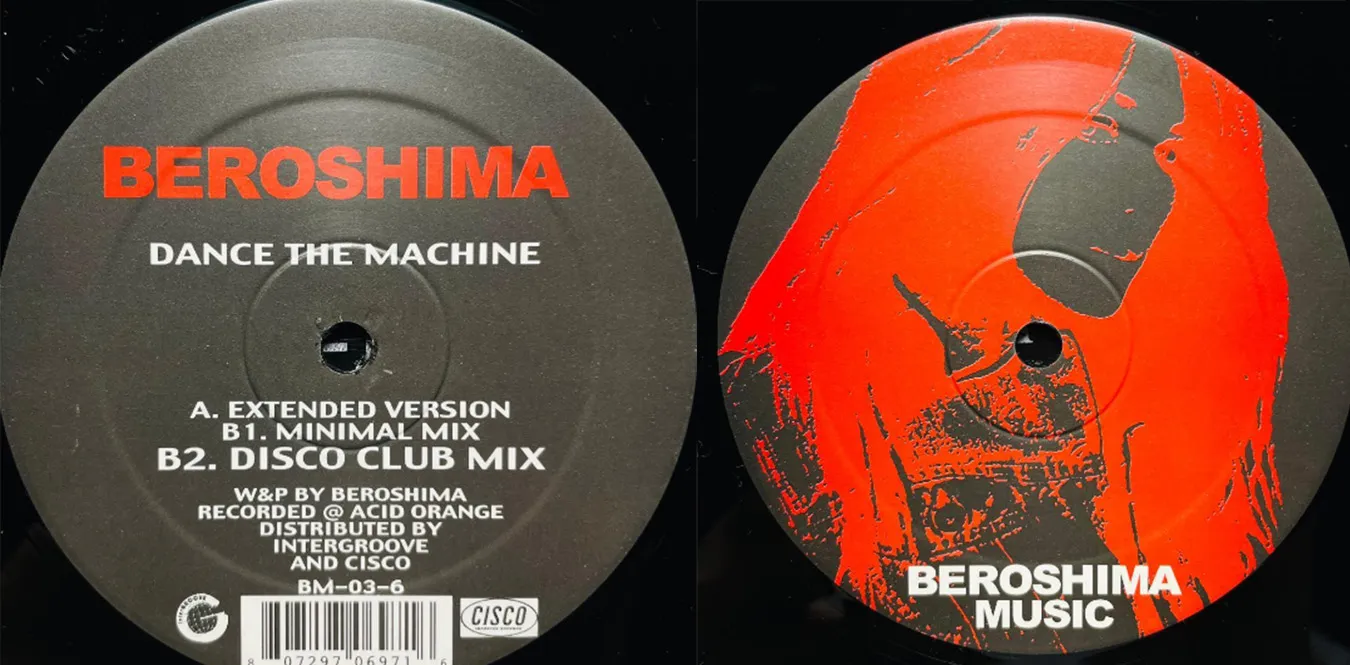
Beroshima – Dance The Machine
Beroshima (ベロシマ)は、1994年にFrank Muller(フランク・ミュラー)によって結成されたジャーマンテクノ/エレクトロプロジェクト。後にUlrich Schnauss(ウルリッヒ・シュナウス)が参加した時期もあったが、現在はFrank Mullerのソロプロジェクトとなっている。
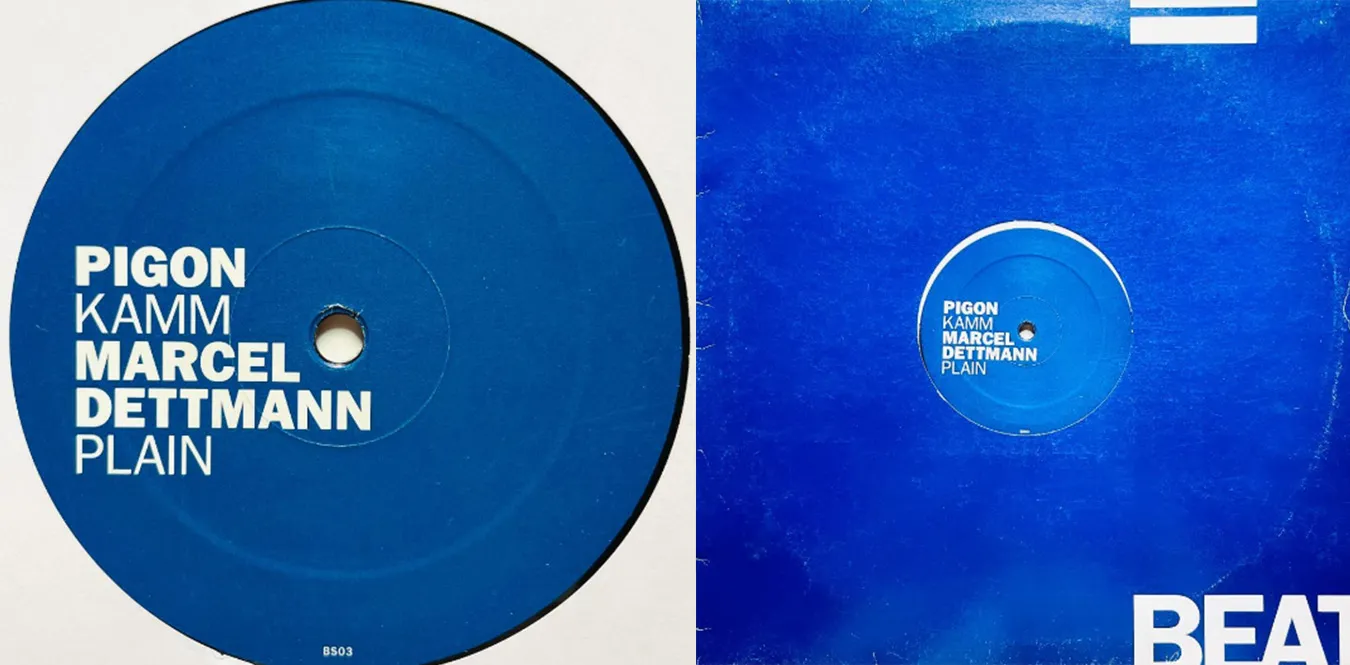
Pigon Marcel Dettmann – Kamm Plain
2008年にレーベルBeatstreetからリリースされた両A面のテクノトラック。
DJ Rush – Let's Change
DJ RushことIsaiah Majorは、シカゴ出身でドイツを拠点に活動するテクノ&ハウスDJ・プロデューサー。Major Rush、Russian Roulette名義でも活動している。
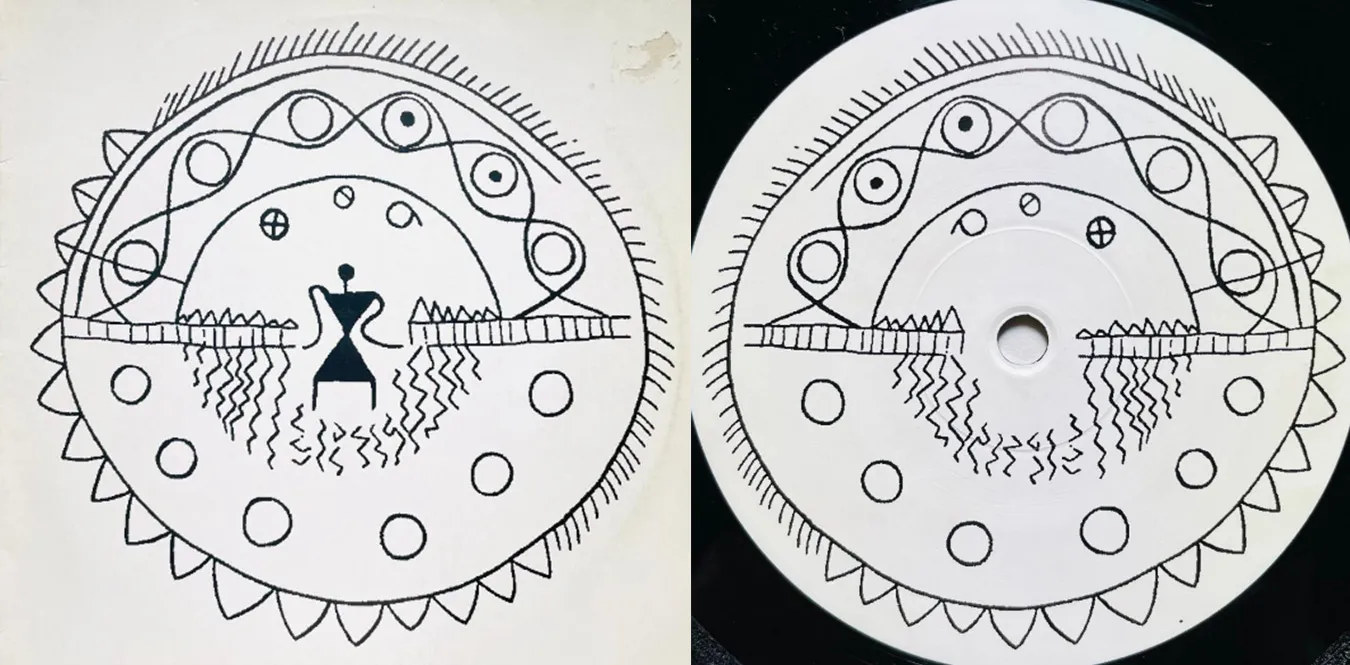
Sanjiva – Secret Rooms Over Flowing Delight
Sanjiva ことCharles Reixによるテクノ・アンビエント・トランストラック。1996年にSanjiva自身のレーベルNinetysix Soundsからリリースされた。Charles Kyosan名義でも活動していた。
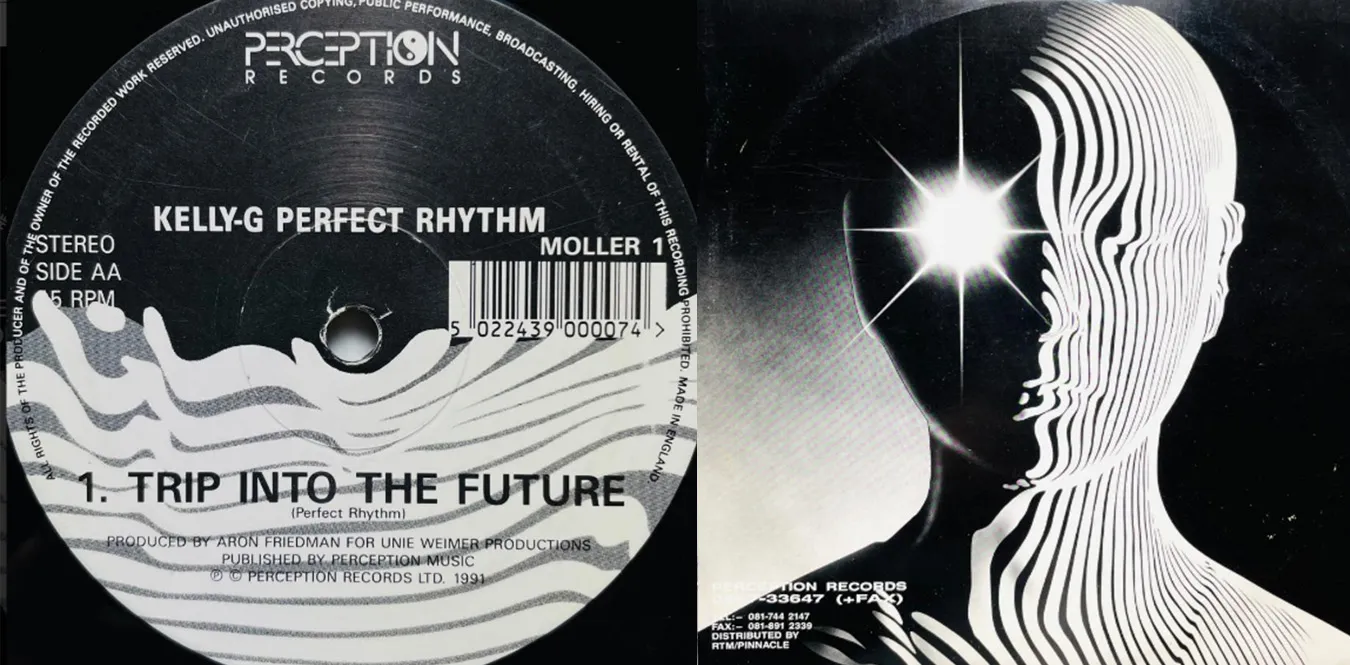
Kelly-G Perfect Rhythm – Trip Into The Future
プロデューサーはUK出身でUSを拠点に活動するKelly-GことAron Friedman。
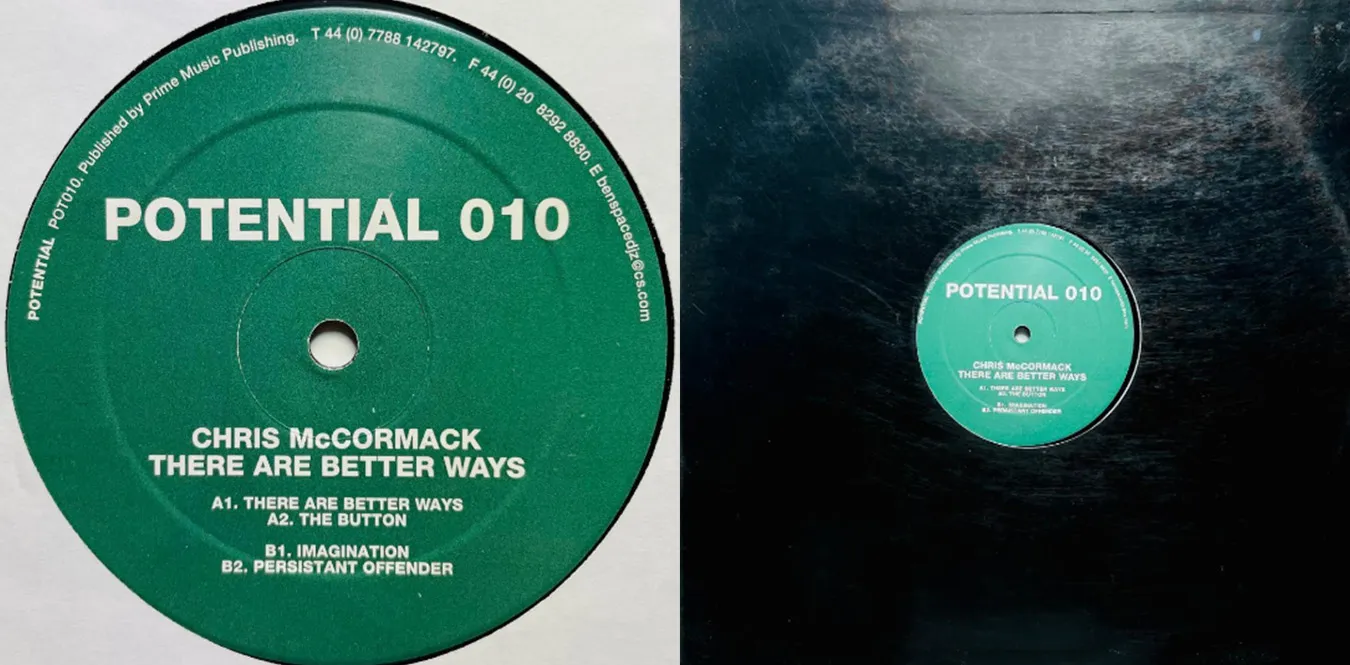
Chris McCormack – There Are Better Ways
Chris McCormackはUKのテクノプロデューサー。「There Are Better Ways」は2枚組ハウス レコード。