1. ハードコア以前――高速化するテクノの胎動
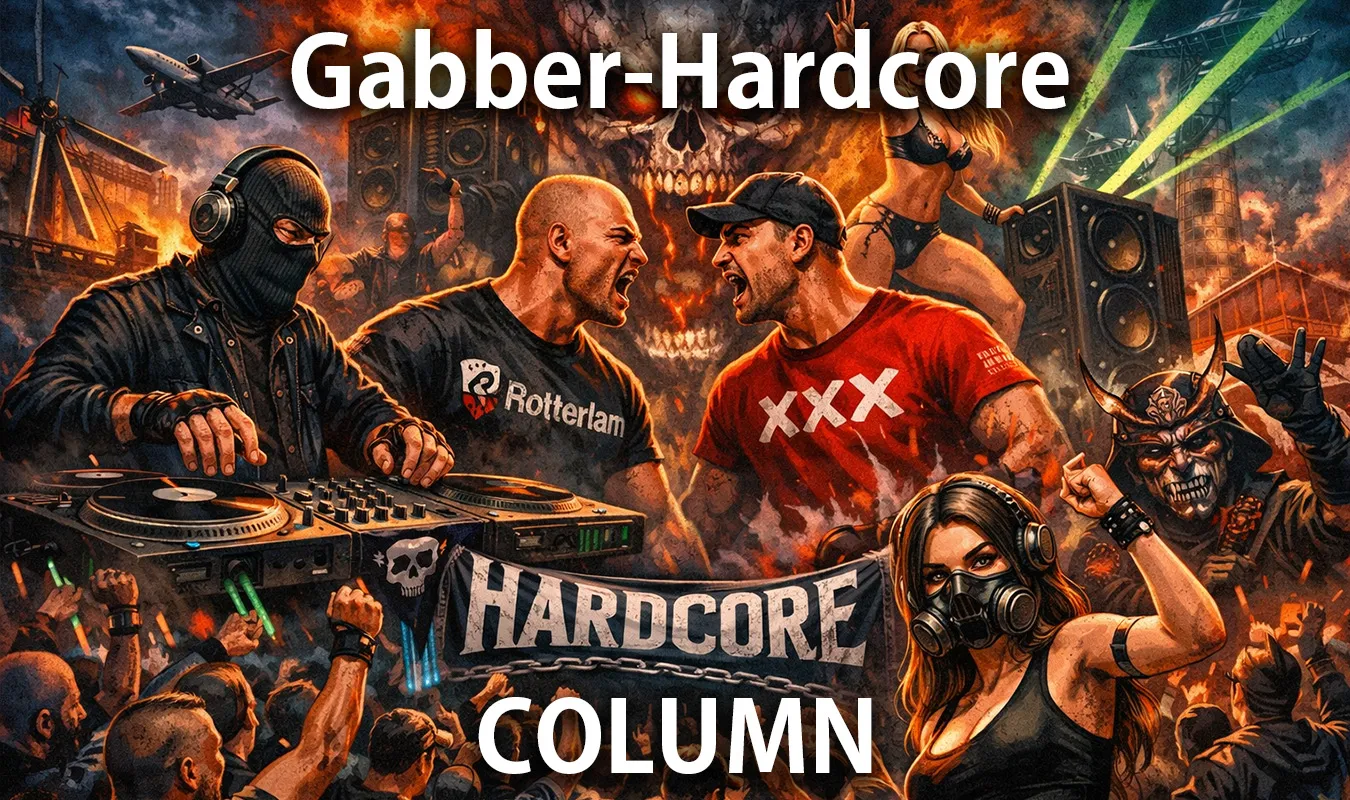
Text: mmr|Theme: Using speed and distortion as weapons, we depict the history of Gabba Hardcore, the most extreme and easily misunderstood dance music produced in European cities and youth culture in the 1990s, from its birth to its spread, divergence, re-evaluation, and spread to Japan, in a three-dimensional urban cultural history.
1980年代後半、シカゴ・ハウスとデトロイト・テクノはヨーロッパに渡り、各都市で独自の解釈を受けていた。ドイツではミニマルかつ機械的な反復が強調され、イギリスではブレイクビーツとレイヴ文化が結びつく。一方、オランダではテクノの「硬さ」と「速さ」に異様なまでの関心が向けられていく。
当時のオランダのDJたちは、輸入されたアメリカ盤のテクノをそのまま再生するのではなく、ピッチを上げ、イコライザーで低域を誇張し、フロアの反応を確かめていた。BPMは140を超え、ビートはより直線的になり、音楽は身体への衝撃として扱われ始める。
この変化は、スタジオ制作よりも現場主導で進んだ。クラブや倉庫でのパーティが実験場となり、観客の反応がそのまま音楽の方向性を決定づけていく。洗練よりも即効性、構築美よりも破壊力が重視されるようになった。
While techno tends towards futuristic sophistication, another vision of the future was chosen: ““runaway speed.’’
2. ロッテルダムという土壌――ガバ誕生の都市条件
ロッテルダムは第二次世界大戦で中心部の多くを失い、戦後に再建された都市である。その街並みは実用性を重視し、歴史的装飾よりも機能性が前面に出ていた。この都市環境は、音楽的美意識にも強く影響を与える。
港湾都市としてのロッテルダムは、労働者階級の比率が高く、夜勤や肉体労働に従事する若者が多かった。週末のパーティは、日常の緊張を一気に解放する場であり、音楽には癒やしよりもカタルシスが求められた。
1990年代初頭、ロッテルダム周辺のクラブでは、意図的に粗く、攻撃的なトラックが好まれた。歪んだキックは「音程」ではなく「質量」として扱われ、身体に直接打ち付けるような低音が追求される。ここで形成された感覚が、後にガバと呼ばれるスタイルの核となる。
ロッテルダムのガバは、都市の再建史と労働のリズムをそのまま音に変換したものだった。
3. ハードコア・テクノの確立――制作技術とサウンド設計
1992年から1994年にかけて、ガバ/ハードコア・テクノは急速に定型化していく。その背景には、制作環境の変化があった。比較的安価なサンプラーやドラムマシンが普及し、限られた機材で過激な音を作るノウハウが共有されるようになる。
Particular emphasis was placed on the production of the kick drum. By distorting, compressing, and layering existing samples, unique and destructive bass sounds are created. This process was very artisanal, and each producer had a subtle individuality.
楽曲構造は極端に単純化される一方、音圧と反復によって強烈な没入感が作り出される。フロアでの体験が最優先され、家庭でのリスニングは二次的なものとされた。
Hardcore production was based more on actual experience than on music theory.
4. Fashion and the body: Visualization of Gabba culture
Gabba Hardcore was not a culture that could be defined solely by hearing. Skinheads and extremely short hairstyles were both practical on the sweaty, hot floor and symbols of collective identity.
Sportswear and sneakers are the result of prioritizing functionality to allow people to continue dancing for long periods of time, and were formed without regard to trends in the fashion industry. Here, there was an aesthetic that was not ““for show” but ““for use.”
ダンスは跳躍的で、リズムに対して身体全体をぶつけるような動きが特徴的だった。個人の表現よりも、同じ動きを共有することで生まれる集団的高揚感が重視される。
Gaba’s physicality was an extreme demonstration of music as a device for creating social solidarity.
5. Rotterdam vs Amsterdam – a clash of two values
Even within the Netherlands, musical orientations were very different between Rotterdam and Amsterdam. Amsterdam was a strong international city, and house and techno were accepted in a sophisticated manner.
Rotterdam’s hardcore, on the other hand, functions as a reaction to such sophistication. Immediate effect and destructive power are prioritized over melody and atmosphere, and the standard is ““whether you can endure it” rather than ““whether you can dance it.”
This conflict was exaggerated by the media, and the scenes in both cities were often contrasted. However, in reality, the flow of people and influence was bidirectional, and the tension itself was the vitality of the scene.
The differences between the two cities did not isolate hardcore, but rather accentuated its presence.
6. Criticism and misunderstanding–view from the outside
Gabba hardcore was often misunderstood because of its extreme nature. The media emphasized external characteristics and some violent images, and did not sufficiently convey the musical background and internal diversity.
結果として、ジャンル全体が単一の価値観で語られるようになり、社会問題と結びつけられることもあった。しかし、内部では音楽的実験と細かなスタイル分化が進んでいた。
批判の強さは、ハードコアが社会に与えた衝撃の大きさを裏返しに示している。
7. Branching and deepening–from the late 1990s to the 2000s
商業的ピークを過ぎた後、ハードコアは急速に分岐する。明るくキャッチーな方向へ進むスタイル、より暗く実験的な方向へ進むスタイル、そして速度そのものを極限まで追求する流れが同時に存在した。
During this period, hardcore began to distance itself from the mainstream and reorganize itself as a more sustainable underground culture. Continuous activities by a core support base will become more important than large-scale events.
Hardcore has advanced to the next stage by enrichment, not reduction.
8. 日本におけるガバ受容史――輸入と再解釈
Gabba/Hardcore was introduced in earnest to Japan in the mid-1990s. Its existence became known to some techno enthusiasts through imported records and magazine articles.
当初、日本のクラブシーンではその過激さゆえに限定的な支持にとどまったが、ハードコア特有のエネルギーは次第に独自の解釈を生む。日本のシーンでは、音楽性だけでなく、アートワークやパフォーマンス性が強調される傾向があった。
Since the 2000s, a uniquely Japanese interpretation of hardcore has been formed, and it has attracted attention from overseas scenes as well. Here, it was not just imitation, but fusion with local sensibilities.
Its reception in Japan proved that Gaba is translatable as a culture.
9. 再評価と現在――ハードコアの遺産
2010年代以降、90年代ハードコアは再評価の対象となる。過剰であったがゆえに敬遠された要素が、むしろ誠実さとして捉え直されるようになった。
現代のテクノや実験音楽の文脈において、ガバ的な速度と歪みは新たな意味を持ち始めている。かつての反逆は、今や参照点として機能している。
ガバ・ハードコアは、時代を超えて再解釈され続ける未完の文化である。
年表
Structure diagram: genre branching
The history of Gabba Hardcore is a record of a long experiment in the intersection of the desire for speed and urban culture.
YouTube Podcast
*This podcast is in English, but you can watch it with automatic subtitles and translation.
Explore more like this
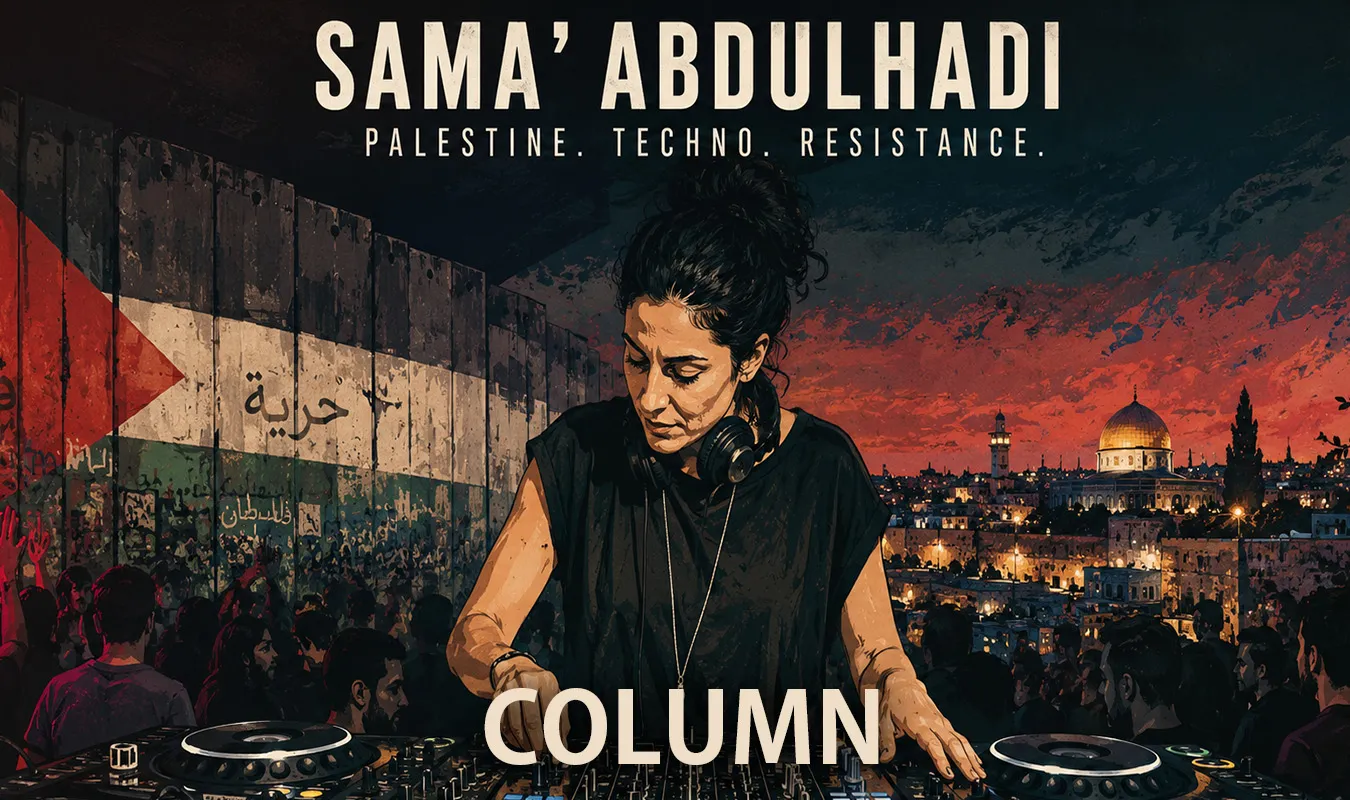
【コラム】 Sama' Abdulhadi ─ 境界線を越えて鳴り響くパレスチナ・テクノ
The bass that resounded from Palestine to the world
【コラム】 808 State ― マンチェスターから世界へ拡張したテクノの未来
808 Stateとは何だったのか
.webp)
Ramirez – Terapia (Hocus Pocus Remixes + DMC UK Rmx)
Ramirezは、90年代初頭にイタリアのDFCレーベルによるエレクトロニック・ダンス・ミュージックプロジェクト。DFCのプロダクションチーム、Davide Rizzatti、Elvio Moratto、Ricki Persi、シンガーAlex Quiroz Buelvasなどが参加している。
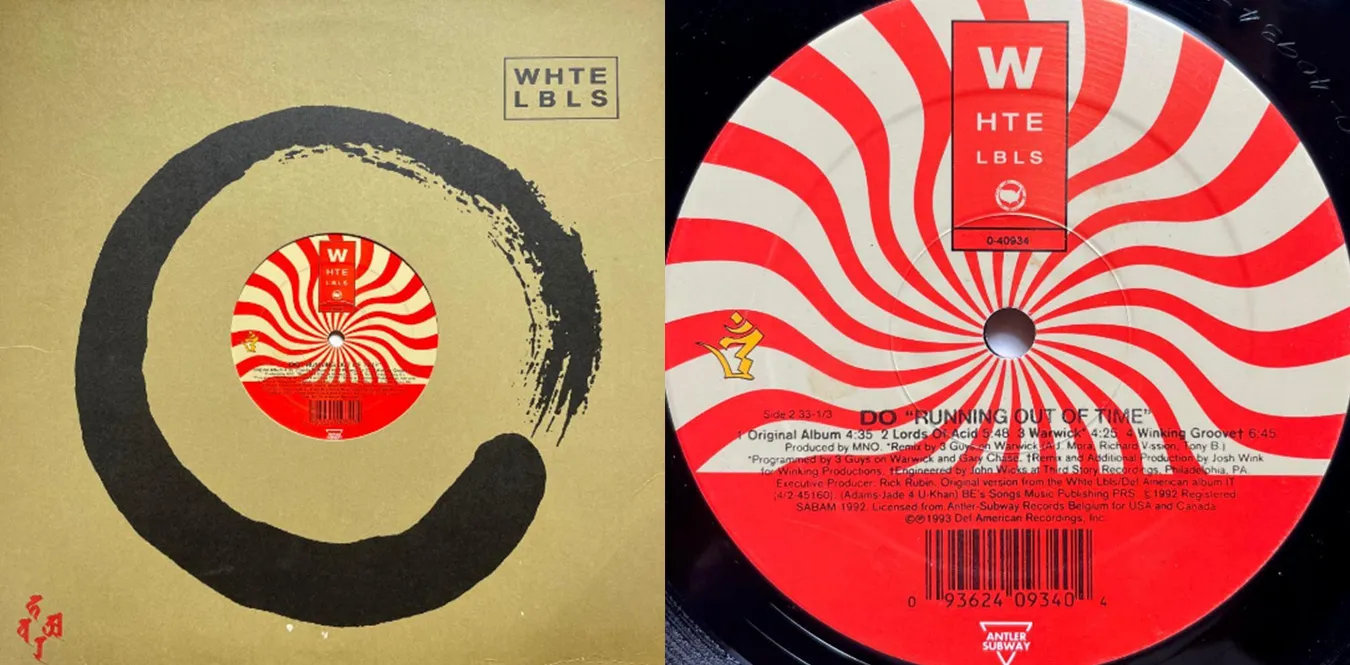
DO – Running Out Of Time
DO (Digital Orgasm /デジタルオーガズム )は、M.N.O. productionトリオ Maurice Engelen (Somora/Praga Khan)、Nikkie van Lierop (Jade 4 U, Miss Lie) 、Oliver AdamsによるベルギーのTechnoアクト。

【コラム】 Border Community — 境界を越える音の共同体
I. 序章:境界線から始まる物語
DJ Gilb-R – Pressure
DJ Gilb-Rは、フランスのエレクトロニックミュージックプロデューサー、Gilbert Cohen(ギルバート・コーエン)の別名。
Beroshima – Dance The Machine
Beroshima (ベロシマ)は、1994年にFrank Muller(フランク・ミュラー)によって結成されたジャーマンテクノ/エレクトロプロジェクト。後にUlrich Schnauss(ウルリッヒ・シュナウス)が参加した時期もあったが、現在はFrank Mullerのソロプロジェクトとなっている。
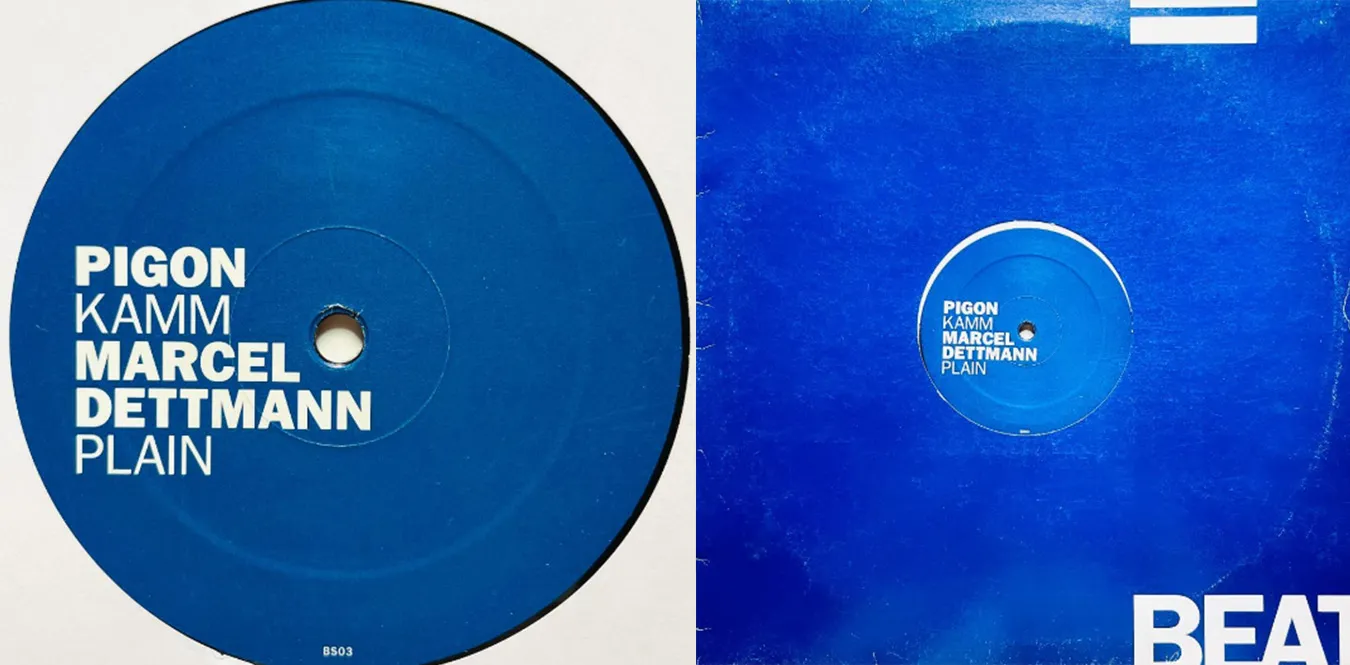
Pigon Marcel Dettmann – Kamm Plain
2008年にレーベルBeatstreetからリリースされた両A面のテクノトラック。
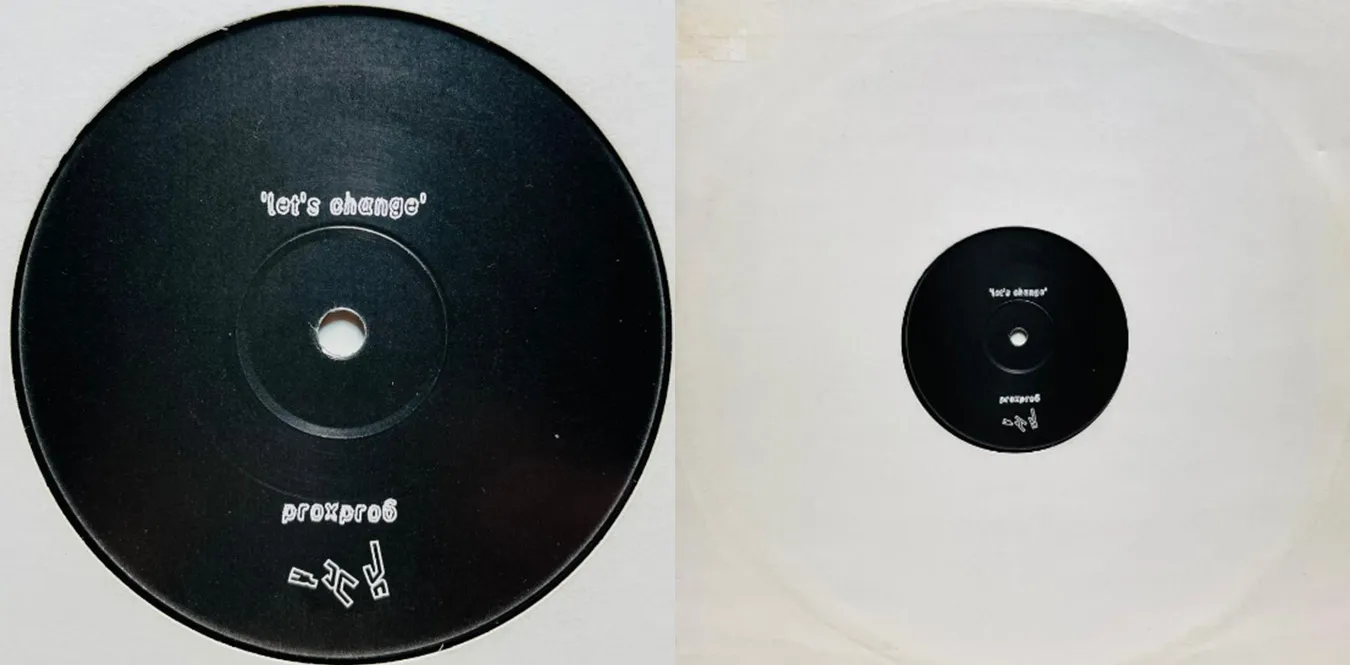
DJ Rush – Let's Change
DJ RushことIsaiah Majorは、シカゴ出身でドイツを拠点に活動するテクノ&ハウスDJ・プロデューサー。Major Rush、Russian Roulette名義でも活動している。
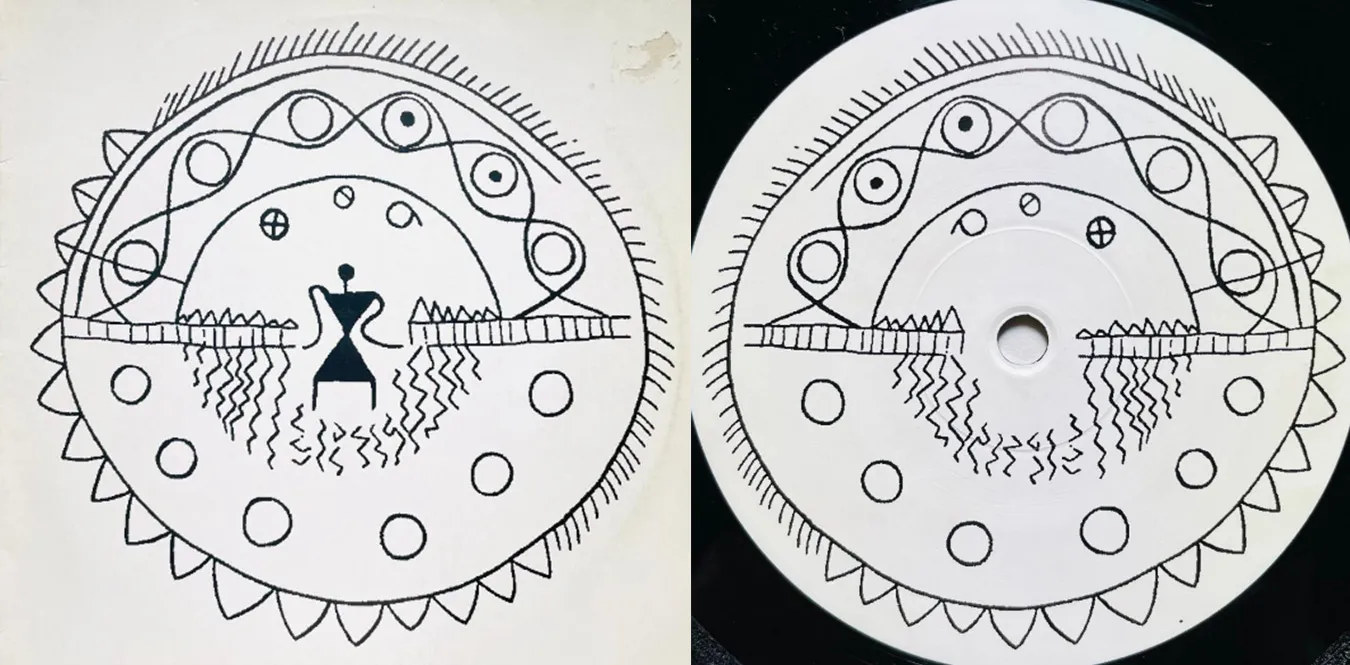
Sanjiva – Secret Rooms Over Flowing Delight
Sanjiva ことCharles Reixによるテクノ・アンビエント・トランストラック。1996年にSanjiva自身のレーベルNinetysix Soundsからリリースされた。Charles Kyosan名義でも活動していた。
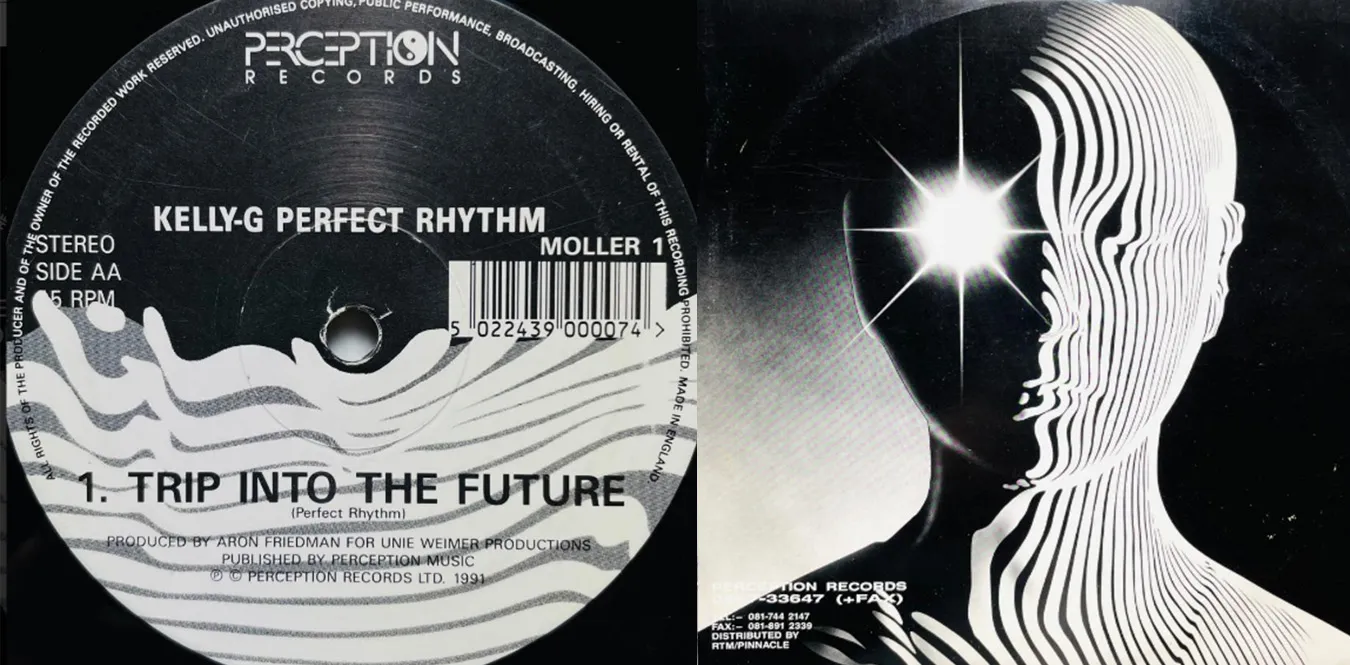
Kelly-G Perfect Rhythm – Trip Into The Future
プロデューサーはUK出身でUSを拠点に活動するKelly-GことAron Friedman。