[Column] Parliament / Funkadelic: The whole story of the P-Funk revolution - deciphering space myths, groove techniques, and cultural heritage
Column en 70s 80s Funk Rock![[Column] Parliament / Funkadelic: The whole story of the P-Funk revolution - deciphering space myths, groove techniques, and cultural heritage](/../assets/images/column-parliament-funkadelic.webp)
Prologue: What is P-Funk? A cosmic cultural revolution that goes beyond “funk”
Text: mmr|Theme: About the worldview of P-Funk, which still exists as the foundation of current hip-hop, R&B, electro, art, and fashion.
In the history of black American music in the second half of the 20th century, Parliament/Funkadelic (commonly known as P-Funk) is the group that combines the grandest mythology and sound innovation. Led by George Clinton, this collective was more than just a band, it was a gigantic project that combined a multiverse story, a futuristic technological sensibility, and the thoroughly physical rhythms of funk.
P-Funk becomes clear when you understand it in terms of the following three axes.
- Parliament: Epic funk opera type sound
- Funkadelic: A fusion of psychedelic rock and soul
- P-Funk collective: comprehensive art including musicians, costumes, space mythology, live performances, etc.
This article provides a comprehensive overview of P-Funk’s musical techniques, cultural impact, chronology, song analysis, and influence on future generations.
Chapter 1: Birth of Parliament / Funkadelic - 1950s-early 70s
■ “Doo-wop dream” started in a New Jersey barber shop
P-Funk’s origins date back to the late 1950s at the Plainfield Barber Shop in Newark, where George Clinton worked. While waiting for customers, he harmonized with his friends and formed a doo-wop group called The Parliaments.
The dream of young black men at the time was the “Motown sound.” George Clinton studied Smokey Robinson’s songwriting techniques and based them on beautiful choruses and catchy melodies.
Mini Illustrated: The Parliaments → Evolution of P-Funk
(Doowop 1950s)"] --> B["Funkadelic
(Psychedelic Funk)"] A --> C["Parliament
(Funk Opera)"] B --> D["P-Funk Collective
Comprehensive Project"] C --> D
Chapter 2: The Rise of Funkadelic - The Psychedelicization of Black Music (1968-)
In 1968, George Clinton envisioned a “black Jimi Hendrix” and started Funkadelic. After Larry Graham’s slap, funk quickly became more rhythm-driven, but Funkadelic further blended:
● Musical characteristics of Funkadelic
- Introduction of psych-rock guitar (Eddie Hazel)
- Rough Garage Funk Beat
- Black church gospel call and response
- Lyrics with strong political criticism
In particular, 1971”s “Maggot Brain” is remembered for Eddie Hazell”s over 10 minute guitar solo. It has been described as the “musical embodiment of black sadness and anger.”
Chapter 3: Parliament’s Space Myth - Building the P-Funk Mythology (1974~)
In the mid-1970s, George Clinton began developing black science fiction under the name Parliament.
■Mothership Connection (1975)
- Concept: Afrofuturism x Funk
- Theme: “The black funk savior from space”
- At the live performance, a giant spaceship called “Mothership” descended, sending the audience into a frenzy.
To this point, P-Funk has strengthened the following elements in all directions.
● P-Funk space myth keywords
- Sir Nose D’Voidoffunk
- Starchild (Warrior of Light)
- The Mothership (symbol of salvation)
- Bop Gun (Funk Weapon)
These characters are integrated into the music, costumes, stage direction, liners, and artwork. P-Funk = the myth of funk as a comprehensive art has been completed.
Chapter 4: A deep dive into musical technique - Why is P-Funk’s sound so “cosmic”?
What makes P-Funk unique is not just the strength of its groove, but its “structural control.”
■ 1. “Rubbery Bass” by Bootsy Collins
- Octave bounce
- Laid back nori
- Heavy use of syncopation *Using Distortion and Auto-Wah
■ 2. Drum “low gravity groove”
The drumming of Jerome “Bigfoot” Braley and others has the following characteristics.
- Minimal bass drum
- Snare is deep and back *Hi-hat has a bit of shuffle
As a result, the beat feels like it’s moving forward while floating.
■ 3. Opera-like depth of chorus and ensemble
- 5 to 9 people always overlap
- Arrange multiple singers with different voice qualities
- Gospel style response
■ 4. Horn”s funky “instruction sound”
- James Brown-style sharp accent
- But it has more play than JB and more harmony than unison.
■ 5. Future sound of synthesizer
Barney Worrell’s Minimoog brought “cosmic electronic sounds” to black music for the first time. The origin of hip-hop, G-funk, and electro.
Chapter 5: Masterpiece guide (detailed explanation)
■ Funkadelic “Maggot Brain” (1971)
- The pinnacle of black rock
- The title song is a masterpiece called “Crying Guitar”
- A forerunner of art-rock funk with strong social metaphors
■ Parliament “Mothership Connection” (1975)
- The central work of the P-Funk myth
- Global hits such as “Give Up the Funk” and “Mothership Connection”
- Maximizes live theatricality
■ Funkadelic “One Nation Under a Groove” (1978)
- More danceable
- Conveys a message of ethnic harmony and freedom
Chapter 6: Member structure of P-Funk collective (illustration)
Producer / Concept] --> P1[Parliament] G --> P2[Funkadelic] G --> P3[Bootsy's Rubber Band] G --> P4[Parlet] G --> P5[Brides of Funkenstein] G --> P6[The Horny Horns] P2 --> E[Edie Hazel] P2 --> B1[Michael Hampton] P1 --> W[Bootsy Collins] P1 --> BW[ Bernie Worrell ]
Chapter 7: Social and Cultural Influences – Into the Heart of Afrofuturism
P-Funk left three major impacts on black culture.
■ (1) Expansion of black science fiction expression (Afrofuturism)
Along with Sun Ra, P-Funk created a cultural foundation for black people’s future.
■ (2) Re-evaluation through hip-hop
In particular, the following artists sampled extensively.
- Dr. Dre (G-Funk) *Ice Cube *Digital Underground *Public Enemy
- De La Soul
■ (3) Spread into fashion, art, and political thought
- Multicolored hair, space suit, giant boots
- Anti-discrimination message through space mythology *George Clinton offered a “funk philosophy of liberation”
Chapter 8: P-Funk Chronology (Details)
Chapter 9: Connecting with future generations of artists
■ Dr. Dre (G-Funk)
- Inherited P-Funk’s synth and snare arrangement
- “Mothership Connection” sampled by Ice Cube and others
■ Prince
- Multiple personality character construction
- Live theater/sexual expression/cross-genre
■ Thundercat & Flying Lotus
- Inheriting the bouncy feel of the bass and the sense of space *Thundercat speaks of Bootsy as its direct ancestor
Conclusion: P-Funk is a “huge archive of black futures”
George Clinton is more than just a funk leader. He was a “cultural architect” who brought together music, the body, the universe, mythology, and social criticism.
P-Funk’s worldview is still alive today as the foundation of current hip-hop, R&B, electro art, and fashion. As long as P-Funk remains at the center of black music that speaks to the future, their spaceship “Mothership” will never land.
Appendix: Recommended discography (from introduction to deep dive)
- Funkadelic “Maggot Brain”
- Funkadelic “Cosmic Slop” *Parliament “Mothership Connection”
- Parliament “Funkentelechy vs. the Placebo Syndrome”
- Bootsy”s Rubber Band “Stretchin” Out in Bootsy”s Rubber Band”
Appendix: Live composition (1976 Mothership Tour reproduction diagram)
(Horny Horns)"] Stage --> Vocals["Vocal Ensemble"] Stage --> Bootsy["Bootsy Collins
(Bass)"] Stage --> Bernie["Bernie Worrell
(Keyboards)"] Stage --> Guitar["Guitar Zone"] Stage --> Ship["Mothership Advent Gimmick"]
YouTube Podcast
*This podcast is in English, but you can watch it with automatic subtitles and translation.
Explore more like this
![[Column] Ostracism and 1970s Japan: Deviant sounds, rejecting society](/../assets/images/column-murahachibu.webp)
[Column] Ostracism and 1970s Japan: Deviant sounds, rejecting society
What was ostracism?
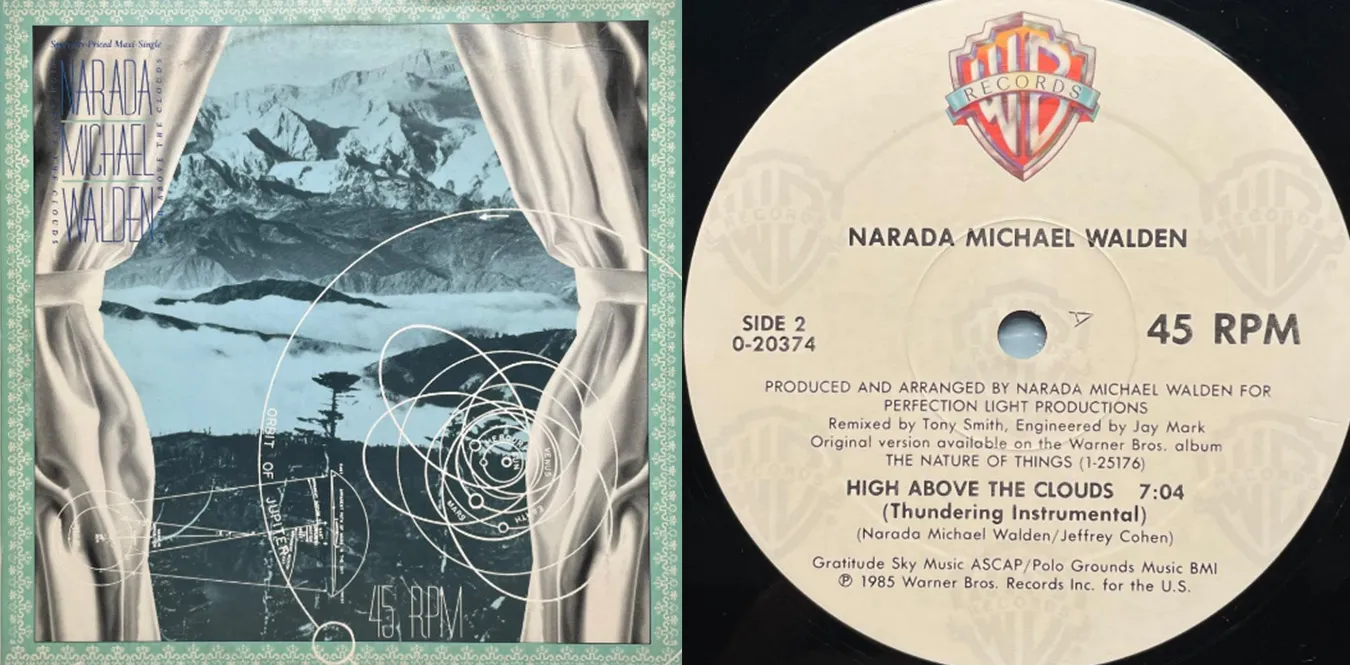
Narada Michael Walden – High Above The Clouds
Narada Michael Walden began his career as a drummer and was active in the jazz fusion scene, performing with John McLaughlin and the Mahavishnu Orchestra, Chick Corea, Jaco Pastorius, Jeff...
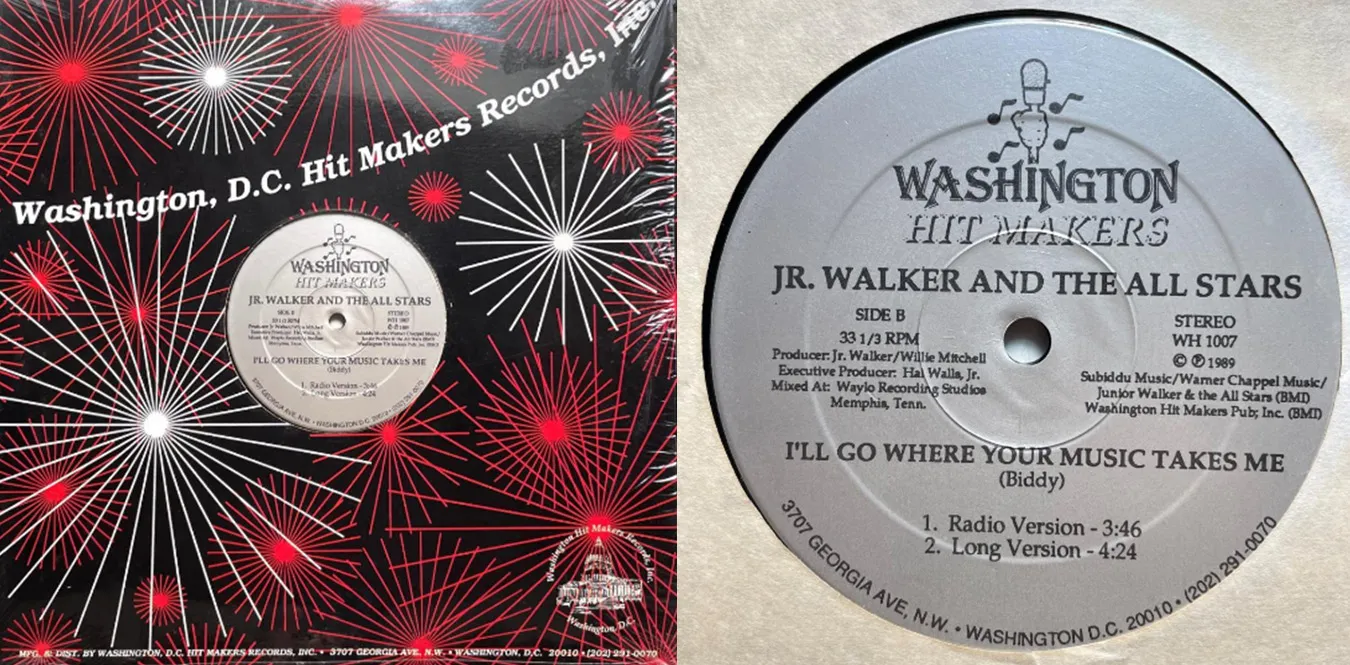
Jr. Walker And The All Stars – I'll Go Where Your Music Takes Me
Jr. Walker And The All Stars was an American R&B/soul band that represented Motown in the 1960s. Junior Walker played as a saxophonist with the band Foreforier in the 1980s....
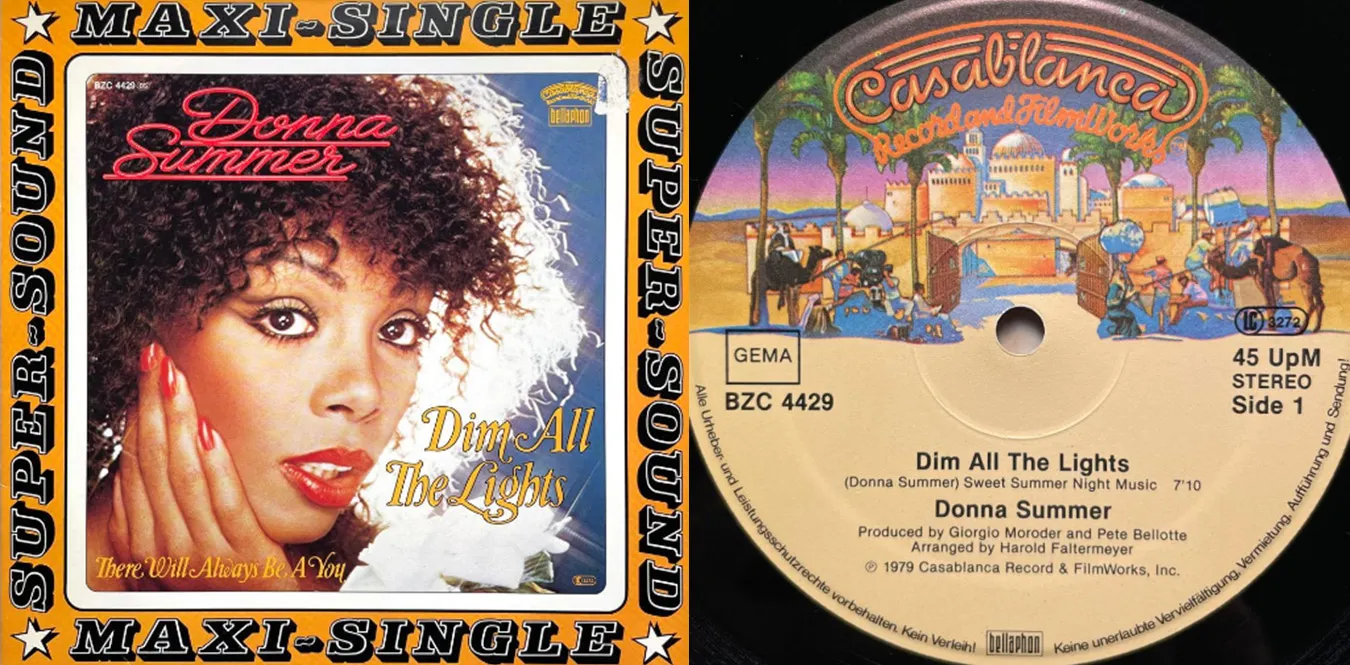
Donna Summer – Dim All The Lights
“Dim All The Lights” is a disco track released on the label Casablanca in 1979.
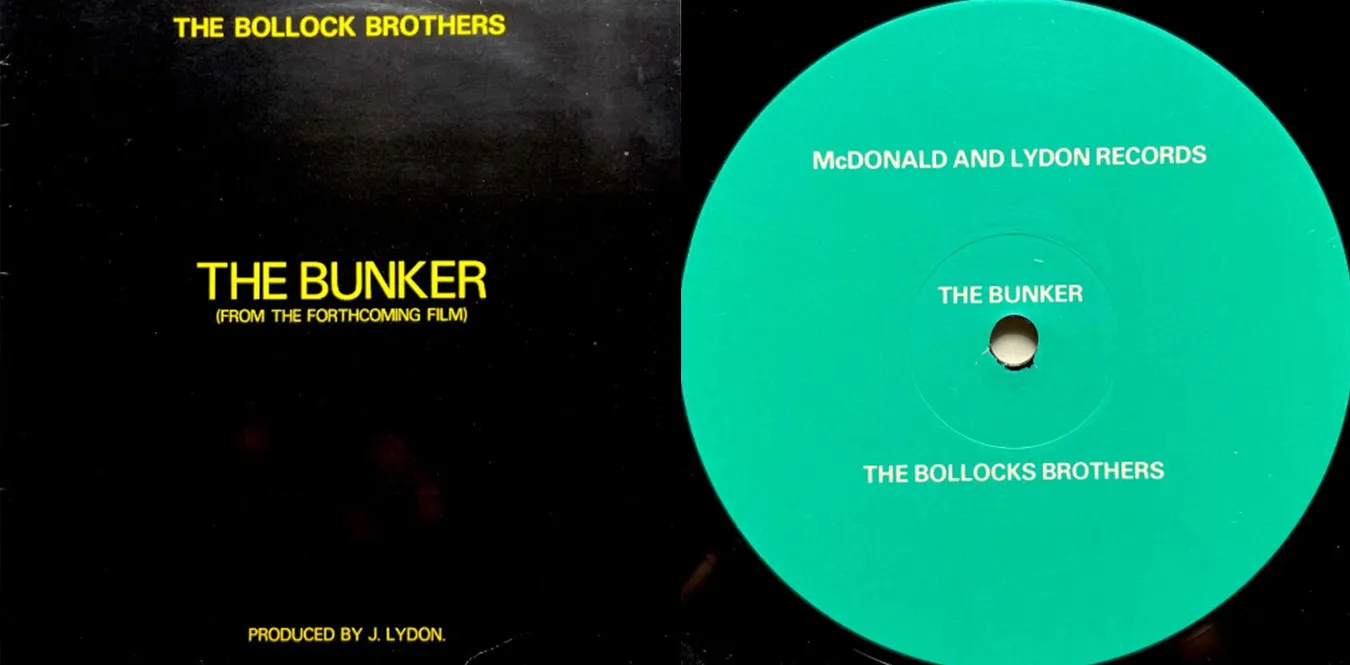
The Bollock Brothers – The Bunker (From The Forthcoming Film)
The Bollock Brothers are a British punk/new wave band formed in 1979 by Jock McDonald, a London promoter/DJ/manager and former member of 4” Be 2”.
![[Column] Tatsuro Yamashita: Analog aesthetics and changes in sound after transition to digital](/../assets/images/column-yamashita-tatsuro.webp)
[Column] Tatsuro Yamashita: Analog aesthetics and changes in sound after transition to digital
Production environment, equipment, recording methods, studio culture, media specifications
![[Column] Kronos Quartet: The trajectory of a string quartet that continues to innovate and take on challenges](/../assets/images/column-kronos-quartet.webp)
![[Column] Penguin Cafe Orchestra - An imaginary paradise that resonates between ambient and folklore](/../assets/images/column-penguin-cafe-orchestra.webp)
[Column] Penguin Cafe Orchestra - An imaginary paradise that resonates between ambient and folklore
Prologue: Reverberations of a “fictional cafe” found nowhere else in the world
![[Column] New Age Steppers: The revolution of an action label that reconnected the strata of post-punk and dub](/../assets/images/column-new-age-steppers.webp)
[Column] New Age Steppers: The revolution of an action label that reconnected the strata of post-punk and dub
Prologue: Destruction and Reconstruction of London in 1979–80
![[Column] Toots and the Maytals — The soul of reggae etched by live performances](/../assets/images/column-toots-and-the-maytals-live-history.webp)
[Column] Toots and the Maytals — The soul of reggae etched by live performances
Introduction: The birth of reggae and the origins of live culture
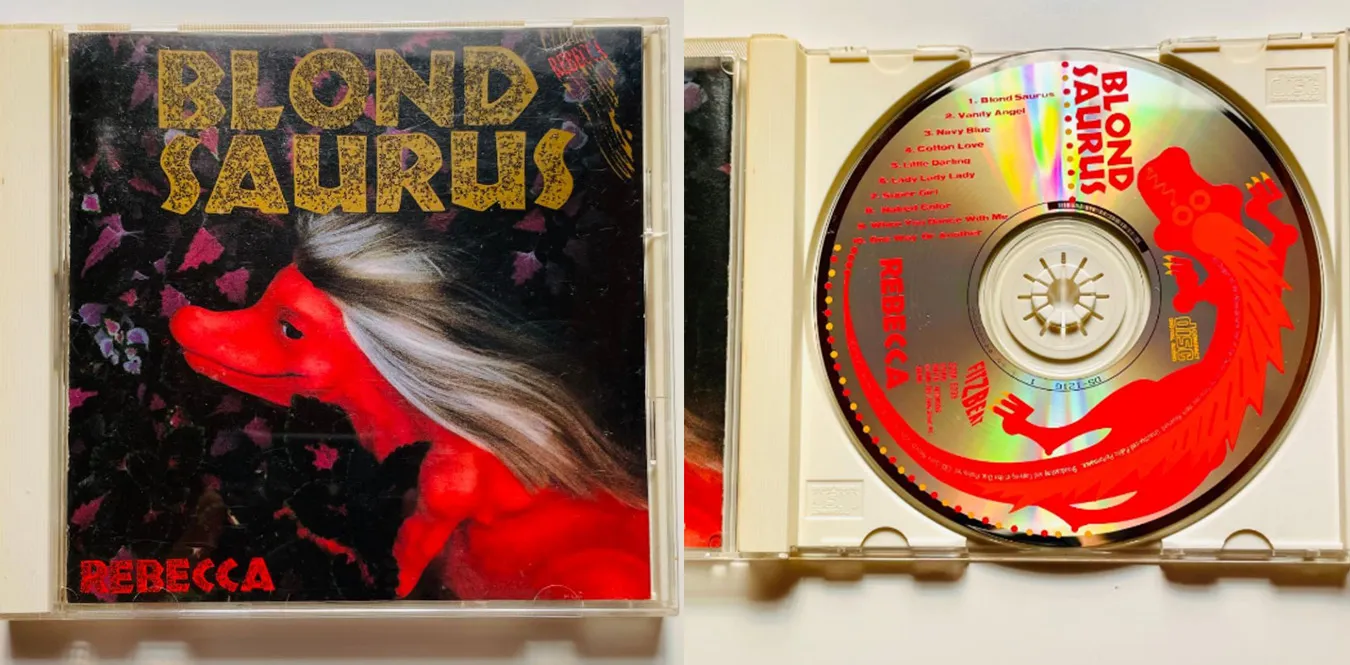
Rebecca – Blond Saurus
“Blond Saurus”, released in 1989, is Rebecca’s seventh album, produced by François Carbocan (François K), and her last original album.
![[Column] Marvin Gaye: Between Love and Pain - Salvation and Destruction as Seen by the God of Souls](/../assets/images/column-marvin-gaye.webp)