[Column] Nick Höppner: Acoustic thought across Berlin institutional history and floor practice
Column en Berlin House Techno![[Column] Nick Höppner: Acoustic thought across Berlin institutional history and floor practice](/../assets/images/column-nick-hoppner.webp)
Introduction: DJ who connects the system and the field
Text: mmr|Theme: Tracing the history of the Berlin House centering on Nick Höppner
Berlin’s club culture is often mythologized. However, in reality, it has come about through a close intertwining of multiple layers, including systems, management, labels, sound design, and international distribution. One of the people who continued to stand at the crossroads was Nick Höppner.
He’s not just a DJ. A&R, label management, compilation editor, and long-time set practitioner. He is a practical person who is responsible for the reciprocating movement between the club and the sound source, and is the type of player who verifies his ideas on the floor.
To understand his activities, it is necessary to look at three layers simultaneously.
- Institutional history of the city of Berlin
- Specific practice on the floor
- Thoughts and design sense regarding acoustics
This paper organizes his progress through this three-layered structure.
Nick Höppner is the embodiment of the ‘athletic body’ of Berlin club culture.
History of the Berlin System: How the Club Became an Institution
Post-unification Berlin and the creation of club spaces
Berlin in the 1990s had many blank areas after reunification. Factory site, power plant, warehouse. These spaces were converted into clubs and became testing grounds for techno culture.
Berghain, which opened in 2004, is an extension of this trend. A huge space renovated from an old power plant, with high ceilings and hard concrete walls. Acoustics have expanded physically, and music has acquired a tactile scale.
An institutional device called a label
Ostgut Ton was responsible for conveying Berghain”s musical philosophy to the outside world. It was more than just a club label, it was a device that solidified Berghain”s philosophy as a sound source.
Nick Höppner was involved in A&R and management of Ostgut Ton, and was in a position to shape the direction of the label. Choose the sounds that play in the club, choose the artists, and build the compilation. They took on the role of editing music within the system.
In Berlin, clubs became cultural institutions and labels became devices for preserving ideas.
Floor practice: long set methodology
Resident position
Berghain’s resident DJs are more than just guests. They are assigned to set for long periods of time, and it is necessary to read their psychological state at each time of day.
Höppner’s playing tends to emphasize sustained grooves rather than sudden peaks. The BPM range ranges from house to techno, with smooth transitions.
Structure for assembling the floor
His set structure can be organized into three layers.
- Rhythm stabilization
- Introducing harmony and chords
- Texture density adjustment
This is a design that values the passage of time itself rather than momentary excitement.
Floors are formed by persistence, not explosions.
Acoustic philosophy: Production based on the premise of sound
Designed for club acoustics
Berghain has a sound system known for its high output. The bass is deep, the reverberation is long, and the space is huge. Under these conditions, excessive decoration creates turbidity.
Höppner’s production tends towards reducing the number of sounds and organizing the range. Avoid interference between kick and bass and create space in the midrange.
Album “Folk”
The album ““Folk” released by Ostgut Ton in 2015 is a work that explores the balance between club functionality and lyricism. As the title suggests, it is not a direct reference to folk music, but rather a sense of structural ““narration”.
The track is not a linear peak structure, but is designed to embed subtle changes within the repetition.
Acoustic philosophy is to decide which sounds should not be produced rather than which ones should be produced.
Curation: The work of weaving context
Ostgut Ton”s compilations and Berghain-related mixes are more than just DJ productions. This is an editorial act that presents the club”s philosophy along a chronological axis.
Höppner was involved in this editing process, presenting Berghain’s musical cross-section to the outside world. What is important here is that the act of selecting a sound source is also an act of defining a context.
Curation is both a record of culture and a guide to the future.
Chronology: Intersection of institutions, practices, and ideas
- Late 1990s to early 2000s: Started DJing in Berlin
- 2004: Berghain opens
- 2000s: Involved in A&R of Ostgut Ton
- 2015: Album “Folk” released
- Late 2010s: Expansion of international DJ activities
His path is a trajectory in which three layers of institutions, practices, and ideas progressed simultaneously.
Conclusion: Sounds from within the system
Although Ostgut Ton later ceased to be active, the aesthetics formed during that period remain. Berlin’s club culture is renewed through repeated institutionalization and reorganization.
Nick Höppner was responsible for running the system, verifying it on the floor, and recording it as a sound source. His career is an example of how urban cultures self-organize and gain international influence.
Not explosive star power, but sustained practice and thought. It is this quiet driving force that has shaped one aspect of Berlin House.
The sounds made on the floor transcend the system, but are supported by the system.
Explore more like this
![[Column] TR-808: It was not machines that changed music, but the people who used them.](/../assets/images/column-roland-tr-808.webp)
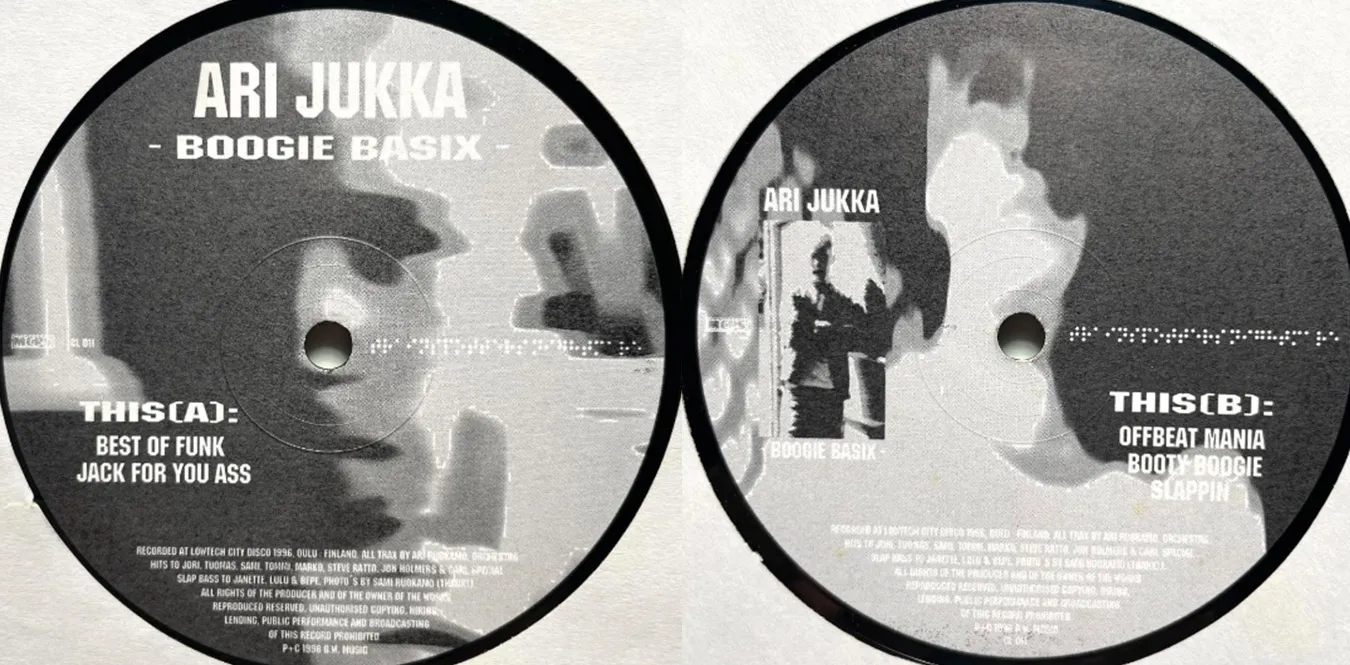
Ari Jukka – Boogie Basix
Ari J. Ruokamo, also known as Ari Jukka, is an artist who started producing music in the late 1980s and mainly worked in the Garage/Deep house genre. He also worked...

DO – Running Out Of Time
DO (Digital Orgasm) is a Belgian techno act formed by the M.N.O. production trio Maurice Engelen (Somora/Praga Khan), Nikkie van Lierop (Jade 4 U, Miss Lie), and Oliver Adams.
![[Column] The world of Modular Techno: Fusion of modular synth and techno](/../assets/images/column-modular-techno.webp)
[Column] The world of Modular Techno: Fusion of modular synth and techno
What is Modular Techno?
![[Column] Ricardo Villalobos × Luciano — A rhythmic journey where South America and Europe intersect](/../assets/images/column-ricardo-villalobos-luciano.webp)
![[Column] German techno and the pandemic in the 2020s: Cultural transformation brought about by lockdown and revitalization](/../assets/images/column-2020s-german-techno-pandemic.webp)
[Column] German techno and the pandemic in the 2020s: Cultural transformation brought about by lockdown and revitalization
Pandemic: A true history of everything from lockdown to reopening to redefining music
[Column] German techno and the pandemic in the 2020s: Cultural transformation brought about by lockdown and revitalization
Pandemic: A true history of everything from lockdown to reopening to redefining music
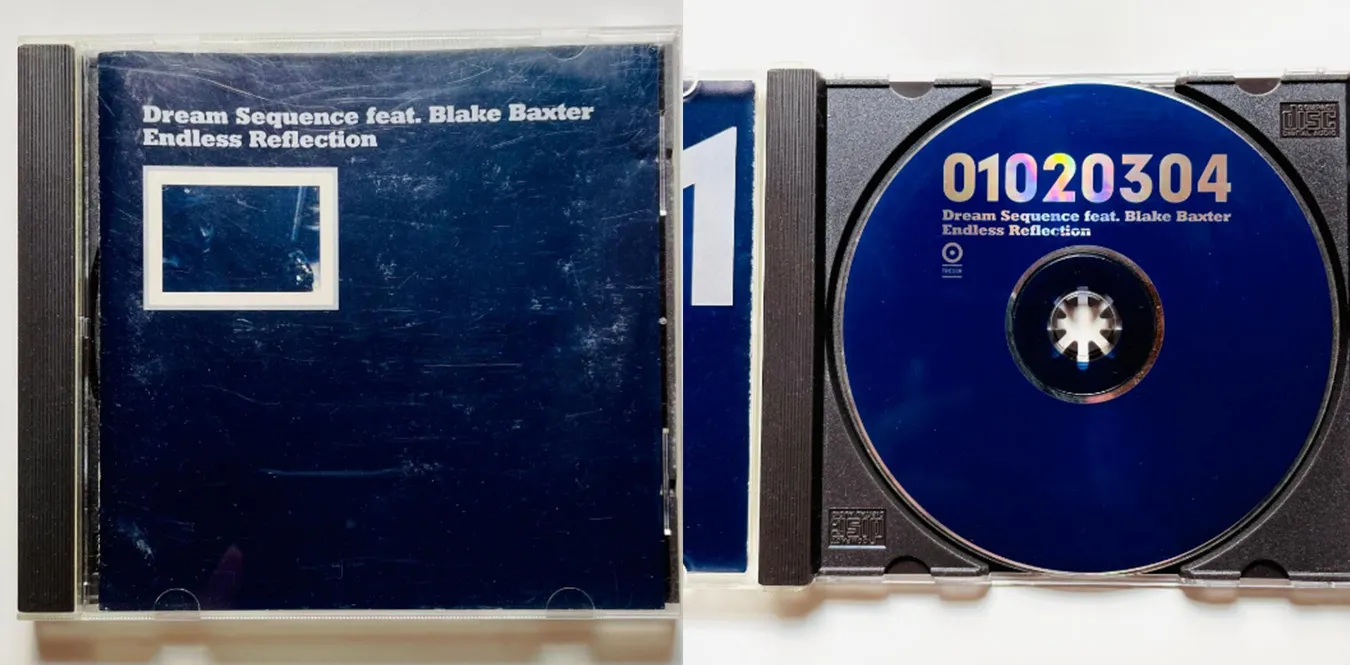
Dream Sequence Feat. Blake Baxter – Endless Reflection
One of the originators of Detroit techno, Blake Baxter, aka The Prince Of Techno, played Tresor when he visited Berlin in 1992 on his first UR (Underground Resistance) European tour,...
![[Column] Expanding trajectory of Minimal Music: Aesthetics of repetition and change as seen from Techno, House, and Rock](/../assets/images/column-minimal-music.webp)
[Column] Expanding trajectory of Minimal Music: Aesthetics of repetition and change as seen from Techno, House, and Rock
Prologue: Between silence and repetition
![[Column] Body and Beat: Anthropology of Dance Music](/../assets/images/column-anthoropology-of-dance-music.webp)
[Column] Body and Beat: Anthropology of Dance Music
Introduction: Why are people moved by rhythm?
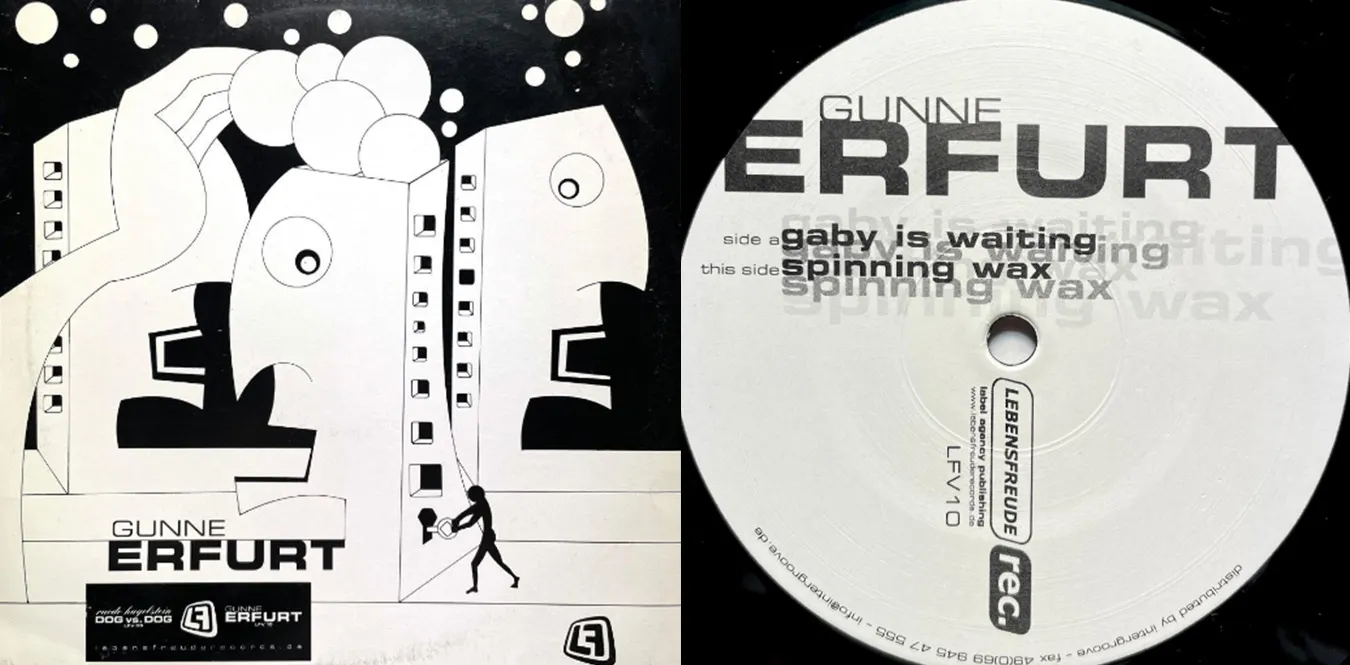
Gunne – Erfurt EP
Gunne (Gunnar Lenke) is a Berlin-based DJ/producer who runs the Minimal & Tech House label Lebensfreude Records.
![[Column] The illusion of EDM: Celebrating and rebuilding in the digital age](/../assets/images/column-edm.webp)