![[Column] Why is techno an ideology?](/../assets/images/column-the-philosophy-of-techno.webp)
テクノはなぜ思想と呼ばれるのか
Text: mmr|Theme: Future thoughts behind the repetitive beats. Cities, machines, bodies, communities. Deciphering from history why techno is more than music and is called ideology.
A 4/4 beat that continues to play in the darkness of the club. repeating rhythm. Inorganic synthesizer sound.
一見すると、テクノはただのダンスミュージックのように見える。
しかし、この音楽は単なる娯楽として生まれたわけではない。
都市の崩壊。 mechanized society. Imagination for the future.
Techno was born in connection with this social background.
And before you know it, people will start saying this.
Techno is not music, but ““thought.’’
この言葉は決して誇張ではない。
テクノは常に、未来と社会を考えるための音楽だったからだ。
Techno is a rhythm for imagining the future.
The encounter between machines and music
テクノの思想を理解するためには、まず機械と音楽の関係を振り返る必要がある。
20世紀初頭、音楽は大きな変化を迎えた。
録音技術の登場である。
Until then, music existed only in the moment it was played. However, through recording, the sound becomes preserved.
This change changed the very concept of music.
Electronic musical instruments were born in the 1920s.
- theremin
- オンド・マルトノ
These instruments used electricity to produce sound.
音楽は、身体だけでなくテクノロジーによって作られるものになったのである。
Furthermore, after World War II, when magnetic tape became popular, new music was born.
テープを切り貼りして作る音楽。
Music that combines electronic sounds.
これらは後に「電子音楽」と呼ばれる。
Electronic music has liberated music from the concept of performance.
作曲家は音そのものを素材として扱うようになる。
この考え方こそ、テクノの根本にある思想だった。
テクノの原点は、音楽を「演奏」ではなく「構築」として捉える発想にある。
Kraftwerk and the sounds of the future
1970年代、ドイツで新しい音楽が生まれる。
That is Kraftwerk.
They broke away from rock tradition and created music that incorporated mechanical rhythms.
- drum machine
- synthesizer
- Vocoder
Using these electronic devices, they created a futuristic sound.
テーマも独特だった。
- Highway
- コンピューター
- ロボット
Whereas previous pop music was about love and emotion, their theme was technology itself.
Music has become a medium that depicts the city of the future.
Even more important was their aesthetic.
- 感情を排した歌声。
- 均一なリズム。
- Minimalist structure.
This was music that expressed the relationship between humans and machines.
This idea would later become a central element of techno.
The aesthetics of techno lies in expressing the coexistence of humans and machines through sound.
デトロイトという都市
In the 1980s, techno was born in the American city of Detroit.
This city had a special background.
かつてデトロイトは自動車産業の中心だった。
- Ford
- General Motors
- Chrysler
Huge factories supported the city.
However, after the 1970s, the industry declined.
Factories were closed and the population decreased.
The city is filled with vacant lots and ruins.
In this situation, young people began to create new music.
彼らはヨーロッパの電子音楽に影響を受けながら、独自のスタイルを生み出した。
それがデトロイト・テクノである。
This music reflected the reality of the city.
- Beats like a factory machine.
- Futuristic city-like synth sounds.
- Inorganic yet emotional atmosphere.
Techno was the sound of the city.
Techno was born from urban decay and the imagination of the future.
Three founders of techno
The history of Detroit techno begins with three people.
通称「ベルヴィル・スリー」である。
They started making music in high school.
The influences were diverse.
- european electronic music
- ファンク
- ディスコ
- SF文化
When these things are mixed together, a new sound is born.
Their music was not only music for clubs, but also music for imagining future cities.
- universe.
- Technology.
- artificial intelligence.
These themes become important motifs in techno.
This music was also a new form of black music.
While having a tradition of jazz and funk, they incorporate electronic music.
つまりテクノは、黒人音楽と未来思想の融合だったのである。
Techno was born at the intersection of black musical tradition and futuristic technology.
Philosophy of repetition
テクノの最大の特徴は反復である。
The same beat continues for minutes.
The melody hardly changes.
Why was this structure created?
One of the reasons is dance.
クラブでは長いグルーヴが必要だった。
However, another reason lies in the philosophy of music.
反復は、人間の意識を変える。
If the same rhythm continues, the listener loses sense of time.
これは多くの文化で見られる現象である。
- religious rituals
- trance music
- Shamanism
反復するリズムは、人間をトランス状態に導く。
Techno was a reconstruction of this old musical principle using electronic sounds.
つまりテクノは、最も未来的な音楽でありながら、最も原始的な音楽でもある。
Techno repetition is a device for changing time and consciousness.
A community called a club
テクノの思想は、クラブ文化とも深く結びついている。
Clubs are not just entertainment facilities.
New social relationships are born there.
- race
- Gender
- 職業
On the club floor, these differences temporarily disappear.
In the darkness, everyone surrenders to the same rhythm.
This experience has been called “temporary community” by sociologists.
On the techno floor, collective energy is more important than individual energy.
DJはそのエネルギーをコントロールする存在だ。
Design the floor time while connecting the songs.
In other words, DJs are both composers and architects.
Clubs were spaces created by music.
Techno clubs are temporary societies created by music.
ミニマリズムとテクノ
Another characteristic of techno is minimalism.
Build music with few elements.
- kick
- ハイハット
- base
- シンセ
これだけで曲が成立する。
This structure has something in common with minimalism in contemporary music.
Composers in the 1960s began creating music that used repetition.
短いフレーズを繰り返しながら、少しずつ変化させる。
Techno uses the same method.
Small changes produce big effects over a long period of time.
これはクラブのフロアで特に強い力を持つ。
- Slight filter changes.
- Added hi-hat.
That alone changes the atmosphere.
Minimal music sharpens the listener’s senses.
Techno minimalism turns small changes into maximum experiences.
世界に広がるテクノ
In the 1990s, techno spread all over the world.
- ベルリン
- London
- Tokyo
- Amsterdam
Each city created its own style.
Berlin produces a darker, more minimal sound.
ロンドンでは、レイヴ文化と結びつく。
Japan has developed its own club scene.
In this way, techno becomes a global music.
But the important thing is that all cities shared the same ideology.
- 未来への想像力。
- Interest in technology.
- A community called a club.
These were the core of techno culture.
Techno is an ideological network that extends beyond cities.
Thought structure of techno
The idea of techno was formed at the intersection of music, cities, and technology.
テクノ史 年表
| Years | Events |
|---|---|
| 1920年代 | 電子楽器の誕生 |
| 1940s | Magnetic tape music |
| 1970s | Development of German electronic music |
| 1980年代 | デトロイト・テクノ誕生 |
| 1990年代 | 世界的クラブ文化の拡大 |
| 2000s | Minimal techno trend |
| 2010s | Festivalization and globalization |
| 2020s | Streaming and online DJ culture |
Techno is built on the evolution of electronic music over 100 years.
未来の音楽としてのテクノ
Techno has always imagined the future.
- Space City
- artificial intelligence
- Cyberpunk
These themes have been depicted in music for decades.
しかし興味深いのは、現実の世界がその未来に近づいていることだ。
- A.I.
- デジタル社会
- Automation
テクノが描いてきた世界は、徐々に現実になっている。
That’s why techno continues to have new meaning.
This music is not a genre of the past.
Rather, it is a culture for thinking about the future.
Techno is music from a world that doesn’t exist yet.
At the end
Techno is not just a genre.
- それは音楽の作り方。
- How the city feels.
- Imagination of the future.
It is a culture that includes these things.
People imagine the future within the repeating beats.
そして暗いクラブのフロアで、同じリズムを共有する。
At that moment, music becomes more than just entertainment.
It becomes a thought.
テクノは、未来を考えるための音楽なのだ。
Techno is an ideological rhythm for imagining the future.
Explore more like this
【コラム】 Underground Resistanceとデトロイトの反逆史:アフロフューチャリズム・Drexciya神話・世界都市比較まで完全網羅
序章:URとデトロイトの物語は、都市の瓦礫から生まれた文明論
【コラム】 Plastikman | Richie Hawtin ― ミニマリズムの深淵とテクノの精神史
序章:音の「空間」としての自己
【コラム】 テクノの発祥から現在まで ― 名盤と機材でたどる年代史
テクノの発祥から現在まで ― 名盤と機材でたどる年代史
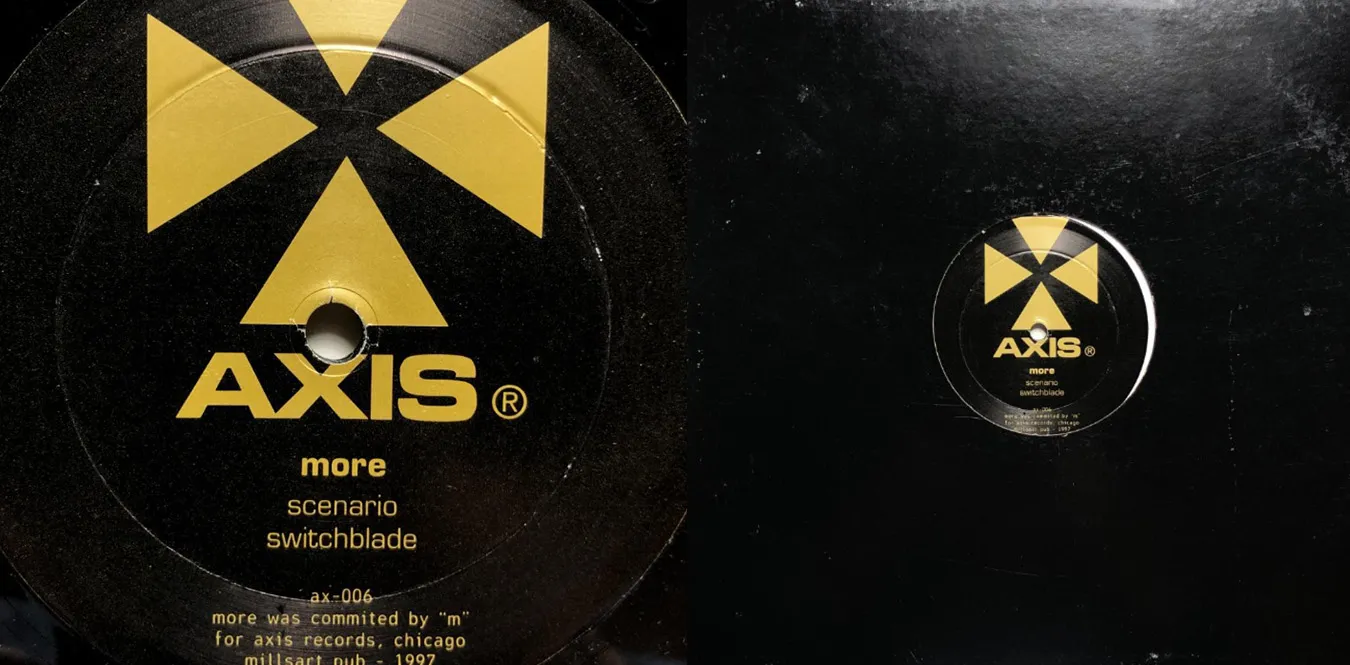
M – More Drama
「”M” – More Drama」は、1992年にJeff Mills(ジェフ・ミルズ)が設立したテクノレーベルAxisから「M」名義でリリースしたJeff Millsのテクノトラック。
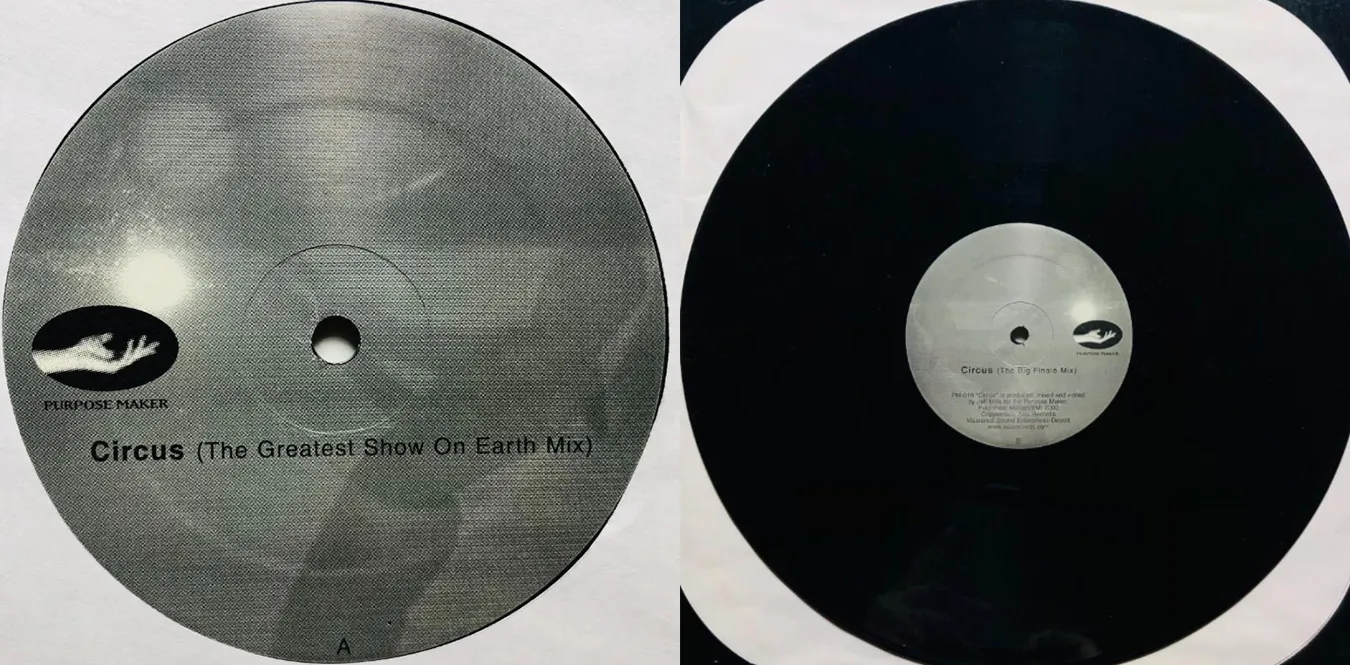
Jeff Mills – Circus
ジェフ・ミルズ (「ザ・ウィザード」としても知られる) は、アメリカを代表するテクノミュージックの先駆者の一人です。
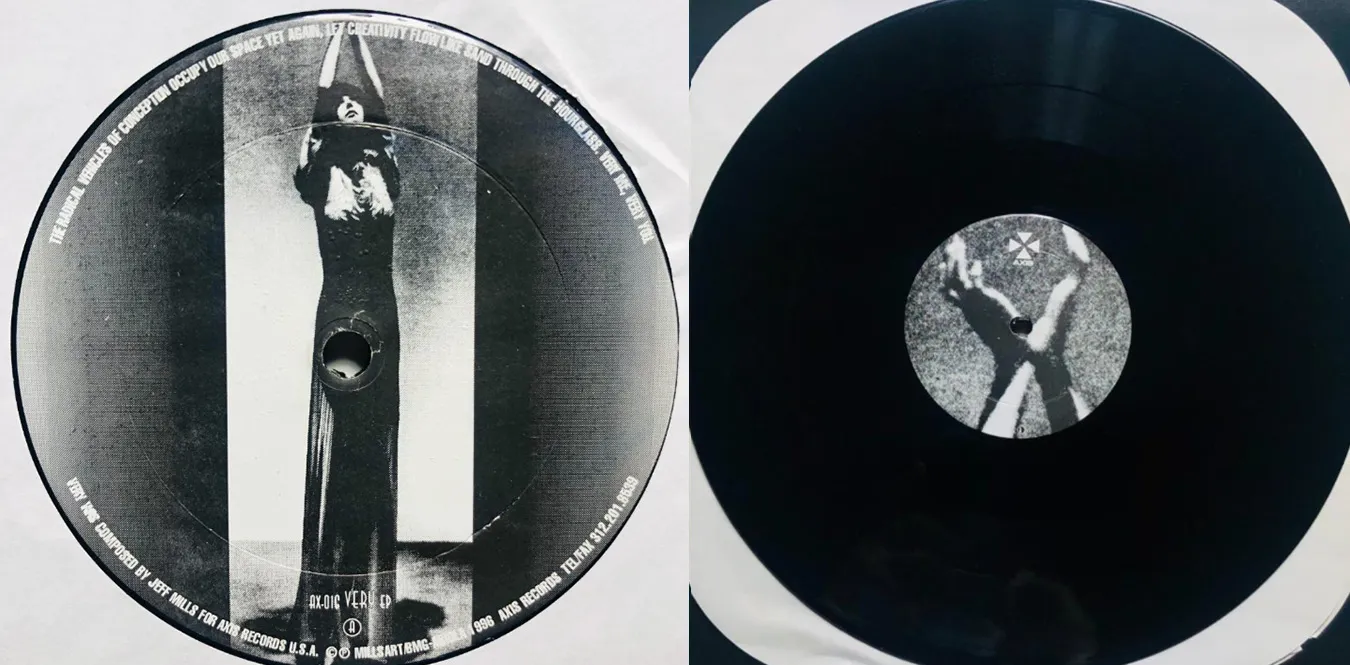
Jeff Mills – Very EP
このEPは、デトロイト・アンダーグラウンド・ミュージックの核心そのもので、最高のウォームアップ・テクノレコードの一つです。
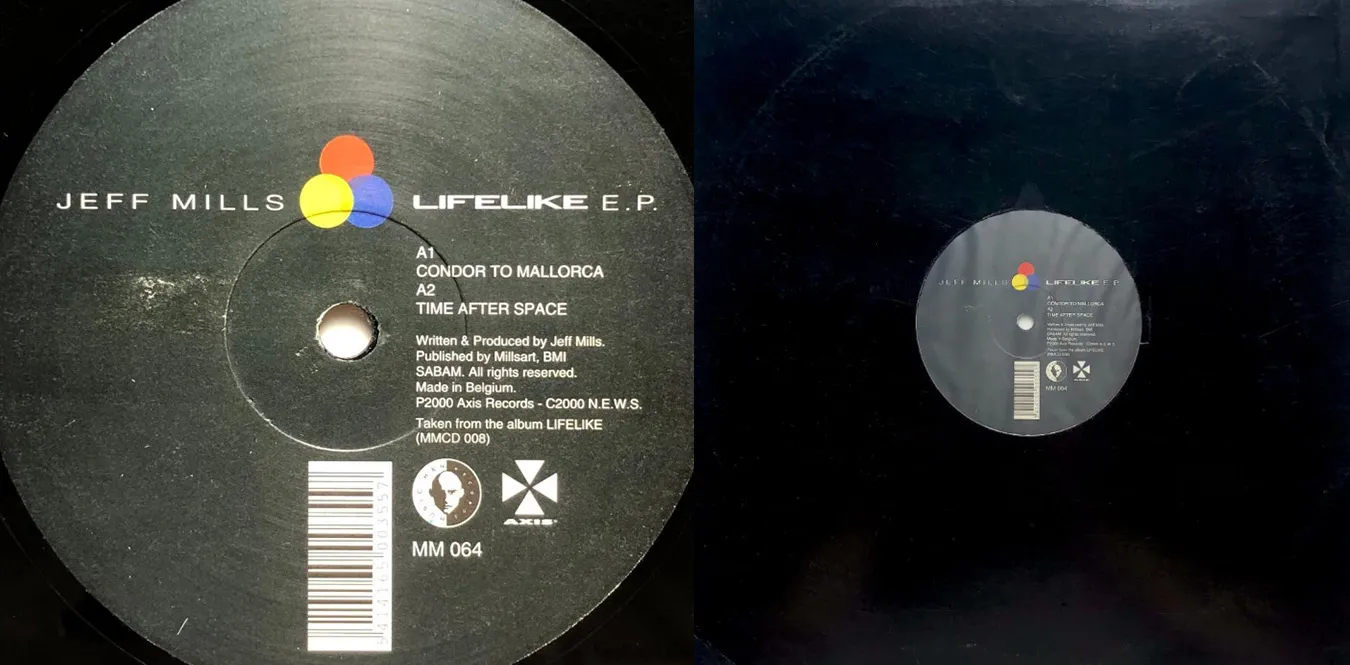
Jeff Mills – Lifelike E.P
“Condor To Mallorca” by Jeff Mills, as the title suggests, is a track with a mystical trip feel, starting with inspired keyboard sounds backed by a calypso-like rhythm program that...
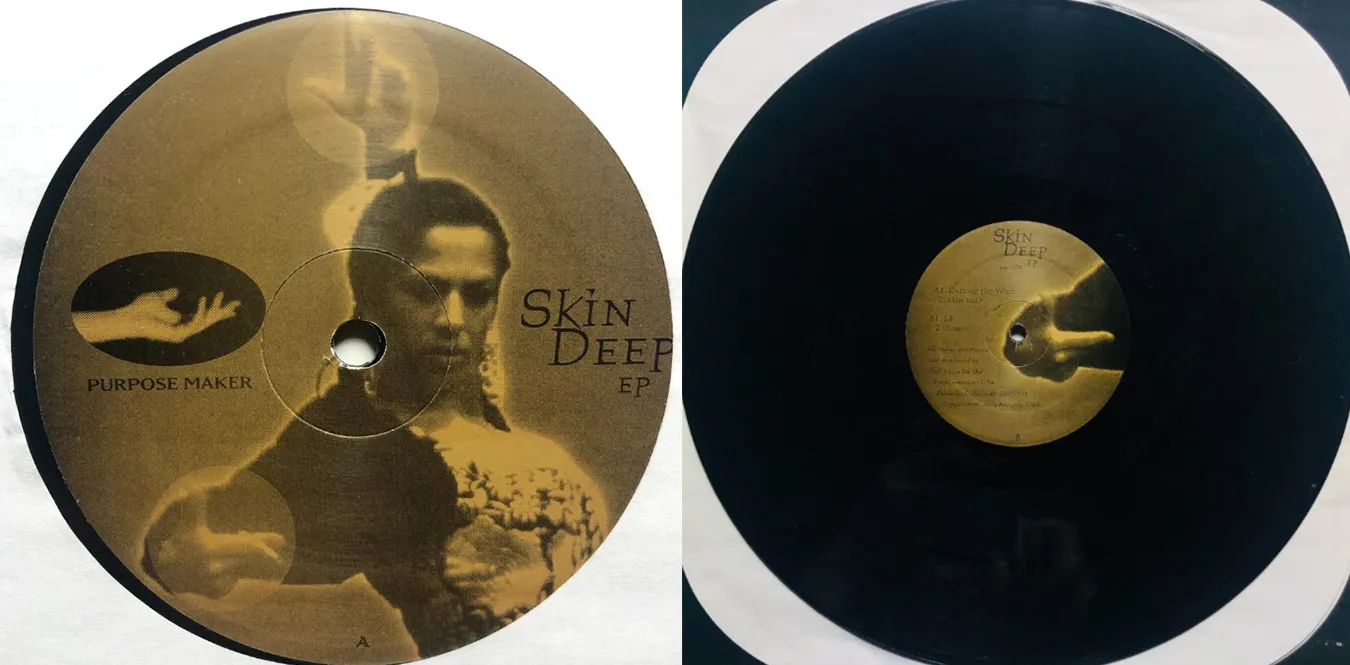
Jeff Mills – Skin Deep EP
「Call Of The Wild」のサンプリングは、マイケル・ジャクソンの 1979年のアルバム「Off The Wall」に収録されている「Get on the floor」のパーカッションブレイク。
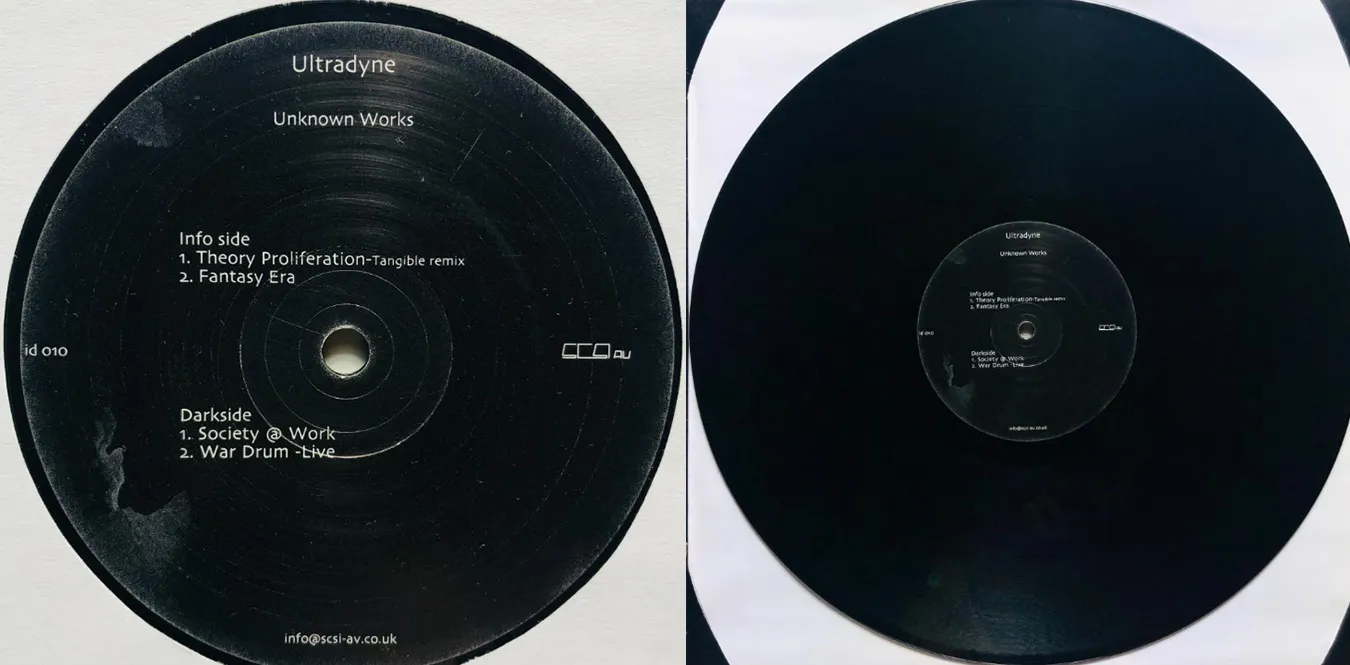
Ultradyne – Unknown Works
Ultradyne(ウルトラダイン)は、Dennis RichardsonとFrank de GroodtによるUSテクノミュージック・プロジェクト。Majestic12名義でも活動。
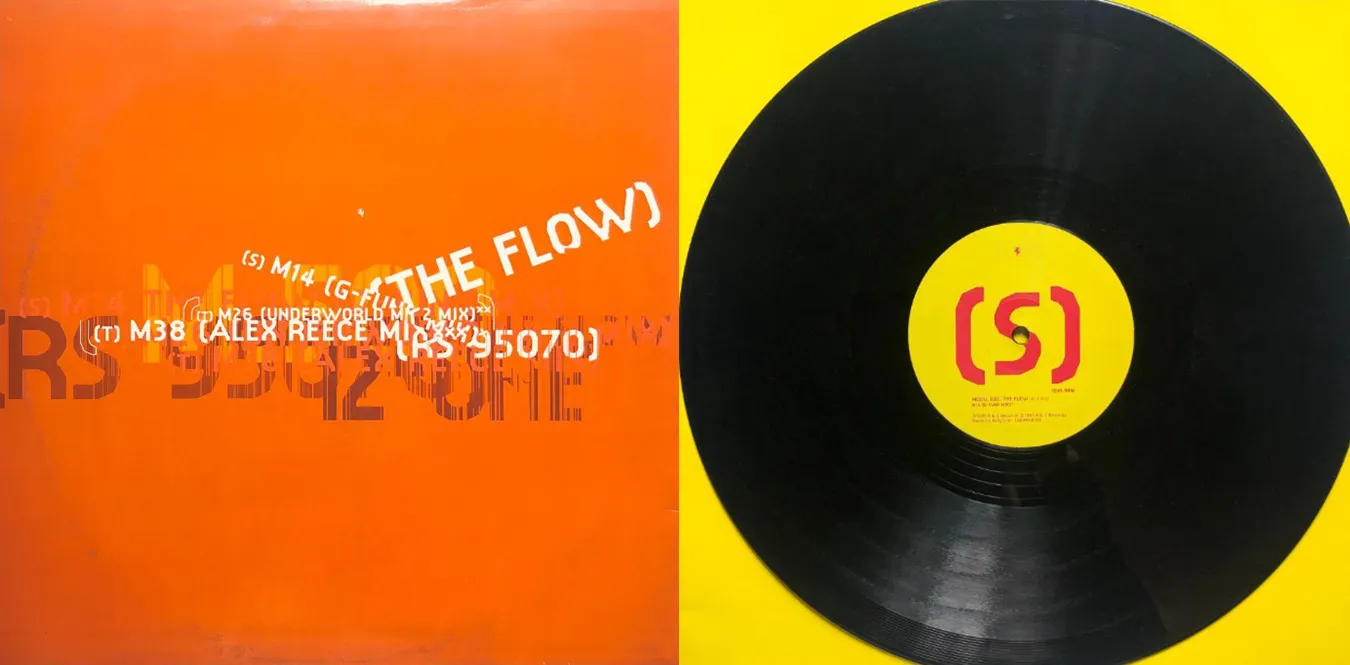
Model 500 – The Flow
Model 500 is another name of Juan Atkins.
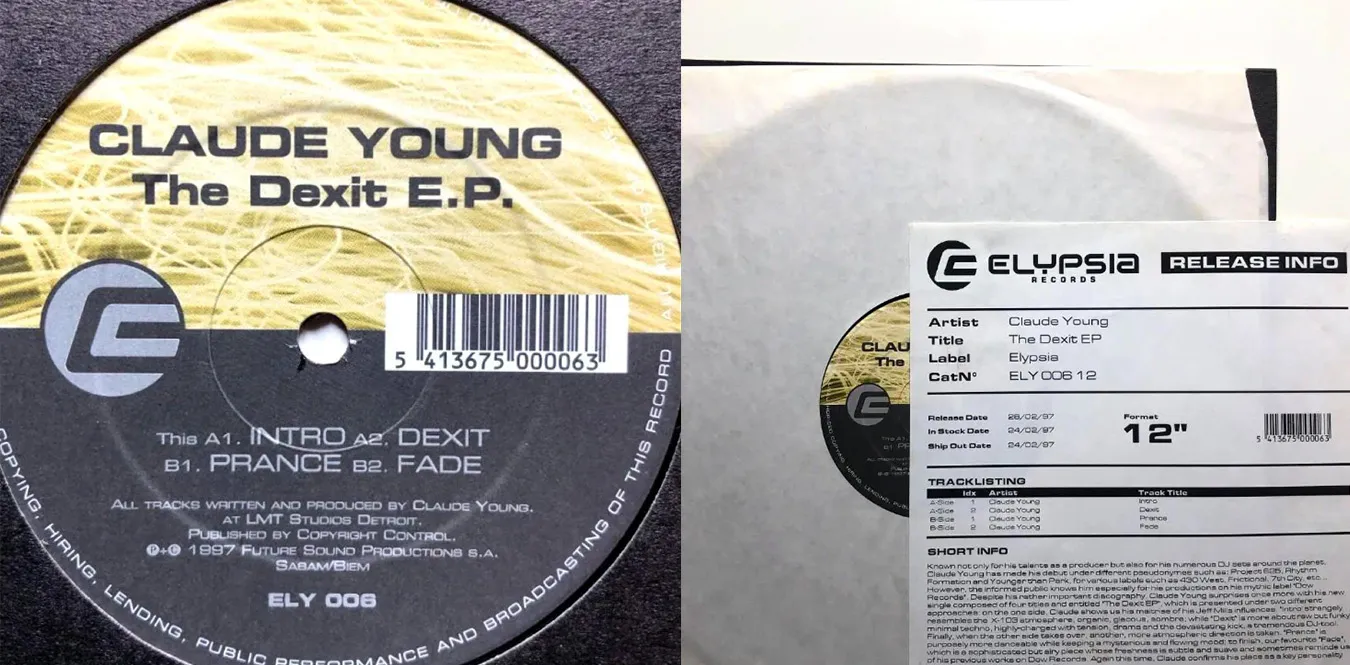
Claude Young – The Dexit E.P.
「The Dexit E.P.」は、1997年にベルギーのレーベルElypsiaからClaude Youngが、自身のホームタウンであるデトロイトのプロデューサー作品をリリースするために発表した1枚です。