序章:音の「空間」としての自己
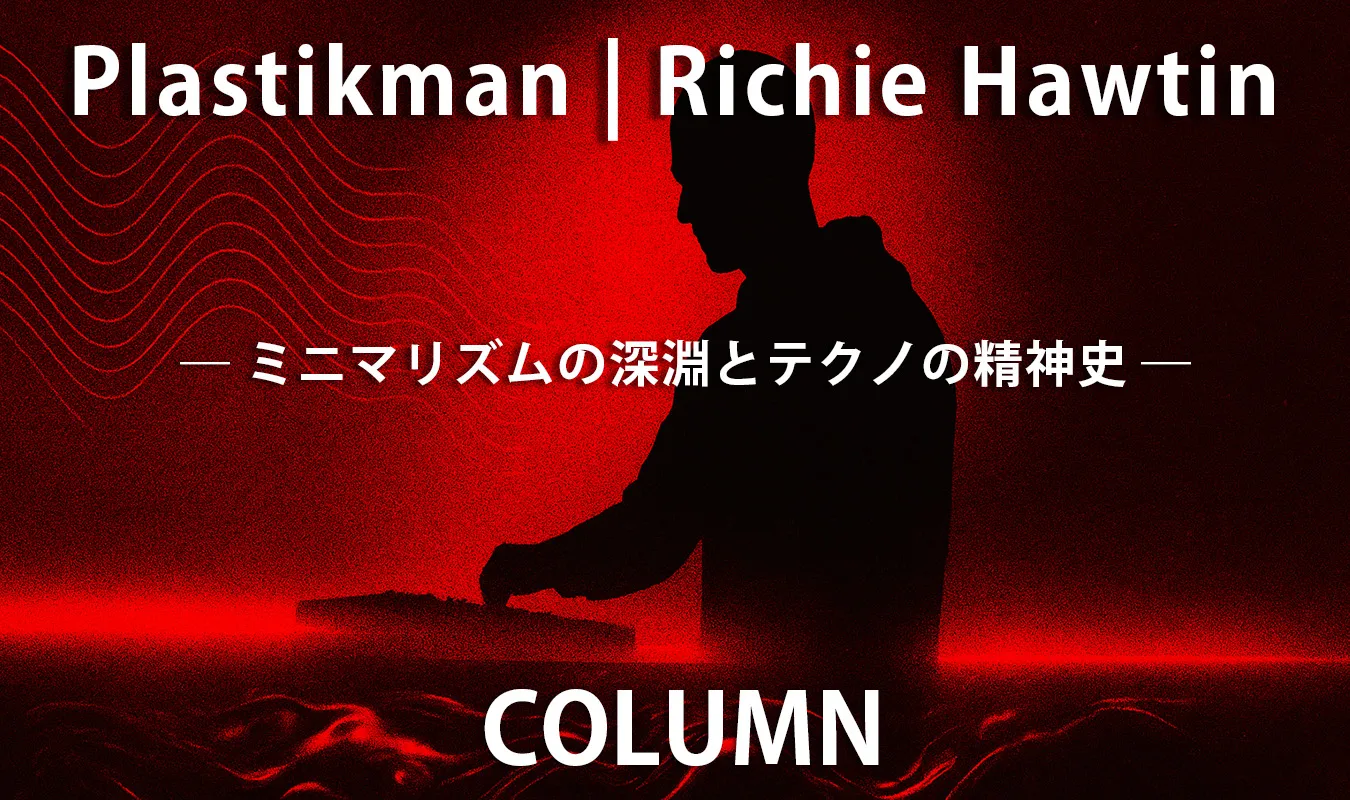
文:mmr|テーマ:デトロイト・テクノ第二世代の精神を受け継いだPlastikmanの自ら音を極限まで削ぎ落とし、リズムの“残響”そのものを聴かせる芸術にまで昇華させたことについての考察
リッチー・ホウティンは、90年代初頭から「テクノ」を単なるダンス・ミュージックではなく、「音の瞑想装置」として再定義してきた。Plastikman名義の作品群――とりわけ『Sheet One』(1993)や『Consumed』(1998)は、人間の内部空間を電子音で可視化する実験であり、その冷たい液体のようなサウンドは「音の抽象彫刻」とも呼ばれる。
第1章:デトロイトの残響、ウィンザーの孤独
リッチー・ホウティンは1970年、イギリス・バンベリーに生まれ、幼少期にカナダ・ウィンザーへ移住した。デトロイト川を挟んで向かいにあるこの街から、彼はアンダーグラウンドなクラブ「Music Institute」や「The Shelter」でのデトロイト・テクノ初期の現場を遠望することになる。
ホウティンが影響を受けたのは、Juan AtkinsやDerrick Mayらの機械的なリズムに宿る魂であり、それを冷静な構造美の視点で再構築した。彼の音楽には常に、「距離を介した熱」という逆説がある。都市と郊外、黒人文化と白人文化、情動と幾何。Plastikmanはその狭間で形成された“中間領域の音楽”だった。
第2章:Plastikman誕生 ― Acidの残滓とテクノの内省
1993年、『Sheet One』がリリースされる。アシッド・ハウスの伝統的TB-303サウンドを極限まで脱色し、まるで心拍と神経の信号のような音響空間を構築。音と音の「間」に漂う沈黙が、むしろ主役として聴こえる。
そして、1994年にレーベルNovaMuteからリリースしたアルバム『Musik』。Richie Hawtinとしては3枚目、Plastikman名義では2枚目のスタジオアルバムとなる。
“Plastikmanは僕自身の内部を音で可視化するプロジェクトだ”
— Richie Hawtin
この頃のライブは、ほぼ真っ暗な会場に赤いストロボが一瞬だけ閃くような演出で、音の物質化を象徴していた。観客は踊るというよりも、音の中に「沈む」感覚を味わった。
Plastikman – Musik
Richie Hawtin (リッチー・ホゥティン)の別名義Plastikman(プラスティックマン)として1994年にレーベルNovaMuteからリリースしたアルバム。Richie Hawtinとしては3枚目、Plastikman名義では2枚目のスタジオアルバムとなる。
Tracklist
1. Konception
2. Plastique
3. Kriket
4. Fuk
5. Outbak
6. Ethnik
7. Plasmatik
8. Goo
9. Marbles
10. Lasttrak
Youtube
第3章:『Consumed』― 〈沈黙〉の美学
1998年の『Consumed』は、テクノ史の中でも異端の存在である。BPMは遅く、リズムはもはやドラムではなく、呼吸のような低周波と化している。
まるで無重力空間で漂うようなこの作品は、Brian Enoのアンビエントの系譜を引き継ぎつつも、電子音による内面の彫刻という領域を切り開いた。
この作品でホウティンは、「ミニマル」と「虚無」を等価にした最初のアーティストとなる。Plastikmanのミニマリズムは省略ではなく、存在の輪郭を際立たせる沈黙の戦略であった。
第4章:テクノロジーと身体 ― LIVE概念の再構築
ホウティンは同時に、テクノロジーとパフォーマンスの融合にも先駆的だった。
2000年代に入ると「DE9」シリーズでDJプレイの再定義を行い、Ableton LiveやTraktorを駆使して、トラックをリアルタイムに再構成する「デジタルDJの原型」を確立する。
彼のステージには、MacBook、MIDIコントローラ、そして照明・映像が完全同期する環境が構築され、“ライブ=データの呼吸”という新しい概念を提示した。
第5章:『EX』と再生するPlastikman
2014年、ロンドンのTate Modernで発表された『EX』は、Plastikmanの美学を美術館空間へと転写した作品だった。
ステージは暗闇に包まれ、ホウティンは光るケージの中に幽閉されたかのように立つ。観客は“DJを見る”のではなく、“音の構造を観察する”という体験を共有する。
「Plastikmanは今でも変わらず、“内側へ向かう旅”の音楽だ。」
彼のミニマリズムは進化し、音楽と美術、クラブとインスタレーションの境界を完全に溶解させた。
第6章:影響と継承 ― 現代ミニマルの遺伝子
Plastikmanの遺伝子は、Villalobos、Donato Dozzy、Cio D’Or、そして現代のモジュラーシーンにまで浸透している。
「構造の快楽」「音響の内省」「空間の時間化」――これらの要素は、いまやテクノの根幹を成している。
特に『Consumed in Key』(2022、コラボ:Chilly Gonzales)は、ピアノとミニマルの対話という新境地を開いた。Plastikmanが再び「人間性と無機性の境界線」を撫でる瞬間だった。
第7章:哲学的補遺 ― “Plastic”の意味
Plastikmanの“Plastic”は、単なる「プラスチック」ではない。それは可塑性(plasticity)――形を変えながら本質を保つ存在の柔軟性を意味する。
音楽、身体、アイデンティティ、そしてテクノという概念そのものを変形し続けるその姿勢こそが、Plastikmanの真の哲学である。
ミニマリズムとは、少なさではなく、変化のための余白である。
第8章:DE9シリーズ ― デジタルDJの革命
1. DE9の登場
2001年、Plastikmanは『DE9: Closer to the Edit』をリリース。
従来のDJミックスはトラックの順序やフェードに依存していたが、Hawtinはここで波形レベルでの編集と再構築を実践。
各トラックを極小のサンプルに分割し、ミニマルなパルスを再配置することで、全く新しい時間軸のダンス音楽を作り出した。
2. 技術的革新
- Ableton Live/Traktorを駆使したリアルタイム処理
- MIDI制御によるエフェクト操作の即時反映
- サンプル単位での“編集=演奏”の概念
これにより、DJの身体操作が楽曲自体を再生するのではなく、音響の素材を演奏する行為へと変化した。
3. 音楽的意義
DE9シリーズは単なるミックスCDではなく、ライブパフォーマンスの録音=新曲として機能する。
- 『Closer to the Edit』(2001): 冷たい機械的精密性
- 『DE9: Transitions』(2005): エフェクト処理の可視化
- 『DE9: Closer to the Edit 2.0 / Live』(2019): モジュラーとデジタルの融合
DE9は「DJミックスとは何か」という問いを音楽史上で根底から変えた革命的シリーズである。
第9章:Minusレーベル史 ― ミニマルの実験場
1. Minus設立
1998年、Plastikmanは自身のレーベル「Minus」を設立。
目指したのは「極限まで削ぎ落としたサウンドを実験できる空間」。
Minusはアーティストの個性を尊重しつつも、音楽の哲学的方向性に統一感を持たせた点が特徴である。
2. 代表作とアーティスト
- Richie Hawtin(Plastikman名義を含む)
- Villalobos
- Magda
- Gaiser
Minus was more than just a distribution platform, it functioned as a place to embody the idea of minimal techno.
3. レーベルの影響
- ライブセットとリリースの融合: デジタルで再構築可能な音源
- 音の余白の美学: “空白の使い方”を実験
- 国際的影響力: ドイツ・ベルリンや東京のクラブシーンに直接波及
Minusは、Plastikmanの音楽哲学を次世代に継承するための「音響的実験室」である。
DE9 × Minus 連関図
DE9シリーズ詳細解析
1. DE9: Closer to the Edit (2001)
- コンセプト: トラックの波形をサンプル単位で再編集し、ライブの「演奏可能性」を持たせた革新的作品。
- 代表トラック解析:
- Spastik : 連続するハイハットの超高速ループ。波形図ではパルスの密度が徐々に変化する様子が確認できる。
- Minus/Orange : 低域の残響が空間を拡張。波形は周期的で規則的だが、微細なノイズが生理的感覚を生む。
- 図例:
2. DE9: Transitions (2005)
-
コンセプト: エフェクト処理とトラック間の「移行」を重視。クラブでの生演奏を忠実に再現。
- 代表トラック解析:
- Get Your Shit Together : 低音パルスとハイハットが複雑に交差。波形図でリズムパターンの変化を視覚化。
- Another Day : 音の余白を活かしたミニマル構造。
- 図例:
3. DE9: Closer to the Edit 2.0 / Live (2019)
-
コンセプト: モジュラーシンセとデジタル編集の融合。リアルタイムで音を組み替える「演奏=編集」概念を拡張。
- 代表トラック解析:
- Akufen Rework : 微細サンプルを重ねることで、極小単位でリズムを生成。
- Minus Live Edit : 既存音源の編集を即興で行う構造。波形図は断片の重なりがアートのように配置される。
- 図例:
図版:Plastikmanサウンドの構造
— 低周波・残響] --> B[認知変容層
— リズムの再構築] B --> C[内的空間層
— 思考と身体の同期] C --> D[瞑想層
— 無音と音の往還] D --> E[Expansion of consciousness
— Techno = process of consciousness]
年表:Richie Hawtin / Plastikman の軌跡
終章:音の彫刻家としてのHawtin
Plastikmanとは、テクノが「外」ではなく「内」へ向かうための鍵である。 それはクラブミュージックの解体ではなく、身体の内部で鳴るリズムの再構築であり、音楽の根源的問い――「聴くとは何か」への探求だった。
リッチー・ホウティンは今日も言葉少なに、静寂の中でノブを回している。 その一回転が、音と沈黙の境界を変えることを、誰よりも知っているからだ。
Minusレーベル全ディスコグラフィ
| 年 | アーティスト | リリース名 | コメント |
|---|---|---|---|
| 1994 | Plastikman | Musik EP | Plastikman名義でAcid Technoの頂点。 |
| 1998 | Plastikman | Minus EP | Minus設立第1弾。極限のミニマルサウンド。 |
| 1999 | Magda | Track 1 | 暗黒ミニマルの試験作。 |
| 2000 | Richie Hawtin | EX/EP | Live remix before DE9. |
| 2001 | Plastikman | DE9: Closer to the Edit | デジタルDJ革命。 |
| 2003 | Villalobos | Allez-Allez | Minusからの初期ベルリン影響。 |
| 2005 | Plastikman | DE9: Transitions | エフェクト重視の構造化。 |
| 2006 | Gaiser | EP1 | ミニマル・テクノの探索。 |
| 2010 | Plastikman | Live Set | Minusの思想をライブで体現。 |
| 2014 | Plastikman | EX | Installation at Tate Modern. |
| 2019 | Plastikman | DE9: 2.0 / Live | モジュラー+デジタル編集。 |
Minusレーベルは、Plastikmanの思想の実験場であり、アーティストたちに自由な音響探求を許すプラットフォームである。
図版:DE9 × Minus の相互影響
YouTube Podcast
*This podcast is in English, but you can watch it with automatic subtitles and translation.
Explore more like this
![[Column] Why is techno an ideology?](/../assets/images/column-the-philosophy-of-techno.webp)
[Column] Why is techno an ideology?
テクノはなぜ思想と呼ばれるのか
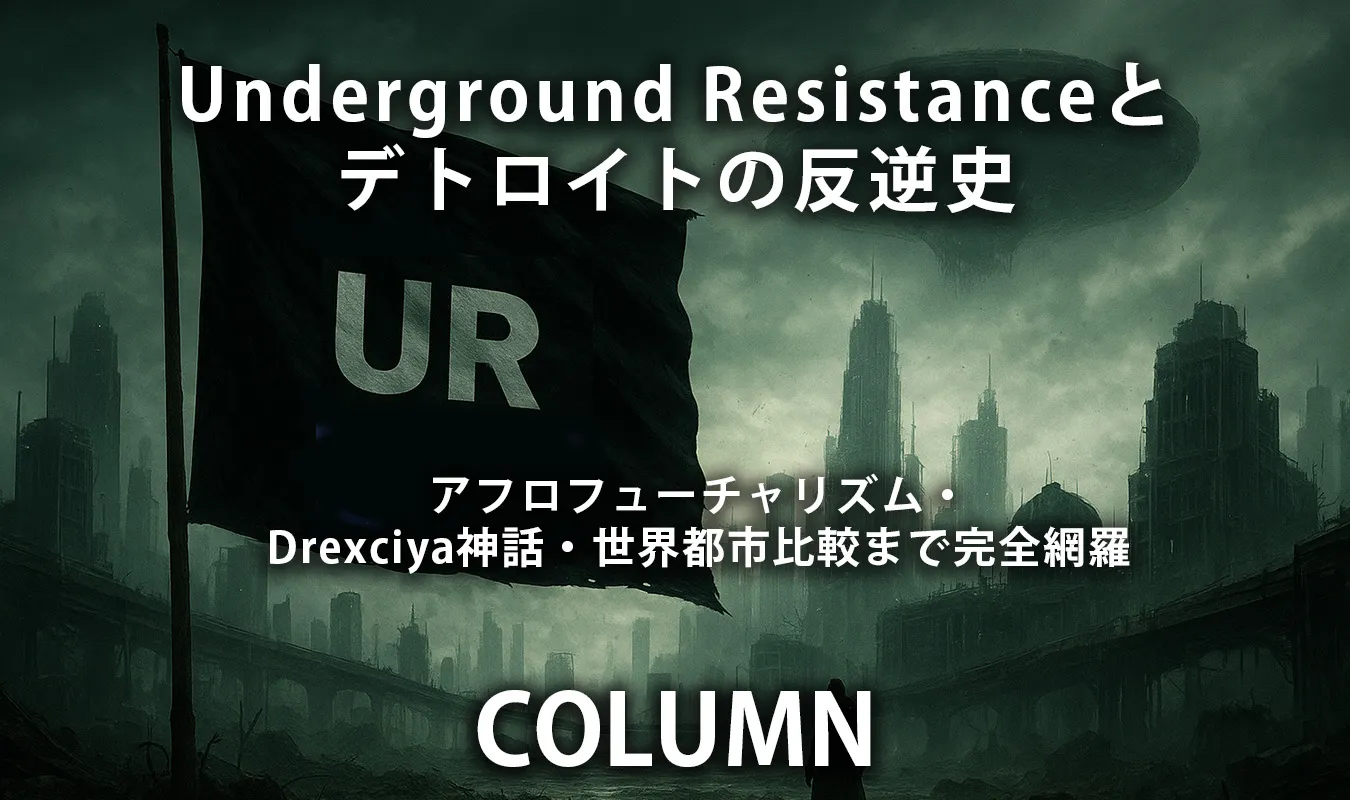
【コラム】 Underground Resistanceとデトロイトの反逆史:アフロフューチャリズム・Drexciya神話・世界都市比較まで完全網羅
序章:URとデトロイトの物語は、都市の瓦礫から生まれた文明論
【コラム】 テクノの発祥から現在まで ― 名盤と機材でたどる年代史
テクノの発祥から現在まで ― 名盤と機材でたどる年代史
M – More Drama
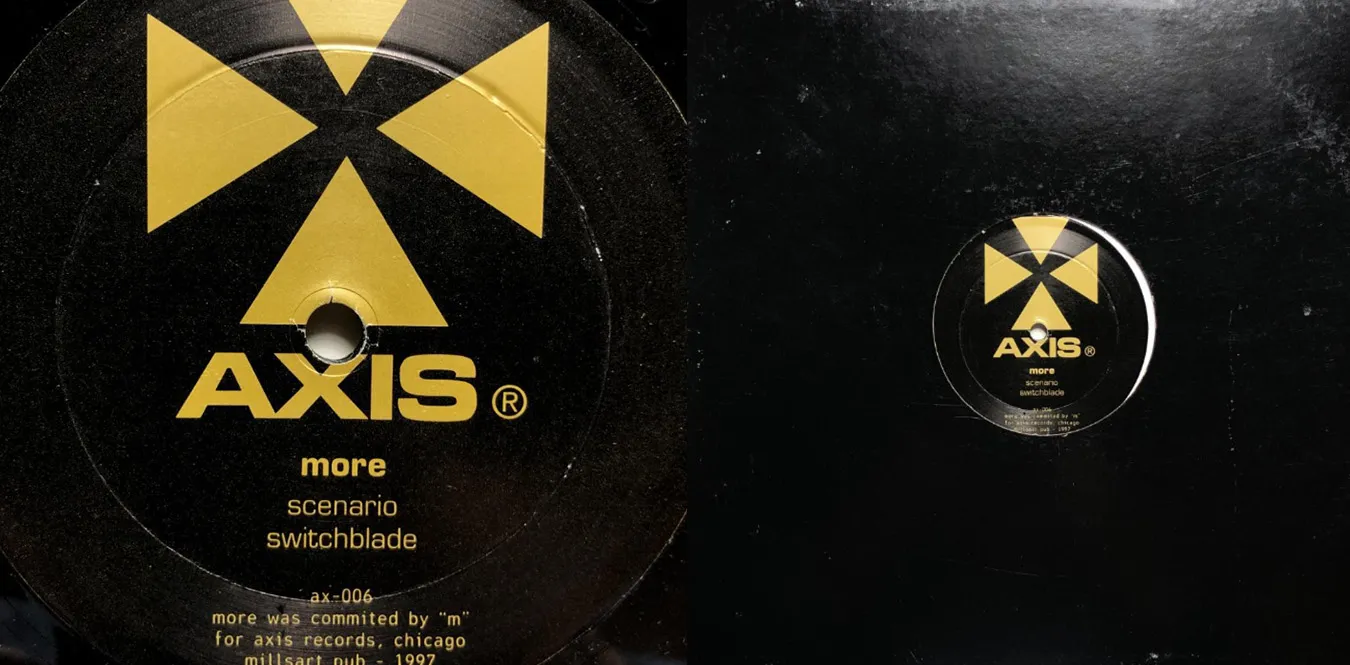
「”M” – More Drama」は、1992年にJeff Mills(ジェフ・ミルズ)が設立したテクノレーベルAxisから「M」名義でリリースしたJeff Millsのテクノトラック。
Jeff Mills – Circus
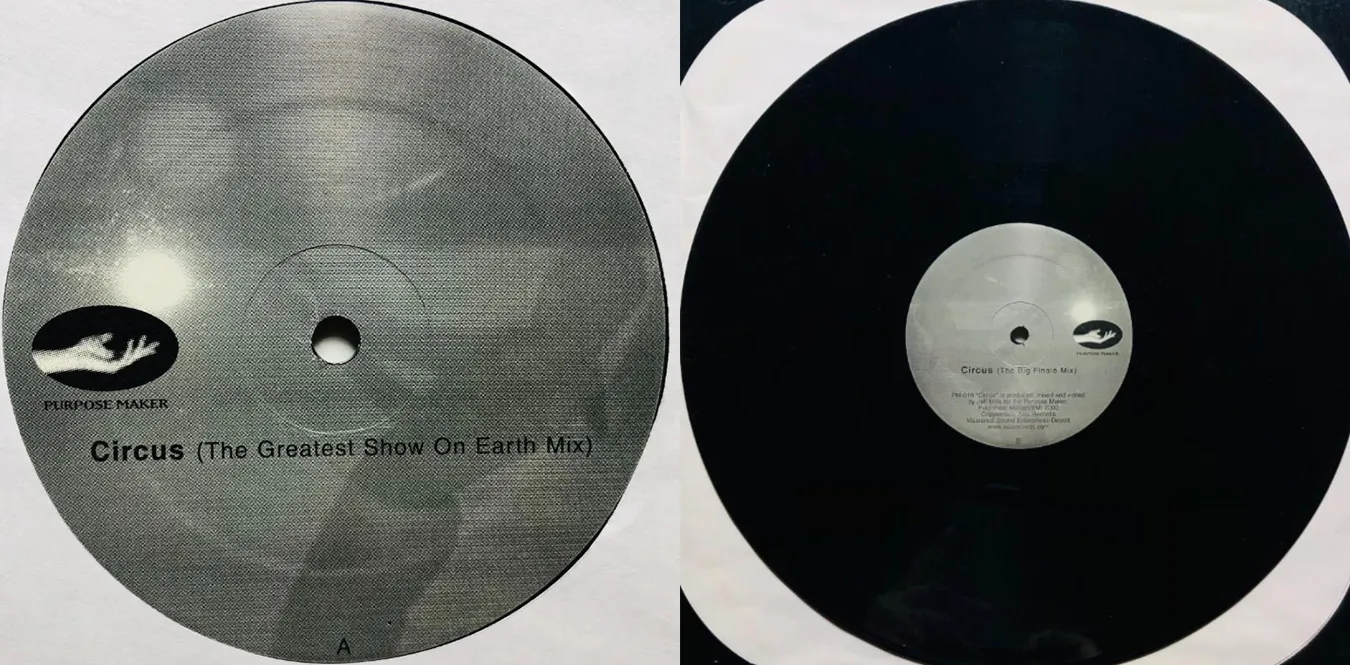
ジェフ・ミルズ (「ザ・ウィザード」としても知られる) は、アメリカを代表するテクノミュージックの先駆者の一人です。
Jeff Mills – Very EP
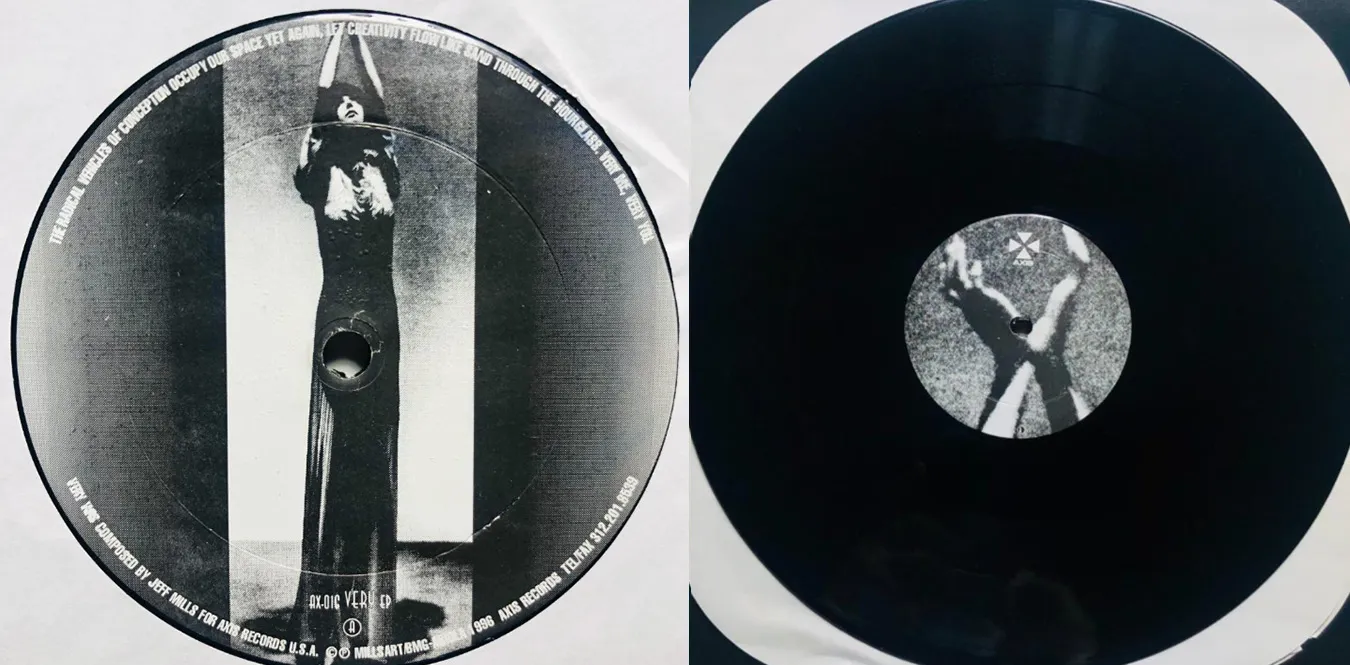
このEPは、デトロイト・アンダーグラウンド・ミュージックの核心そのもので、最高のウォームアップ・テクノレコードの一つです。
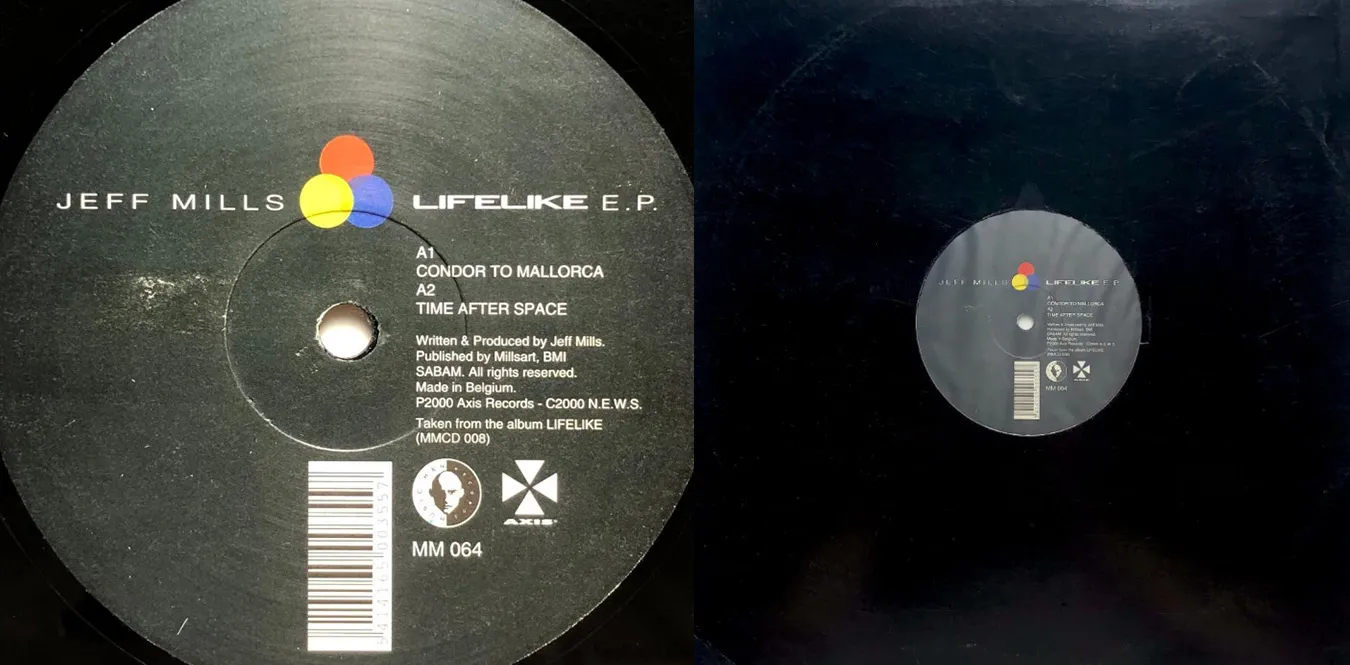
Jeff Mills – Lifelike E.P
“Condor To Mallorca” by Jeff Mills, as the title suggests, is a track with a mystical trip feel, starting with inspired keyboard sounds backed by a calypso-like rhythm program that...
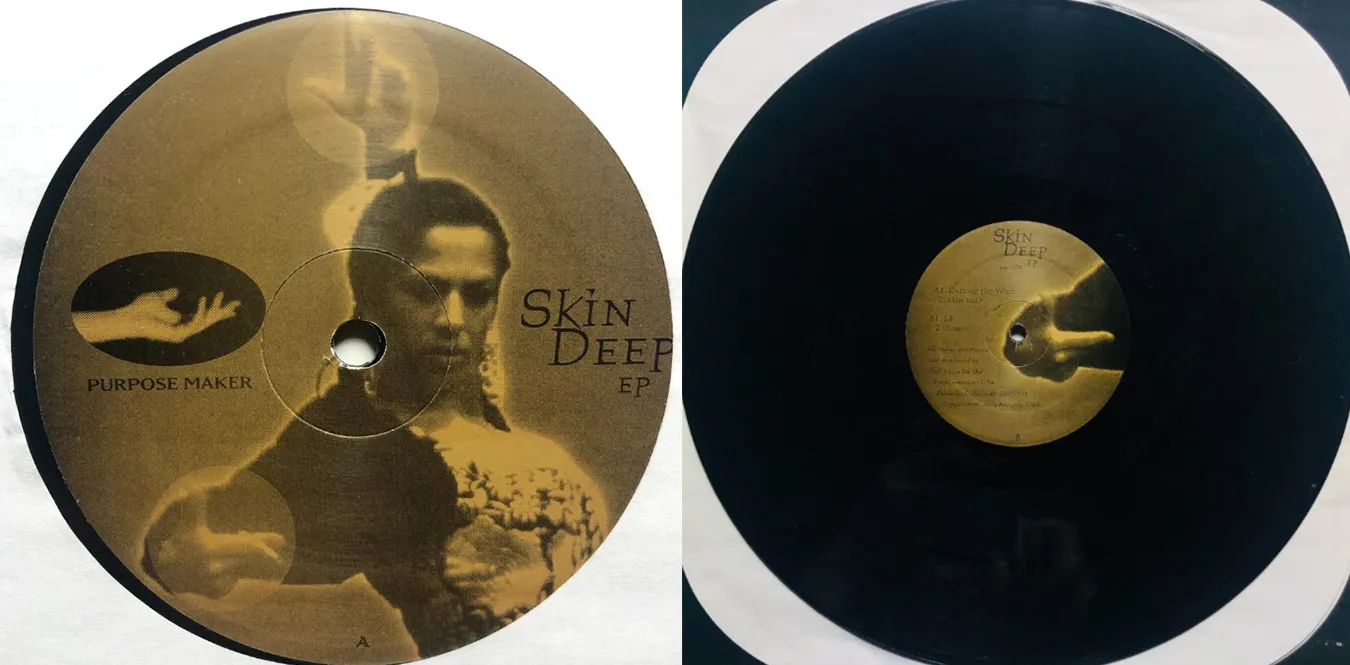
Jeff Mills – Skin Deep EP
「Call Of The Wild」のサンプリングは、マイケル・ジャクソンの 1979年のアルバム「Off The Wall」に収録されている「Get on the floor」のパーカッションブレイク。
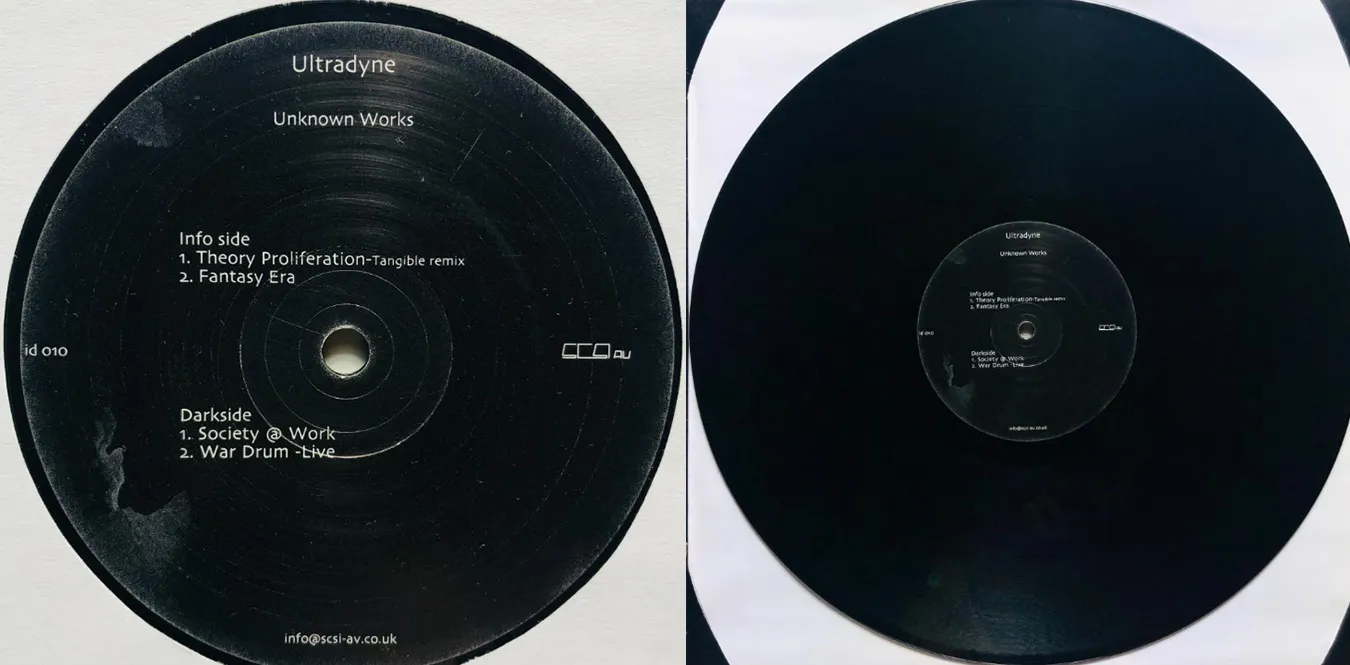
Ultradyne – Unknown Works
Ultradyne(ウルトラダイン)は、Dennis RichardsonとFrank de GroodtによるUSテクノミュージック・プロジェクト。Majestic12名義でも活動。
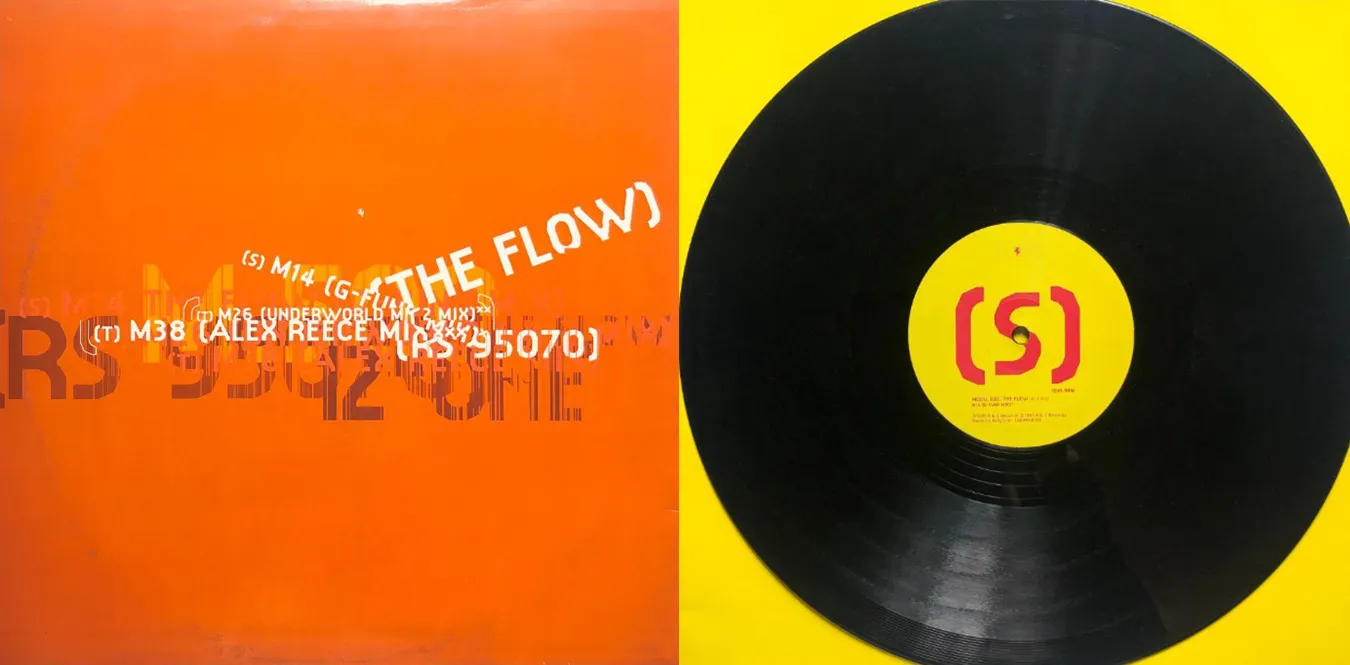
Model 500 – The Flow
Model 500 is another name of Juan Atkins.
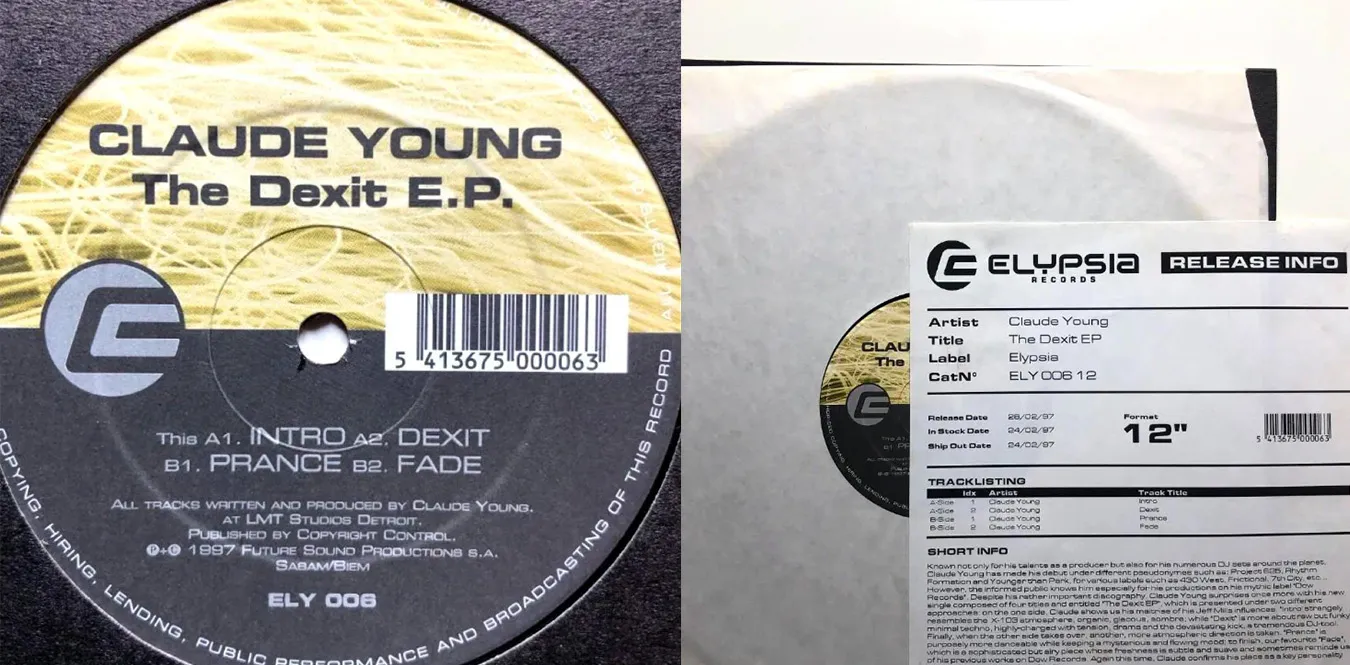
Claude Young – The Dexit E.P.
「The Dexit E.P.」は、1997年にベルギーのレーベルElypsiaからClaude Youngが、自身のホームタウンであるデトロイトのプロデューサー作品をリリースするために発表した1枚です。