
バンドの起源と結成背景
文:mmr|テーマ:心理・社会・ポップを横断し続けるデュオの創造と葛藤の実像
幼少期の影響と音楽への逃避
Tears for Fearsは、Roland OrzabalとCurt Smithによって1981年に結成された。彼らが出会ったバースという街は、歴史的建造物と静けさに包まれた環境であり、その閉じた空気感は彼らの内省的な感覚を育てたとも言われている。
Orzabalはスペイン系の家庭に生まれ、家庭内の緊張や孤独を幼少期に経験した。Smithもまた、家庭環境の不安定さを抱えており、2人にとって音楽は単なる娯楽ではなく、現実からの避難所であった。
彼らは最初にGraduateとして活動するが、この時期の経験は「外面的なスタイルに依存した音楽」の限界を痛感させるものだった。後にOrzabalは、当時の音楽について「自分たちの本音とは無関係だった」と振り返っている。
バンド名の由来となったArthur Janovの原初療法は、「抑圧された感情を解放することで精神的回復を目指す」という思想であり、これは単なるインスピレーションではなく、作詞・作曲の方法論として取り入れられた。
エピソード:初期デモの評価
初期のデモテープは、当時のレコード会社から「暗すぎる」と評価されることが多かった。しかしその“暗さ”こそが彼らの独自性であり、結果的に市場の中で際立つ要因となる。
内面の痛みをそのまま音楽にするという決断が、彼らを他のニューウェーブ・バンドと決定的に分けた。
『The Hurting』と感情の可視化
コンセプトアルバムとしての完成度
1983年のThe Hurtingは、幼少期の心理的体験をテーマにした統一的な作品であり、ポップアルバムとしては異例の構造を持っている。楽曲間には明確な物語的連続性があり、一つの心理的プロセスを辿るように構成されている。
「Mad World」や「Pale Shelter」などは、個人的な孤独を扱いながらも、聴き手の普遍的な感情に訴えかける。
エピソード:ライブでの違和感
この時期のライブでは、観客がダンスを楽しむ一方で、バンドはほとんど無表情で演奏していた。そのアンバランスさが、観る者に強い印象を与えたとされる。
また、観客が歌詞の意味を深く理解していないことに対し、Orzabalは複雑な感情を抱いていたとも言われている。
エピソード:批評家との距離
一部の批評家はこのアルバムを「過度に内省的」と評したが、その評価は必ずしも否定的ではなく、「新しいポップの可能性」として注目された。
感情の深さとポップの形式が初めて本格的に結びついた作品だった。
世界的成功とプレッシャー
『Songs from the Big Chair』の拡張
1985年のSongs from the Big Chairは、音楽的にも商業的にも大きな飛躍を遂げた作品である。スタジオ技術の向上とともに、楽曲はよりダイナミックで開かれたものとなった。
「Shout」は、抑圧された感情の解放をテーマにしながら、スタジアム規模のアンセムへと昇華された。
エピソード:アメリカでの成功
アメリカ市場での成功は彼らにとって予想外の出来事だった。ツアーでは巨大な会場を埋めることとなり、その規模に戸惑いを感じていたという。
Curt Smithは後に「成功のスピードに心が追いつかなかった」と語っている。
エピソード:制作現場の緊張
このアルバムの制作中、Orzabalは細部へのこだわりを強め、同じフレーズを何度も録り直すことがあった。これにより制作は長期化し、メンバー間の関係に微妙な亀裂が生じ始める。
世界的成功の裏側で、創作と人間関係のバランスが崩れ始めていた。
『The Seeds of Love』と崩壊の兆し
完璧主義の極致
1989年のThe Seeds of Loveは、制作に4年以上を費やした大作である。この期間、音楽業界のトレンドは変化し続けており、アルバム完成時にはすでに時代の空気が変わり始めていた。
The Beatlesからの影響は明白であり、楽曲構造はより複雑で多層的になった。
エピソード:制作費の膨張
このアルバムの制作費は当時の水準を大きく上回ったとされ、レコード会社との関係にも緊張が生まれた。スタジオでの試行錯誤は、しばしば方向性の迷走を伴っていた。
エピソード:メンバー間の距離
Curt Smithは制作の過程で徐々に発言力を失い、最終的には精神的な距離を置くようになる。彼の脱退は突然ではなく、長い時間をかけて進行した結果だった。
芸術的野心の拡大が、バンドの内部構造を崩壊へと導いた。
分裂後の軌跡と再評価
ソロ的活動の時代
Smith脱退後、OrzabalはElementalを発表し、「Break It Down Again」で一定の成功を収める。しかし、バンドとしてのダイナミズムは大きく変化していた。
エピソード:名前の重み
「Tears for Fears」という名前を維持することについては賛否があり、一部のファンからは“実質ソロではないか”という声もあった。
それでもOrzabalは、その名前が持つ歴史と意味を守ることを選んだ。
再結成の背景
2000年代初頭、長年の対立を経て2人は再び協力関係を築く。再会の場では、音楽ではなく過去の誤解や感情について話し合う時間が長く取られたという。
時間の経過が、対立を理解へと変える重要な役割を果たした。
現代における位置づけ
『The Tipping Point』と成熟
2022年のThe Tipping Pointは、喪失や時間の流れをテーマにした作品であり、若き日の内省とは異なる深みを持つ。
エピソード:個人的悲劇の影響
制作中、Orzabalは家族の死を経験しており、その感情が作品に強く反映されている。これは初期の心理的テーマと異なり、「人生の総括」としての側面を持つ。
継続的な再評価
彼らの楽曲は映画やドラマで繰り返し使用され、新しい世代にも受け入れられている。特に「Mad World」はカバーによって再解釈され続けている。
時代ごとに異なる意味を獲得し続ける楽曲群が、彼らの持続的価値を支えている。
年表
音楽的変遷構造
まとめ
Tears for Fearsは、ポップミュージックにおいて「感情をどこまで表現できるか」という問いに対する一つの答えを提示した存在である。彼らの音楽は、単なるヒットソングの集合ではなく、個人の内面と社会構造を結びつける試みとして機能してきた。
成功、葛藤、分裂、再結成という一連の流れは、彼らの音楽に物語性を与え、それ自体が一つの作品のように受け取られる。
内面の叫びから始まった音楽が、時間とともに普遍的な人間経験へと変化していったことが、このデュオの本質である。
YouTube Podcast
※このPodcastは英語ですが、自動字幕・翻訳で視聴できます
Explore more like this
【コラム】 シンセポップの二つの進化系統:Depeche ModeとHuman Leagueが描いた80年代電子音楽の分岐と統合
導入:電子音楽が「人間」をどう再定義したか

【コラム】 Klaus Nomi:声と異形が切り開いたニューウェーブの臨界点
序章:異形のポップスターはどこから来たのか
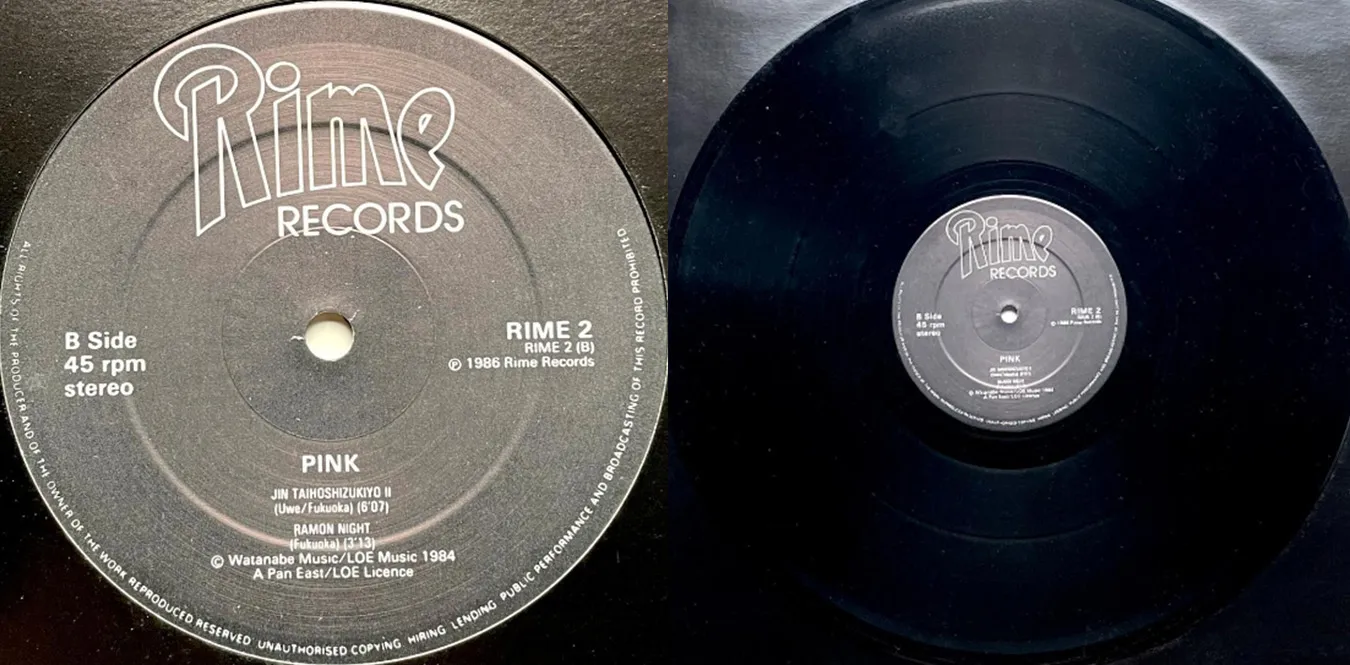
Pink – Soul Flight
Pink (ピンク)は、1983年〜1989年に活動した日本のロックバンド。Pinkの音楽スタイルは「無国籍サウンド」と形容された。メンバーは、近田春夫&ビブラトーンズに在籍した福岡ユタカ、矢壁アツノブ、ホッピー神山、東京ブラボーの岡野ハジメ、爆風銃のスティーブ衛藤、ショコラータの渋谷ヒデヒロ。
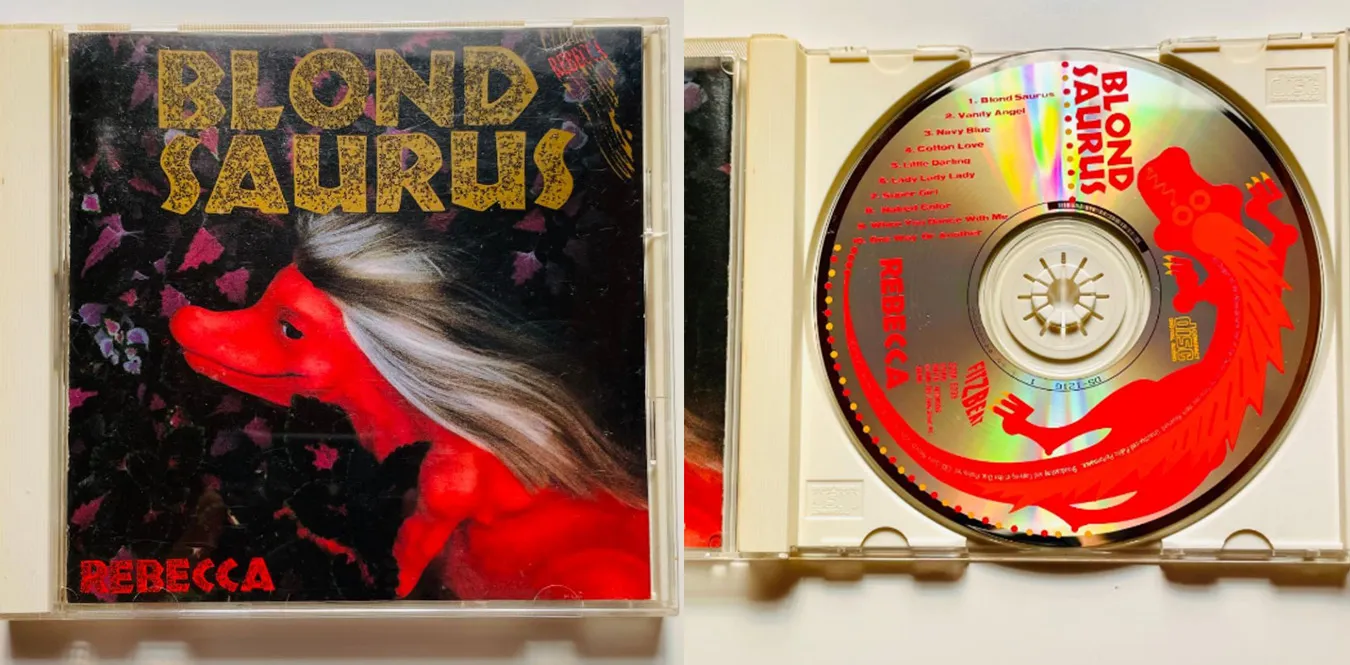
Rebecca – Blond Saurus
1989年にリリースされた「Blond Saurus」は、プロデューサーにフランソワ・カーボキャン(フランソワK)を迎えた、Rebecca(レベッカ)7枚目のアルバムであり、レベッカ最後のオリジナルアルバム。
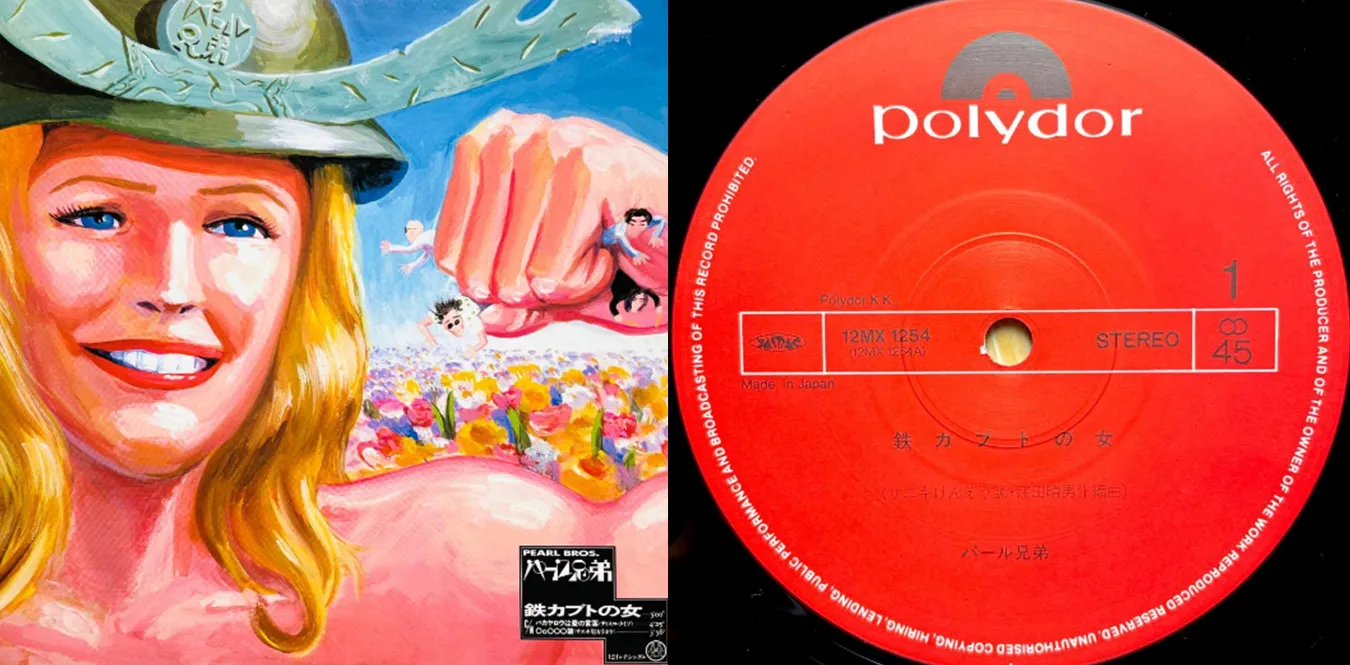
パール兄弟 Pearl Bros. – 鉄カブトの女
パール兄弟は、1983年結成し、1986年デビューした日本のロックユニット。バンドメンバーが「兄弟」である設定にしている。

Lauren Mitchell – All That I Can Be
1989年にレーベルTrax Music からリリースされたユーロポップ。
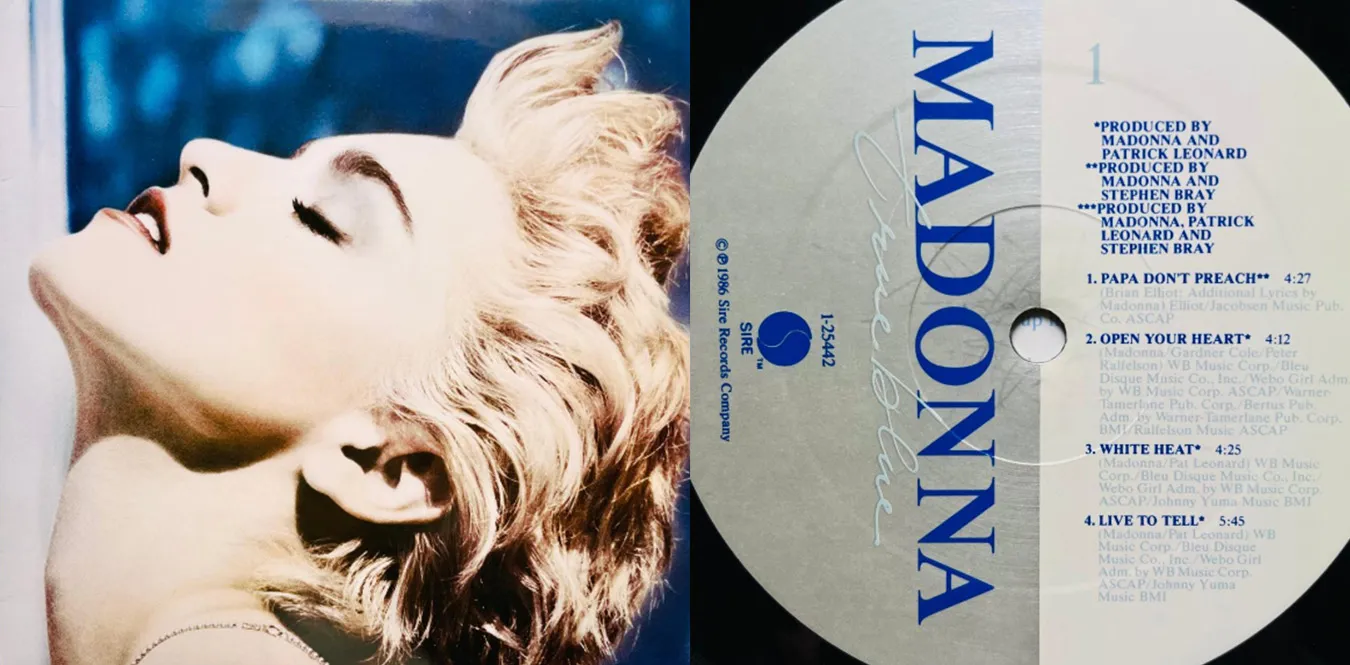
Madonna – True Blue
1986年にリリースされた「True Blue」は、マドンナ3枚目のスタジオアルバム。モータウンサウンド、ガールズグループ、ラテンポップの影響を受けたダンスポップアルバムで、世界的な大ヒットとなった。