
[Column] Why Lo-Fi hip-hop has become a standard for studying and working

Column en Hiphop Lo-Fi Study Youtube
[Column] Why Lo-Fi hip-hop has become a standard for studying and working

What is Lo-Fi hip-hop?

Text: mmr|Theme: Examining the historical background of Lo-Fi hip-hop becoming globally supported as “background music for studying and working” and the structure of its popularity.

Lo-Fi hip-hop is a sub-genre of instrumental hip-hop that is characterized by intentionally noisy and distorted textures, simple beats, and short loop structures. Lyrics are often absent and the tempo is around 60-90 BPM.

  • Drum machine beats and jazz-inspired harmonies
  • Textures such as record noise and tape hiss
  • Short iterative loop structure
  • Mainly instrumental without vocals
  • Minimal design suitable for long playback

History

Lo-Fi hip-hop has its roots in underground hip-hop in the 1990s. It was characterized by a sampling-based production method and a cool, introspective tone. J Dilla and Nujabes are cited as iconic figures.

J Dilla established a unique off-the-grid drum arrangement, the so-called “Dilla feel.” Nujabes popularized instrumental hip-hop internationally with a softer reimagining of jazz and soul. His songs were used in the TV anime ““Samurai Champloo’’ and reached overseas listeners.

From the late 2000s to the early 2010s, the digitalization of production environments progressed, and online sharing of DAWs and sampled materials became commonplace. The genre slowly took shape, with unknown beatmakers releasing songs on platforms like Bandcamp and SoundCloud.

Around 2013, the format of ““24-hour live streaming’’ on YouTube became widespread. The symbol of this is a channel that continues to play music along with visuals of an anime-style girl sitting at a desk. Lofi Girl, as it would become widely known, established the format of 24-hour streaming and became a cultural device with millions of concurrent viewers.

Even on Spotify, playlists such as “Chill” and “Focus” are spread by algorithms, and Lo-Fi hip-hop is being redefined as a “functional music category” rather than a “genre.”

timeline title Lo-Fiヒップホップ発展年表 1990 : J Dillaらによる内省的ビート 2004 : Nujabes楽曲がSamurai Champlooで使用 2010 : SoundCloud世代のビートメイカー台頭 2013 : 24時間YouTube配信形式の普及 2017 : Lofi Girlが世界的認知拡大 2020 : 在宅ワーク拡大で再生数急増

Lo-Fi hip-hop has evolved from an underground aesthetic to the functional music of the algorithm era.


Key Artists

J Dilla

Producer from Detroit. The beat design, which retains a human-like oscillation, had a great influence on subsequent generations.

Nujabes

Producer based in Tokyo. By fusing jazz and hip-hop, they presented a sentimental and transparent sound.

MF DOOM

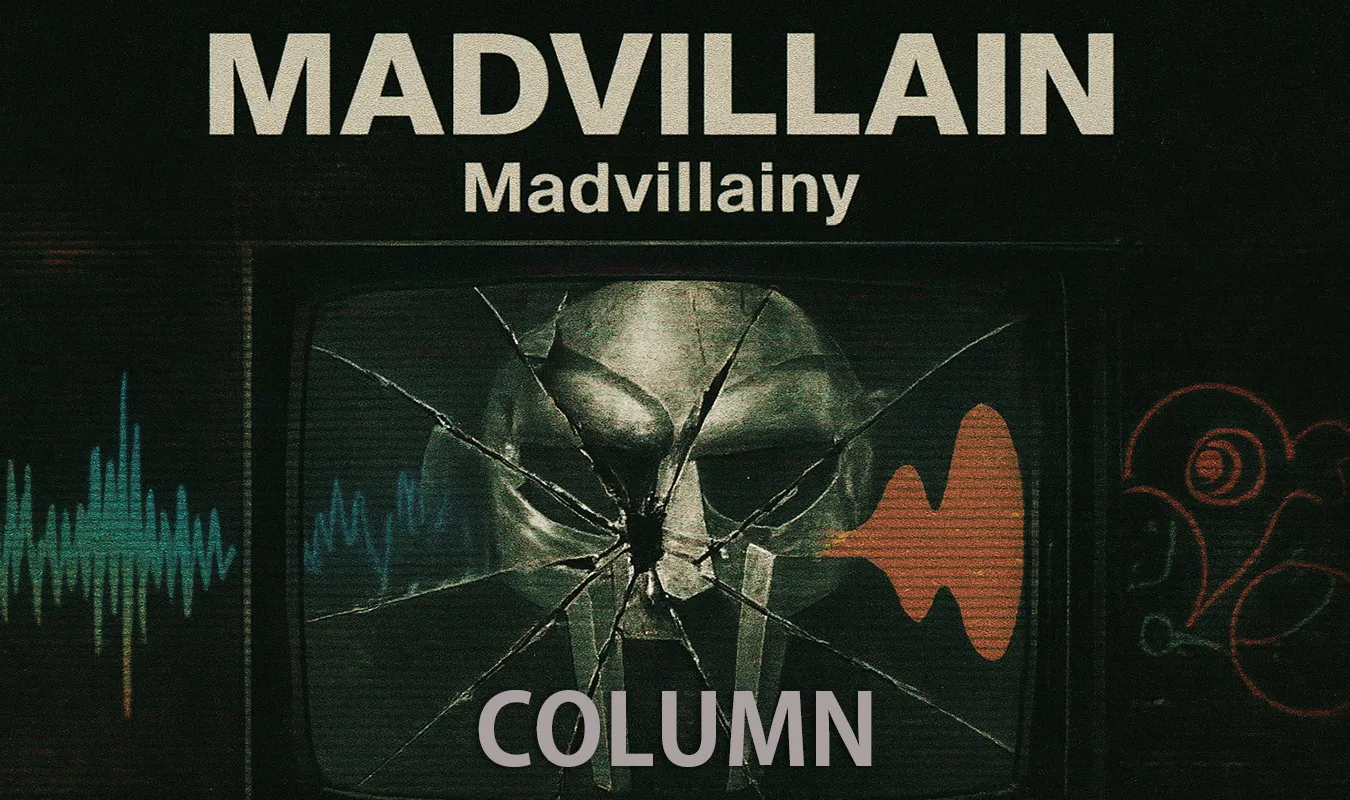
Known for its lo-fi textures and experimental beats. Although not directly in the Lo-Fi genre, the influences are discussed in the context of the DIY spirit.

Tomppabeats

Representative of the 2010s SoundCloud generation. It gained popularity due to its short loop structure and nostalgic texture.

Idealism

Their melodic, piano-based Lo-Fi beats have expanded their support in the streaming era.

The major artists shared an attitude of emphasizing production aesthetics over commercialism.


Essential Tracks

  • Nujabes “Aruarian Dance”
  • J Dilla “Workinonit” *Toppabeats “Monday Loop”
  • Idealism “Snowfall”

These songs share the characteristic of avoiding complex developments and presenting texture and atmosphere within short loops. The volume changes are small and there are no lyrics, so it’s hard to distract.

flowchart LR A[low bpm] --> B[heart rate stability] C[No lyrics] --> D[Reduced language processing load] E[repeating structure] --> F[Improved predictability] B --> G[stay focused] D --> G F --> G

Acoustic features have a structure that is highly compatible with psychological concentration.


Cultural Impact

Lo-Fi hip-hop has gone beyond just a music genre to become a symbol of work culture in the digital age. Particularly after the coronavirus pandemic, demand for background music suitable for long periods of static work has increased due to the spread of working from home and online learning.

YouTube’s live chat allows viewers from all over the world to share where they are and what they are doing, creating a pseudo-collaborative space. This is more like “environmental sharing media” than a musical experience.

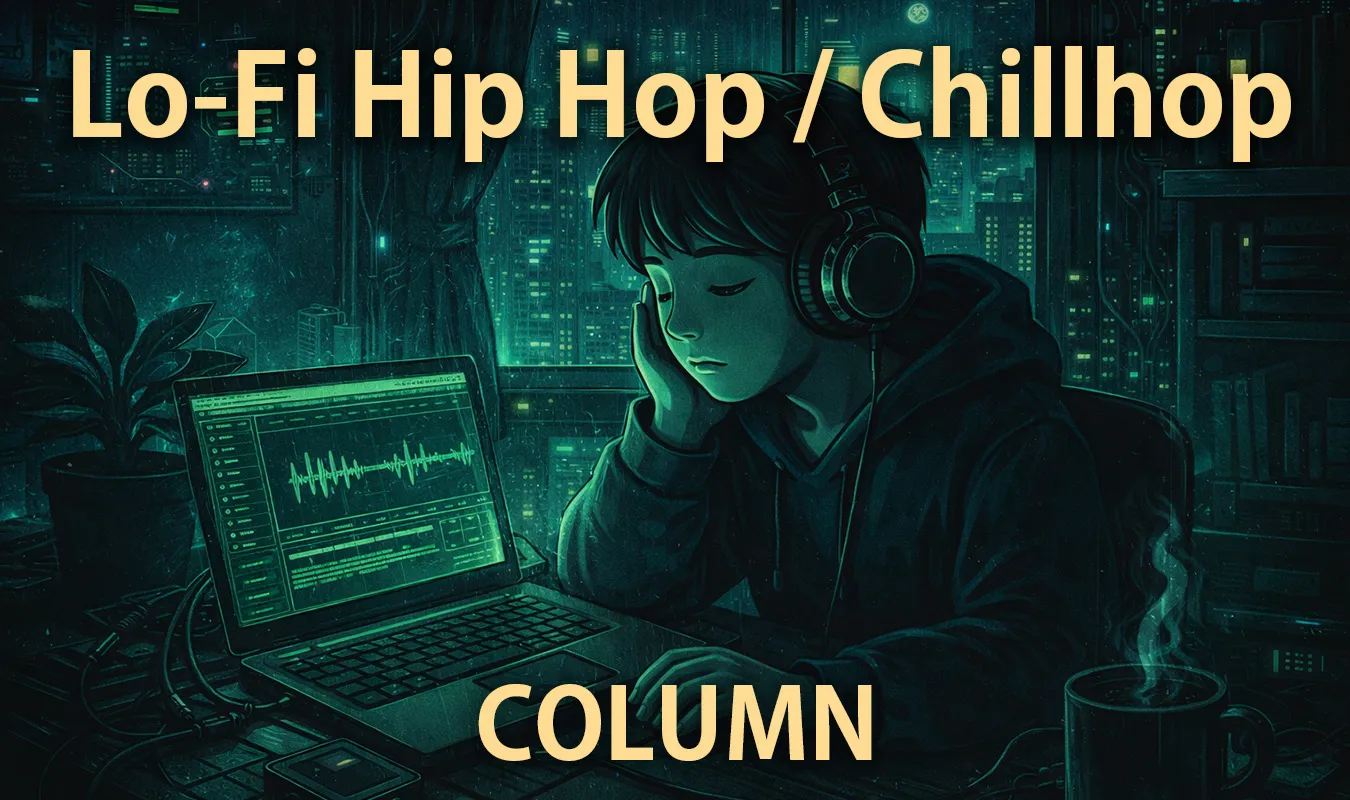
Lo-Fi is also tied to visual aesthetics. Repetitive motifs such as anime-style illustrations, the sound of rain, windowsills, and laptops simultaneously present a sense of solitude and security. A brand icon was created by the combination of sound and video.

graph TD A[underground culture] --> B[YouTube live] B --> C[algorithm diffusion] C --> D[Fixed BGM for work] D --> E[Digital community formation]

Lo-Fi hip-hop is music, but it also symbolizes the quiet online space of today.


FAQ

Why are there so few lyrics?

Linguistic information consumes the brain’s processing resources, so it is said to be incompatible with concentrated work. The focus is on instrumental music to enhance functionality.

Why add noise?

Record noise and tape hiss evoke an analog sensation, creating a sense of warmth and nostalgia. Deliberate “roughness” is part of the genre’s aesthetics.

Why is it broadcast for a long time?

Music with a repetitive structure is suitable for loop playback. 24-hour distribution provides the peace of mind that ““music is always there.’’

For a generation raised on YouTube and streaming, algorithmic recommendations and playlist culture are the norm, and Lo-Fi was a natural fit for that context.

The popularity of Lo-Fi hip-hop is not a coincidence; it is shaped by the interaction between acoustic structures and the digital environment.


Monumental Movement Records

Monumental Movement Records