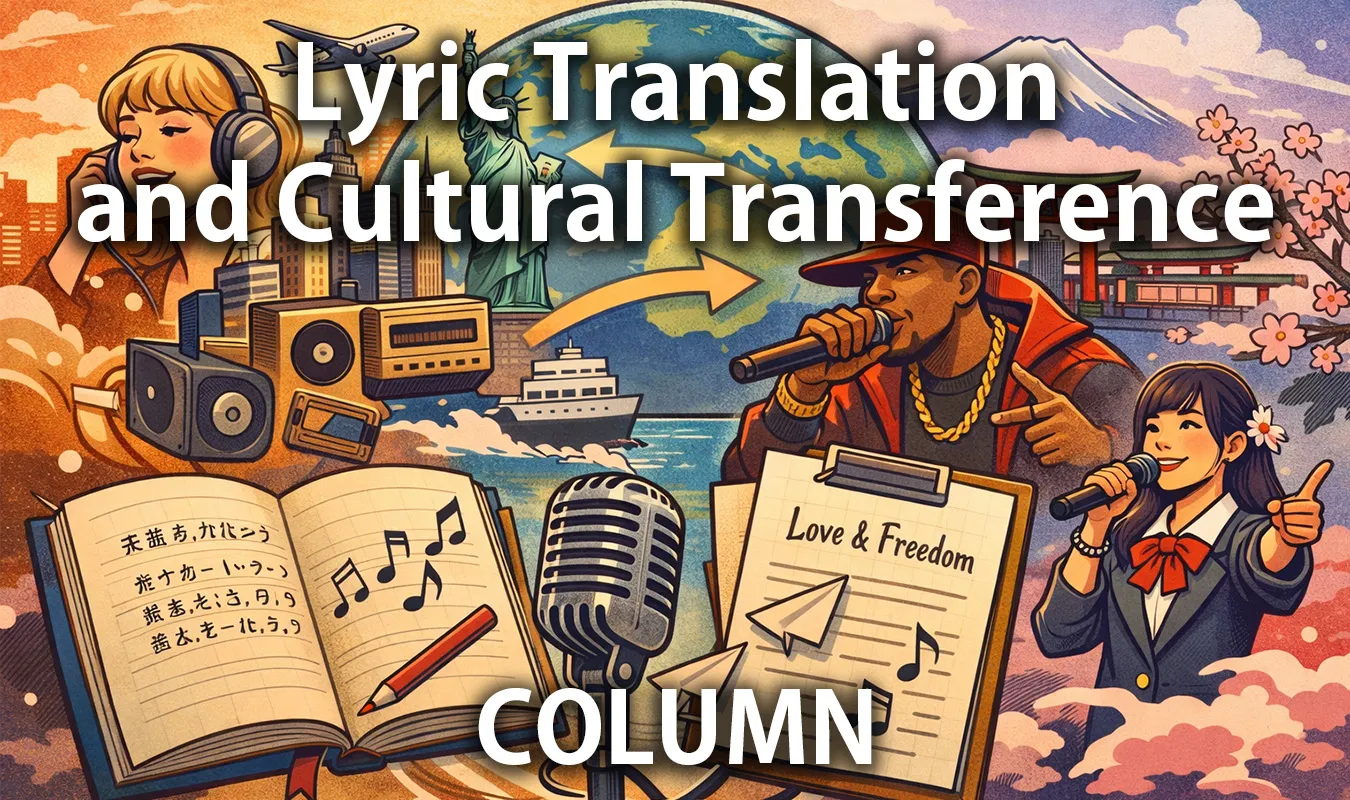
Prologue Lyrics don’t just convey “meaning”
文:mmr|テーマ:歌詞翻訳はなぜ文化を運ぶのか──誤読・変容・定着の歴史について
ポピュラー音楽において、歌詞は単なる情報伝達の手段ではない。 It is a text with extremely high cultural density, encompassing pronunciation, prosody, metaphor, social assumptions, religious views, class sense, and even the atmosphere of the time.
歌詞翻訳とは、言語を置き換える作業ではなく、文化を別の環境へ移植する行為に近い。 This transplant is not always successful. Rather, they are often distorted, missing, and sometimes take on a meaning different from the original.
In this article, we will view lyric translation from the perspective of ““cultural import,’’ and will organize its historical development, theoretical framework, specific examples, and characteristics of its reception in Japan, based only on facts.
歌詞翻訳は、音楽の国境を越えさせるが、文化の国境を消すわけではない。
Chapter 1 “Cultural assumptions of lyrics” that exist before translation
歌詞は、話者と受け手が共有している前提知識の上に成立する。 地名、固有名詞、宗教的象徴、スラング、社会制度への言及は、その文化圏に属する人間にとっては説明不要だが、別の文化圏では意味を失う。
ブルースやゴスペルにおける聖書的隠喩、ヒップホップにおける都市コード、カントリー音楽における土地と血縁の物語性などは、翻訳によって容易に剥落する要素である。
この段階で重要なのは、翻訳不能性が「言語構造」ではなく「文化共有度」に起因している点である。 文法的には翻訳可能でも、文化的には理解不能という事態は、歌詞翻訳において常態化している。
歌詞が難しいのではなく、歌詞が前提としている世界が違うのである。
第2章 直訳と意訳のあいだで揺れる翻訳倫理
歌詞翻訳の現場では、直訳と意訳の選択が常に問題となる。 直訳は意味の保存に優れるが、リズムや感情を損なうことが多い。 意訳は聴感や情緒を保つが、原文の意味から逸脱しやすい。
特にポピュラー音楽では、旋律と語数の制約が強く、散文翻訳の論理は通用しない。 The addition or subtraction of a single syllable disrupts the entire melody, forcing translators to constantly reduce and reconstruct meaning.
In this process, the translator’s own cultural understanding and value judgments inevitably intervene. 結果として生まれる翻訳歌詞は、原曲と翻訳文化の折衷物となる。
歌詞翻訳は、正しさではなく選択の連続でできている。
第3章 歌われる翻訳と「歌えない翻訳」
歌詞翻訳は、読むための翻訳と歌うための翻訳に分かれる。 In the latter case, ease of pronunciation, vowel sequence, and accent position are important.
日本語は音節構造が単純で母音が多く、英語の子音連続や強勢構造を再現しにくい。 Therefore, when singing English lyrics in Japanese, the meaning of the words is often simplified or the grammar is rearranged.
この技術的制約は、翻訳の質以前に「歌として成立するかどうか」を左右する。 As a result, Japanese lyrics tend to prioritize sound over meaning.
Even if the meaning is correct, the translation of the lyrics will not work unless the song can be sung.
第4章 1950〜60年代:ポピュラー音楽翻訳の大量流入期
戦後、ラジオとレコードの普及により、欧米のポピュラー音楽が大量に日本へ流入した。 During this period, many songs were introduced in their original language or with simple translations.
一方で、歌謡曲として翻案されるケースも多く、原曲の旋律に日本語の新たな歌詞が与えられた。 These are not strictly translations, but cultural re-creations.
この時期に形成された「原曲とは別物としての日本語歌詞」という慣習は、その後も長く影響を及ぼす。
翻訳されなかった歌詞もまた、日本の音楽文化を形づくっていった。
第5章 ロック以降の「意味を読む」受容への転換
From the late 1960s onwards, with the rise of rock music, emphasis began to be placed on the meaning of the lyrics themselves. 反戦、反体制、個人の内面といった主題は、翻訳を通じて理解される必要があった。
During this period, detailed translations were published in magazines and liner notes, and lyrics began to be consumed as something to read. For the first time, lyric translation became institutionalized as part of the act of appreciation.
However, this bilingual translation was only an aid to understanding, and translations that did not assume singing were the mainstream.
歌詞は、聴くものから読むものへと一部で変質した。
Chapter 6 Misreading and reinterpretation as cultural transfer
Misreadings are inevitable in cultural transfer through translation. しかし、この誤読は必ずしも否定的な結果だけを生むわけではない。
ある文化圏で誤って理解された歌詞が、別の文脈で新たな意味を獲得し、独自の受容史を形成する例は多い。 日本におけるロックやヒップホップの受容も、この再解釈の連鎖によって成立してきた。
重要なのは、翻訳が原文化を完全に再現することではなく、新たな文化実践を可能にする点である。
誤読は、文化移入の失敗ではなく、変化の始点である。
第7章 ヒップホップと翻訳不可能性の顕在化
Hip-hop is a genre in which untranslatability is particularly pronounced due to its strong dependence on slang, rhymes, and social context. Wordplay and phonological meaning are largely lost in translation.
As a result, many listeners give up on fully understanding the lyrics and only accept the musical attitude and form of expression. これにより、ヒップホップは翻訳を介さずに文化移入される特殊なケースとなった。
翻訳されないまま伝わる文化も、確かに存在する。
Chapter 8 Japanese rap and reverse cultural import
The establishment of Japanese rap progressed not through translation of English lyrics, but through the transplantation of form and attitude. Here, the focus is on imitation and reconstruction rather than translation.
英語の韻律を日本語に適応させる過程で、日本語独自のリズム感が強調され、新たな表現体系が生まれた。 This is not a translation, but a localization of cultural transfer.
Cultural transfer does not necessarily go through language.
Chapter 9 Lyric translation environment in the digital age
With the spread of the Internet, anyone can instantly reference lyrics and translations. 公式翻訳と非公式翻訳が混在し、解釈は多元化している。
In this situation, there is no single correct answer, and it is assumed that multiple translations coexist. Translation has ceased to be a fixed artifact and has become a collection of interpretations that are continually updated.
Translation is consumed as a process rather than a finished product.
Chapter 10: What lyrics translation leaves behind
Lyrics translation cannot completely preserve the meaning of the original song. しかし、異なる文化が音楽を通じて接続されるための足場を提供してきた。
翻訳によって失われたものと同時に、翻訳によって生まれた理解や表現も存在する。 This ambiguity is the essence of the issue of lyrics translation and cultural import.
Lyrics translation is both a bridge and a boundary between cultures.
Chronology: Main aspects of lyric translation and cultural import
図 歌詞翻訳における文化移入構造
Explore more like this
【コラム】 Ambient × Rap 瞑想プレイリストの音空間を読み解く
AmbientとRapの融合──瞑想音楽としての可能性
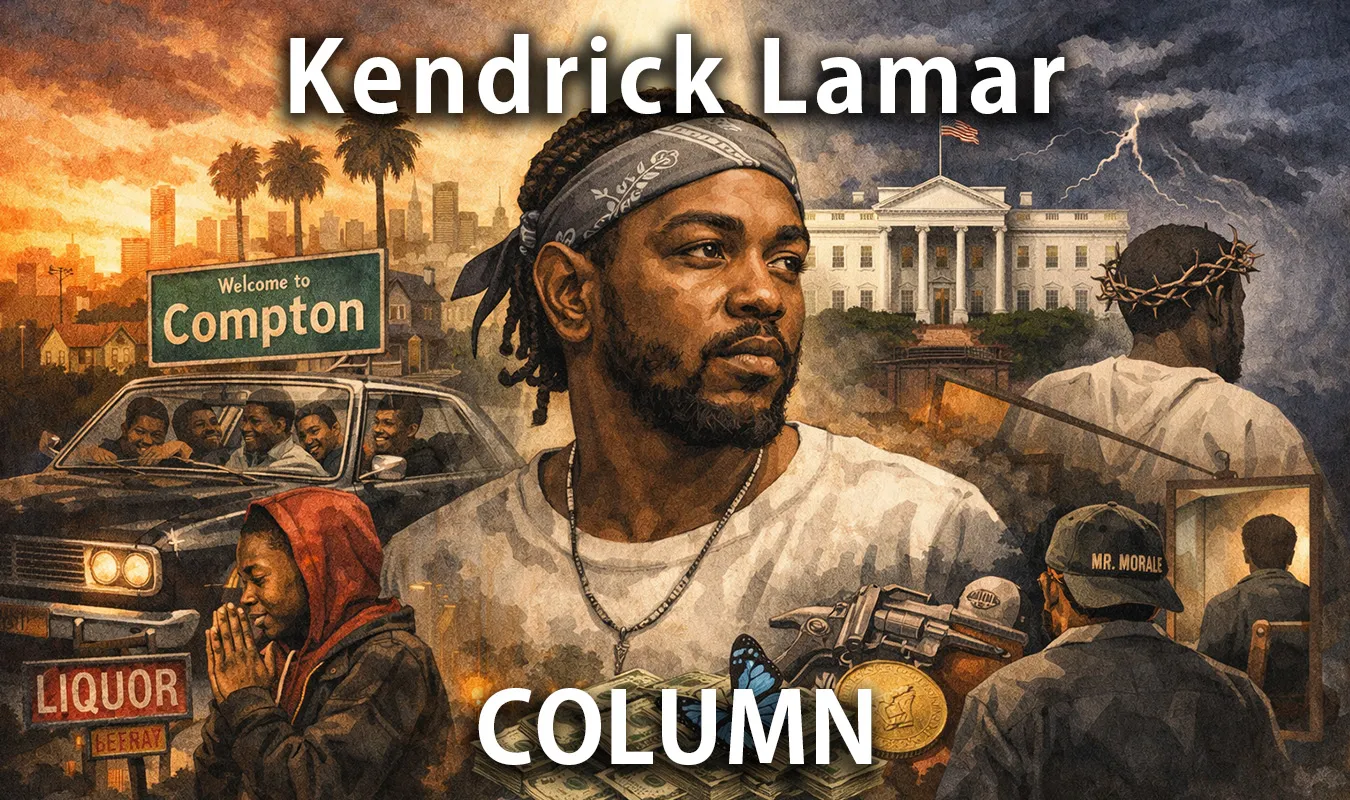
【コラム】 Kendrick Lamar:ヒップホップを叙事詩へと拡張した構造と思考
序章:ヒップホップが物語になる瞬間
![[Column] Early hip-hop culture before Bambaataa: A chain of expressions that naturally arose from the scene in the Bronx](/../assets/images/column-early-hiphop.webp)
![[Column] DMX: Howling Soul - Between violence and prayer](/../assets/images/column-dmx.webp)
[Column] DMX: Howling Soul - Between violence and prayer
DMX: Howling Soul - Between Violence and Prayer
【コラム】 DMX:吠える魂 ― 暴力と祈りのはざまで
DMX:吠える魂 ― 暴力と祈りのはざまで
![[Column] A brief history of East Coast hip-hop — from the Bronx to Brooklyn to the world](/../assets/images/column-eastcoast-hiphop-history.webp)
[Column] A brief history of East Coast hip-hop — from the Bronx to Brooklyn to the world
東海岸ヒップホップは、1970年代ニューヨークのブロックパーティーから誕生
【コラム】 トリップ・ホップ深掘り:Massive Attack / Portishead / DJ Shadow / DJ Krush
Triphop 年代別おすすめ、逸話、ドキュメンタリーまで”

【コラム】 西海岸ヒップホップ概史 — 起源からアンダーグラウンドまで
西海岸ヒップホップは、1970年代後半のロサンゼルスのストリートカルチャーから誕生
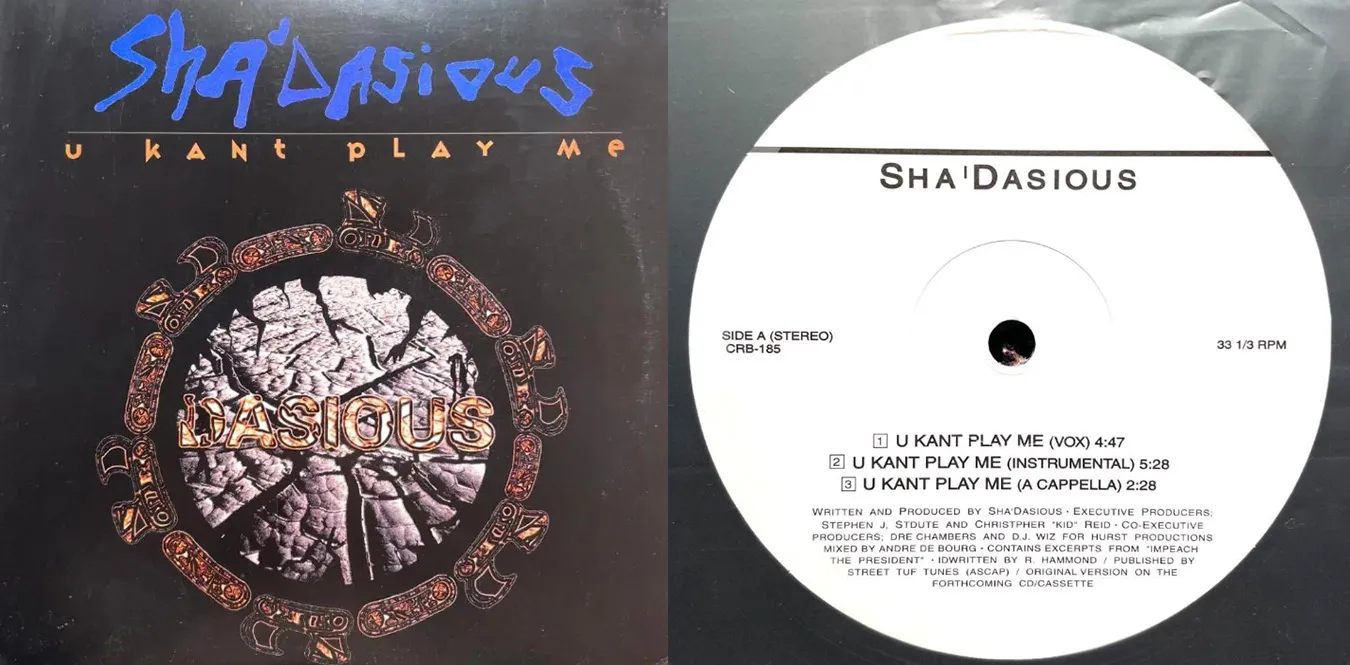
Sha'dasious – U Kant Play Me
Sha’dasious – U Kant Play Me / Phunk Wucha Heard シャダシャス
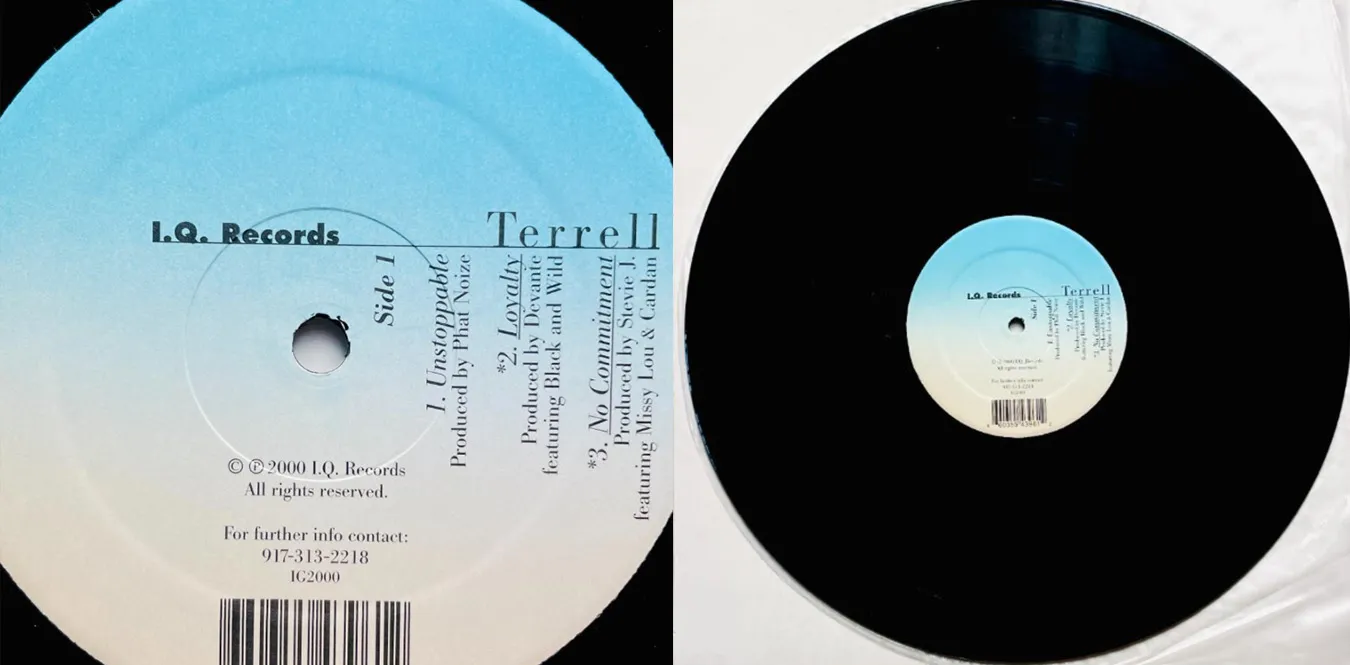
Terrell – Unstoppable
ラッパーTerrellが2000年にレーベルI.Q. Recordsからリリースしたヒップホップトラック。
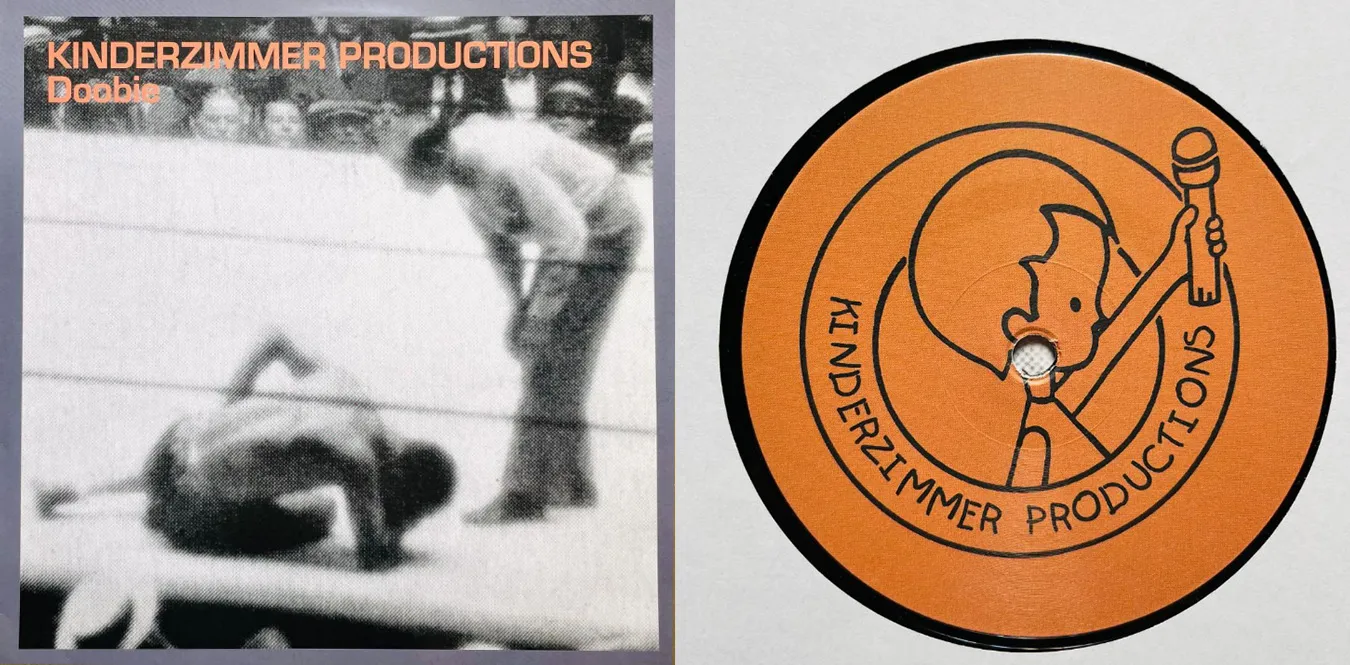
Kinderzimmer Productions – Doobie
Kinderzimmer Productionsは、ドイツのウルム出身Quasi Modo (Sascha Klammt、DJ) と Textor (Henrik von Holtum、MC)により1990年代半ばに結成されたヒップホップバンド。