[Column] Early hip-hop culture before Bambaataa: A chain of expressions that naturally arose from the scene in the Bronx
Column en Hiphop Rap![[Column] Early hip-hop culture before Bambaataa: A chain of expressions that naturally arose from the scene in the Bronx](/../assets/images/column-early-hiphop.webp)
序章:ヒップホップは「定義される前」に始まっていた
文:mmr|テーマ:ヒップホップが思想や運動として語られる以前、1970年代初頭のブロンクスで自然発生したDJ・ダンス・声・街の表現について
1970年代初頭のニューヨーク、サウス・ブロンクスで起きていた文化的現象は、当時まだ「ヒップホップ」という名前を持っていなかった。そこには統一された理念も、運動としての自覚も存在していなかった。
若者たちはただ集まり、音を鳴らし、踊り、声を上げ、街に痕跡を残していた。その一連の行為が、後年ひとつの文化として整理されることになる。
この時代を理解する上で重要なのは、後に象徴的存在となるアフリカ・バンバータ以前にも、すでに文化の核となる実践が存在していたという点である。
ヒップホップは誰か一人の発明ではなく、環境と必要性が生み出した複合的な現象だった。
ヒップホップは理念から生まれたのではなく、行為の積み重ねから名前を与えられた文化だった。
サウス・ブロンクスという都市条件
1960年代後半から1970年代にかけて、サウス・ブロンクスは急激な都市衰退を経験していた。高速道路建設による分断、製造業の衰退、雇用喪失、人口流出が同時に進行した。
Homes were abandoned, fires and arson were common, and public services were severely degraded. There were few formal cultural activities or recreational opportunities for young people to participate.
Instead, public spaces such as parks, school gymnasiums, community centers, and apartment courtyards were used. These places were loosely managed, had unclear ownership, and were free to use.
この都市的余白が、既存の音楽産業やクラブ文化とは異なる独自の表現を許容する土壌となった。
ヒップホップの出発点は音楽ではなく、都市が生んだ空白だった。
DJという役割の誕生
初期ヒップホップ文化において、最も中心的な役割を担っていたのがDJだった。ただしこの段階のDJは、現在のような音楽家やアーティストというよりも、イベントの実務担当者に近い存在だった。
DJは音響機材を用意し、電源を確保し、レコードを持ち込み、パーティそのものを成立させる責任を負っていた。音楽を「選ぶ」ことと同時に、「場を成立させる」ことが求められていた。
ファンクやソウルのレコードからリズムが際立つ部分を抜き出し、観客の反応を見ながら繰り返すという行為は、自然発生的に洗練されていった。
この段階では、DJは創作者というよりも、時間を操作する調整者だった。
The DJ was not a person who played music, but a person who controlled the energy of the group.
ブレイクビーツの発見と定着
ファンクやソウルのレコードには、楽器演奏のみになる短い間奏部分が存在していた。この瞬間に、ダンサーたちの動きが最も激しくなることにDJたちは気づく。
By using two copies of the same record and playing parts of them alternately, a technique was created to intentionally lengthen the rhythm. This became the prototype for the structure later known as breakbeats.
What is important is that this method was not a theoretical invention, but was created as a result of observing audience reactions. The musical structure was reorganized by bodily responses.
ブレイクは発見されたのではなく、踊られることで意味を与えられた。
Formation of dance culture
ブレイクビーツの反復は、ダンサーの身体表現を大きく変化させた。上下運動よりも床に近い動き、回転、急停止と再始動が発達していく。
これらの動きは振付ではなく、即興的な反応だった。観客とDJに囲まれた円の中で、ダンサーは自らの存在を身体で示した。
このダンス文化は、後にブレイクダンスと呼ばれるようになるが、当初は明確な名称も体系も存在しなかった。
ダンスは見せる技術ではなく、音に対する即時的な応答だった。
Role of voice before MC
The use of voice in early parties was practical rather than poetic. Voices were used to stir up the crowd, command attention, and keep the party flowing.
短いフレーズ、韻を踏む言い回し、反復される掛け声が自然に生まれ、次第にリズムと結びついていく。
At this stage there was little personal narrative or social commentary, and the goal was to maintain the energy of the space.
Rap was a technique for maintaining a group before it was an expression.
Graffiti and urban surfaces
At the same time, graffiti on subways and buildings was also deeply connected to early hip-hop culture.
The act of writing one”s name, leaving a trace, and carving one”s presence in the moving urban space was a means of self-expression, just like music and dance.
DJが音で空間を占拠し、ダンサーが身体で床を占拠し、グラフィティは視覚で街を占拠した。
Hip-hop was a comprehensive expression that used the city as a canvas.
Group before Bambaataa
Before Afrika Bambaataa’s cultural integration and idealization, there were already many unknown practitioners in the field.
Although many of them are unrecorded and often omitted in later narratives, it was these collective practices that formed the basis of culture.
Hip-hop was not an individual invention, but a collection of acts that responded to the environment.
The essence of hip-hop was not in the heroes, but in the scene.
Chronology: Early hip-hop culture before Bambaataa
| 年代 | 主な動き |
|---|---|
| Late 1960s | Urban decline in the South Bronx continues |
| Around 1970 | Increase in informal parties in public spaces |
| 1971–72年 | ブレイクを延ばすDJ手法が定着 |
| 1972–73年 | MC的役割が一般化 |
| 1973年以前 | ダンス・グラフィティの並行発展 |
年表は出来事ではなく、行為の蓄積を示している。
Final chapter: The strength of culture before it has a name
後にヒップホップと呼ばれる文化は、当初は整理されていなかったが、その分だけ柔軟で強度を持っていた。
理念や定義が与えられる前に、音は鳴り、身体は動き、街は使われていた。文化はまず行われ、その後に語られた。
この初期段階を理解することは、ヒップホップを固定化されたジャンルではなく、状況に応答する文化装置として捉え直すことにつながる。
Hip-hop’s essence lies in the time it was created, rather than the moment it was completed.
YouTube Podcast
※このPodcastは英語ですが、自動字幕・翻訳で視聴できます
Explore more like this
【コラム】 Ambient × Rap 瞑想プレイリストの音空間を読み解く
AmbientとRapの融合──瞑想音楽としての可能性
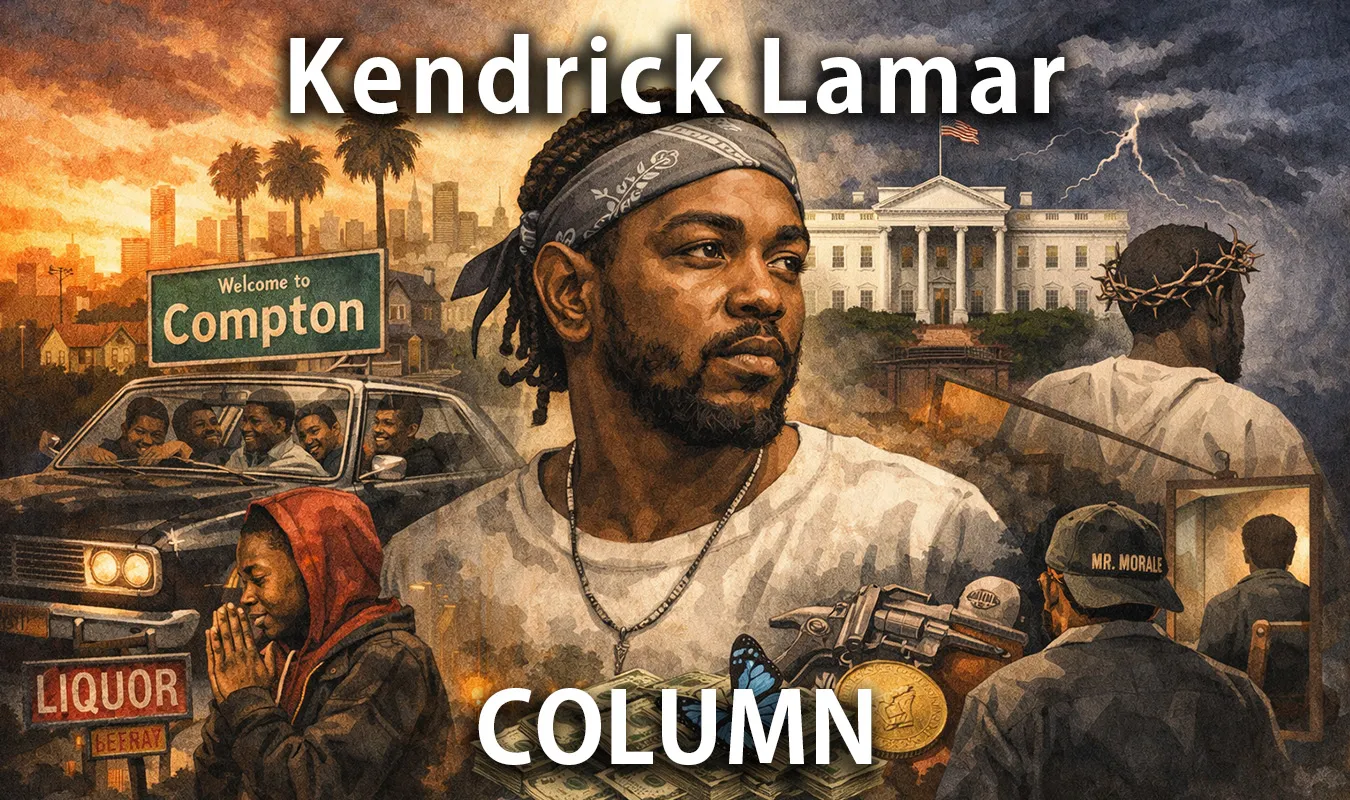
【コラム】 Kendrick Lamar:ヒップホップを叙事詩へと拡張した構造と思考
序章:ヒップホップが物語になる瞬間
【コラム】 歌詞翻訳と文化移入問題──言葉が音楽を越境するとき
Prologue Lyrics don’t just convey “meaning”
![[Column] DMX: Howling Soul - Between violence and prayer](/../assets/images/column-dmx.webp)
[Column] DMX: Howling Soul - Between violence and prayer
DMX: Howling Soul - Between Violence and Prayer
【コラム】 DMX:吠える魂 ― 暴力と祈りのはざまで
DMX:吠える魂 ― 暴力と祈りのはざまで
![[Column] A brief history of East Coast hip-hop — from the Bronx to Brooklyn to the world](/../assets/images/column-eastcoast-hiphop-history.webp)
[Column] A brief history of East Coast hip-hop — from the Bronx to Brooklyn to the world
東海岸ヒップホップは、1970年代ニューヨークのブロックパーティーから誕生
【コラム】 トリップ・ホップ深掘り:Massive Attack / Portishead / DJ Shadow / DJ Krush
Triphop 年代別おすすめ、逸話、ドキュメンタリーまで”

【コラム】 西海岸ヒップホップ概史 — 起源からアンダーグラウンドまで
西海岸ヒップホップは、1970年代後半のロサンゼルスのストリートカルチャーから誕生
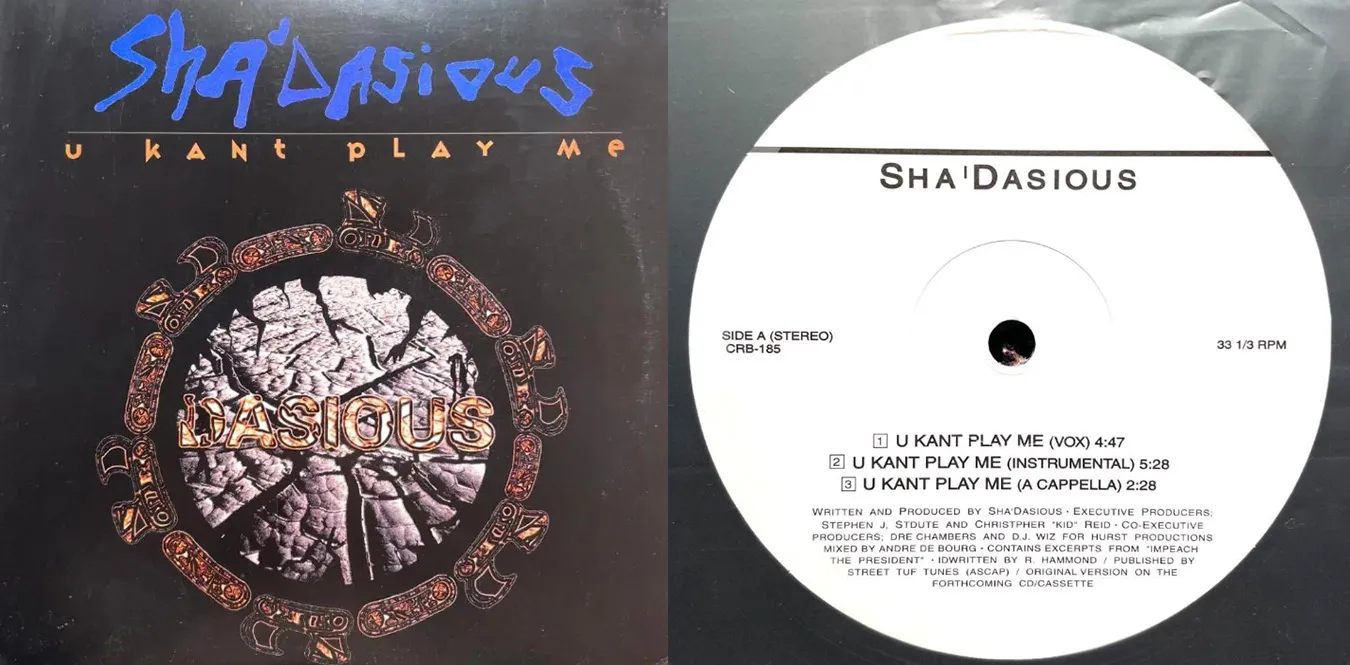
Sha'dasious – U Kant Play Me
Sha’dasious – U Kant Play Me / Phunk Wucha Heard シャダシャス
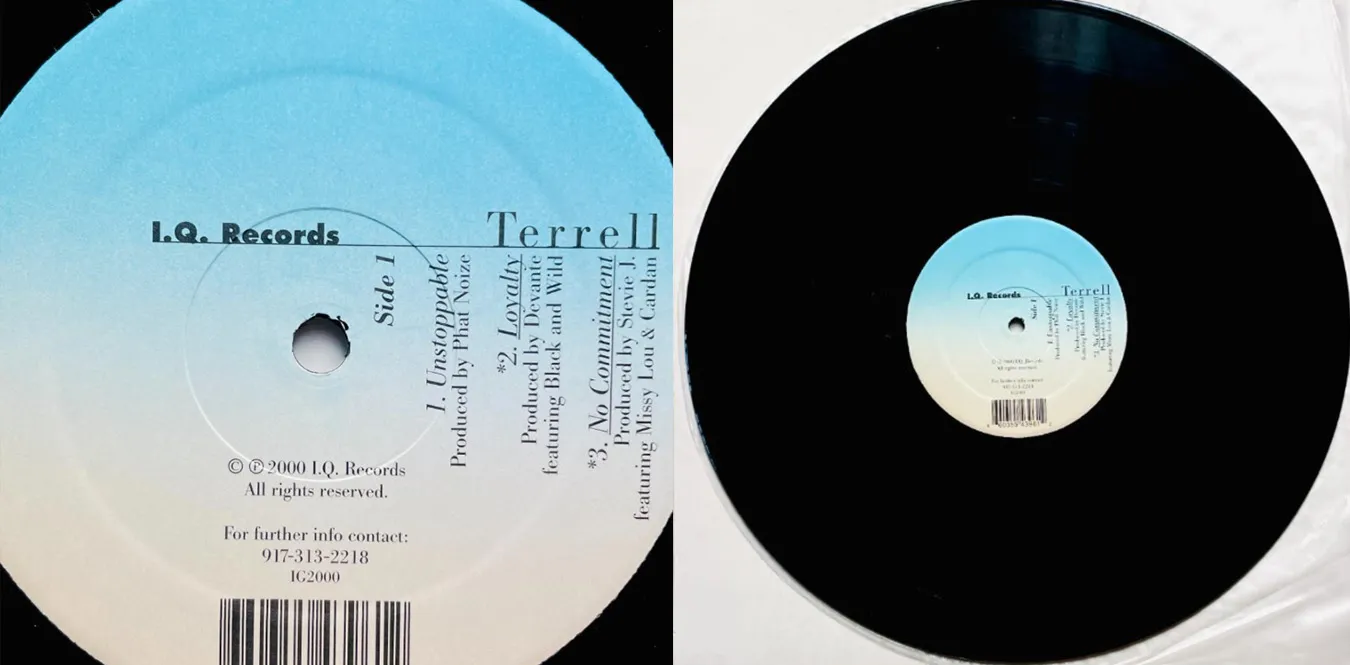
Terrell – Unstoppable
ラッパーTerrellが2000年にレーベルI.Q. Recordsからリリースしたヒップホップトラック。
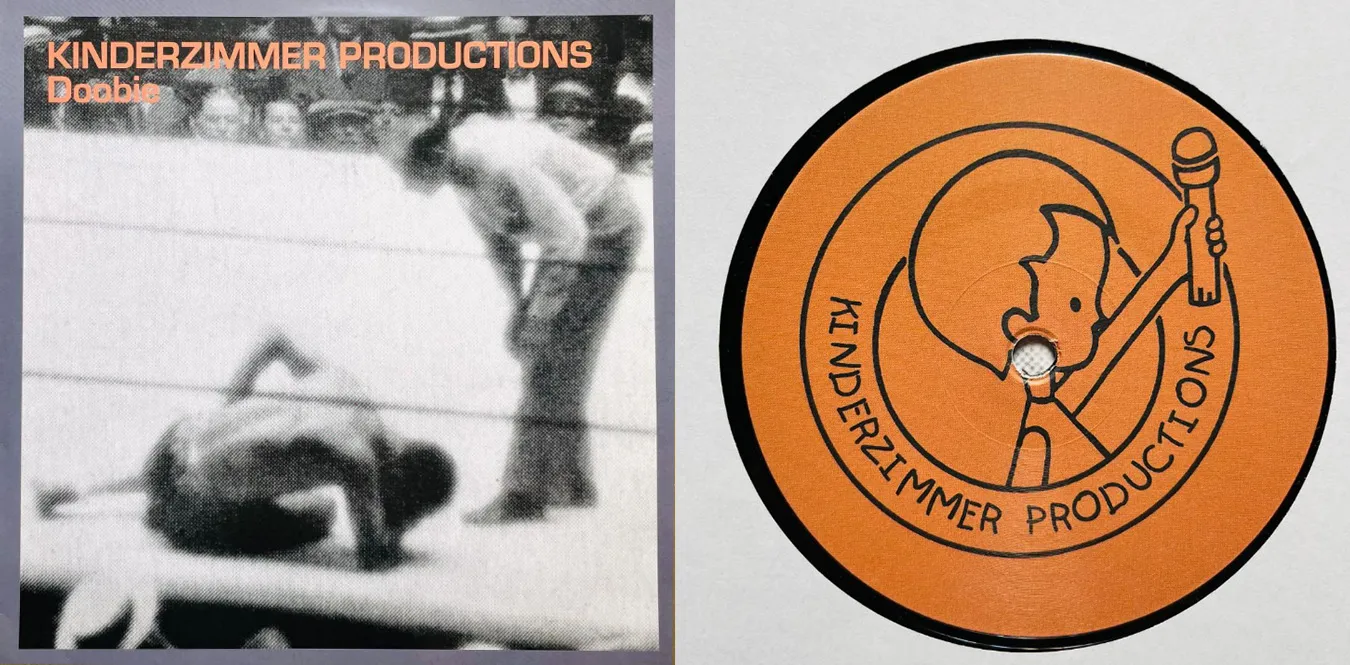
Kinderzimmer Productions – Doobie
Kinderzimmer Productionsは、ドイツのウルム出身Quasi Modo (Sascha Klammt、DJ) と Textor (Henrik von Holtum、MC)により1990年代半ばに結成されたヒップホップバンド。