[Column] The 100 most influential albums in music history: A new history of music reconstructed solely based on its influence on modern music (Part 6, 51-60: Innovation in black music and the origins of modern R&B)
Column en Funk Neo Soul Soul![[Column] The 100 most influential albums in music history: A new history of music reconstructed solely based on its influence on modern music (Part 6, 51-60: Innovation in black music and the origins of modern R&B)](/../assets/images/column-influential-album-06.webp)
第6回(51位〜60位)
Why has black music become the center of popular music
ソウル、ファンク、ネオソウル、そして現代R&Bへ続く革命
第5回では、ロックがフォーク、パンク、電子音楽、アート、そして世界中のリズムを吸収しながら進化していく歴史を追いました。
しかし、その同じ時代、もう一つの革命が静かに、そして決定的に進行していました。
That is the black music revolution.
かつてR&Bやソウルは、「黒人音楽」というカテゴリーの中で語られることが少なくありませんでした。しかし1960年代後半以降、それらは単なる一つのジャンルではなく、ポピュラー音楽全体の方向性を決定づける存在へと変化していきます。
Much of today’s music, including pop, hip-hop, R&B, house, techno, neo-soul, and even K-pop, is based on the ideas of black music.
つまり、20世紀後半以降の音楽史は、ブラックミュージックの進化なしには語ることができません。
Transition from “song” to “groove”
In the 1950s and 1960s, popular music centered around melodies and chord progressions.
しかし1960年代後半になると、その重心は少しずつ変化していきます。
What became important was
- Rhythm
- ベースライン
- ドラムのノリ
- 身体性
- Repeat (groove)
です。
This idea of ”“groove’’ later became the basis of hip-hop, house, techno, R&B, and even modern pop.
社会を映す音楽へ
ブラックミュージックのもう一つの特徴は、社会との距離の近さです。
1960年代から70年代にかけてアメリカでは、
- 公民権運動
- ベトナム戦争
- 都市部の貧困
- 人種差別
- ブラック・パワー運動
など、大きな社会変動が起こっていました。
This reality is strongly reflected in the lyrics and sounds of black music.
It’s not just about singing about love.
It evolved into music that critiqued society and recorded our own reality.
電子楽器との融合
1970年代にはシンセサイザーや新しい録音技術が普及し始めます。
ブラックミュージックは、それらを単なる新しい楽器としてではなく、「未来の音」として積極的に取り入れました。
the result,
- シンセ・ソウル *P Funk
- Boogie
- エレクトロ
- ハウス
- テクノ
へと続く長い系譜が生まれます。
この流れは、第7回で扱う電子音楽の発展とも深く結び付いています。
今回登場する10枚
In Part 6, we will feature the following 10 works that determined the evolution of black music.
51st place Songs in the Key of Life 52位 Innervisions 53位 Head Hunters 54th place Super Fly 55位 There’s a Riot Goin’ On 56位 Mothership Connection 57位 Maggot Brain 58位 Voodoo 59位 Mama’s Gun 60位 Channel Orange
第6回の見どころ
この10枚を時系列で追うと、一つの壮大な物語が見えてきます。
First, Stevie Wonder elevates soul music to the realm of art.
続いて、Herbie Hancockがジャズと電子音楽を結びつけ、Curtis MayfieldとSly and the Family Stoneがブラックミュージックに社会性と内省を持ち込みます。
さらに、ParliamentとFunkadelicがファンクを宇宙規模の想像力へと拡張し、その革新は後のヒップホップやGファンク、エレクトロへと受け継がれます。
そして1990年代から2000年代には、D’Angelo、Erykah Badu、Frank Oceanがネオソウルと現代R&Bを再定義し、ブラックミュージックを21世紀のポップミュージックの中心へ押し上げました。
これは、一つのジャンルの歴史ではありません。
現代ポピュラー音楽そのものが、ブラックミュージックの革新によってどのように形作られたのか。その壮大な進化の物語です。
第6回 Part1(51位)
Songs in the Key of Life
"”One of the greatest masterpieces of the 20th century that elevated soul music to ‘art’’‘
Songs in the Key of Life, released on September 28, 1976, transcends the boundaries of the soul music genre and is one of the most representative albums of 20th century popular music as a whole.
この作品は単なるヒット・アルバムではない。
It was an album that conclusively proved that ““black music can be a work of art,’’ integrating soul, R&B, funk, gospel, jazz, Latin music, classical music, and pop into one magnificent work world.
1960年代までのブラックミュージックは、シングル中心の市場で発展してきた。
しかし『Songs in the Key of Life』は、ロックにおける『Sgt. Pepper’s Lonely Hearts Club Band』や『Pet Sounds』が果たした役割を、ソウル・ミュージックの世界で成し遂げたのである。
それは、アルバムという形式そのものを芸術表現へ押し上げたブラックミュージック最大の到達点だった。
「クラシック・ピリオド」の頂点
In the early 1970s, Stevie Wonder renewed his contract with Motown, giving him unprecedented creative freedom at the time.
その結果生まれた一連の作品、
- Music of My Mind(1972)
- Talking Book(1972)
- Innervisions(1973)
- Fulfillingness’ First Finale(1974)
は現在「クラシック・ピリオド」と呼ばれている。
そして、その集大成として制作されたのが『Songs in the Key of Life』だった。
制作には約2年が費やされ、録音はロサンゼルスの複数スタジオで断続的に進められた。
当初1975年発売予定だったが、スティーヴィー自身が完成度を優先したため延期される。
It is this uncompromising attitude that led to the overwhelming perfection of this work.
「一人のオーケストラ」
スティーヴィー・ワンダーの革新性は、優れたシンガーやソングライターであることだけではない。
彼は作曲、編曲、演奏、プロデュースを高いレベルで統合する、現代的な「セルフ・プロデューサー」の先駆者だった。
本作でも、
- キーボード
- Piano
- drum
- ベース
- シンセサイザー
- ハーモニカ
など数多くのパートを自ら演奏している。
もちろん、多くの優秀なミュージシャンも参加しているが、作品全体を貫く世界観は、ほぼ一人の創造力によって構築された。
The “artist-producer” style that Prince, D’Angelo, and Kanye West would later adopt was heavily influenced by Stevie Wonder during this period.
TONTOが切り開いた未来
本作を語る上で欠かせないのが、巨大なモジュラー・シンセサイザーTONTO(The Original New Timbral Orchestra)の存在である。
This system was developed by musicians and engineers Malcolm Cecil and Robert Margouleff, and was known at the time as one of the world’s largest analog synthesizers.
スティーヴィーはこの楽器を単なる特殊効果としてではなく、「歌う楽器」として用いた。
Its soft string-like tones, rolling bass lines, and dreamy pads became the prototype for sound design that would later go on to synth pop, electro-funk, and modern R&B.
「愛」と「社会」を同じ作品に収める
本作には、『Sir Duke』のような音楽への賛歌もあれば、『Isn’t She Lovely』のような家族への愛を歌う作品もある。
一方で、『Village Ghetto Land』では都市部の貧困や格差、『Pastime Paradise』では社会や人間の在り方を深く見つめている。
A look at personal happiness and society.
Pop friendliness and artistry.
The fact that these two extremes were effortlessly integrated into one album is the biggest reason why this work has been praised throughout the ages.
Magnificent scale of 2 discs + EP
『Songs in the Key of Life』は、2枚組LPに加え、4曲入りのEP『A Something’s Extra』が付属するという、当時としては非常に豪華な作品だった。
収録時間は100分を超え、一つのアルバムというより、一つの「音楽世界」と呼ぶべきスケールを持っている。
しかし、これほどの大作でありながら、完成度は最後まで極めて高い。
アップテンポなファンク、温かなバラード、ジャズの要素を取り入れた楽曲、ラテンのリズム、ゴスペルの精神が自然につながり、一つの人生を描くような流れを形成している。
これは単に曲数が多いという意味ではない。
アルバム全体が、一つの交響曲のような構造を持っているのである。
「ブラックミュージックの百科事典」
本作が歴史的作品として評価される理由の一つは、1970年代までに育まれたブラックミュージックの主要な要素を一枚の作品へ集約した点にある。
In other words, ““Songs in the Key of Life’’ was not an album that perfected a genre, but an album that integrated the entire history of black music up to that point.
だからこそ、多くのミュージシャンが「教科書」として本作を挙げるのである。
発売当時の評価
1976年の発売と同時に、本作は世界中で圧倒的な支持を集めた。
In the United States, the album reached number one on the album chart, and singles such as ““I Wish” and ““Sir Duke” were also huge hits.
批評家からも絶賛され、翌年のGrammy Awardsでは年間最優秀アルバム賞を含む主要部門を受賞。
スティーヴィー・ワンダーは、1970年代を代表するアーティストとしての地位を不動のものとした。
その後も本作は数多くの「史上最高のアルバム」ランキングに選出され、ソウル・ミュージックだけでなく、ポピュラー音楽史全体の金字塔として位置付けられている。
後続アーティストへの影響
『Songs in the Key of Life』は、世代やジャンルを超えて膨大なアーティストへ影響を与えた。
代表的な例として、
- Prince *Michael Jackson
- Quincy Jones
- D’Angelo
- Erykah Badu
- Alicia Keys
- John Legend
- Kanye West
などが本作からの影響を公言、あるいは作品の中で色濃く反映している。
また、『Pastime Paradise』は後にCoolioによる『Gangsta’s Paradise』でサンプリングされ、1990年代のヒップホップ史においても象徴的な楽曲となった。
本作はソウルだけでなく、R&B、ヒップホップ、ポップス、ジャズ、ゴスペルといった幅広いジャンルの源流として現在も参照され続けている。
音楽史における位置付け
『Songs in the Key of Life』は、「ソウルの名盤」という言葉だけでは到底語り尽くせない。
この作品は、ブラックミュージックを「ジャンル」から「普遍的な芸術」へと押し上げた歴史的転換点である。
His musicality is extremely diverse, yet unified by his strong individuality as an artist.
アルバムという形式を通じて、一人の人間の人生観、社会観、宗教観、家族への愛、音楽への敬意をこれほど包括的に表現した作品は、20世紀のポピュラー音楽でも数えるほどしか存在しない。
後のネオソウル、現代R&B、ヒップホップ、さらにはジャンルを越えたセルフ・プロデュース文化にまで、その精神は受け継がれている。
Why is it ranked 51st?
"”Songs in the Key of Life’’ is a historical masterpiece that elevated black music to the level of art and had a decisive influence on subsequent R&B, neo-soul, hip-hop, and pop.
一方で、本ランキングでは、音楽史全体のパラダイムを変えた作品群を50位以内に配置しているため、本作は第51位とした。
However, from the perspective of black music, this is one of the greatest albums of all time, and its cultural and musical influence is immeasurable.
「『Songs in the Key of Life』は、ソウル、ファンク、ジャズ、ゴスペルを統合し、ブラックミュージックを普遍的な芸術表現へと昇華した。現代R&B、ヒップホップ、ポップスの礎を築いた歴史的傑作として、本ランキング第51位に位置付ける。」
6th Part 2 (52nd place)
Innervisions
“Black music has become an art form that speaks to society”
1973年8月3日に発表されたInnervisionsは、ソウル・ミュージックの歴史を根本から変えた作品である。
もし『Songs in the Key of Life』がブラックミュージックの完成形だとすれば、『Innervisions』はその革命が始まった瞬間だった。
それまでのソウルは、愛や人生を歌う音楽として発展してきた。
もちろん社会問題を扱う作品も存在したが、それらは一部に限られていた。
However, ““Innervisions’’ depicts social realities such as poverty, drug addiction, racism, injustice, faith, and hope throughout one album.
This is not just a “social album.”
ブラックミュージックが社会そのものを映し出す芸術へと進化した決定的瞬間だったのである。
Works at the heart of the Golden Age
1972年の『Talking Book』で大きな成功を収めたStevie Wonderは、その翌年に『Innervisions』を発表する。
この時期の彼は、音楽的にも精神的にも最も充実していた。
Instead of pursuing commercial success, they had the freedom to pursue the world they truly wanted to express.
The entire album is an extremely honest depiction of what one artist is feeling in this society right now.
その意味で、『Innervisions』はスティーヴィー・ワンダーの最も個人的な作品であり、同時に最も普遍的な作品でもある。
Synthesizer plays “emotion”
1970年代初頭、シンセサイザーはまだ実験的な楽器という印象が強かった。
しかしスティーヴィーは、巨大なモジュラー・シンセサイザーTONTOを用い、それを人間的な感情を表現する楽器へと変えた。
ここで重要なのは、彼がシンセサイザーを未来的な効果音として使ったのではないという点である。
柔らかなパッド、流れるようなベースライン、幻想的なコード。
これらは人間の歌声やピアノと自然に溶け合い、アルバム全体へ温かく有機的な空気を与えている。
This sound creation is
- Neo Soul
- Synth R&B
- エレクトロ・ファンク
- modern pop
It is passed down from generation to generation.
The reality depicted in “Living for the City”
The song ““Living for the City”, which represents ““Innervisions”, depicts the cycle of racism and poverty in American society.
地方で育った黒人青年が職を求めて都会へ向かい、不当な扱いを受け、やがて刑務所へ送られてしまうという物語は、当時としては極めてリアルな社会描写だった。
Furthermore, in the middle of the song, a drama-like production is introduced that incorporates environmental sounds, conversations, police voices, etc.
This isn’t just a song.
The structure is like a short film, allowing the listener to relive the protagonist’s experiences.
この手法は後年、コンセプト・アルバムやヒップホップのストーリーテリングにも大きな影響を与えた。
The revolution of looking within
The album title ““Innervisions” means ““inner perspective” or ““vision in the heart.’’
In this work, Stevie is not only looking at society.
It is a dialogue between human desire, faith, fear, hope, and self.
"”Higher Ground” focuses on spiritual growth, and ““He’s Mistra Know-It-All” offers a sharp critique of those in power.
What makes Innervisions unique is that social commentary and personal spirituality coexist effortlessly in a single album.
A new era of self-production
Another historical value of ““Innervisions” is that it demonstrated the perfect form of ““self-production,” in which the artist himself controls the entire work.
In popular music until the 1960s, the roles of artist, composer, arranger, and producer were generally clearly separated.
But Stevie Wonder turned that paradigm on its head.
He writes and composes his own songs, plays many instruments, and is involved in everything from arrangement, sound design, and production.
He was not just a singer, but an ““author’’ who created the world of his works by himself.
This production style was later
- Prince *Todd Rundgren *D’Angelo *Trent Reznor *Kanye West
It has been passed down to many other artists.
"”Innervisions” showed the complete form of the idea that ““the artist produces the entire work,” which has become commonplace today.
Evaluation at the time of release
Immediately after its release in 1973, Innervisions received enthusiastic support from critics and listeners alike.
The album was a huge hit on the US charts, and ““Higher Ground” and ““Living for the City” were successful singles.
Furthermore, it won the album of the year award at the Grammy Awards.
It was also a symbolic event in which soul music was widely recognized as a work of art on a par with rock and pop.
Also, a few days after its release, Stevie Wonder was seriously injured in a traffic accident.
Fortunately, he recovered, but this experience is thought to have had a considerable influence on his outlook on life and his later creations.
Impact on subsequent artists
Innervisions had a far-reaching influence not just on black music, but on popular music as a whole.
As a representative artist influenced by this,
*Prince
- George Michael *D’Angelo *Erykah Badu
- Maxwell
- Alicia Keys *John Legend *Kendrick Lamar
などが挙げられる。
特に、社会的メッセージと高い音楽性を両立させるという姿勢は、ネオソウルからヒップホップ、さらには現代R&Bにまで脈々と受け継がれている。
『To Pimp a Butterfly』のような作品にも、『Innervisions』の精神的な系譜を見ることができる。
Position in music history
Innervisions is not just a masterpiece of “social soul.”
This work fused black music with ideology and artistry, presenting a new model for artists to face society as individual expressors.
At the same time, he utilized the synthesizer as an emotionally rich instrument and achieved a high level of self-produced work, which has had a great influence on subsequent music production.
"”Innervisions” symbolized the deepening of black music from ““music for dancing” to ““music for thinking.’’
Why is it ranked 52nd?
"”Innervisions’’ is a historical turning point that brought new values to black music: sociality, spirituality, electronic instruments, and self-production.
Many say that it is comparable to ““Songs in the Key of Life’’ in terms of completeness.
However, in this ranking, we place emphasis on the fact that ““Songs in the Key of Life”’ is the culmination of Stevie Wonder”s creation and a work that integrates black music as a whole, and placed it one place below it at number 52.
That said, if we look only at the history of black music, both works can be called twin masterpieces.
“‘Innervisions’ fuses sociality, spirituality, synthesizers, and self-production, pushing black music into the realm of thought and art. It ranks 52nd in this ranking as the origin of creativity that extends to modern R&B and hip-hop.”
6th Part 3 (53rd place)
Head Hunters
“The moment when jazz heads to the club”
Head Hunters, released on October 26, 1973, was one of the biggest turning points in jazz history.
それまでジャズは、ビバップやハードバップ、モード・ジャズといった発展を経ながらも、どこか「演奏家のための音楽」という側面を強く持っていた。
However, this work greatly shakes up that structure.
He transformed jazz from an “art of listening” to groove music that can be felt with the body.
ジャズ・ファンクという再発明
Herbie Hancockは、それまでのジャズの文脈を一度解体し、ファンクのリズム、電子楽器、反復構造を大胆に取り入れた。
Particularly symbolic is the minimal yet powerfully propulsive groove.
Rather than focusing on complex chord progressions like traditional jazz, it is based on the idea of ”“digging deeply into a single rhythm.’’
この変化は決定的だった。
ジャズはここで初めて、ダンスミュージックとしての性質を強く獲得したのである。
「Chameleon」という新しい音楽言語
アルバムの冒頭を飾る『Chameleon』は、約15分に及ぶジャズ・ファンクの金字塔である。
The structure, which starts with a simple bass line, synthesizers and keyboards overlap, and gradually amplifies the layers of sound, was almost unheard of in jazz up until then.
この楽曲の特徴は「展開」ではなく「循環」である。
同じリフが繰り返される中で微細な変化が積み重なり、リスナーはトランス状態のような感覚へと導かれる。
この手法は後に、
- House
- Techno
- アシッドジャズ
- breakbeats
- ヒップホップのループ文化
へと直接的な影響を与えることになる。
電子楽器とジャズの融合
本作では、フェンダー・ローズ・ピアノやシンセサイザーが積極的に使用されている。
これにより、ジャズは従来のアコースティック中心のサウンドから大きく逸脱し、より未来的で都市的な音響へと変化した。
このサウンドは、1970年代の都市文化そのものを象徴している。
Skyscrapers, night city, car lights, club smoke.
そうした都市的イメージと完全に一致する音像がここで初めて確立された。
Commercial success and popularization of jazz
"”Head Hunters’’ was an unusual commercial success for a jazz work.
At the time, it was unusual for a jazz album to be widely accepted on the pop charts, and this success was a major breakthrough in genre boundaries.
それは単なるヒットではない。
ジャズがエリート音楽からポピュラーミュージックへ再配置された瞬間だった。
Impact on subsequent
『Head Hunters』の影響は極めて広範囲に及ぶ。
As direct and indirect effects,
- Miles Davis (especially the electric period)
- Weather Report
- The Brand New Heavies
- J Dilla
- Madlib
- A Tribe Called Quest
などが挙げられる。
In particular, the sampling culture in hip-hop is strongly connected to the idea of the “loop-like groove” in this work.
Jazz now became a music connected to both clubs and studios.
音楽史における位置付け
『Head Hunters』は、ジャズを終わらせた作品ではない。
むしろその逆である。
ジャズを未来へ再起動したアルバムである。
ビバップから続く即興音楽の伝統を維持しながら、それをダンスミュージックと電子音楽の方向へ開いたことで、ジャンルの寿命を大きく延長した。
この作品がなければ、現代のクラブ・ジャズ、ヒップホップ、エレクトロニック・ミュージックの多くは現在とは違う形になっていただろう。
なぜ53位なのか
『Head Hunters』は、ジャズを再定義し、ファンクと電子音楽を接続し、クラブカルチャーとヒップホップの基盤を作った歴史的作品である。
ただし本ランキングでは、より広範なポピュラー音楽全体の構造を直接変えた作品群を上位に配置しているため、第53位とした。
それでもなお、この作品はジャズ史における「最大の転換点の一つ」であり、現代音楽の根底に流れ続けている。
「『Head Hunters』は、ジャズをクラブへと接続し、反復とグルーヴを中心とした新しい音楽言語を確立した。ヒップホップと電子音楽の源流として、本ランキング第53位に位置付ける。」
第6回 Part4(54位)
Super Fly
「映画音楽が社会批評へ変わった瞬間」
1972年7月11日に発表されたSuper Flyは、単なる映画サウンドトラックではない。
これは、ブラックスプロイテーション映画の枠を借りながら、アメリカ都市社会の現実を鋭く描き出した社会批評アルバムである。
それまでの映画音楽は、基本的に映像を補助する存在だった。
しかし本作は逆転させる。
音楽が映画を説明するのではなく、音楽そのものが社会を語る主体になったのである。
Curtis Mayfieldの視点
この作品の中心にいるのは、ソウル・ミュージックの詩人とも呼ばれるCurtis Mayfieldである。
He has been deeply involved in the civil rights movement since the 1960s, and has consistently incorporated social messages into his music since his time with The Impressions.
『Super Fly』は、その思想が最も明確な形で結実した作品である。
ここで描かれているのは、麻薬、貧困、都市の崩壊、そしてそこから抜け出そうとする人間の現実だ。
しかし重要なのは、それを単なる「悲劇」として描かない点にある。
彼は批判だけで終わらせず、その構造そのものを音楽として可視化している。
ファンクとソウルの再構築
『Super Fly』のサウンドは、従来のソウルとは明確に異なる。
特徴的なのは、
- ストリングスによる映画的アレンジ
- ミニマルなギター・カッティング
- 重心の低いベースライン
- 抑制されたボーカル
- 浮遊感のあるコード進行
これらが組み合わさることで、華やかさよりも「都市の現実感」が前面に出る。
ファンクのグルーヴを維持しながらも、それを過剰に煽らない。
その抑制こそが、この作品のリアリティを支えている。
ブラックスプロイテーションとの関係
1970年代初頭、アメリカではブラックスプロイテーション映画が急増していた。
これらの映画は黒人コミュニティを主役に据え、都市の現実や暴力、成功と挫折を描いていた。
『Super Fly』もその流れの中にあるが、決定的に異なる点がある。
映画が視覚的に物語るのに対し、このアルバムは音だけで同じ社会構造を描き切っている。
つまり本作は、映画の補足ではなく、映画と並列する「もう一つの物語」だった。
「Freddie’s Dead」が示した現実
代表曲『Freddie’s Dead』は、都市の貧困環境に生きる若者の悲劇を描いた楽曲である。
しかしそのトーンは感情的な悲嘆ではなく、どこか冷静で観察的である。
This sense of distance is important, allowing the listener to understand reality as a structure rather than being swallowed up by emotion.
これは後のヒップホップのストリート描写や、社会派R&Bの表現方法にも大きな影響を与えた。
音楽と社会の距離を縮めた作品
Curtis Mayfield’s innovation lies in the fact that he turned music into an observation rather than an escape.
それまでのポピュラー音楽では、現実から離れることが一つの価値とされていた。
しかし『Super Fly』は逆に、現実そのものを音楽の中心に据えた。
その結果、ソウル・ミュージックは娯楽を超え、社会的ドキュメントとしての性格を帯びることになる。
後続への影響
『Super Fly』は、後のブラックミュージックとヒップホップに直接的な影響を与えている。
代表的な系譜としては、
- Ice Cube(ストリート描写)
- Kendrick Lamar (Social Critical Concepts)
- Kanye West(映画的サンプリング)
- A Tribe Called Quest (jazz/soul fusion)
などが挙げられる。
特にヒップホップにおける「ストーリーテリング+社会批評」という形式は、本作の構造を強く継承している。
Position in music history
『Super Fly』は、ソウル・ミュージックを映画音楽の領域から解放し、社会批評のメディアへと変化させた作品である。
それは単なるサウンドトラックではなく、都市社会の構造そのものを音楽化した試みだった。
In that sense, this work is one of the turning points in the history of black music toward ““music that speaks.’’
なぜ54位なのか
『Super Fly』は、ソウル・ミュージックに社会批評性と映画的構造を持ち込み、その後のヒップホップや現代R&Bの表現形式に大きな影響を与えた。
However, this ranking ranks works that have changed the broader genre structure at the top, so it was ranked 54th.
Nevertheless, this work remains an important reference point today as ““a definitive work that allowed music to speak about society.’’
「『Super Fly』は、ソウル・ミュージックを社会批評のメディアへと変え、都市の現実を音楽として可視化した歴史的作品である。ブラックミュージックの表現領域を拡張した転換点として、本ランキング第54位に位置付ける。」
第6回 Part5(55位)
There’s a Riot Goin’ On
「祝祭のファンクが、内側へ崩壊した瞬間」
There’s a Riot Goin’ On, released on November 1, 1971, occupies a unique place in the history of black music.
Until then, Sly and the Family Stone had presented a celebratory, open-minded funk, as exemplified by ““Dance to the Music” and ““Everyday People.”
しかし本作では、その光はほとんど消えている。
What emerges is a heavy, sinking groove, a fragmented sound, and an extremely inward-looking worldview.
これは単なるスタイルの変化ではない。
ファンクという音楽が「共同体の祝祭」から「個人の崩壊」へと変質した瞬間だった。
Sly Stoneの孤独
この作品の背景には、Sly Stoneの精神的・肉体的な疲弊がある。
1960年代末、彼は音楽シーンの象徴的存在として急速にスター化したが、その成功は同時に強いプレッシャーと孤立をもたらした。
He mostly stays alone in the studio, and due to the influence of drugs, production becomes fragmentary and takes a long time.
その結果として生まれたサウンドは、従来のバンド録音とはまったく異なる質感を持つ。
- ドラムは機械的に揺れ
- ベースは重く沈み込み
- ボーカルは遠く、歪んでいる *Mix is intentionally vague
それは「完成された音楽」というよりも、崩壊の途中にある音楽だった。
The innovation of groove “collapse”
このアルバムの最大の特徴は、ファンクの中心である「グルーヴ」が安定していないことである。
通常、ファンクは反復によって身体性を生み出す。
But on “There’s a Riot Goin’ On,” the repetition keeps slipping ever so slightly.
そのズレが、リスナーに不安定な没入感を与える。
この「不安定なグルーヴ」は、後に以下の音楽へ影響を与える。
- ヒップホップのチョップド・サンプリング
- ダブの崩れたミックス感覚
- トリップホップの退廃的サウンド
- ローファイ・ヒップホップの質感
つまり本作は、“完璧なビート”ではなく“崩れたビート”の美学を提示した最初期の作品の一つである。
「Family Affair」が示した新しいリアリティ
代表曲『Family Affair』は、従来のファンクとは大きく異なる。
そこには歓声もコール&レスポンスもない。
あるのは、沈黙に近い空気と、淡々としたリズムだけである。
この楽曲が描くのは、コミュニティの祝祭ではなく、家庭や人間関係の静かな分断である。
この“静かな崩壊”の描写は、後のR&Bやネオソウルにおける内省的表現の原型となった。
ダブ的思考の先取り
本作のミックスは極めて異質である。
音ははっきりと分離されず、エコーや残響が曖昧に重なり合う。
この感覚は、ジャマイカのダブ・ミュージックと非常に近い構造を持っている。
ただし重要なのは、これは意図的なスタイルというよりも、崩壊の結果として生まれた音響であるという点だ。
この「偶然の美学」は、後のダブ、トリップホップ、ポスト・プロダクション中心の音楽制作に大きな影響を与えることになる。
1970年代ブラックミュージックの転換点
There’s a Riot Goin’ On represents a shift from the optimistic black music of the early 1970s to something more realistic and introspective.
If What’s Going On from the same period is ““introspection looking at society,” this work is ““introspection as the collapse of the individual.”
These two directions formed the two major genealogies of black music that followed.
後続への影響
本作の影響は非常に広範である。
- Prince(密室的ファンク)
- D’Angelo(Voodoo的グルーヴ)
- J Dilla(崩れたビート感覚)
- Portishead(退廃的サウンド)
- Massive Attack(トリップホップ)
などに強い影響を与えた。
特にJ Dilla以降の「人間的なズレを含んだビート感覚」は、このアルバムの延長線上にある。
音楽史における位置付け
『There’s a Riot Goin’ On』は、ファンクの完成形ではなく、その「解体」である。
しかしその解体こそが、後のヒップホップ、ダブ、ネオソウル、エレクトロニカの基盤を作った。
In other words, this work did not end the genre.
ジャンルを“崩すこと”によって未来を作った作品である。
なぜ55位なのか
『There’s a Riot Goin’ On』は、ファンクを内向化し、グルーヴの崩壊を音楽表現へと転換した極めて重要な作品である。
ただし本ランキングでは、より直接的に新ジャンルを制度化した作品群を上位に配置しているため、第55位とした。
それでもなお、本作はブラックミュージック史における「静かな崩壊の革命」として、極めて大きな影響力を持ち続けている。
“‘There’s a Riot Goin’ On’ deconstructs the celebratory nature of funk and transforms decay and introspection into musical expression. It ranks No. 55 in this ranking as a historical work that formed the aesthetic foundation of hip-hop and neo-soul.”
第6回 Part6(56位)
Mothership Connection
「ファンクは地球を離れ、宇宙へ向かった」
Mothership Connection, released on December 15, 1975, is both the boldest escapism and the most creative redesign of reality in the history of black music.
Parliament dismantled the ““earthly musicality’’ that funk had had up until then - the city, the body, rhythm, society - and brought in science fiction imagination.
その結果生まれたのが、P-Funkという宇宙神話体系である。
ジョージ・クリントンの神話構造
At the center of this work is George Clinton.
彼は単なるバンドリーダーではない。
He is a “myth creator” who created the fictional cosmic world called P-Funk.
その世界には、
- 宇宙船「マザーシップ」
- ファンクの救済者たち
- A groove that transcends global civilization
- 宗教とSFが混ざり合った思想体系
exists.
『Mothership Connection』は、その神話体系の“中心テキスト”として機能するアルバムである。
“De-realization” of funk
それまでのファンクは、基本的に現実の延長線上にあった。
- ダンス
- ストリート
- セクシュアリティ
- 社会
- コミュニティ
しかしP-Funkはそこから一歩離れる。
現実を描くのではなく、現実そのものを再定義するための宇宙を作り出したのである。
この転換は極めて重要である。
なぜならそれは、音楽が「現実の記録」から「世界観の設計図」へと変わった瞬間だからである。
「Give Up the Funk」とグルーヴの共同体
代表曲『Give Up the Funk (Tear the Roof off the Sucker)』は、P-Funkの思想を最もわかりやすく示している。
ここでのグルーヴは個人の身体を超え、集団的な祝祭へと拡張される。
観客はリスナーではなく、儀式の参加者となる。
この構造は後の
- ヒップホップ・ライブ文化
- レイブ・カルチャー
- EDMフェス
- ブロックパーティ
の原型の一つとなる。
サウンドとしての“宇宙”
『Mothership Connection』の音像は、当時としては極めて異質である。
- 重くうねるベース
- 空間を漂うシンセサイザー
- コール&レスポンス的ボーカル
- ラジオ放送のような演出
- SF的な音響エフェクト
これらが組み合わさることで、音楽は「演奏」ではなく「空間」になる。
This spatiality had a strong influence on later club music, ambient funk, and Detroit techno.
P-Funkとブラック・アイデンティティ
この作品の重要性は、単なる音楽的革新にとどまらない。
1970年代のアメリカにおいて、ブラック・カルチャーは依然として社会的抑圧の中にあった。
その中でP-Funkは、現実の制約をそのまま描くのではなく、その外側に“別の宇宙”を作ることで解放を表現した。
これは政治的メッセージを直接語るのとは異なる方法であり、より根源的な「想像力による解放」である。
後続への巨大な影響
『Mothership Connection』は、ジャンルを越えて広範な影響を与えている。
- Dr. Dre (Fundamentals of G-Funk)
- Snoop Dogg(西海岸ファンク文化)
- Kendrick Lamar(P-Funk的コンセプト継承)
- Bootsy Collins (funk-based aesthetic)
- A Tribe Called Quest (jazz x funk structure)
特にG-Funkは、このアルバムの音響世界をそのままヒップホップへ転写したものと言ってよい。
音楽史における位置付け
『Mothership Connection』は、ファンクを「地上の音楽」から「宇宙の音楽」へと拡張した作品である。
それは逃避ではない。
むしろ現実を拡張するための戦略だった。
この作品によって、音楽は社会を描くだけでなく、新しい世界そのものを創造できるメディアになった。
なぜ56位なのか
『Mothership Connection』は、ファンクの概念を再定義し、ヒップホップやクラブ・カルチャーに巨大な影響を与えた歴史的作品である。
ただし本ランキングでは、ジャンルそのものを制度化した作品や、音楽技術・産業構造に直接的な変革をもたらした作品を上位に配置しているため、第56位とした。
それでもなお、本作はブラックミュージックを“宇宙規模の想像力”へ拡張した決定的作品として、現在も強い影響を持ち続けている。
“‘Mothership Connection’ is a historical work that expands funk into space mythology and gives black music a new dimension of imaginative liberation. As the core of P-Funk culture, it is ranked 56th in this ranking.”
第6回 Part7(57位)
Maggot Brain
「ファンクが“宇宙”から“内面”へ落下した瞬間」
Released on July 12, 1971, Maggot Brain stands at the extreme of the funk genre of the period.
Funkadelicは、Parliamentと同じくGeorge Clintonの宇宙的P-Funk思想の一部でありながら、この作品だけは明らかに異なる方向へ向かっている。
それは「拡張」ではなく、内面への極限的な潜行である。
10 minutes of title song “Maggot Brain”
アルバムの中心にある10分超のギター・インストゥルメンタル『Maggot Brain』は、ファンク史においても異質な存在である。
演奏したのはEddie Hazel。
プロデューサーから「母親の死を想像して弾け」と指示されたという逸話が語られているが、その真偽以上に重要なのは、この演奏が極度に個人的な感情表現として成立している点である。
ここにあるのはリズムでもグルーヴでもない。
あるのは、引き伸ばされた悲しみそのものである。
“Stop” of funk
通常、ファンクはリズムの音楽である。
しかし『Maggot Brain』の中心では、そのリズムが完全に停止している。
ドラムもベースも後景へ退き、ギターだけが空間を支配する。
この構造は、ファンクの歴史において極めて重要な転換を示す。
- 身体性 → 感情へ
- グルーヴ → 静止へ
- 集団 → 個人へ
つまり本作は、ファンクというジャンルを一度「停止」させることで、その内側にある感情構造を露出させたのである。
音としての“悲しみ”
『Maggot Brain』のギターは、技術的な速弾きや派手なフレーズではない。
むしろその逆で、極端に引き伸ばされた音、揺れるビブラート、空白の間が支配的である。
This “pause” is important.
沈黙と音の境界が曖昧になり、リスナーは演奏を“聴く”のではなく、“感じる”状態へと導かれる。
この手法は後に、
- アンビエント
- ドローン・ミュージック
- ポストロック
- スローコア
などの表現にも影響を与える。
ファンク神話の中の異物
P-Funkの世界観において、『Mothership Connection』が宇宙的ユートピアだとすれば、『Maggot Brain』はその対極にある。
ここには宇宙船も祝祭もない。
あるのは崩壊した精神世界と、孤立した個人の内面だけである。
この二極構造こそが、George Clinton周辺の音楽世界を複雑にしている。
- Mothership Connection → 外側への拡張
- Maggot Brain → Collapse inward
この対比によって、P-Funkは単なるファンクではなく、多層的な音楽宇宙となった。
ロックとファンクの境界消失
『Maggot Brain』はファンク作品でありながら、同時にロック史の中でも語られることが多い。
特にJimi Hendrix以降のエレクトリック・ギター表現の延長線上に位置付けられる。
しかし単なる模倣ではない。
ヘヴィなディストーションではなく、むしろ繊細さと空虚さによって感情を表現している点が独特である。
この「静かな極限」は、後のポストロックやシューゲイズ的感覚にも通じる。
後続への影響
『Maggot Brain』は直接的なヒット作ではないが、音楽的影響は非常に大きい。
- Prince(内省的ギター表現)
- D’Angelo(Voodoo的沈黙グルーヴ)
- Eddie Hazelのギター美学
- ポストロック全般
- ドローン/アンビエント系音楽
特に「感情をリズムではなく“時間の伸縮”で表現する」という発想は、この作品の重要な遺産である。
音楽史における位置付け
『Maggot Brain』は、ファンクの進化形ではない。
それはむしろ、ファンクが一度崩壊した後に見える「内側の風景」である。
グルーヴの音楽であるファンクが、ここでは完全にグルーヴを失い、その代わりに感情の密度だけが極限まで引き伸ばされている。
This paradox is the essence of this work.
なぜ57位なのか
『Maggot Brain』は、ファンクの概念を崩壊させ、感情表現としての音楽の極限を提示した作品である。
ただし本ランキングでは、ジャンル構造そのものを再定義した作品群を上位に配置しているため、第57位とした。
それでもなお本作は、ブラックミュージック史における「内面化の極致」として、唯一無二の存在である。
「『Maggot Brain』は、ファンクを崩壊させることで感情そのものを音楽化した。ブラックミュージックにおける内面表現の極点として、本ランキング第57位に位置付ける。」
第6回 Part8(58位)
Voodoo
「グルーヴは“鳴る”のではなく、“沈む”ものになった」
Voodoo, released on January 25, 2000, was a work that presented the ““completed form’’ of neo-soul before the term was fully defined.
D’Angeloは、それまでのR&Bが持っていた明快さや構築性を意図的に解体し、音楽をより曖昧で、遅く、重い方向へと引き寄せた。
その結果生まれたのは、歌でもビートでもない。
“空気の密度としての音楽”である。
Maggot Brainから続く“内面の極限”
この作品の前史には、明確な系譜が存在する。
それは前回扱った『Maggot Brain』における“感情の極限化”である。
- ファンク → 崩壊
- ギター → 悲しみの持続
- Groove → Stop
この流れは1990年代に一度ヒップホップやR&Bへ吸収され、再構築される。
そしてその到達点として現れたのが『Voodoo』である。
“Slowness” becomes the center of music
The most distinctive feature of ““Voodoo’’ is its extreme sense of tempo.
The drums drag back, the bass sinks to the ground, and the vocals float above it.
Here, the very concept of ““getting on the beat’’ becomes ambiguous.
Rather, what is important is
- How “slow” does it feel?
- How “heavy” does it feel?
- どれだけ“間が支配するか”
That’s the feeling.
This is a completely different aesthetic from traditional R&B, and you could call it a redesign of time.
Questloveの“後ろに置かれたドラム”
本作のリズムを象徴するのが、Questloveのドラムである。
彼の演奏は正確にビートを刻むのではなく、わずかに“後ろにずれる”。
This discrepancy decisively changes the overall groove.
In normal music, discrepancies are errors.
However, in ““Voodoo,’’ that gap is central.
この発想は後に、
- ローファイ・ヒップホップ
- チル系R&B
- ブレイクビーツの再解釈
- エクスペリメンタル・ソウル
have a strong influence on
「Untitled (How Does It Feel)」という身体性の再定義
The album’s signature song, ““Untitled (How Does It Feel),’’ has an extremely minimal structure.
リズムもコードもシンプルでありながら、その空間には異常な密度がある。
ここで重要なのは、歌が“感情を伝えるもの”ではなく、身体そのものを提示するものへと変化している点である。
これはソウルの伝統に回帰しているようでありながら、同時に完全な再発明でもある。
Brown Sugarからの進化
His debut album, Brown Sugar, still had an R&B framework.
しかし『Voodoo』ではその枠組みが完全に溶解している。
- Groove over melody
- 構造よりも空気
- 歌よりも質感
この変化は、ネオソウルを単なるジャンルではなく、音楽の知覚そのものを変える運動へと押し上げた。
ブラックミュージックの“時間感覚の革命”
The biggest change brought about by ““Voodoo’’ is the redefinition of the sense of time in music.
それまでの音楽は、
- 前へ進む
- Expand
- 高揚する
という直線的な構造を持っていた。
しかし本作では、
- 停滞する
- 循環する
- 沈み込む
という非線形的な時間が中心になる。
This sense of time is
- チルウェイヴ
- ローファイ・ヒップホップ
- アンビエントR&B
It becomes the basis for etc.
後続への影響
『Voodoo』は商業的成功以上に、音楽的影響力が極めて大きい。
影響を受けた代表的アーティストには、
- Frank Ocean
- The Weeknd
- Erykah Badu
- Solange
- Anderson .Paak
などがいる。
彼らの音楽に共通する「空間的R&B」「遅延するグルーヴ」は、この作品の延長線上にある。
音楽史における位置付け
『Voodoo』はネオソウルの代表作であると同時に、ブラックミュージックにおける“沈黙の美学”を完成させた作品である。
ここでは派手な展開も、過剰な装飾もない。
あるのはただ、時間とグルーヴの深い層だけである。
この作品によって、R&Bは「歌う音楽」から「沈む音楽」へと変化した。
なぜ58位なのか
『Voodoo』はネオソウルというジャンルの頂点であり、1990年代以降のブラックミュージックに決定的な影響を与えた作品である。
However, in this ranking, historical turning points that created or reorganized the genre itself are placed at the top, so it was ranked 58th.
それでもなお本作は、ブラックミュージックにおける“時間の再設計”の完成形として極めて重要な位置を占めている。
「『Voodoo』は、R&Bをグルーヴの音楽から“時間の音楽”へと変えた。ネオソウルの完成形として、本ランキング第58位に位置付ける。」
6th Part9 (59th place)
Mama’s Gun
「ネオソウルは“内面の政治”へと変わった」
2000年11月21日に発表されたMama’s Gunは、ネオソウルというムーブメントが単なる音楽スタイルではなく、価値観そのものの再構築へと向かったことを示す重要な作品である。
Erykah Baduは、デビュー作『Baduizm』で確立した“現代ソウルの語り手”としての立場をさらに深化させ、本作ではより複雑で、個人的で、そして社会的なテーマへと踏み込んでいる。
The focus here is not on the outside world.
「自分という宇宙の中にある政治」である。
Inheritance from Voodoo’s “silence”
前作で扱った『Voodoo』が提示したのは、「遅さ」「沈黙」「空間性」という新しいグルーヴの概念だった。
“Mama”s Gun” is an extension of that, but goes in a different direction.
- グルーヴは沈むもの
- Beats can be vague *More fluctuation than perfection
While inheriting this aesthetic, the importance of “words” and “perspective” increases.
女性性としてのネオソウル
A major feature of this work is the clear foregrounding of the female perspective in neo-soul.
ここで言う「女性性」とは単なるジェンダーではなく、
- Emotional complexity
- Affirmation of ambiguity
- Emphasis on relationships
- 内面の多層性
といった価値観そのものを指している。
この視点は、それまでのソウルやR&Bにあった“語りの構造”を根本から変えていく。
The floating time of “Didn”t Cha Know?”
代表曲『Didn’t Cha Know?』は、明確なビートよりも“揺らぎ”が中心にある。
The rhythm does not progress, but drifts.
Codes don”t resolve, emotions don”t stay fixed.
この不安定さは、聴き手にとっての“解釈の余白”を生み出す。
At the same time, it functions as a mirror that reflects the listener’s own inner self.
社会批評ではなく“関係性の批評”
従来のブラックミュージックは、社会構造や差別といった外部に向かうメッセージが中心だった。
しかし『Mama’s Gun』ではその構造が変わる。
ここで扱われるのは、
- love affair
- Self-awareness
- 依存と自立
- コミュニケーションの歪み
といった“関係性の問題”である。
つまり本作は、社会を外側から批評するのではなく、人間関係の内部構造を音楽化した作品なのである。
“Liveness” of the sound
Erykah Baduの声は、過剰に整えられていない。
むしろ呼吸や揺れ、ノイズのような要素すら含んでいる。
これはデジタル的な完璧さとは対極にある美学であり、QuestloveやJames Poyserらによる演奏も同様に“人間的な揺れ”を前提としている。
This approach would become an important foundation for later R&B.
“Language” of neo-soul
The importance of Mama’s Gun lies in the fact that it elevates neo-soul into the realm of thought and language, rather than just sound.
ここでは音楽が感情を伝えるだけでなく、
- 思考する
- 問いかける
- 揺らぐ
という機能を持つ。
This structure is later
- Solange *Frank Ocean *SZA
といったアーティストへ直接的に受け継がれていく。
Position in music history
『Mama’s Gun』はネオソウルの中でも特に「内省」と「関係性」に焦点を当てた作品である。
それは単なるR&Bアルバムではなく、感情の構造を解剖するための音楽的ドキュメントでもある。
この作品によって、ソウルは再び個人の音楽へと戻りながらも、より複雑な心理空間を獲得した。
Why is it ranked 59th?
“Mama”s Gun” is an important work that symbolizes the ideological and emotional deepening of neo-soul.
ただし本ランキングでは、ジャンルの創出や技術的転換を直接引き起こした作品群を上位に配置しているため、第59位とした。
それでもなお本作は、ブラックミュージックにおける“内面の政治化”を完成させた作品として極めて重要である。
”“‘Mama’s Gun’ evolves neo-soul from social criticism to inner politics.It is ranked 59th in this ranking as a work that musicalizes the structure of emotions and relationships.’‘
第6回 Part10(60位)
Channel Orange
「ジャンルは、ここで静かに消えた」
Channel Orange, released on July 10, 2012, was not an “end point” in the lineage of black music, but rather a work that signaled the disappearance of boundaries themselves.
Frank Ocean inherited the grammar of R&B and neo-soul, but instead of “perfecting” them, he chose to dissolve them in a vague way.
その結果生まれたのは、ジャンルではない。
Music is a collection of emotions and memories.
ネオソウルの「その後」
『Voodoo』『Mama’s Gun』に代表されるネオソウルは、2000年代初頭に一つの美学を完成させた。
- slow groove
- 揺れるビート
- 内省的な歌詞
- 生々しい演奏
しかしその後、ネオソウルは徐々に“ジャンル”としての輪郭を失っていく。
And what appeared after that disappearance was ““Channel Orange.’’
「構造のないアルバム」
この作品の最大の特徴は、明確なジャンル構造が存在しないことである。
曲ごとに
- R&B
- ソウル
- エレクトロ
- ヒップホップ的ビート
- アンビエント的空間
が自由に移動し、固定されたスタイルが存在しない。
しかしそれは「統一感がない」ということではない。
むしろ逆で、感情の流れだけが全体を貫いている。
「Thinkin Bout You」以降のR&Bの変質
Their signature song, ““Thinkin Bout You,’’ does not have a clear climax like traditional R&B.
Even though the vocals rise to high notes, they end up hanging somewhere in the air.
そこには解決もカタルシスもない。
あるのは、未完の感情だけである。
この“未完性”こそが、2010年代以降のR&Bの基本構造になっていく。
記憶としてのサウンド
『Channel Orange』は、都市の情景や個人的経験を直接描くのではなく、それらを記憶の断片として提示する。
- Night drive *Hotel room
- ラジオのノイズ
- Fragmented conversation
- 曖昧な恋愛関係
These are not stories, but snapshots of memories.
この手法は後の
- The Weeknd
- SZA
- Tyler, the Creator
などに大きな影響を与える。
ブラックミュージックの“脱ジャンル化”
『Channel Orange』の重要性は、ジャンルの融合ではない。
それはむしろ、ジャンルという枠組みそのものの無効化である。
それまでブラックミュージックは、
- Seoul
- R&B
- ファンク
- Neo Soul
- ヒップホップ
といったカテゴリの中で語られてきた。
しかし本作は、そのどれにも完全には属さない。
ここで音楽は初めて、ジャンルではなく「個人の内的世界」によって定義されるようになる。
社会性の“消失”ではなく“内面化”
一見すると『Channel Orange』は社会的メッセージが希薄に見えるかもしれない。
しかし実際には、社会性は消えていない。
それは外側ではなく、内側に折り畳まれている。
- Identity
- Sexual orientation
- 孤独
- 都市生活
- Consumer society
これらは直接的な主張ではなく、感情の層として埋め込まれている。
新しいR&Bの誕生
この作品以降のR&Bは、明確なスタイルではなくなる。
Instead, it is important that
- Atmosphere
- 余白
- 曖昧さ
- 感情の持続
である。
つまり『Channel Orange』は、R&Bを「ジャンル」から「感情の設計思想」へと変えたのである。
音楽史における位置付け
『Channel Orange』は、ブラックミュージックの長い歴史の中で、ひとつの終着点として機能している。
- The physicality of the soul
- ネオソウルの内省
- Fragmentation of hip hop
- Electronic spatiality
All of these things are melting together and reaching a realm that can no longer be categorized.
Why is it ranked 60th?
『Channel Orange』は、ジャンルの境界を解体し、現代R&Bの新しい基準を作り出した極めて重要な作品である。
ただし本ランキングでは、歴史的なジャンル形成や技術革新の直接的な起点となった作品群を上位に配置しているため、第60位とした。
Nevertheless, this work is a symbolic work that marks the transition of black music from the ““genre era” to the ““individual era”**.
“‘Channel Orange’ liberated R&B from a genre and turned it into music of emotion and memory. We rank it at number 60 in this ranking as a turning point in contemporary black music.”
Next preview (Part 7: Institutionalization of electronic music and the birth of post-clubs)
1970年代のジャズ・ファンクとブラックミュージックの革新は、やがてクラブという新しい空間へ流れ込み、テクノ、ハウス、ベースミュージックという“制度化された電子音楽”の時代を生み出していく。
Explore more like this
Narada Michael Walden – High Above The Clouds
Narada Michael Walden は、ドラマーとしてキャリアをスタートさせ、ジャズ・フュージョン・シーンで活躍し、ジョン・マクラフリン&マハヴィシュヌ・オーケストラ、チック・コリア、ジャコ・パストリアス、ジェフ・ベック、ウェイン・ショーター&ウェザー・リポートなどと共演した。
Jr. Walker And The All Stars – I'll Go Where Your Music Takes Me
Jr. Walker And The All Starsは、1960年代のモータウンのを代表するアメリカのR&B/ソウルのバンド。Junior Walker は、1980年代にはバンドForeforierでサックス奏者として演奏した。
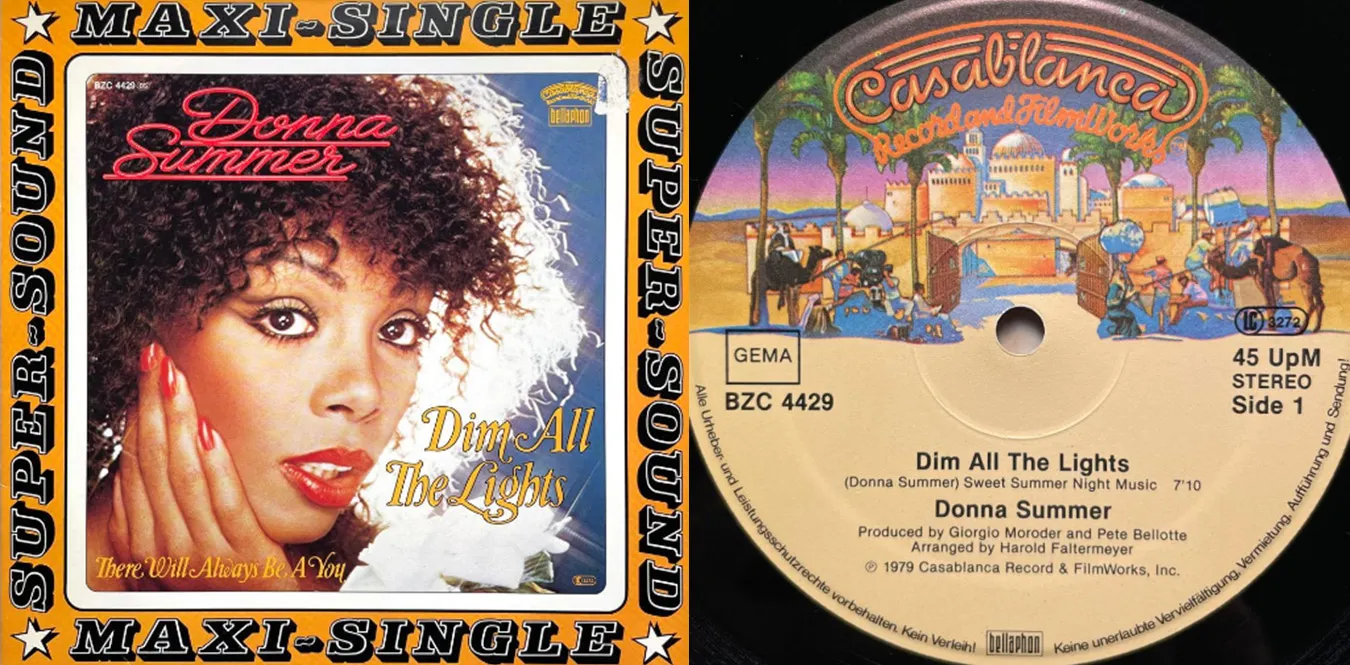
Donna Summer – Dim All The Lights
「Dim All The Lights 」は、1979 年にレーベルCasablancaからリリースされたDiscoトラック。
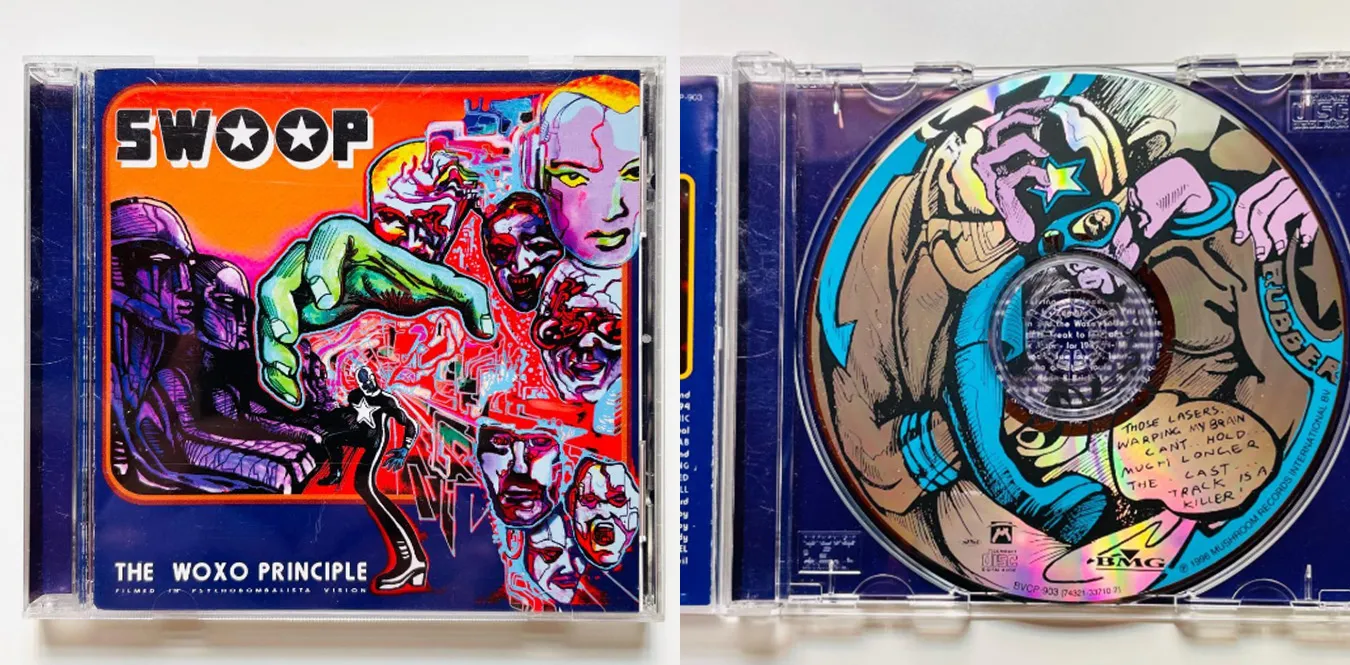
Swoop – The Woxo Principle
Swoop – The Woxo Principle
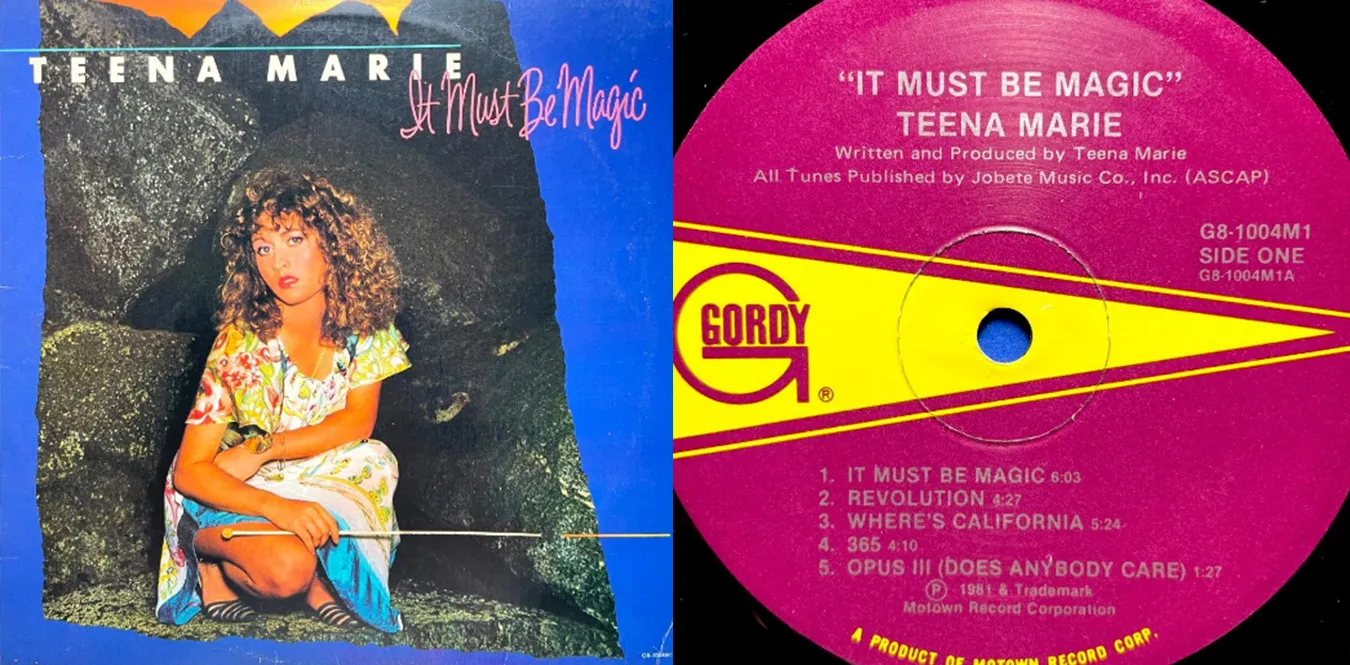
Teena Marie – It Must Be Magic
Lady T(レディT)の愛称で知られるTeena Marie(ティーナ・マリー)はアメリカのソウルとR&Bのシンガー。ユニークでソウルフルなソプラノヴォーカルスタイルが特徴。
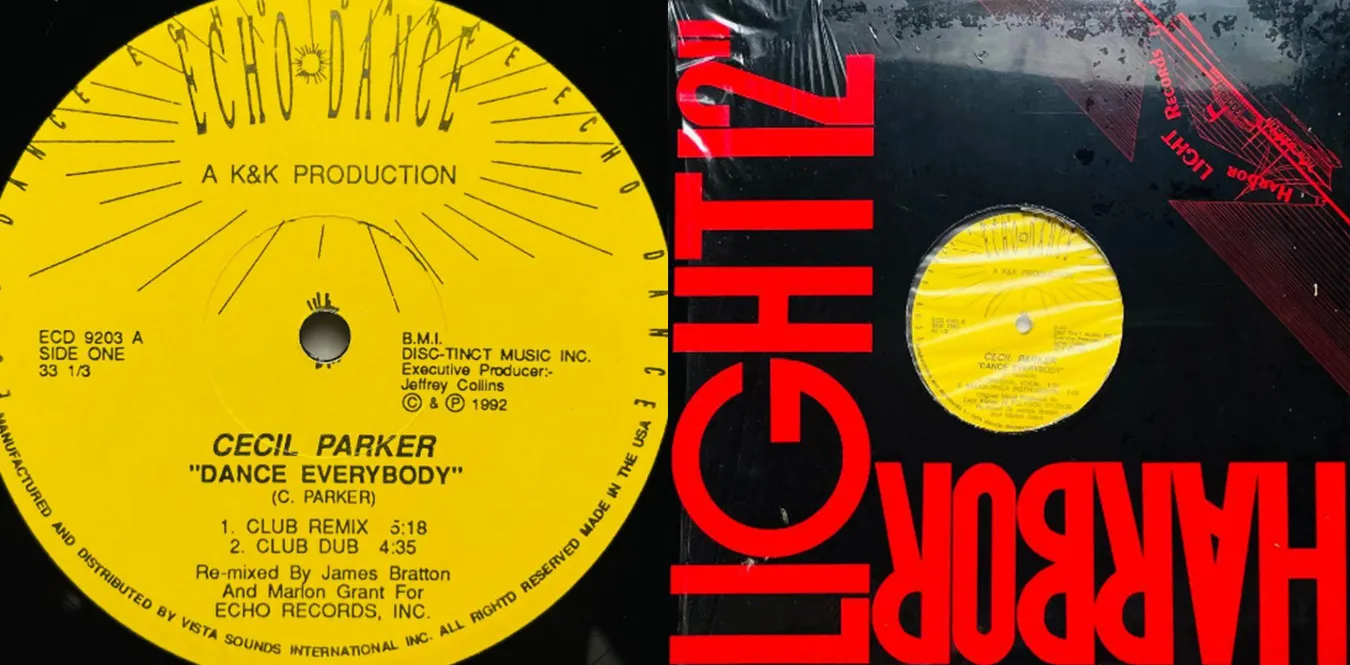
Cecil Parker – Dance Everybody
Cecil Parker(セシル・パーカー)は、フィラデルフィア出身の4オクターブを自在に操るボーカリスト&ソングライター。
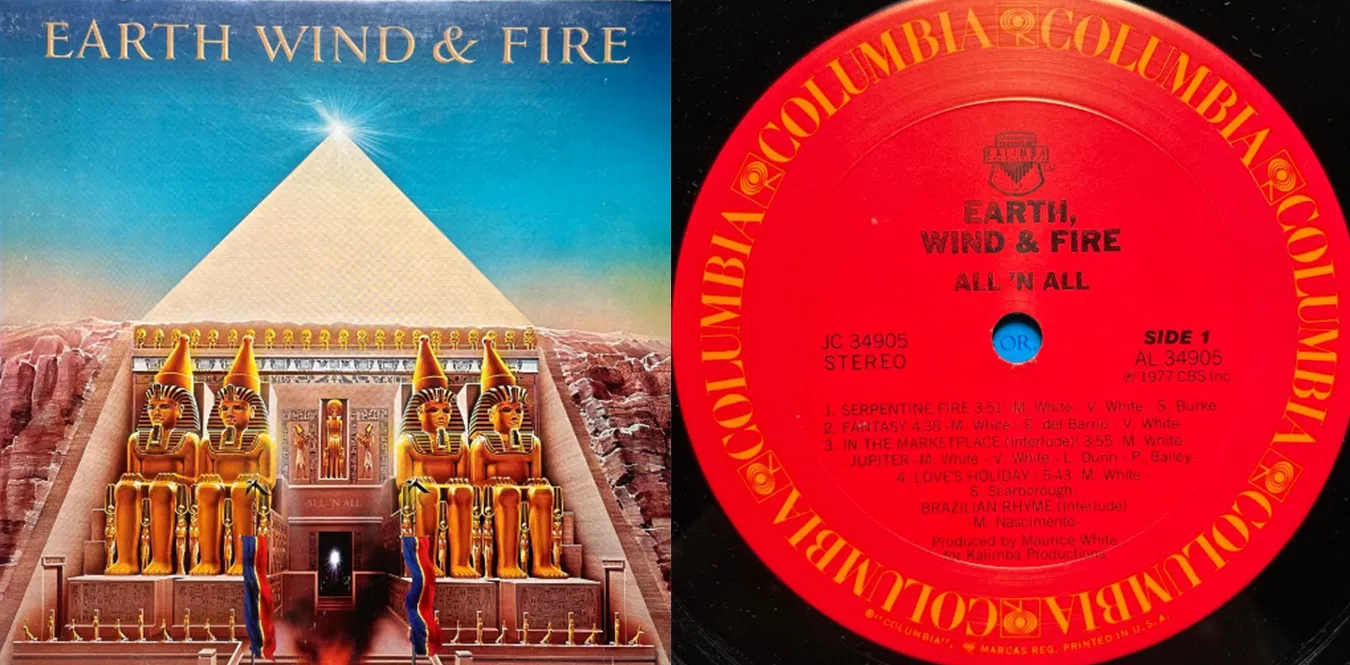
Earth, Wind & Fire – All 'N All
All ‘n Allは、1977年にコロンビア・レコードからリリースされたアメリカのバンドEarth, Wind & Fireの8枚目のスタジオ・アルバム。このアルバムは、US BillboardTop R&B/Hip-Hop Albumsチャートで1位を記録した、Earth, Wind & Fireの代表作。
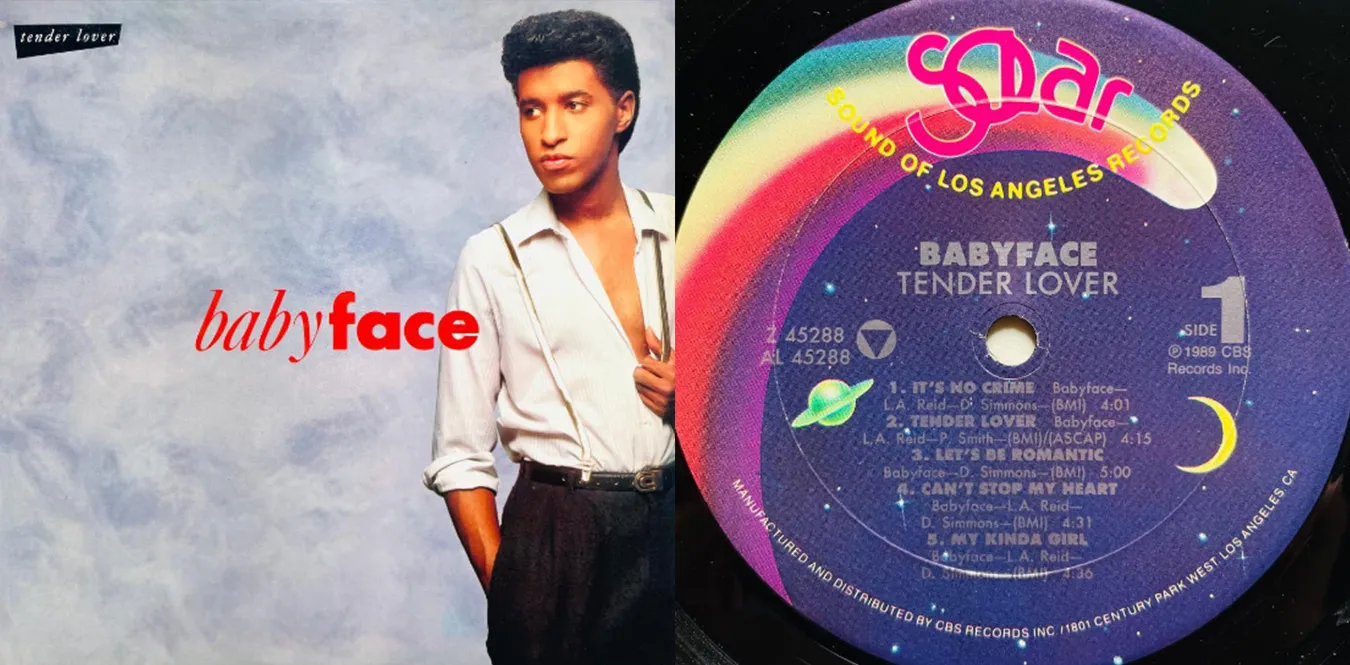
Babyface – Tender Lover
「Tender Lover」は、1989年にレーベルSOLAR(Sound of Los Angeles Records)からリリースされた、アメリカのR&BシンガーソングライターBabyfaceのセカンドスタジオアルバム。
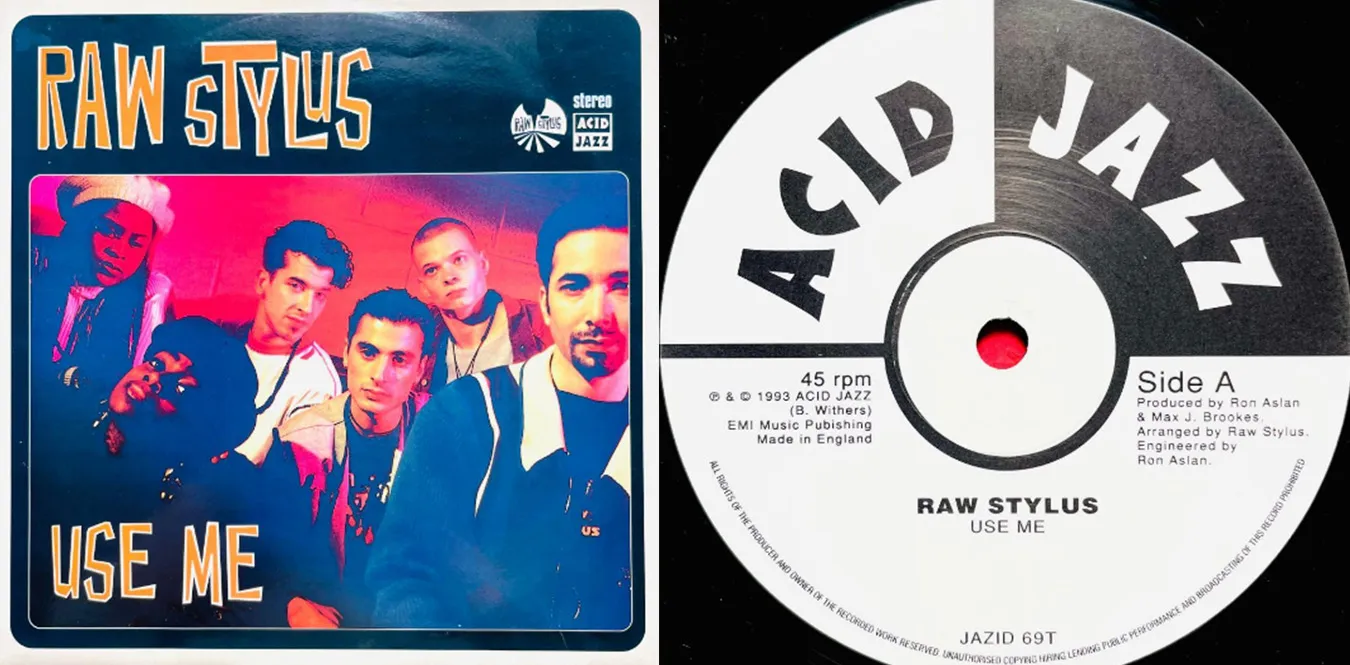
Raw Stylus – Use Me
1990年代に活動したUKのアシッドジャズバンドRaw Stylus(ロウ・スタイラス)がBill Withers(ビル・ウィザーズ)の1972年のsoul・R&B名曲「Use Me」をカヴァー。
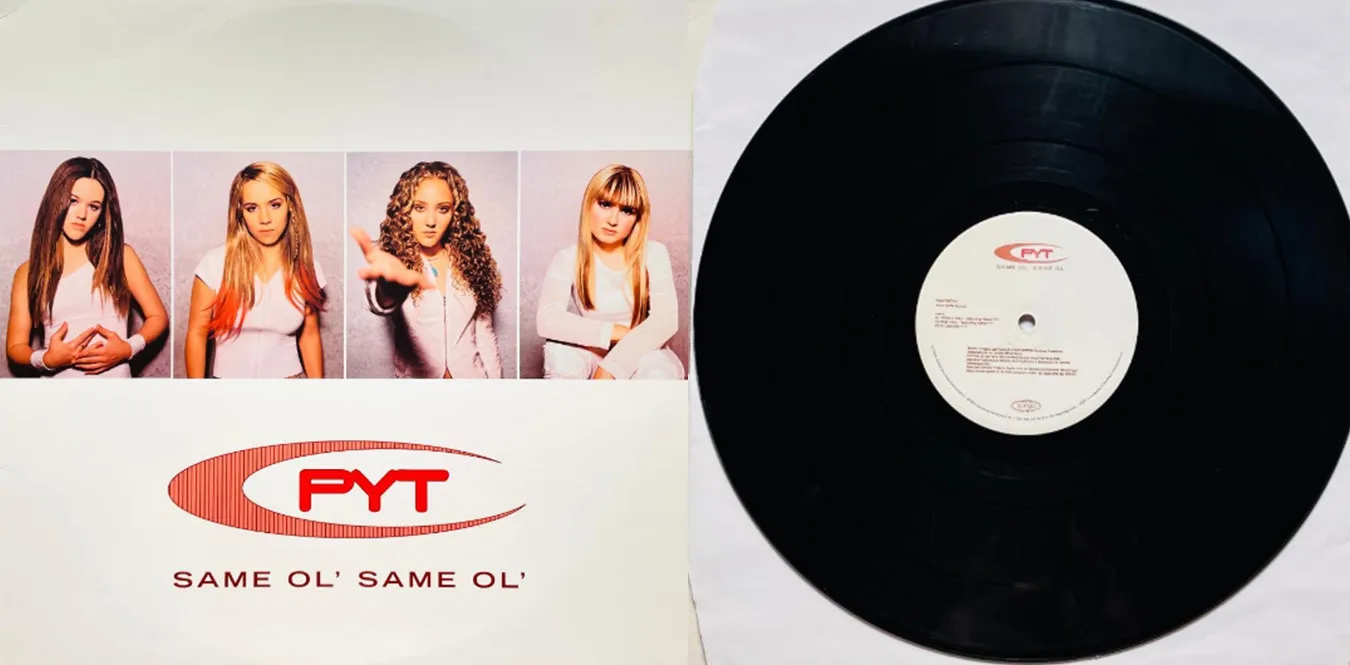
PYT – Same Ol' Same Ol'
P.Y.T.は、1998年から2002年に活動したフロリダ出身のUSガールズグループ。
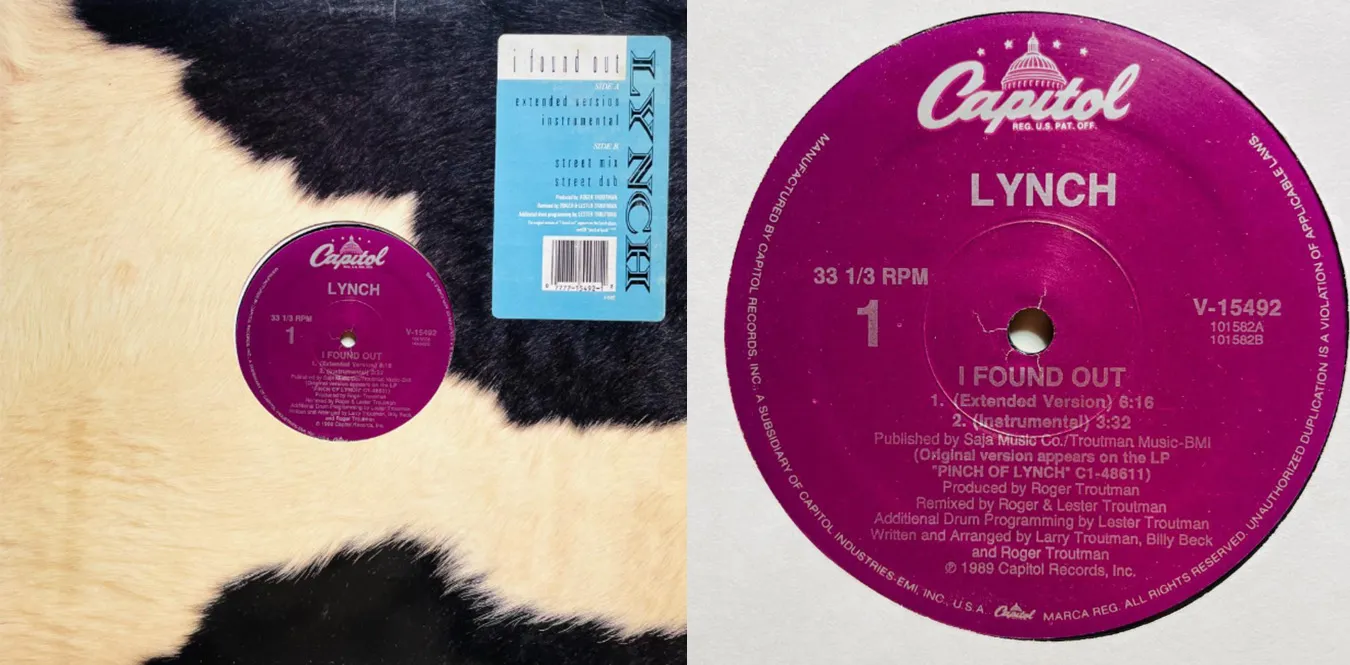
Lynch – I Found Out
Lynch(リンチ)ことRoger Lynch(本名Roger Troutman II)は、伝説的なUSのファンクミュージシャンRoger Troutman(ロジャー・トラウトマン)の息子。