[Column] The 100 most influential albums in music history: A new music history reconstructed solely by the degree of influence on contemporary music (Part 5, 41-50: Rock innovation and the birth of alternative)
Column en Folk Punk Rock![[Column] The 100 most influential albums in music history: A new music history reconstructed solely by the degree of influence on contemporary music (Part 5, 41-50: Rock innovation and the birth of alternative)](/../assets/images/column-influential-album-05.webp)
5th (41st to 50th)
ロックはなぜ、何度も生まれ変われたのか──革新を続けた10枚
1960年代、ロックは若者文化の象徴として世界中へ広がった。
しかし、ロックというジャンルが半世紀以上にわたって第一線であり続けた理由は、単なる人気や商業的成功ではない。
**Rock has denied himself many times, and each time he has been reborn into a new form. **
スタジオ録音を楽器へ変えた作品。
文学を持ち込んだ作品。
パンクによって既成概念を破壊した作品。
A work that embraces electronic music.
And this is a work that updates the very question of “What is rock?”
第5回で取り上げる10枚は、それぞれがロックの進化における分岐点となったアルバムである。
スタジオ革命"] B["1960s-70s
Expansion of expression"] C["1970年代後半
パンク革命"] D["1980年代
実験と融合"] E["1990〜2000年代
自己解体と再構築"] A --> B --> C --> D --> E
この流れを見れば分かるように、ロックの歴史とは、成功した様式を繰り返す歴史ではない。
むしろ、自ら築いた常識を壊し続けることで、新しい音楽文化を切り開いてきた歴史である。
今回紹介する作品は、いずれも後続のミュージシャンだけでなく、ポップス、ヒップホップ、電子音楽、さらには映画音楽やゲーム音楽にまで影響を与えた。
The ranking consists of the following 10 works.
| Ranking | Album | Historical significance |
|---|---|---|
| 41 | Revolver | The revolution that turned studio recording into a musical instrument |
| 42 | Abbey Road | アルバム芸術の完成形 |
| 43 | Blonde on Blonde | ロックへ文学性を導入 |
| 44 | Highway 61 Revisited | Fusion of folk and rock |
| 45 | Led Zeppelin IV | ハードロックの世界標準 |
| 46 | Never Mind the Bollocks, Here’s the Sex Pistols | パンク革命 |
| 47 | OK Computer | A masterpiece depicting the anxieties of the digital age |
| 48 | Kid A | ロックの自己解体 |
| 49 | Remain in Light | 世界音楽との融合 |
| 50 | Marquee Moon | ポストパンクの原点 |
If you follow these 10 photos in chronological order, one fact becomes clear.
ロックは常に「完成」を拒み、新しい表現へ踏み出してきた。
だからこそ、誕生から60年以上を経た現在でも、その影響は世界中の音楽に生き続けている。
Now, let’s take a look at the history of innovation starting with #41 – Revolver.
第5回 Part1(41位)
Revolver
“The moment the studio became an “instrument”“
Released on August 5, 1966, Revolver was a work that rewrote not only rock history, but the history of recording art as a whole.
もし『Sgt. Pepper’s Lonely Hearts Club Band』が「コンセプト・アルバム」という概念を完成させた作品だとすれば、『Revolver』は、その土台となるスタジオそのものを創作空間へ変えたアルバムだった。
Until then, a recording studio was simply a place to faithfully record performances.
しかし『Revolver』以降、スタジオは演奏を「再現」する場所ではなく、現実では演奏できない音を「創造」する場所へと変貌する。
現代のロック、電子音楽、ヒップホップ、アンビエント、さらには映画音楽に至るまで続く「スタジオ作品」という思想は、この作品から本格的に始まったと言っても過言ではない。
ツアー活動の終焉と創作への転換
1960年代半ば、The Beatlesは世界中を巡るツアーを続けていた。
しかし、熱狂的な歓声にかき消される演奏、急速に複雑化する新曲、過密なスケジュールは、ライヴ活動の限界を浮き彫りにしていた。
さらに1966年には、John Lennonによる「キリストより人気がある」という発言が大きな論争を巻き起こし、バンドは精神的にも大きな負担を抱えることになる。
こうした状況の中で、彼らはライブで再現できるかどうかを気にする必要がなくなり、録音そのものを創作の中心へ据えた。
『Revolver』は、その最初の本格的な成果である。
EMIスタジオで始まった実験
Production took place at EMI Recording Studios (now Abbey Road Studios) in London.
Producer George Martin and engineer Geoff Emerick broke away from traditional recording techniques and actively introduced new sonic experiments.
The main equipment used was a 4-track tape recorder, which was state-of-the-art at the time.
現在の感覚では極めて限られた環境だが、テープを何度もバウンス(ミックスダウン)しながら録音を重ねることで、多層的なサウンドを実現した。
限られた技術を逆手に取り、創意工夫によって新しい音世界を築いたのである。
“Performance” called tape manipulation
With Revolver, post-recording editing became as important as the performance itself.
代表例が『Tomorrow Never Knows』である。
In this song,
- テープループ
- 逆回転録音
- テープ速度の変更 *Artificial Double Tracking (ADT)
- Vocal processing through rotating speakers (Leslie speakers)
など、当時としては前例のない技法が次々と導入された。
これらは特殊効果ではなく、楽曲の構成要素そのものであった。
この発想は後のサンプリング、リミックス、DAWによる音楽制作へと直接つながる。
The origin of the idea of ”“creating music after recording,” which has become commonplace in modern times, can be seen in ““Revolver.”
インド音楽との本格的な出会い
『Revolver』は、西洋ロックが非西洋音楽を本格的に取り入れた最初期の重要作品でもある。
George Harrison learned Indian classical music in earnest from sitar player Ravi Shankar, and reflected the results in ““Love You To.’’
This is not just an exotic hobby.
旋律、リズム、演奏思想そのものを取り入れようとする試みであり、ロックが世界音楽へ目を向ける大きな契機となった。
その影響は後のサイケデリック・ロック、プログレッシブ・ロック、アンビエント、さらにはワールドミュージックという概念の成立にも及んでいる。
作曲スタイルの飛躍
In “Revolver,” each member’s individuality has clearly matured.
For ““Eleanor Rigby,’’ Paul McCartney goes beyond the boundaries of a rock band and employs a string octet to explore the theme of loneliness in a classically sounding way.
一方、John Lennonは『Tomorrow Never Knows』で意識の拡張や東洋思想に触発された歌詞世界を展開し、ロック・ソングの精神的な射程を大きく広げた。
さらにGeorge Harrisonは独自の作曲家としての存在感を強め、後のバンド内での創作バランスにも大きな変化をもたらしていく。
「録音」は演奏を超える
『Revolver』以前、多くのポピュラー音楽では「ライブ演奏をいかに忠実に録音するか」がレコーディングの目的だった。
However, in this work, that way of thinking is completely reversed.
Recording is no longer a means of preserving a performance; recording itself has become an act of creation.
This philosophy continues to be passed on to today’s DAW productions.
Today,
- Layer vocals dozens of times
- 演奏を細かく編集する
- サンプルを組み合わせる
- 空間そのものを設計する
Productions like this have become commonplace.
However, the origin of this idea lies in “Revolver”.
「完成した作品」と「演奏できる作品」が必ずしも一致する必要はないという考え方は、このアルバムによって一般化した。
Musical perspective that crosses genres
『Revolver』はロック・アルバムでありながら、実際には一つのジャンルへ収まらない。
アルバムには、
- Classic
- インド古典音楽
- モータウン・ソウル
- Psychedelia
- Baroque music
- 実験音楽
など、多様な要素が自然に共存している。
重要なのは、それらを単なる引用として使ったのではなく、ロックという器の中へ完全に消化したことである。
This attitude later established the value that ““crossing genres’’ is the very essence of creativity, from progressive rock, art rock, new wave, and even contemporary pop.
Evaluation at the time of release
発売直後、『Revolver』はイギリス、アメリカをはじめ世界各国で高い評価を受けた。
ただし、その革新性はあまりにも先進的だったため、すべての評論家がその意義を即座に理解したわけではない。
For some listeners who were expecting traditional rock music, this album seemed difficult and experimental.
But the musicians reacted very quickly.
多くのアーティストが録音技術や作曲法に衝撃を受け、翌年以降のロック作品は急速にスタジオ実験を取り入れていく。
In just a few short years, rock sound design itself has changed from before and after Revolver.
後世への影響
The impact this work has left is immeasurable.
スタジオを創作空間として捉える発想は、
*Pink Floyd *Radiohead
- Brian Eno
- Kraftwerk
など、多くの革新的アーティストへ受け継がれた。
さらに、ヒップホップにおけるサンプリング文化や、電子音楽のサウンドデザイン、アンビエントの空間設計、現代ポップスの多層的なプロダクションにも、その思想は深く浸透している。
「録音によって音楽を創る」という現在の制作常識は、『Revolver』なくしては語れない。
音楽史における位置付け
In this ranking, ““Sgt. Pepper’s Lonely Hearts Club Band’’ is ranked first.
However, that revolution would not have been possible without ““Revolver.’’
『Sgt. Pepper’s』が「完成形」であるならば、『Revolver』は「発明」である。
スタジオを楽器へ変え、録音技術を創作へ転換し、ジャンル横断的な発想を一般化した本作は、1960年代後半以降のポピュラー音楽の方向性を決定付けた。
ロックはここで、演奏中心の音楽から、音そのものを設計する芸術へと進化したのである。
Why is it ranked 41st?
『Revolver』は、スタジオ録音の概念を根本から変え、現代音楽制作の礎を築いた歴史的作品である。
Its influence continues today in three aspects: recording techniques, composition methods, and genre fusion.
一方で、本ランキングでは『Sgt. Pepper’s Lonely Hearts Club Band』を「アルバム芸術の完成」としてより高く評価しているため、本作は第41位とした。
それでも、『Revolver』がなければ、その後のロック、電子音楽、ヒップホップ、アンビエント、さらにはデジタル時代の音楽制作はまったく異なる姿になっていただろう。
「『Revolver』は、レコーディング・スタジオを単なる録音設備から創造のための楽器へと変えた。録音という行為そのものを芸術へ昇華した歴史的転換点として、本ランキング第41位に位置付ける。」
第5回 Part2(42位)
Abbey Road
「アルバムという芸術形式が完成した瞬間」
1969年9月26日に発表されたAbbey Roadは、単なるヒット・アルバムではない。
それは、20世紀のポピュラー音楽において「アルバム」というフォーマットが、一つの総合芸術として完成したことを示す歴史的作品である。
皮肉なことに、本作が制作された頃、The Beatlesの内部では人間関係の悪化が深刻化し、グループとしての結束は大きく揺らいでいた。
しかし、その緊張関係は逆説的にメンバー一人ひとりの創造性を極限まで引き出し、結果としてバンド最後の完成形とも言うべき作品を生み出した。
『Abbey Road』は、「解散寸前のバンド」が残した作品であると同時に、「スタジオ芸術」が到達した一つの頂点でもあった。
Band headed for collapse
1968年のThe Beatles (White Album)以降、メンバー間の方向性の違いは急速に広がっていた。
Conflicts over business management, creative initiative, and interest in individual activities all combined to undermine the sense of unity they once had.
さらに、マネージャーであったBrian Epsteinの死による空白も、バンド運営に大きな影響を与えていた。
そうした状況の中で、プロデューサーのGeorge Martinは、「最後にもう一度、本気でアルバムを作ろう」とメンバーへ提案したとされる。
その言葉に応えるように、4人は互いの距離を保ちながらも、作品の完成という共通目標に向かって力を結集した。
最新技術がもたらした音響の飛躍
録音は、ロンドンのAbbey Road Studiosで行われた。
本作では、それまでの4トラック録音から大きく進歩した8トラック・レコーダーが本格的に導入され、各パートをより精密に録音・編集できるようになった。
また、エンジニアのGeoff Emerickらは、
- 高精度なマルチトラック録音
- ステレオ空間の緻密な設計
- Utilization of synthesizer
- Advancing overdubbing technology
など、当時最先端の技術を惜しみなく投入した。
その結果、『Abbey Road』は1960年代作品でありながら、現代のリスナーにも驚くほど鮮明で立体的なサウンドを持っている。
Introduction of Moog Synthesizer
本作で特筆すべき革新の一つが、Robert Moogが開発したモーグ・シンセサイザーの積極的な導入である。
当時、この楽器はまだ研究機関や実験音楽の領域で使われることが多く、ポピュラー音楽では非常に珍しい存在だった。
『Here Comes the Sun』や『Because』などでは、その独特の柔らかな電子音が自然に楽曲へ溶け込み、「シンセサイザーは特殊効果ではなく、音楽表現の一部になり得る」ことを示した。
これは後のプログレッシブ・ロック、電子音楽、ニューウェーブ、シンセポップへと続く重要な布石となった。
The invention of B-side medley
『Abbey Road』最大の特徴は、B面後半に配置された約16分間のメドレーである。
短い楽曲や未完成だったアイデアを、一つの流れとして再構成するという手法は、それまでのロック・アルバムではほとんど例がなかった。
『You Never Give Me Your Money』から始まり、『Golden Slumbers』『Carry That Weight』、そして『The End』へ至る流れは、個々の楽曲を超え、一つの交響曲のような構成美を持っている。
アルバム全体を「一つの作品」として設計するこの発想は、後のプログレッシブ・ロックやコンセプト・アルバムに多大な影響を与えた。
一人ひとりが到達した創作の成熟
"”Abbey Road’’ shows that all members have reached a mature stage in their compositional abilities.
John Lennon created a minimalist groove that fused blues and rock with ““Come Together,” and in ““Because,” he completed a fantastical harmony by layering three-part choruses over and over again.
Paul McCartney displayed his talent as a melody maker and played a central role in integrating the entire B-side medley into a single narrative.
そしてGeorge Harrisonは、『Something』と『Here Comes the Sun』という二つの代表作を提供する。
特に『Something』は、Frank Sinatraが「過去50年間で最も美しいラブソング」と称賛したことでも知られ、ハリスンが優れたソングライターであることを世界に証明した。
一方、Ringo Starrも『Octopus’s Garden』で温かな個性を示し、アルバム全体のバランスに貢献している。
The jacket becomes a cultural phenomenon
『Abbey Road』の影響は、音楽だけにとどまらない。
The jacket photo of four people walking across a crosswalk in front of the studio has become one of the most famous artworks in the history of popular music.
Even today, fans from all over the world visit Abbey Road crossing and take pictures with the same composition.
アルバム・ジャケットが単なるパッケージではなく、文化的シンボルとなり得ることを示した代表例である。
発売当時の評価
Immediately after its release, ““Abbey Road’’ achieved great commercial success, topping charts around the world.
当時の批評には賛否も見られたが、その完成度の高さは広く認められ、やがて「ビートルズ後期の最高傑作」として評価が定着していく。
特にB面メドレーの構成美は、ロック・アルバムをクラシック音楽の組曲や交響曲のように鑑賞する視点を一般化させた。
後世への影響
Abbey Road set the standard for subsequent albums.
特に影響を受けたアーティストとしては、
- Pink Floyd
- Electric Light Orchestra
- Queen
- Radiohead
などが挙げられる。
Furthermore, the structure of seamlessly connecting songs and the album’s design, which was designed to be listened to as a single album, were carried over not only to rock, but also to concept albums in progressive rock, ambient, electronic music, and hip-hop.
Position in music history
『Abbey Road』は、ビートルズ最後のレコーディング・アルバムであると同時に、「アルバム」という表現形式が成熟したことを示す象徴的作品でもある。
『Revolver』がスタジオを創造の場へ変え、『Sgt. Pepper’s Lonely Hearts Club Band』がアルバムを芸術へ昇華したとすれば、『Abbey Road』はその二つの成果を高度な技術と構成力によって完成形へ導いた。
ここで確立された制作思想は、現在のアルバム制作にもなお色濃く残っている。
Why is it ranked 42nd?
『Abbey Road』は、録音技術、演奏、作曲、構成、アートワークを高度に統合し、アルバムというメディアの完成形を提示した作品である。
On the other hand, this ranking ranks this work at number 42, as it rates ““Sgt.
However, given its level of perfection and its influence on future generations, there is no doubt that Abbey Road is one of the most accomplished albums in the history of popular music.
“‘Abbey Road’ is a work that has completed the rock album as a comprehensive art form. It ranks 42nd in this ranking as a historical achievement that matured recording technology, compositional beauty, sound design, and the album format itself.”
5th Part 3 (43rd place)
Blonde on Blonde
「ロックが文学になった瞬間」
1966年6月20日に発表されたBlonde on Blondeは、ロック・ミュージックが単なる娯楽や若者文化ではなく、文学や芸術と対等に語られる表現形式となる転換点を象徴する作品である。
Even before that, Bob Dylan had expanded the possibilities of folk and rock with ““The Freewheelin’ Bob Dylan,” ““Bringing It All Back Home,” and ““Highway 61 Revisited.’’
しかし『Blonde on Blonde』では、その音楽性と詩的世界がかつてない完成度へ到達する。
愛、孤独、欲望、宗教、幻想、時間、都市、記憶──。
こうしたテーマが、比喩と象徴に満ちた言葉で織り上げられ、ロックの歌詞は「メッセージ」から「文学」へと進化したのである。
「エレクトリック・ディラン」の完成
1965年、Newport Folk Festivalでエレクトリック・ギターを手にしたディランは、フォーク界から激しい批判を受けた。
しかし本人は、その反発に屈することなく、新しい音楽を追求し続けた。
『Highway 61 Revisited』でロックとの融合を成功させた彼は、その延長線上に『Blonde on Blonde』を制作する。
本作は、「フォークからロックへ移行したディラン」ではなく、完全に新しい表現者として生まれ変わったディランを決定づける作品となった。
ナッシュビルで生まれた新しいサウンド
Production took place primarily at Columbia Studio A in Tennessee, USA.
At the time, Nashville was the center of country music, attracting many top session musicians.
By performing with them, Dylan
- ブルース
- カントリー
- ロックンロール
- フォーク
- Gospel
を自然に融合させた独特のサウンドを築き上げる。
プロデューサーのBob Johnstonは、演奏の即興性を尊重し、スタジオ全体がライブのような緊張感を保てる環境を整えた。
その結果、本作には機械的な完成度ではなく、人間的な揺らぎと躍動感が刻み込まれている。
二枚組という挑戦
"”Blonde on Blonde’’ is also significant as one of the first full-fledged double albums in rock history.
当時、二枚組という形式はクラシックやジャズでは例があったものの、ロックでは極めて珍しかった。
それだけの分量を必要とした理由は、単なる楽曲数ではない。
ディランは、一つのアルバムを「短いヒット曲の集合」ではなく、一冊の長編小説のような世界として構想していた。
『Visions of Johanna』『Stuck Inside of Mobile with the Memphis Blues Again』『Sad Eyed Lady of the Lowlands』などは、それぞれが独立した物語でありながら、アルバム全体で一つの文学的宇宙を形成している。
「意味」より「イメージ」の歌詞
Dylan’s lyrics were radically different from previous popular music.
従来の歌詞が物語や恋愛を比較的明確に描いていたのに対し、『Blonde on Blonde』では、
- 象徴
- 超現実的な描写
- polysemous words
- 詩的飛躍
が連続する。
One interpretation alone is not enough; new meanings arise each time you read or listen to it.
この文学的な手法は、後のシンガーソングライターやオルタナティブ・ロックの作詞に決定的な影響を与えた。
「歌詞」を芸術へ引き上げたアルバム
『Blonde on Blonde』以前にも、優れたソングライターは数多く存在した。
However, what was groundbreaking about this work was that the lyrics were not an element that complemented the melody, but had the value of being appreciated as a literary work in and of itself.
ディランは日常的な言葉と抽象的なイメージを自在に行き来し、聴き手に明確な答えを提示するのではなく、解釈する余地を残した。
This concept of ““open lyrics’’ was an idea that had almost never been seen in popular music up until then.
It was here that rock evolved from music that conveyed a message to an art form in which readers (listeners) found meaning.
“Thin Wild Mercury Sound”
ディランは本作のサウンドを、後に「Thin Wild Mercury Sound(細く、野性的で、水銀のような音)」という印象的な言葉で表現している。
それは決して重厚でも華麗でもない。
少し歪み、揺らぎ、不安定でありながら、不思議な推進力を持つ音だった。
この独特の質感は、
- 即興演奏を重視した録音
- Flexible performance by Nashville session musicians
- Dylan’s own free singing
によって生み出された。
完成度を磨き上げるよりも、「その瞬間にしか生まれない空気」を封じ込めるという制作思想は、その後のロックやアメリカーナ、オルタナティブ・カントリーにも大きな影響を与えている。
発売当時の評価
"”Blonde on Blonde”’ received high praise immediately after its release and was hailed as Dylan”s masterpiece.
On the other hand, its length, difficult lyrics, and abstract worldview were very different from typical pop albums, so it was not a work that all listeners could easily understand.
しかし評論家やミュージシャンの間では、その革新性は早くから認識され、ロックが文学や現代詩と肩を並べる表現であることを証明した作品として語られるようになる。
In later years, it was selected by numerous rankings as one of the ““best albums of all time,’’ and is considered to represent the pinnacle of Dylan’s creativity.
後続アーティストへの影響
『Blonde on Blonde』は、歌詞を書くという行為そのものを変えた。
その影響は、
- Bruce Springsteen
- Patti Smith
- Elvis Costello
- Nick Cave *Leonard Cohen
- R.E.M.
など、ロックやフォークのみならず、文学性を重視するあらゆるシンガーソングライターへ受け継がれていく。
さらに、歌詞を物語や詩として読む文化は、後のヒップホップにおけるリリシズムの発展にも少なからぬ影響を与えた。
Position in music history
『Blonde on Blonde』は、「ロックは知的な芸術になり得る」という考え方を決定的なものにした。
この作品以降、アルバムは単なるヒット曲の集合ではなく、一人の作家が世界観や思想を提示するメディアとして受け止められるようになる。
後年、Bob DylanがNobel Prize in Literatureを受賞したことは、その文学性が音楽の枠を超えて評価された象徴的な出来事だった。
Of course, this achievement is not just due to one album.
しかし、『Blonde on Blonde』がその文学的世界を最も完成度高く結晶化した作品の一つであることは間違いない。
なぜ43位なのか
『Blonde on Blonde』は、ロックの歌詞を文学的表現へと押し上げ、シンガーソングライターという創作者像を決定付けた歴史的名盤である。
本ランキングでは、録音技術やジャンル構造そのものを変えた作品をより上位に位置付けているため第43位としたが、歌詞表現の進化という観点では、音楽史における最重要作品の一つである。
ロックはこのアルバムによって、「踊るための音楽」から「読むための音楽」へも進化したのである。
「『Blonde on Blonde』は、ロックに文学的想像力をもたらし、歌詞を芸術作品として鑑賞する文化を確立した。シンガーソングライターという概念を決定づけた歴史的作品として、本ランキング第43位に位置付ける。」
第5回 Part4(44位)
Highway 61 Revisited
「フォークとロックが衝突し、新しい時代が始まった瞬間」
1965年8月30日に発表されたHighway 61 Revisitedは、ロック史における最大級の転換点の一つである。
この作品によって、フォーク・ミュージックとロックンロールという、それまで異なる文化として存在していた二つの世界が本格的に融合した。
その結果、ロックは単なる若者向けの娯楽から、社会や文学、政治、個人の思想を表現できる芸術へと変貌していく。
『Highway 61 Revisited』は、その入口となったアルバムだった。
ニューポートで起きた「事件」
1965年7月25日、Bob DylanはNewport Folk Festivalにエレクトリック・バンドを率いて出演する。
The moment Dylan, a folk icon, picked up an electric guitar, the audience erupted with cheers and boos.
その理由については現在も諸説ある。音響トラブルや演奏時間の短さへの不満も指摘されているが、多くの観客にとって、フォークの象徴がロックへ接近したことは大きな衝撃だった。
この出来事は、単なるコンサートの一幕ではない。
It has been passed down as one of the most representative events in the history of popular music, where “tradition” and “innovation” collided head-on.
『Highway 61 Revisited』は、そのわずか1か月後に発売された。
Highway 61が意味するもの
アルバムタイトルにある「Highway 61」は、アメリカ中部から南部へ伸びる実在の幹線道路である。
この道は、
- Minnesota(ディランの故郷)
- Memphis
- New Orleans
などを結び、ブルース、カントリー、ロックンロールが育まれた音楽文化の大動脈でもあった。
ディランはこの道を象徴として用いることで、アメリカ音楽の伝統そのものを一枚のアルバムへ凝縮したのである。
「Like a Rolling Stone」の衝撃
アルバム冒頭を飾る『Like a Rolling Stone』は、音楽史を変えた一曲として知られる。
それまでラジオ向けシングルは3分前後が常識だった。
しかし、この曲は6分を超える長さを持ちながら、世界的なヒットとなった。
さらに、
- 長編小説のような歌詞
- Sound centered on organ
- 強烈なスネア
- 畳み掛けるようなボーカル
, it presented a completely different expression from previous pop songs.
この成功は、「長くても、難しくても、優れた音楽は受け入れられる」という新しい常識を音楽業界へもたらした。
録音スタジオで生まれた新しいグルーヴ
録音はColumbia Studio Aで行われた。
プロデューサーはTom Wilson、その後一部セッションではBob Johnstonが引き継いだ。
演奏には後にThe Bandとして活動するメンバーとも交流のあった実力派ミュージシャンが参加し、即興性を重視したセッションが行われた。
ディランは譜面どおりに演奏することよりも、その場で生まれる偶然や勢いを重視した。
この制作スタイルは後のロック・バンドに大きな影響を与え、「スタジオでもライブの生命力を残す」という思想へつながっていく。
フォーク・ロックという新しい言語
With the success of ““Highway 61 Revisited’’, the fusion of folk and rock became established as a new genre rather than a temporary experiment.
ディランが示したのは、アコースティックかエレクトリックかという単純な選択ではない。
重要だったのは、フォークの思想と言葉を、ロックのエネルギーで届けるという発想だった。
Under the influence of this
- The Byrds
- Simon & Garfunkel
- The Band
- Crosby, Stills, Nash & Young
などがフォーク・ロックを発展させ、1960年代後半のロック・シーンを大きく塗り替えていく。
ロックに「知性」が宿る
Before ““Highway 61 Revisited,’’ rock lyrics were mostly about love and youth.
しかし本作では、
- 聖書
- アメリカ文学
- シュルレアリスム
- 社会風刺
- ブラックユーモア
といった多様な要素が歌詞へ取り入れられた。
ディランは答えを提示するのではなく、象徴や比喩を用いて聴き手へ問いを投げ掛ける。
このスタイルは、その後のロックを単なる娯楽から、知的・芸術的な表現へ押し上げる原動力となった。
発売当時の評価
発売直後、本作は高い評価を受ける一方で、フォーク界からは依然として賛否両論だった。
しかしロック・ミュージシャンたちは、その革新性を瞬く間に受け入れる。
特に『Like a Rolling Stone』は、シングルの概念そのものを変えた作品として音楽業界に衝撃を与えた。
ラジオ局も例外ではなく、「長い曲は放送できない」という慣例は、この作品の成功によって徐々に崩れていく。
後続アーティストへの影響
『Highway 61 Revisited』の影響は、1960年代後半以降のロック全体へ広がった。
especially,
- Bruce Springsteen
- Tom Petty
- Patti Smith
- Neil Young
- Elvis Costello
They inherited the path of ““literary rock’’ pioneered by Dylan, and each developed it into their own unique expression.
さらに、シンガーソングライターという創作者像が世界的に広まる契機となり、1970年代以降のロックやフォークの方向性を決定づけた。
Position in music history
『Highway 61 Revisited』は、「ロックは何を歌うことができるのか」という問いに、新しい答えを示した作品である。
フォークの思想、ブルースの伝統、ロックンロールの推進力を融合することで、ポピュラー音楽は社会や哲学、文学を扱う器へと進化した。
Considering that ““Blonde on Blonde,’’ released the following year, further deepened its literary quality, it can be said that this work was truly the starting point of a revolution.
なぜ44位なのか
『Highway 61 Revisited』は、フォークとロックを融合し、ロックに文学性と社会性を持ち込んだ歴史的作品である。
また、『Like a Rolling Stone』によって、シングルの長さや構成に関する既成概念を覆し、音楽産業の慣例にも大きな影響を与えた。
本ランキングでは、その思想をさらに成熟させた『Blonde on Blonde』を一つ上位に位置付けているため第44位としたが、本作がなければ、その後のシンガーソングライター文化やフォーク・ロックの発展は考えられなかった。
『Highway 61 Revisited』は、ロックが若者文化から現代芸術へ踏み出した、その最初の大きな一歩なのである。
「『Highway 61 Revisited』は、フォークの思想とロックのエネルギーを結び付け、ポピュラー音楽に新たな知性と文学性をもたらした。ロックの表現領域を決定的に拡張した歴史的転換点として、本ランキング第44位に位置付ける。」
5th Part 5 (45th place)
Led Zeppelin IV
「ロックに“ヘヴィ”という新しい美学を与えたアルバム」
1971年11月8日に発表されたLed Zeppelin IVは、ハードロックというジャンルを完成へ導き、その後のヘヴィメタル、オルタナティブ・ロック、さらにはグランジに至るまで続く「重い音」の美学を確立した歴史的作品である。
本作以前にも、大音量のロックは存在していた。
しかし、『Led Zeppelin IV』は単に音を大きくしたのではない。
ブルース、フォーク、ケルト音楽、神話的世界観、卓越した演奏技術、そして当時最先端の録音技術を融合することで、「ヘヴィネス」を一つの芸術表現へと昇華したのである。
今日、「ロックらしいギターサウンド」と聞いて多くの人が思い浮かべる音像の多くは、このアルバムを源流としている。
Album without title
興味深いことに、本作には正式なタイトルが存在しない。
Neither the band name nor the title of the work is written on the jacket, and only four symbols representing the four members are drawn on the inner bag.
これは、前作『Led Zeppelin III』が一部の批評家から厳しい評価を受けたことへの反発でもあった。
Jimmy Pageは、「作品そのものを評価してほしい」という意思から、あえてタイトルや説明を排除した。
結果として、このアルバムは『Led Zeppelin IV』『Four Symbols』『Untitled』など複数の呼び名で親しまれることになる。
カントリー・ハウスでの録音革命
アルバムの大部分は、イングランド・ハンプシャーにあるHeadley Grangeで録音された。
At the time, much of their work was created in studios, but Led Zeppelin actively utilized the natural reverberations of the mansion.
録音には、移動式録音システムであるThe Rolling Stones Mobile Studioが使用され、建物の階段やホール、石壁が天然のリバーブ装置として機能した。
In particular, the huge drum sound that can be heard on ““When the Levee Breaks” is known to have been recorded with a microphone installed in a stairwell, and its acoustics are still talked about as one of the ““best drum recordings of all time.”
四人が生み出した圧倒的なアンサンブル
『Led Zeppelin IV』は、四人の卓越した演奏能力が最も高いレベルで結実した作品でもある。
- Jimmy Pageの重厚かつ繊細なギター
- Robert Plantの圧倒的なハイトーン・ボーカル *Bass, keyboards, arrangement by John Paul Jones
- John Bonhamの爆発的なドラミング
この四人が対等に機能することで、単なるハードロックを超えた、ダイナミックかつ緻密なサウンドが生まれた。
『Stairway to Heaven』という神話
本作最大の象徴は、言うまでもなく『Stairway to Heaven』である。
約8分に及ぶこの楽曲は、
- 静かなアコースティック・イントロ
- 中盤のドラマティックな展開
- Amazing guitar solo
- クライマックスへ向かう高揚感
という構成を持ち、一曲の中で小品から大作へと変貌する。
シングルとして発売されなかったにもかかわらず、世界で最も有名なロック・ソングの一つとなり、アルバム中心主義の時代を象徴する存在となった。
『Stairway to Heaven』は、「ヒット曲は短くあるべき」というポップスの常識に再び挑戦し、長大な楽曲でも人々の心を動かせることを証明した。
ヘヴィメタルの設計図となった一枚
『Led Zeppelin IV』はハードロックの代表作として語られることが多いが、その影響は後に誕生するヘヴィメタルにも深く及んでいる。
特に、
- Heavily distorted guitar riff
- 圧倒的なドラムサウンド
- 高音域を生かしたボーカル
- 神話や幻想文学を取り入れた世界観
- 静と動を劇的に対比させる楽曲構成
といった要素は、1970年代後半以降のヘヴィメタルにおける基本的な文法となった。
もちろん、ヘヴィメタルの成立にはBlack SabbathやDeep Purpleの存在も欠かせない。
しかし、『Led Zeppelin IV』は「ヘヴィであること」を単なる音量や速度ではなく、音響・構成・演奏・神話性を含めた総合的な美学として提示した点で、極めて重要な意味を持っている。
発売当時の評価
発売直後、本作は世界中で爆発的なセールスを記録し、レッド・ツェッペリンを世界最大級のロック・バンドへ押し上げた。
一方で、当時の一部音楽評論家は依然としてバンドに批判的であり、その演奏やブルースからの影響について厳しい論評も見られた。
しかし、リスナーの支持は圧倒的だった。
やがて『Led Zeppelin IV』はロック史上最高のセールスを記録したアルバムの一つとなり、その評価は時代を経るごとに高まっていく。
It is now widely recognized as a historical masterpiece that combines commercial success and artistic perfection.
後続アーティストへの影響
Led Zeppelin IV’s influence extends to all areas of rock.
直接・間接にその影響を受けた代表的なアーティストとしては、
- Van Halen
- Iron Maiden
- Metallica
- Soundgarden
- Nirvana *Foo Fighters
などが挙げられる。
What’s more, drum recording techniques remain a textbook for recording engineers today, and the sound from When the Levee Breaks has been sampled and quoted countless times.
音楽史における位置付け
『Led Zeppelin IV』は、「重いロック」を一過性の流行ではなく、普遍的な表現形式へと押し上げた作品である。
ブルースを起点としながらも、フォーク、ケルト音楽、神話、スタジオ技術を融合することで、ロックはより壮大で立体的な芸術へ進化した。
その後のハードロック、ヘヴィメタル、グランジ、ストーナー・ロック、オルタナティブ・メタルまで、この作品の影響を受けていないジャンルを探す方が難しい。
Why is it ranked 45th?
『Led Zeppelin IV』は、ハードロックとヘヴィメタルの美学を完成させ、「ヘヴィ」という概念をポピュラー音楽の中心へ定着させた歴史的作品である。
一方で、本ランキングでは録音技術やアルバムという形式そのものを変革した作品をより上位に位置付けているため、第45位とした。
しかし、本作が示した重厚なサウンド、美しいダイナミクス、卓越した演奏、そしてアルバム全体を貫く神話的世界観は、半世紀以上を経た現在でもロックの一つの理想形であり続けている。
「『Led Zeppelin IV』は、ハードロックを芸術の域へ高め、ヘヴィメタルの美学と音響設計の基礎を築いた。『ヘヴィであること』を一つの表現思想へ昇華した歴史的作品として、本ランキング第45位に位置付ける。」
第5回 Part6(46位)
Never Mind the Bollocks, Here’s the Sex Pistols
“An album that broke rock and created an era where anyone could start playing music”
Never Mind the Bollocks, Here’s the Sex Pistols, released on October 28, 1977, is a landmark album that not only symbolizes punk rock, but also overturns the very values of popular music.
この作品がもたらした革命は、演奏技術の革新でも、録音技術の進歩でもなかった。
それは、「音楽とは誰のものか」という根本的な問いへの回答だった。
高度な演奏技術や音楽教育を受けた者だけがロックスターになれるという1960年代から1970年代前半の価値観に対し、セックス・ピストルズは真っ向から異議を唱えた。
“You just need to play a few instruments. If you have something to say, form a band.”
この思想は、後のインディー・ロック、オルタナティブ・ロック、ハードコア・パンク、さらには現代のDIYカルチャーへと受け継がれていく。
1970年代イギリスという時代
本作を理解するためには、1970年代半ばのイギリス社会を見る必要がある。
当時のイギリスは、
- 深刻なインフレーション
- 若年層の高い失業率
- 労働争議の頻発
- 産業競争力の低下
- Feeling stuck in the future
It was covered in
一方、音楽シーンではプログレッシブ・ロックやアリーナ・ロックが巨大化し、演奏技術は高度になる一方で、多くの若者にとっては手の届かない存在になっていた。
そのような状況の中で現れたセックス・ピストルズは、「音楽をエリートから取り戻す」という象徴的存在となる。
マルコム・マクラーレンという仕掛け人
バンドの誕生には、マネージャーのMalcolm McLarenの存在が欠かせない。
ロンドンのブティック「SEX」を共同経営していた彼は、音楽だけでなくファッション、広告、挑発的なメディア戦略を一体化させ、セックス・ピストルズを一つの文化現象として演出した。
また、衣装デザインを手掛けたVivienne Westwoodは、安全ピンや破れた服、レザーといったスタイルをファッションとして昇華し、後のパンク・ファッションの原型を築いた。
つまり、本作の革命性は音楽だけではなく、「音」「言葉」「服装」「グラフィック」「態度」を含めた総合的なカルチャーにあった。
録音とサウンド
アルバム制作では複数回のレコーディングが行われたが、最終的なプロデュースはChris ThomasとBill Priceが中心となった。
パンクは粗削りな音という印象が強いが、『Never Mind the Bollocks』のサウンドは意外なほど緻密である。
何本ものギターを重ね録りし、分厚く歪んだ壁のようなサウンドを構築する一方、ボーカルやリズム隊は明瞭に配置されている。
このプロダクションは、単なるライブの再現ではなく、スタジオ作品として強烈なインパクトを持つことを意図して設計されていた。
『Anarchy in the U.K.』と『God Save the Queen』
The album includes songs that are representative of punk history, such as “Anarchy in the U.K.,” “God Save the Queen,” and “Pretty Vacant.”
特に『God Save the Queen』は、Silver Jubilee of Elizabeth IIの年に発表され、その挑発的な歌詞とジャケットによってイギリス社会へ大きな衝撃を与えた。
BBCなどでは放送が自粛され、多くの小売店でも販売を拒否されたが、それでもシングルはチャート上位へ到達した。
この出来事は、「音楽は社会に対して政治的・文化的な挑戦を行うことができる」という事実を、改めて世界へ示すことになった。
「下手でもいい」が変えた音楽史
セックス・ピストルズが残した最大の遺産は、演奏技術ではない。
彼らが示したのは、「完璧でなくても表現できる」という思想だった。
Of course, in reality, experienced staff are involved in the band’s performances and recordings, and the works themselves are meticulously produced.
しかし、若者たちが受け取ったメッセージはもっと単純だった。
「自分にもできる。」
この一言が1970年代後半から1980年代にかけて世界中で何万ものバンドを誕生させる。
パンクとは音楽ジャンルである以前に、「創作への参加資格を誰にでも開放する」という文化運動だったのである。
DIYカルチャーの誕生
『Never Mind the Bollocks』以降、音楽業界では大きな価値観の転換が起きる。
レコード会社に認められなくても、
- 自主制作盤を録音する
- ライブハウスを自分たちで借りる *Print the flyer
- ファンジン(自主制作雑誌)を作る
- インディーズ・レーベルを立ち上げる
といった活動が急速に広がった。
この流れは1980年代のハードコア・パンク、1990年代のオルタナティブ・ロック、2000年代以降のインディー・シーン、さらにはインターネット時代のセルフ・リリース文化へと受け継がれていく。
今日、アーティストが自宅で録音し、自ら配信し、SNSを通じて世界中へ作品を届けられる環境も、その根底にはDIY精神がある。
発売当時の評価
発売当時、本作はイギリス社会を二分した。
保守的なメディアは「社会を乱す危険な音楽」と批判し、一部の議員や新聞はセックス・ピストルズを公然と非難した。
一方で、多くの若者は彼らを「自分たちの声を代弁する存在」として熱狂的に支持した。
It was a commercial success, reaching the top of the UK album charts, and was the driving force behind establishing punk as a culture rather than a passing fad.
In later years, it was ranked as one of the most important albums in rock history.
後続アーティストへの影響
『Never Mind the Bollocks』が与えた影響は、パンクという枠をはるかに超えている。
Representative artists who have been influenced directly or indirectly include:
- The Clash
- Black Flag
- Minor Threat
- Sonic Youth
- Nirvana
- Green Day
- The White Stripes
などが挙げられる。
また、音楽以外にも、グラフィック・デザイン、ストリート・ファッション、アート、出版、映像表現など、DIYを基盤とする創作文化全体へ大きな影響を与えた。
音楽史における位置付け
『Never Mind the Bollocks, Here’s the Sex Pistols』は、ロックの技術や音響を革新した作品ではない。
しかし、「誰が音楽を作ることを許されるのか」という問いに対し、それまでの価値観を根底から覆した。
1960年代のロックが演奏技術やスタジオ芸術を追求した結果、音楽は次第に高度化・専門化していった。
その流れに対し、本作は「音楽はもっと自由でいい」という、極めてシンプルで力強い答えを提示した。
This idea continues to be passed down to today’s indie culture and self-produced culture.
Why is it ranked 46th?
『Never Mind the Bollocks, Here’s the Sex Pistols』は、パンク・ロックを世界的な文化運動へ押し上げ、DIY精神を音楽史の中心へ据えた歴史的作品である。
録音技術や作曲理論そのものを変えた作品ではないため、本ランキングでは第46位とした。
しかし、「音楽は一部の才能ある人だけのものではない」という思想を世界中へ広めた影響は計り知れない。
本作がなければ、1980年代以降のインディーズ・シーン、オルタナティブ・ロック、そして現在のセルフリリース文化は、まったく異なる姿になっていただろう。
「『Never Mind the Bollocks, Here’s the Sex Pistols』は、ロックの技術ではなく、その参加資格を革命的に書き換えたアルバムである。DIY精神を世界へ広め、現代のインディーズ文化の原点となった歴史的作品として、本ランキング第46位に位置付ける。」
第5回 Part7(47位)
OK Computer
「デジタル時代の不安を、誰よりも早く描いたアルバム」
1997年5月21日に発表されたOK Computerは、20世紀末のロックを象徴する作品である。
それは単なるオルタナティブ・ロックの名盤ではない。
インターネット、グローバル化、情報過多、監視社会、消費社会──。
21世紀に私たちが直面することになる社会の姿を、誰よりも早く音楽として描き出したアルバムだった。
もし1990年代初頭を代表する作品がNevermindであるなら、『OK Computer』は1990年代後半から21世紀初頭へ橋を架けた作品である。
「未来は明るい」という20世紀的な楽観論は、このアルバムではすでに失われている。
そこにあるのは、便利さと引き換えに人間性が希薄になっていく社会への静かな不安だった。
A leap forward from “The Bends”
With 1995’s The Bends, Radiohead established a presence distinct from Britpop.
しかしメンバーは、その成功を繰り返すことを望まなかった。
特にThom Yorkeは、急速に商業化していく音楽産業や、消費社会そのものへの違和感を抱いていた。
バンドは従来のギター・ロックを発展させるのではなく、より実験的で映画的、そして心理的な作品を目指す。
その挑戦が『OK Computer』で結実した。
大規模スタジオを離れるという選択
This work was recorded mainly at St Catherine’s Court, a historic building in England.
The producer was Nigel Godrich, who would continue to work with the band for many years.
彼は、従来の商業スタジオでは得られない自然な響きや空間性を重視し、邸宅そのものを巨大な録音空間として活用した。
また、
- アナログ・テープ録音
- ルーム・アンビエンスの積極的利用
- 偶然性を生かした演奏
- デジタル編集を最小限に抑える手法
などを組み合わせることで、温かみと冷たさが同居する独特の音響世界を作り上げた。
Acoustic design that goes beyond rock
『OK Computer』では、ロック・バンドという編成を維持しながらも、そのサウンドはジャンルの枠を超えている。
作品には、
- アンビエント
- クラウトロック
- ジャズ
- 現代音楽
- 電子音楽
- 映画音楽
などの要素が溶け込んでいる。
However, these are by no means quotations, but are naturally integrated into the framework of rock.
この発想は、後に『Kid A』でさらに推し進められ、2000年代のロックに決定的な影響を与えることになる。
「Paranoid Android」という組曲
"”Paranoid Android’’, which is representative of the album, is a multi-movement song that lasts approximately 6 and a half minutes.
激しいギター・ロックから静かなコーラスへ、さらに重厚な展開へと移り変わる構成は、1970年代プログレッシブ・ロックの精神を現代へ更新したものとも言える。
On the other hand, songs such as ““Karma Police,” ““No Surprises,” and ““Exit Music (For a Film)’’ quietly depict social anxiety and personal loneliness within delicate melodies.
アルバム全体を通して共通するのは、「テクノロジーが進歩しても、人間は幸福になれるのか」という問いである。
In 1997, smartphones and SNS did not yet exist.
それにもかかわらず、本作が描いた世界は、現代社会を驚くほど正確に予見していた。
“Uncomfortable feeling” rather than admiration for technology
"”OK Computer’’ differs from other future-oriented works in that it does not deny technology itself.
アルバムが描くのは、「コンピューターは悪だ」という単純な物語ではない。
むしろ問題視しているのは、人間が効率や合理性を追い求めるあまり、自ら機械の論理へ適応してしまうことである。
『Fitter Happier』は、その象徴的な楽曲だ。
コンピューター音声によって読み上げられる断片的な文章は、
healthier Be more productive More efficiently
The values of modern society are enumerated in the voice of an emotionless machine.
そこには怒りも悲しみもない。
だからこそ、聴き手は自らの日常がすでにその価値観へ支配されていることに気付かされる。
This song, which sounded futuristic in 1997, has become a reality in today’s world, where smartphones, social media, and algorithms support our lives.
アルバムという「一つの映画」
『OK Computer』は、一曲ずつ楽しむ作品というよりも、一枚を通して鑑賞することによって真価を発揮するアルバムである。
都市の喧騒から始まり、不安、孤独、希望の断片、そして静かな余韻へと至る流れは、一編のロードムービーやSF映画のような構成を持つ。
このような「アルバム全体で一つの物語を描く」という思想は、1970年代のコンセプト・アルバムを継承しながらも、現代的なテーマへ更新した点で極めて重要である。
発売当時の評価
発売直後、『OK Computer』は世界中の批評家から絶賛された。
商業的にも成功を収め、オルタナティブ・ロックというジャンルを代表する作品となる。
However, its reputation has increased even more since the beginning of the 21st century than when it was first released.
As society moves closer to reality in the direction depicted in the album, such as the spread of the Internet, the emergence of SNS, advances in surveillance technology, and the development of AI, its foresight has come to be recognized once again.
現在では、『OK Computer』は1990年代を代表するアルバムであるだけでなく、「21世紀を最初に描いたアルバム」として語られることも少なくない。
後続アーティストへの影響
『OK Computer』が与えた影響は、ロックという枠を大きく超えている。
その影響を受けた代表的なアーティストとしては、
- Coldplay
- Muse
- Arcade Fire
- The National
- James Blake
- Bon Iver
などが挙げられる。
また、ロックと電子音楽を対立ではなく融合の対象として捉える姿勢は、2000年代以降のインディー・ロックやエレクトロニカにも大きな影響を与えた。
音楽史における位置付け
『OK Computer』は、ロックがデジタル時代へ適応するための新しい言語を提示した作品である。
If 1960s rock sang of social change, the 1970s developed the recording arts, and the 1980s experienced MTV and huge industrialization, this is the first historical album that depicts the human spirit living in an information society.
そして、この作品で提示された問題意識は、『Kid A』においてさらに大胆な音楽的実験へと発展していく。
なぜ47位なのか
『OK Computer』は、20世紀最後のロック革命であり、21世紀最初のロック作品でもある。
テクノロジーと人間の関係、アルバム全体の構成美、音響設計、そしてロックと電子音楽の融合という点で、その影響は現在も続いている。
本ランキングでは、その思想をさらに急進的な音楽言語へ発展させた『Kid A』をより高く評価しているため、本作は第47位とした。
それでも、『OK Computer』が1990年代以降のロックの方向性を決定づけた作品であることに疑いはない。
「『OK Computer』は、情報化社会に生きる人間の孤独と不安を、ロックという形式で初めて本格的に描いた作品である。21世紀の感性を先取りした歴史的アルバムとして、本ランキング第47位に位置付ける。」
第5回 Part8(48位)
Kid A
「ロックが自らを解体し、21世紀へ進化した瞬間」
2000年10月2日に発表されたKid Aは、ロック史上もっとも大胆な自己否定の一つである。
通常、世界的成功を収めたバンドは、その路線をさらに洗練させようとする。
しかし、『OK Computer』で世界最高峰のロック・バンドとなったRadioheadは、その成功を自ら壊す道を選んだ。
ギター中心のロックを解体し、電子音楽、現代音楽、ジャズ、アンビエント、ミニマリズムを融合した『Kid A』は、「ロックとは何か」という問いそのものを書き換えた作品である。
本作は単なる実験作ではない。
21世紀以降の音楽制作において、「ジャンル」という概念が急速に意味を失っていく流れを象徴する歴史的転換点だった。
『OK Computer』成功後の危機
『OK Computer』は世界的な成功を収めた一方で、そのツアーはメンバーに大きな精神的負担を与えた。
特にThom Yorkeは、巨大な成功によって「ロックスター」という役割を演じ続けることに強い違和感を抱くようになる。
従来のギター・ロックでは、自分たちが感じている21世紀の不安や断片化した世界を表現できない。
そう考えた彼らは、ロックそのものを出発点から問い直す制作に取り組んだ。
電子音楽からの影響
『Kid A』の制作に大きな影響を与えたのが、1990年代の電子音楽である。
メンバーは、
- Aphex Twin
- Autechre
- Boards of Canada
などのIDMを熱心に聴き込んでいた。
さらに、
- Brian Enoのアンビエント
- Kraftwerkのミニマリズム
- Krzysztof PendereckiやOlivier Messiaenら現代音楽家の音響世界
- Charles MingusやMiles Davisのジャズ
からも多くを吸収した。
重要なのは、これらを引用したのではなく、ロック・バンドという編成の中へ自然に統合したことである。
「バンド演奏」から「音響設計」へ
制作は再びプロデューサーのNigel Godrichとともに進められた。
従来のように「メンバー全員が同時に演奏する」方法ではなく、
- サンプラー
- シンセサイザー
- ドラムマシン
- コンピューター編集
- テープ操作
- 即興演奏
を自由に組み合わせながら制作が行われた。
その結果、アルバムでは「誰がどの楽器を演奏しているのか」がほとんど意識されない。
重要なのは演奏者ではなく、音そのものだった。
この制作思想は、後のラップトップ・ミュージックやポストロック、エレクトロニカ、さらには現代ポップスにまで大きな影響を及ぼしていく。
歌ではなく「声」としてのボーカル
『Kid A』では、Thom Yorkeの歌声も大きく変化した。
Vocoders and digital processing treat the human voice as a single tone rather than a means of conveying lyrics.
これは電子音楽では珍しくない手法だったが、世界的なロック・バンドが全面的に採用したことは極めて画期的だった。
ロックにおいて「歌詞が中心」という常識は、本作によって静かに解体されていく。
メロディより「空間」を聴かせる音楽
“Kid A” features elements that have been considered essential to traditional rock.
- ギター・リフ
- サビ中心の構成
- ギター・ソロ
- 明快なコード進行
などが意図的に後景へ退いている。
代わりに作品の中心となるのは、「音が存在する空間」そのものだ。
静寂とノイズ、電子音と生楽器、反復と断絶が絶妙なバランスで配置され、リスナーは楽曲を聴くというより、一つの音響空間を歩いているような感覚を味わう。
この考え方は、アンビエントや現代音楽の影響を受けながらも、それらをロックの文脈へ持ち込んだ点で革新的だった。
『Everything in Its Right Place』は、その象徴と言える。
The piano’s repetition, processed vocals, and compositions made up of subtle changes presented a new musical language that could not be explained in traditional rock terms.
商業的成功と芸術的挑戦の両立
『Kid A』は発売前にシングルをほとんど発表せず、従来型のプロモーションにも依存しなかった。
それにもかかわらず、アルバムはイギリスとアメリカのアルバム・チャートで初登場1位を獲得した。
This was a historic event that proved that even cutting-edge experimental music can reach the masses.
Until then, experimentation and commerciality were often considered to be contradictory.
しかし『Kid A』は、その常識を覆し、高度な芸術性を持つ作品でも世界的な成功を収められることを示したのである。
発売当時の評価
発売当初、『Kid A』は賛否両論を巻き起こした。
「ロックを捨ててしまった」という批判もあれば、「21世紀最初の傑作」と称賛する声もあった。
しかし時間の経過とともに評価は大きく変化する。
2000年代後半には、多くの音楽メディアが本作を21世紀を代表するアルバムの一つとして位置付けるようになり、その革新性は広く認められることとなった。
現在では、『OK Computer』と並ぶ、あるいはそれ以上に重要な作品として評価する評論家も少なくない。
後続アーティストへの影響
『Kid A』が残した影響は、ロックだけにとどまらない。
Representative artists who inherited this idea include:
- James Blake
- Bon Iver
- Animal Collective
- The xx *Flying Lotus
- Burial
などが挙げられる。
さらに、インディー・ロック、エレクトロニカ、ポストロック、実験的ヒップホップ、さらには現代ポップスにおいても、「ジャンルを横断する制作」という考え方は、本作以降ますます一般化していった。
音楽史における位置付け
『Kid A』は、「ロックの未来」を示した作品ではない。
むしろ、「ロックという概念そのものを解体した作品」である。
20世紀を通じて築かれてきたロックの文法を一度分解し、電子音楽、現代音楽、ジャズ、アンビエントと融合することで、21世紀にふさわしい新しい音楽言語を提示した。
この作品以降、「ロックだから」「電子音楽だから」というジャンルの境界は急速に曖昧になっていく。
現在の音楽シーンにおけるジャンルレスな制作文化は、『Kid A』を一つの重要な起点として語ることができる。
なぜ48位なのか
『Kid A』は、ロック・バンドが自らの成功を否定し、新しい音楽言語を創造した極めて稀有な作品である。
その影響は21世紀のインディー・ロック、電子音楽、ポップスにまで及び、ジャンルという概念を大きく揺るがした。
一方で、本ランキングでは『OK Computer』を「時代精神を定義した作品」としてわずかに上位へ位置付けているため、本作は第48位とした。
しかし、音楽的な革新性だけを評価するならば、『Kid A』は21世紀でもっとも重要なアルバムの一つであることは間違いない。
「『Kid A』は、ロックというジャンルを自ら解体し、電子音楽・現代音楽・アンビエントを融合することで21世紀の音楽言語を提示した。ジャンルレス時代の出発点となった歴史的作品として、本ランキング第48位に位置付ける。」
第5回 Part9(49位)
Remain in Light
「ロックを世界へ開き、グルーヴを再発明したアルバム」
1980年10月8日に発表されたRemain in Lightは、ポストパンク以降の音楽史における最大級の転換点の一つである。
このアルバムは、ロック・バンドという形式を保ちながら、その内部へアフリカ音楽、ファンク、ミニマリズム、電子音楽、スタジオ・コラージュを大胆に取り込んだ。
その結果、「ロックとはギターを中心にした音楽である」という固定観念は大きく揺らぐことになる。
後のオルタナティブ・ロック、ポストロック、ダンス・ミュージック、さらには21世紀のインディー・シーンまで、本作の影響を受けていない分野を探す方が難しい。
『Remain in Light』は、ロックを「世界の音楽」と接続した歴史的作品なのである。
ポストパンクの新しい方向性
1970年代後半、パンク・ロックは既存のロックを破壊した。
しかし、そのエネルギーを持続的な創造へ結び付ける必要があった。
ニューヨークを拠点とするTalking Headsは、その答えを世界各地のリズム文化に見いだす。
ボーカルのDavid Byrneは、西アフリカ音楽やファンク、ラテン音楽へ強い関心を抱いており、「ロックのビートはもっと自由になれる」と考えていた。
この発想は、単なる異文化趣味ではなく、ロックのリズム構造そのものを書き換える試みだった。
Brian Enoとの共同制作
本作最大の特徴は、プロデューサーであるBrian Enoとの共同作業にある。
イーノは、ロック・バンドをそのまま録音するのではなく、スタジオ自体を一つの楽器として扱った。
録音では、
- loop
- オーバーダビング
- tape editing
- 即興演奏
- フレーズの反復
etc. were actively used.
特に、一人ひとりが演奏した短いフレーズを重ね合わせ、巨大なリズムを構築する手法は、後のサンプリング文化やループ・ベースの電子音楽にも通じる発想だった。
アフリカ音楽から学んだ「横のグルーヴ」
当時のロックは、コード進行やメロディによって前へ進む「縦」の音楽だった。
一方、『Remain in Light』では、西アフリカ音楽、とりわけFela Kutiが発展させたアフロビートなどから影響を受け、反復するリズムの積み重ねによって時間を生み出すという考え方が導入された。
楽曲は派手な展開を繰り返すのではなく、小さな変化を少しずつ積み重ねながら、長時間にわたってグルーヴを維持していく。
This sense of ““time flowing sideways’’ became an important musical philosophy that would lead to subsequent dance music and minimal techno.
A new pop song called “Once in a Lifetime”
アルバムを代表する『Once in a Lifetime』は、本作の思想をもっとも象徴する楽曲である。
一定のリズムが反復される中で、David Byrneは、語るように歌い、ときに説教師のように叫ぶ。
歌詞では、現代人が無意識のうちに社会の流れへ飲み込まれていく姿が描かれ、
「How did I get here?(どうして私はここにいるのだろう?)」
という問いが何度も繰り返される。
This isn’t just a pop song.
都市生活、消費社会、アイデンティティの喪失という1980年代以降のテーマを、ダンサブルなグルーヴの中へ織り込んだ画期的な作品だった。
スタジオそのものを「作曲装置」に変えた
『Remain in Light』では、従来の「曲を書き、それを録音する」という発想が大きく変化している。
まずメンバーが長時間のジャム・セッションを行い、その断片を録音する。
その後、Brian EnoとDavid Byrneを中心に、それらを切り貼りし、ループ化し、さらに新たな演奏を重ねていくことで楽曲が完成した。
つまり、本作では録音の過程そのものが作曲の一部となっていたのである。
この制作思想は、その後のサンプリング・ミュージック、ヒップホップ、ハウス、テクノ、エレクトロニカ、さらにはDAW(デジタル・オーディオ・ワークステーション)を用いる現代の制作環境にも通じる発想だった。
This work is one of the pioneering examples of rock music that presented the production style of ““composing songs while recording,’’ which has become commonplace today, to a high degree of perfection.
発売当時の評価
発売当初から、本作は批評家の間で極めて高い評価を受けた。
従来のニューウェーブやポストパンクとは一線を画すサウンドは、「ロックの未来を示した作品」として歓迎され、多くの音楽誌で年間ベスト・アルバムの一つに選出された。
商業的にも成功を収め、『Once in a Lifetime』はMTV時代を代表する映像作品の一つとなる。
David Byrneの独特な身体表現を取り入れたミュージックビデオは、音楽と映像表現の新たな可能性も提示した。
In later years, ““Remain in Light’’ became established as one of the most representative albums of the 1980s, and its innovation became increasingly appreciated.
Impact on subsequent artists
本作の影響は、ジャンルを越えて極めて広範囲に及んでいる。
直接・間接にその影響を受けた代表的なアーティストとしては、
- Radiohead
- LCD Soundsystem
- TV on the Radio
- Animal Collective *Foals
- Hot Chip
Examples include.
また、反復するリズムを主体とする発想は、シカゴ・ハウスやデトロイト・テクノ、ミニマル・テクノ、さらには現代のダンス・ミュージック全般にも間接的な影響を与えた。
ロックとクラブ・ミュージックの間に存在していた壁を低くしたという点でも、本作の歴史的意義は大きい。
Position in music history
『Remain in Light』は、「ロックは世界中のリズムや音楽思想を吸収できる」ということを証明した作品である。
重要なのは、アフリカ音楽を表面的に取り入れたことではない。
複数の文化圏の音楽を、新しい一つの音楽言語として再構築したことに、その革新性がある。
Furthermore, his production philosophy of maximizing the use of the studio as a place of creation is directly connected to later music production in the digital age.
1980年代以降のロック、電子音楽、ダンス・ミュージックを語る上で、本作は欠かすことのできない転換点である。
Why is it ranked 49th?
『Remain in Light』は、ロックのリズム構造を根本から更新し、アフリカ音楽、ファンク、ミニマリズム、スタジオ実験を融合した歴史的傑作である。
その革新性は極めて大きいが、本ランキングではより直接的にジャンル全体を制度化した作品や、音楽産業そのものを変革した作品を上位に配置したため、第49位とした。
しかし、ロックを「世界の音楽」へ開き、21世紀のジャンル横断的な音楽制作を先取りしたという意味で、本作は現代音楽史における最重要作品の一つである。
「『Remain in Light』は、ロックにアフリカ音楽、ファンク、ミニマリズム、スタジオ・コラージュを融合し、グルーヴと録音の概念を再定義した。ジャンルを越えた現代音楽の礎を築いた歴史的作品として、本ランキング第49位に位置付ける。」
第5回 Part10(50位)
Marquee Moon
「パンクに知性と空間を与えた、もう一つの革命」
1977年2月8日に発表されたMarquee Moonは、パンク・ロックという言葉から一般に連想される激しさや破壊衝動とは異なる道を切り開いた作品である。
1977年は、Never Mind the Bollocks, Here’s the Sex PistolsやThe Clashが社会へ強烈な衝撃を与えた年として知られる。
しかし、その少し前に発表された『Marquee Moon』は、パンクの持つエネルギーを、技巧的なギター・アンサンブルと詩的な表現へ昇華するという、まったく異なる未来を提示していた。
もしセックス・ピストルズが「ロックは誰でもできる」と証明した存在なら、テレヴィジョンは「シンプルな編成でも、知的で複雑な音楽は作れる」ことを示した存在だった。
その影響は、後のポストパンク、インディー・ロック、オルタナティブ・ロックへと静かに、しかし深く浸透していく。
ニューヨーク・パンクのもう一つの顔
Televisionは、1970年代半ばのCBGBを拠点としたニューヨーク・パンク・シーンの中心的存在だった。
At the same stage,
- Ramones *Patti Smith Group
- Blondie
- Talking Heads
などが出演していた。
However, Television’s musical style was very different from other bands.
単純なコード進行よりも、二本のギターによる緻密な対話。
More nervous than angry.
爆発よりも持続する高揚感。
Although they had a punk spirit, their music itself had a structure closer to jazz or art rock.
二本のギターが生み出す立体的な音響
The band’s core members, Tom Verlaine and Richard Lloyd, did not split the traditional roles of lead guitar and rhythm guitar.
The two play melodies with each other, intertwine, and at times keep their distance, creating a single acoustic space.
このアプローチは、1960年代のガレージロックやブルースを土台としながらも、即興演奏やモーダル・ジャズの発想を取り入れた極めて独創的なものだった。
As a result, the guitar solos on ““Marquee Moon” are not just a demonstration of technique, but function as a ““conversation” that allows the entire song to develop.
Producer Andy Johns and transparent sound
This work was produced by Andy Johns.
He is an engineer known for his work with Led Zeppelin and The Rolling Stones, and he used that experience to record television’s complex guitar ensembles with astonishing clarity.
歪みを前面へ押し出すのではなく、各楽器の定位や余韻を丁寧に整理することで、複数の旋律が同時に鳴っていても一つひとつが明確に聴き取れる。
This recording aesthetic would have a major influence on guitar bands from the 1980s onwards.
10分を超える『Marquee Moon』
タイトル曲『Marquee Moon』は、約10分半に及ぶ長編である。
During the heyday of punk, placing such a long song at the center of an album was extremely unusual.
曲は単純なリフの反復から始まり、二本のギターが徐々に旋律を積み重ねながら、終盤では恍惚とした高揚感へ到達する。
この構成は、クラシックの展開形式やジャズの即興性を感じさせる一方、ロック特有の推進力も失っていない。
The techniques of ““repetition and gradual development’’ found in later post-rock and math rock learned a lot from this work, both directly and indirectly.
第5回 Part10(50位:Marquee Moon・後半)
Bridge from punk to post-punk
"”Marquee Moon”‘“s greatest achievement is that it greatly expands its expressive range while maintaining the energy of punk.
1977年以降、多くのバンドはパンクの速度や攻撃性を継承した。
一方、テレヴィジョンの影響を受けたアーティストたちは、より複雑なコード進行、繊細なギター・アンサンブル、そして空間を重視したサウンドへと向かっていく。
つまり、本作は「パンクの終着点」ではなく、「ポストパンクの出発点」の一つだったのである。
"”Marquee Moon’’ became an important signpost in the subsequent movement of new wave and alternative rock toward musical exploration rather than mere rebellion.
発売当時の評価
発売当初、本作は批評家から極めて高い評価を受けた。
一方で、商業的成功という点では、同時代のSex PistolsやThe Clashほどの爆発的なヒットには至らなかった。
しかし、その評価は時間とともに高まり続ける。
1980年代にはポストパンク・シーンの「教科書」として扱われ、1990年代以降はインディー・ロックの原典として再評価された。
Today, it is often considered one of the best debut albums in rock history, and few critics would dispute its innovation.
Impact on subsequent artists
The influence of ““Marquee Moon’’ is immeasurable, especially in the history of guitar bands.
As a typical influence,
- R.E.M. *Sonic Youth *The Smiths *Pixies
- Interpol
- The Strokes
- Wilco
Examples include.
また、二本のギターによる対位法的なアンサンブルは、マスロックやポストロックの発展にも大きく貢献した。
This work has also become an important reference point for the New York rock revival of the 2000s.
音楽史における位置付け
『Marquee Moon』は、パンクの持つ自由な精神と、アートロックの知性、ジャズ的な即興性を融合させた極めて独創的な作品である。
本作以降、ロックにおいて「ギター」は単なる伴奏やソロのための楽器ではなく、複数の旋律が対等に絡み合う音響設計の中心として扱われるようになった。
In addition, the method of creating a sense of immersion through repetition and gradual development, without being bound by the length or structure of the song, has certainly been passed down to later post-rock and experimental indie rock.
派手な商業的成功ではなく、静かに未来を書き換えたアルバム。
それが『Marquee Moon』の本質である。
なぜ50位なのか
"”Marquee Moon’’ is a historical work that evolved punk from a mere music of rebellion to a high level of musical expression.
Post-punk, indie rock, alternative rock, and even much of modern guitar music exist on the path blazed by this work.
On the other hand, its influence is mainly concentrated on the rock lineage, and its scope is somewhat limited compared to the works that transformed popular music as a whole, recording technology, and industrial structure.
Therefore, it is ranked 50th in this ranking.
しかし、「ロックはシンプルでありながら知的であり得る」という価値観を確立した意義は極めて大きく、本作は現在もなお、ギター・ミュージックの重要な到達点として輝き続けている。
“‘Marquee Moon’ fused the spirit of punk and the intelligence of art rock, and laid the foundation for post-punk and indie rock. As a historical work that greatly expanded the possibilities of guitar ensembles, we rank it at number 50 in this ranking.”
第6回予告(51位〜60位)
ブラックミュージックは、どのようにして「自己表現」から「文化の中核」へ進化したのか
第5回では、ロックがフォーク、パンク、電子音楽、アート、そして世界各地のリズムを吸収しながら、その表現領域を広げていく過程をたどりました。
しかし同じ時代、もう一つの大きな革命が起きていました。
It was a revolution in which black music moved from the periphery of popular music to the center.
In Part 6, we will explore the history of soul, funk, R&B, and neo-soul, which became not just genres but the foundation of modern popular music as a whole.
What we will discuss is
- 51st place: Songs in the Key of Life
- 52位:Innervisions
- 53位:Head Hunters
- 54位:Super Fly
- 56位:There’s a Riot Goin’ On
- 57位:Maggot Brain
- 58位:Black Radio
- 59th place: Mama’s Gun
- 60位:Channel Orange
Focusing on , we will explain how black music has redefined society, politics, technology, and 21st century pop music.
第6回ラスト → 第7回へ
ブラックミュージックは、ソウル、ファンク、ジャズ、ネオソウル、そして現代R&Bへと連続的に進化しながら、ポピュラー音楽そのものの設計図へと変貌していった。
What was important in this process was that ““individual expression” became ““social records,” which further led to the ““deconstruction of genres.’’
But this change is far from over.
1970年代のジャズ・ファンクやブラックミュージックの革新は、やがて都市空間そのものを音楽へと変換し、クラブという新しい文化的インフラを生み出していく。
There, music becomes a “system” rather than a “work,” and rhythm becomes a “technique” rather than an “expression.”
次回・第7回では、この流れを引き継ぎながら、電子音楽がいかにして制度化され、ハウス、テクノ、ベースミュージックといった現代クラブ・カルチャーの基盤が形成されていったのかを追う。
Episode 7 (preview)
電子音楽の制度化とポストクラブの誕生
ジャズ・ファンクの反復、ダブの崩壊、ディスコの誕生。
それらはやがて「クラブ」という空間の中で再構築され、音楽は個人の表現から都市を動かすインフラへと変わっていく。
テクノ、ハウス、アシッド、ベースミュージックへと続く“電子音楽の制度化”の歴史を解き明かす。
Explore more like this

【コラム】 ガールズバンド・シーンの世界史
序章:ガールズバンドという表現形式
VA – Cinema Beer Nuts
ハードコア・パンク コンピレーション:Hopeless RecordsのCinema Beerシリーズ
【コラム】 The Mekons — 反逆と再発明の軌跡
The Rebellion Begins at Leeds Art School
The Peacocks – Touch And Go
The Peacocksは、1990年にスイスで結成されたロカビリーバンド。ヨーロッパだけでなく、アメリカ、カナダ、日本など世界中でツアーをおこなっている。
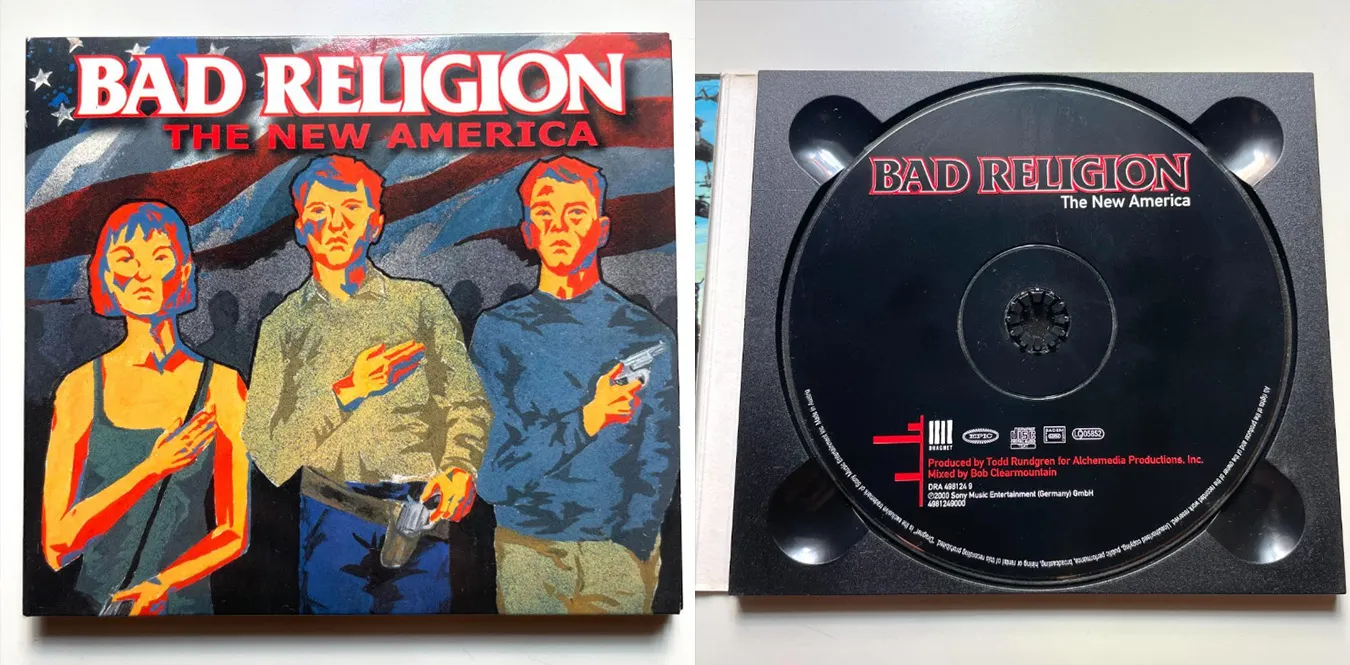
Bad Religion – The New America
Bad Religion(バッドレリジョン)は、ロサンゼルスで結成されたパンクロックバンドで、メロディック・ハードコアのスタイルを生み出したグループの一つとして知られる現代パンク・ロックの重鎮。
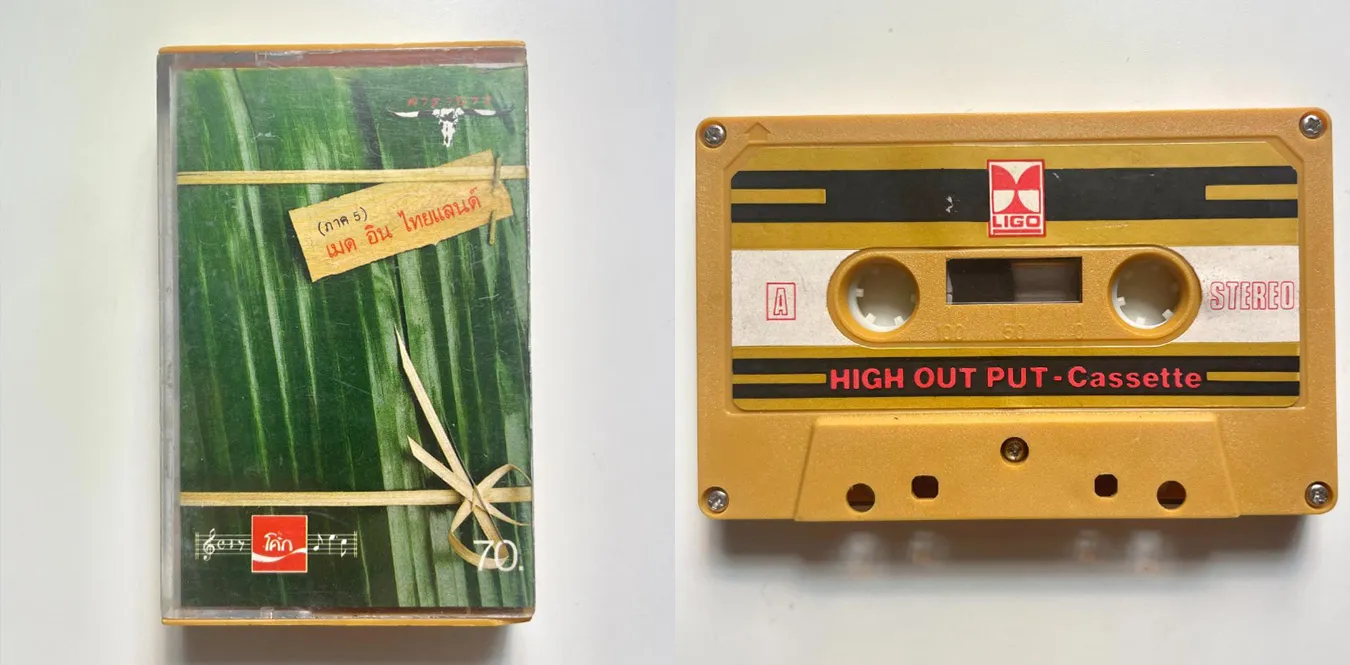
Carabao – Made In Thailand Vol.5
Yuanyong Opakul(ユンヨン・オーパークン/ 別名エート・カラバオ(Aed)) と Kirati Promsaka Na Sakon Nakhon (キラティ・プロムサカ・ナ・サコン・ナコーン) により1982年にフィリピンで結成されたCarabao (カラバオ) は、タイやアジア諸国で非常に人気のあるタイのロックバンド。
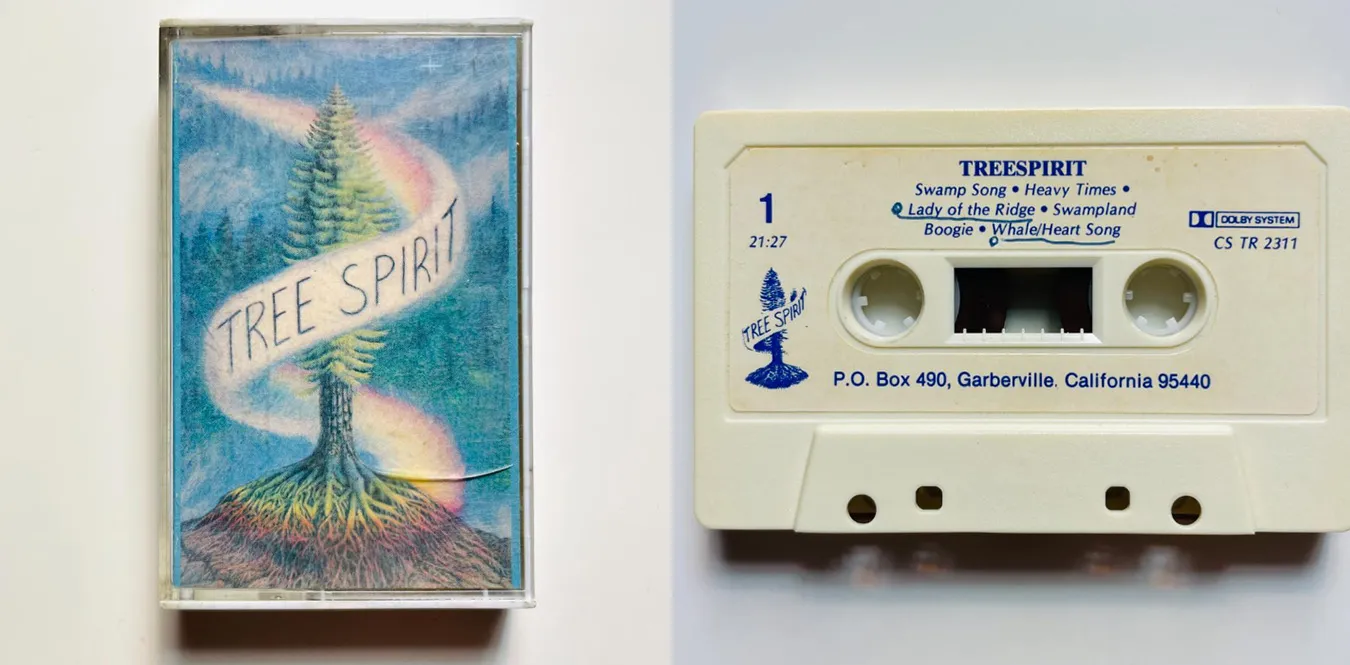
Tree Spirit – Tree Spirit
Tree Spirit is a group from California. The high-energy, earth-loving band has a unique style they call “earth rock,” which is a fusion of rock, folk, and psychedelic.
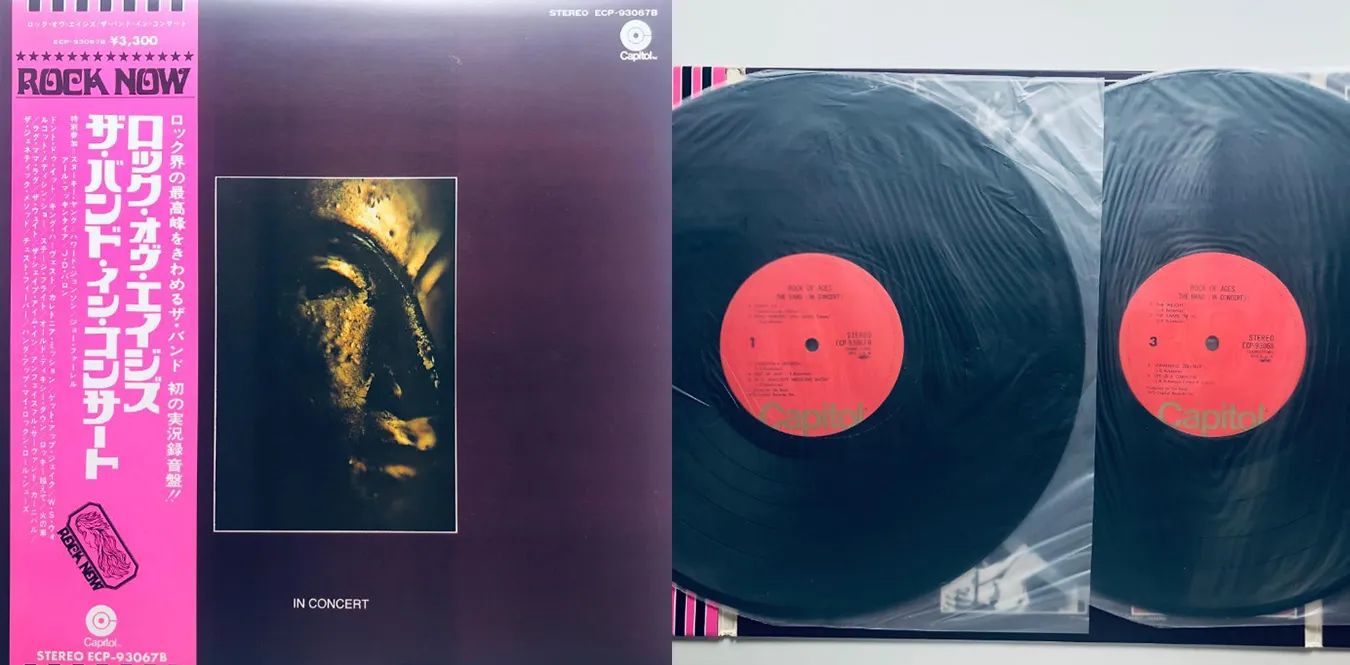
The Band – Rock Of Ages The Band In Concert
The Band was a Canadian rock band that was active from the late 1960s to the early 1970s.
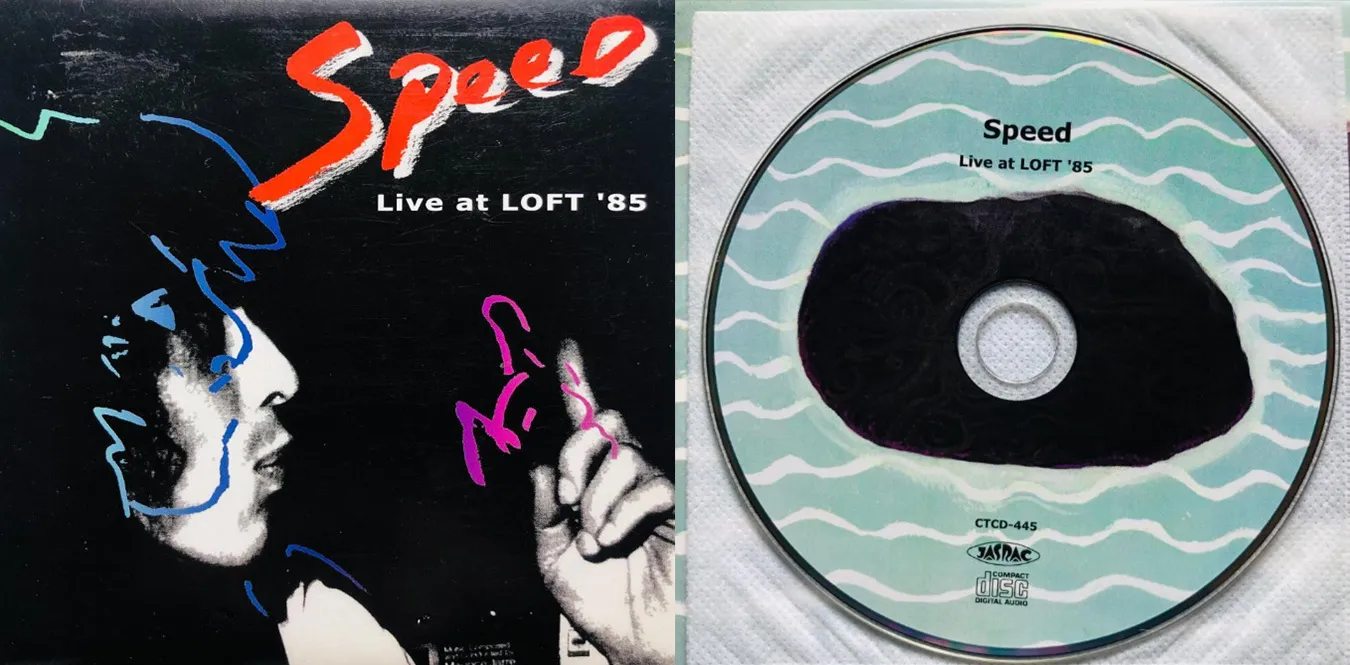
Speed – Kiss On -Live At Shinjuku Loft On 12th October 1985-
Speed(スピード)は、元村八分の青木眞一が1976年に結成し、1980年代後半まで活動した日本のロックバンド。
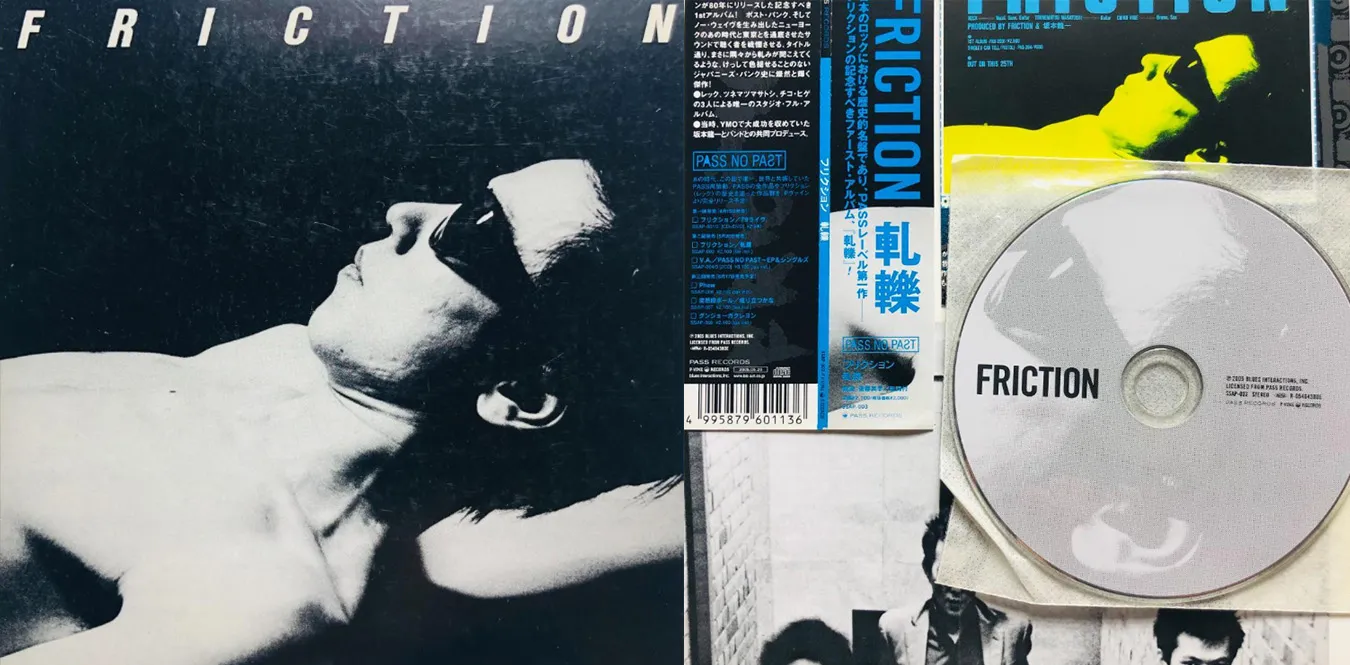
Friction – friction
「軋轢」は、日本のパンク・ロックバンドFriction(フリクション )の1980年リリースの初のフル・スタジオ・アルバム。プロデューサー・エンジニアは坂本龍一。このアルバムは2005年の再発盤。
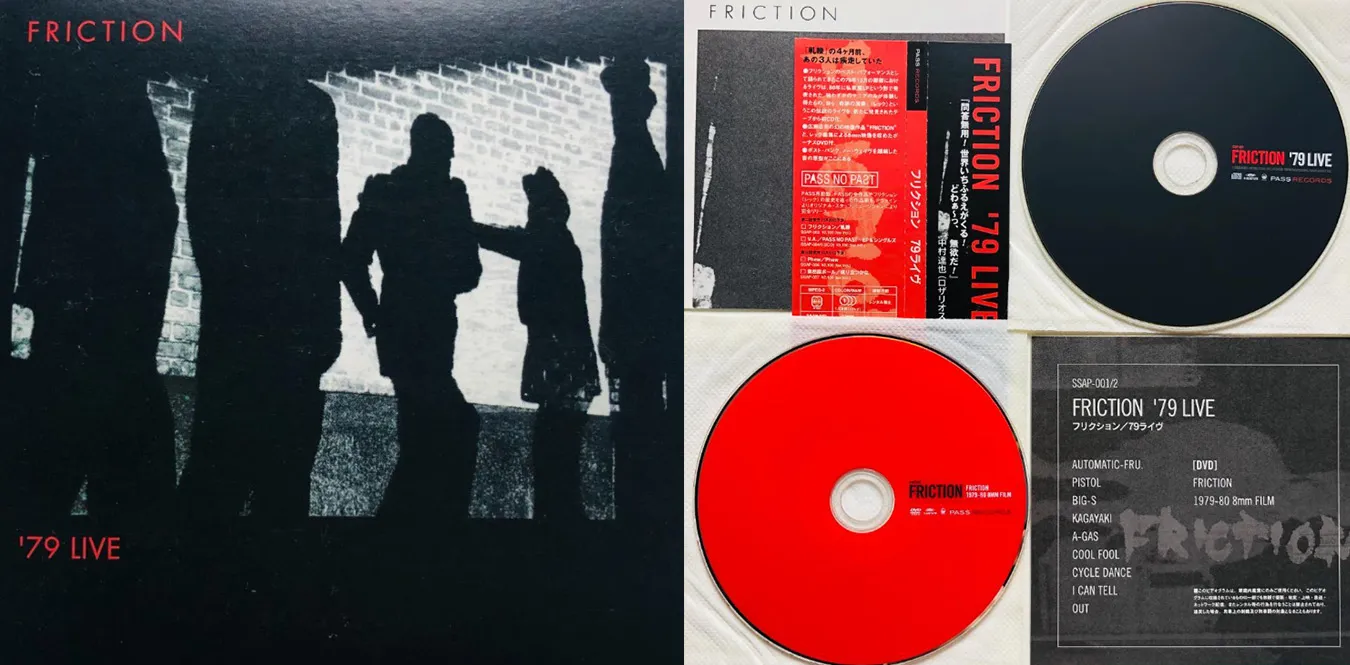
Friction – '79 Live
Friction(フリクション)は、1970年代後半の「東京ロッカーズ」ムーブメントの中心的存在だった日本のパンク・ロックバンド。