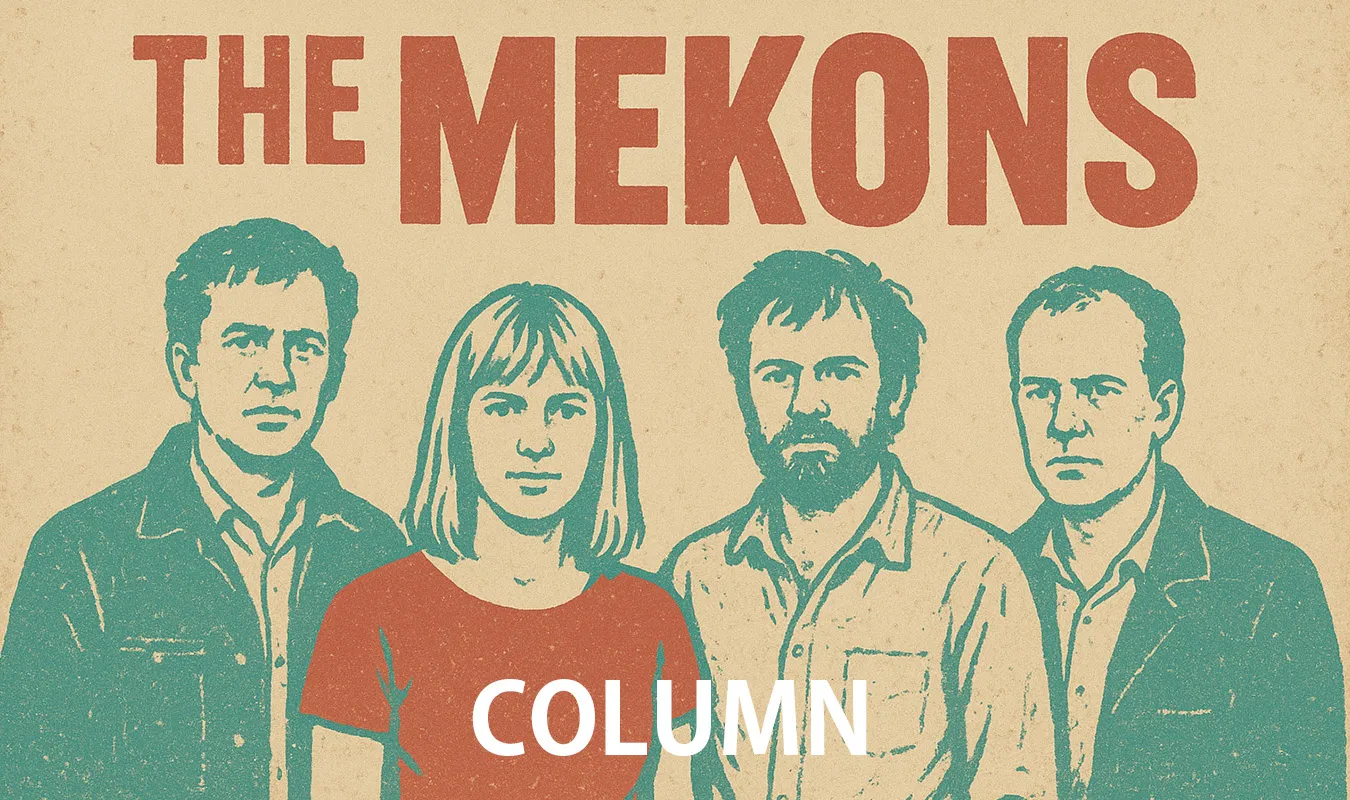
The Rebellion Begins at Leeds Art School
Text: mmr|Theme: From Leeds punk to the American wilderness. The Mekons’ 45-year history of music and community
“It started with laughter, not rebellion.”
1977, University of Leeds, Northern England. 学生たちが講義室の片隅で、「自分たちでもバンドができるんじゃないか」と冗談交じりに始めたのがMekonsだった。Jon Langford、Tom Greenhalgh、Kevin Lycettら、後にポストパンクの文化圏を象徴する面々である。彼らは演奏技術を持たず、楽器すら借り物だったという。 At that time, punk was a revolution that anyone could start. The name Mekons is said to come from the “rebel” character in Byron’s play The Curse of Minerva.
1978年リリースのシングル《Where Were You / I’ll Have To Dance Then (On My Own)》は、彼らの初期パンク精神を象徴する作品である。 《Where Were You?》は、若者の孤独と社会への疑念を、切れ味鋭いギターリフと雑音まじりのヴォーカルで描写。B面《I’ll Have To Dance Then (On My Own)》は、自己疎外と自由への希求をパンク的エネルギーで表現している。 Although the recording is rough, it is full of improvisation with friends from university, and you can see the origins of the ““aesthetics of imperfection’’ that Mekons later pursued.
初期シングル《Never Been in a Riot》と並んで、このシングルはMekons初期の社会批評とユーモア、そして自己探求の三位一体を示す重要作とされる。 当時のライヴでは、この曲が終わるたびに観客が笑い、混乱し、時に議論が巻き起こるという光景が日常だった。
第1章:ラフで不器用なパンクからの脱皮
“Clumsiness was sincerity.”
Debut album released in 1979 ["”The Quality of Mercy Is Not Strnen”] (https://amzn.to/477GZ6y). The typographical error in the title ““Stolen” itself symbolized the band’s attitude.
録音はロンドンのVirginスタジオ。当時、彼らは「初めてミキサー卓を見た」と語っている。
The acoustics are rough, and the microphone distance and balance are unstable. Still, the howling guitar and distortion of the vocals were recorded as “creativity born out of ignorance.” There is no producer, and the sound image is based on the DIY spirit.
“We weren’t political or romantic, we were just confused,” says Jon Langford. 当時のMekonsは、反逆を演じることではなく、“演じることそのもの”への自覚をもっていた。だからこそ彼らの音は、他のパンク・バンドが手放した“疑念”を鳴らしていたのだ。
Chapter 2: Postpunk and Social Criticism
「怒りのあとに残ったのは、観察のまなざしだった。」
80年代初頭、パンクが消費される中で、Mekonsは次第にその形を変えていく。
They leave London and transform into a social critique group that intersects politics and culture. In the context of the Theater of Hate and Red Wedge movements, Mekons chose “community over music.”
The members are not fixed, and friends from university days come and go, sometimes recording with as many as 10 people. Its nature as an art collective is becoming stronger.
Their 1989 masterpiece “The Mekons Rock “n” Roll” was the summation of that. A unique spatial composition with double tracking of the guitar, excessive reverb, and suppressed low frequencies of the bass. These were gimmicks intended to intentionally distort the “formal beauty of rock.” 彼らはこのアルバムで、「ロックとは体制そのものではないか?」という逆説を提示した。
“We know that rock and roll is dangerous. It can destroy countries.”
— The Mekons, interview 1989
第3章:アメリカ音楽との出会いと“オルタナ・カントリー”の夜明け
「酒と砂塵の中に、真実があった。」
1985年の『Fear and Whiskey』で、Mekonsは完全に新しい地平へ踏み出す。
そこにあったのは、アメリカ南部のフォークとカントリー、そして戦後の英国社会が抱える“故郷喪失”の感情だった。
Jon Langfordはこの時期、Hank WilliamsやMerle Haggardを聴きながら「カントリーこそ労働者階級のブルースだ」と再発見したという。
録音は、当時のインディ・スタジオであるLeedsのWoodlandsにて。アナログテープに直接ライン録りしたギターは、アンプの歪みを活かした自然な飽和を持ち、ボーカルにはルームマイクを多用。
このローファイな音響が“泥臭さ”ではなく“詩的な距離感”を生んでいる。
このアルバムは、のちにUncle TupeloやWilcoといった“オルタナ・カントリー”の先駆として再評価される。
第4章:移民としてのロックンロール
「ロックは国境を持たない。だが、移民には土地が必要だ。」
90年代、Mekonsは活動の拠点をシカゴへ移す。
Jon Langfordはアメリカ人ミュージシャンとの連携を深め、Waco BrothersやPine Valley Cosmonautsといった別プロジェクトを展開。
Sally Timmsは地元の詩人たちと共演し、Tom Greenhalghは映像制作に関わる。
During this period, Mekons existed as a ““drifting artistic community’’ that transcended nationality and genre.
It was said that “Mekons” music sounds like it doesn”t belong anywhere.”
Like immigrants, they moved between musical contexts, creating temporary homes there.
アルバム『Journey to the End of the Night』(2000)はその象徴であり、ブラスやヴァイオリンを加えた音響構成が“異郷性”を強調する。
この作品ではPro Toolsを導入しながらも、ミックスにはあえてアナログ卓を使い、「人間的な不均衡」を残したという。
第5章:フェミニズムと連帯、女性メンバーの視点
“As more voices grow, the truth becomes more divided.”
Mekonsの歴史において、Sally Timmsの存在は特筆すべきだ。
1985年に正式加入した彼女は、単なるボーカリストではなく、“物語の語り部”として機能した。
彼女の透明な声は、バンドの政治的言葉を詩的な寓話に変える力を持っていた。
Sally says, “Telling a story is more powerful than shouting anger.” With her perspective added, Mekons has been reevaluated in a feminist context.
その多声性は、同時代のRaincoatsやAu Pairsと並んで、女性の発言が社会的リアリティを獲得した稀な例でもある。
At live shows, Sally reads aloud and Langford often accompanies on guitar, making the Mekons’ ““music = storytelling’’ structure clear.
第6章:芸術としてのMekons — マルチメディアとドキュメンタリー
「彼らのアートは、証言であり、祝祭である。」
2013年のドキュメンタリー映画『Revenge of the Mekons』は、その活動の核心を映し出した。
監督Joe Angioは彼らを「生きるアート作品」と形容している。
この作品では、Mekonsが音楽だけでなく、絵画、写真、詩、政治運動といったさまざまな表現形態を横断してきたことが描かれる。
Jon Langford自身も画家として活動しており、アメリカ中西部の風景を象徴的に描くことで“反ロマンチックなアメリカ像”を提示した。
アナログ録音を維持しながらも、彼らの音は「粗さ」を意図的に演出している。
Langfordは「ノイズは我々の血だ」と語り、録音現場ではノイズゲートを外し、環境音を残したテイクを好んだという。
この“傷のある音”こそ、Mekonsが信じるリアリズムだった。
第7章:解体と再結成を越えて
「解散しても、終わらない。終わらないから、Mekonsだ。」
The Mekons disbanded and reformed many times.
だがそれは終わりではなく、“季節のような循環”である。
2019年の『Deserted』は、メンバーが砂漠に集まり数日で録音したセッション盤。
There is a sense of the ““quiet anger’’ of these people who have reached their prime years.
アコースティック・ギターと電子ドローン、遠くの風の音。まるで“人類の遺言”のようなサウンドだ。
“We are still here, not because we should be, but because we can be.”
— Jon Langford, 2019
終章:Mekonsはなぜ「生き延びた」のか
「希望とは、集団で生き延びることだ。」
45年以上にわたり、彼らは商業主義を拒み、音楽産業の外で“生きる方法”を探してきた。
それは自己保存ではなく、連帯の美学である。
彼らの作品群は、ポストパンクの理念を超えて、「生き延びる芸術」の実践そのものとなった。
Mekonsの音楽は完璧ではない。だがその不完全さが、世界の不完全さと共鳴する。
That’s why they still ring.
YouTube Podcast
※このPodcastは英語ですが、自動字幕・翻訳で視聴できます
The Mekons Main Discography
| 発売年 | タイトル | 備考 | リンク |
|---|---|---|---|
| 1978 | Where Were You / I’ll Have To Dance Then (On My Own) | デビュー初期シングル、パンク精神の象徴 | Amazon |
| 1979 | The Quality of Mercy Is Not Strnen | 初期パンクの記録 | Amazon |
| 1985 | Fear and Whiskey | ポストパンク+カントリーの融合 | Amazon |
| 1989 | The Mekons Rock ’n’ Roll | 社会批評の極み | Amazon |
| 1994 | Retreat from Memphis | 再生と変容の時期 | Amazon |
| 2000 | Journey to the End of the Night | 異郷への旅 | Amazon |
| 2019 | Deserted | Poetry of a group standing in the wilderness | Amazon |
年表 — The Mekonsの歩み
Explore more like this
![[Column] The 100 most influential albums in music history: A new music history reconstructed solely by the degree of influence on contemporary music (Part 5, 41-50: Rock innovation and the birth of alternative)](/../assets/images/column-influential-album-05.webp)

【コラム】 ガールズバンド・シーンの世界史
序章:ガールズバンドという表現形式
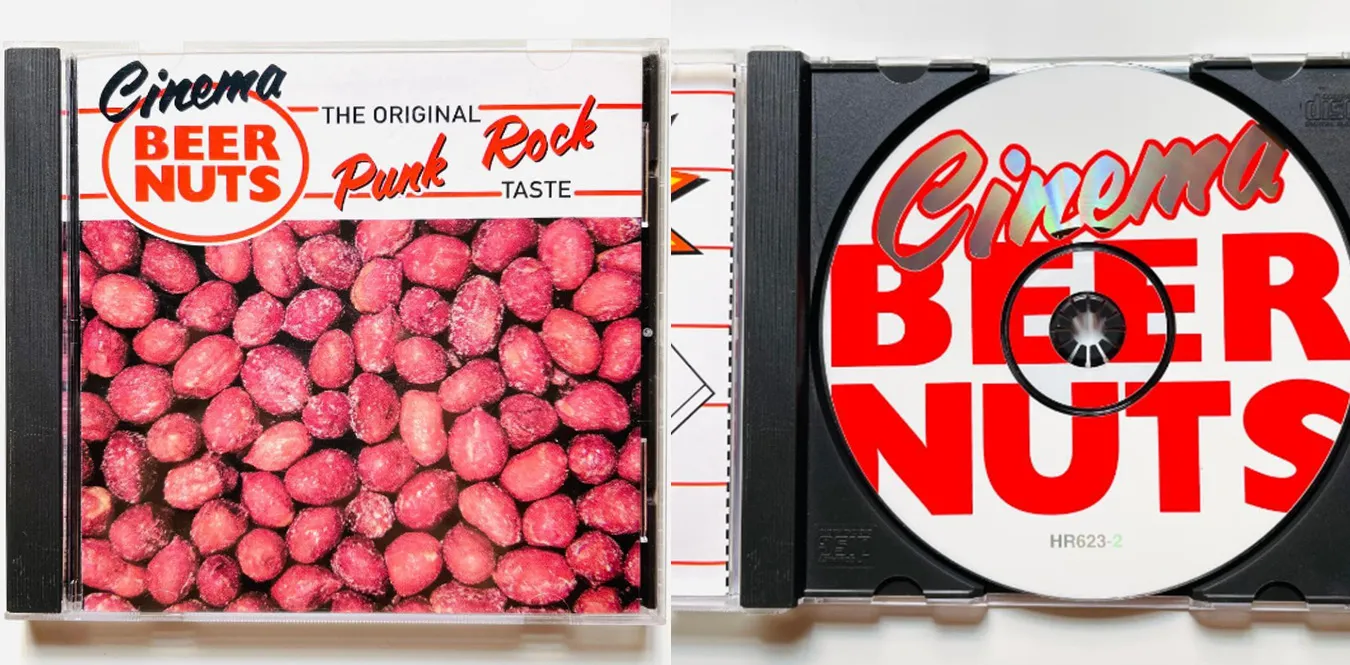
VA – Cinema Beer Nuts
ハードコア・パンク コンピレーション:Hopeless RecordsのCinema Beerシリーズ
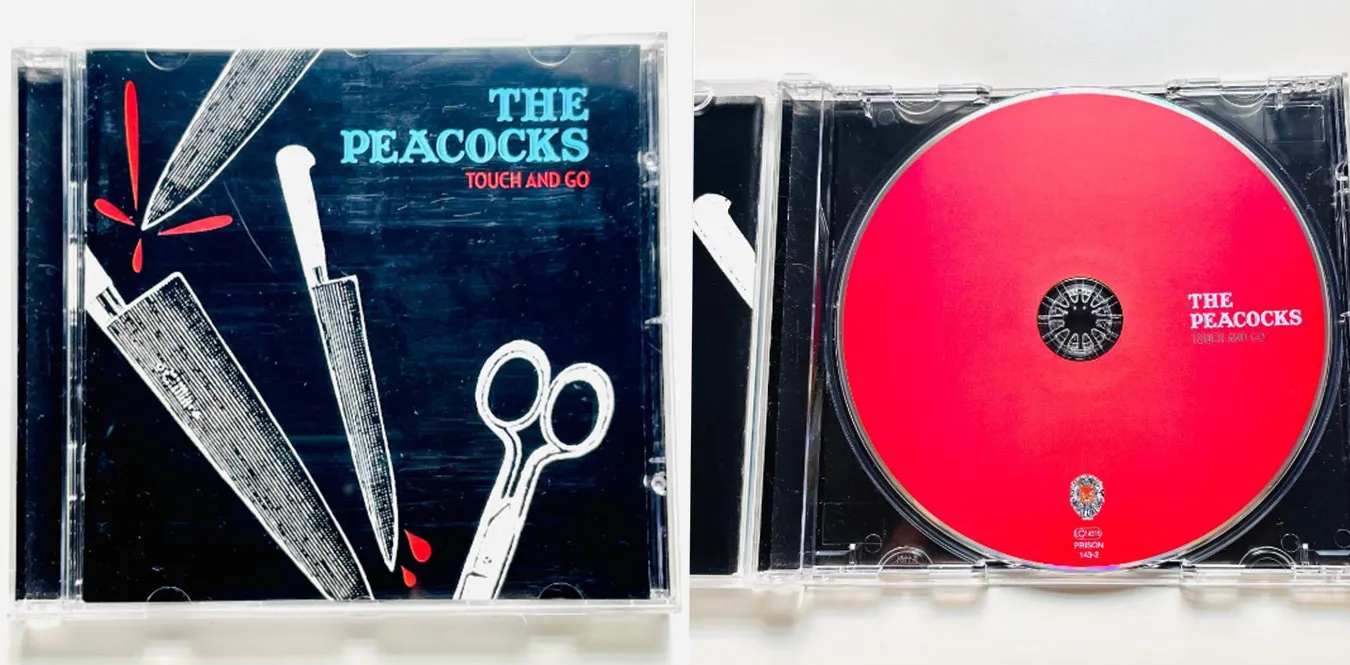
The Peacocks – Touch And Go
The Peacocksは、1990年にスイスで結成されたロカビリーバンド。ヨーロッパだけでなく、アメリカ、カナダ、日本など世界中でツアーをおこなっている。
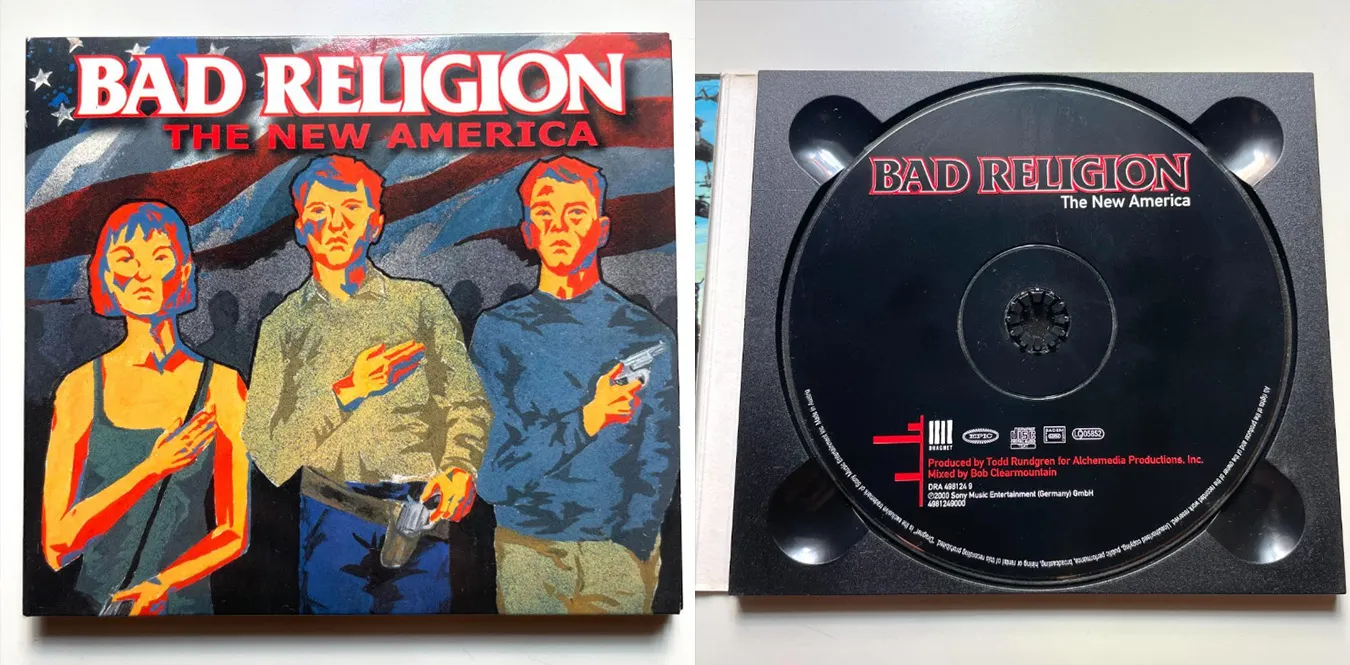
Bad Religion – The New America
Bad Religion(バッドレリジョン)は、ロサンゼルスで結成されたパンクロックバンドで、メロディック・ハードコアのスタイルを生み出したグループの一つとして知られる現代パンク・ロックの重鎮。
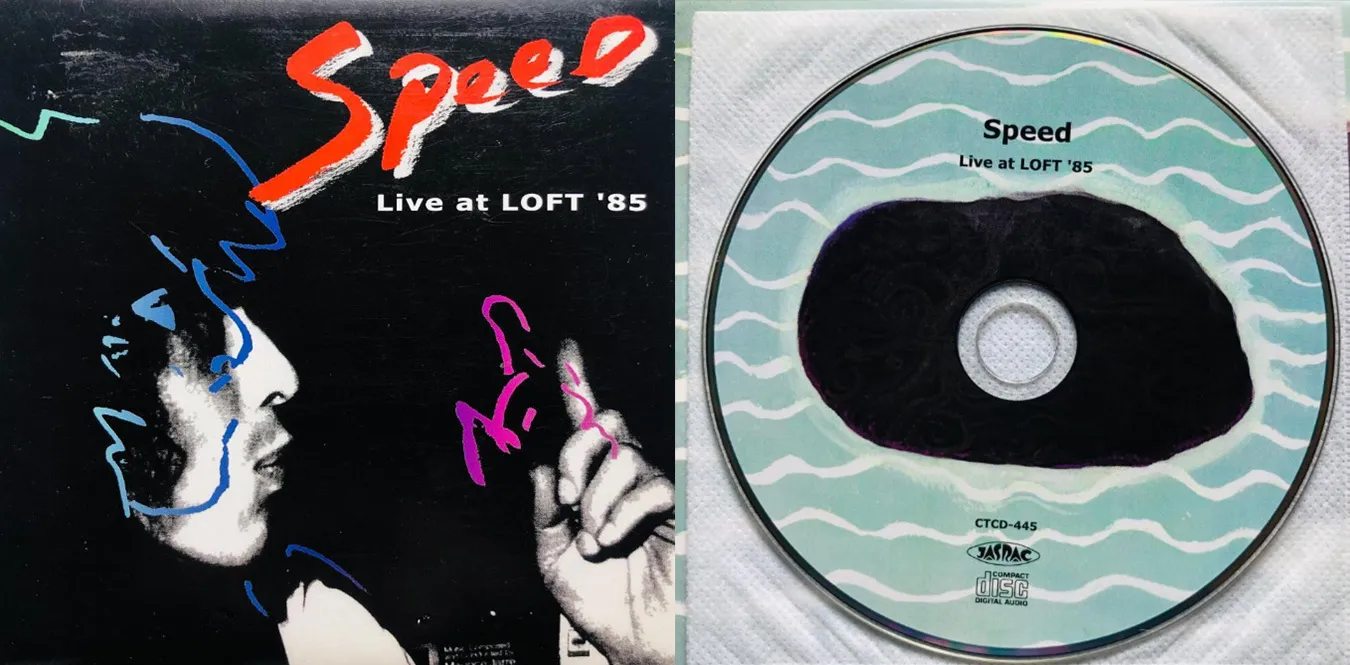
Speed – Kiss On -Live At Shinjuku Loft On 12th October 1985-
Speed(スピード)は、元村八分の青木眞一が1976年に結成し、1980年代後半まで活動した日本のロックバンド。
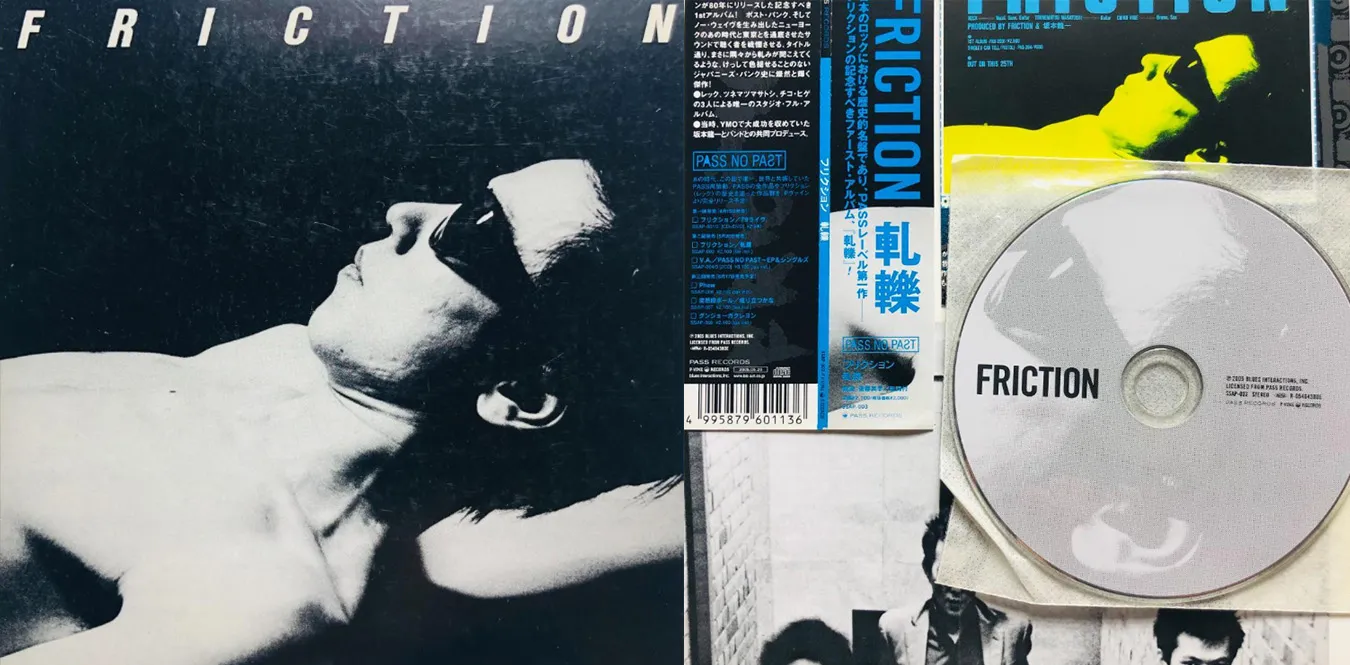
Friction – friction
「軋轢」は、日本のパンク・ロックバンドFriction(フリクション )の1980年リリースの初のフル・スタジオ・アルバム。プロデューサー・エンジニアは坂本龍一。このアルバムは2005年の再発盤。
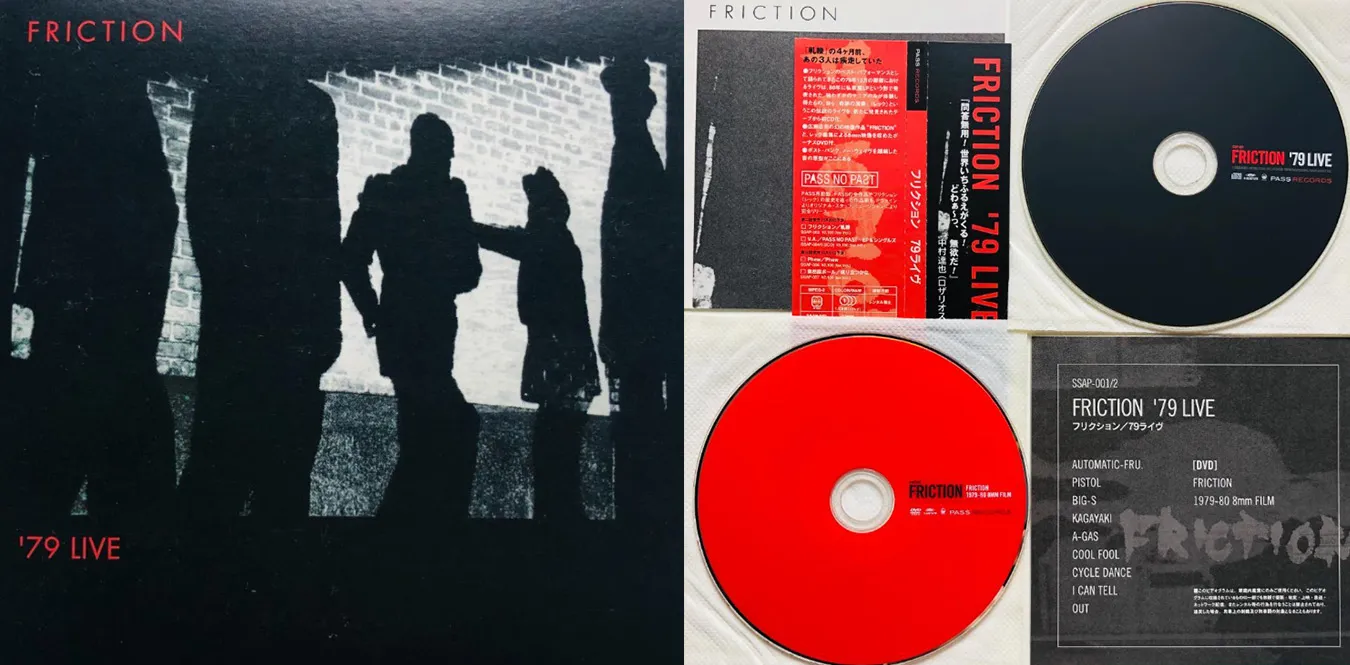
Friction – '79 Live
Friction(フリクション)は、1970年代後半の「東京ロッカーズ」ムーブメントの中心的存在だった日本のパンク・ロックバンド。
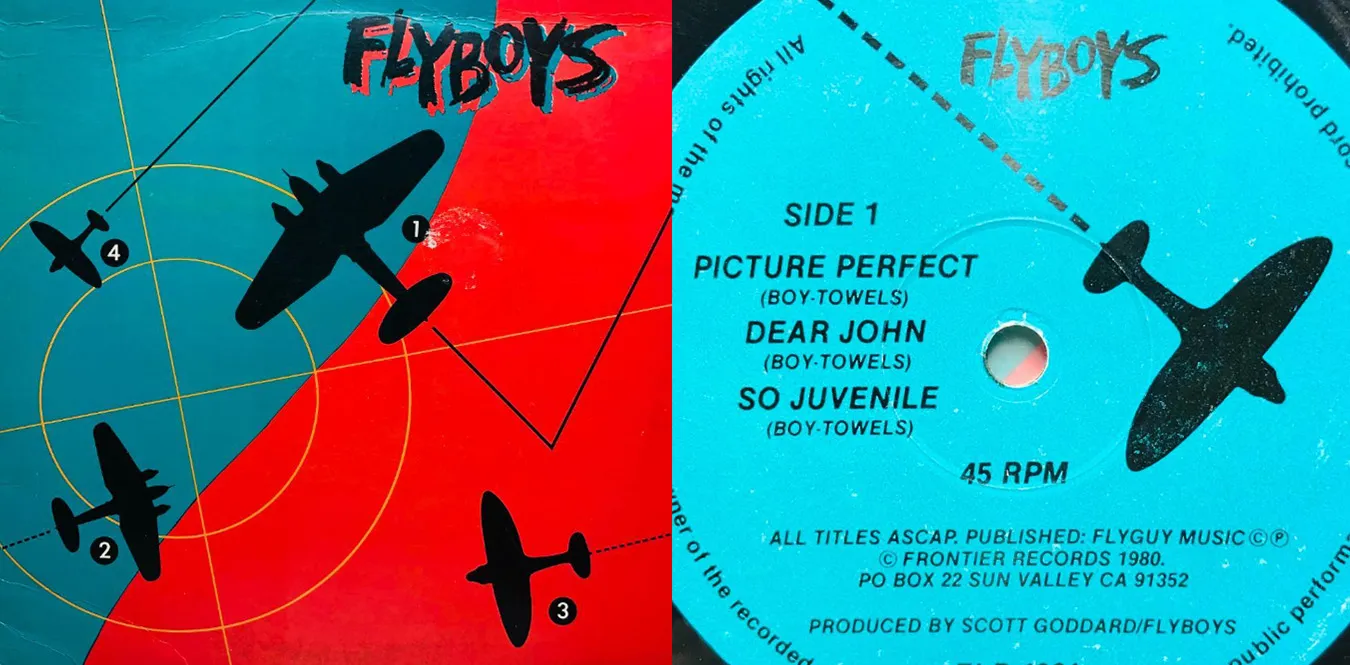
Flyboys – Flyboys
Flyboys(フライボーイズ)は、1975年から1980年まで活動したUSパンクロックバンド。
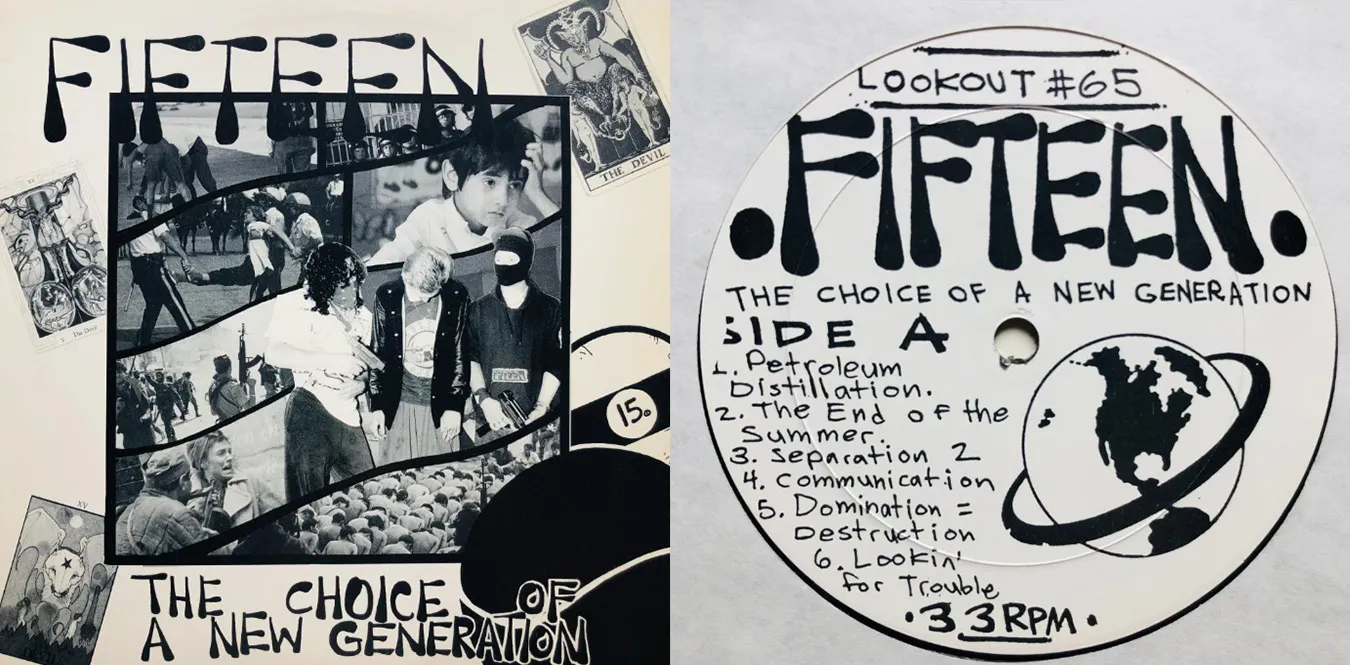
Fifteen. – The Choice Of A New Generation
“Choice of a New Generation” is the second album by the punk rock band Fifteen. Released in 1992 by Lookout! Records. The album features long punk songs with themes of...