[Column] Brenda Fassie — The township diva: A journey of glory and struggle
Column en 80s 90s African![[Column] Brenda Fassie — The township diva: A journey of glory and struggle](/../assets/images/column-brenda-fassie.webp)
Introduction
| Text: mmr | Theme: Brenda Fassie (1964–2004), a songstress from a township in South Africa. Glory and setbacks, politics and private life – trace his life and legacy based on facts |
The book carefully traces her journey, which was raised in a township and led South African popular music from the 1980s to the 2000s, with chronology, charts, and song explanations.
profile
- Real name: Brenda Nokuzola Fassie
- Year of birth: November 3, 1964
- Place of birth: Langa, near Cape Town, South Africa
- Active period: Mainly from early 1980s to 2004
- Genre: Pop, Afropop, Kwaito, R&B
- Died: May 9, 2004 (age 39)
Chronology
| Year | Events |
|---|---|
| 1964 | Born in Langua on November 3rd. He grew up as the youngest of many siblings. |
| Childhood | Raised in an environment where his mother was involved in music, he rose to prominence early on by singing to churches and tourists. |
| Around 1981 | Became serious about music activities at a young age. Gained experience in vocal groups and local bands. |
| 1983 | Gained national attention with songs such as “Weekend Special”. |
| 1985 | Give birth to a son. Since then, she has balanced her life as a mother and child with her music career. |
| 1989 | Marriage (Nhlanhla Mbambo). later divorced. |
| 1990 | Album “Black President” released. Political messages attract attention. |
| 1991 | Problems in his private life were reported, and problems with drug use came to the fore. |
| 1995 | A scandal is discovered, including the death of a lover. The cycle of rehabilitation and return begins. |
| 1996–1999 | Returned to commercial success with albums such as ““Now Is the Time,” ““Paparazzi,” ““Memeza,” and ““Nomakanjani.” |
| 2001 | Increased attention from international media and her influence reevaluated. |
| 2004 | He collapsed in April and passed away on May 9th at the age of 39. After his death, his best albums will be sorted out. |
2. Childhood and township scenery
Brenda Fassie was born and raised in a South African township (Ranga). The township was a product of apartheid-era urban space and a site of institutional segregation and economic oppression. The lives, religion, community networks, and entertainment of the people living there constituted a unique culture, and music was a means of expression deeply rooted in daily life.
Growing up with a mother who loved playing the piano and singing, and earning pocket money from an early age by singing at church and to tourists, provided her with an early hands-on education that laid the foundation for her performance abilities. This environment directly led to later musical diversity (singing that mixed English, Zulu, and Xhosa, sense of rhythm, and improvisation).
3. Musical Departure: Joy and Brenda and the Big Dudes
During her early years, she participated in several small groups and local performances, and later came to the attention of producers and industry personnel. My experience with a chorus/vocal group like Joy was an opportunity to hone my sense of harmony and staging.
He then began his career as the lead singer of Brenda and the Big Dudes, and eventually gained national attention with the single “Weekend Special.” The success of this song, along with its commercial potential, propelled “Township Voices” onto the urban and national stage.
4. National success and masterpieces (1983–1990)
Throughout the 1980s, she released a number of singles and albums and became a leading figure in black pop in South Africa. Her expressions were rich in stage costumes, choreography, and performances that involved the audience, and she was highly popular in terms of media and concert mobilization.
Some of the representative songs
- Weekend Special — An early big hit and the song that made Brenda famous.
- Vuli Ndlela — A song that incorporates the rhythms of township culture.
- Too Late for Mama — A ballad hit with a lot of emotional expression.
- Black President — An important work with a political message.
5. Conflicts in personal life: marriage, childbirth, drug problems
Brenda’s life is often marked by intense ups and downs. She faced the difficulties of becoming a mother at a young age and at the same time continuing her activities as a public figure. Her 1989 marriage and subsequent divorce, as well as her problems with drugs (particularly cocaine) in the 1990s, rocked her career and health.
The death of her lover in 1995 and the resulting scandal caused her own mental shock and social condemnation. After this incident, she entered rehabilitation and tried to rebuild her life, but she kept coming back and relapsing.
6. Politics and Messages: The Black President and Its Significance
Released in 1990, Black President had special meaning in the context of the anti-apartheid movement, containing a message of respect and hope for Nelson Mandela, who was then a prisoner. This work is important as an example of popular music becoming a platform for political expression.
Brenda’s lyrics often intermingled with township life, the trials of the black community, and personal emotions, in which listeners found empathy and catharsis. As a singer, she not only entertained, but also served as a social voice.
7. Resurrection and Golden Age (1996–1999)
Since 1996, she has focused her efforts on music production, achieving commercial success with several albums. Works such as Memeza and Nomakanjani, in particular, were huge hits and cemented her status in the late 1990s.
In works from this period, you can hear Brenda’s vocal expressions becoming more mature, even as she incorporates kwaito and dance beats. Their on-stage charisma, skillful audience involvement, and production sophistication on recording once again won them widespread support.
8. Voice and Body: Stage Presence and Singing Technique
Brenda’s charm lies in the quality of her voice itself. Her weapons were a thick and firm midrange, an expressiveness that combined power and lyricism, and an improvisational approach to rhythm. Staging often involved dialogue with the audience and had the power to unify the audience.
Stage costumes, facial expressions, and performance direction are also part of her identity, and when these are combined with music, “Brenda’s world” has been formed.
9. Before and after death and legacy
In April 2004, Brenda collapsed at home and was taken to the hospital. After several days of treatment, he passed away on May 9th. There were multiple reports on the cause of death, but the final report was that asthma attacks and complications were contributing factors.
Her death sent a deep shock through the South African music world, with tributes pouring in from home and abroad. A posthumous best-of compilation and retrospective compilation preserves Brenda’s music for generations of artists and listeners. In some cases, her sons and musical students continue her legacy.
10. Chronology/Discography
Main albums
- Early band albums *Black President
- Now Is the Time *Paparazzi *Memeza
- Nomakanjani
- Greatest Hits (posthumous compilation)
11. Diagram: Correlation diagram
12. Representative song explanation
- Weekend Special — An early classic. It was well-received by a wide range of audiences due to its shuffling rhythm and catchy chorus.
- Too Late for Mama — An emotional ballad. The narrative nature of the lyrics and lyrical vocals are impressive.
- Vuli Ndlela — A typical song that incorporates elements of township dance.
- Black President — A song with a strong political message, which left a strong impact in connection with the social context of the time.
13. Sociocultural evaluation and influence on posterity
Brenda’s accomplishments go beyond musical success with cultural and social impact. She pushed the voices of the township and black communities to the center of pop music, contributed to LGBTQ visibility, and paved the way for the next generation of black women artists.
On the other hand, reports about drug problems and scandals also provided material to show the bright and dark sides of stars. Today, she remains an iconic figure in South African music history.
Explore more like this
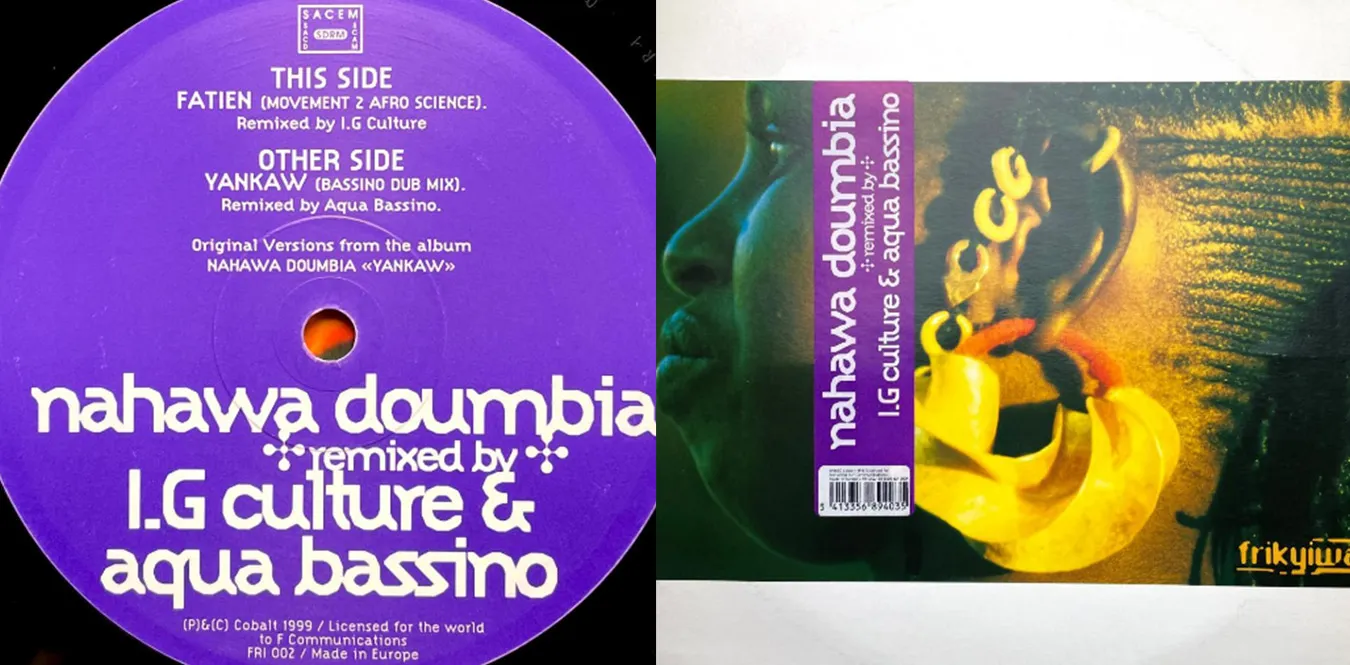
Nahawa Doumbia – Fatien / Yankaw
Deep House/African remix of Fatien/Yankaw from Malian singer Nahawa Doumbia”s album “Yankaw”. It was released in 1999 on Frédéric Galliano”s Afro/World label Frikyiwa.
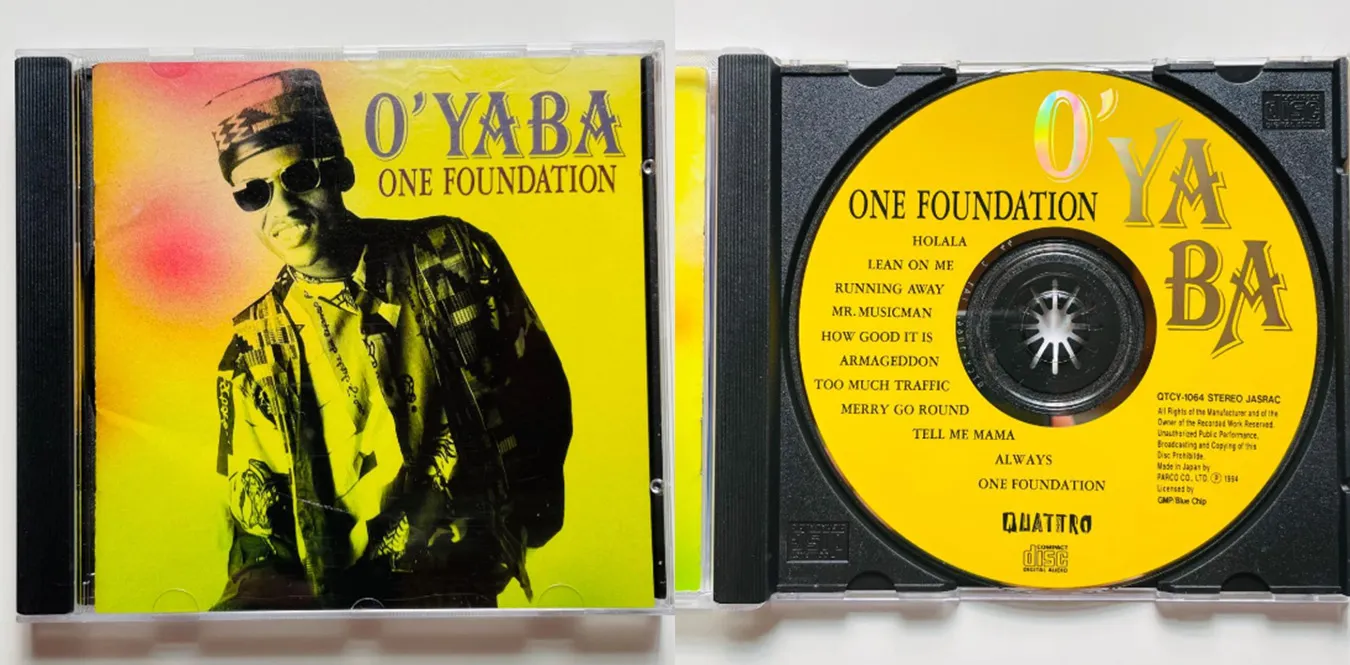
O"Yaba – One Foundation
O’Yaba is an eight-piece South African reggae group led by Tshidiso Alexis Faku, formed in the early 1990s. They created a unique reggae sound that blended Jamaican influences with a...
![[Column] Lo-Fi Hip Hop / Chillhop (home-recorded beat culture)](/../assets/images/column-lo-fi-hip-hop-chillhop.webp)
[Column] Lo-Fi Hip Hop / Chillhop (home-recorded beat culture)
1. Concept definition and name arrangement
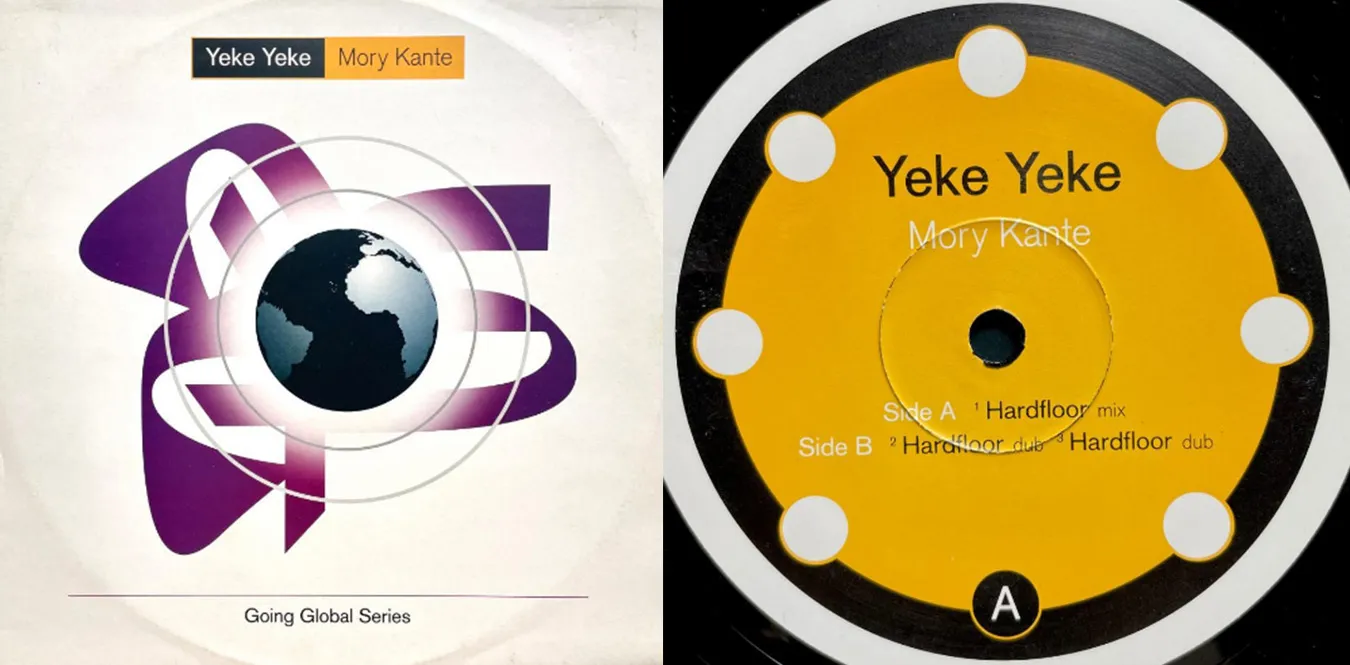
Mory Kante – Yeke Yeke
A remix of Mory Kante’s “Yeke Yeke”, which was released in 1987 and became a worldwide hit, by German Acid/Techno & Tech House duo Hardfloor.
![[Column] Complete history of French hip-hop: from NTM to the present day](/../assets/images/column-french-hiphop.webp)
[Column] Complete history of French hip-hop: from NTM to the present day
Complete history of French hip hop
![[Column] Human Beatbox World history and Japanese players - Technological evolution, tournament culture, trends in each country](/../assets/images/column-human-beat-box.webp)
[Column] Human Beatbox World history and Japanese players - Technological evolution, tournament culture, trends in each country
Human Beatbox World history and tournament culture - technology, trends, and player history
![[Column] DMC World DJ Championship: The trajectory of turntablism becoming a global culture](/../assets/images/column-dmc-world-dj-championship.webp)
[Column] DMC World DJ Championship: The trajectory of turntablism becoming a global culture
DMC World DJ Championship——World history of turntablism
![[Column] History and transformation of alternative rock: 1980–2020](/../assets/images/column-alternative-rock.webp)
[Column] History and transformation of alternative rock: 1980–2020
Prologue: Before the word alternative was born
![[Column] Psychic TV: The complete history of a multimedia group that crosses music, ritual, and ideology](/../assets/images/column-psychic-tv.webp)
![[Column] Kronos Quartet: The trajectory of a string quartet that continues to innovate and take on challenges](/../assets/images/column-kronos-quartet.webp)
![[Column] Cyndi Lauper: The story of a person who continued to change the times with voice and color](/../assets/images/column-cyndi-lauper.webp)
[Column] Cyndi Lauper: The story of a person who continued to change the times with voice and color
1. Introduction: The phenomenon of Cyndi Lauper
![[Column] Butthole Surfers: A complete history of American psychedelic punk mavericks](/../assets/images/column-butthole-surfers.webp)