![[Column] Ambient Techno / Deep Ambient 2](/../assets/images/column-ambient-techno-deep-ambient2.webp)
1. Sequel theme setting
Text: mmr|Theme: About “deep sea acoustics” that redefines the act of listening to music
We treat Ambient Techno/Deep Ambient not as an ““acoustic genre,” but as a ““practice that redesigns the act of listening itself.” While assuming the history of its establishment, sound technology, and contrasting structure that were covered in the first part, here we shift our focus to the production environment, listening environment, playback media, and how time is used.
2. Design concept of long-term music
One of the important features of Deep Ambient and Ambient Techno is that they prioritize “playback time” over individual songs. Sustaining for 10, 20, or more minutes is a design imperative, not a lack of deployment.
When played over a long period of time, short-term stimuli and symbolic developments lose their meaning. Instead, subtle changes, fluctuations in density, and shifts in localization become the center of perception. This shows that music functions as an environment rather than information.
3. Boundary between loop and non-loop
The loops in Ambient Techno/Deep Ambient are not a gimmick to make you hear repetition itself. Rather, it is a device for artificially creating a state in which it appears that no change exists.
There is no perfect loop; there is always some fluctuation. Opening and closing of filters, increase/decrease of noise components, length of reverberation tail. These minute differences are the only clues that give the listener a sense of the passage of time.
4. Production environment and sound characteristics
Deep sea ambient sounds are closely related to the production environment in which they are used. The quality of sustain is different between sounds that are precisely constructed in a studio and sounds that are improvised.
In highly improvisational productions, the sound is not too controlled, leaving a slight instability. This instability makes music not a static object, but an ongoing phenomenon.
5. Dealing with silence and silence
In Deep Ambient, silence is more than just a pause. The moment the sound disappears, reverberation and environmental sounds come to the foreground, and the listener’s attention shifts to the outside world.
For this reason, in many works, complete silence is avoided, and very faint sounds are sustained. What appears to be silence is actually filled with acoustics.
6. Playback media and sound experience
Ambient Techno / Deep Ambient’s character changes greatly depending on the playback media. Large speakers, headphones and small devices. Each creates a different depth.
In headphones, the physical pressure in the low frequencies is reduced, but the density of the internal space increases. On the other hand, in speaker playback, the space itself becomes a resonator.
7. Intermediate area between work, sleep, and wakefulness
Deep sea ambient is suitable for areas that are neither fully awake nor fully asleep. In this intermediate state, music is not an object of attention, but exists as a background of consciousness.
What is important in this application is that the music does not induce emotion. Emotional ups and downs bring consciousness to the foreground.
8. Night listening culture
Ambient Techno/Deep Ambient has been strongly associated with nighttime listening culture. During times when visual information is reduced, the spatiality of sound is relatively amplified.
In works intended for nighttime playback, a configuration is often chosen in which the high frequencies are suppressed and the low and mid-low frequencies sustain for a long time.
9. Reinterpretation of fieldness
Deep-sea ambient music has the feel of a field recording without directly using natural sounds. What is important is not the sound source, but the imagination of the space.
Even if it is an artificial sound, if the sense of distance, reflection, and shielding are designed, the listener will perceive the non-existent environment as a real space.
10. Listener independence
In this kind of music, the listener is not a passive entity. It’s always up to the listener to decide how much attention to give and when to let the music become the background.
Ambient Techno / Deep Ambient is extremely democratic music in that it doesn’t force listening intensity.
11. Sustaining the digital age
In a streaming environment, music is easily skipped. However, deep-sea ambient music resists this immediacy. Because music cannot be judged in a short period of time, the act of continuing to play it has meaning in itself.
12. Complementary relationship with the first part
While the first part dealt with acoustic structure and history, this article focuses on practice and usage. Although both are independent, they share the same design philosophy.
13. Chronology
- 1990s: Popularization of long-form ambient works
- 2000s: Diversification of personal listening environments
- 2010s: Establishment of regeneration for work and sleep
- 2020s: Re-evaluation as environmental music
14. Structure diagram
16. Summary
Ambient Techno / Deep Ambient redefines the act of listening to music. Deep sea acoustics is the optimized format for this and will continue to expand with applications.
Explore more like this
![[Column] Ambient Techno / Deep Ambient](/../assets/images/column-ambient-techno-deep-ambient.webp)
[Column] Ambient Techno / Deep Ambient
1. Concepts and terminology
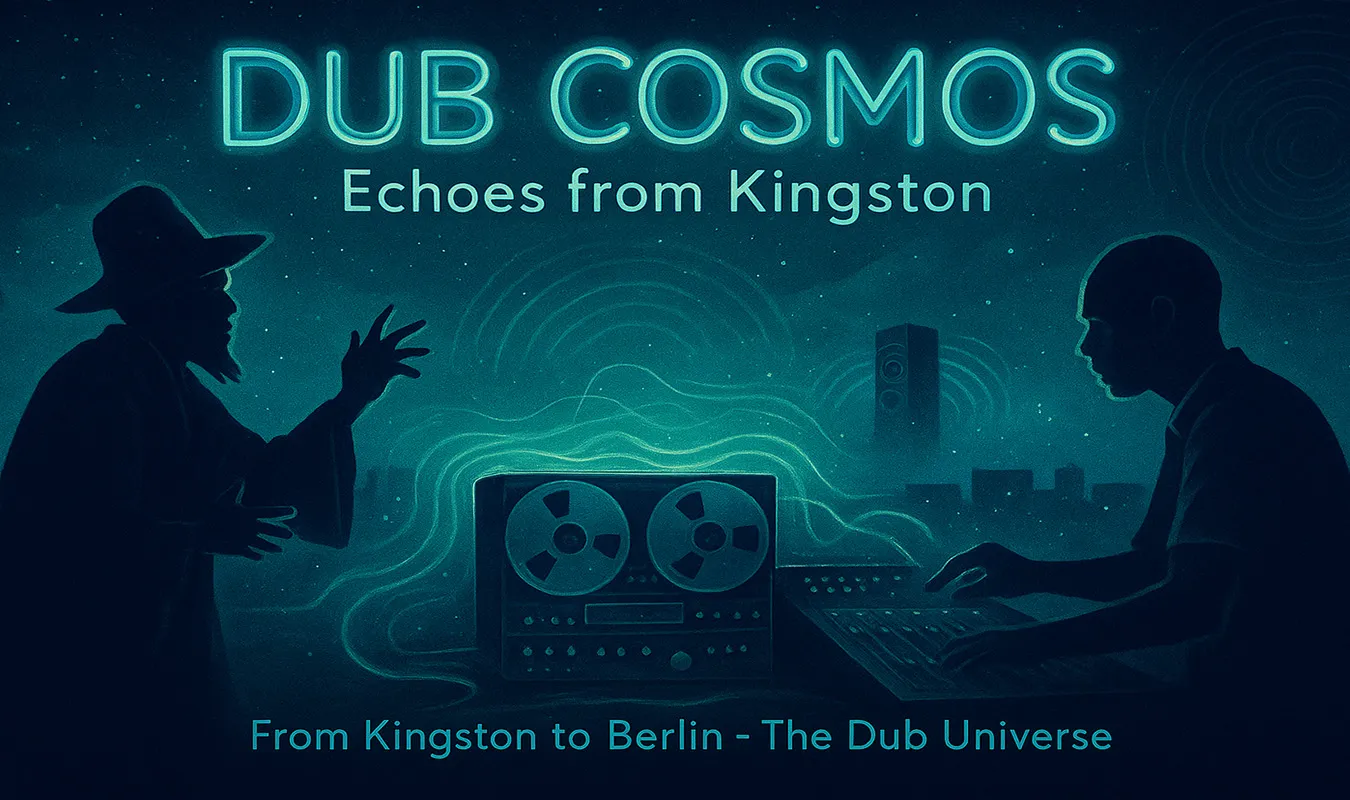
【コラム】 ダブ(DUB)音楽の誕生と拡張宇宙 ― 音響の再構築から始まった革命
序章:音の「残響」から生まれた革命
![[Column] Recondite and forest bathing - When techno returns to the forest](/../assets/images/column-recondite-forest.webp)
[Column] Recondite and forest bathing - When techno returns to the forest
Prologue: A beat sinking into the forest
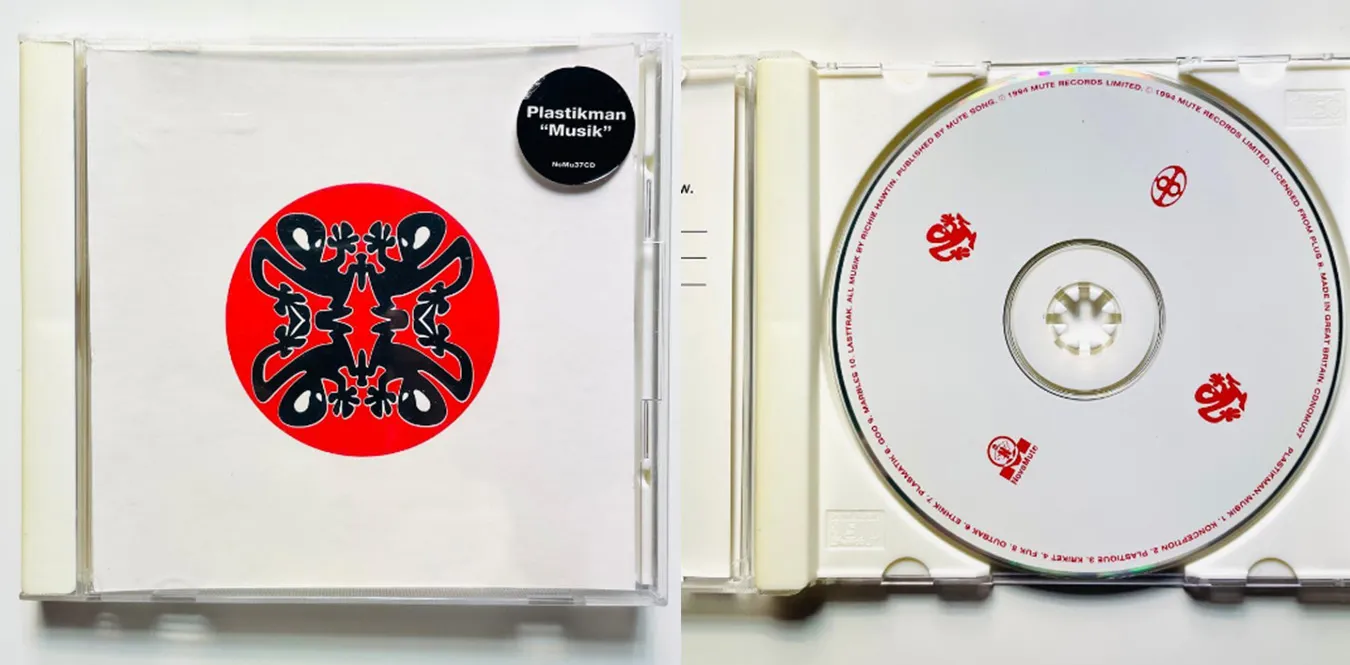
Plastikman – Musik
An album released by Richie Hawtin under the alias Plastikman on the NovaMute label in 1994. This is Richie Hawtin’s third studio album and second under his Plastikman name.
![[Column] Susumu Yokota — A universe in silence: A landscape of the soul drawn by electronic sounds](/../assets/images/column-susumu-yokota.webp)
[Column] Susumu Yokota — A universe in silence: A landscape of the soul drawn by electronic sounds
Chapter 1: Electronic music and Japan — Susumu Yokota’s position
![[Column] Autechre: Beyond structure — Acoustic architecture after techno](/../assets/images/column-autechre.webp)
[Column] Autechre: Beyond structure — Acoustic architecture after techno
Prologue: Organic in the inorganic
![[Column] Haruomi Hosono - Traveler of sound, quiet innovation that transcends the times](/../assets/images/column-haruomi-hosono.webp)
[Column] Haruomi Hosono - Traveler of sound, quiet innovation that transcends the times
Quiet Revolutionary - Haruomi Hosono
![[Column] Changes in the Eurorack modular synthesizer and its influence on the music scene](/../assets/images/column-eurorack-module.webp)
[Column] Changes in the Eurorack modular synthesizer and its influence on the music scene
“Lego blocks with infinite sound”
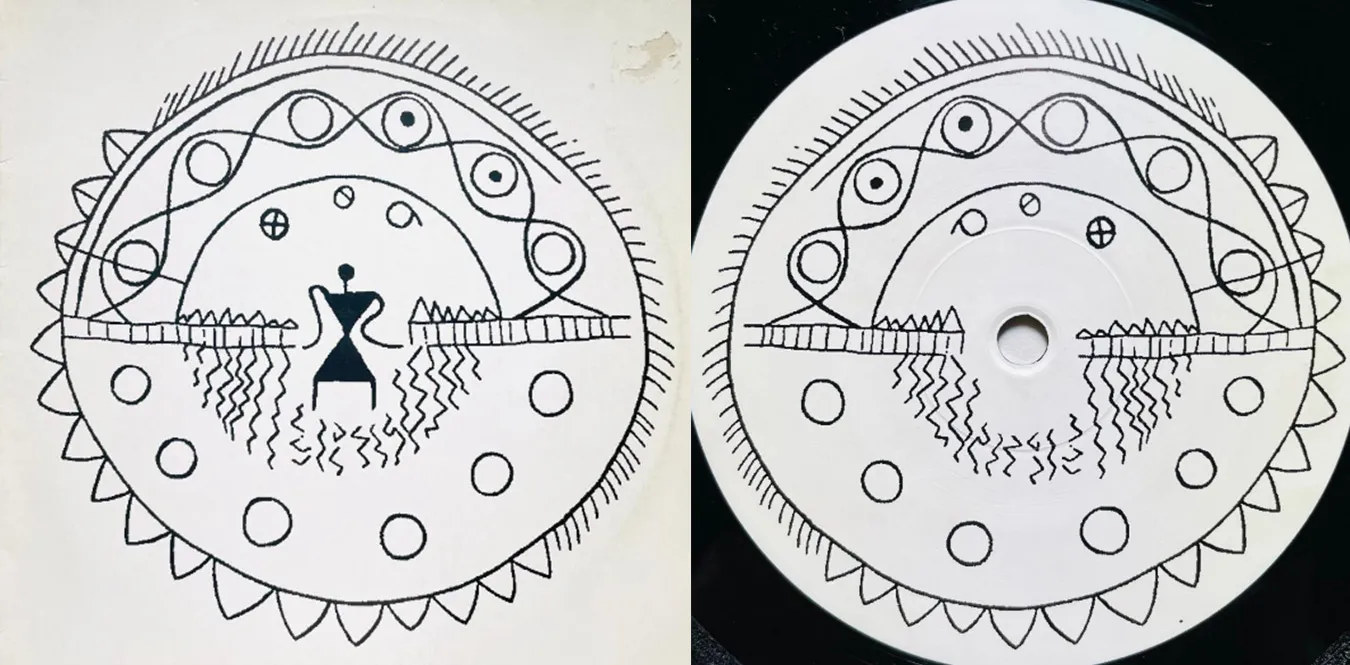
Sanjiva – Secret Rooms Over Flowing Delight
A techno ambient trance track by Charles Reix, also known as Sanjiva. It was released in 1996 on Sanjiva’s own label Ninetysix Sounds. He also worked under the name Charles...
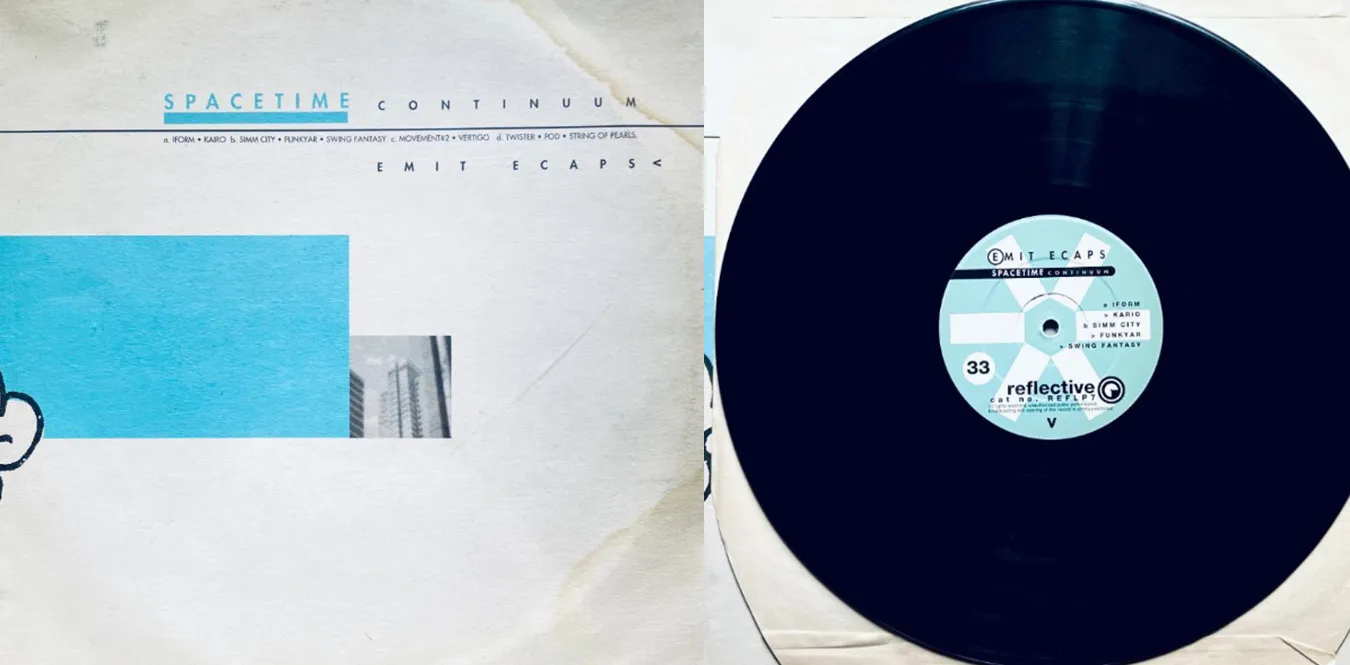
Spacetime Continuum – Emit Ecaps
A double LP set released in 1996 by Jonah Sharp, also known as Spacetime Continuum, a stalwart of the underground techno/ambient/electronica scene of the 90s, on his own label Reflective...
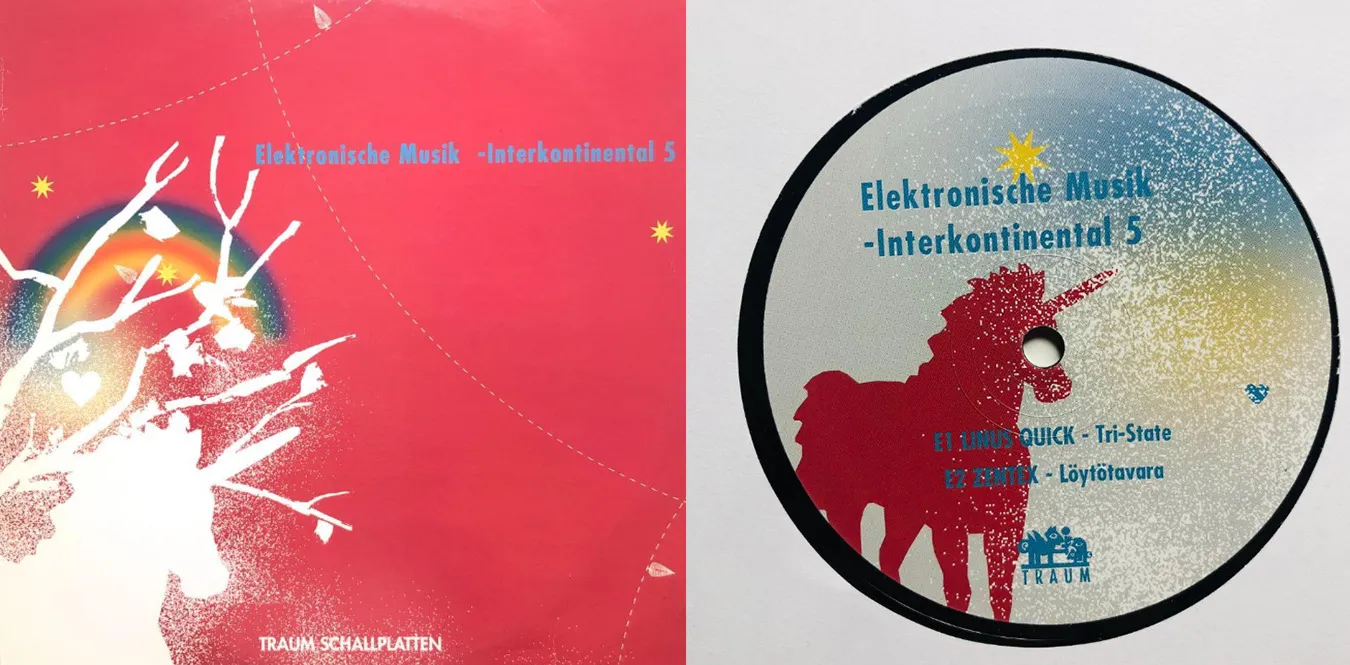
Various – Elektronische Musik -Interkontinental 5
“Various – Elektronische Musik -Interkontinental 5” is This is a 3-disc compilation album released in 2006 by the German label “Traum Schallplatten”.