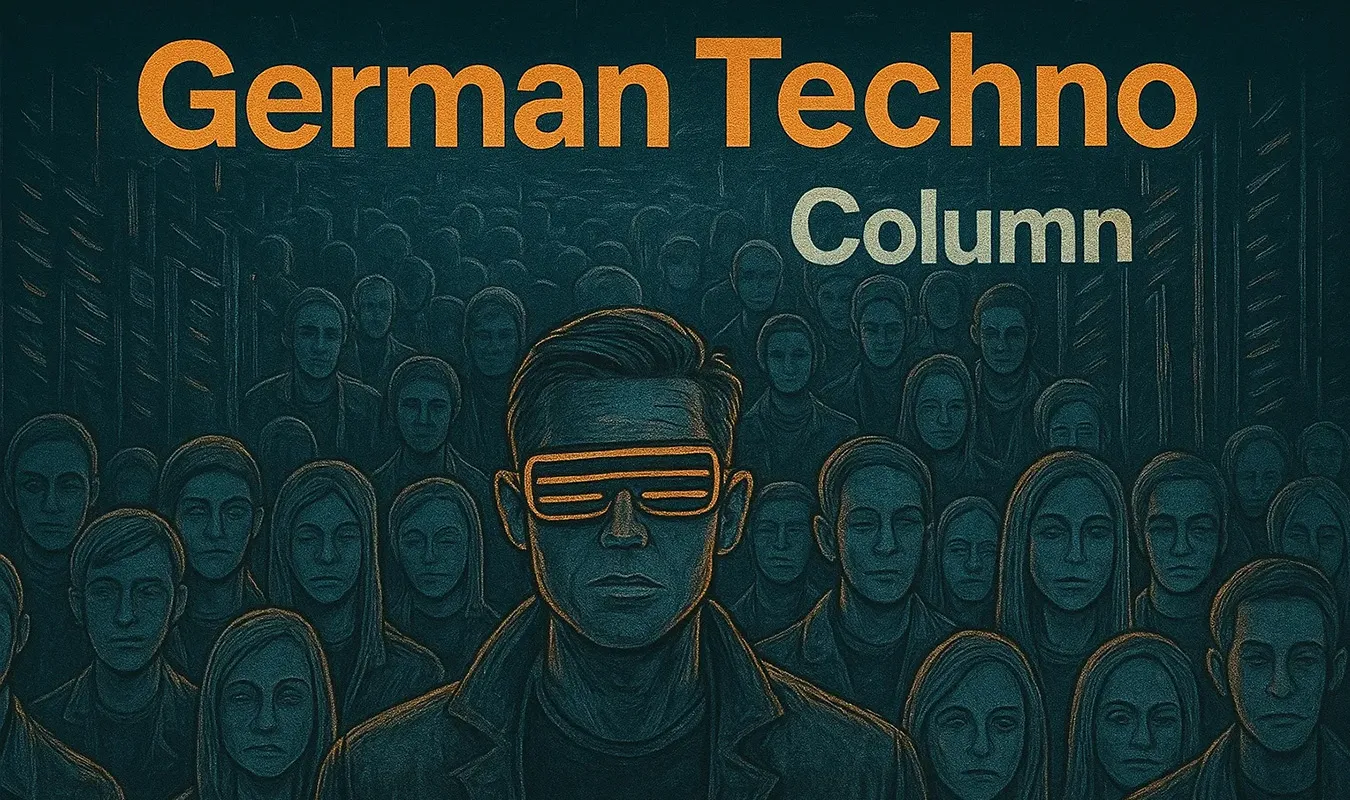
ベルリン発、世界を震わせる無機質な鼓動。
Text: mmr|Theme: The aesthetics of German techno, woven by repetition and silence.
What is German techno?
「German Techno(ドイツ テクノ)」は、1980年代後半から1990年代初頭にかけて急速に台頭し、現在も世界のクラブ・シーンに大きな影響を与え続けています。特にベルリンやフランクフルトといった都市は、テクノ発展の象徴的な拠点として知られ、クラブカルチャーやレーベルの活動を通じて、独自の美学を築き上げました。
Historical background: the fall of the Berlin Wall and the explosion of techno
The fall of the Berlin Wall in 1989 was a turning point in the development of techno in Germany. With the fusion of Eastern and Western cultures, parties utilizing abandoned buildings and warehouses rapidly increased, and Berlin became a techno mecca symbolizing the “sound of freedom.”
-
Tresor: A club and label established in 1991. They bridged the gap between Detroit techno and Berlin’s unique hard sound.
-
Harthouse / Eye Q (Frankfurt): A group of labels that Sven Väth was involved with. Leading the evolution of trance and techno.
ジャーマン・テクノの特徴
- Minimalism and repeatability
German techno emphasized more mechanical and linear rhythms compared to the soulful elements of Detroit techno.
- インダストリアルの影響
Inheriting the tradition of electronic music represented by Kraftwerk, the sound reflects the inorganicity and coldness of an industrial city.
- Integration with club culture
As symbolized by Berlin’s Berghain and Tresor, club space and sound are inseparable. Music was more than just an auditory experience; it functioned as part of urban culture and lifestyle.
Representative artists/labels
-
Sven Väth (Frankfurt): Symbol of German techno. Internationalizing the scene through the label Cocoon.
-
Ellen Allien(ベルリン):BPitch Control 創設者。アンダーグラウンドと実験性を融合。
-
Paul Kalkbrenner: Widely known for the movie “Berlin Calling”. Melodic and lyrical techno.
-
Johannes Heil: Producer pursuing hard and dark German techno.
-
Len Faki, Ben Klock, Marcel Dettmann:Berghain のレジデントとして世界的評価を獲得。
Sound characteristics by generation
Late 1980s (early days)
Background: Just before and after the fall of the Berlin Wall. The influence of Detroit techno and Chicago house entered Germany.
Sound Features:
-
Rough experimentation based on electronic beats
-
Cold texture with strong influence from Kraftwerk and industrial
-
Lots of repetitive riffs with synthesizers
代表的動き:フランクフルトのクラブ「Dorian Gray」、ベルリンのアンダーグラウンドパーティがシーンを支える。
Early 1990s (expansion period)
背景:ベルリンの壁崩壊後、空き倉庫や工場跡地でのレイヴ文化が爆発。クラブ「Tresor」オープン(1991)。
Sound Features:
-
Influenced by Detroit techno, but harder and more linear
-
Fast BPM, industrial-like inorganic sound
-
Mix of early trance and hard techno
Representative artists: Sven Väth, Hardfloor, Westbam, Maurizio (Basic Channel).
Late 1990s (refinement and segmentation)
Background: German labels (Tresor, Kanzleramt, Harthouse) have gained international acclaim.
Sound Features:
-
ミニマルテクノの発展(単純化された構造、反復性を強調)
-
Rise of hard techno and acid techno
-
デトロイトの「ソウルフル」要素が薄れ、冷徹で機械的な音に
Featured Artists: Chris Liebing, Johannes Heil, Heiko Laux.
2000s (Internationalization and Diversification)
Background: Berlin has become a global club city. Club “Berghain” opened (2004).
Sound Features:
-
ハードミニマル/インダストリアル寄りが主流に
-
Fusion with groove-oriented techno house (Tech House)
-
Some melodic elements are also back (e.g. Paul Kalkbrenner)
Featured Artists: Len Faki, Monika Kruse, Ellen Allien, Zombie Nation.
2010s (to the center of the global scene)
Background: Behind the EDM boom, techno has become a symbol of the underground.
Sound Features:
-
Berghain sound: heavy kick, dark and inorganic atmosphere
-
インダストリアルやEBM要素の再解釈
-
メロディック・テクノやディープ・テクノが世界的に支持を獲得
代表的アーティスト:Ben Klock、Marcel Dettmann、Nina Kraviz(ベルリンで活動)、Stephan Bodzin。
2020年代(現在進行形)
Background: In the streaming era, club culture is being reevaluated after the pandemic.
Sound Features:
-
Harder and industrial direction (Phase Fatale, Kobosil, etc.)
-
Melodic techno is popular at festivals and streaming (Tale Of Us type)
-
ハードトランスや90年代的サウンドの再解釈も盛ん
Trend: While inheriting the coolness typical of past “German techno,” it has evolved with the addition of emotional expression and visual production.
年代ごとに聴き比べると、「インダストリアルで冷徹 → ミニマル化 → ハード化 → メロディック化 → 再インダストリアル化」という循環が見えてきます。
Evolving while closely connected to lifestyle
Today’s German Techno has evolved widely, from hard, industrial trends to melodic and lyrical expressions, yet still maintains its iconic status as ““Berlin, the capital of techno.’’
In conclusion, German Techno is both a cultural product of the past and a testing ground for the future of sound design. その歴史を辿りながら作品を聴くことは、都市と人間、機械と感情が交錯する音楽のダイナミズムを理解することに他なりません。
YouTube Podcast
*This podcast is in English, but you can watch it with automatic subtitles and translation.
関連コラム
🔗 【コラム】 四つのドイツ、四つのテクノ — 壁の残響とミニマルの哲学
🔗 [Column] The Golden Age of UK Techno
🔗 【コラム】 デトロイト・テクノ(Detroit Techno):機械の鼓動が生んだ人間のダンス
🔗 [Column] Tresor - The sacred place of techno that changed the world from underground in Berlin
Explore more like this

Samuel L Session – Body Slam EP
Samuel L Session(サミュエル・L・セッション)は、スウェーデン・テクノ界のを代表するDJ/プロデューサー。『Merengue』『Can You Relate』などのヒット曲でよく知られている。
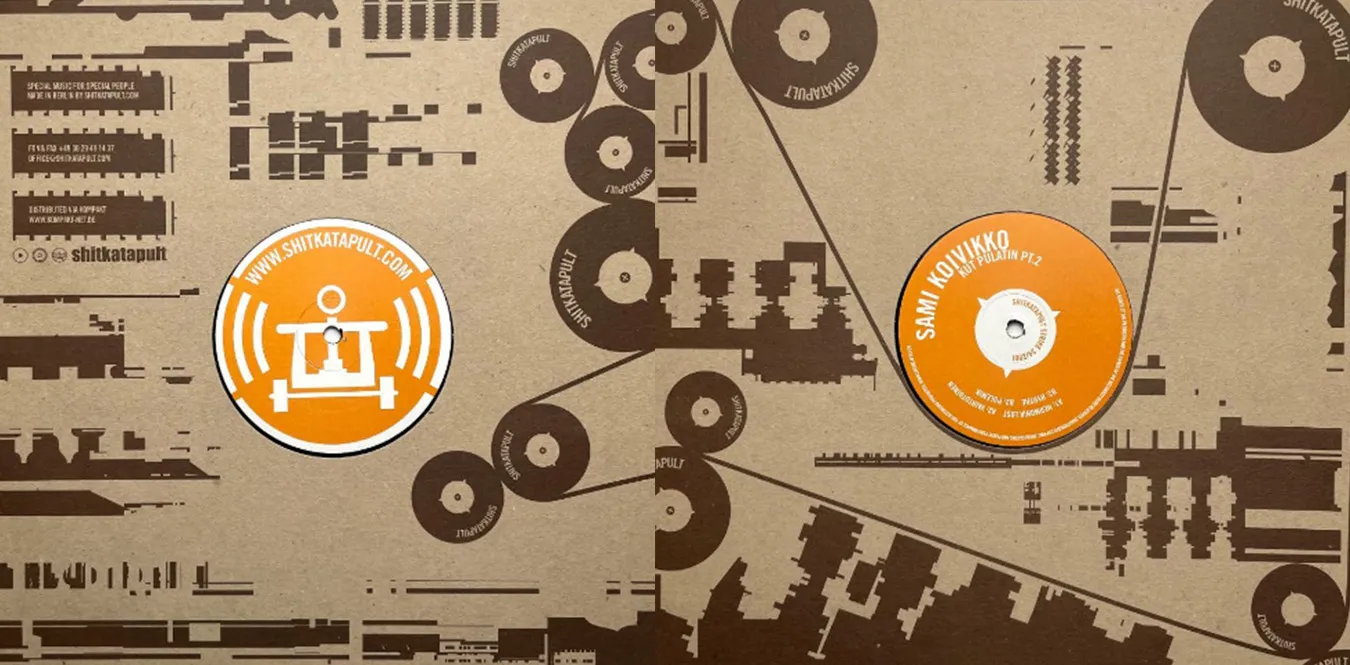
Sami Koivikko – Kut Pulatin Pt. 2
Sami Koivikko is a techno producer based in Finland. Known as a standard bearer of minimal techno and click techno, he has released works on various labels such as the...
.webp)
Ramirez – Terapia (Hocus Pocus Remixes + DMC UK Rmx)
Ramirezは、90年代初頭にイタリアのDFCレーベルによるエレクトロニック・ダンス・ミュージックプロジェクト。DFCのプロダクションチーム、Davide Rizzatti、Elvio Moratto、Ricki Persi、シンガーAlex Quiroz Buelvasなどが参加している。
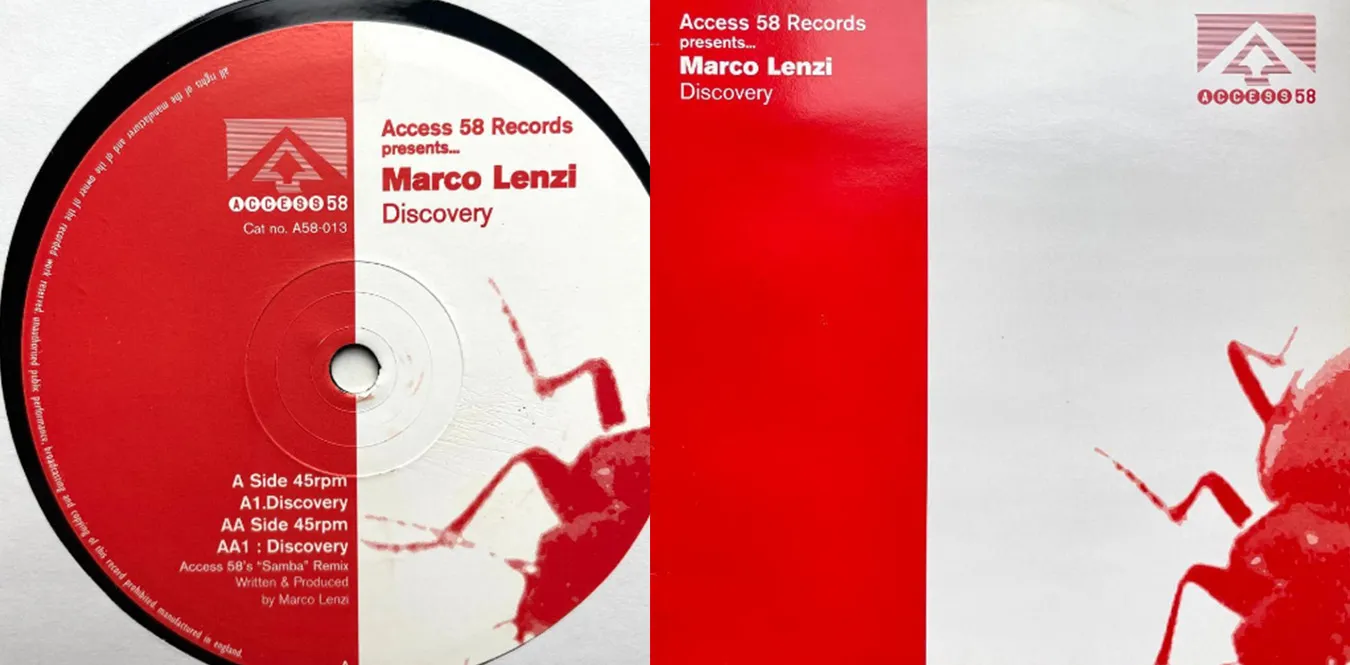
Marco Lenzi – Discovery
Marco Lenziは、イタリア・ローマ出身のD/プロデューサー/レーベルオーナー。1980年代後半はロンドンのレーベルSilverfish RecordsとEukatech Recordsで活動し、自身のレーベルMolecular Recordingsを設立。
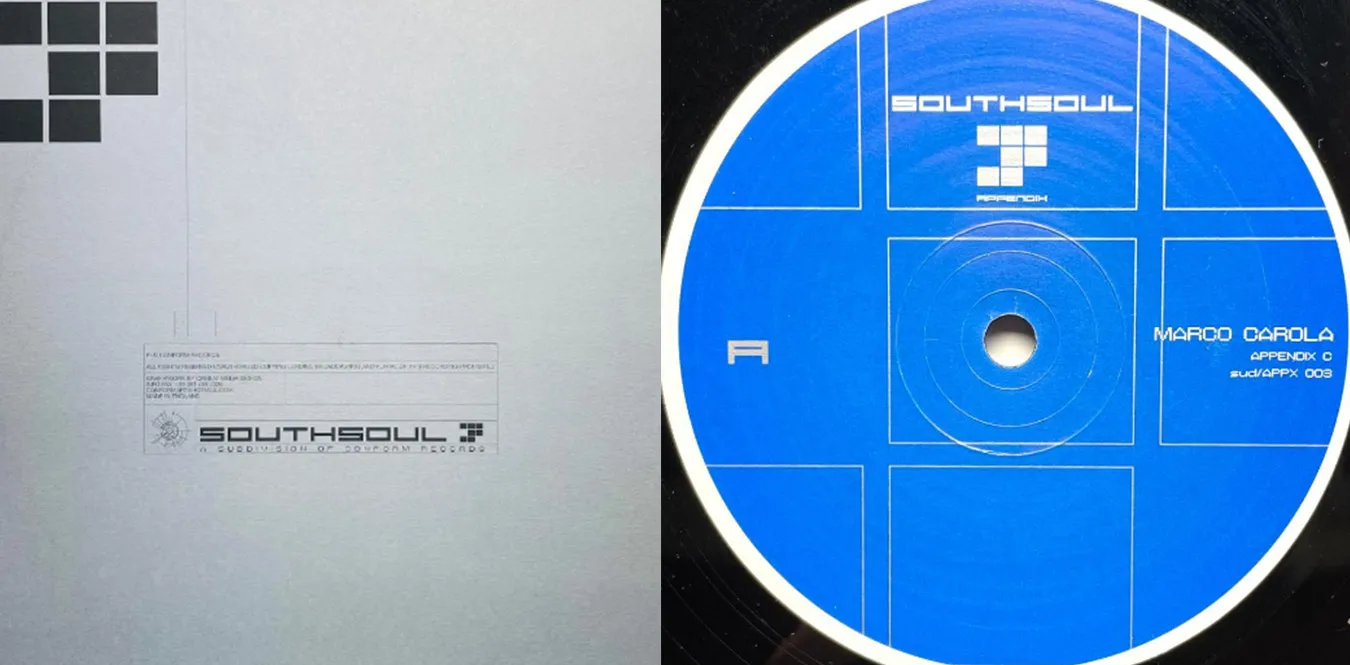
Marco Carola – Appendix C
Marco Carola (マルコ・カロラ)は、イタリアのエレクトロニックミュージシャン/DJ。Minus、Plus 8、2M、Primate Recordingsなどの名門レーベルから音楽をリリースしている。
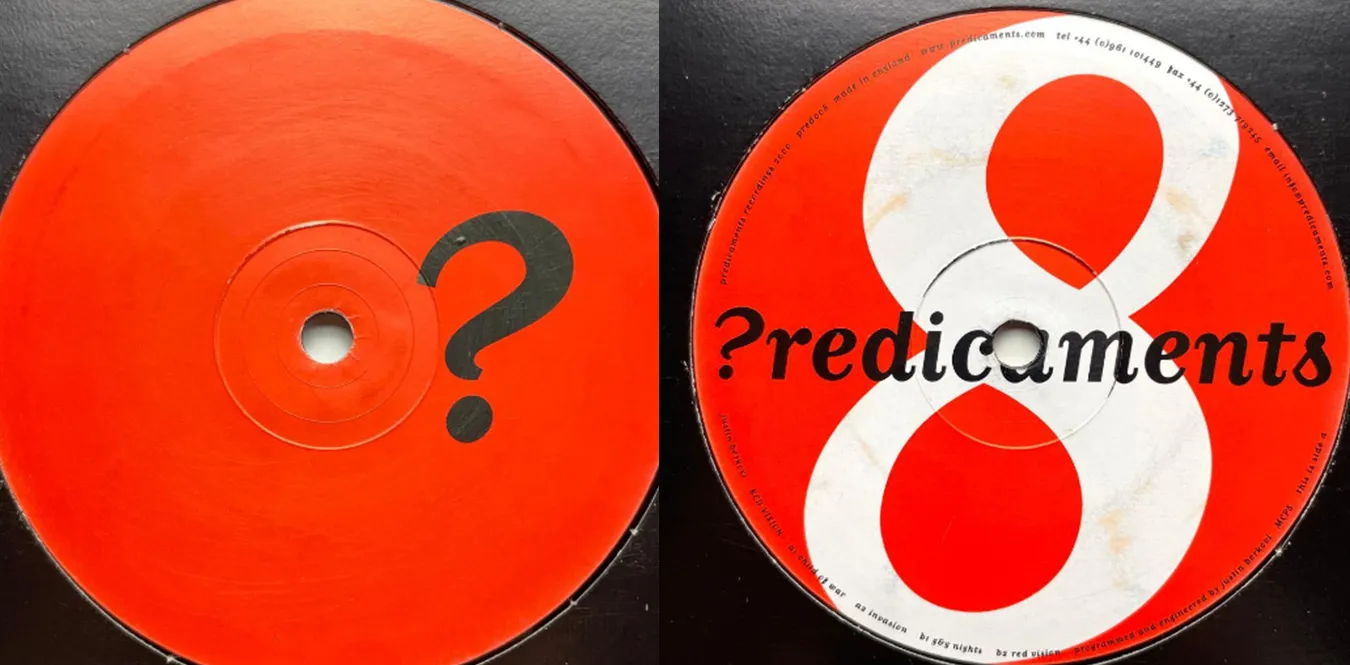
Justin Berkovi – Red Vision
Justin Berkovi は、90年代から活躍するイギリス・テクノ界のベテランDJ/プロデューサー。BTrax名義でも活動しており、レーベルPredicamentsを運営している。
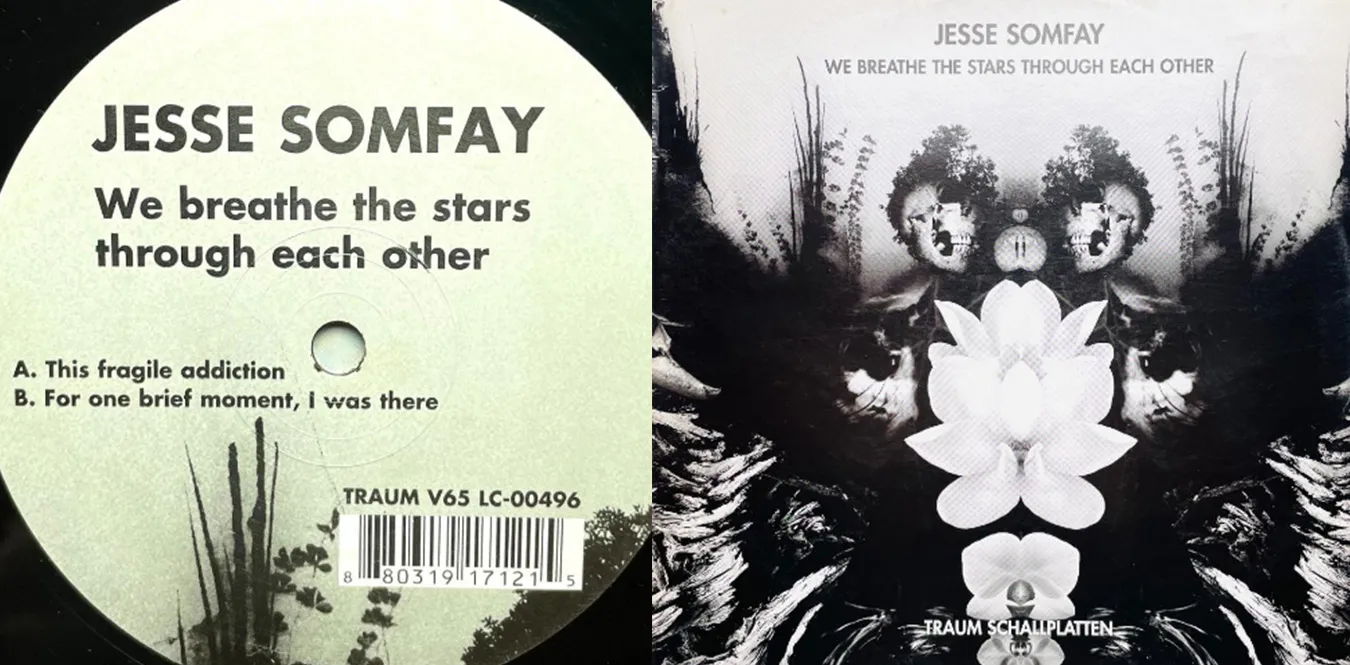
Jesse Somfay – We Breathe The Stars Through Each Other
Jesse Somfay(ジェシー・ソムフェイ)は、2000年代半ばから名門レーベルArchipelやTraum Schallplattenを中心に活動しているカナダ出身のプロデューサー。ミニマル・テクノ、アンビエント、シューゲイザーを融合させたスタイルが特徴。Borealis(ボレアリス)名義での活動でもよく知られている。
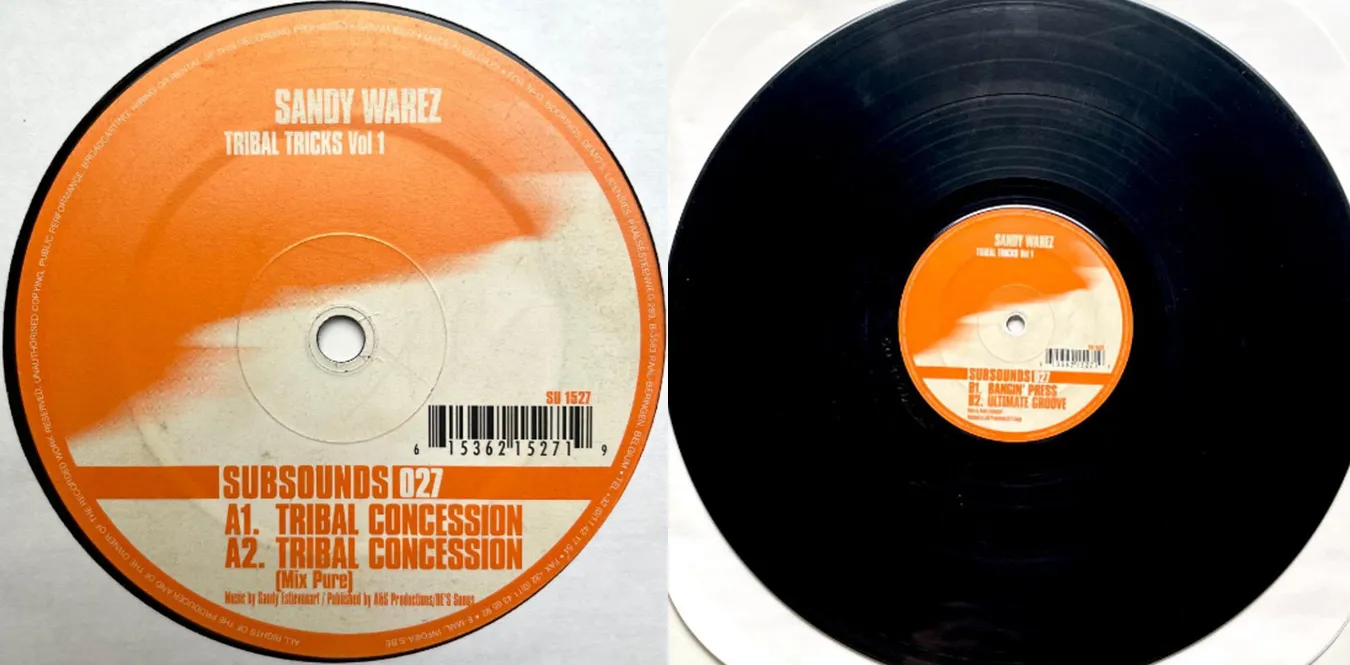
Sandy Warez – Tribal Tricks Vol. 1
Sandy Warez は、20年以上のキャリアを持つハードコア・テクノ界のベテランDJ。現代のハードコアシーンにおいて最も影響力のあるレーベルの一つ『Footworxx』を主宰しており、多くの若手アーティストを輩出している。
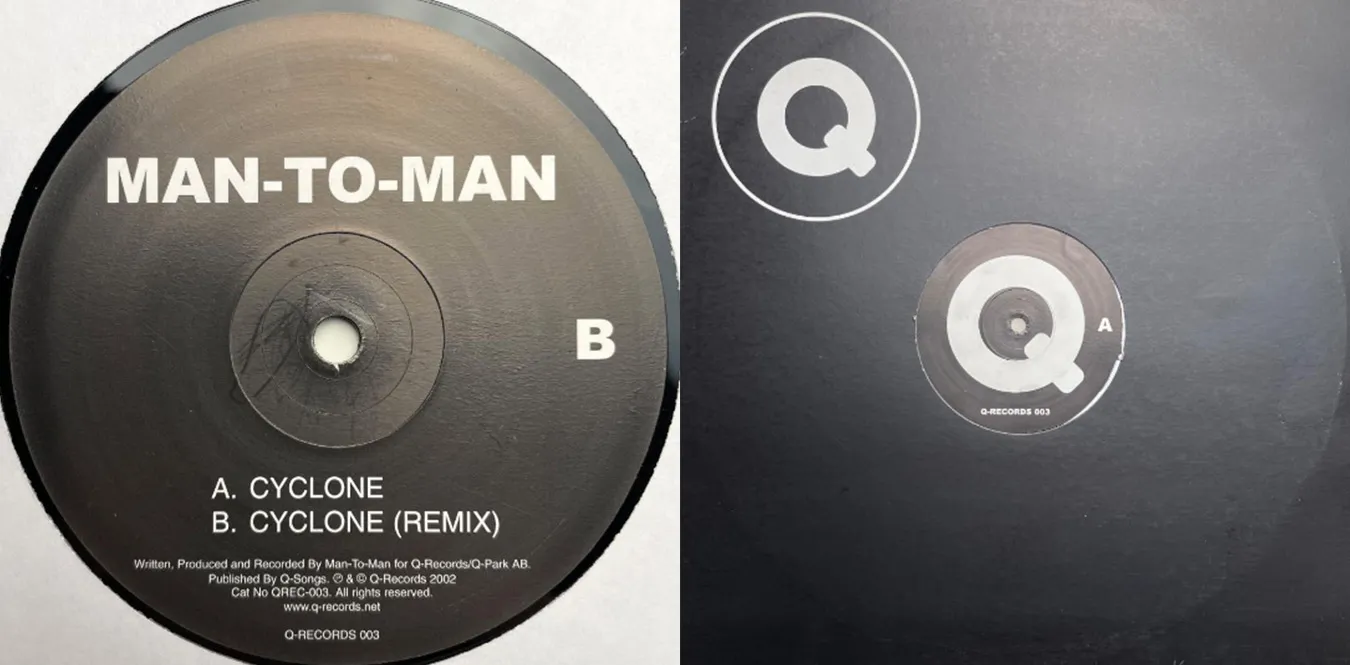
Man-To-Man – Cyclone
Man-To-Manは、Hertz名義で世界的によく知られるスウェーデンのベテランDJ/プロデューサーPierre Jerkstenの別名義。
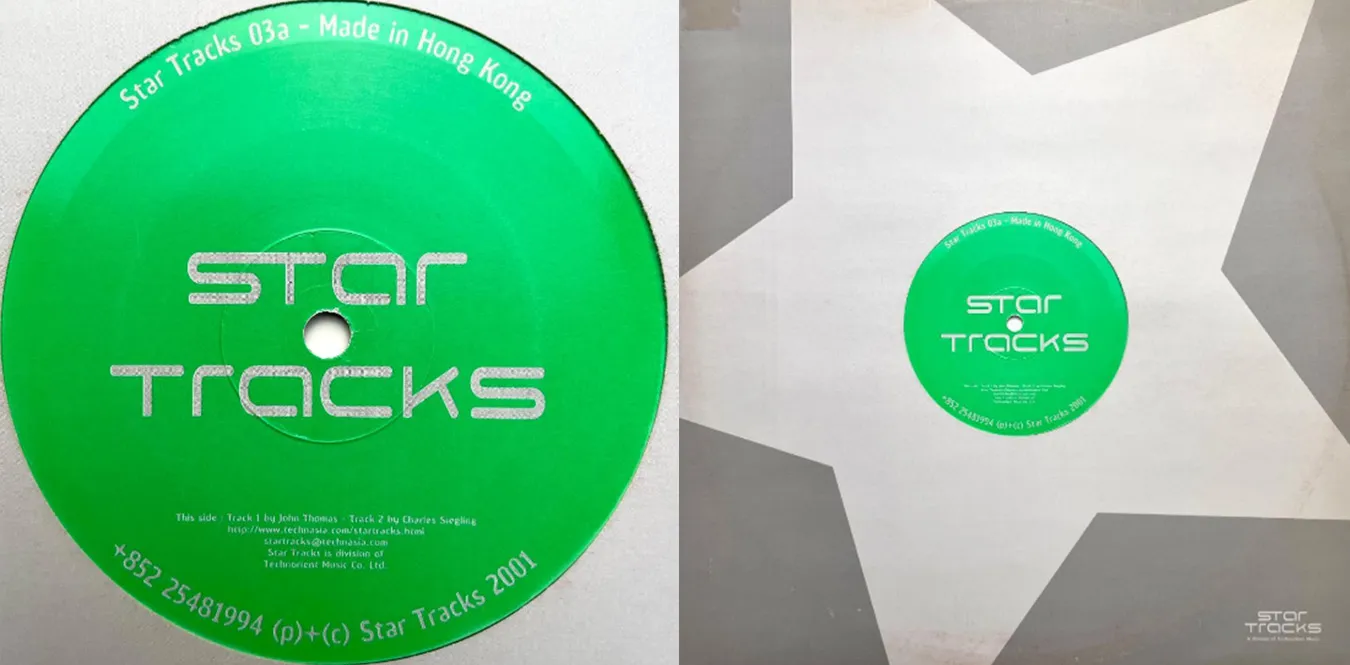
John Thomas Charles Siegling – Star Tracks 03
John Thomasは、フランスのエレクトロニックミュージックプロデューサーでありGinga Musicの共同創設者。ミニマル・エレクトロニック・ミュージック・プロデューサー/DJ Jean-Guillaume CabanneとJeff LassonとのプロジェクトThe Collectiveとしても活動した。
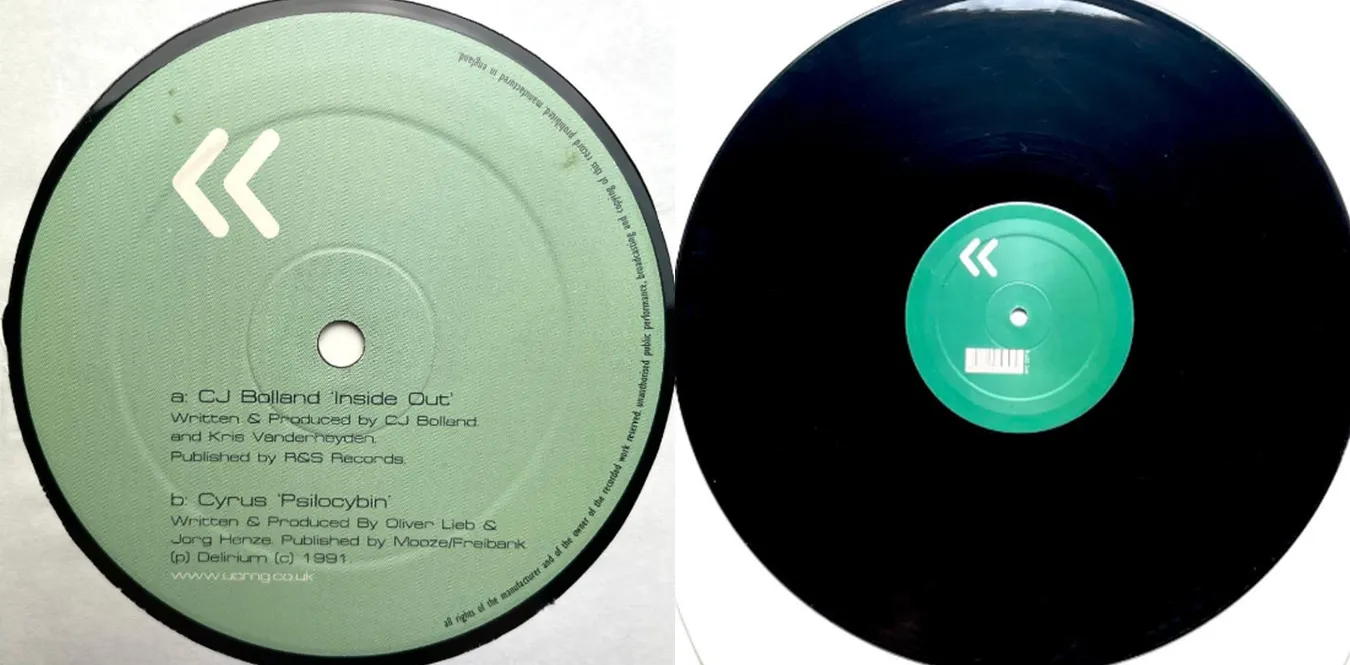
CJ Bolland / Psilocybin – Inside Out /Cyrus
“Inside Out / Cyrus” is a split album released in 2000 on UCMG UK’s sub-label Rewind The Classics.