Episode 001|Ambient Music: Satie, Eno, Cage and the Ignorable
Overview
This philosophical deep dive explores ambient music, a genre defined by the paradox that it uniquely asks the listener not to listen to it actively. The core question guiding the discussion is the function of music meant to be ignorable.
🎧 Listen
→ Read the full Editorial Note
A deeper philosophical expansion of this episode
Transcript (Excerpt)
The following is a short excerpt from the full transcript. The complete transcript is available on a separate page.
[00:00] Introduction — The Paradox of Ambient Music
Host: Let’s begin with a paradox. Today, we are taking a deep dive into a philosophical challenge posed by sound itself. Our focus is ambient music, a genre that uniquely asks not to be actively listened to. This contradiction lies at the heart of our discussion. How do you even begin to talk about a form of music that is designed, by its very nature, to remain on the periphery of attention?
Co-host: Exactly. Our aim is to trace the lineage of this spatial art—defined by its rejection of traditional melody and rhythm—from conceptual art through to its radical fusion with the intellectual underground of 1990s UK electronic music. The central question we keep returning to is this: if ambient music is meant to be ignorable, what is its actual function?
Host: It feels less like composition and more like environmental engineering.
Co-host: That’s precisely the point. Ambient music is concerned with function beyond performance or consumption. To understand that function, we need to begin with its defining philosophical blueprint.
[01:20] Brian Eno and the Definition of Ambient
Host: While sounds like this existed earlier, it was the British musician Brian Eno who, in 1978, explicitly defined and named the concept of ambient music.
Co-host: He gathered ideas from experimental and conceptual art and wove them into a genre that could finally be articulated. His definition, found in the sleeve notes of Ambient 1: Music for Airports, anchors this entire discussion.
Host: Eno wrote that ambient music must be able to accommodate many levels of listening attention without enforcing one in particular. Most famously, he stated that it must be “as ignorable as it is interesting.”
Co-host: It’s a striking phrase, though not an easy one to grasp. If ambient music is designed to function in the background, how is it different from conventional background or elevator music?
Host: That question reflects a common misunderstanding. While both occupy the background, their intentions are fundamentally different. Elevator music is meant to fill silence and then disappear entirely. It is designed to go unnoticed.
Co-host: Ambient music, on the other hand, is what Eno described as spatial art. It rewards focused listening, revealing textures and subtle shifts, while still functioning when ignored. It is not invisible—it is peripheral, waiting for the listener to engage.
Related Columns
- What is ambient music?
- Ambient: From “listening music” to “feeling music”
- Japanese Ambient / Environmental Music
- Ambient Techno / Deep Ambient
- Dark Ambient / Ritual Ambient
- Ambient Techno / Deep Ambient 2
- Ambient Drone / Textural Drone
Explore more like this
![[Column] MERZBOW ── Noise, the liberating acoustics](/../assets/images/column-merzbow.webp)
[Column] MERZBOW ── Noise, the liberating acoustics
Prologue: Noise as the inversion of silence
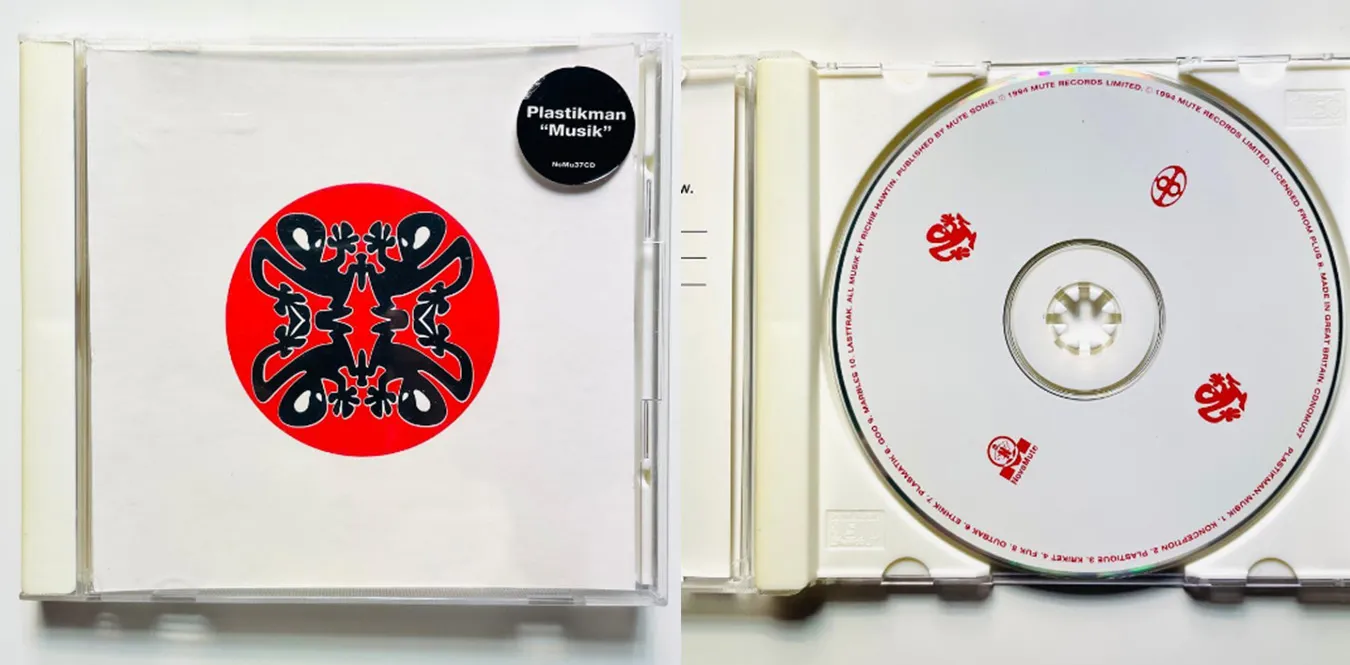
Plastikman – Musik
An album released by Richie Hawtin under the alias Plastikman on the NovaMute label in 1994. This is Richie Hawtin’s third studio album and second under his Plastikman name.
![[Column] Ben Frost and acoustic architecture: Between noise and structure](/../assets/images/column-ben-frost.webp)
[Column] Ben Frost and acoustic architecture: Between noise and structure
Ben Frost and Acoustic Architecture - Frequency Violence
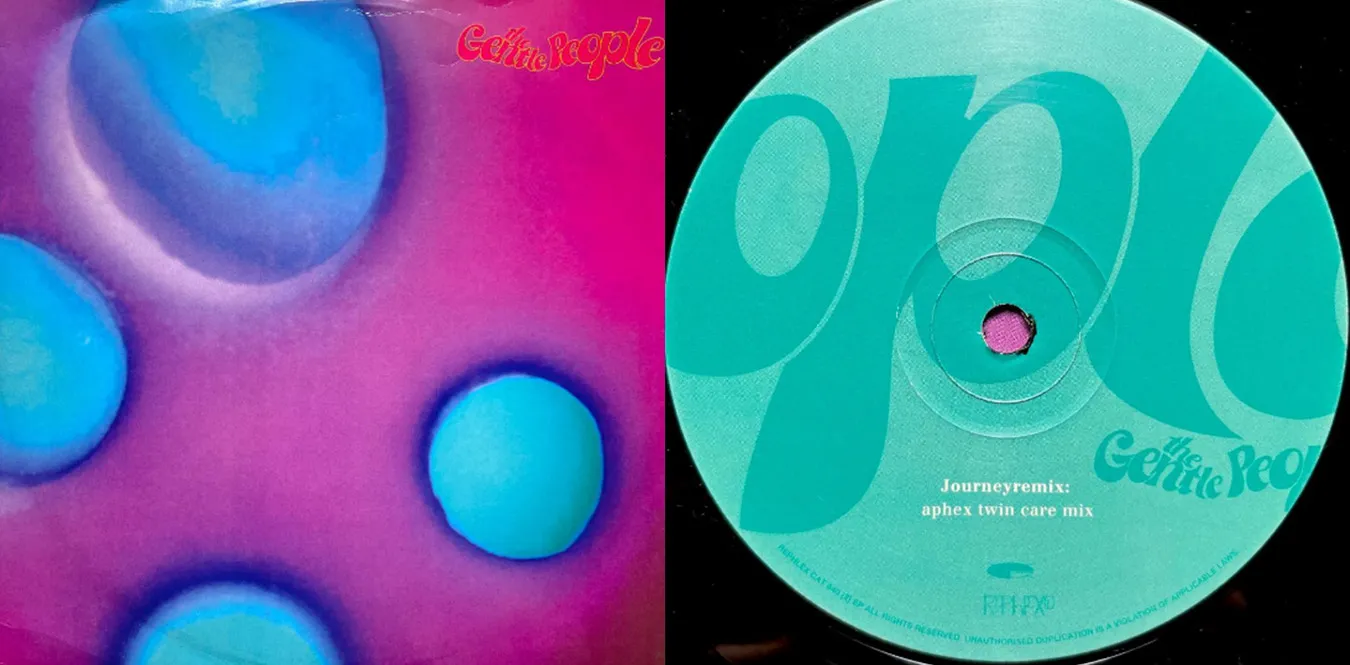
The Gentle People – Journey Remixes
The Gentle People is a band formed in the US in 1995. Their sound is characterized by the lounge and easy listening taste of the 1950s, which was defined as...
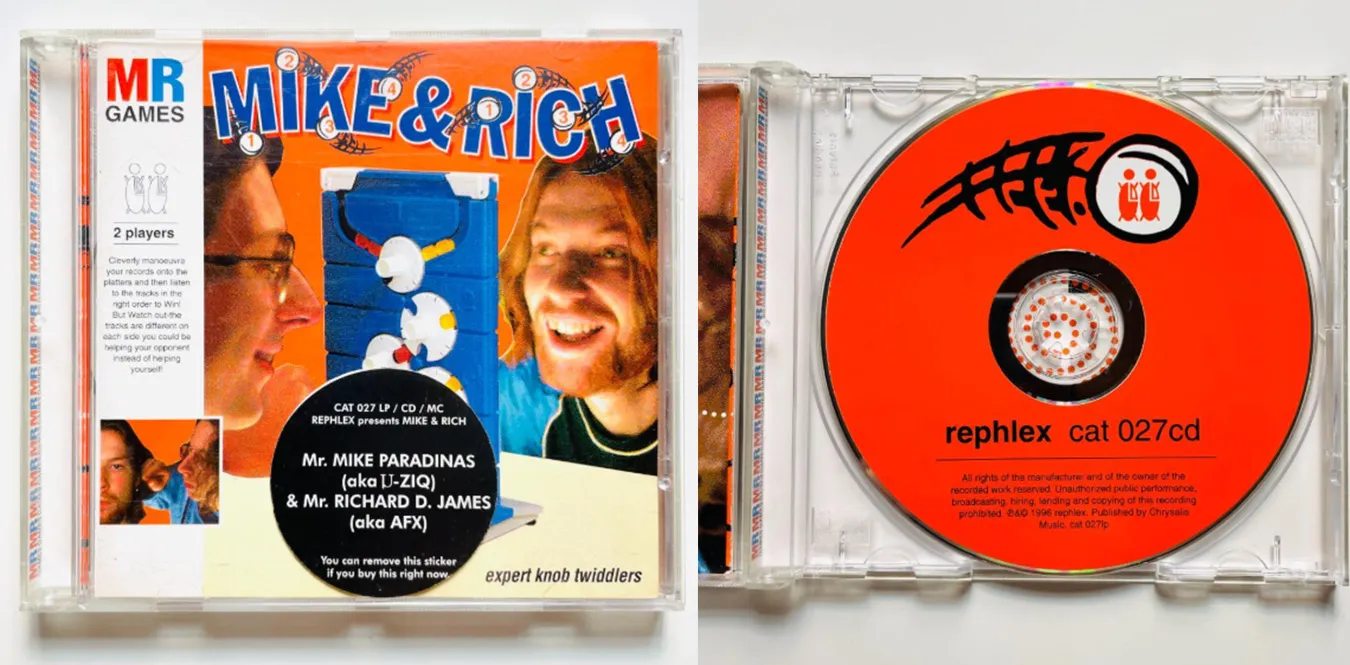
Mike & Rich – Expert Knob Twiddlers
Mike & Rich’s “Expert Knob Twiddlers” (1996) is a collaborative album by Richard D. James, aka Aphex Twin, and Mike Paradinas, aka µ-Ziq, two geniuses who led the electronic music...
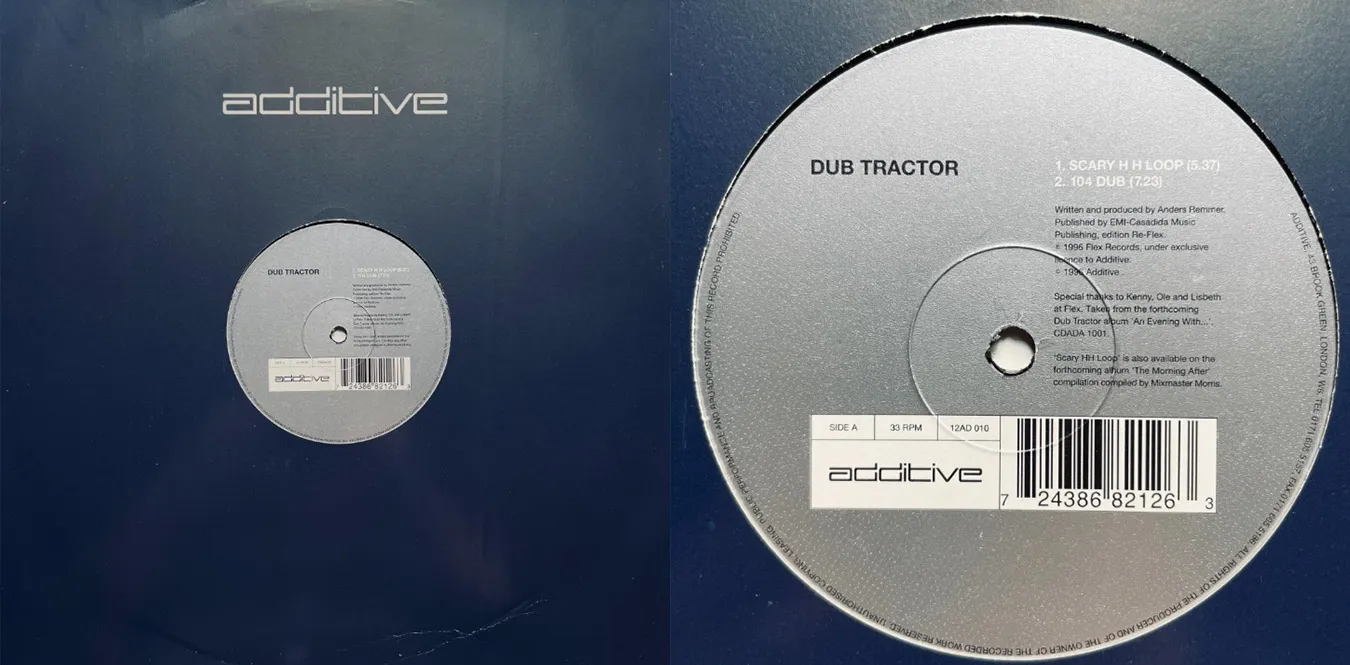
Dub Tractor – Scary H H Loop / 104 Dub
Anders Remmer, also known as Dub Tractor, is a leading figure in the electronic community in Copenhagen, Denmark, and is an electronic musician, producer, and film music composer. He also...
 Get the latest updates as soon as they arrive