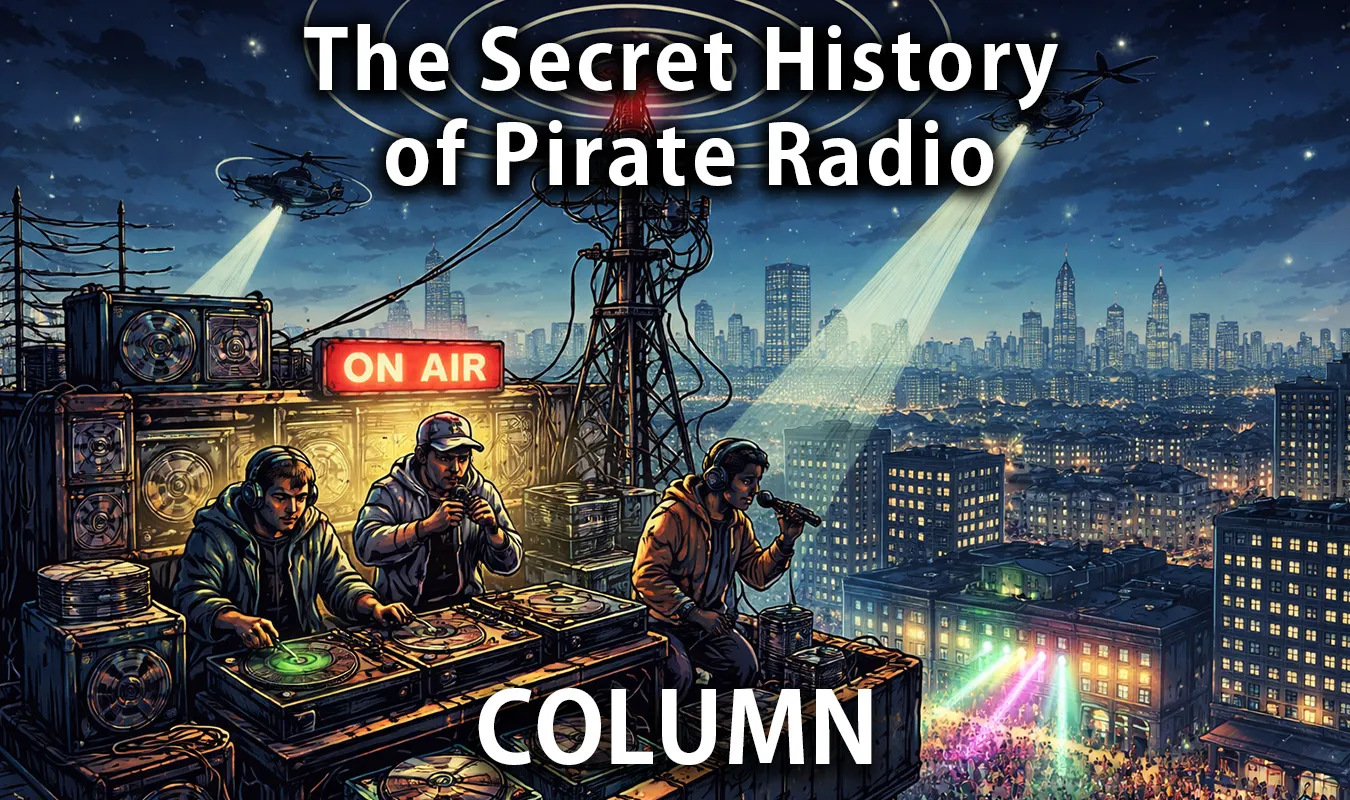
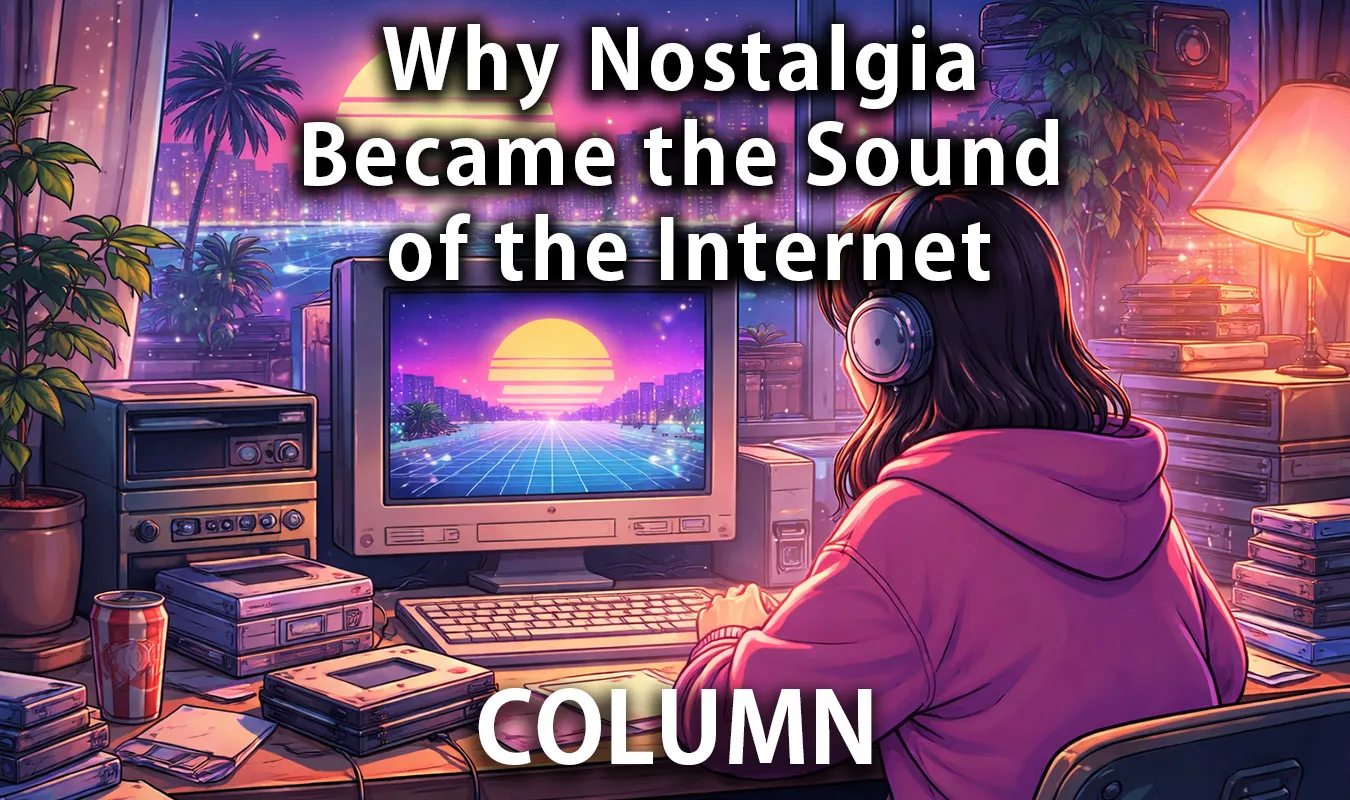
インターネットはなぜ「懐かしさ」を増幅したのか
Text: mmr|Theme: Why does music in the digital age evoke nostalgia for the past?—Musical history of the Internet and nostalgia culture
デジタル時代の感情としてのノスタルジア
21世紀に入り、音楽の世界で一つの感情が急速に広がった。それがノスタルジアである。
Nostalgia used to be a feeling deeply tied to personal memories. Childhood memories, songs from your youth, time with your family. It was the feeling that arose when such a personal experience was connected to a specific piece of music.
However, the advent of the Internet has fundamentally changed this emotional structure.
YouTube, blogs, social media, and streaming. あらゆる時代の音楽が同時にアクセス可能になったことで、音楽は「現在」ではなく「時間のアーカイブ」として消費されるようになった。
1970s disco, 1980s synth pop, 1990s R&B, 2000s indie rock. All of them line up on the same timeline.
In this situation, music is not experienced as new, but as layers of time. And the emotion that crossed all these layers was nostalgia.
The Internet is not only the world”s largest music library, but also the world”s largest storage device.
When the Internet transformed music from a “culture of the present” to a “culture of time,” nostalgia became its central emotion.
Nostalgia is not a new emotion
A cultural concept that has existed since the 19th century
The word “nostalgia” originated as a medical term in the 17th century. A term coined by Swiss physician Johannes Hofer to describe the psychological state experienced by soldiers who leave their homeland.
The etymology is
- nostos (homecoming)
- algos(痛み)
つまり「帰れない場所への痛み」である。
In the 19th century, this concept spread as a theme in literature and art. Romantic artists painted lost eras and landscapes.
A similar trend can be seen in music.
In classical music, a movement was born to reinterpret folk songs and folk music. In jazz, a culture of re-performing standard songs was formed after the 1920s. Even in rock, there was a return to the blues in the 1960s.
In other words, music has always looked back on the past.
However, the nature of nostalgia in the Internet era is different from that of the past.
It is not a personal memory, but a media memory.
Internet nostalgia is a feeling of nostalgia not for ““one’s own past,” but for ““cultural past.”
“Shared memories” created by digital culture
メディアが作る疑似ノスタルジア
インターネット時代には奇妙な現象が起こる。
It”s a feeling of nostalgia for a time you haven”t experienced yet.
For example, a generation that did not know about the 1990s
*VHS picture quality
- Windows 95 interface
- 古いCM音楽
- モールミュージック
Sometimes I feel nostalgic.
これは社会学で「メディアノスタルジア」と呼ばれる現象である。
The Internet provides a vast archive of video and audio. その結果、人々は過去の文化を実体験のように消費できる。
On YouTube
- 1980s TV commercial
- 1990年代ゲーム音楽
- VHS録画のアニメ
- Late night radio
etc. are being uploaded in large quantities.
These function as a shared cultural memory device.
As a result, people come to have a common “pseudo memory.”
インターネットは個人の思い出ではなく、共有された記憶としてのノスタルジアを作り出した。
音楽ジャンルとしてのノスタルジア
The advent of vaporwave
In the early 2010s, a music genre was born from the Internet.
Vaporwave.
This genre is from the 1980s and 1990s.
- 企業音楽
- エレベーターミュージック
- ショッピングモールBGM
- CM music
などをサンプリングし、スローダウンして加工する音楽だった。
What makes it unique is its theme.
Vaporwave is
- Capitalism
- Consumer culture
- Digital society
It began as an art satirizing the
But at the same time, this genre has generated a strong sense of nostalgia.
The visuals of vaporwave
- 1990年代CG
- 古いWindows画面 *VHS noise
- 日本語フォント
etc. were used.
They were memory fragments of the internet generation.
Vaporwave is more than just a music genre. It was an emotional expression for the internet age.
Vaporwaveは、インターネットが生んだ最初の「ノスタルジア音楽」だった。
Lo-fi hip-hop and everyday nostalgia
Internet background music
In the late 2010s, another form of nostalgia music spread.
Lo-fi hip hop.
This music is
- record noise
- テープの歪み
- 古いジャズサンプル
It is characterized by such things.
YouTubeのstudy music配信によって、このジャンルは世界的に広がった。
特徴的なのは、その音楽の役割である。
Lo-fi hip hop
- study
- work
- 読書
It is used as background music.
つまりこれは日常生活の音楽である。
The sound is just like an old cassette tape. A warm, slightly cloudy sound.
It is in contrast to the perfection of digital music.
Nostalgia functions here as a sound of reassurance.
Lo-fi hip hop has become a symbol of “quiet nostalgia” in a digital society.
Why the digital age seeks nostalgia
技術の進化と感情の逆方向
インターネットは、音楽の歴史の中で最も高速な技術革新を生んだ。
- MP3 *Streaming
- AI music
- アルゴリズム推薦
しかし興味深いことに、技術が進化するほど音楽は過去に向かう傾向がある。
This is also a phenomenon that cultural researchers have pointed out.
There are three main reasons.
The first is information overload. The Internet provides a huge amount of music, but it also creates fatigue.
The second is stability of identity. 懐かしい音楽は、変化の速い社会で安心感を与える。
3つ目はアナログへの憧れである。 Digital perfection can sometimes feel cold.
Nostalgia music was born as a reaction to this.
The more technology advances into the future, the more human emotions tend to return to the past.
Chronology of Nostalgia in Internet Music History
Nostalgia has grown stronger as internet culture has evolved.
Is nostalgia the future of music?
The idea of retro-future
There is another concept in modern music.
It is retro-future.
これは
“The future seen from the past”
That’s the aesthetic.
for example
- 1980s futuristic city
- Cyberspace in the 1990s
- 初期インターネットのCG
etc.
This aesthetic also influences music.
シンセウェーブ、レトロエレクトロ、Vaporwave。 All of this is music that reconstructs the past’s view of the future.
In other words, nostalgia music is not just a retrospective.
It is also a way to imagine the future.
Nostalgia is a feeling of looking back on the past, but also a culture of imagining the future.
終わらないノスタルジア
Memories of the Internet never disappear
かつて文化は忘れられていった。
When records went out of print, music disappeared. Television programs also disappear from memory unless they are rebroadcast.
But the internet is different.
Everything is saved.
YouTube, cloud, archive. Culture remains somewhere unless it is deleted.
In other words, future generations will experience all eras simultaneously.
この状況では、ノスタルジアは終わらない。
新しい音楽が生まれるたびに、それはすぐに過去になる。 And the Internet preserves that past.
Music always exists on the border between ““now” and ““old.”
そしてインターネットは、その境界を限りなく曖昧にした。
ノスタルジアがインターネットの音になったのは、デジタル世界が「終わらない記憶」を持ったからである。