[Column] Underground Resistance and Detroit's rebellious history: Complete coverage of Afrofuturism, Drexciya myths, and comparisons of world cities
Column en Detroit Techno History Techno![[Column] Underground Resistance and Detroit's rebellious history: Complete coverage of Afrofuturism, Drexciya myths, and comparisons of world cities](/../assets/images/column-ur.webp)
Prologue: The story of UR and Detroit is a theory of civilization born from the rubble of the city.
Text: mmr|Theme: A comprehensive analysis of Detroit and Underground Resistance from the perspectives of urban history, political ideology, acoustic engineering, Afrofuturism, the Drexciya myth, and world city comparisons.
Underground Resistance (UR) is more than just a techno group. It is “an idea for the black community to reclaim its future in the midst of urban decay,” and is itself a resistance movement in the form of music.
Detroit is America’s most depressed city, its most deindustrialized city, and its home to an explosion of black cultural creativity. The glory of Motown, Ford’s mass production, the exodus of the white middle class from the suburbs, red lining, skyrocketing unemployment, cities with over 70% black population, and the birth of techno.
UR cannot be talked about without this background.
Chapter 1: Social History of Detroit - Violence, Loss, and Industrial Collapse as a Prehistory of the Birth of Techno
■ Detroit 1950-1970: Black workers’ “American Dream”
In the 1950s, Detroit was America’s future. The automobile industry grew enormously, creating stable employment for the black community. Motown was established as a “cultural symbol of the black middle class,” and its musicians sang of the hopes of working people.
However, this prosperity did not last long.
■ 1970-1980: White outflow, unemployment rate doubling, crime increasing
The ““white flight’’ caused a rapid decline in urban centers. Black communities were left behind, tax revenues plummeted, and cities fell into disrepair. Police violence, educational collapse, infrastructure shutdown. Much of Detroit became a “forgotten area.”
During this period, the young people who would later become UR members grew up using the ruins as their playground. **
■ 1980s: “Digitalization” of the working class and revolution in music equipment
Roland TR-808, 909, 303. Cheap used analog equipment is on the market.
With equipment that even working-class black youth can afford, “Contemporary technology to record urban decay with sound” was born.
Techno is not music that throws away the past for the sake of the future. **It was music that recorded the destruction of the present for the future. **
Chapter 2: Thoughts of Underground Resistance - Anti-capital, anti-authority, future city theory
UR was formed in Detroit in the early ’90s.
At the center was
- “Mad” Mike Banks (Ex-military, thinker, producer)
- Jeff Mills (Godspeed turntablist)
- Robert Hood (Founder of Minimal)
UR is more than a record label. It was a “society” modeled after urban military training and information warfare.
■ Weapon of anonymity
UR did not release any photos, performed in masks and in the dark, The member name has been unified as “UR”. His stance was to reject the capitalist style of personal name branding.
■ Anti-authority thought system
The philosophy of UR is based on the following principles:
- Restoring autonomy for the Black community
- Music is a weapon
- Being independent is the only means of resistance
- Techno is the political ideology of the future
- Symbiosis with machines is a reinterpretation of black labor history
Mike Banks” military experience influenced UR”s organizational structure. UR is a musical group, but ideologically it is close to a ““citizen armed organization.’’
■ The aesthetics of “urban rebellion” inherent in the work
For example, in “Final Frontier”, “Where will humanity go after the collapse of cities?” The question is depicted through sound.
Minimal and hard kicks, repetitive baselines, The atmosphere feels as if the reverberations of a declining city were recorded directly.
UR’s sound is not a beautiful future; This is the sound for surviving in a devastated future.
Chapter 3: Drexciya - Afrofuturism’s greatest myth system
Drexciya (James Stinson & Gerald Donald) is on par with UR.
They are They are said to be ““an undersea tribe born in the womb of a pregnant woman who was thrown overboard from a slave ship.’’ Constructed a black myth.
■ Detailed settings for Drexciya myth
Structure of an underwater state
- Central Colony: Oversees capital functions and music culture
- Biological city adapted to water pressure
- Energy utilization from ocean currents
- Undersea communication network (sound wave based)
Social organization
- Direct Democratic Council *Music education required for citizens
- Records as a recording medium are responsible for the inheritance of history.
Sound engineering ideas
Drexciya’s sound mimics underwater physics.
- Bass pressure change → Reproduction of water pressure
- Frequency cutoff → Expression of the deep sea where light cannot reach
- Bubble sound → Onomatopoeia of underwater breathing
They are not techno, It is an existence that reproduces the “folk music of underwater civilization” using techno equipment.
Chapter 4: Comparative theory of world cities - Detroit/Chicago/Berlin/Tokyo
To understand UR, Comparisons with other cities are essential.
■ Detroit vs Chicago
- Detroit: hard, ideological, anti-capital *Chicago: warm, festive, community-oriented
The difference between techno and house corresponds to the difference in urban society.
■ Detroit vs Berlin
- Techno emerges in the ruins of Berlin
- Tresor respects, imports and localizes UR philosophy
- Detroit = Future city theory of black city
- Berlin = Rebirth from the ruins of the Cold War
■ Detroit vs Tokyo
- Tokyo is a city of efficiency and high-speed processing
- “Information City” where noise and order coexist
- Detroit is a city of desolation and resistance
- Both have a complementary relationship
System diagram of UR philosophy
Chapter 5: Future Theory of UR - Critique of AI and Machine Civilization
UR is “The future is a new civilization created by black people.” He said it implicitly.
In an era where AI imitates music, the UR philosophy will become even more important.
- Relationship between humans and machines
- Black labor history and mechanization
- Automation of capitalism
- Urban division and surveillance
UR’s music is a warning for the future, At the same time, it is a weapon for regaining the future.
Final chapter: UR is not music. This is the “reconstruction of urban civilization.”
The story of UR is the history of Detroit; is the future of black culture; It is a comparative civilization theory of world cities, Afrofuturism myth, It is a philosophy of coexistence with machines.
Listening to UR means **It is an act of excavating the future buried in the rubble of the city. **
UR member individual chapter
The following text focuses on historical facts and musical analysis, but in order to give it some breadth, I also delve deeper into topics such as ““ideology,” ““urbanity,” and ““sound genealogy’’ that are discussed in the literature on Detroit studies, creating a content that can be read as an essay.
1. Mike Banks (Mad Mike)
**A spiritual pillar and military commander of the Underground Resistance. **
UR rarely appears in front of the media, hides his face, and does not give his name. Co-founder Mike “Mad Mike” Banks was the first to thoroughly push this stance.
Banks’ musical outlook can be summarized as ““creating the sound of the city of Detroit itself.’’ He often says, ““Music is not a business, it”s a weapon,” and ““We”re fighting.” This word “weapon” is not just a metaphor.
- Collapse of the black community
- Deindustrialization of the automobile industry
- Drugs and public order
- Inequality
- Tax revenue outflow due to white suburbanization
- Collapse of public services
Detroit in the 1980s and 1990s was a city that epitomized decadence and chaos. Banks took this reality head on and redefined music as a device of resistance.
Banks’ sound signature:
- Heavy bouncing kick *Analog-based brutal square wave drive
- Metallic percussion
- Funky but cruel groove
- The most militant sound image in Detroit Techno
No matter how melodious Banks” songs are, there”s always a hint of struggle deep down.
He is also a social project of UR Submerge Distribution Underground Resistance HQ (base) Neighborhood restoration (local reconstruction planning) He was deeply involved in the employment and education of young people in Detroit.
Banks has played the role of UR’s trinity of “warrior,” “commander,” and “philosopher.”
2. Jeff Mills
The man who brought the most cosmic ideas to UR
Jeff Mills was a co-founder of UR and later became a global techno icon in his solo career. During his time at UR, Mills was a rare person who was ““a DJ, a sound designer, and a conceptual builder,” and his philosophy was one that connected ““Afrofuturism, science, and the city.”
Mills’ DJ style:
- Simultaneous operation of 3 to 4 turntables
- “Build” instead of mix
- Fast tempo
- Concatenation of tones
- Layering loops
- Hit the drum machine like a live performance
Mills extended UR to “extraterrestrial perspective.” If Banks represents “ground warfare,” Mills represents “space warfare.” ““The Final Frontier” is a symbol of this, and is truly a work that has honed the ““minimalism of space and city” to the utmost.
In 1992, Mills left UR, but he took UR”s philosophy, aesthetics, and experimentalism to the world, laying the foundation for today”s “minimalism,” “cosmos,” and “stoicism” in techno.
3. Robert Hood
The man who perfected UR’s “religiousness = minimalism”
Robert Hood had the most minimalistic philosophy among UR. His sound is neither “functional” nor “decorative.”
**This is techno of “white space” and “prayer”. **
Hood’s minimalism is not about “reducing” minimalism. Minimalism for hearing the “reverberations of the city”.
- Bass drum
- Snare
- 1 rising synth
- Short repeating patterns
That alone opens up the horizon. Hood’s music is reminiscent of “the light at the end of the subway tunnel.”
The later “Minimal Nation” was released after UR disbanded. It is often talked about as “the goal achieved when UR inherits and develops minimalism.”
Along with Banks, Hood was deeply involved in the “community nature” of UR, and was also someone who practiced connecting music and the city.
4. Drexciya (James Stinson/Gerald Donald)
Perfect of underwater Afrofuturism
Drexciya has a philosophy that is directly descended from UR, but has created a completely different mythological universe.
The theme is “sea”. To be more precise, it is the myth that ““a people born at the bottom of the ocean during the Atlantic slave trade - the Drexians’‘**.
Features of Drexciya:
- Too early electro redefinition
- Hardware-centered improvisational production
- Blip sound, liquid FM synth
- Oceanic delay
- Inorganic yet emotional electro
- Complete anonymity
James Stinson said, ““Music is a living thing.’’ Although it was in contrast to UR’s “music is a weapon,” the same spirit was flowing through it.
Gerald Donald’s sound was later developed into Dopplereffekt/Arpanet/Der Zyklus and established the “intellectual” aesthetic of techno.
Drexciya is the most mythical and ideological figure in techno. "”Undersea warfare”, which is different from UR’s ““ground warfare” and Mills’ ““space warfare’‘ was developed.
Song analysis
Here, we will analyze it on three axes: music theory + sound design + cultural background.
1. “Jupiter Jazz” (Galaxy 2 Galaxy)
**A song with the strongest theme of “hope” in UR. **
- Tonic is E minor
- Code structure is very simple
- “Heavenly minimalism” that rises while the 7th continues
- Lead synths have rounded corners similar to a sine wave.
- Electric piano-like pads create “buoyancy”
The key to the song lies in its ““structure where the harmonies always seem to be rising.’’
The following mechanisms create a sense of increase even though it is not actually increasing:
- Electric piano with short attack
- High-pass EQ cuts the low range and makes it float in the air
- Emphasize the third of the chord and increase its brightness
UR is often said to be militant, but Rather, this song symbolizes “UR’s inner spirituality.”
2. “The Final Frontier” (UR)
An iconic song by Jeff Mills & Mike Banks. The cold light of space and the city is turned into sound.
structure:
- BPM around 130
- White noise hat with strong delay
- Omega-shaped buzz synth
- Almost a drone world with no cords
- “Space” instead of melody
The biggest feature is “Delay feedback is part of the rhythm” point.
This song has a structure of “drums + delay = new percussion” and shows Mills’ experimental nature.
3. “Knights of the Jaguar” (DJ Rolando/UR)
UR’s most worldwide hit song. It is described as a fusion of techno and Latin folk music, but when analyzed, it is extremely detailed.
Music theory:
- Key: A minor
- Narrow range flute melody
- Pentatonic type
- Simple structure without using 4 chords *The bass line is rests are the main character
- “Breathing” is created by rhythm
Rolando strongly reflects “homeland and spirituality”; It is considered to be the only work in UR in which ““prayer and ritual’’ come to the fore.
4. “Hi-Tech Jazz” (Galaxy 2 Galaxy)
Detroit techno finally arrived Fusion of techno and jazz = the complete form of Afrofuturism.
structure:
- Many jazz chords (9th, 11th) *Form is 16 bars
- Broken Beat
- Fusion synth solo
- But the bass part is hard techno
In other words, “top is jazz” and “bottom is techno.”
In terms of UR’s ideology “Jazz sounds in the city of the future” This is a rare example of the fusion of Mills’ view of the universe and Banks’ view of the city.
UR member correlation diagram
Timeline (member change + project correlation)
UR equipment genealogy chart
UR's core kick/hat] TR808[Roland TR-808
Electro / Drexciyan] DR660[Roland DR-660] end %% ========== Bass Synth / Mono Synth ========== subgraph BASS[Bass / Mono Synth] TB303[Roland TB-303
Acid / Bassline] SH101[Roland SH-101
UR early lead/bass] JUNO60[Roland Juno-60
Pad/Chorus] MS20[Korg MS-20
Filter attack sound] end %% ========== Samplers / Groove ========== subgraph SMP[Samplers / Groovebox] MPC60[Akai MPC60
The heart of G2G~UR Live] MPC3000[Akai MPC3000] SP1200[E-mu SP-1200
Lo-Fi sampling] end %% ========== Sequencers ========== subgraph SEQ[Sequencers] SQ10[Korg SQ-10] MC4[Roland MC-4
Analog CV sequencer] ALESIS[Alesis MMT-8
Used extensively at UR live] end %% ========== Modular / FX ========== subgraph MODFX[Modular / FX / Outboard] MOOG[Moog Modular / Voyager] EVENTIDE[Eventide H3000
Deep sea effects] SPX90[Yamaha SPX90
Initial space system] TAPE[Reel-to-Reel Tape / 4-Track] end %% ========== Members ========== subgraph MEMBER[Core Members] MB[Mike Banks] JM[Jeff Mills] RH[Robert Hood] DRX[Drexciya
Stinson/Donald] end %% ======= Connection ======= %% Banks type MB --> TR909 MB --> MPC60 MB --> SH101 MB --> ALESIS MB --> MOOG %% Jeff Mills JM --> TR909 JM --> TR808 JM --> MC4 JM --> JUNO60 JM --> SQ10 JM --> EVENTIDE %% Hood type (Minimal Roots) RH --> TR909 RH --> TR808 RH --> SH101 RH --> MPC3000 %% Drexciya series (Electro / Aquatic Sound) DRX --> TR808 DRX --> MS20 DRX --> MOOG DRX --> SPX90 DRX --> TAPE %% Acoustic Flow Connections TR909 --> TEC[Detroit Techno Core Rhythm] TR808 --> ELEC[Electro / Drexciyan Flow] SH101 --> LEAD[UR Lead Synth Tone] MPC60 --> LIVE[UR Live Performance Backbone] EVENTIDE --> DEEP[Deep Space Reverb / Water FX]
Explanation of key points in the diagram
1. UR’s rhythmic core → TR-909
- UR’s classic aggressive rhythm almost depends on this 909
- 909 is referred to as a “weapon” after “The Bells” by Jeff Mills
2. Electro / Drexciya → TR-808 + MS-20 + Tape
- Drexciya’s “underwater sound” is the bouncy bass of the 808
- Create “water pressure” with the KORG MS-20 filter
- Creates an analog underwater feel by “muddying” the sound with reel tape
3. UR lead sound → SH-101
- The strong synth of “Final Frontier” is SH-101 type
- Central to the sequence in Jeff Mills’ live improvisations
4. MPC60 / MPC3000 → UR live center
What supports the Galaxy 2 Galaxy ~ Timeline live structure? MPC60’s Sweet quantization Groove.
5. Eventide H3000 and SPX90 → Source of Space/Deep Sea FX
- Jeff Mills’ space truck is H3000
- Drexciya’s “underwater echo” is the fast reverb of SPX90.
YouTube Podcast
*This podcast is in English, but you can watch it with automatic subtitles and translation.
Explore more like this
![[Column] Why is techno an ideology?](/../assets/images/column-the-philosophy-of-techno.webp)
[Column] Why is techno an ideology?
Why is techno called ideology?
![[Column] Buchla and Serge: Another genealogy of electronic acoustics](/../assets/images/column-buchla-serge.webp)
[Column] Buchla and Serge: Another genealogy of electronic acoustics
“Introduction — What is modular?”
![[Column] Plastikman | Richie Hawtin - The depths of minimalism and the spiritual history of techno](/../assets/images/column-plastikman-richie-hawtin.webp)
[Column] Plastikman | Richie Hawtin - The depths of minimalism and the spiritual history of techno
Prologue: Self as a “space” of sound
![[Column] A complete history of Krautrock - German experimental music as infinite movement](/../assets/images/column-krautrock.webp)
[Column] A complete history of Krautrock - German experimental music as infinite movement
Introduction: Why “krautrock”?
![[Column] From the origins of techno to the present - A chronological history traced through famous records and equipment](/../assets/images/column-techno-history.webp)
[Column] From the origins of techno to the present - A chronological history traced through famous records and equipment
From the origins of techno to the present - A chronological history traced through famous records and equipment
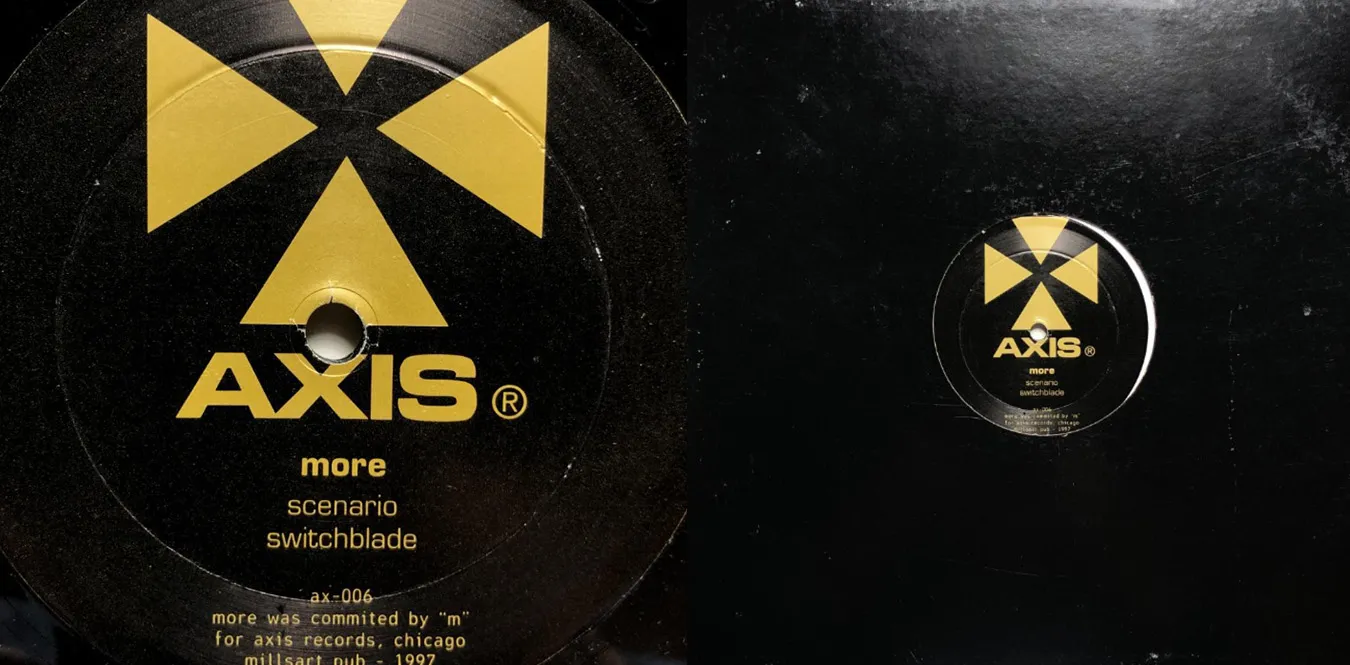
M – More Drama
“‘M’ – More Drama” is a techno track by Jeff Mills released under the name “M” on Axis, a techno label founded by Jeff Mills in 1992.
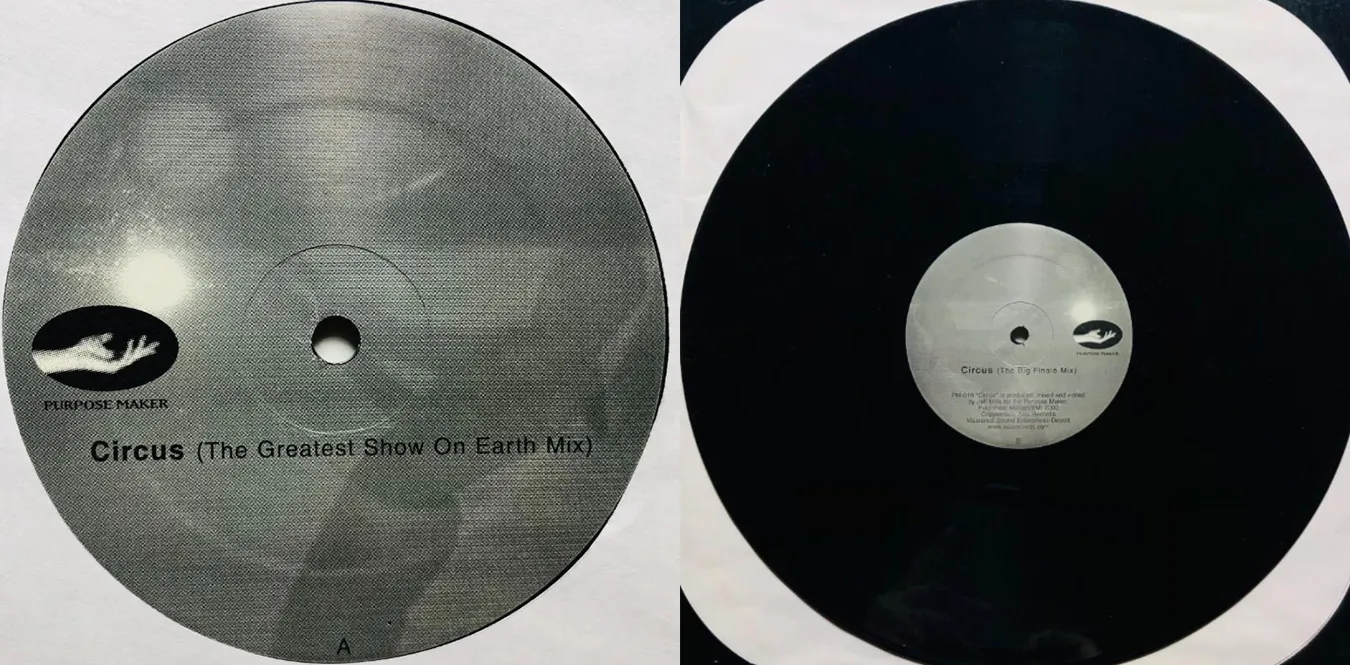
Jeff Mills – Circus
Jeff Mills (also known as “The Wizard”) is one of America’s leading techno music pioneers.
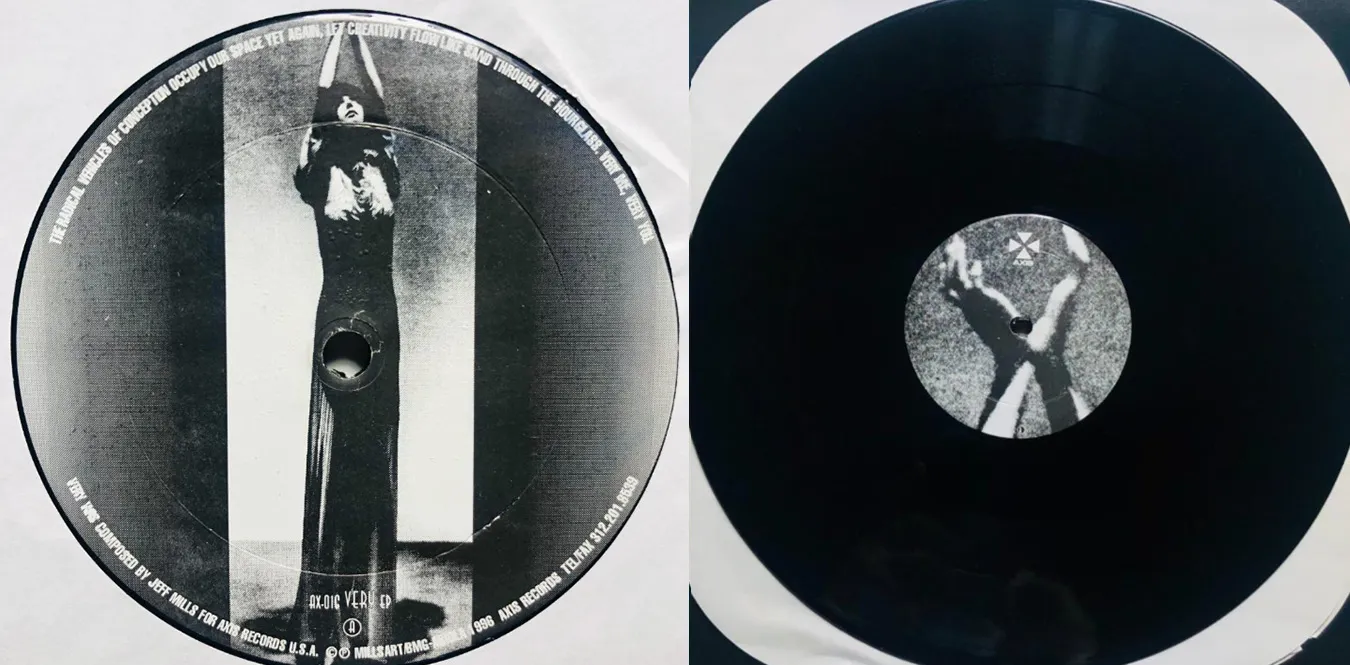
Jeff Mills – Very EP
This EP is the very heart of Detroit underground music and one of the best warm-up techno records.
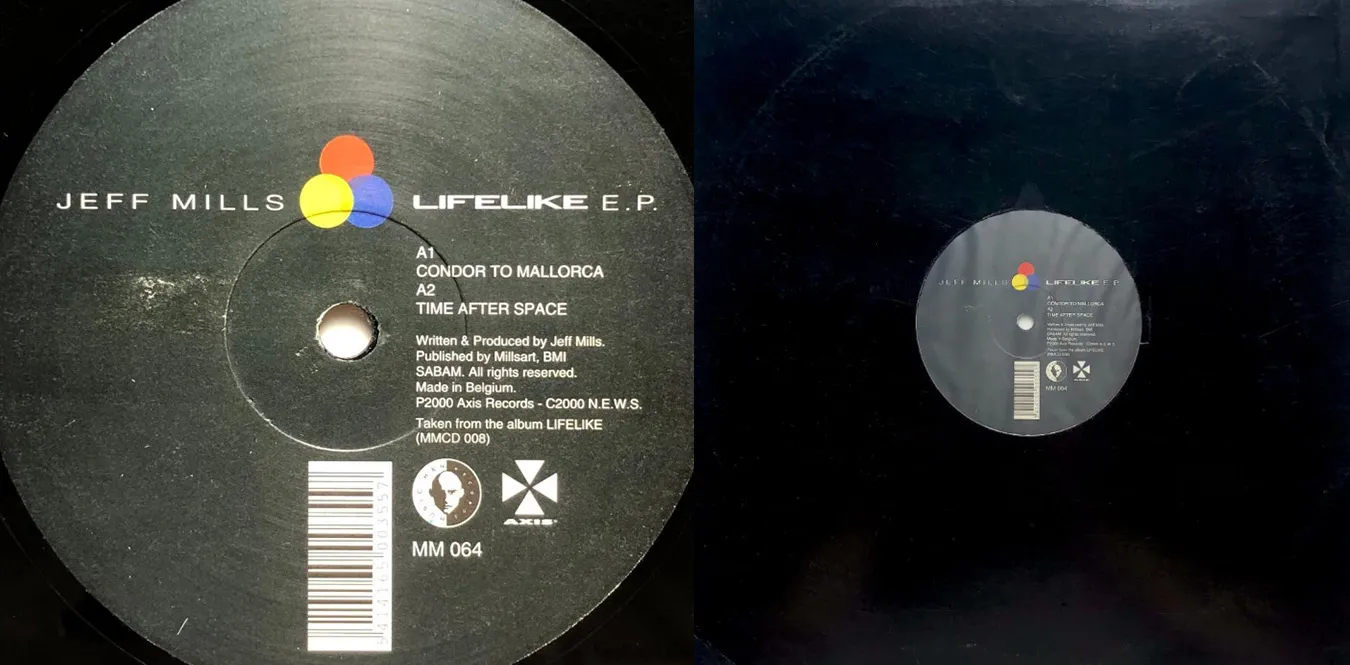
Jeff Mills – Lifelike E.P
“Condor To Mallorca” by Jeff Mills, as the title suggests, is a track with a mystical trip feel, starting with inspired keyboard sounds backed by a calypso-like rhythm program that...
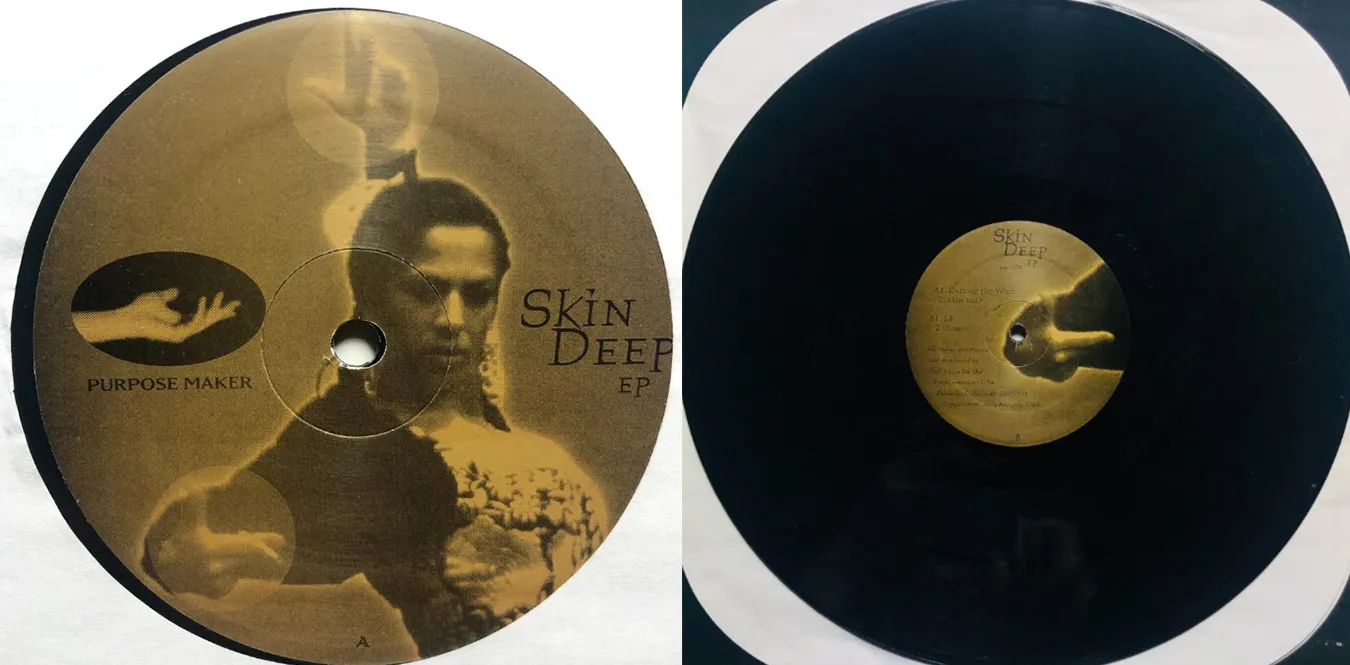
Jeff Mills – Skin Deep EP
“Call Of The Wild” samples the percussion break of “Get on the floor” from Michael Jackson’s 1979 album “Off The Wall”.
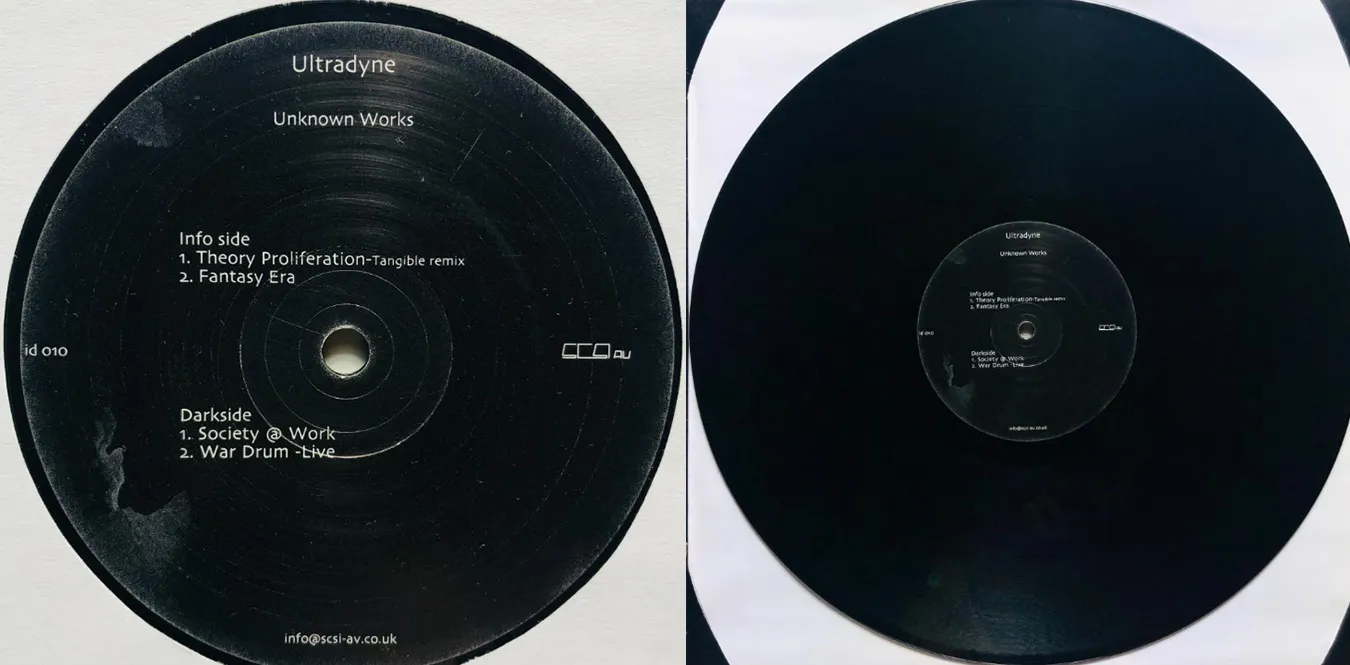
Ultradyne – Unknown Works
Ultradyne is a US techno music project by Dennis Richardson and Frank de Groodt. Also active under the name Majestic12.