序章 タンゴは「音楽」以前に社会だった
文:mmr|テーマ:タンゴが社会の周縁で生まれ、忘れられ、再び世界文化として甦るまでの社会的意味を辿る
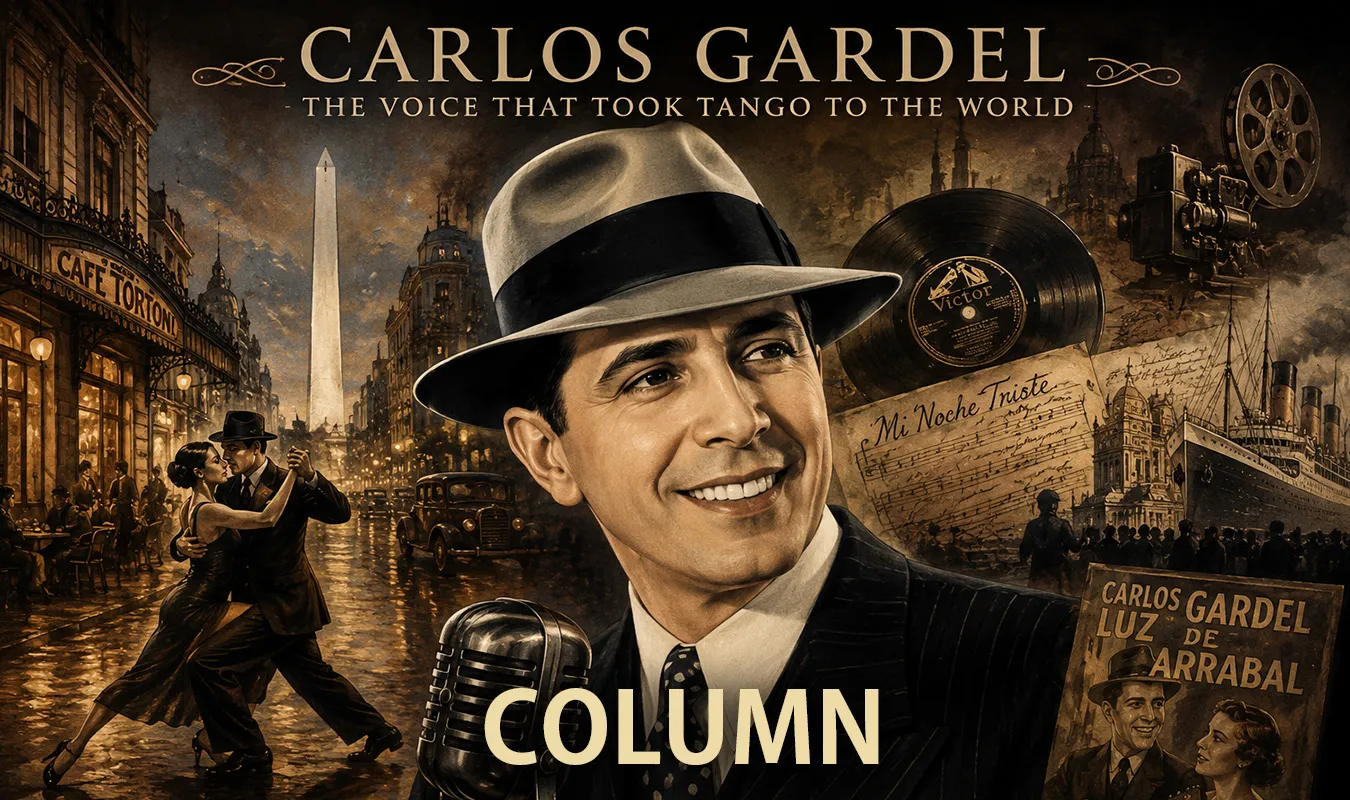
タンゴは、はじめから芸術として生まれたわけではない。 それはアルゼンチンの港湾都市ブエノスアイレスの社会構造、その歪みや緊張をそのまま音に変換した結果だった。
19世紀末から20世紀初頭、急速な移民流入によって形成されたブエノスアイレスは、世界でも類を見ない多民族都市となった。 Centered around Spain and Italy, Eastern European, African, and indigenous cultures were mixed together, and work, poverty, and loneliness existed on a daily basis.
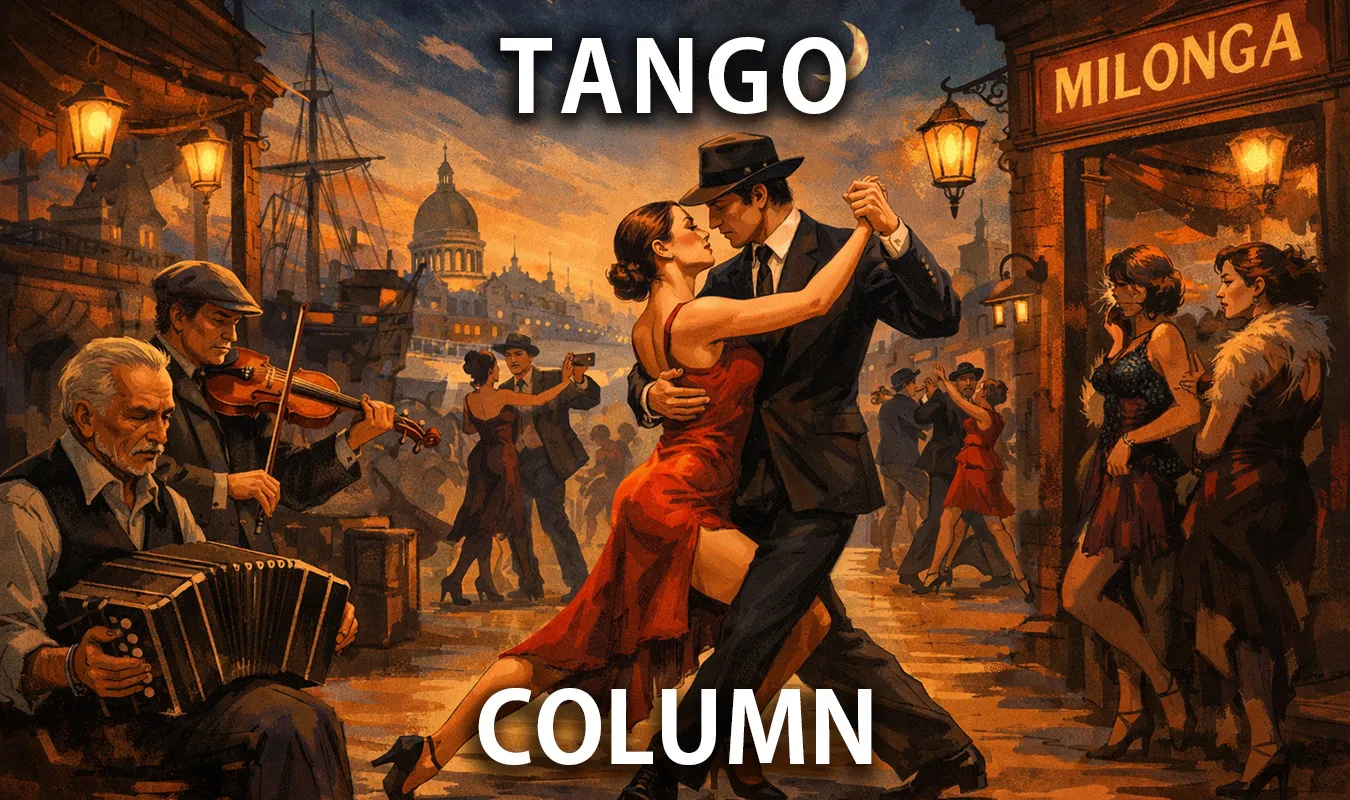
Tango grew up on the “underside” of this city. 上流社会の舞踏会ではなく、港湾労働者の酒場、下宿屋、売春宿の中庭で踊られていた。 音楽的洗練よりも、身体の距離、視線、即興性が重要だった。
タンゴは社会の中心ではなく、常に周縁から始まった文化である。
タンゴ誕生の社会的背景
Argentina in the late 19th century experienced rapid economic growth and at the same time serious social divisions. The nation prospered through agricultural exports, but only a small portion of the landowning class benefited.
As large numbers of immigrant men flocked to cities in search of jobs, the male-female ratio collapsed. 結果として、男性同士で踊る文化や、競争的なダンススタイルが自然に形成される。
The lyrics of early tango were very different from today’s romantic image. 犯罪、貧困、裏切り、失業、移民の孤独が直接的な言葉で語られていた。
楽器編成も即席的だった。 The guitar, flute, and violin were the main instruments, and the bandoneon later became a symbol.
Tango was a gathering point for the loneliness created by urbanization.
道徳的拒絶と社会的排除
At first, tango was strongly rejected by mainstream Argentine society. The reason for this was not the musical value, but the place where it was danced and the physical expression.
密着した姿勢、即興的な身体接触、性的含意を含む動きは「下品」と見なされた。 Many newspapers and educational institutions denounced tango as a symbol of depravity.
その結果、タンゴは公式な場から排除され、非公式な空間でのみ生き延びる。 This exclusion created a unique sense of unity and pride within tango.
Excluded cultures often deepen their own language.
European acceptance and reimportation
In the early 20th century, tango gained social status in an unexpected way. それはアルゼンチン国内ではなく、ヨーロッパで起こった。
Tango was introduced mainly to Paris by performers and dancers who traveled to Europe from Buenos Aires. It became popular in upper-class social circles as an exotic and sensual dance.
このヨーロッパでの成功は、アルゼンチン国内の評価を一変させる。 Tango, which was once rejected, began to be reinterpreted as a ““national culture.’’
Tango was accepted in one’s own country through the gaze of others.
Golden Age and Popular Culture
From the 1930s to the 1950s, tango entered its “golden age.” ラジオ、レコード、映画の普及により、タンゴは都市大衆文化の中心となった。
この時代、オルケスタ・ティピカと呼ばれる大編成楽団が主流となり、音楽は高度に洗練される。 Dance, while retaining its improvisational nature, became standardized.
The lyrics also change. 個人的悲哀や郷愁、失われた愛が詩的に描かれ、広範な共感を得るようになった。
Tango has gone from being a shadow of society to a spokesperson for national sentiment.
政治とタンゴの距離
タンゴは政治権力とも複雑な関係を築いてきた。 Although they rarely directly supported a particular political party, they were used to shape the nation’s image.
On the other hand, there were times when it was affected by censorship and cultural control. 特に軍事政権下では、公共空間での表現が制限され、タンゴ文化も縮小を余儀なくされる。
この時期、多くの演奏家が国外に活動拠点を移した。 This served as the basis for a later international reevaluation.
There was a time when tango survived by remaining silent.
衰退と断絶
From the 1960s onwards, with the rise of rock and folk, tango fell out of the center of youth culture. 都市のダンスホールは減少し、世代間の断絶が進んだ。
タンゴは「過去の音楽」「親世代の文化」と見なされるようになる。 This evaluation temporarily broke the cultural continuity.
衰退は消滅ではなく、潜伏である場合が多い。
再興の条件
1980年代以降、タンゴは再び注目を集める。 There are multiple factors.
ひとつは国際的な舞台芸術としての再構築。 The other issue is the reassessment of cultural heritage within Argentina.
Dance is liberated from formalism, with a renewed emphasis on improvisation and physical dialogue. 若い世代が、伝統を再解釈する動きが広がった。
再興とは、過去の再現ではなく更新である。
現代タンゴの社会的意味
現代におけるタンゴは、単なる懐古趣味ではない。 都市生活における身体性、他者との距離、即興的コミュニケーションの場として機能している。
Gender roles are also becoming more flexible, and rigid lead-follow structures are being reconsidered. Tango has once again become a ““mirror that reflects society.’’
タンゴは今も社会と共に変化し続けている。
年表
Tango history timeline
タンゴの歴史は直線ではなく、循環に近い。
結語 タンゴは終わらない
タンゴは完成された文化ではない。 It is a living social phenomenon that changes shape every time the city and human relationships change.
What its resurgence means is not a return to the past, but a response to the present.
タンゴは踊られるたびに、社会を語り直している。
Explore more like this