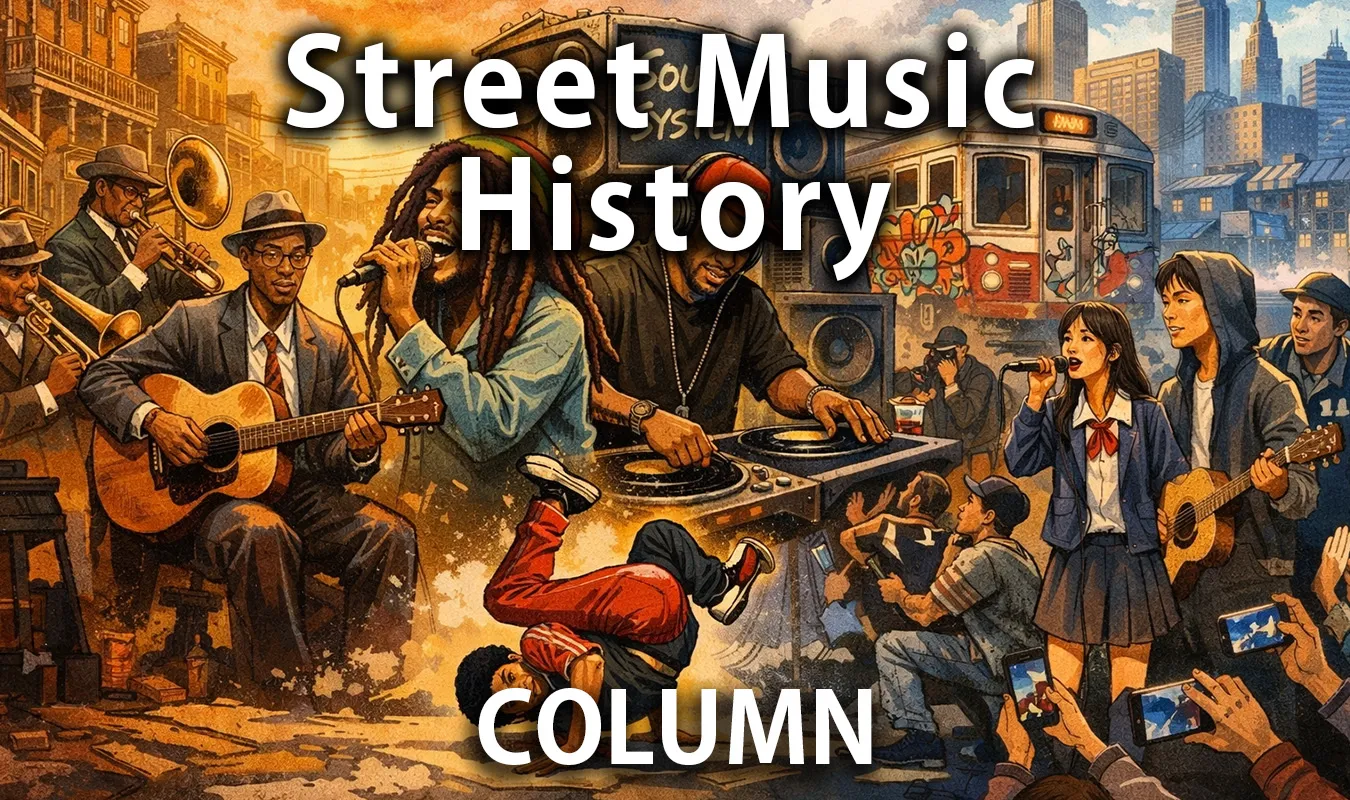
ストリート音楽とは
文:mmr|テーマ:都市の路上から生まれた音楽が、いかにして世界文化を形作ったのかを辿る
ストリート音楽とは、商業施設や劇場ではなく、公共空間——路上、広場、市場、地下鉄駅など——で生まれ、発展してきた音楽文化を指す。
そこでは制度よりも共同体が、楽譜よりも即興が、権威よりも現場の身体性が重視される。
- 公共空間での演奏・表現
- 共同体的・自律的な制作環境
- 即興性と身体性
- 政治・社会状況との強い接続
- Originating role in influencing commercial music
ストリート音楽とは、制度の外側から世界の中心へ流れ込む音楽の水脈である。
History
1. Late 19th century: urbanization and street entertainment
Rapid urbanization progressed in the late 19th century New Orleansでは、ブラスバンド、葬列音楽、ブルースの原型が街路で混交した。黒人コミュニティの祝祭やパレードは、のちのジャズ形成に決定的な影響を与えた。
同時期の Rio de Janeiroでは、解放奴隷と移民文化が交差し、サンバの原型がファヴェーラ周辺の路地で形を取り始める。
City markets, ports, and train stations were musical testing grounds where race, class, and immigration intersected.
2. First half of the 20th century: blues, samba, calypso
In the Delta region of the southern United States, blues evolved from work songs and began to be played on street corners and juke joints. Robert Johnsonの録音(1936–37年)は、路上由来のブルースが商業録音へ移行する象徴的瞬間だった。
ブラジルでは1930年代、サンバが国家アイデンティティの象徴として制度化される。だがその根は路地とカーニヴァルにあった。
In the Caribbean, Trinidad’s calypso spread as street songs containing political satire, forming a discourse space under colonial rule.
3. 1950–60年代:レゲエと都市移民文化
ジャマイカ・キングストンではサウンドシステム文化が誕生する。 Coxsone Doddや Duke Reidが主導した移動式スピーカー文化は、屋外ダンスと録音産業を直結させた。
やがてスカからロックステディを経てレゲエが成立。 Bob Marleyは路上から国際的象徴へと上昇した。
同時期、アメリカ都市部では公民権運動とともにソウル、ファンクが街頭デモと連動する。
4. 1970年代:ヒップホップの誕生
1973年8月11日、 New York Cityブロンクスで行われた DJ Kool Herc’s parties are considered the starting point of hip-hop.
Block parties, turntables, MC, breakdance, graffiti. All of these were integrated cultures born out of public space.
やがて As Grandmaster Flash and others advanced the technology, rap became a language of social criticism.
5. 1980–90年代:グローバル拡散
ヒップホップは Paris, Tokyo, Johannesburgへと拡散。
フランスでは移民二世がラップを通じて郊外問題を語り、日本ではクラブとストリートファッションを結びつけた独自文化が形成された。
In Brazil, funk carioca was born from the favelas, and in South Africa, kwaito symbolized post-apartheid youth culture.
6. 2000年代以降:デジタルと路上の再接続
YouTube、SNSの普及により、路上パフォーマンスは即座に世界へ共有される。
韓国の弘大、日本の渋谷、ロンドン地下鉄などでのバスキングは、物理的空間とデジタル空間を横断する。
ストリートは消えたのではなく、拡張されたのである。
路上は常に、時代の矛盾と創造性が交差する最前線だった。
Key Artists
- Robert Johnson
- Bob Marley
- DJ Kool Herc
- Grandmaster Flash
- Mano Brown
They were first accepted into the city before being protected by the system.
Essential Tracks
- “Cross Road Blues” – Robert Johnson (1936)
- 「Get Up, Stand Up」 – Bob Marley & The Wailers (1973)
- “The Message” – Grandmaster Flash and the Furious Five (1982)
- 「Diário de um Detento」 – Racionais MC’s (1997)
These songs etched themselves into history in the form of recordings of voices on the street.
Cultural Impact
ストリート音楽は単なる娯楽ではない。
- 政治的抵抗の媒体
- 都市アイデンティティの形成
- ファッション・ダンス・アートとの融合
- グローバル文化ネットワークの形成
Hip-hop has been discussed at the United Nations, and reggae has been registered as a UNESCO Intangible Cultural Heritage. However, its starting point is always in public space.
The streets were not the ““periphery’’ of culture, but the center of innovation.
世界文化の更新は、いつも舗道の上から始まる。
Chronology
| Years | Events |
|---|---|
| 1890s | ニューオーリンズでブラスとブルース融合 |
| 1930s | Samba National Symbolization |
| 1950s | Sound system culture established in Jamaica |
| 1973 | ブロンクスでヒップホップ誕生 |
| 1980s | ヒップホップ欧州拡散 |
| 2005以降 | YouTubeで路上演奏世界共有 |
FAQ
ストリート音楽はなぜ政治的なのか?
This is because public space is a place where power and citizens intersect. There, inequality and oppression are made visible, and music becomes a means of expression.
商業化するとストリート性は失われる?
必ずしもそうではない。多くのジャンルは商業化後もコミュニティとの結びつきを維持している。
現代でもストリート音楽は存在する?
存在する。地下鉄の演奏者からオンライン配信型のバスカーまで、形を変えながら続いている。
Street music is not a legacy of the past, but an ongoing culture.
Explore more like this
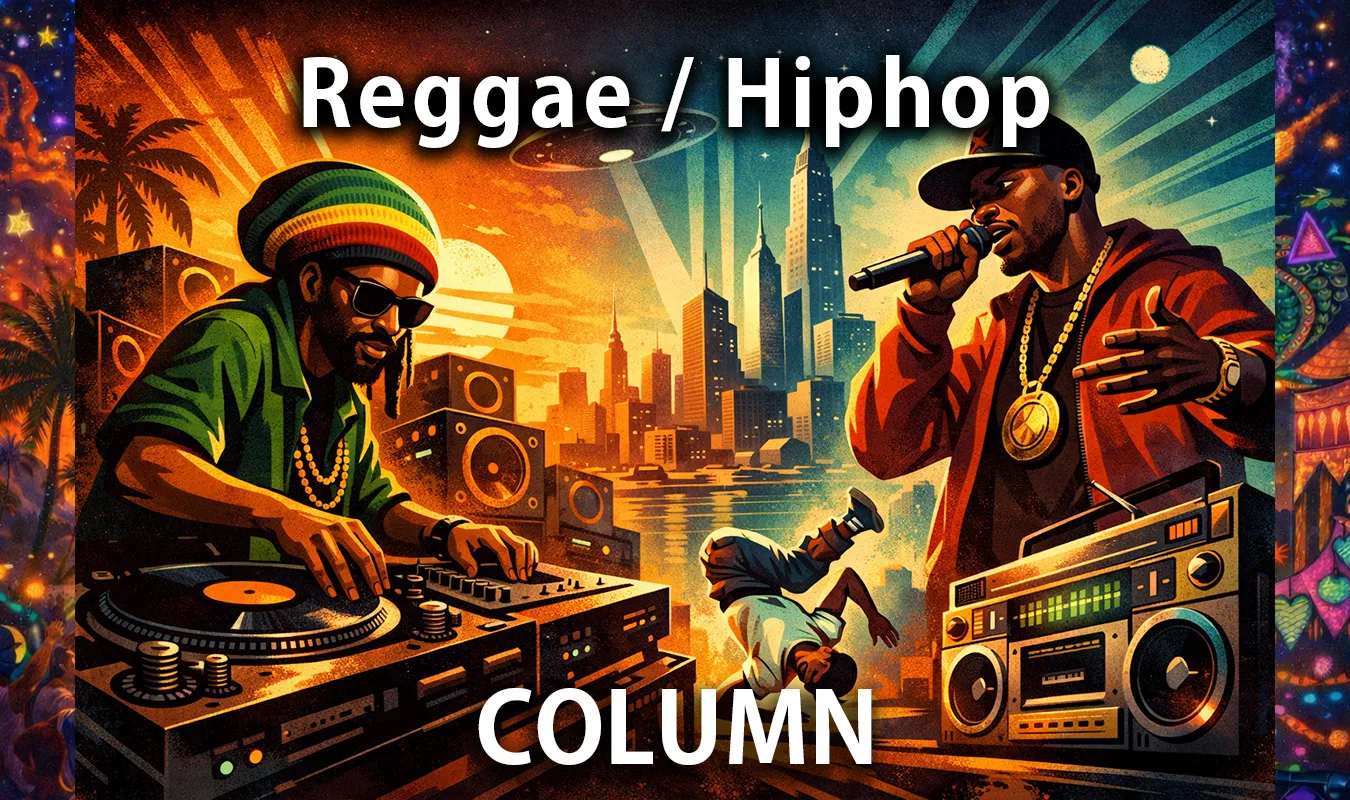
【コラム】 Reggae × Hip-Hop:サウンドシステムから世界都市へ——交差するリズムのグローバル交流史
サウンドシステムから世界標準へ、越境する低音文化の系譜
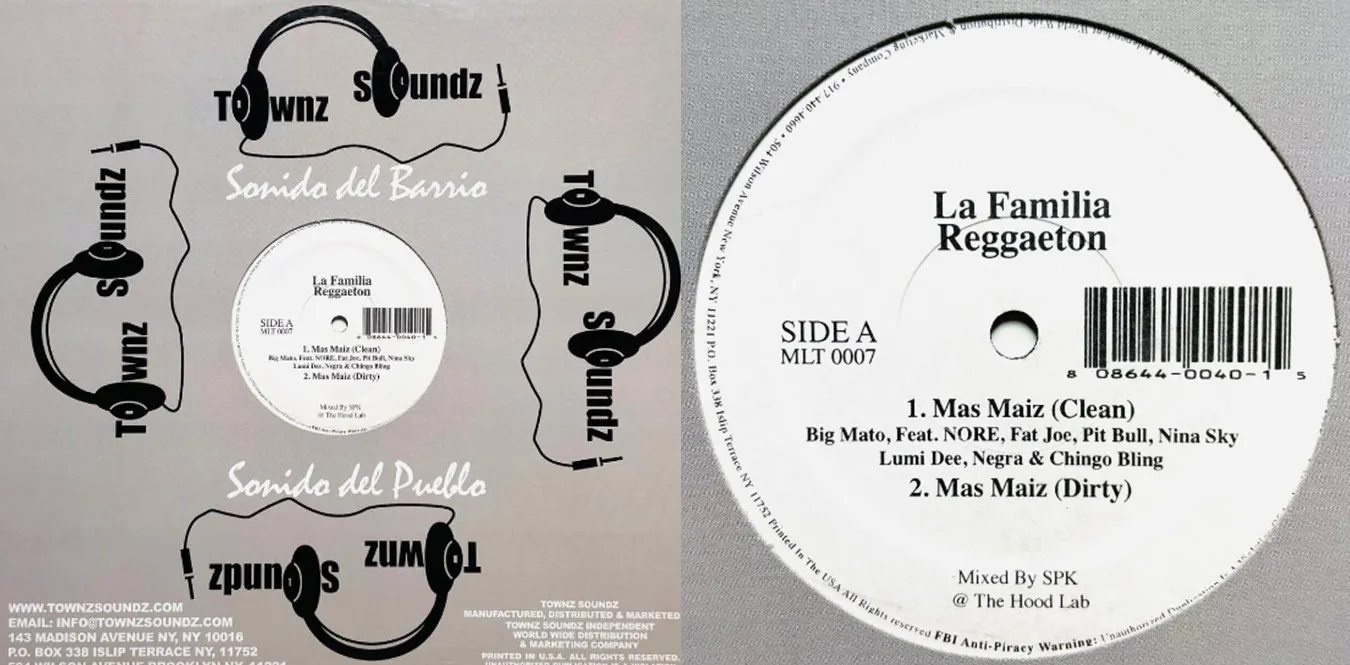
VA – La Familia Reggaeton
2005年にリリースされた「La Familia Reggaeton 」は、Queens出身のラッパーN.O.R.E.の曲をエクペリメンタル・インダストリアルノイズミュージックグループ SPK(Graeme Revell & Neil Hill)がmixしたHip Hop/Reggaeレコード。